
College of Liberal Arts organizes workshop on localization of Southern Min languages gathering scholars from Taiwan and abroad
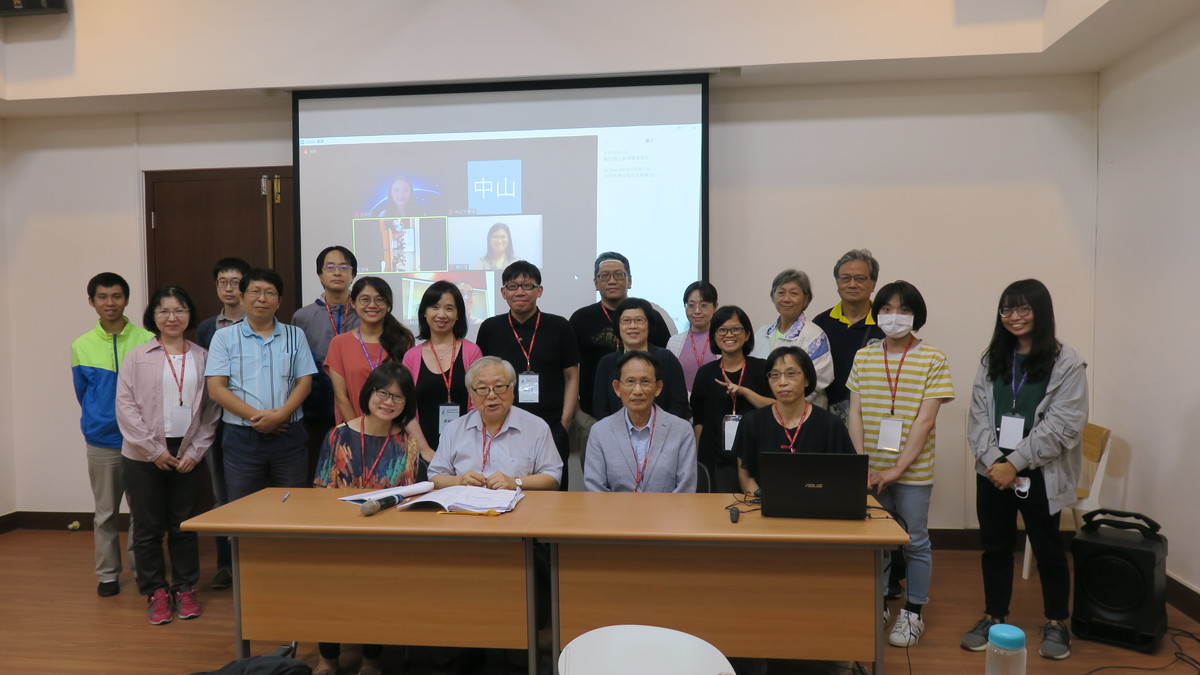
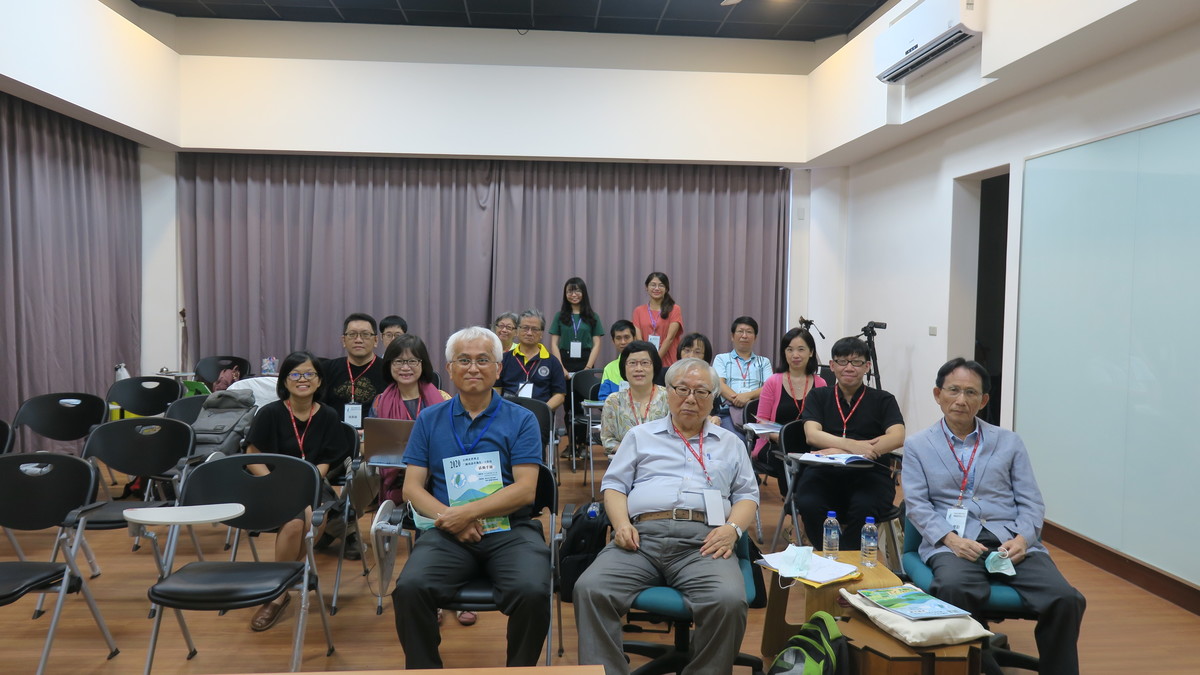
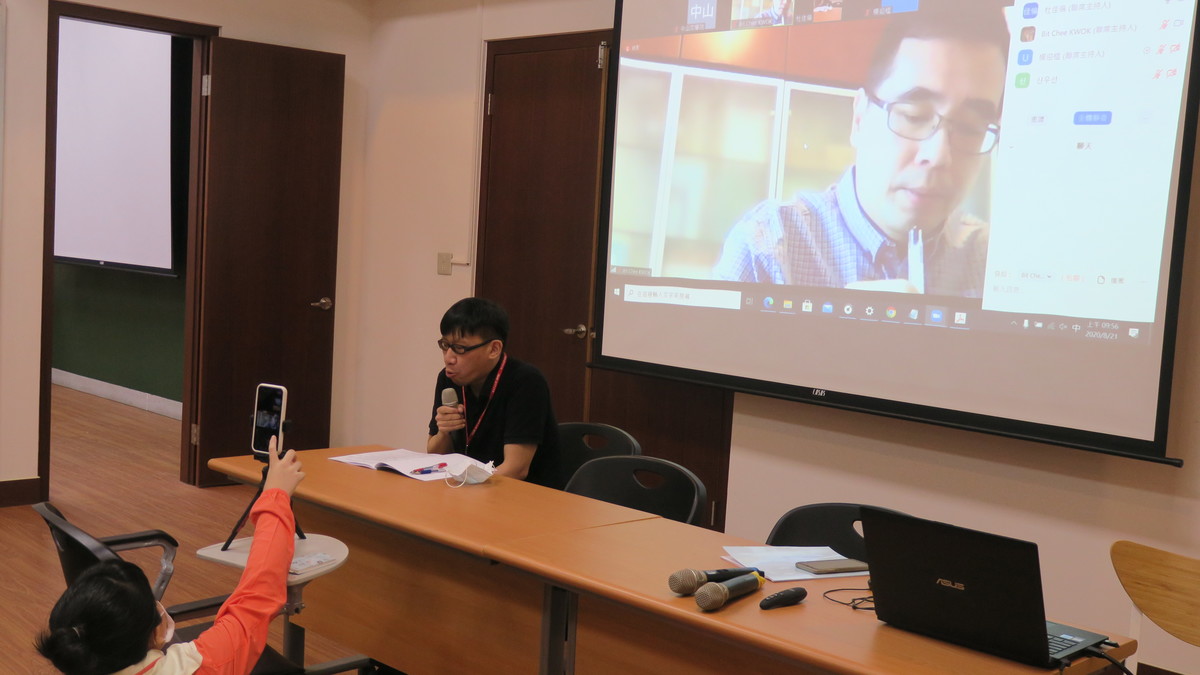
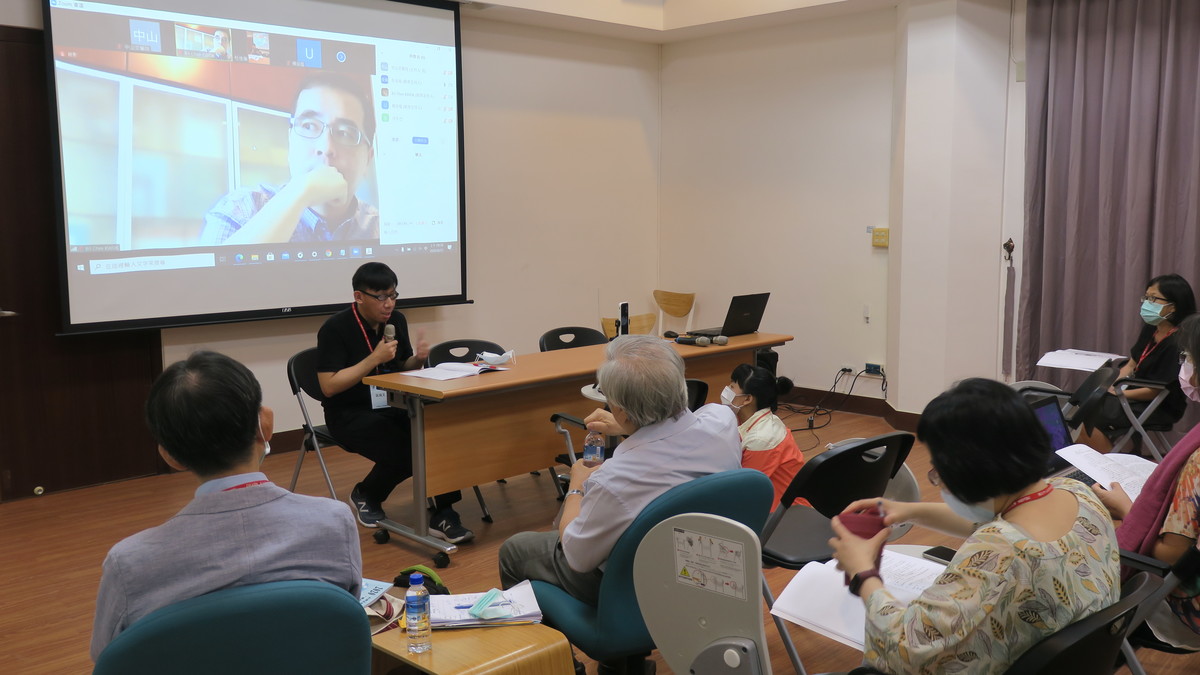
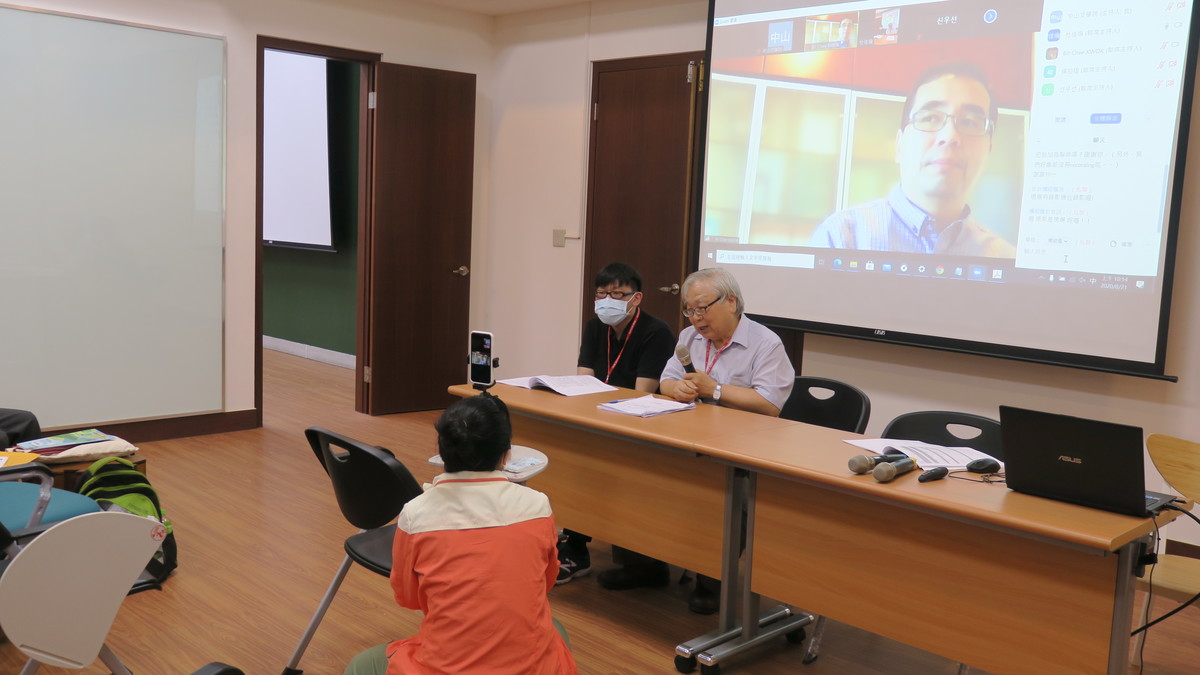
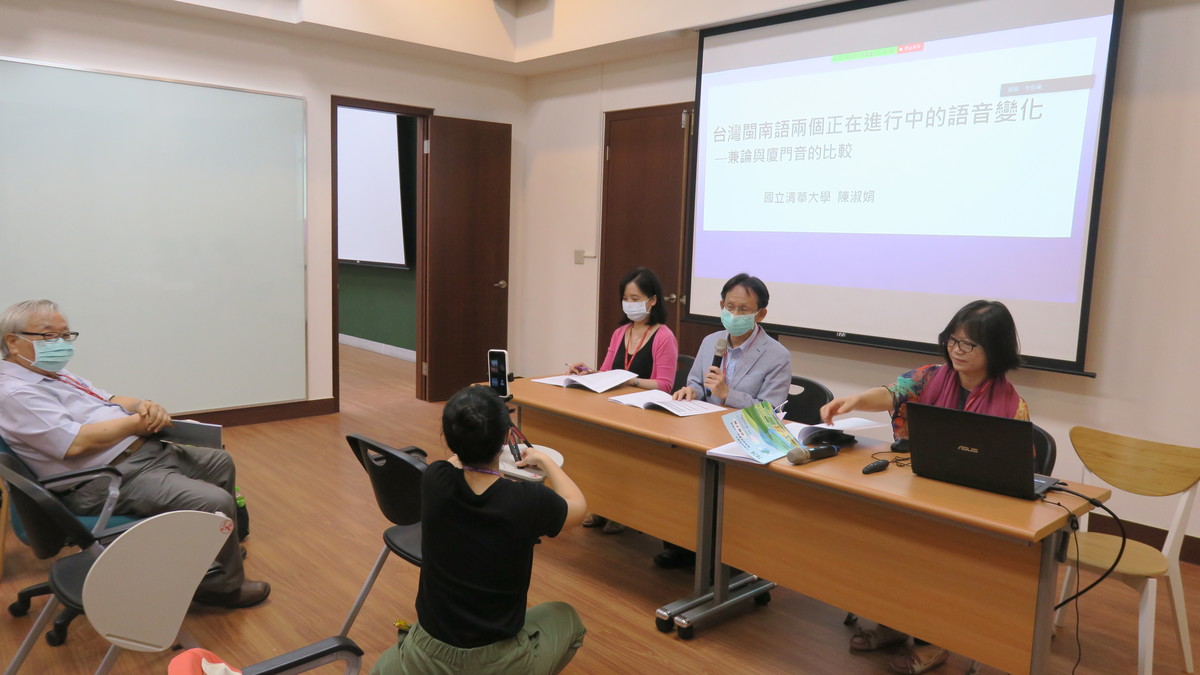
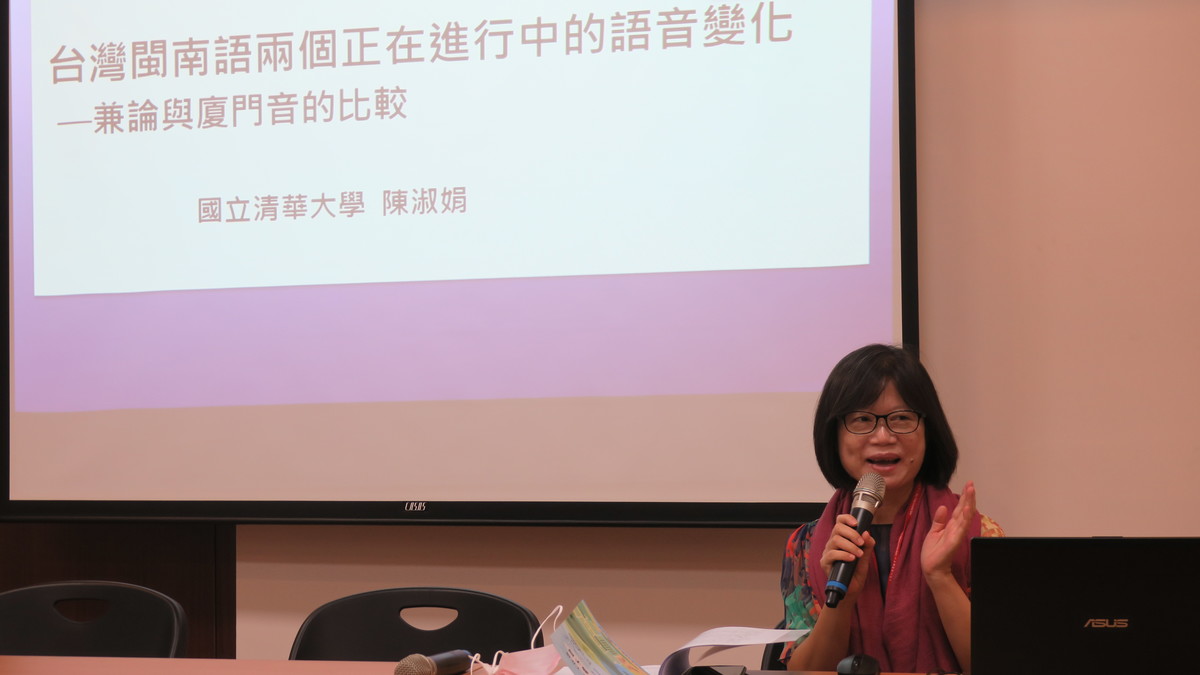
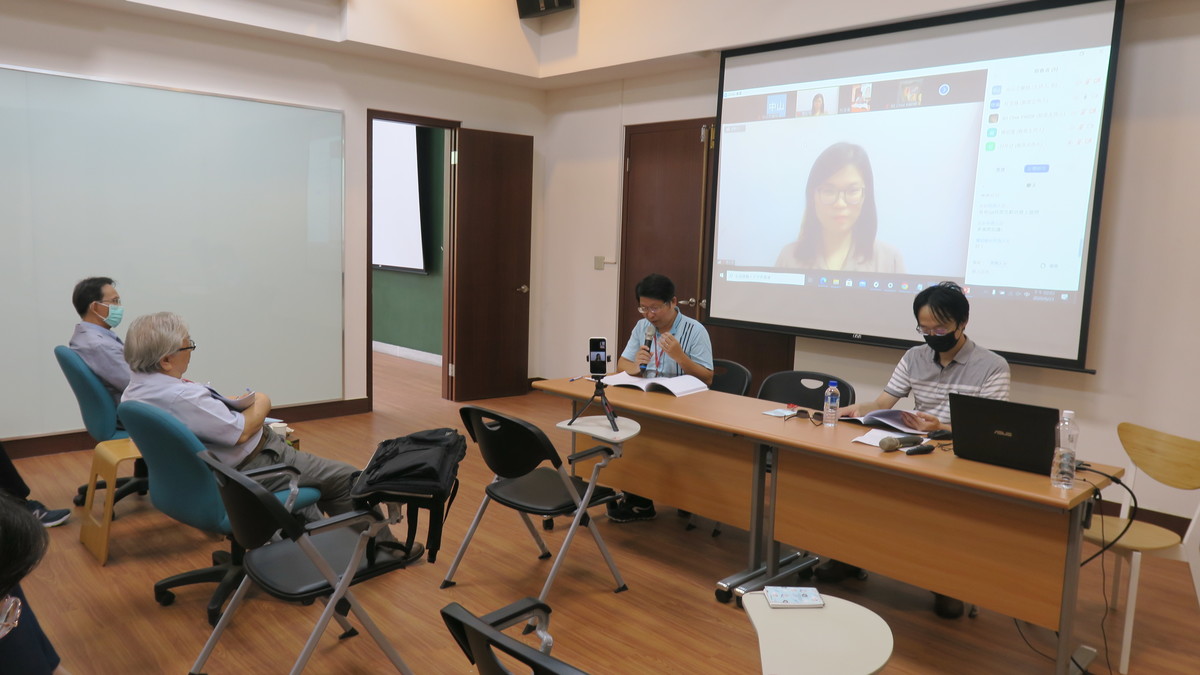
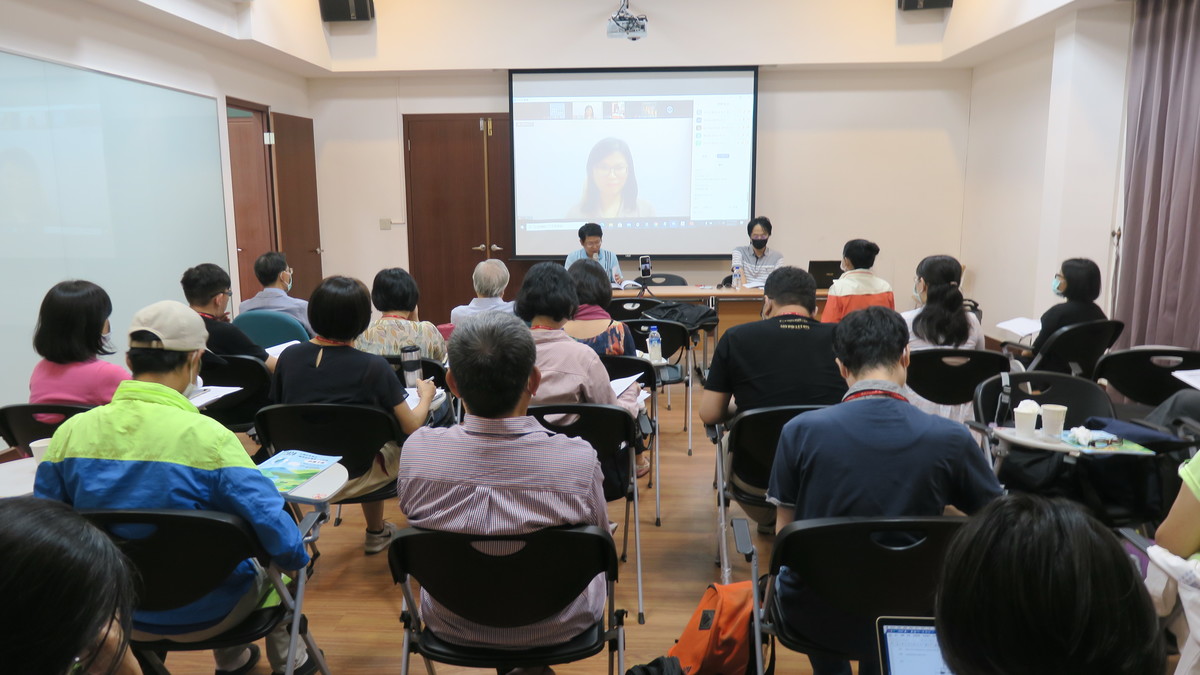
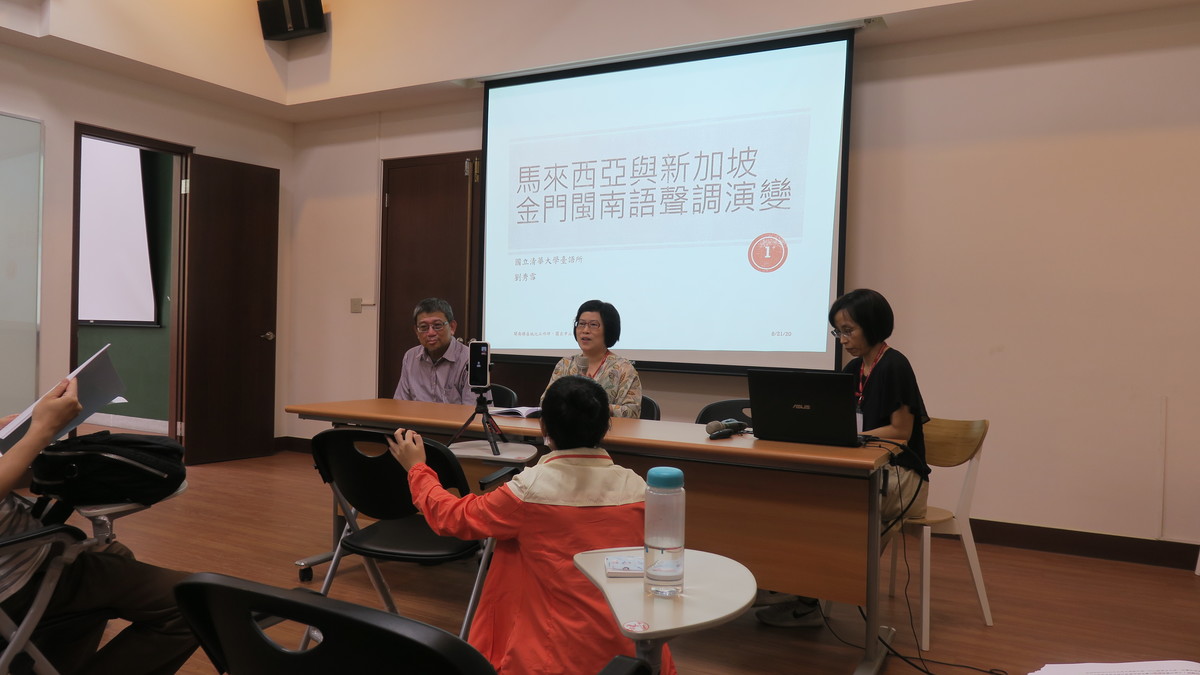
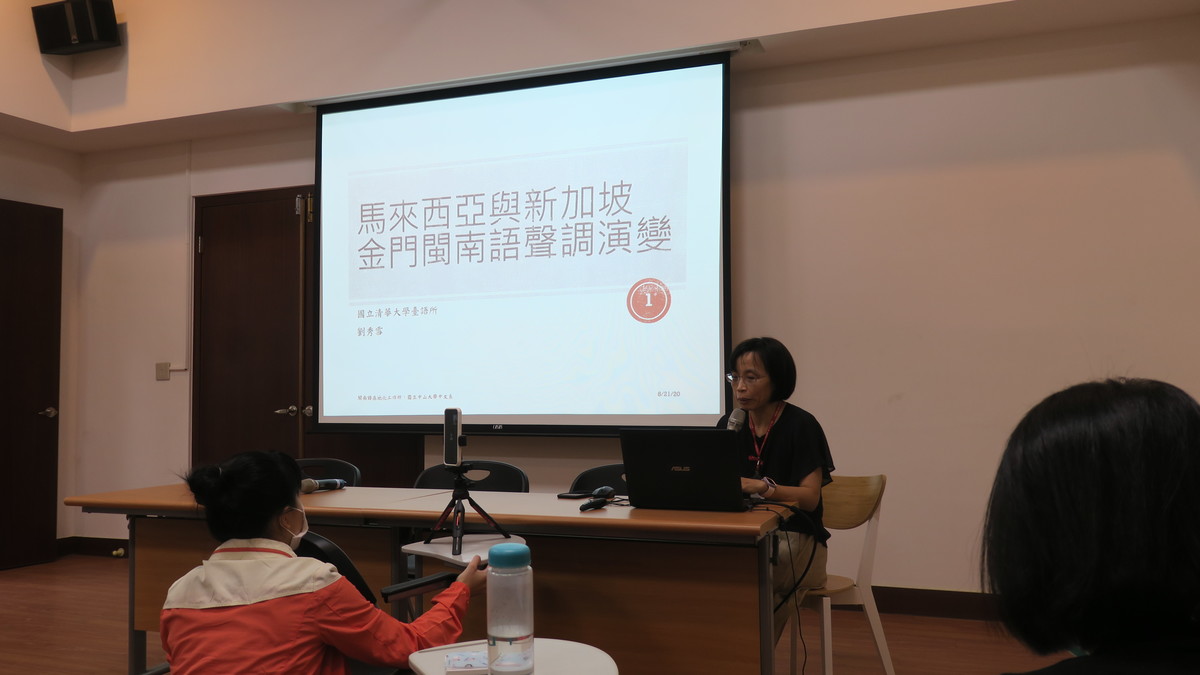
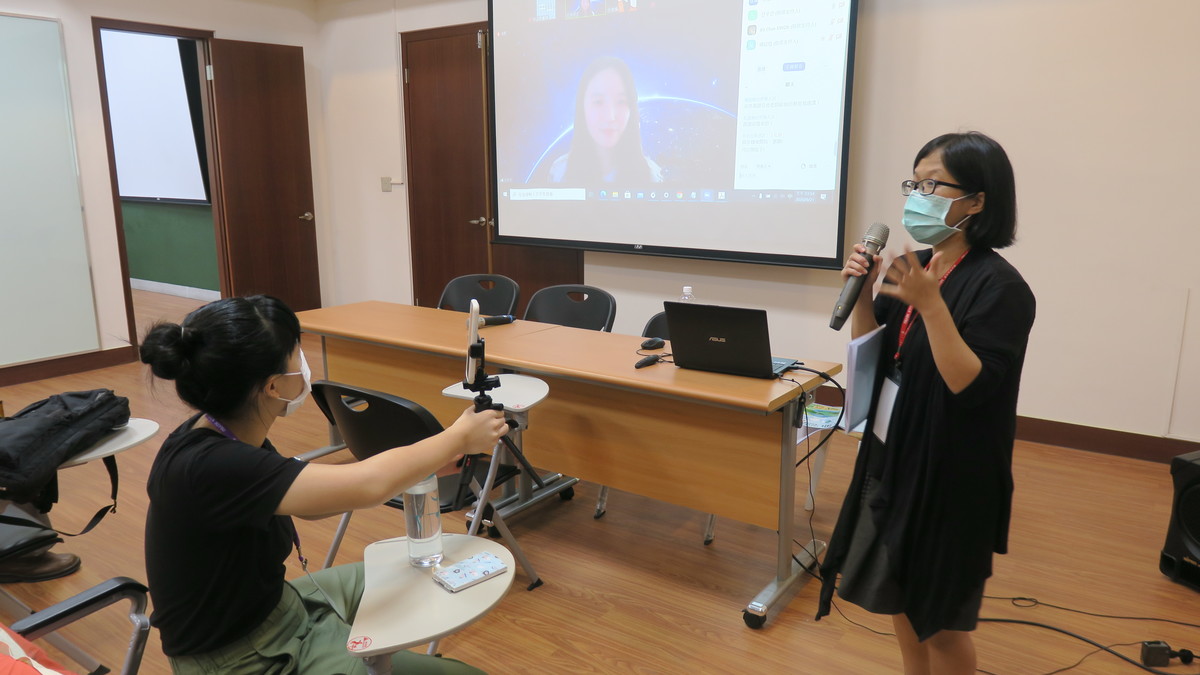
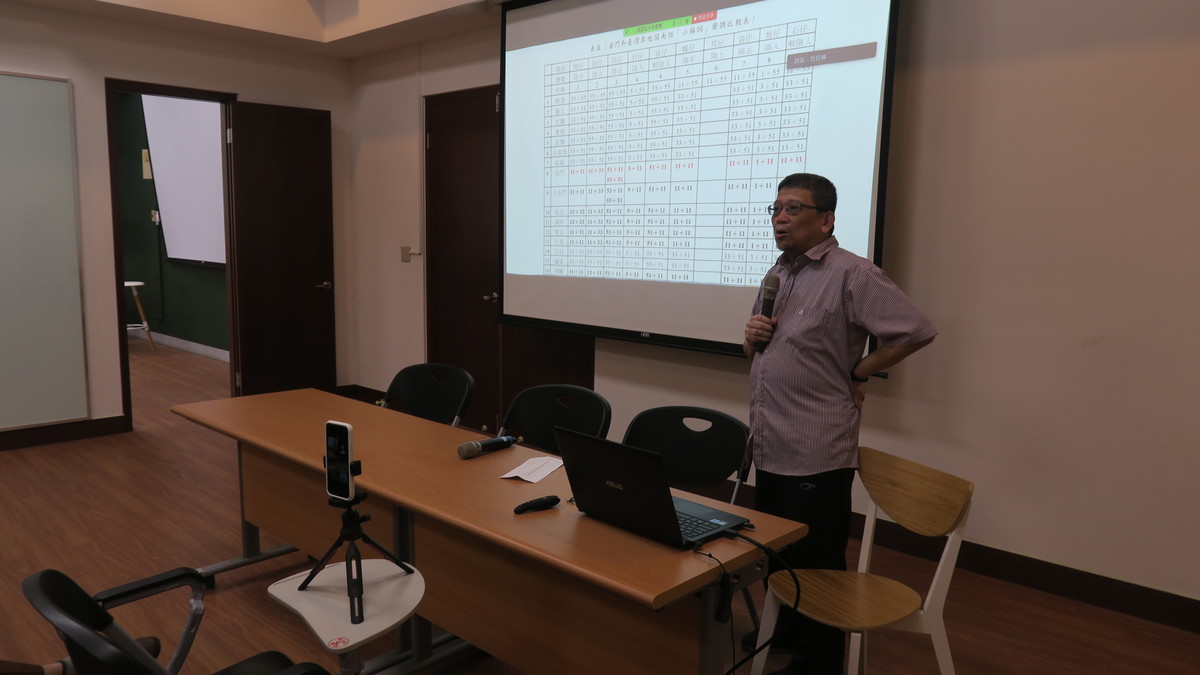
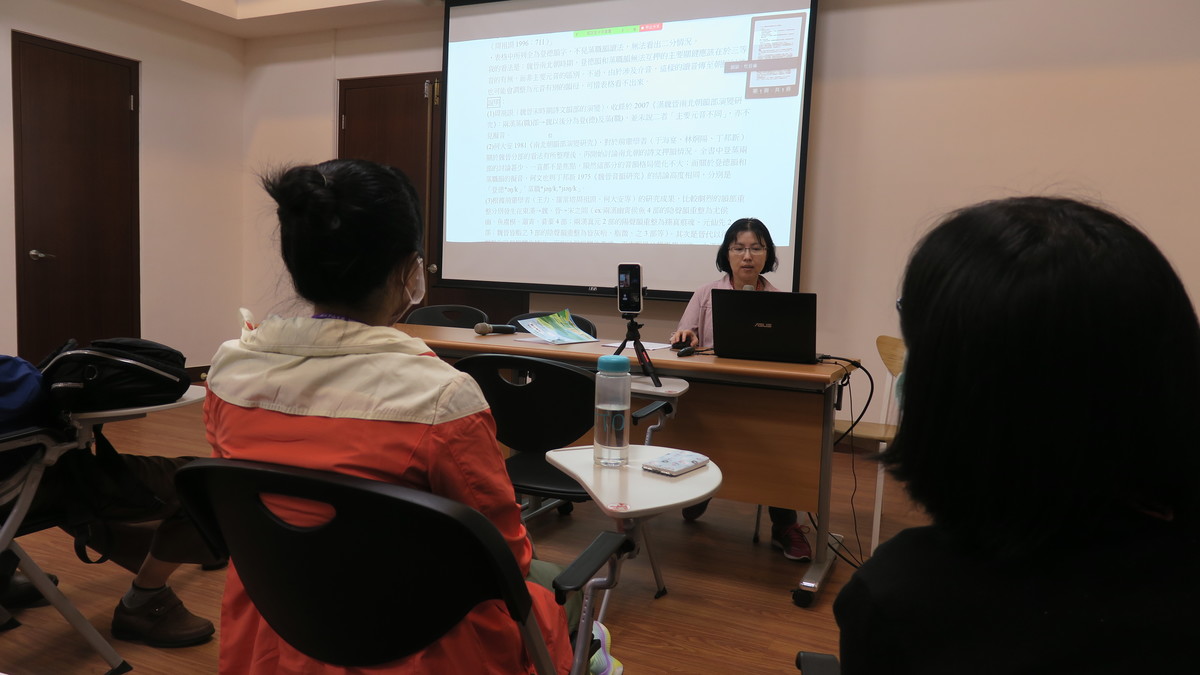
(Provided by College of Liberal Arts) The College of Liberal Arts at National Sun Yat-sen University and Taiwan Languages and Literature Society organized a workshop on the localization of Southern Min languages, attended by Taiwanese linguists who have been engaged in long-term research on Southern Min languages, and scholars from South Korea, Hong Kong, and Malaysia. Because of the pandemic, international scholars, who originally were to come to Taiwan, delivered their speeches via videoconference and enthusiastically engaged in a passionate debate.
In recent years, the College of Liberal Arts has been actively organizing a series of academic seminars “Taiwan in the World”. Dean of the College Chung-Chi Yu compared Taiwan – a meeting point for different cultures to the intertidal zone in between the sea and the land. He expressed his hope that Taiwan could see the world from a macro perspective, and for that, he invited international scholars to the Sizihwan Bay to engage in in-depth exchange and interaction.
Taiwan is an island with a high concentration of languages and ethnic groups. Among the native languages of Taiwan, Taiwanese Southern Min developed from the two Southern Min languages: Quanzhou and Zhangzhou, spoken by early immigrants to Taiwan. The two languages localized and formed a new language. Associate Professor Chia-Lun Tu of the Department of Chinese Literature at NSYSU said that this workshop considered both the theory and application, discussed and compared the situation of the localization of Southern Min in different countries, in both the literary and spoken form. Besides Taiwanese scholars, many international scholars participated and expanded the perspective on Southern Min research. Language localization and the subsequently formed subjectivity is an essential element of the linguistic history in Taiwan. Comparison and discussion on the localization and subjectivity of Southern Min in different regions of the world emphasize the abundance of languages and cultures of Taiwan.
Professor of the Institute of Sinophone Studies at National Tsing Hua University Shu-Chuan Chen presented the results of her long-term field study: she enumerated two linguistic shifts that are taking place in Taiwanese Southern Min: variation of the vowel /o/ and entering tone variation, and compared these phenomena with Amoy Southern Min. Professor of the Institute of Taiwan Languages and Language Teaching at National Tsing Hua University Hsiu-Hsueh Liu researched the localization evolution of tones of immigrants from the Kinmen island. She explained the gradual simplification of three flat tones (high, middle, and low level tones) into two tones (high and low level tones). Assistant Professor of the Department of Chinese Language and Literature at Pusan National University Woosun Shin gave a speech on the different levels of variant pronunciation of Chinese characters in the South Korean language, analyzed the etymology of several words in detail, and made a comparison to Southern Min language.
Associate Professor of the Department of Chinese Language and Literature at the Chinese University of Hong Kong Kwok Bit-Chee discussed the stylistics and semantics of the Amoy and Shantou variations of Southern Min from the morphological point of view and explained the morphological differences and coopetition of both the literary and spoken form of Southern Min. Senior Lecturer Dr. Yeoh Yin Yin of the Department of Chinese Studies, University of Malaya, discussed the formation and development of Southern Min in northern Malaysia, where various languages meet and the phenomenon of koineization occurs, leading to eclecticism and new variants and forming a new native language, similar to Taiwanese Southern Min in that it was heavily influenced by Mandarin that caused the young users to gradually lose fluency in Southern Min.
Taiwanese linguists moderated each panel of the workshop on the localization of Southern Min languages gave their opinion on every speaker’s presentation and asked additional questions on the discussed topics to stimulate the audience’s reflection and feedback.
(Edited by Public Affairs Division)
In recent years, the College of Liberal Arts has been actively organizing a series of academic seminars “Taiwan in the World”. Dean of the College Chung-Chi Yu compared Taiwan – a meeting point for different cultures to the intertidal zone in between the sea and the land. He expressed his hope that Taiwan could see the world from a macro perspective, and for that, he invited international scholars to the Sizihwan Bay to engage in in-depth exchange and interaction.
Taiwan is an island with a high concentration of languages and ethnic groups. Among the native languages of Taiwan, Taiwanese Southern Min developed from the two Southern Min languages: Quanzhou and Zhangzhou, spoken by early immigrants to Taiwan. The two languages localized and formed a new language. Associate Professor Chia-Lun Tu of the Department of Chinese Literature at NSYSU said that this workshop considered both the theory and application, discussed and compared the situation of the localization of Southern Min in different countries, in both the literary and spoken form. Besides Taiwanese scholars, many international scholars participated and expanded the perspective on Southern Min research. Language localization and the subsequently formed subjectivity is an essential element of the linguistic history in Taiwan. Comparison and discussion on the localization and subjectivity of Southern Min in different regions of the world emphasize the abundance of languages and cultures of Taiwan.
Professor of the Institute of Sinophone Studies at National Tsing Hua University Shu-Chuan Chen presented the results of her long-term field study: she enumerated two linguistic shifts that are taking place in Taiwanese Southern Min: variation of the vowel /o/ and entering tone variation, and compared these phenomena with Amoy Southern Min. Professor of the Institute of Taiwan Languages and Language Teaching at National Tsing Hua University Hsiu-Hsueh Liu researched the localization evolution of tones of immigrants from the Kinmen island. She explained the gradual simplification of three flat tones (high, middle, and low level tones) into two tones (high and low level tones). Assistant Professor of the Department of Chinese Language and Literature at Pusan National University Woosun Shin gave a speech on the different levels of variant pronunciation of Chinese characters in the South Korean language, analyzed the etymology of several words in detail, and made a comparison to Southern Min language.
Associate Professor of the Department of Chinese Language and Literature at the Chinese University of Hong Kong Kwok Bit-Chee discussed the stylistics and semantics of the Amoy and Shantou variations of Southern Min from the morphological point of view and explained the morphological differences and coopetition of both the literary and spoken form of Southern Min. Senior Lecturer Dr. Yeoh Yin Yin of the Department of Chinese Studies, University of Malaya, discussed the formation and development of Southern Min in northern Malaysia, where various languages meet and the phenomenon of koineization occurs, leading to eclecticism and new variants and forming a new native language, similar to Taiwanese Southern Min in that it was heavily influenced by Mandarin that caused the young users to gradually lose fluency in Southern Min.
Taiwanese linguists moderated each panel of the workshop on the localization of Southern Min languages gave their opinion on every speaker’s presentation and asked additional questions on the discussed topics to stimulate the audience’s reflection and feedback.
(Edited by Public Affairs Division)
Click Num:
Share