
In an era when interdisciplinarity is a focus, the ability to cooperate with others has become even more important than being a slasher, says NSYSU President Ying-Yao Cheng
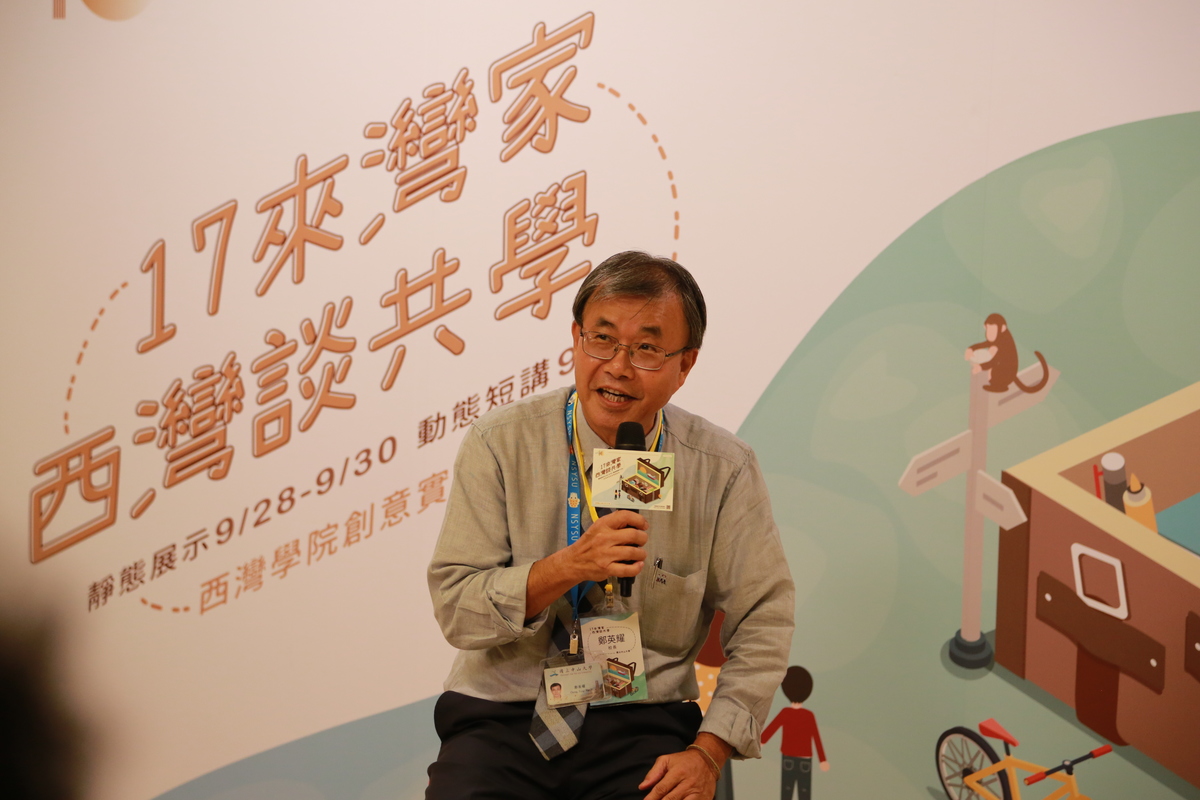
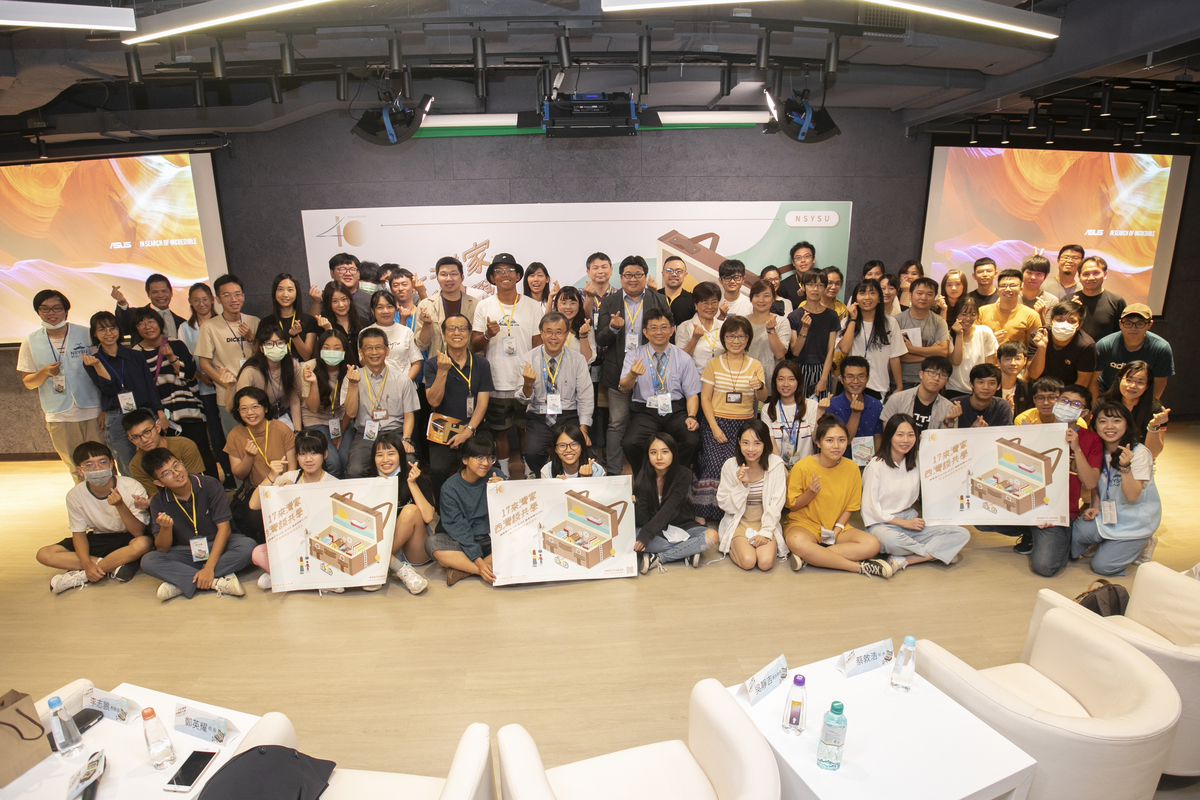
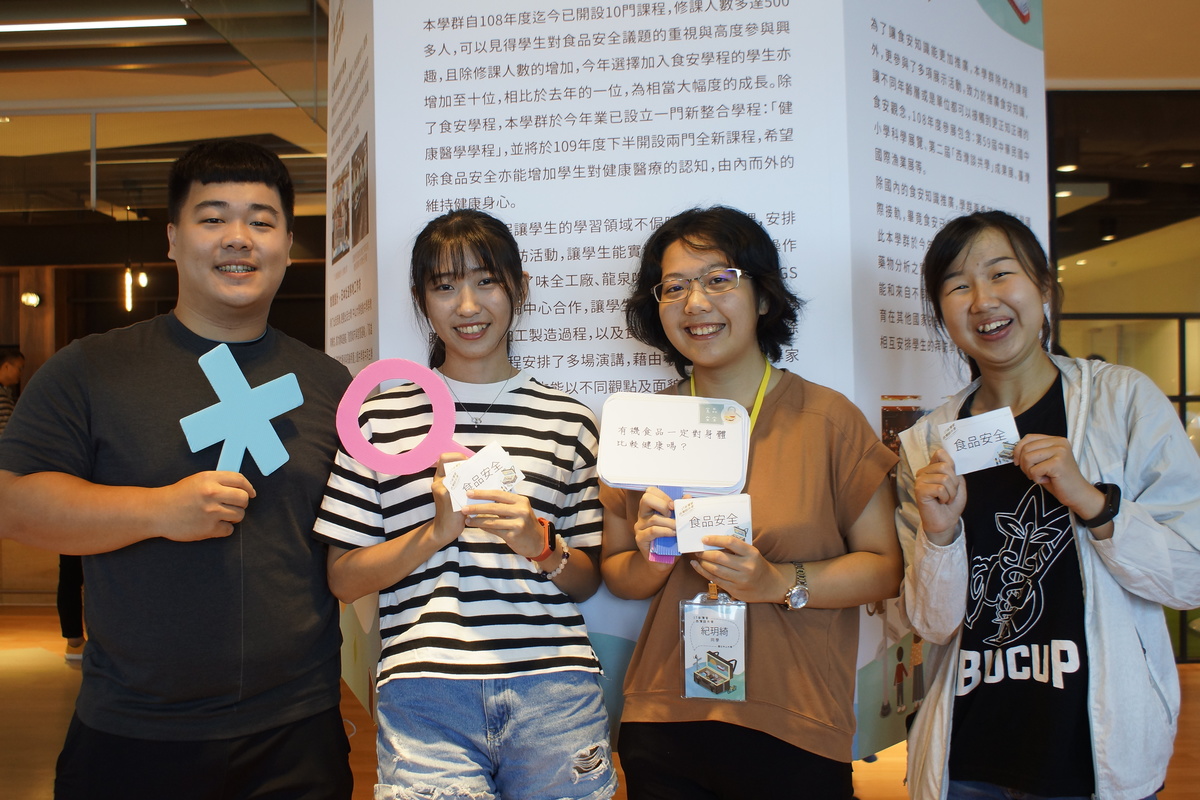
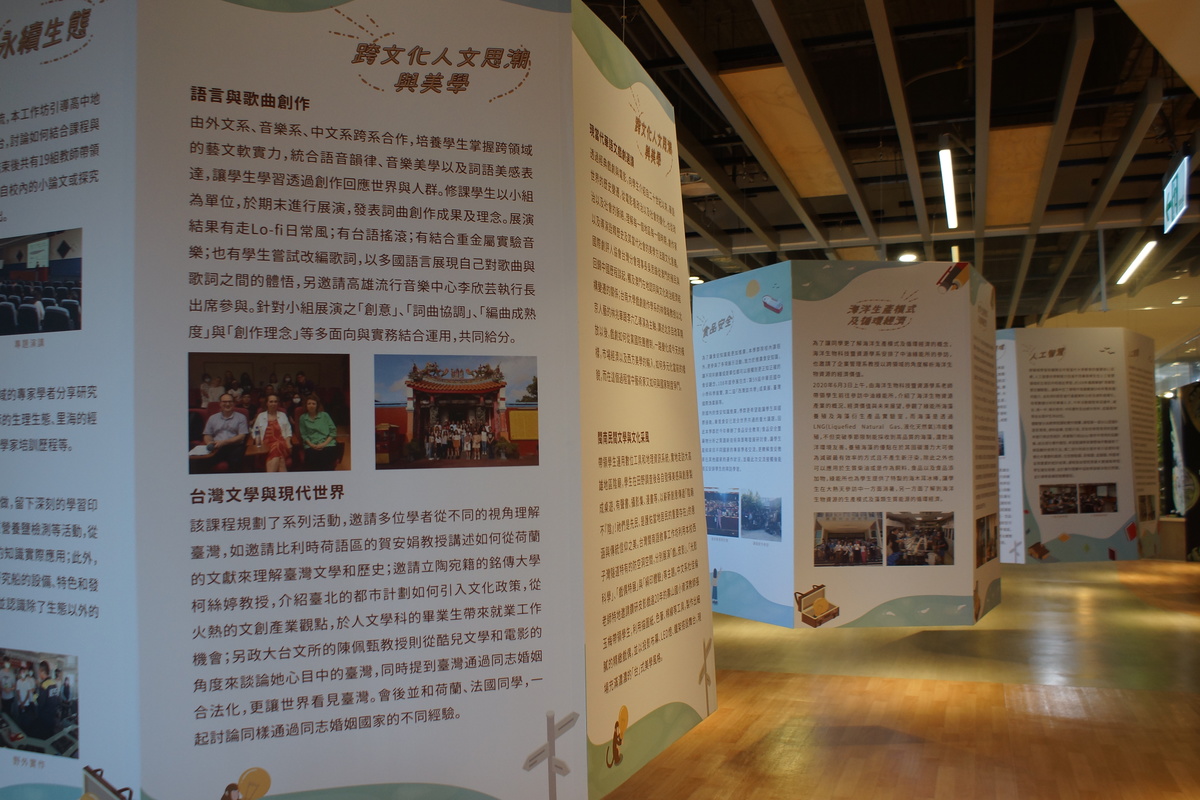
(Report by student journalist) On September 28, Teacher’s Day in Taiwan, NSYSU organized the 3rd Co-Learning Session at Si Wan, presenting the results of students’ and teachers’ cooperation in 17 core interdisciplinary issues in 5 areas, including exhibitions and presentations to foster students’ and teachers’ cooperation and break away from the outdated learning schemes. NSYSU President Ying-Yao Cheng said that in an era when interdisciplinarity is a focus, the ability to cooperate with others has become even more important than being a slasher. He emphasized that professionals shall respect each other’s specialties and that the ability to cooperate with specialists in different fields and teamwork are more important than attempting to learn the whole process by oneself.
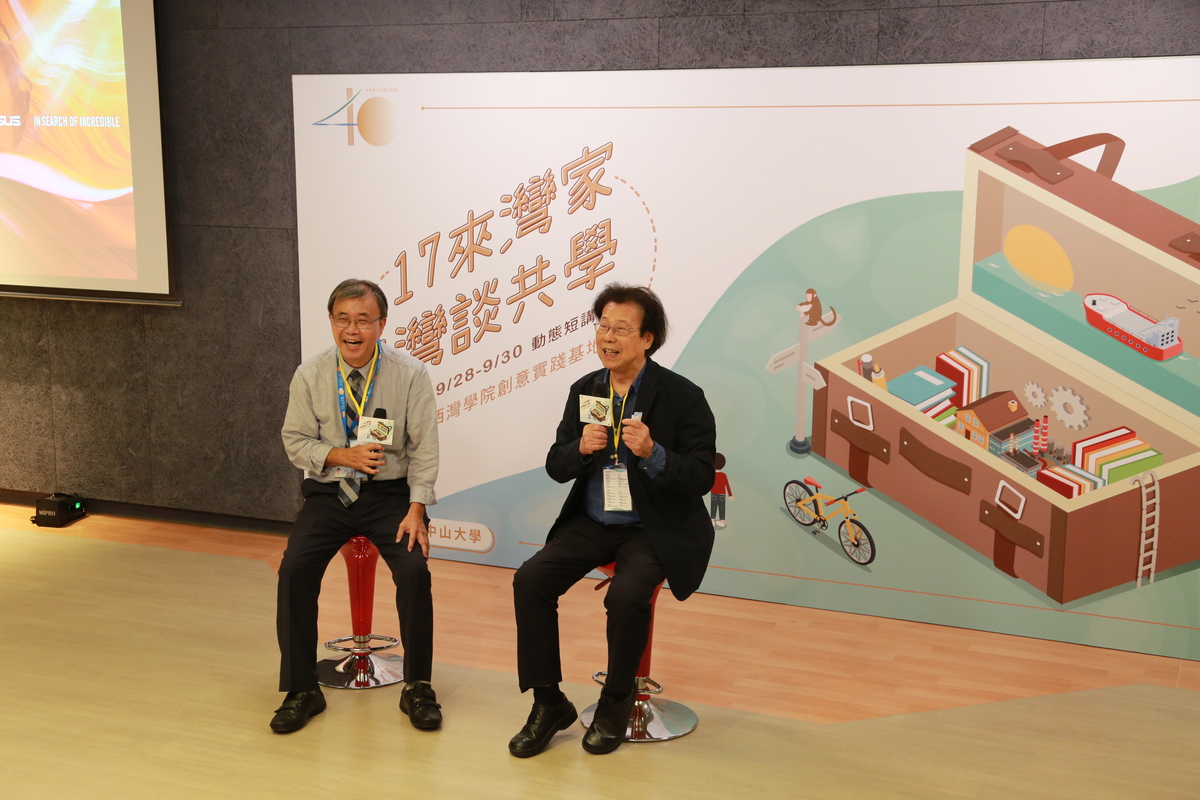
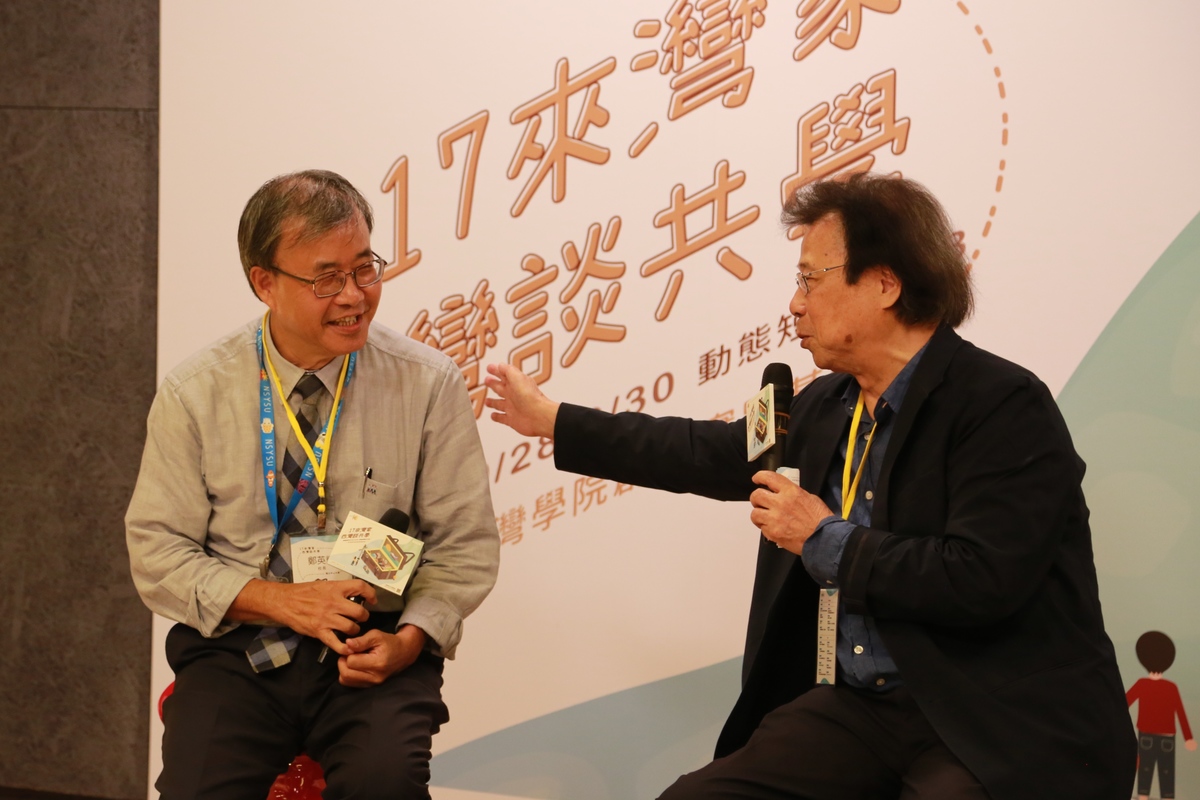
NSYSU Emeritus Chair Professor Jing-Jyi Wu discussed the importance of co-learning in social life on stage with President Cheng. Professor Wu represents the important role of teachers in the education system. He believes that the university is a platform for transmitting knowledge that integrates scholars’ wisdom and that one cannot lose oneself in trying to adapt to the rapid social changes. Students and teachers’ co-creation and co-learning are the future trends in education.
President Ying-Yao Cheng established ‘change’ as the main theme of this year’s edition of Co-Learning Session at Si Wan. He said that the sudden COVID-19 pandemic has caused the world to constantly change, altered the way we learn, and brought changes to the industry. “What problems will await the students after graduation?”. President Cheng said that co-learning and unimpeded interdisciplinary practice have become the necessary ways to nurture the five core abilities for the 21st century listed by the World Economic Forum: cross-cultural awareness and understanding, communication coordination, ability to solve global problems, self-study and critical thinking, and high adaptability. He said that there are often differences between people and exposure to different fields can let us better understand these differences and turn them into an asset to thrive in the quickly changing society and that nurturing basic interdisciplinary literacy will allow us to collaborate despite these differences and create a higher value.
Vice President for Academic Affairs Chih-Peng Li mentioned that professionals’ interdisciplinarity will be more and more important in the future society and thus NSYSU aspires to promote co-learning and nurture professionals able to connect with the society and the world. Interdisciplinary co-learning breaks the boundaries of different disciplines: humanities can be combined with science and technology to cultivate T-shaped talents able to face many future social changes. Dean of the Si Wan College Dun-Hou Tsai said that the University itself specializes in many different academic fields and through interdisciplinary learning and practice, it displays the results of teachers and students’ co-learning efforts, as well as enters into a dialogue with the society; after all, a university does not exist in separation from the society.
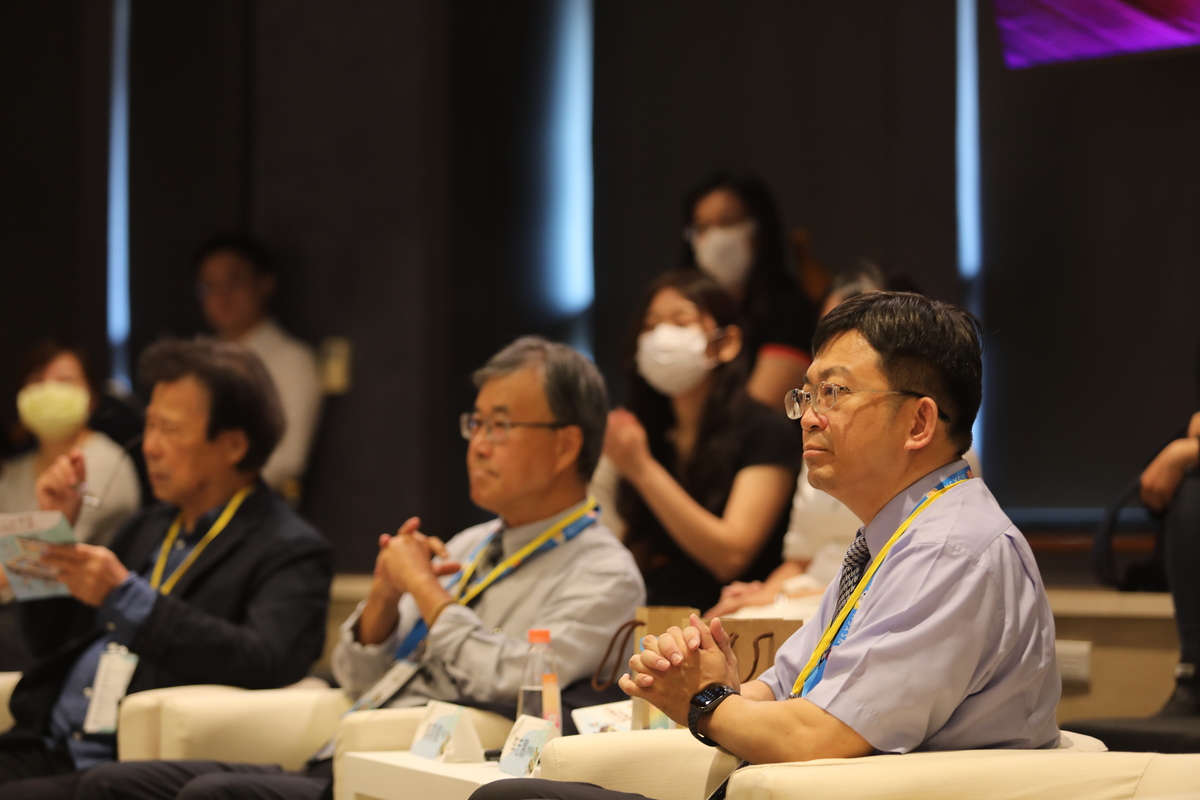
The three-day 3rd Co-Learning Session at Si Wan included masters’ speeches and co-learning groups’ that displayed the results of their work in form of exhibitions and students and teachers’ presentations on safeguarding the ocean and the environment, caring for social issues, creating the culture of southern Taiwan, boosting the industrial economy, and supporting local governance. The topics addressed 17 interdisciplinary issues, covering such fields as marine sciences, science and technology, humanities, industry, locality, and practice. The organizers hoped to share the experience of learning by doing with interactive activities.
(Edited by Public Affairs Division)
NSYSU Emeritus Chair Professor Jing-Jyi Wu discussed the importance of co-learning in social life on stage with President Cheng. Professor Wu represents the important role of teachers in the education system. He believes that the university is a platform for transmitting knowledge that integrates scholars’ wisdom and that one cannot lose oneself in trying to adapt to the rapid social changes. Students and teachers’ co-creation and co-learning are the future trends in education.
President Ying-Yao Cheng established ‘change’ as the main theme of this year’s edition of Co-Learning Session at Si Wan. He said that the sudden COVID-19 pandemic has caused the world to constantly change, altered the way we learn, and brought changes to the industry. “What problems will await the students after graduation?”. President Cheng said that co-learning and unimpeded interdisciplinary practice have become the necessary ways to nurture the five core abilities for the 21st century listed by the World Economic Forum: cross-cultural awareness and understanding, communication coordination, ability to solve global problems, self-study and critical thinking, and high adaptability. He said that there are often differences between people and exposure to different fields can let us better understand these differences and turn them into an asset to thrive in the quickly changing society and that nurturing basic interdisciplinary literacy will allow us to collaborate despite these differences and create a higher value.
Vice President for Academic Affairs Chih-Peng Li mentioned that professionals’ interdisciplinarity will be more and more important in the future society and thus NSYSU aspires to promote co-learning and nurture professionals able to connect with the society and the world. Interdisciplinary co-learning breaks the boundaries of different disciplines: humanities can be combined with science and technology to cultivate T-shaped talents able to face many future social changes. Dean of the Si Wan College Dun-Hou Tsai said that the University itself specializes in many different academic fields and through interdisciplinary learning and practice, it displays the results of teachers and students’ co-learning efforts, as well as enters into a dialogue with the society; after all, a university does not exist in separation from the society.
The three-day 3rd Co-Learning Session at Si Wan included masters’ speeches and co-learning groups’ that displayed the results of their work in form of exhibitions and students and teachers’ presentations on safeguarding the ocean and the environment, caring for social issues, creating the culture of southern Taiwan, boosting the industrial economy, and supporting local governance. The topics addressed 17 interdisciplinary issues, covering such fields as marine sciences, science and technology, humanities, industry, locality, and practice. The organizers hoped to share the experience of learning by doing with interactive activities.
(Edited by Public Affairs Division)
Click Num:
Share