
Pantoum picture book by poet-artist Maniniwei and Dr. Tee Kim Tong wins Openbook’s Book of the Year Award
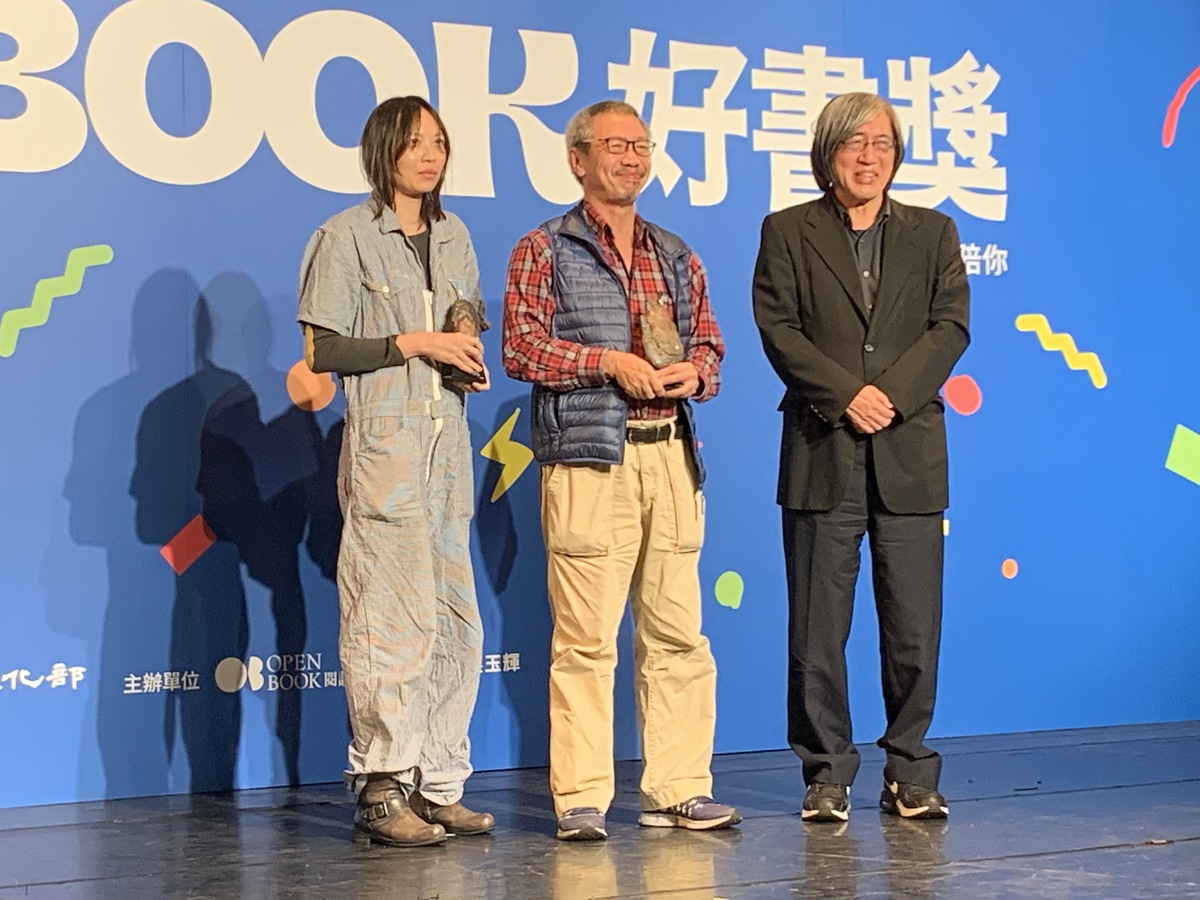
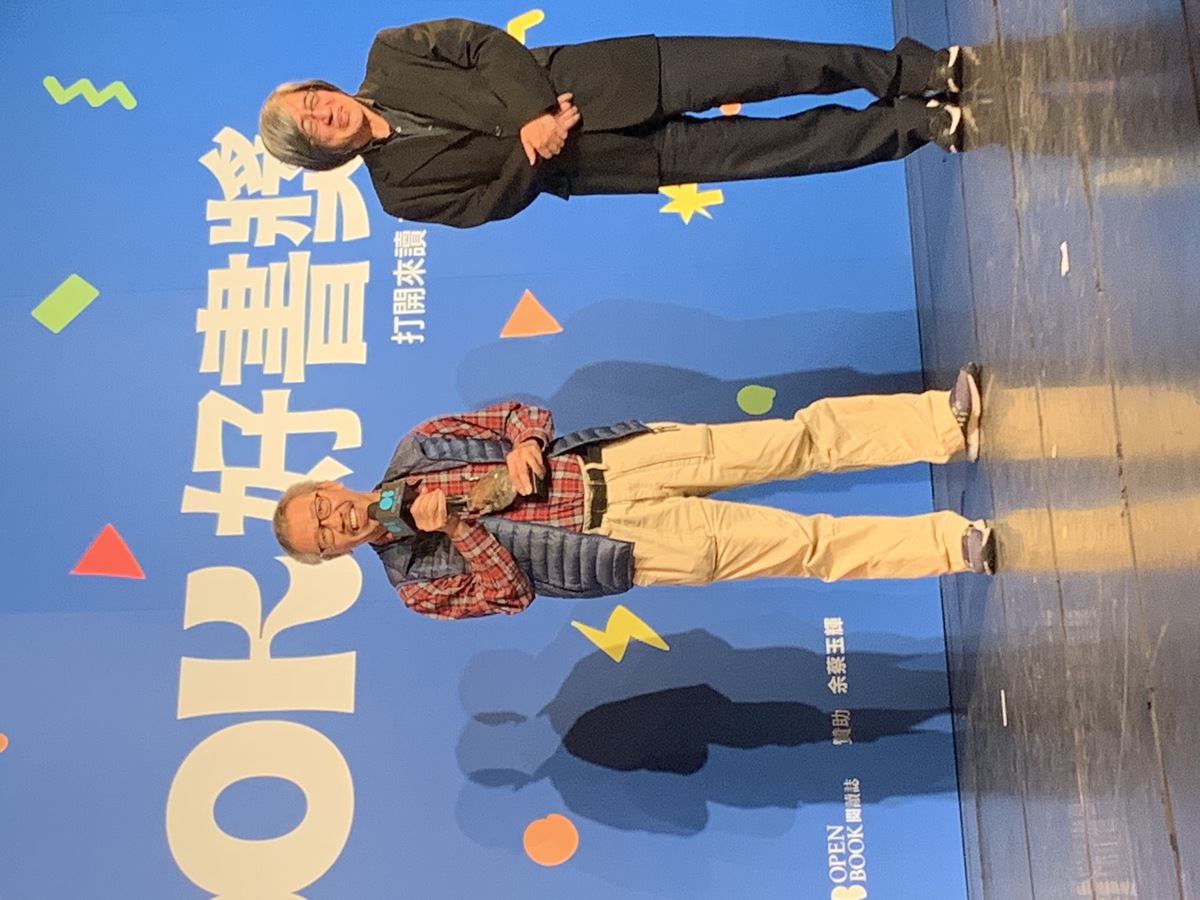
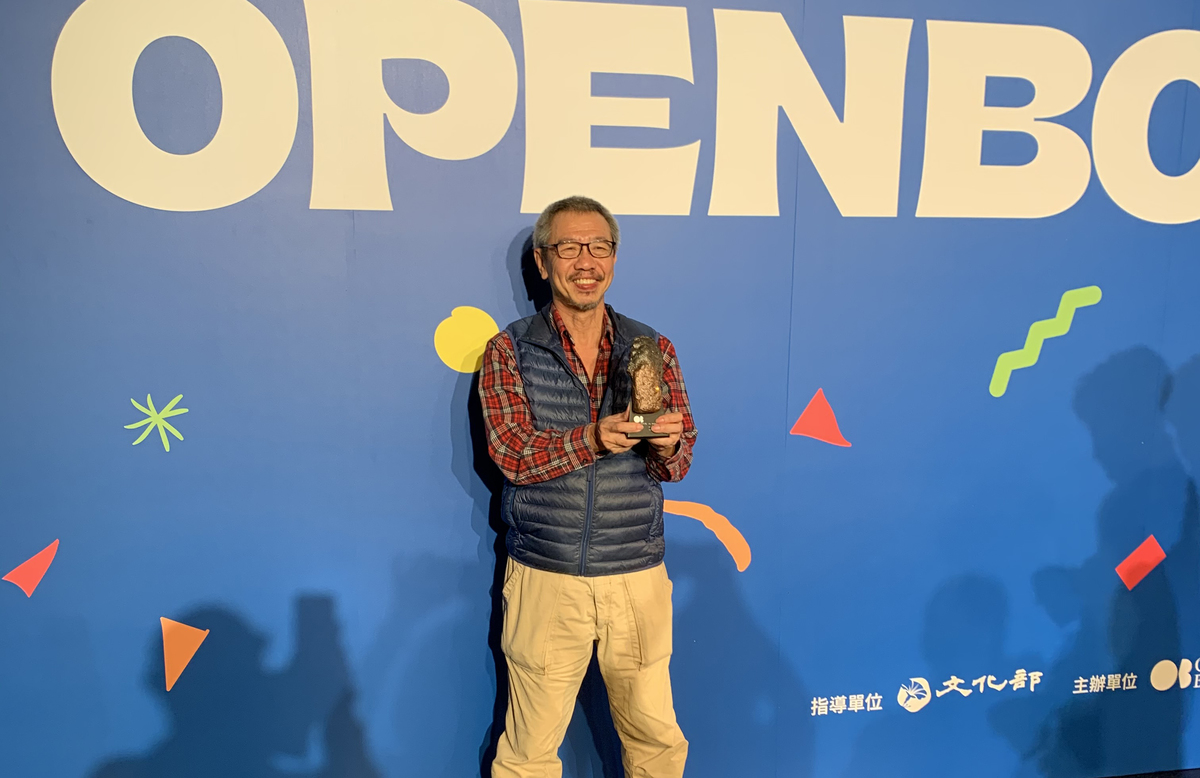
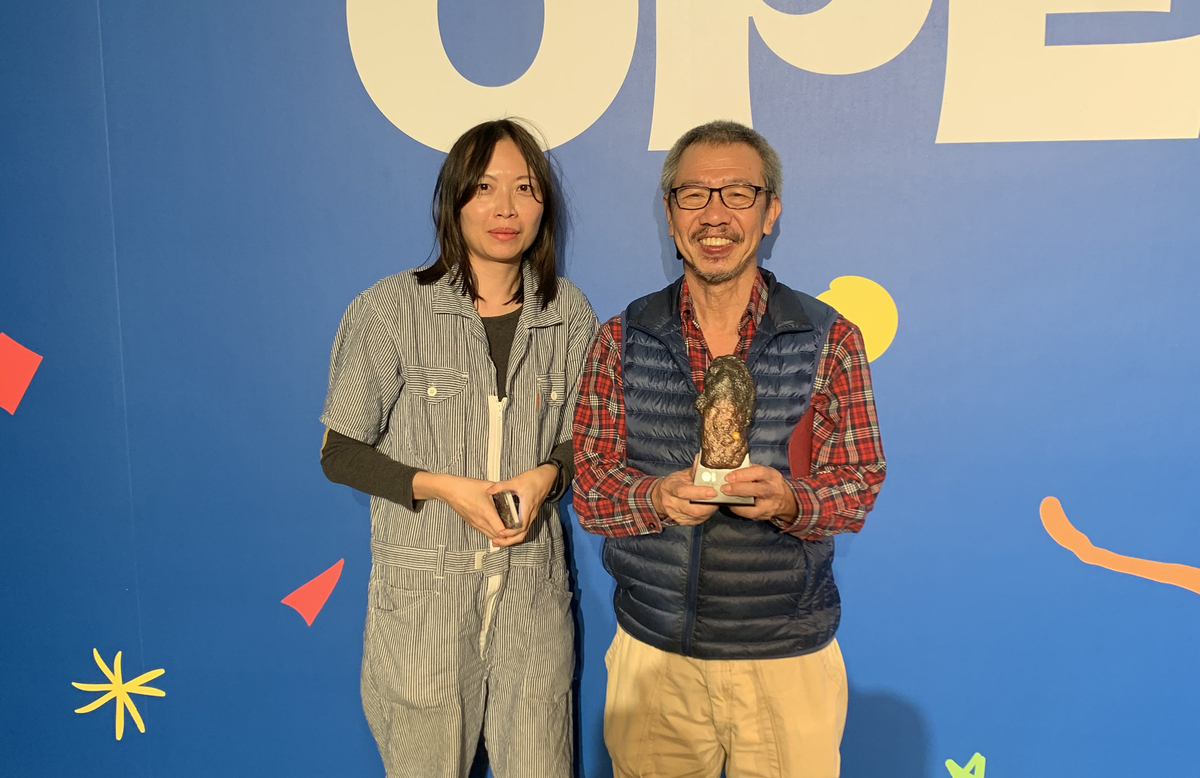
2020 Openbook, a grand event in the Sinophone publishing world, announced this year’s winners of the Book of the Year Award. Among the ten winners in the Sinophone literature category is the pantoum picture book entitled Once a Parang, Now Scrap: Malay Pantoum (Original title: Malay – Dahulu Parang Sekarang Besi: Pantun Melayu, Chinese – 以前巴冷刀.現在廢鐵爛:馬來班頓Yǐqián bālěngdāo xiànzài fèitiělàn: Mǎlái bāndùn), which pantoums were selected by Tee Kim Tong, Associate Professor of English literature from the Department of Foreign Languages and Literature and Director of Center for the Humanities, NSYSU, and translated into Chinese and illustrated with graphic art work by Malaysian poet-artist Maniniwei. Although the jury initially categorized the anthology as a translation book, they later moved it to the category of Sinophone literature. Dr. Tee said that the inclusion of tropical Southeast Asian elements let readers notice the diversity in Taiwan literature and he felt happy to see foreign features enriching local literature.
Once a Parang, Now Scrap: Malay Pantoum, published by Zebra Crossing Publishing (斑馬線文庫), was designed, translated, and illustrated by Maniniwei, while Dr. Tee selected the pantoums, revised the text, and recorded the poems. Juror of Openbook Award, writer Tsui Shun-Hua said that the publication collects marvelous prints and pantoums – Malay popular ballads which bear resemblance to the classical Chinese Book of Songs. Dr. Tee mentioned that the tradition of pantoums is widespread in the Malay Peninsula, Indonesia, and Borneo. Maniniwei and Tee selected 37 pieces out of more than a hundred pantoums and grouped them under the themes of life and love. Maniniwei turned these particularly meaningful texts into print illustrations to depict their poetic meaning.
Dr. Tee said that what differentiates this collection from other translated texts is that it is a double translation: besides the translation of the text into Chinese, the prints are themselves a translation of the poems. He also pointed out that Maniniwei’s prints are a creative work and that her translation does not rigidly adhere to the original pantoums, but is a metaphoric, freestyle recreation of the original texts, and this is why the jury categorized the book as a creative work of Sinophone literature, not a translation.
Dr. Tee mentioned that when the book was initially categorized as a translation work, he did not believe in its chances of winning, but in the end, Maniniwei’s hard work and style was recognized with an award. Dr. Tee, as a first-generation immigrant to Taiwan from Malaysia, recalled the shifts in Taiwanese literary polysystem. In the 1950s, when the government implemented the Overseas Chinese Education Policy, many Chinese Malaysians came to Taiwan to study. Some of them decided to stay, teach in colleges and become part of the literary circle. However, owing to various factors of that era, not many works of overseas Chinese writers thriving in Taiwan literary scene were included in anthologies or literary compendia. Only after the 1970s, when nativist literary movement emerged and coexisted with the Modernist literary system, Sinophone Malaysian literature in Taiwan flourished and enriched the field of Taiwan literature. He said that this proves the openness of Taiwan literature to transnational elements. Dr. Tee is the Project co-investigator of the Southbound Chinese and Cultural Interpretation Project funded by the Ministry of Science and Technology (the principal investigator being Professor Ko Chia Cian of National Taiwan University). Last year he offered an intercollegiate seminar on Southeast Asian culture and history and hosted Maniniwei’s workshop on picture books to let students gain a deeper understanding of various perspectives on Southeast Asia. He said that more work to bridge the gap between Southeast Asia and Taiwan needs to done and he hopes that people can learn mare about Malaysia and Sinophone Malaysian literature with the New Southbound Policy in force.
The jury of Openbook Award read 2839 books from November 1, 2019 to October 31, 2020, and after several rounds of selection, conferred the Openbook Book of the Year Award to 40 books in 4 major categories: creative work of Sinophone literature, translated book, book of the year for children and youth, and self-help book of the year. It was definitely not easy for Once a Parang, Now Scrap: Malay Pantoum to be selected as one of the winning 40 books of the year.