
Students propose innovative solutions for Port of Kaohsiung
2021-03-12
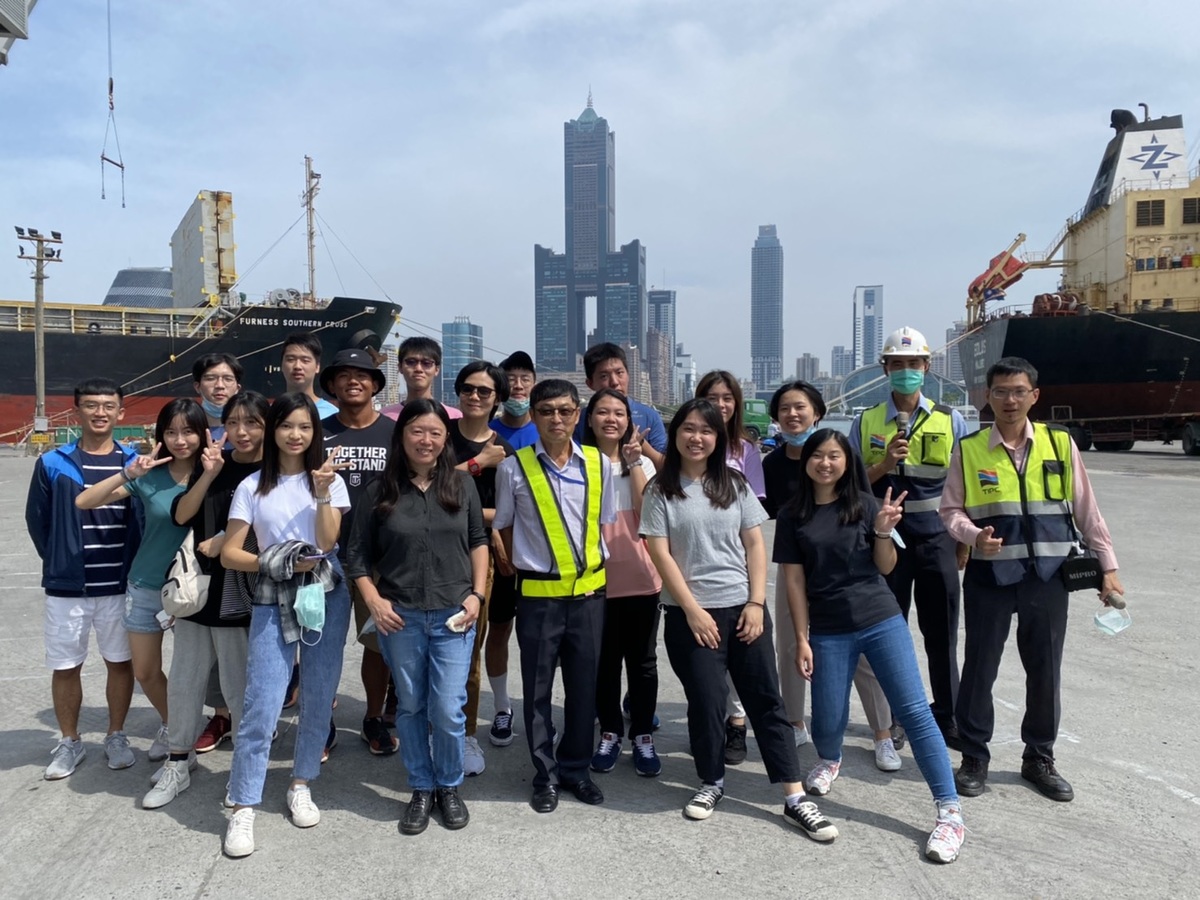
(Provided by Department of Marine Environment and Engineering) National Sun Yat-sen University lies in the proximity of the Port of Kaohsiung. Although the students get to see ships every day, they do not really see the close relation between the port and the city. To let them understand this inseparable connection, NSYSU established a course on Green Port and Smart Sea Terminal, which also included on-site visits to the Port. The students applied the knowledge learned during the course to submit project proposals focusing on solving the problems faced by the Port.
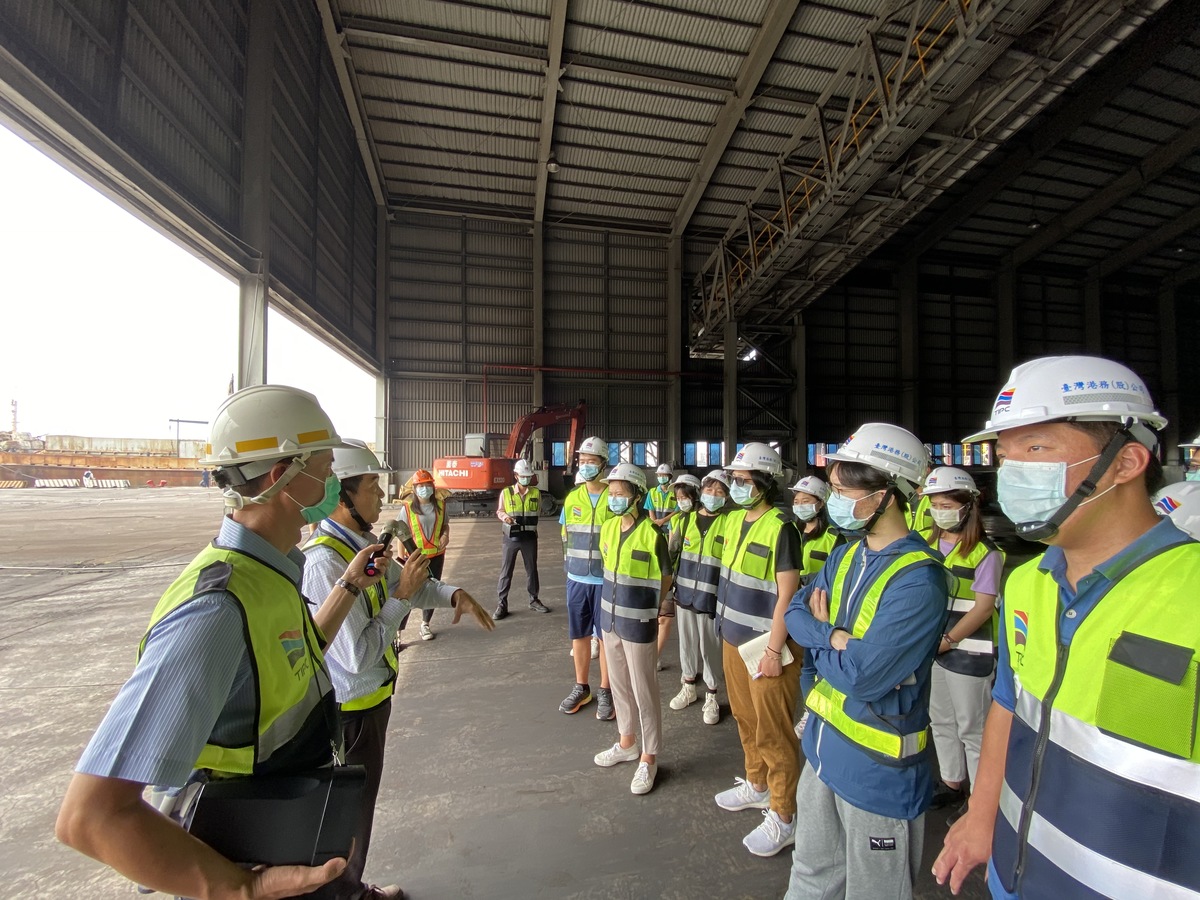
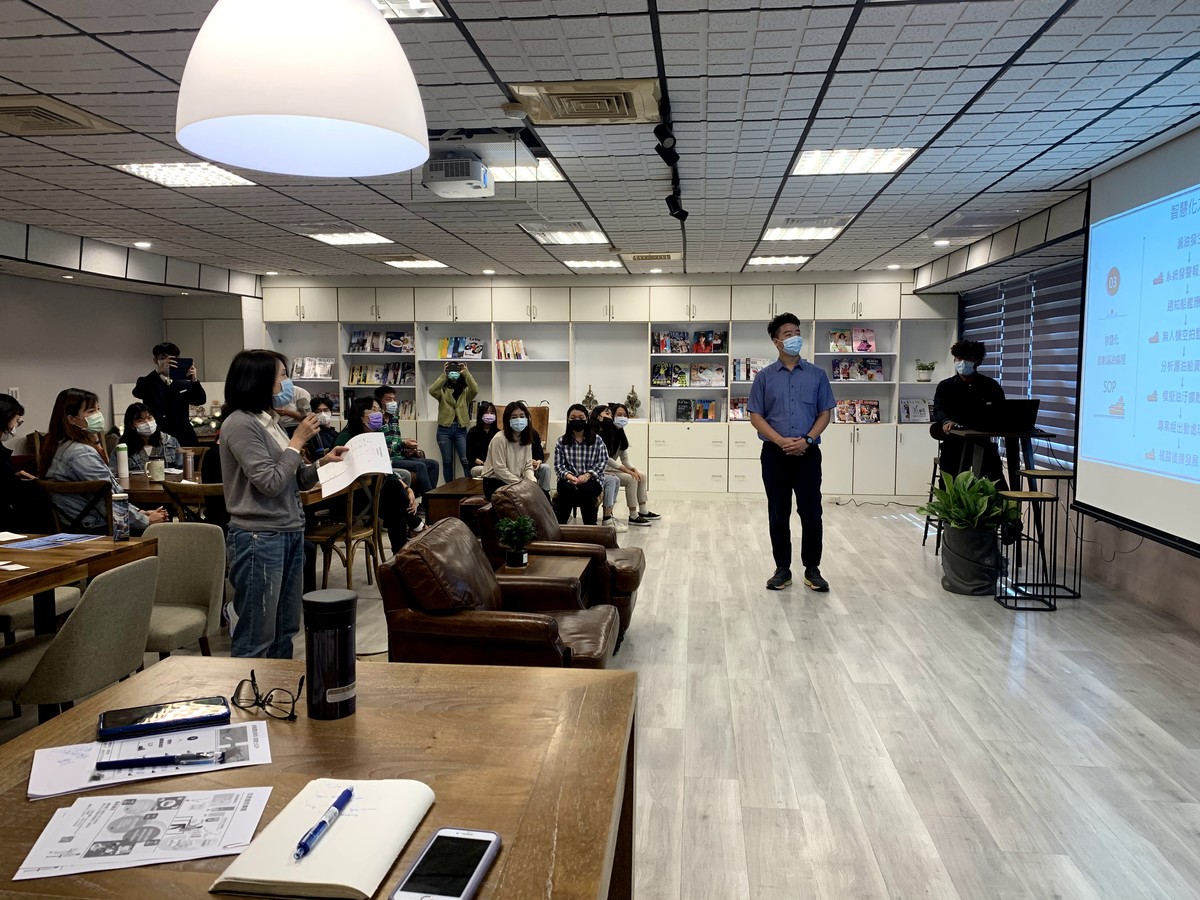
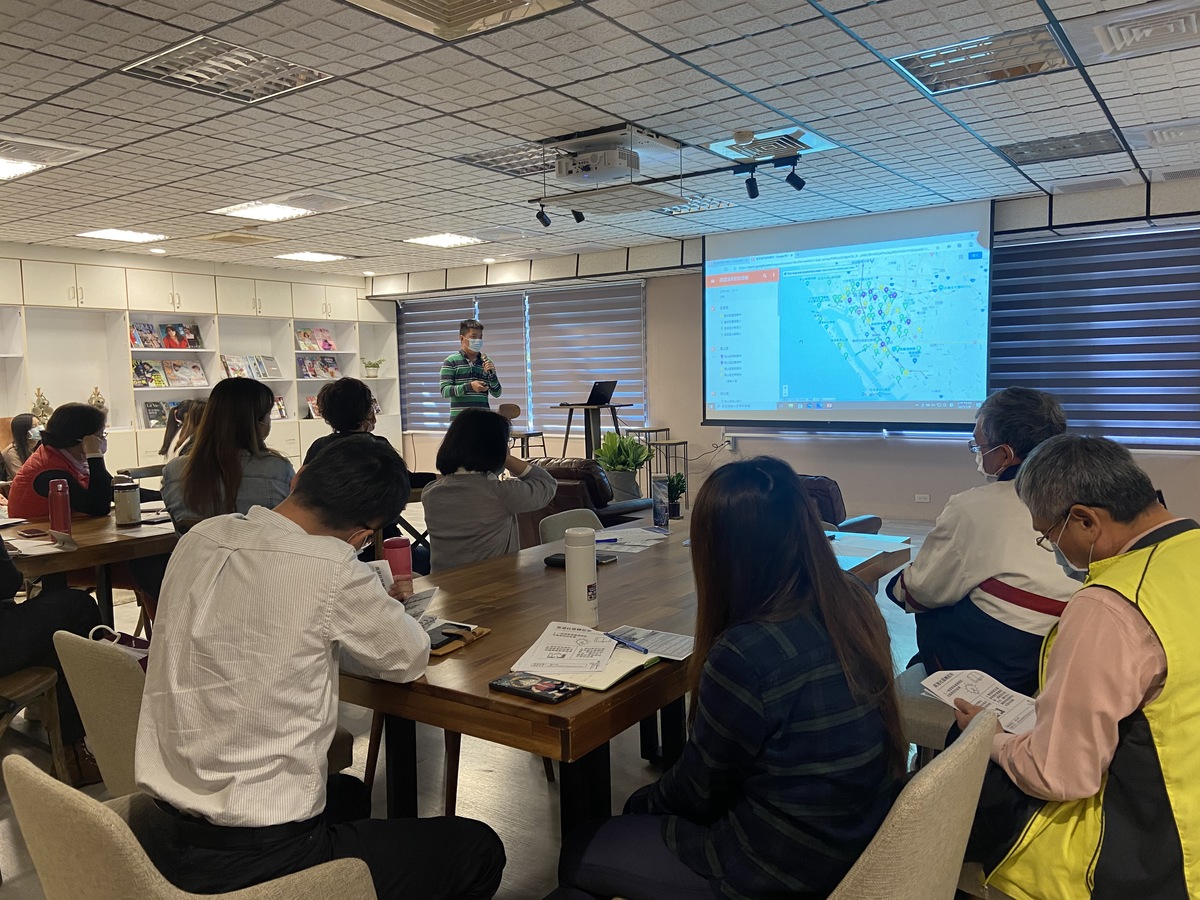
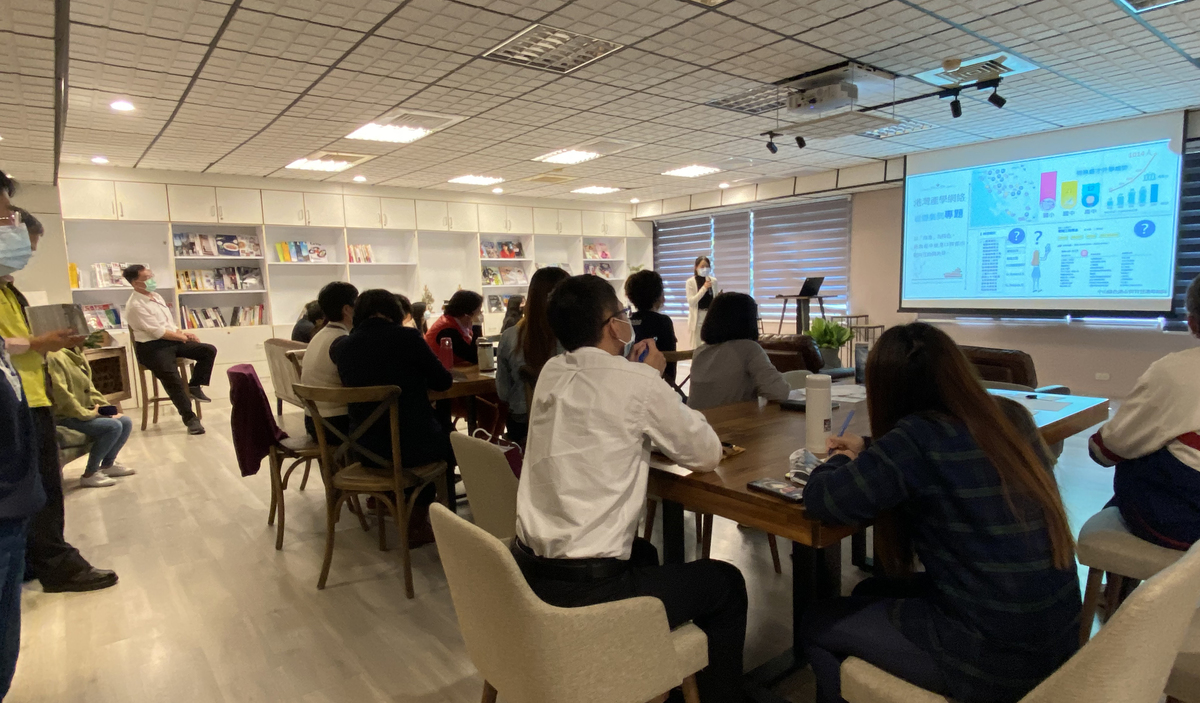
Associate Professor at the Department of Marine Environment and Engineering and Director of the Program in Interdisciplinary Studies Shiau-Yun Lu said that the course on Green Port and Smart Sea Terminal leads the students to understand the connection and problems in the relations between the Port and the city and reach the goal of turning Kaohsiung into a sustainable green port city, as well as introducing smart technologies for the Port’s development, and reflecting on the coexistence between the Port and the city. The students of the course study two microprograms: on Green Port and on Smart Sea Terminal, that spread across various colleges: Marine Sciences, Science, Management, Social Sciences, and Si Wan College. Associate Professor Lu said that the knowledge about the Port includes issues spreading across various disciplines and that the course deals with real-life situations and is a cooperation with the Port of Kaohsiung, Taiwan International Ports Corporation (TIPC). The TIPC guides the students to understand the current situation of the Port of Kaohsiung and the surrounding facilities, including automated gate posts, enclosed warehouses for unloaded coal, vehicle wash ponds, shore power facilities, and many other green and smart design ideas for port planning. At the end of the course, the students gave a presentation to TIPC on how to make the Port of Kaohsiung greener and the Sea Terminal - smarter. A number of managers and front-line personnel from different units of TIPC listened to students' proposals and shared their professional advice for an efficient academia-industry cooperation.
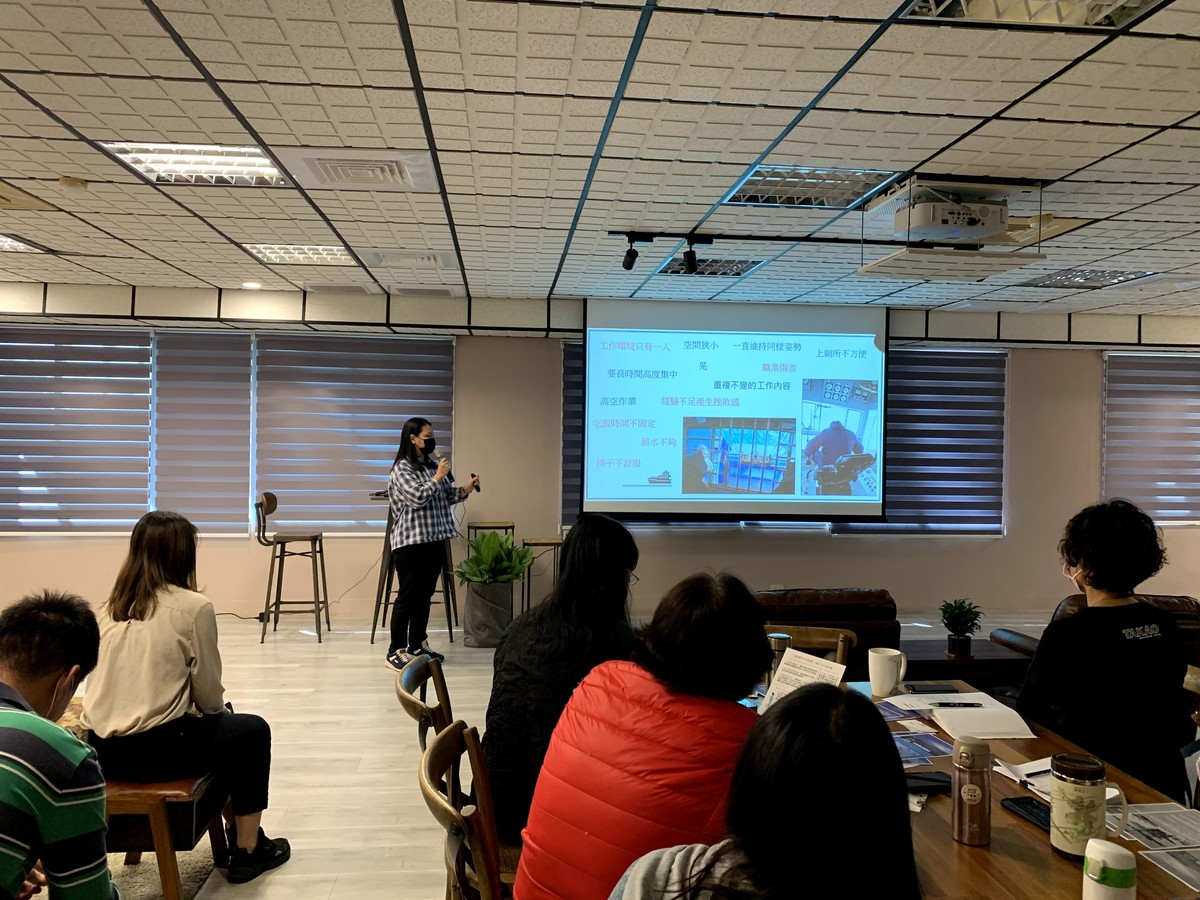
Student teams submitted 10 proposals concerning noise, air, and marine pollution, community construction, dispute solving, fatigued driving, VR guided tours and water taxis, smart blockchain, Digital Twin, and popular science, which were acknowledged by the TIPC. One of the groups worked proposed the integration of blockchain with the medical information system of the Port to reinforce the anti-epidemic measures in the Port and reduce the epidemic risk. One of the members of the team, a freshman of the Department of Sociology Chih-Yin Weng said that the course and the COVID-19 pandemic gave the team the idea for the project. She said that blockchain brings more opportunities for international exchange, not only in business and logistics, as it is also a development trend in the medical field. The team working on solving the problem of fatigue among bridge crane operators proposed a smartphone app to bring a long-term improvement of the working conditions of the operators and enhance their working efficiency through digitalized wearable equipment. A first-year student of the Program in Interdisciplinary Studies at Si Wan College Ju-Ying Fang mentioned that the bridge crane operators in the Port adopt the same position for a long time and have to stay highly concentrated at work and thus the team tried to solve this problem by integrating wearable AI equipment with a smartphone app. The team tried to think from a different perspective to come up with an idea for the benefit of both the workers and the management.
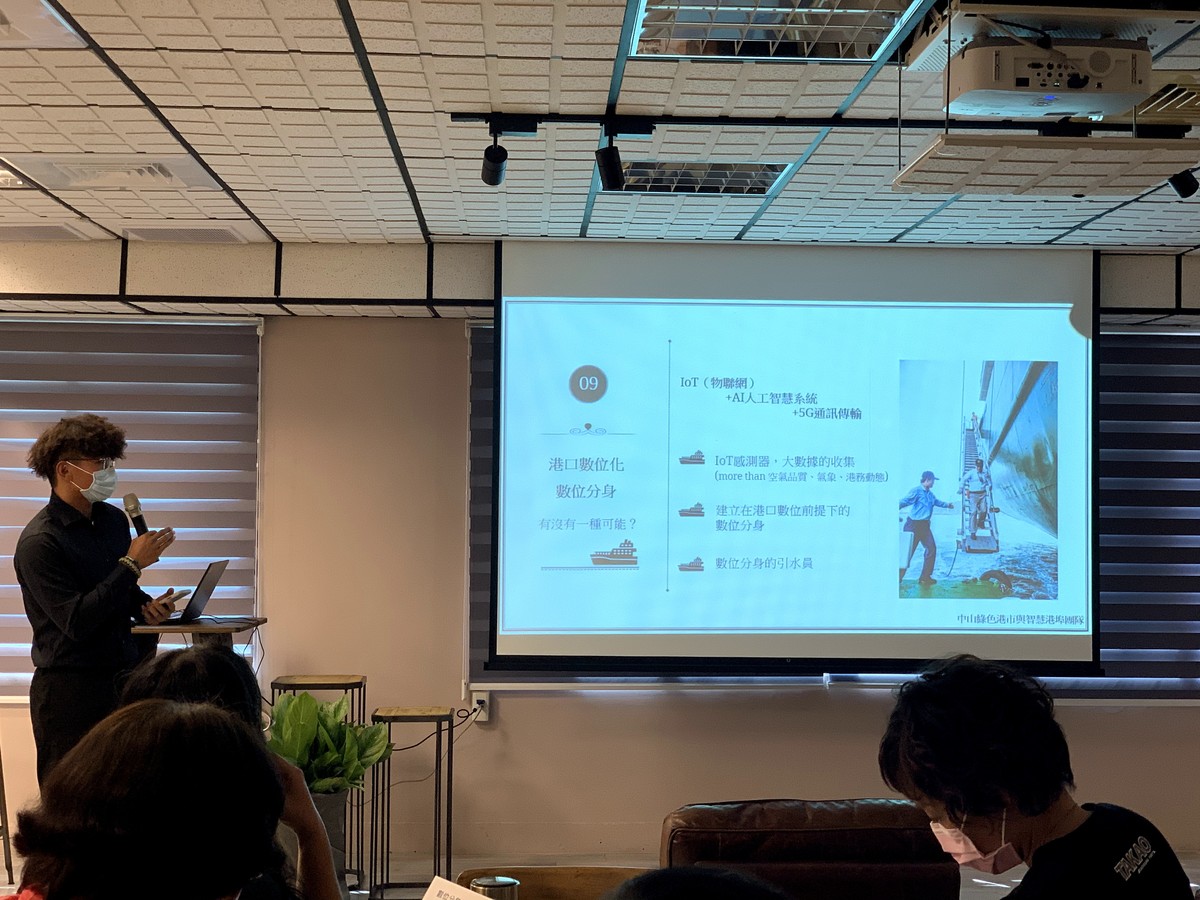
The project on smart pilot consisted in establishing a Digital Twin for the pilot. A senior of the Department of Sociology, Liang-Ting Wu, said that the project aims at replacing the high costs and high-risk working conditions of pilots with a digitalized version – Digital Twin, much safer and efficient, to alleviate the existing problems in the Port and respond to the need for smart technologies in the global industry and international trends in the informatization of the society and technology. The students also discussed many other projects, including the integration of unmanned aerial vehicles and backend simulators to establish an SOP for oil leakage management in smart vessels and the development of smart features for the Sea Terminal for local education. The Chief Secretary of the Port of Kaohsiung Li-Mei Lin expressed her full appreciation for students’ proposals and said that all projects can be implemented by TIPC and that later there might be a possibility of cooperation in research with the University. She said she hopes that future courses can establish a model for exchange cooperation between NSYSU and the Port of Kaohsiung.
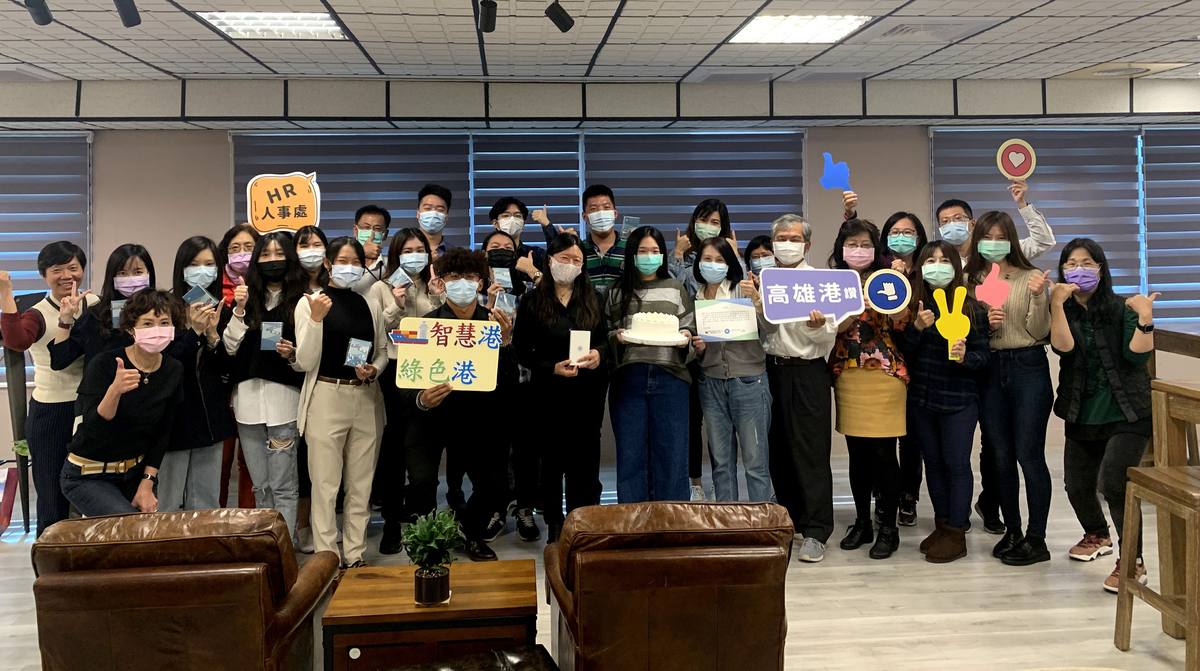
The course instructor, Associate Professor Lu further explained that this time, the students of the course forwarded proposals from the perspective of a company: they even prepared business cards, proposal summary, report, and certificates of appreciation. The whole process required mutual help, communication, and support to work as a team. She said that she hopes that besides learning the disciplines related to port cities, the students can learn practical abilities and soft skills for their future work.
(Edited by Public Affairs Division)
(Provided by Department of Marine Environment and Engineering) National Sun Yat-sen University lies in the proximity of the Port of Kaohsiung. Although the students get to see ships every day, they do not really see the close relation between the port and the city. To let them understand this inseparable connection, NSYSU established a course on Green Port and Smart Sea Terminal, which also included on-site visits to the Port. The students applied the knowledge learned during the course to submit project proposals focusing on solving the problems faced by the Port.
Associate Professor at the Department of Marine Environment and Engineering and Director of the Program in Interdisciplinary Studies Shiau-Yun Lu said that the course on Green Port and Smart Sea Terminal leads the students to understand the connection and problems in the relations between the Port and the city and reach the goal of turning Kaohsiung into a sustainable green port city, as well as introducing smart technologies for the Port’s development, and reflecting on the coexistence between the Port and the city. The students of the course study two microprograms: on Green Port and on Smart Sea Terminal, that spread across various colleges: Marine Sciences, Science, Management, Social Sciences, and Si Wan College. Associate Professor Lu said that the knowledge about the Port includes issues spreading across various disciplines and that the course deals with real-life situations and is a cooperation with the Port of Kaohsiung, Taiwan International Ports Corporation (TIPC). The TIPC guides the students to understand the current situation of the Port of Kaohsiung and the surrounding facilities, including automated gate posts, enclosed warehouses for unloaded coal, vehicle wash ponds, shore power facilities, and many other green and smart design ideas for port planning. At the end of the course, the students gave a presentation to TIPC on how to make the Port of Kaohsiung greener and the Sea Terminal - smarter. A number of managers and front-line personnel from different units of TIPC listened to students' proposals and shared their professional advice for an efficient academia-industry cooperation.
Student teams submitted 10 proposals concerning noise, air, and marine pollution, community construction, dispute solving, fatigued driving, VR guided tours and water taxis, smart blockchain, Digital Twin, and popular science, which were acknowledged by the TIPC. One of the groups worked proposed the integration of blockchain with the medical information system of the Port to reinforce the anti-epidemic measures in the Port and reduce the epidemic risk. One of the members of the team, a freshman of the Department of Sociology Chih-Yin Weng said that the course and the COVID-19 pandemic gave the team the idea for the project. She said that blockchain brings more opportunities for international exchange, not only in business and logistics, as it is also a development trend in the medical field. The team working on solving the problem of fatigue among bridge crane operators proposed a smartphone app to bring a long-term improvement of the working conditions of the operators and enhance their working efficiency through digitalized wearable equipment. A first-year student of the Program in Interdisciplinary Studies at Si Wan College Ju-Ying Fang mentioned that the bridge crane operators in the Port adopt the same position for a long time and have to stay highly concentrated at work and thus the team tried to solve this problem by integrating wearable AI equipment with a smartphone app. The team tried to think from a different perspective to come up with an idea for the benefit of both the workers and the management.
The project on smart pilot consisted in establishing a Digital Twin for the pilot. A senior of the Department of Sociology, Liang-Ting Wu, said that the project aims at replacing the high costs and high-risk working conditions of pilots with a digitalized version – Digital Twin, much safer and efficient, to alleviate the existing problems in the Port and respond to the need for smart technologies in the global industry and international trends in the informatization of the society and technology. The students also discussed many other projects, including the integration of unmanned aerial vehicles and backend simulators to establish an SOP for oil leakage management in smart vessels and the development of smart features for the Sea Terminal for local education. The Chief Secretary of the Port of Kaohsiung Li-Mei Lin expressed her full appreciation for students’ proposals and said that all projects can be implemented by TIPC and that later there might be a possibility of cooperation in research with the University. She said she hopes that future courses can establish a model for exchange cooperation between NSYSU and the Port of Kaohsiung.
The course instructor, Associate Professor Lu further explained that this time, the students of the course forwarded proposals from the perspective of a company: they even prepared business cards, proposal summary, report, and certificates of appreciation. The whole process required mutual help, communication, and support to work as a team. She said that she hopes that besides learning the disciplines related to port cities, the students can learn practical abilities and soft skills for their future work.
(Edited by Public Affairs Division)
Click Num:
Share