
Exchange and sharing to support and guide young scholars
2022-01-28
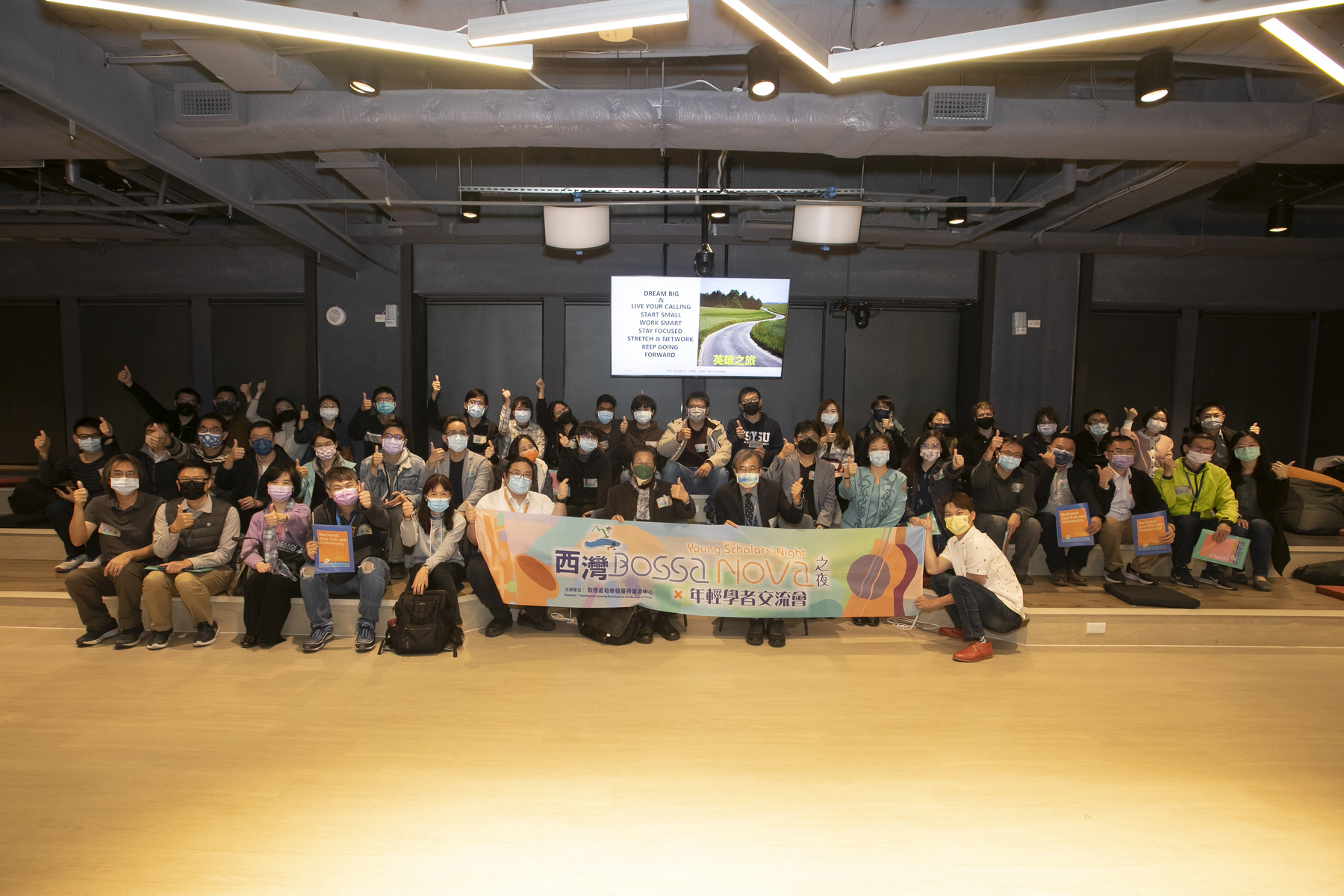
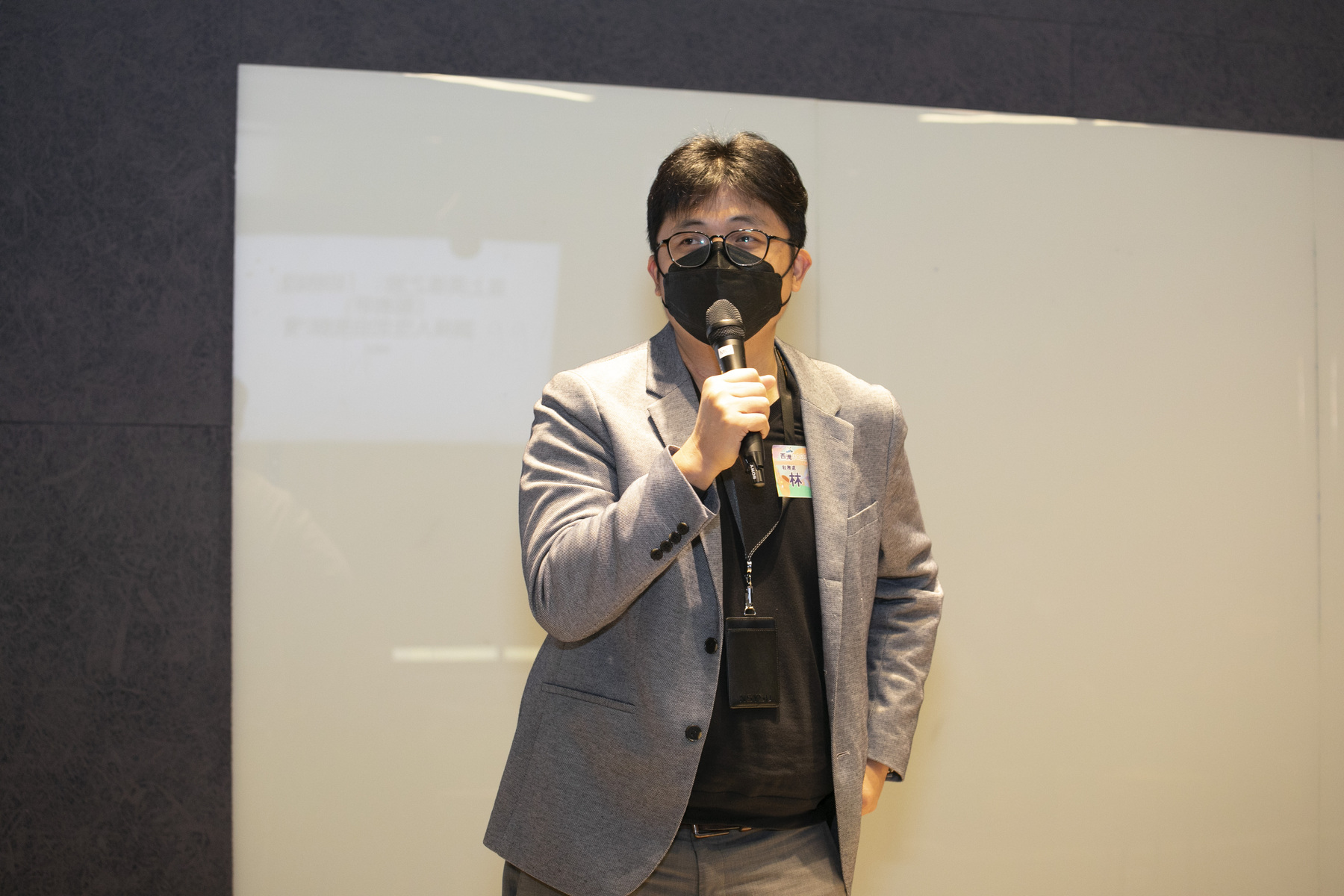
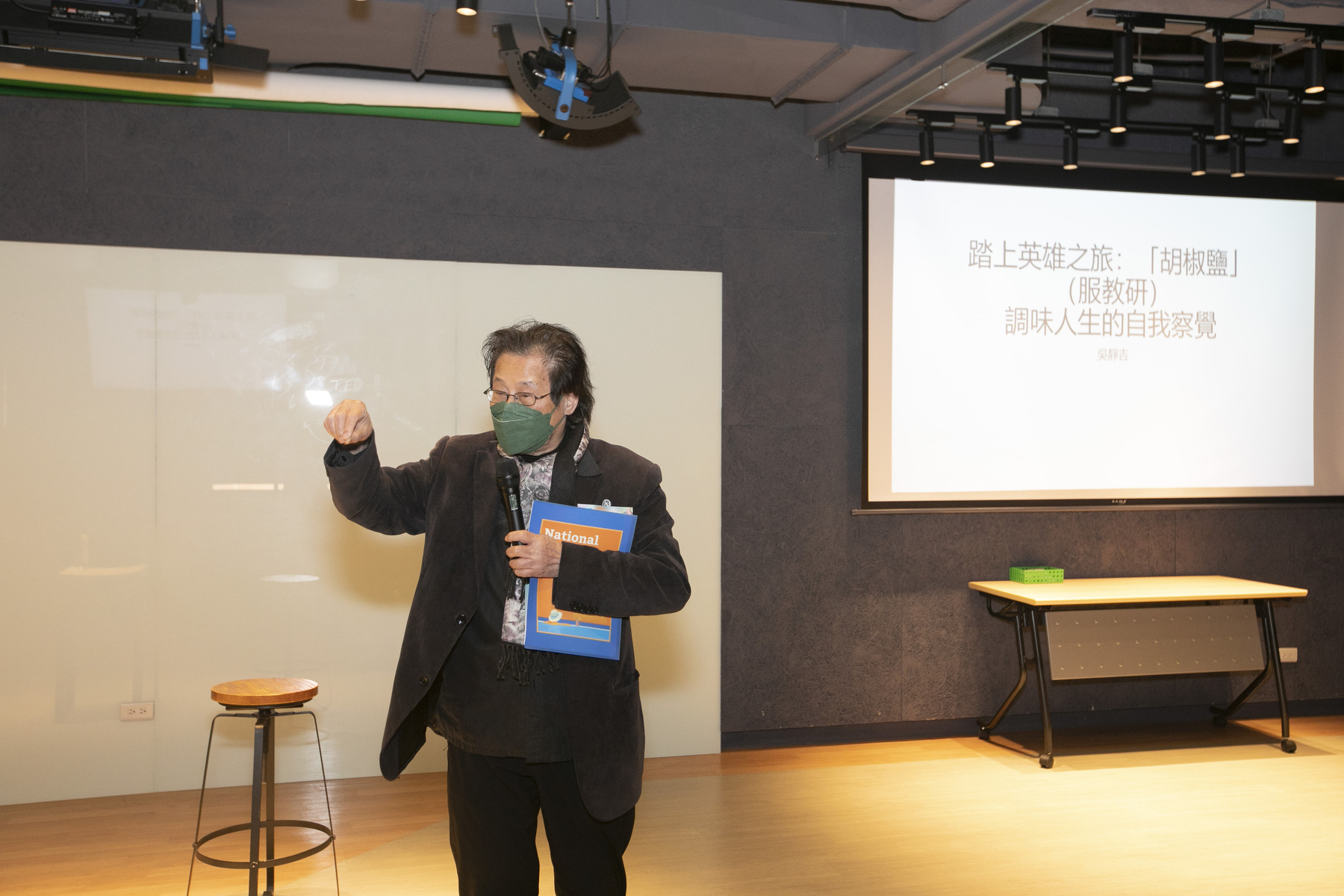
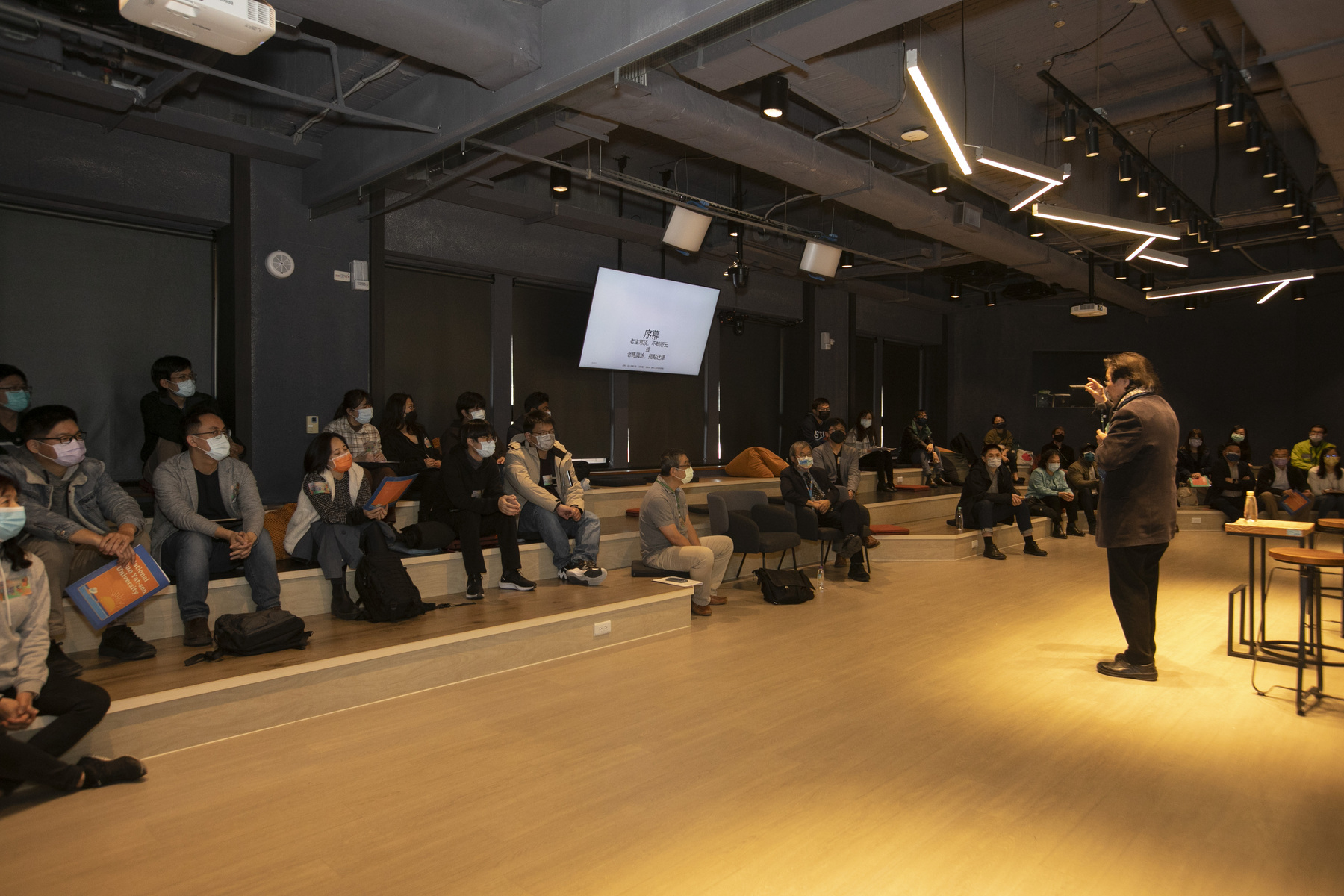
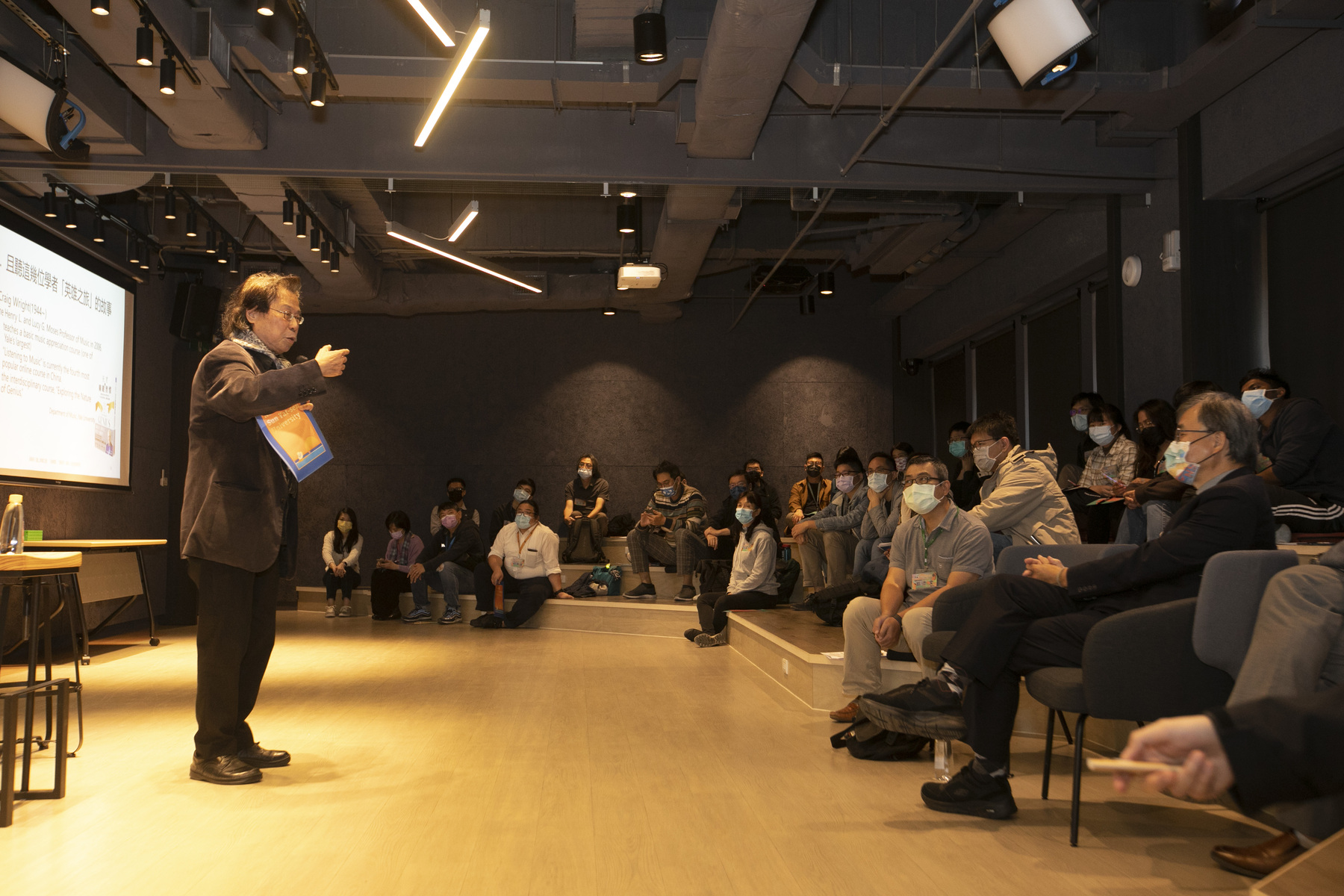
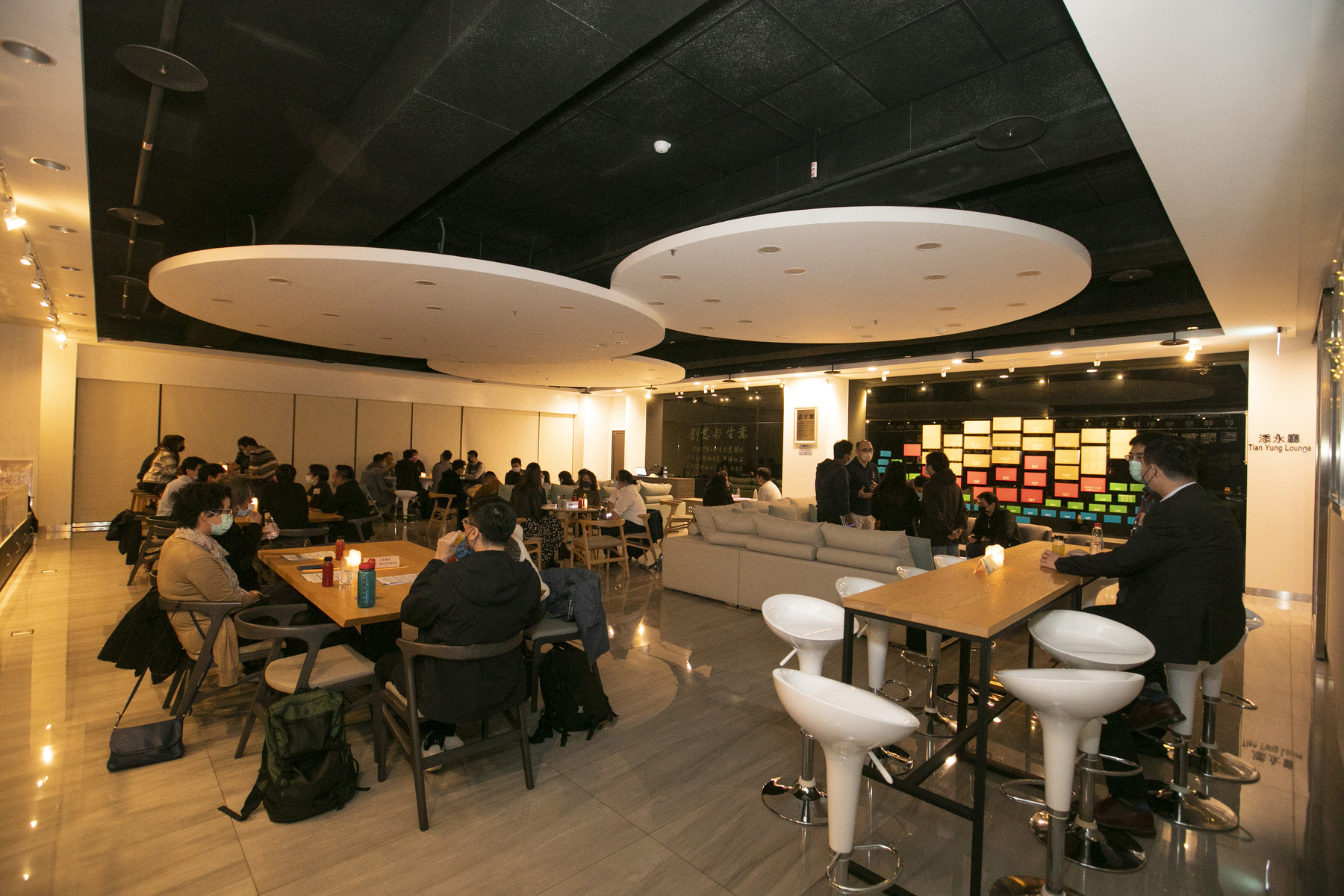
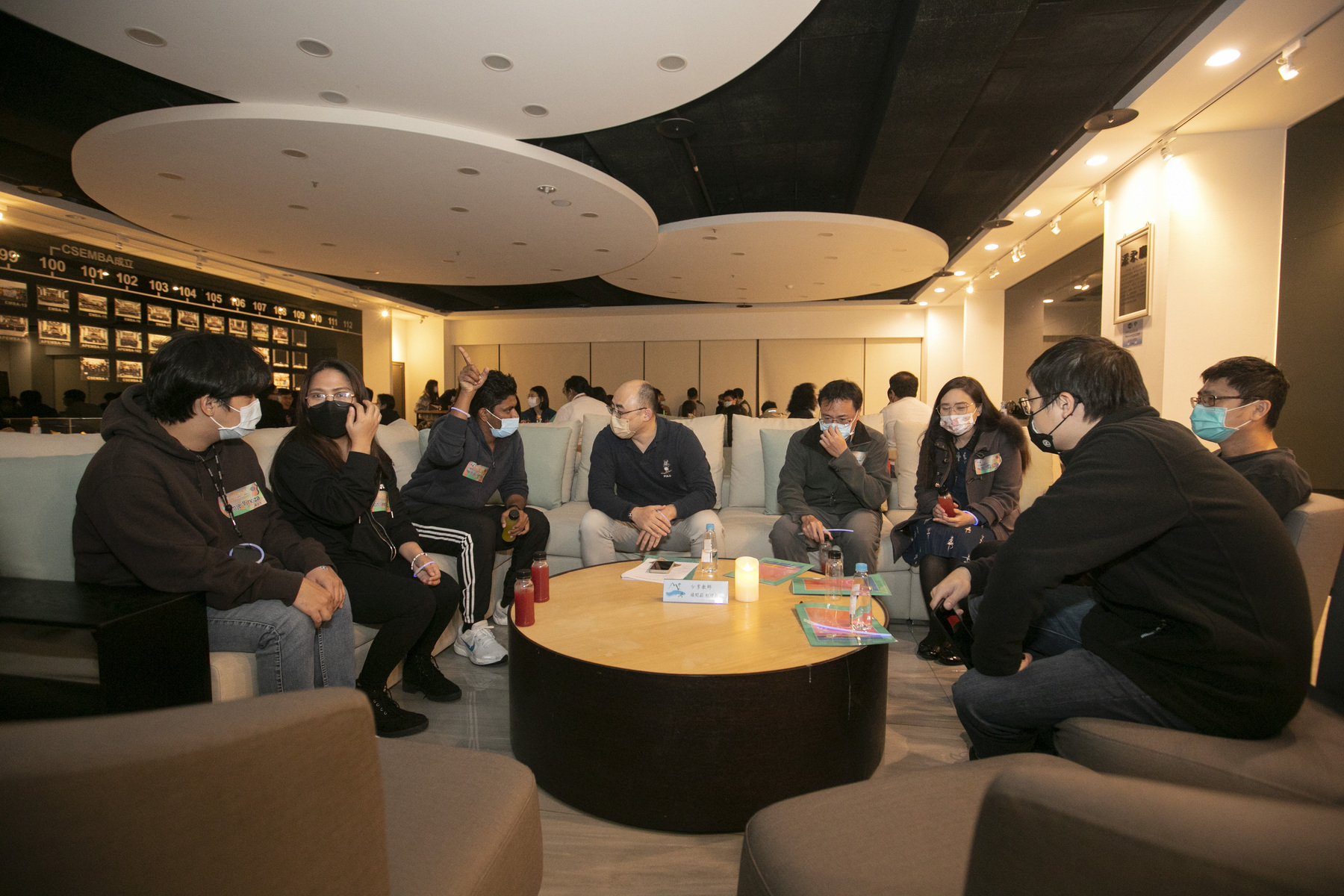
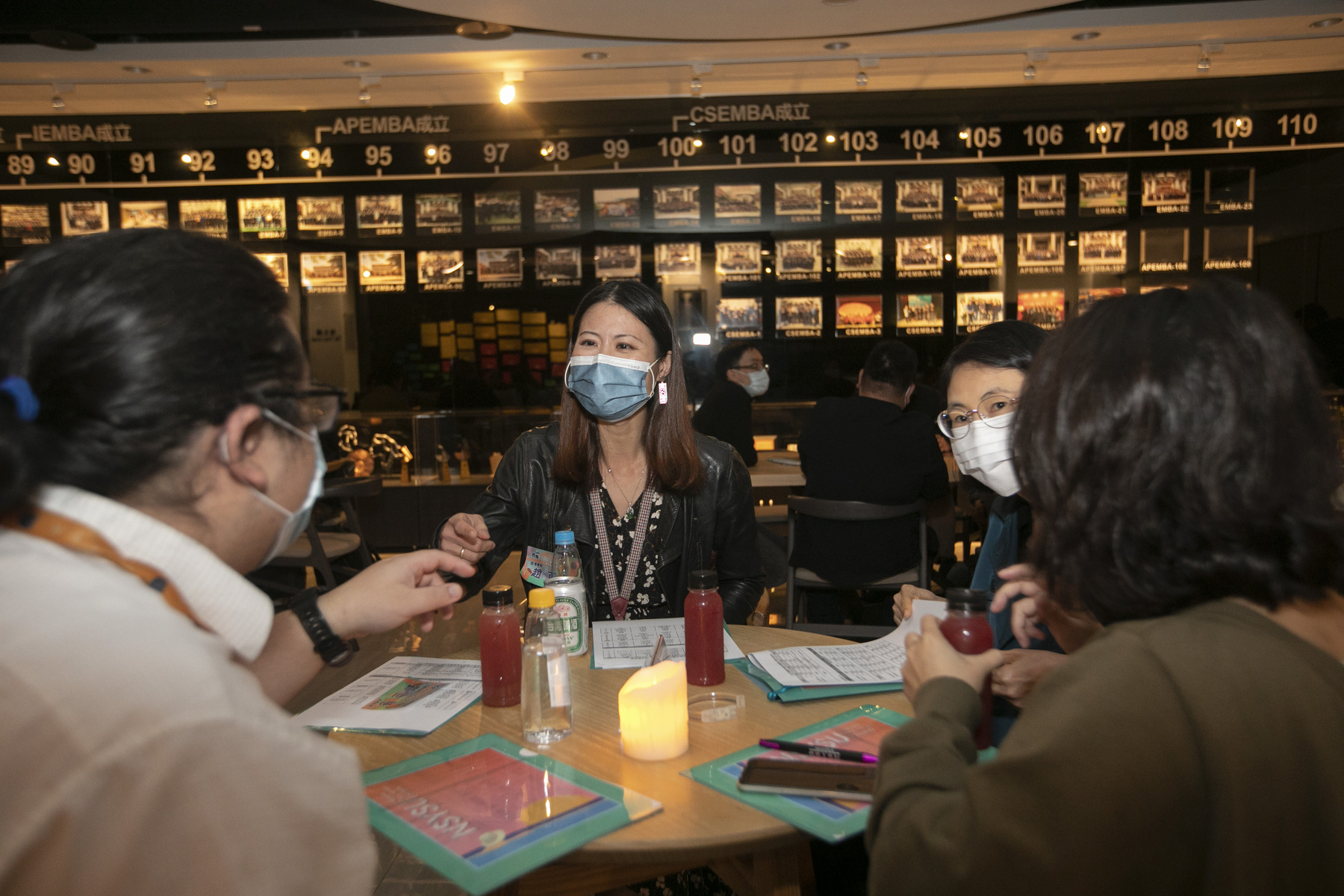
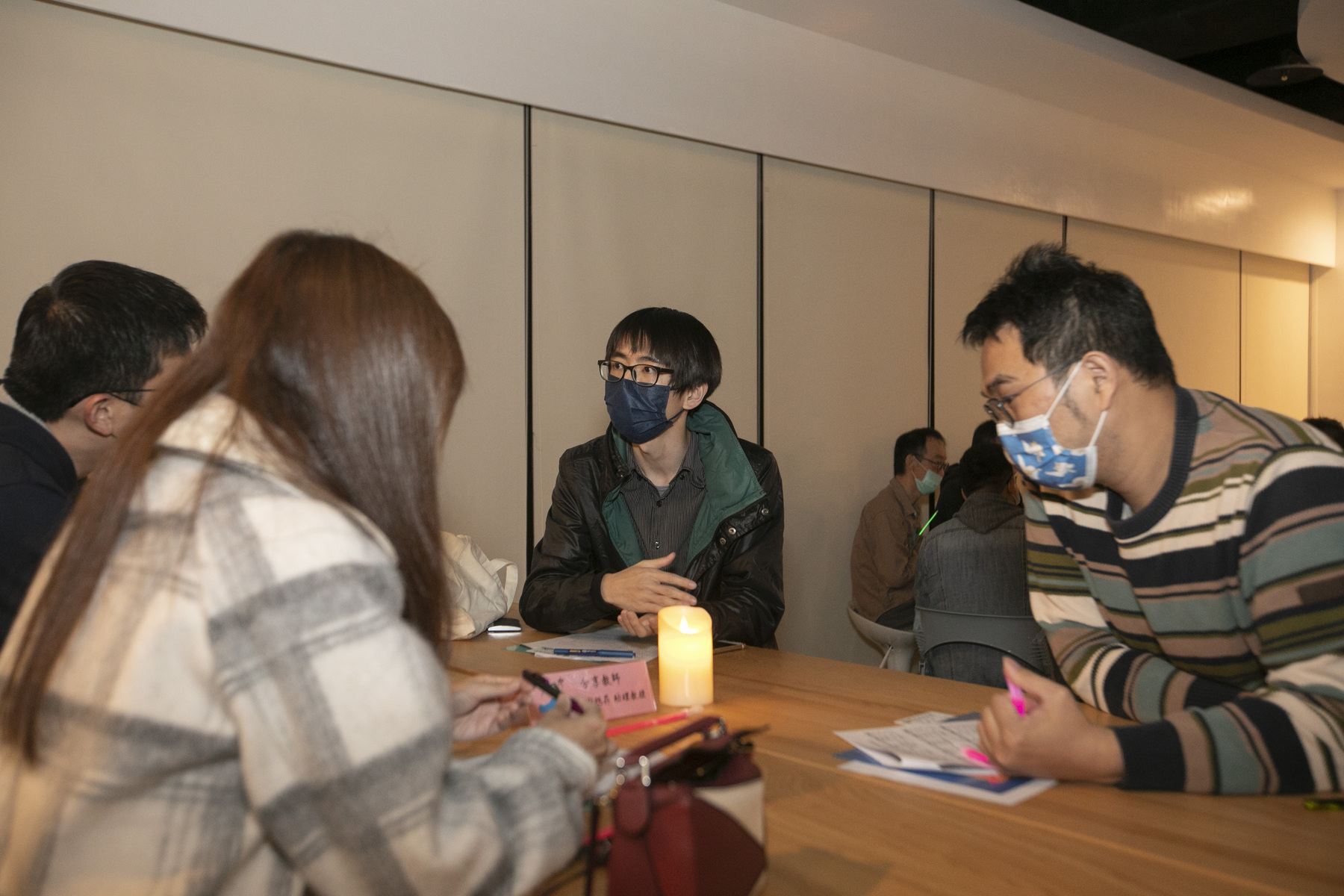
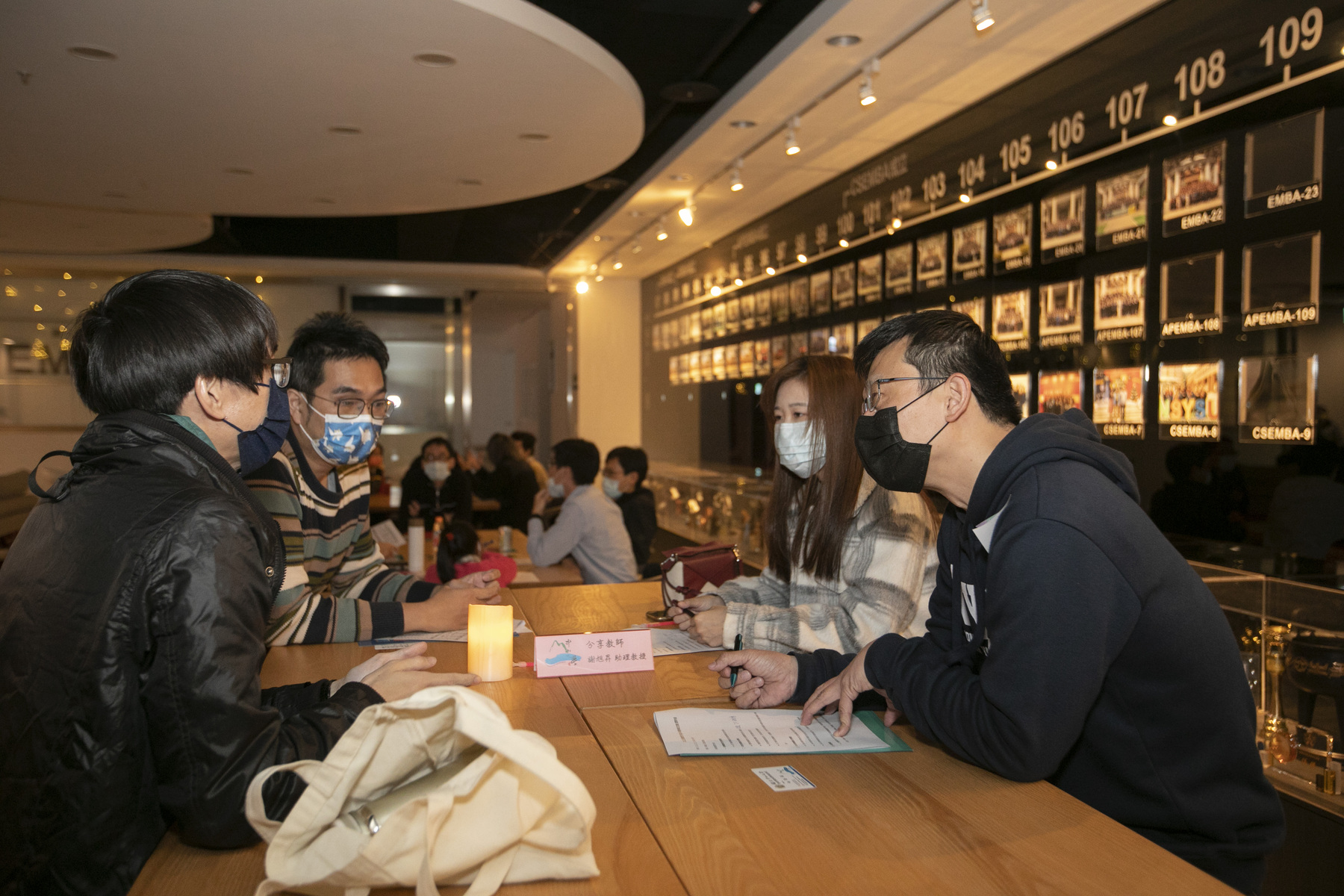
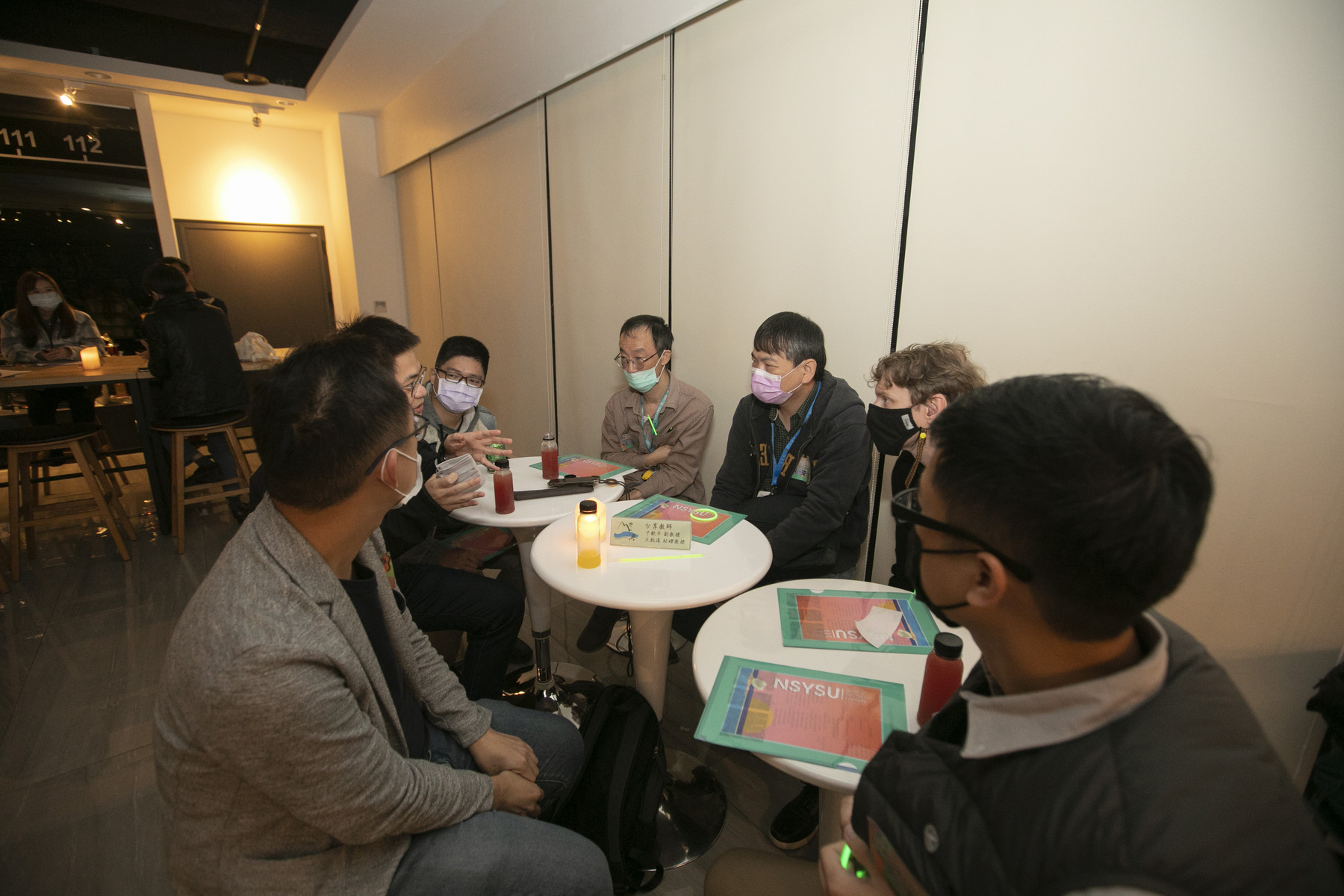
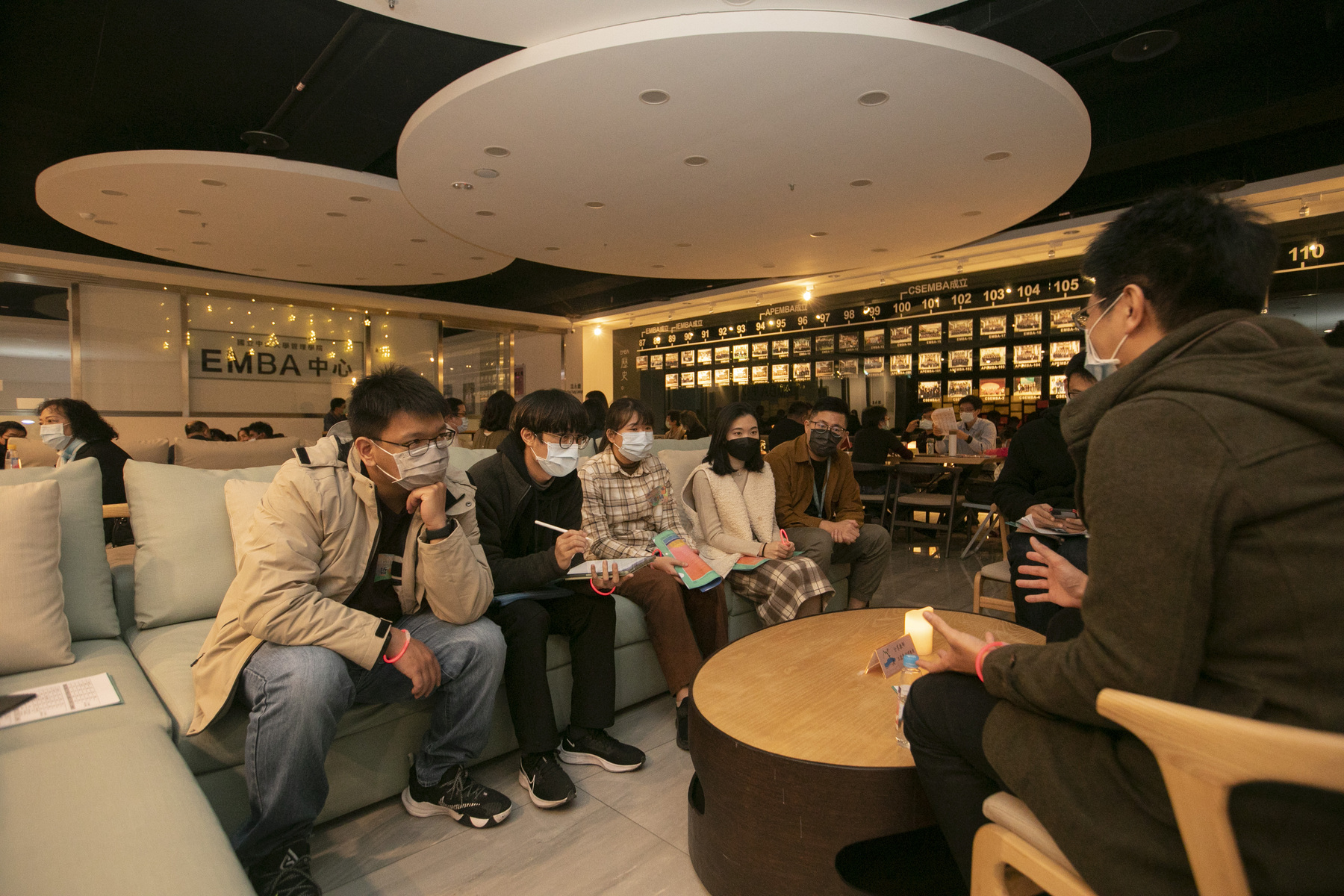
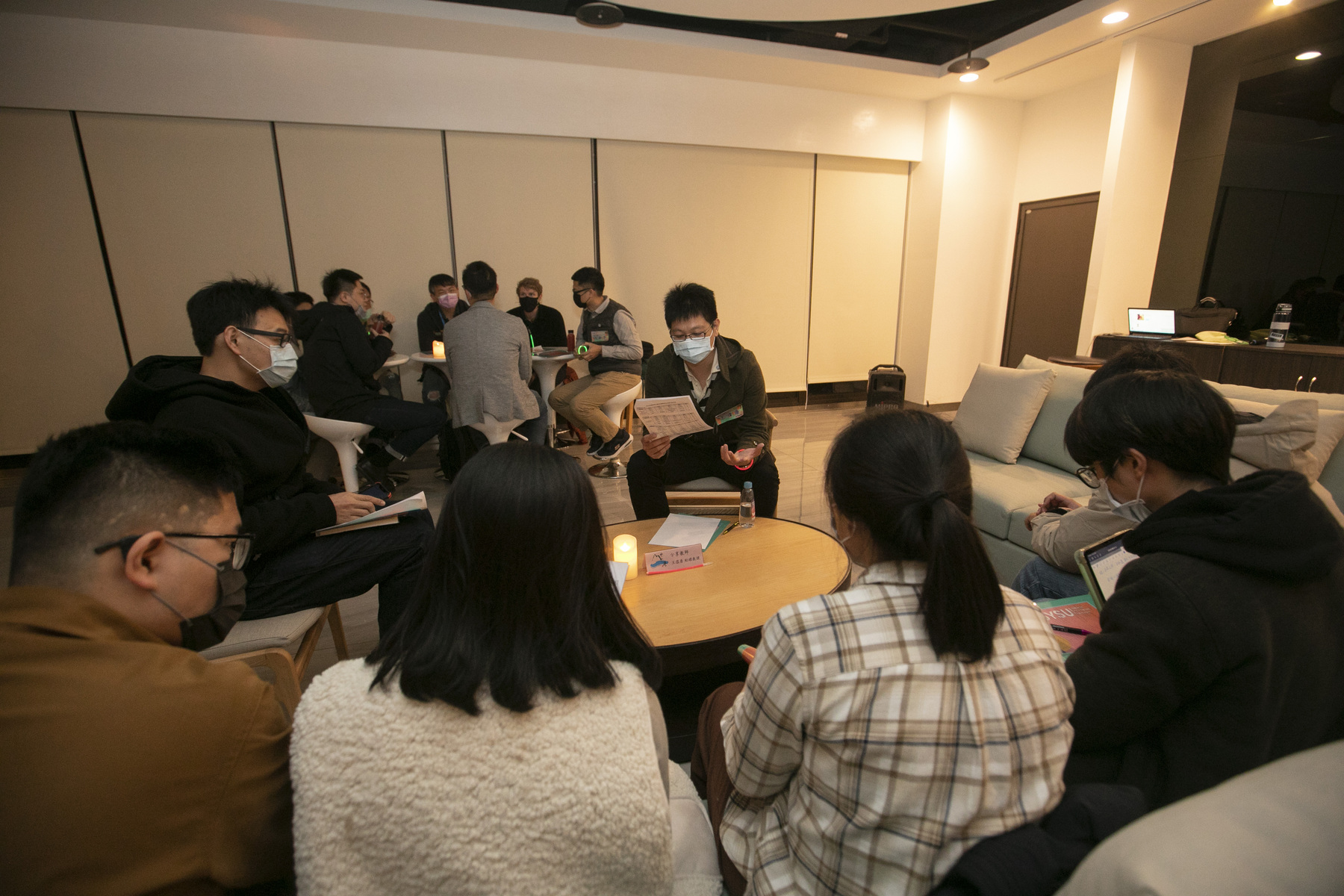
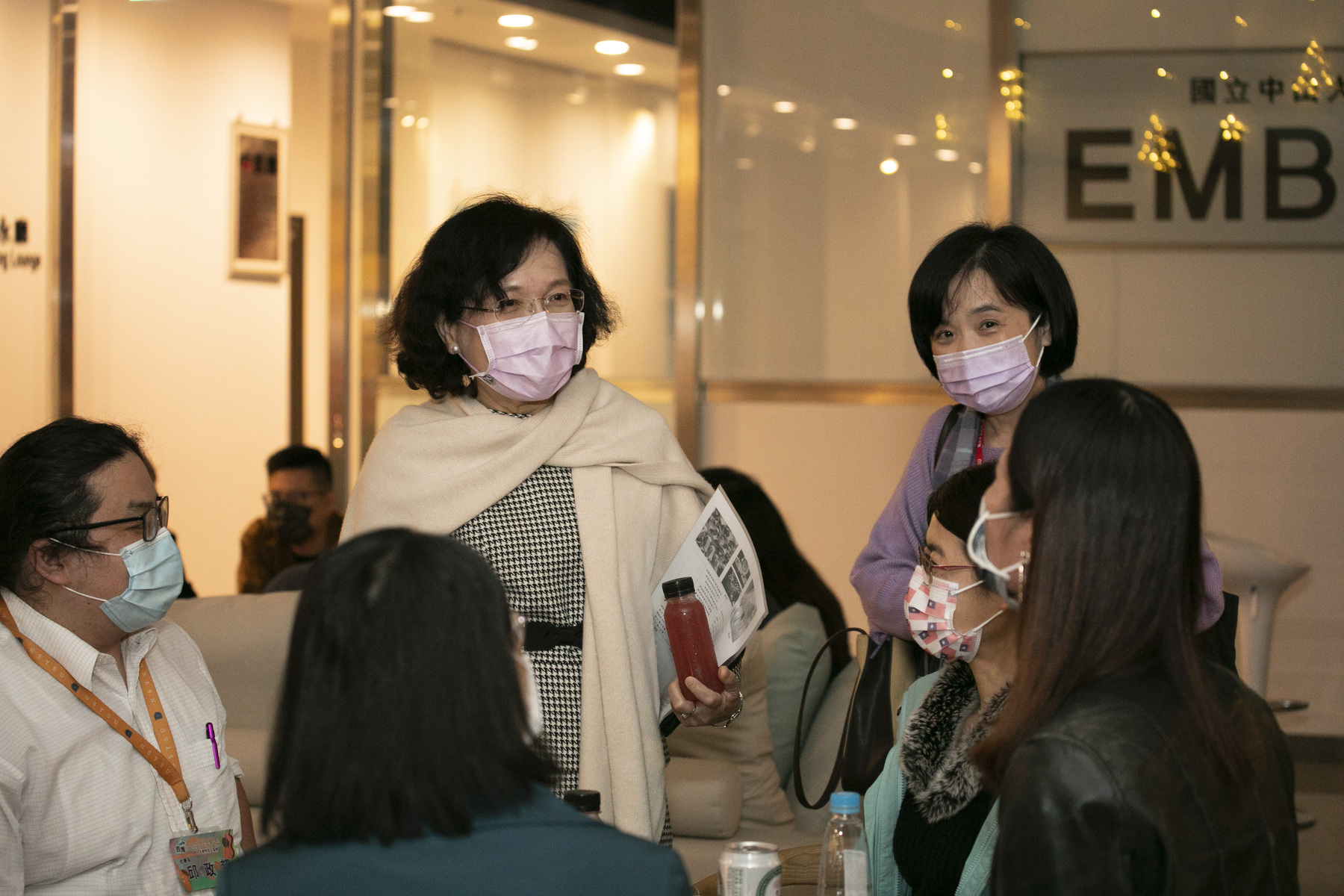
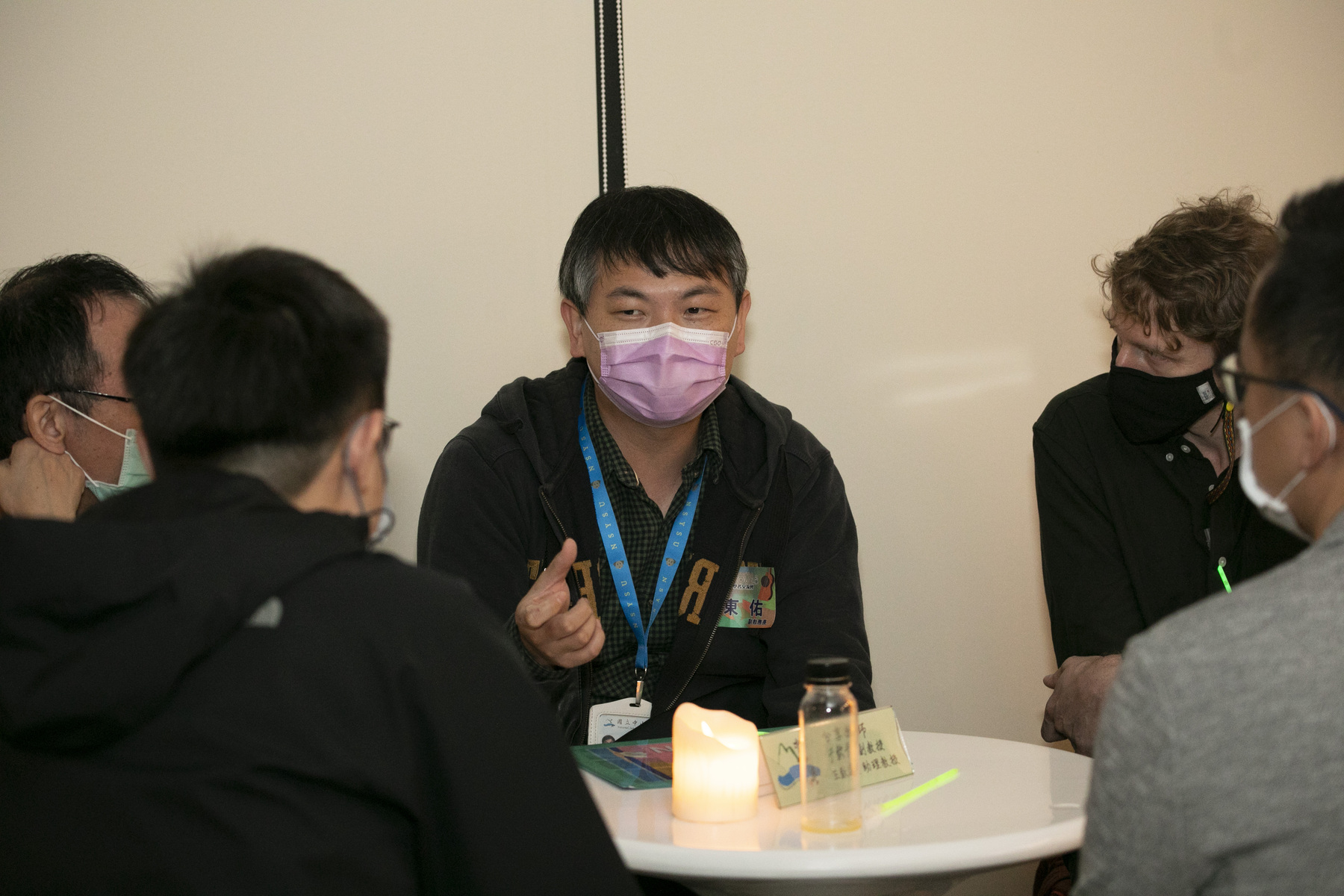
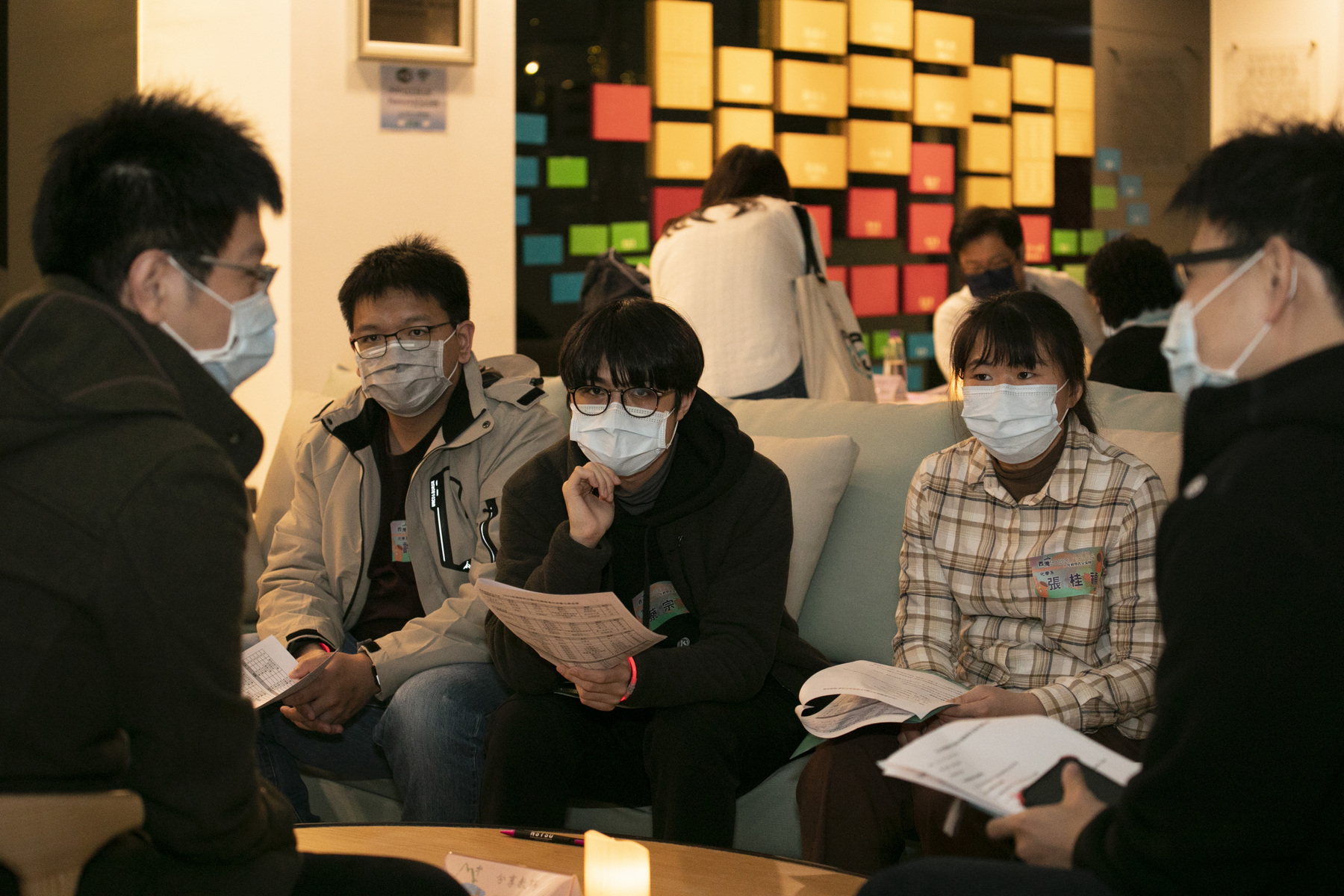
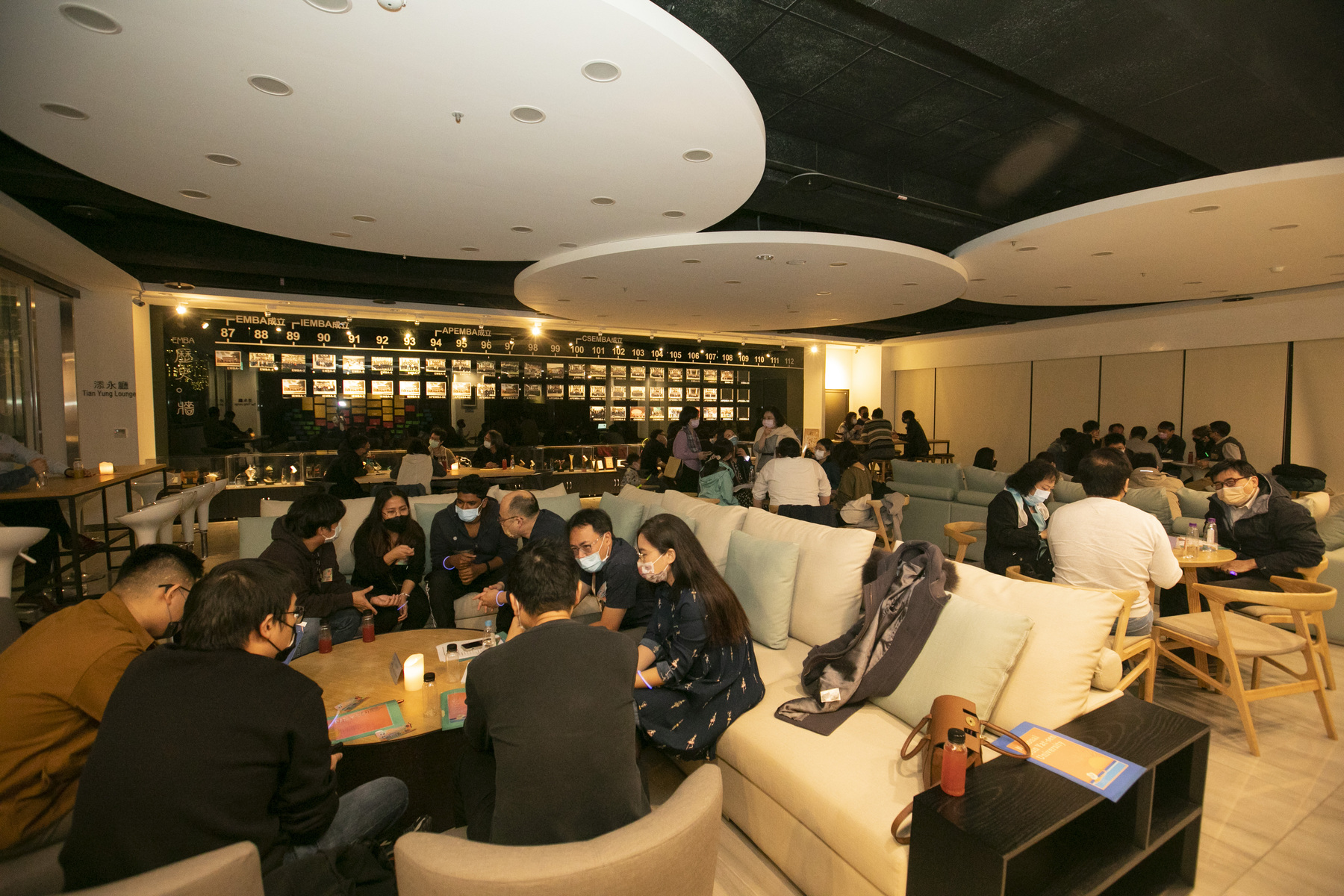
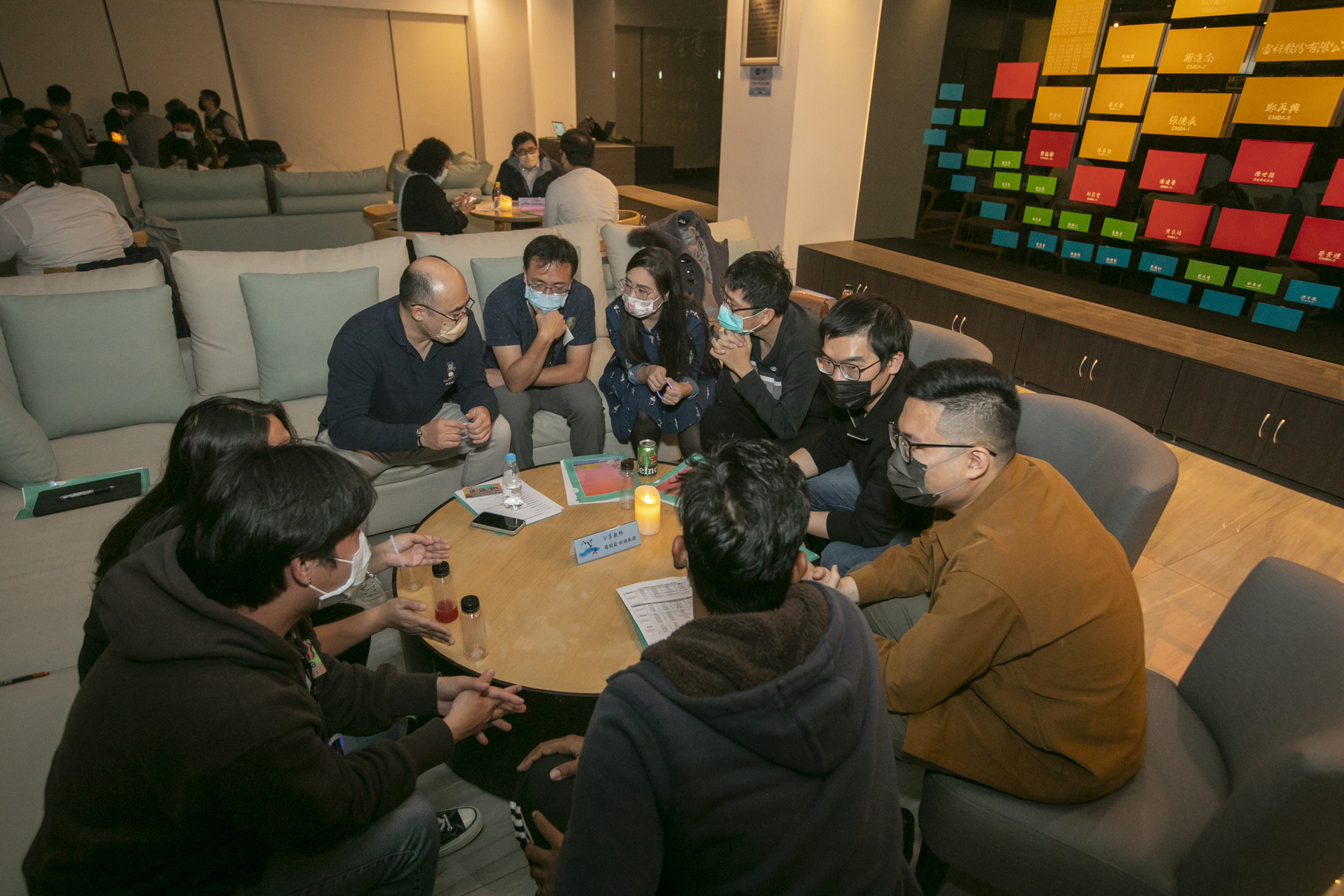
(Provided by Teaching and Learning Development and Resources Center) The Teaching and Learning Development and Resources Center, Office of Academic Affairs, National Sun Yat-sen University, organized the Bossa Nova Night: Young Scholars’ Exchange Meeting, inviting new teachers, doctoral students, and veteran scholars to participate and discuss. Dr. Po-Chiao Lin, Vice President for Academic Affairs, said that the participants were divided into three discussion groups, sharing experience in research plans writing, EMI teaching, and application for the Teaching Practice Research Program. The meeting let new scholars discuss topics they are interested in and senior scholars – share personal experiences and give advice. NSYSU Emeritus Chair Professor and Distinguished Chair Professor of National Chengchi University Jing-Jyi Wu was invited to attend the meeting and give a speech to guide young scholars new to the academia.
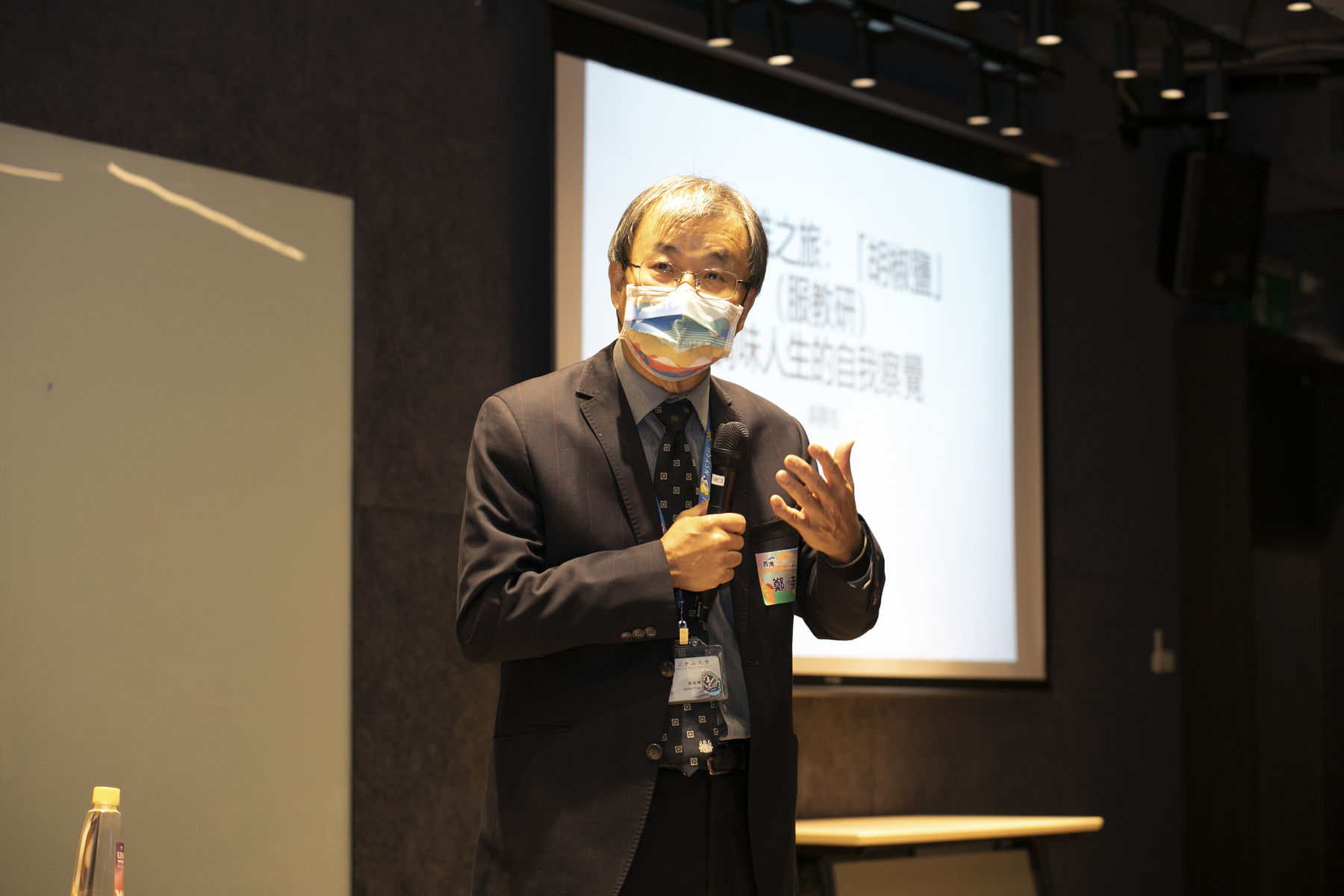
NSYSU President Ying-Yao Cheng said that the University held the meeting not only to enhance communication among young scholars but also to allow them to speak freely and express their concerns in a relaxed atmosphere. He pointed out that the scholars’ meeting organized at the beginning of last year was a big success. Originally, NSYSU planned to hold two meetings last year; however, because of the COVID-19 pandemic, scholars could meet only once last year. Emeritus Chair Professor Jing-Jyi Wu recommended young scholars not to fight alone when doing research, but to make joint efforts in groups. He pointed out that past research showed that there are many more research papers with multiple authors than those with a single author, and also, interdisciplinary research and cross-technology joint work are steadily on the rise. Professor Wu emphasized that instead of trying to be good at everything, we should make good use of specialists and learn to form a good team for complicated issues to be solved easily and get twice the result with half the effort in the academic field. He pointed out that peers are very important in the early stage of research, just as establishing interpersonal networks with senior researchers for novice scholars. With informal friendship ties, whether strong or weak, information and knowledge sharing can be achieved through exchange and co-working. This was also a core objective of the exchange meeting that hopefully was achieved.
Associate Professor Hung-Wei Yang of the Institute of Medical Science and Technology was in charge of the discussion on research plan writing. He shared what he discussed with new faculty and doctoral students. Professor Yang suggested that doctoral students incorporate trendy topics into the subjects of research. In this way, they can use their subjects of the research to draw the attention and help the advisors apply for project funding. He also talked about the process of applying for MOST projects and explained the differences between various types of projects. Professor Yang said that the exchange was a fun way to get close and personal in a good atmosphere, and the panelists were able to offer personal advice while young scholars shared their concerns.
Regarding EMI teaching, the biggest problem for many new teachers is that students cannot keep up with the progress when the course is taught in English because of insufficient English language proficiency. The panelist, Assistant Professor Yuya Lin of the Department of Chemistry, pointed out that the main problem is students' learning attitude, not their English level. Students with a good learning attitude will take the initiative to improve their English abilities. Assistant Professor Hao-Ching Hsia of the Program in Interdisciplinary Studies also shared an anecdote heard in a discussion. A new teacher asked what to say to a student criticizing the teacher's English speaking skills. After brainstorming with others, he suggested that the teacher might explain to the students that he/she is also learning English teaching skills to communicate with them and grow together through teacher-student interaction.
During the table discussion on the Teaching Practice Research Program, the panelist – Assistant Professor Chih-Yuan Wang mentioned that one or two new scholars have experienced a conflict between society's expectations and their own personal interests, which has affected their self-esteem and self-identity. He believes that the exchange of experiences with other teachers can bring new inspiration to perplexed scholars and help them reduce their anxiety about research and teaching and find proper solutions. Associate Vice President for Academic Affairs Tong-Yu Hsieh also shared that a new faculty member, enthusiastic about teaching industry skills, was frustrated about some students still being unable to acquire them successfully. A panelist suggested a group teaching approach so that more proficient students could guide those that need help and effectively reduce the proficiency gap between the students.
(Edited by Public Affairs Division)
(Provided by Teaching and Learning Development and Resources Center) The Teaching and Learning Development and Resources Center, Office of Academic Affairs, National Sun Yat-sen University, organized the Bossa Nova Night: Young Scholars’ Exchange Meeting, inviting new teachers, doctoral students, and veteran scholars to participate and discuss. Dr. Po-Chiao Lin, Vice President for Academic Affairs, said that the participants were divided into three discussion groups, sharing experience in research plans writing, EMI teaching, and application for the Teaching Practice Research Program. The meeting let new scholars discuss topics they are interested in and senior scholars – share personal experiences and give advice. NSYSU Emeritus Chair Professor and Distinguished Chair Professor of National Chengchi University Jing-Jyi Wu was invited to attend the meeting and give a speech to guide young scholars new to the academia.
NSYSU President Ying-Yao Cheng said that the University held the meeting not only to enhance communication among young scholars but also to allow them to speak freely and express their concerns in a relaxed atmosphere. He pointed out that the scholars’ meeting organized at the beginning of last year was a big success. Originally, NSYSU planned to hold two meetings last year; however, because of the COVID-19 pandemic, scholars could meet only once last year. Emeritus Chair Professor Jing-Jyi Wu recommended young scholars not to fight alone when doing research, but to make joint efforts in groups. He pointed out that past research showed that there are many more research papers with multiple authors than those with a single author, and also, interdisciplinary research and cross-technology joint work are steadily on the rise. Professor Wu emphasized that instead of trying to be good at everything, we should make good use of specialists and learn to form a good team for complicated issues to be solved easily and get twice the result with half the effort in the academic field. He pointed out that peers are very important in the early stage of research, just as establishing interpersonal networks with senior researchers for novice scholars. With informal friendship ties, whether strong or weak, information and knowledge sharing can be achieved through exchange and co-working. This was also a core objective of the exchange meeting that hopefully was achieved.
Associate Professor Hung-Wei Yang of the Institute of Medical Science and Technology was in charge of the discussion on research plan writing. He shared what he discussed with new faculty and doctoral students. Professor Yang suggested that doctoral students incorporate trendy topics into the subjects of research. In this way, they can use their subjects of the research to draw the attention and help the advisors apply for project funding. He also talked about the process of applying for MOST projects and explained the differences between various types of projects. Professor Yang said that the exchange was a fun way to get close and personal in a good atmosphere, and the panelists were able to offer personal advice while young scholars shared their concerns.
Regarding EMI teaching, the biggest problem for many new teachers is that students cannot keep up with the progress when the course is taught in English because of insufficient English language proficiency. The panelist, Assistant Professor Yuya Lin of the Department of Chemistry, pointed out that the main problem is students' learning attitude, not their English level. Students with a good learning attitude will take the initiative to improve their English abilities. Assistant Professor Hao-Ching Hsia of the Program in Interdisciplinary Studies also shared an anecdote heard in a discussion. A new teacher asked what to say to a student criticizing the teacher's English speaking skills. After brainstorming with others, he suggested that the teacher might explain to the students that he/she is also learning English teaching skills to communicate with them and grow together through teacher-student interaction.
During the table discussion on the Teaching Practice Research Program, the panelist – Assistant Professor Chih-Yuan Wang mentioned that one or two new scholars have experienced a conflict between society's expectations and their own personal interests, which has affected their self-esteem and self-identity. He believes that the exchange of experiences with other teachers can bring new inspiration to perplexed scholars and help them reduce their anxiety about research and teaching and find proper solutions. Associate Vice President for Academic Affairs Tong-Yu Hsieh also shared that a new faculty member, enthusiastic about teaching industry skills, was frustrated about some students still being unable to acquire them successfully. A panelist suggested a group teaching approach so that more proficient students could guide those that need help and effectively reduce the proficiency gap between the students.
(Edited by Public Affairs Division)
Click Num:
Share