
NSYSU signs MOU with National Science and Technology Museum and donates antique fluorescence spectrometer
2022-02-15
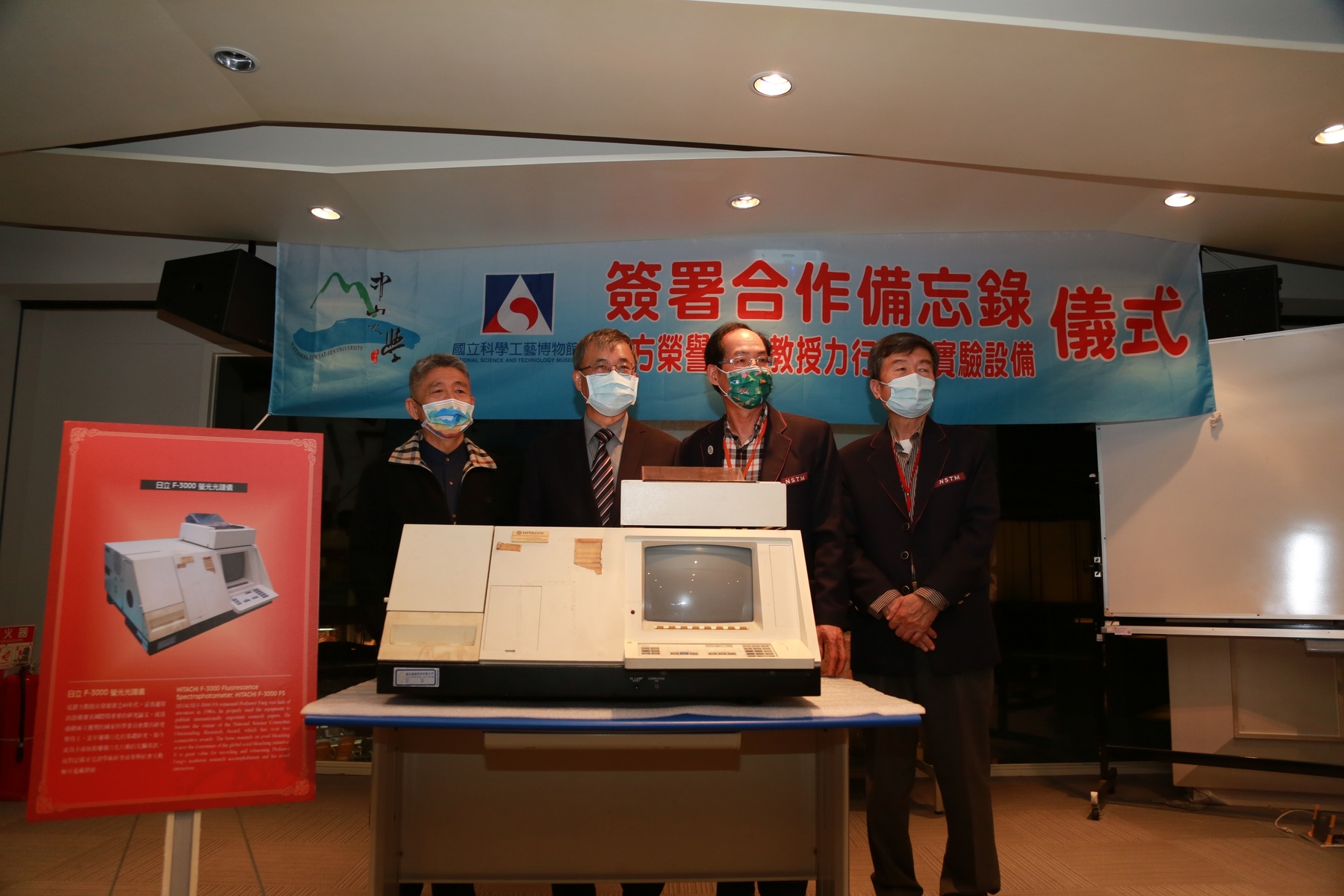
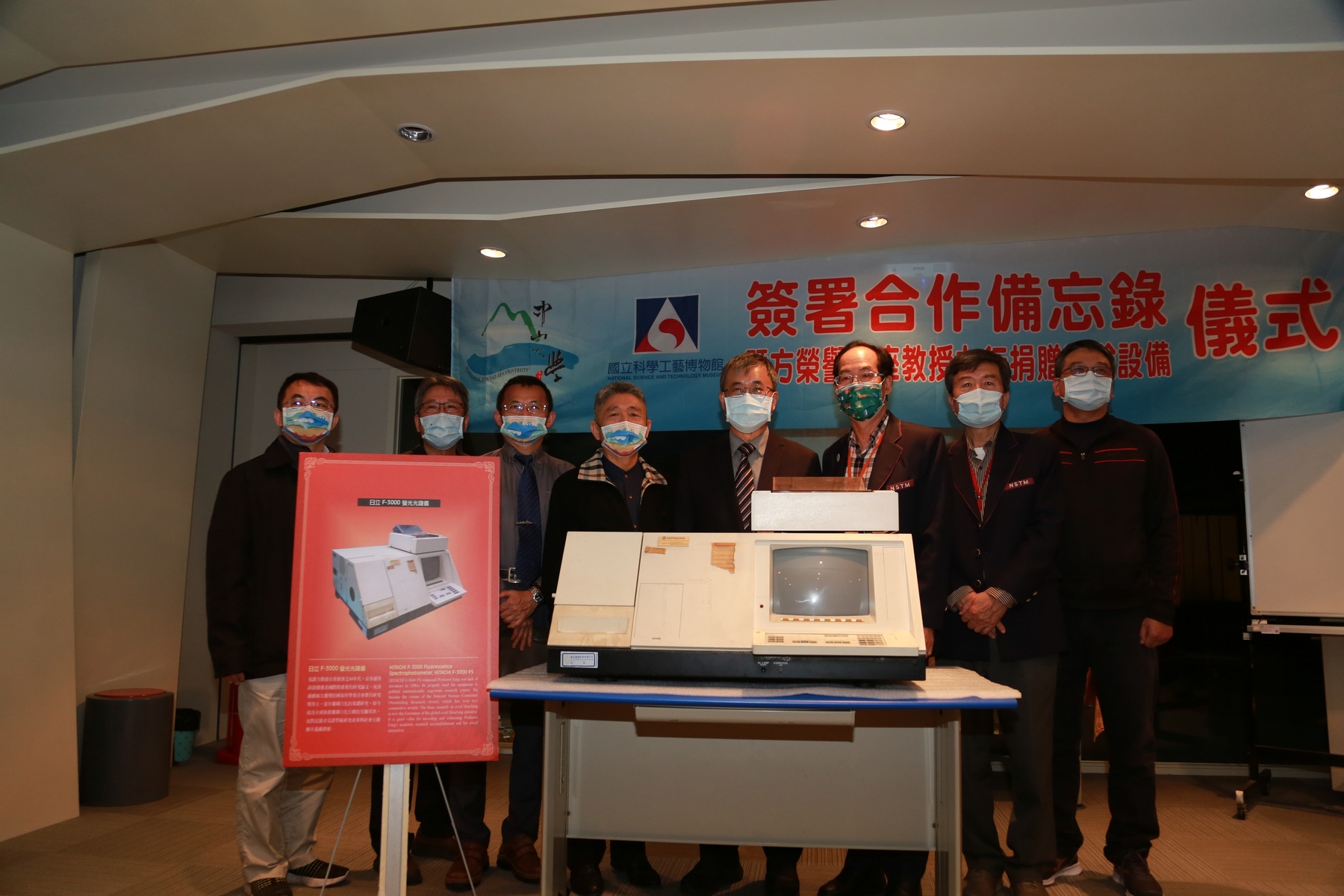
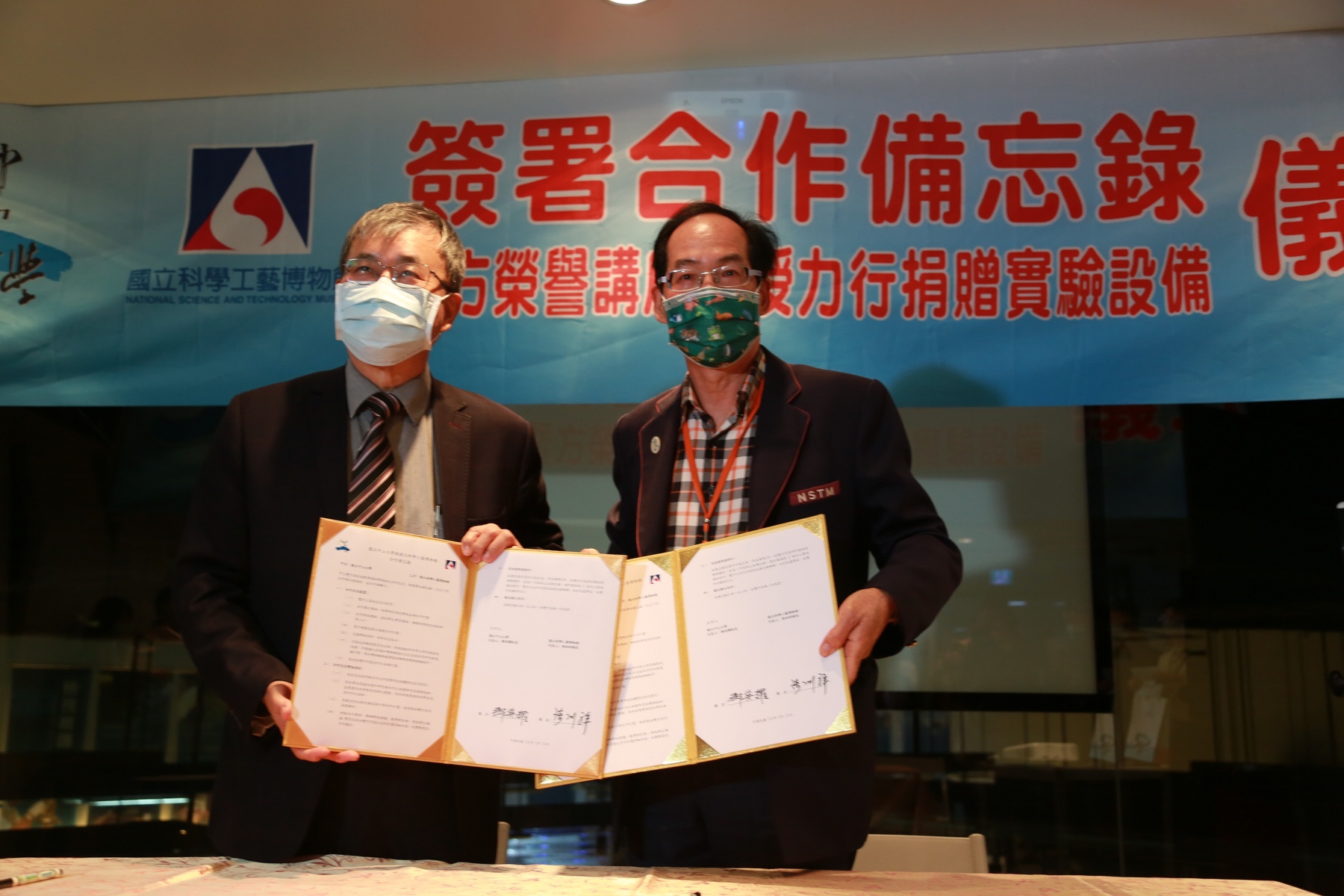
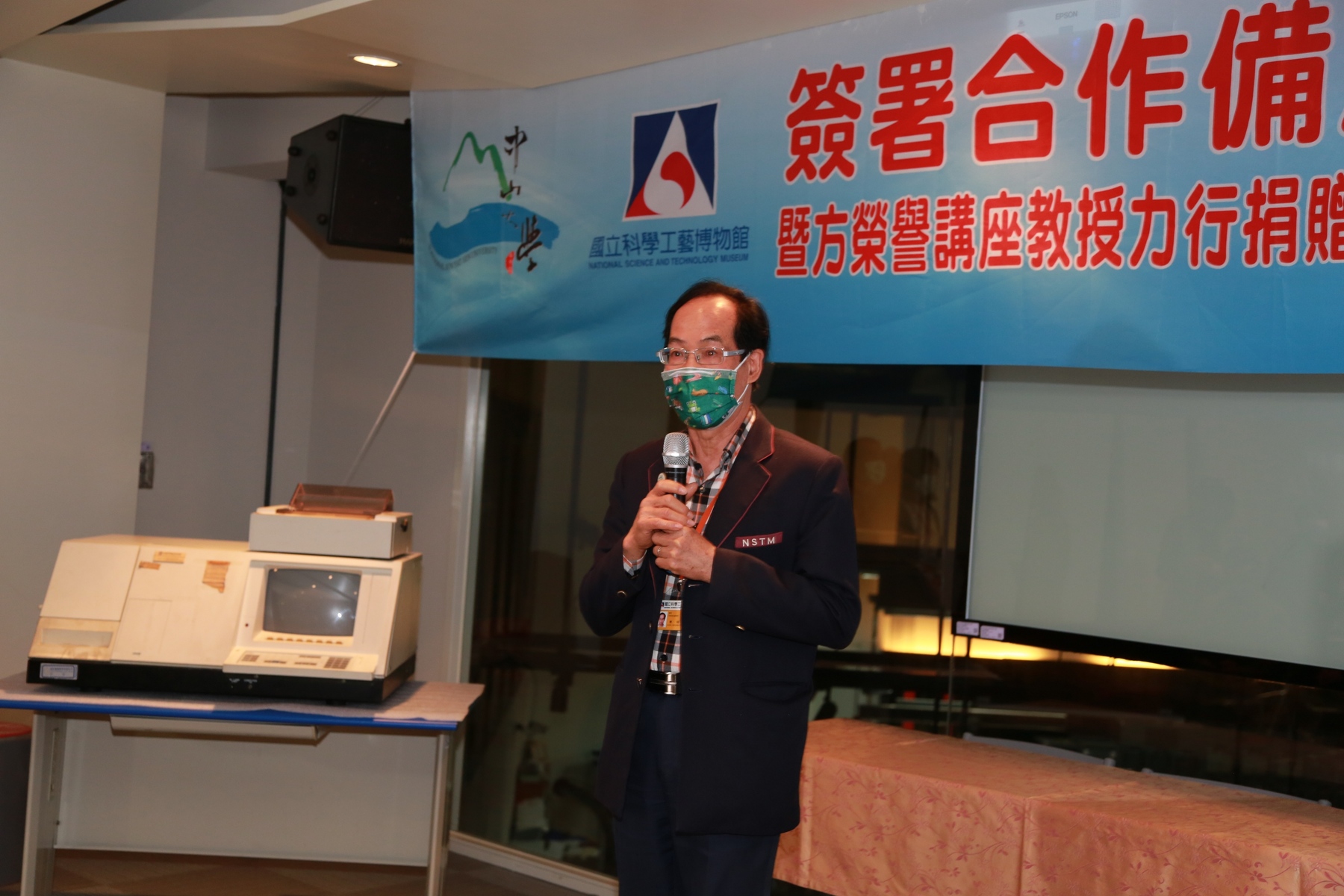
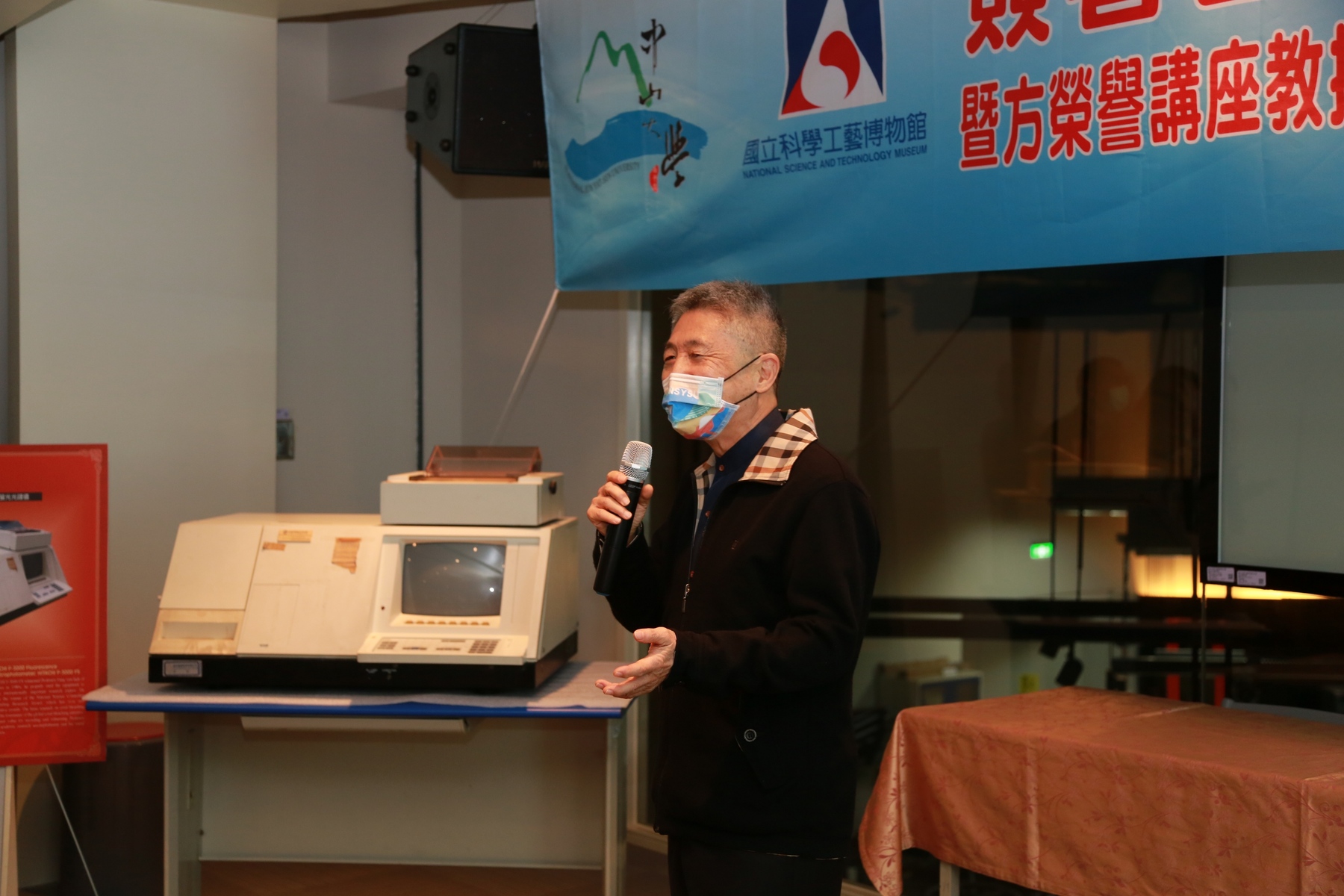
National Sun Yat-sen University and National Science and Technology Museum (NSTM) have signed a memorandum of understanding on cooperation. NSYSU donated to NSTM the first artifact in their cooperation – Hitachi F-3000 Fluorescence Spectrometer, an antique instrument from the laboratory of Emeritus Chair Professor Lee-Shing Fang of the Department of Marine Biotechnology and Resources. It was a valuable piece of equipment in Professor Fang's laboratory when NSYSU was just founded in the early 1980s. The spectrometer allowed settling the foundations for basic research on coral bleaching, providing pioneer information that drove the global action to save corals from bleaching and made a significant contribution to the academic research of marine biochemistry and marine technology in Taiwan. Now, the spectrometer has joined the museum collection and will be used for educational purposes.
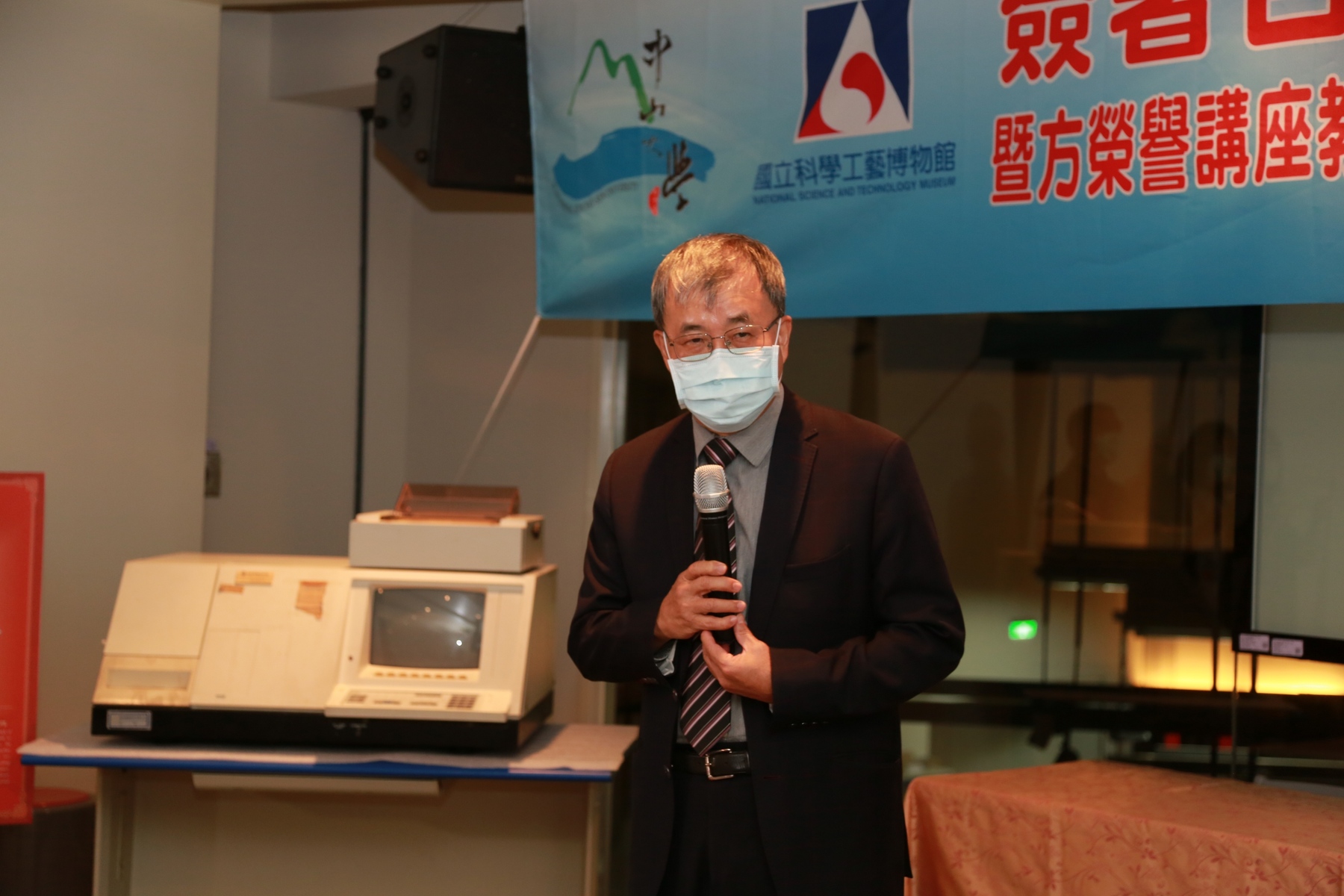
"This fluorescence spectrometer has made an important contribution to Taiwan's growth, both in the academia and the industry." NSYSU President Ying-Yao Cheng emphasized that fluorescence spectrometer uses the property of fluorescence emitted by a substance when stimulated by light to detect, identify, and quantify specific target molecules and detect the occurrence of chemical reactions. Over the past decades, Professor Fang has used the spectrometer to research the metabolic mechanisms of hemoglobin in fish, the regulation of digestive enzymes in tiger shrimp and tilapia, the process of coral bleaching, physiological and biochemical changes in corals, the history of climate change (rainfall) researching components in coral skeletons, and the way high temperature induces corals to synthesize stress proteins to resist heat stress. "This instrument is a testimony to the poor scientific resources in Taiwan in the 1980s. Thanks to the proper use of the available laboratory equipment, Professor Fang has published many internationally important research papers and won two consecutive Outstanding Research Awards of National Science Council.”
Emeritus Chair Professor Lee-Shing Fang further pointed out that part of his basic research has been further transferred into applied technologies that supported the formulation and production of various fish and shrimp feeds when Taiwan became the “kingdom of tiger shrimps” from 1980s through to the 1990s, solved the problem of coral bleaching caused by nuclear power plants draining warm water, and established environmentally-friendly control processes, which made the export of Taiwan's aquatic products earn over ten billions in foreign exchange and enabled timely control of nuclear power plants before any ecological crisis would occur, saving billions of dollars in capital and potential industrial losses caused by power limitations.
Director-General of NSTM, Shiunn-Shyang Chen, said that since the opening of the Museum in November 1998, artifacts have been collected with the support of the public until September 2003, when a team in charge of collection research was officially formed. The collaboration with NSYSU to preserve important national academic and industrial artifacts, record and witness the process of interaction between academic research results and the society, and enhance the functions of heritage collection, exhibition, education and service to the public, is expected to provide more opportunities for cooperation in teaching and scientific exchange.
National Sun Yat-sen University and National Science and Technology Museum (NSTM) have signed a memorandum of understanding on cooperation. NSYSU donated to NSTM the first artifact in their cooperation – Hitachi F-3000 Fluorescence Spectrometer, an antique instrument from the laboratory of Emeritus Chair Professor Lee-Shing Fang of the Department of Marine Biotechnology and Resources. It was a valuable piece of equipment in Professor Fang's laboratory when NSYSU was just founded in the early 1980s. The spectrometer allowed settling the foundations for basic research on coral bleaching, providing pioneer information that drove the global action to save corals from bleaching and made a significant contribution to the academic research of marine biochemistry and marine technology in Taiwan. Now, the spectrometer has joined the museum collection and will be used for educational purposes.
"This fluorescence spectrometer has made an important contribution to Taiwan's growth, both in the academia and the industry." NSYSU President Ying-Yao Cheng emphasized that fluorescence spectrometer uses the property of fluorescence emitted by a substance when stimulated by light to detect, identify, and quantify specific target molecules and detect the occurrence of chemical reactions. Over the past decades, Professor Fang has used the spectrometer to research the metabolic mechanisms of hemoglobin in fish, the regulation of digestive enzymes in tiger shrimp and tilapia, the process of coral bleaching, physiological and biochemical changes in corals, the history of climate change (rainfall) researching components in coral skeletons, and the way high temperature induces corals to synthesize stress proteins to resist heat stress. "This instrument is a testimony to the poor scientific resources in Taiwan in the 1980s. Thanks to the proper use of the available laboratory equipment, Professor Fang has published many internationally important research papers and won two consecutive Outstanding Research Awards of National Science Council.”
Emeritus Chair Professor Lee-Shing Fang further pointed out that part of his basic research has been further transferred into applied technologies that supported the formulation and production of various fish and shrimp feeds when Taiwan became the “kingdom of tiger shrimps” from 1980s through to the 1990s, solved the problem of coral bleaching caused by nuclear power plants draining warm water, and established environmentally-friendly control processes, which made the export of Taiwan's aquatic products earn over ten billions in foreign exchange and enabled timely control of nuclear power plants before any ecological crisis would occur, saving billions of dollars in capital and potential industrial losses caused by power limitations.
Director-General of NSTM, Shiunn-Shyang Chen, said that since the opening of the Museum in November 1998, artifacts have been collected with the support of the public until September 2003, when a team in charge of collection research was officially formed. The collaboration with NSYSU to preserve important national academic and industrial artifacts, record and witness the process of interaction between academic research results and the society, and enhance the functions of heritage collection, exhibition, education and service to the public, is expected to provide more opportunities for cooperation in teaching and scientific exchange.
Click Num:
Share