
NSYSU establishes the Office of Sustainability, strengthening science-based governance for climate and transition challenges
2026-01-26
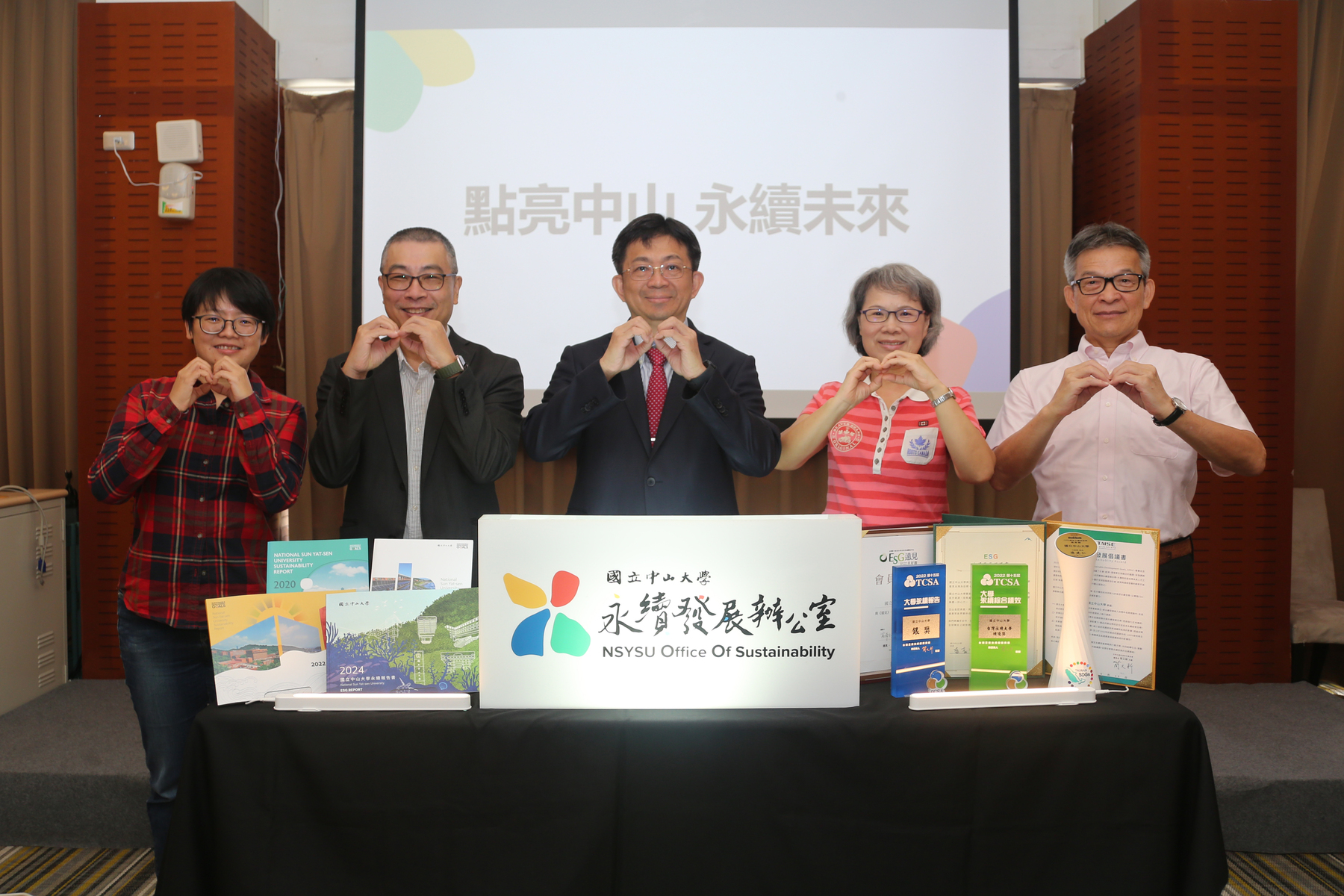
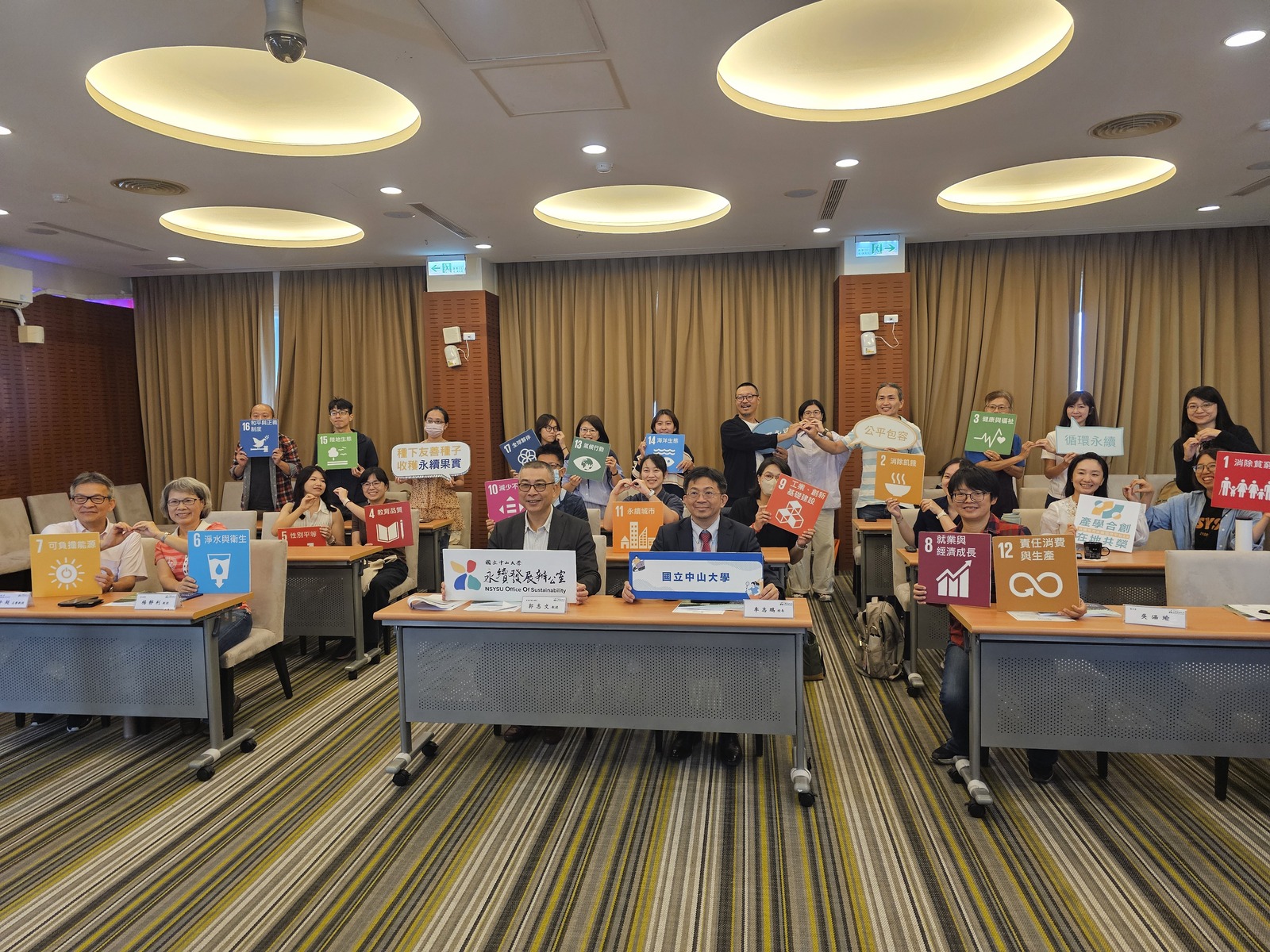
In the face of increasingly frequent climate anomalies and global environmental challenges, higher education institutions play a crucial role in knowledge innovation and social impact. To strengthen its campus governance framework and net-zero transition, National Sun Yat-sen University (NSYSU) officially inaugurated the "Office of Sustainability." Anchored in science-based strategies, cross-disciplinary collaboration, and local engagement, the Office will coordinate sustainability actions across research, teaching, and campus life, demonstrating the University's forward-looking vision and commitment to global challenges.
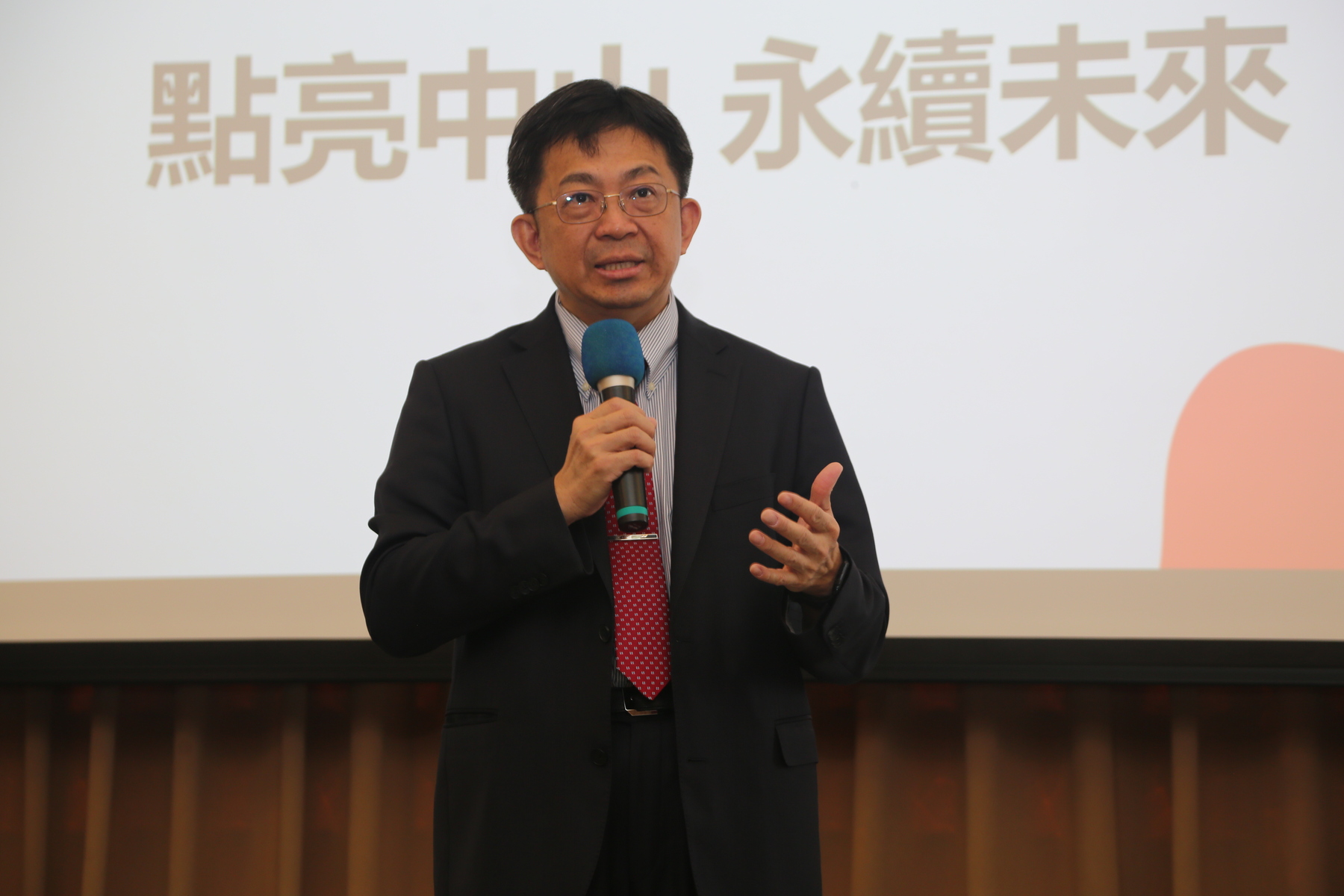
NSYSU President Chih-Peng Li noted that sustainability has become a core issue humanity must confront immediately. Taiwan recently experienced a rare November typhoon, an anomaly that is becoming increasingly common under global warming and extreme climate events. Nature seems to be signaling, again and again, the urgency of environmental change. NSYSU has advanced sustainability initiatives for more than a decade, beginning with the three pillars of ESG—environmental, social, and governance. These efforts include campus energy conservation, green infrastructure, diverse scholarship programs, social responsibility initiatives, and institutional innovation. Such actions have embedded sustainability into teaching, research, daily campus life, and local partnerships, earning national recognition, including the "National Sustainable Development Award," demonstrating the responsibility and influence of academic institutions in society.
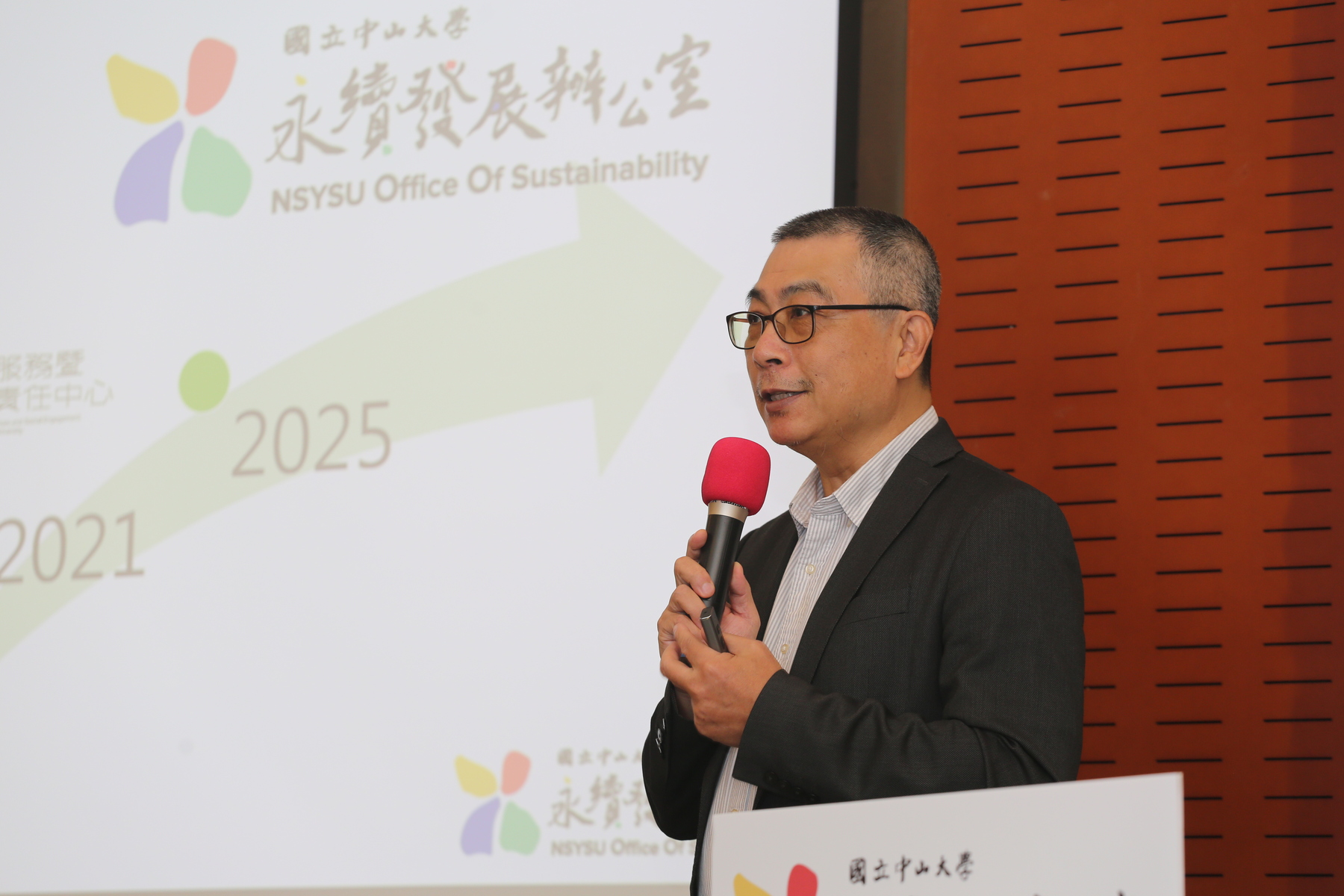
To make its sustainability governance more systematic and forward-looking, NSYSU approved the establishment of the university-level Office of Sustainability during its Executive Meeting in June 2025. The inauguration marks a new era of governance centered on sustainability. NSYSU Senior Vice President and Chief of Office of Sustainability Chih-Wen Kuo noted that as early as 2018, the University established the Tier-1 Certified Inter-Institute Research Center "NSYSU Social Engagement Center" to coordinate University Social Responsibility (USR). Between 2021 and 2022, the Center was integrated with the Alumni Service Center to form the "Center for Alumni Services and Social Engagement," elevating USR to a Tier-1 administrative unit and expanding partnerships with external organizations and alumni. This integration laid the foundation for establishing the Office of Sustainability.
The Office highlighted that its new sustainability logo incorporates red, yellow, blue, and green—each symbolizing a key dimension of sustainability governance: red for passion in advancing research and industry engagement; yellow for empathy and social care; blue for NSYSU's maritime identity and commitment to ocean stewardship; and green for environmental integrity. In the short term, the Office will use NSYSU's existing ESG Report as a foundation to review resources and achievements across the environmental, social, and academic domains. It will also integrate data, expand stakeholder and materiality assessments, and develop a performance evaluation and disclosure platform that will guide the Sustainable Development Committee's annual strategy-making. Promotion efforts will include incentives, curriculum design, university-wide events, and cross-sector collaboration, ensuring sustainability becomes a shared and actionable practice among students, faculty, and partners.
In the long term, NSYSU's sustainability roadmap aligns with Taiwan's 2050 Net-Zero Transition strategy and will expand across four areas—Energy, Industrial, Lifestyle, and Social Transition—integrating the University's research strengths with regional needs in southern Taiwan. NSYSU aims to build an inclusive and sustainable campus, advance sustainability governance, and achieve carbon neutrality by 2048, while supporting local industries and communities through sustainable transition. The establishment of the Office of Sustainability marks a milestone in institutional governance and affirms NSYSU's commitment to addressing global sustainability challenges through science, education, and community partnership.
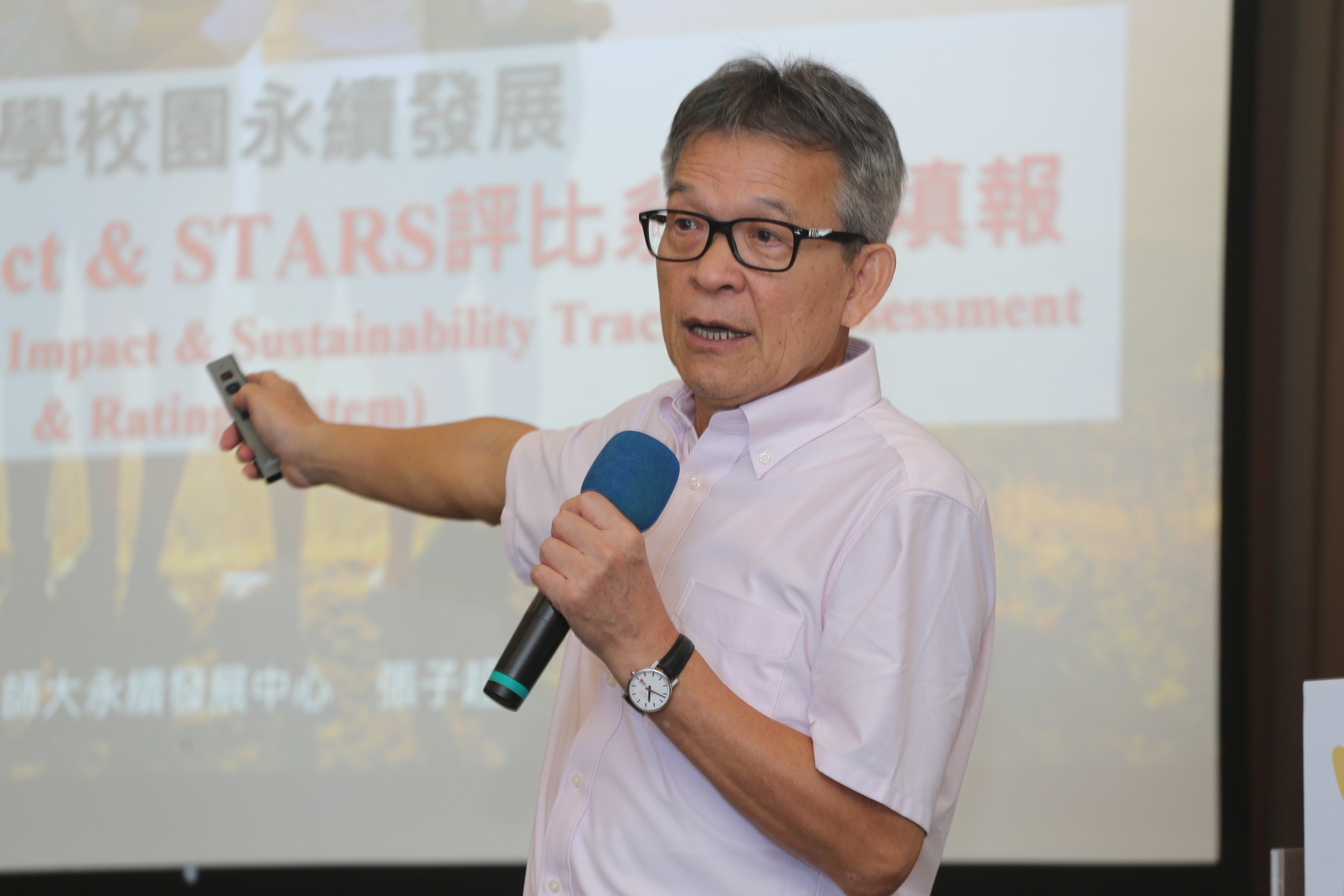
The ceremony also invited Professor Emeritus Tzuchau Chang from National Taiwan Normal University's Graduate Institute of Sustainability Management and Environmental Education, who shared global sustainability trends and introduced the international Sustainability Tracking, Assessment & Rating System (STARS) for universities. He emphasized that sustainability represents not only a continuation of universities' pursuit of excellence, but also a reminder to fulfill their broader responsibilities to the environment and society through different measurable indicators.
In the face of increasingly frequent climate anomalies and global environmental challenges, higher education institutions play a crucial role in knowledge innovation and social impact. To strengthen its campus governance framework and net-zero transition, National Sun Yat-sen University (NSYSU) officially inaugurated the "Office of Sustainability." Anchored in science-based strategies, cross-disciplinary collaboration, and local engagement, the Office will coordinate sustainability actions across research, teaching, and campus life, demonstrating the University's forward-looking vision and commitment to global challenges.
NSYSU President Chih-Peng Li noted that sustainability has become a core issue humanity must confront immediately. Taiwan recently experienced a rare November typhoon, an anomaly that is becoming increasingly common under global warming and extreme climate events. Nature seems to be signaling, again and again, the urgency of environmental change. NSYSU has advanced sustainability initiatives for more than a decade, beginning with the three pillars of ESG—environmental, social, and governance. These efforts include campus energy conservation, green infrastructure, diverse scholarship programs, social responsibility initiatives, and institutional innovation. Such actions have embedded sustainability into teaching, research, daily campus life, and local partnerships, earning national recognition, including the "National Sustainable Development Award," demonstrating the responsibility and influence of academic institutions in society.
To make its sustainability governance more systematic and forward-looking, NSYSU approved the establishment of the university-level Office of Sustainability during its Executive Meeting in June 2025. The inauguration marks a new era of governance centered on sustainability. NSYSU Senior Vice President and Chief of Office of Sustainability Chih-Wen Kuo noted that as early as 2018, the University established the Tier-1 Certified Inter-Institute Research Center "NSYSU Social Engagement Center" to coordinate University Social Responsibility (USR). Between 2021 and 2022, the Center was integrated with the Alumni Service Center to form the "Center for Alumni Services and Social Engagement," elevating USR to a Tier-1 administrative unit and expanding partnerships with external organizations and alumni. This integration laid the foundation for establishing the Office of Sustainability.
The Office highlighted that its new sustainability logo incorporates red, yellow, blue, and green—each symbolizing a key dimension of sustainability governance: red for passion in advancing research and industry engagement; yellow for empathy and social care; blue for NSYSU's maritime identity and commitment to ocean stewardship; and green for environmental integrity. In the short term, the Office will use NSYSU's existing ESG Report as a foundation to review resources and achievements across the environmental, social, and academic domains. It will also integrate data, expand stakeholder and materiality assessments, and develop a performance evaluation and disclosure platform that will guide the Sustainable Development Committee's annual strategy-making. Promotion efforts will include incentives, curriculum design, university-wide events, and cross-sector collaboration, ensuring sustainability becomes a shared and actionable practice among students, faculty, and partners.
In the long term, NSYSU's sustainability roadmap aligns with Taiwan's 2050 Net-Zero Transition strategy and will expand across four areas—Energy, Industrial, Lifestyle, and Social Transition—integrating the University's research strengths with regional needs in southern Taiwan. NSYSU aims to build an inclusive and sustainable campus, advance sustainability governance, and achieve carbon neutrality by 2048, while supporting local industries and communities through sustainable transition. The establishment of the Office of Sustainability marks a milestone in institutional governance and affirms NSYSU's commitment to addressing global sustainability challenges through science, education, and community partnership.
The ceremony also invited Professor Emeritus Tzuchau Chang from National Taiwan Normal University's Graduate Institute of Sustainability Management and Environmental Education, who shared global sustainability trends and introduced the international Sustainability Tracking, Assessment & Rating System (STARS) for universities. He emphasized that sustainability represents not only a continuation of universities' pursuit of excellence, but also a reminder to fulfill their broader responsibilities to the environment and society through different measurable indicators.
Click Num:
Share