
Emerging conservation hope as NSYSU discovers the rare "Lanyu goby" in the Philippines

2026-01-19
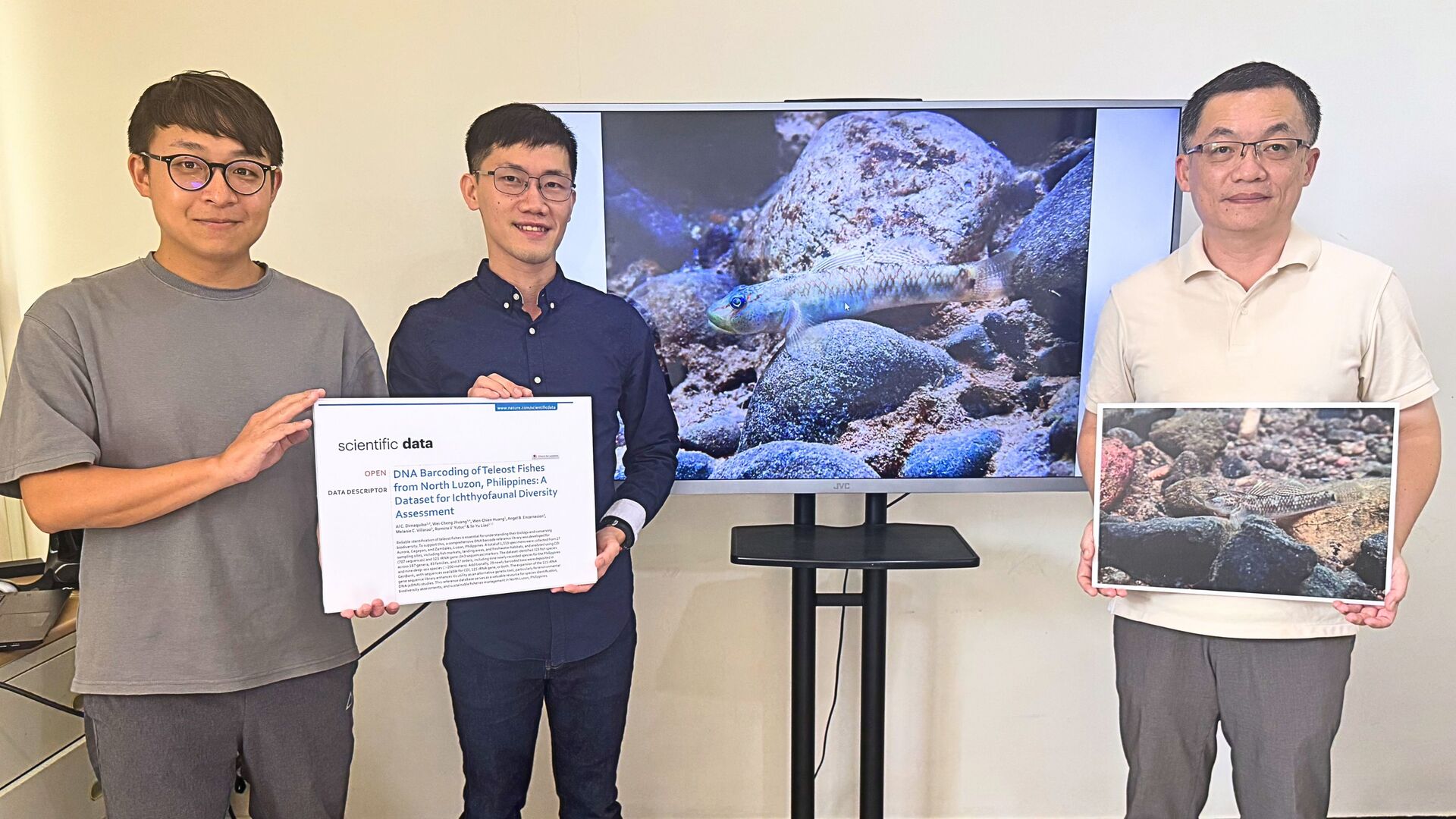
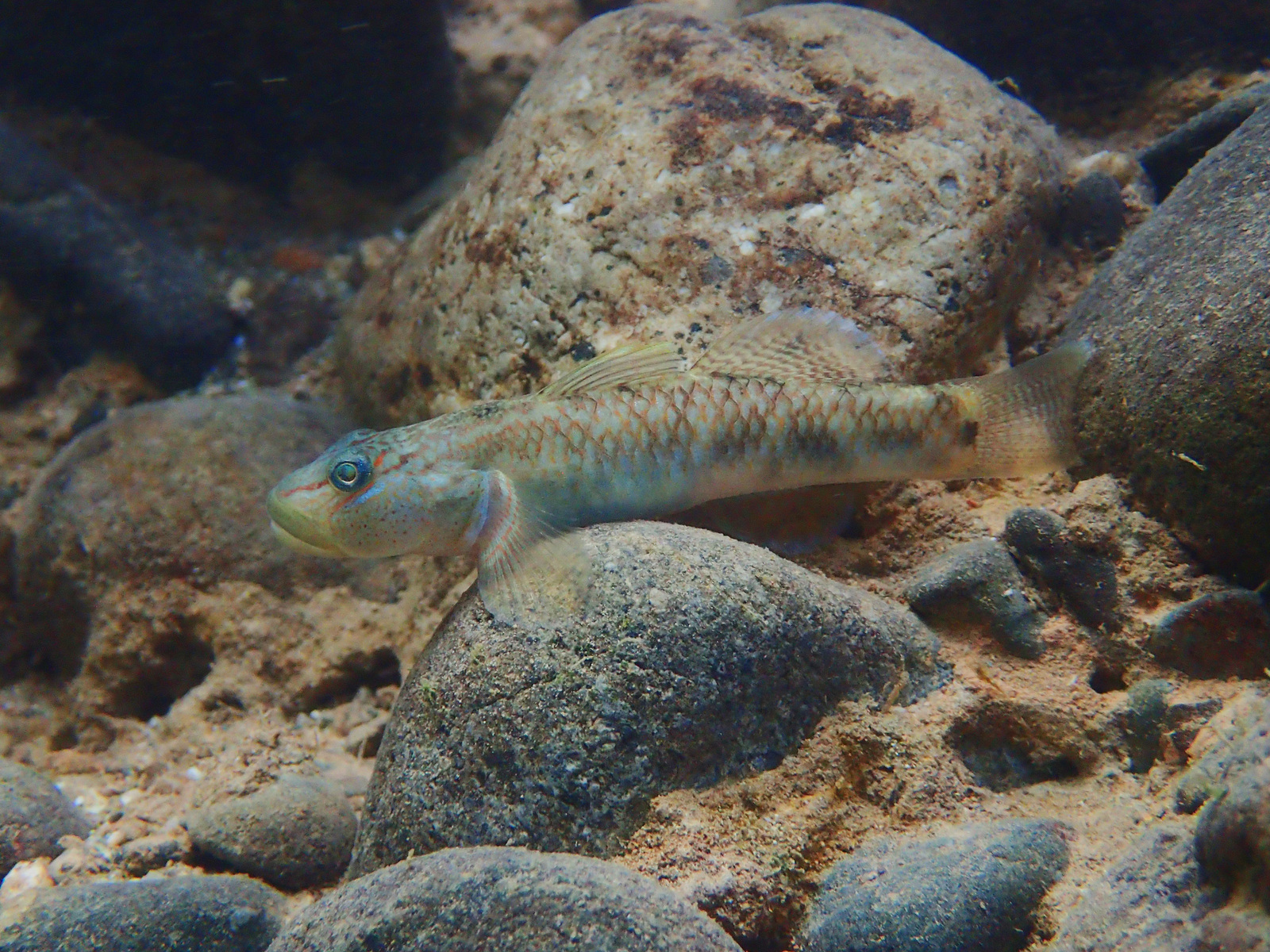
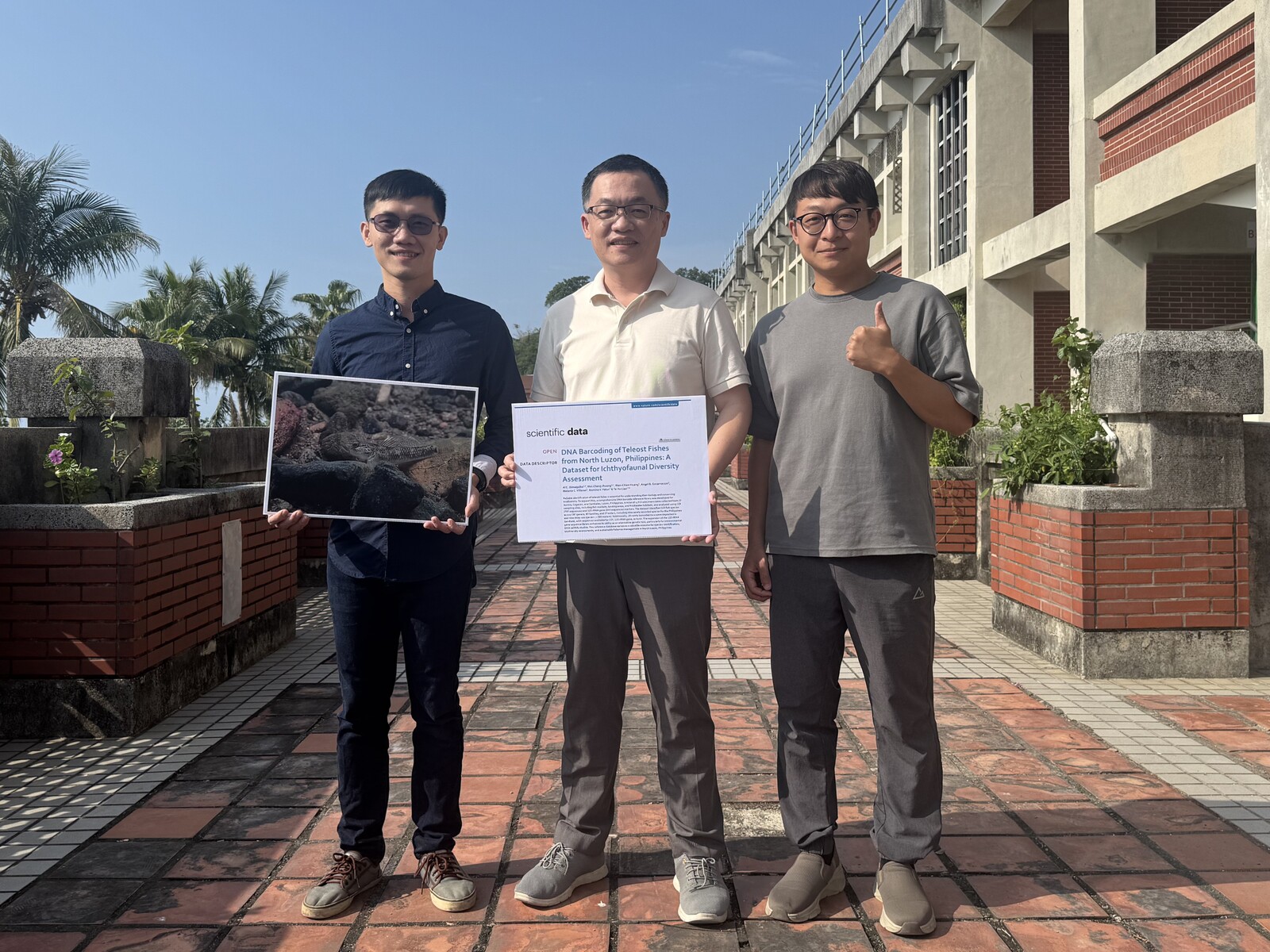
The Lanyu goby (Rhinogobius lanyuensis), a Taiwan endemic once estimated by scholars to have fewer than 200 individuals remaining in the wild, was officially listed earlier this year by the Ministry of Agriculture as a rare and valuable protected species. However, a new study led by Te-Yu Liao, Dean of the College of Marine Sciences at National Sun Yat-sen University (NSYSU), has finally clarified the true "origin story" of this species. The team discovered that the Lanyu goby is actually widespread in northern Luzon, Philippines, offering new hope for its conservation. The finding has been published in the prestigious international journal Scientific Data.
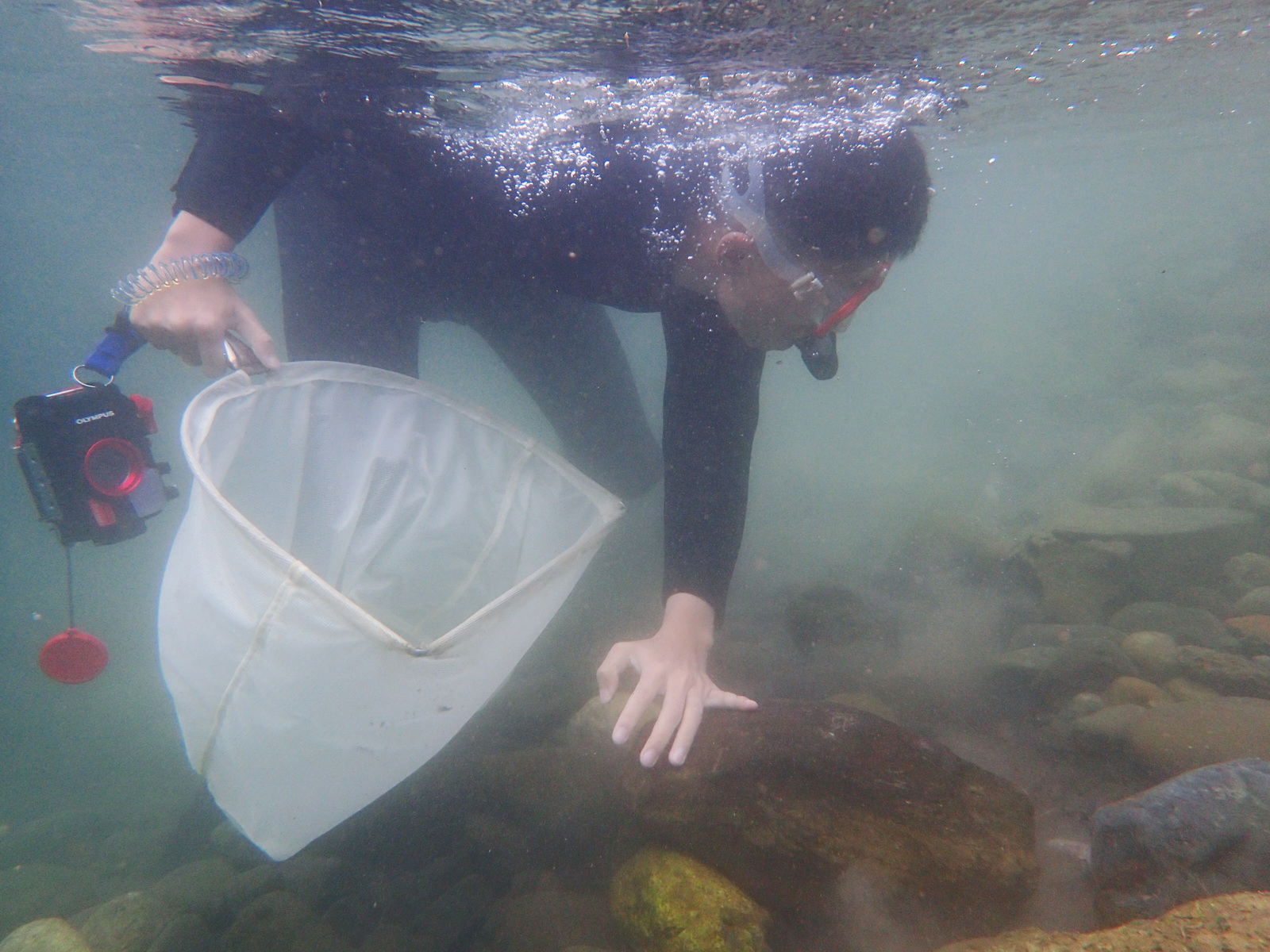
Wei-Cheng Jhuang, a PhD student in NSYSU's Doctoral Degree Program in Marine Biotechnology, was the first to notice the morphological similarity between the Lanyu goby and its congener found in the Philippines. He recalled that in 2020, he unexpectedly saw a photo posted online by well-known aquarist Heiko Bleher, showing an unidentified goby collected from Tuguegarao in Luzon. Although it raised his suspicions, "there are too many gobies that look alike, without specimens, no scientific conclusion could be made," he said. In 2023, after securing sampling permits from the Philippines, the research team conducted fieldwork across northern Luzon, from the Cagayan River basin to nearby independent creeks. There, they found astonishing numbers of gobies that looked almost identical to the Lanyu goby, an exciting and surprising discovery.
Jhuang explained that although the Philippine specimens closely resembled the Lanyu goby, the team proceeded cautiously. After bringing the samples back to Taiwan for DNA barcoding, the genetic data clearly showed that they were the same species. The result elevated the Lanyu goby from a conservation-dependent Taiwan endemic to a species widely distributed in Luzon, alleviating concerns about its immediate survival.
Liao noted that until now, the Lanyu goby was known only from independent creeks on Lanyu Island. The species is a small amphidromous fish inhabiting pristine mountain independent creeks; larvae drift to estuaries or coastal waters after hatching and later return to freshwater to grow and reproduce. Its discovery in Luzon provides strong evidence of ecological connectivity between the Philippines and Taiwan, driven by the Kuroshio Current, like an "umbilical cord" linking the ecosystems of the East Asian island arc and influencing the biota of the western Pacific Ocean. Yet questions remain, including why the current brings the species to Lanyu but not to Taiwan's main island, issues that merit further investigation.
"The discovery of the Luzon population truly gives us relief regarding the species' future," Liao said. Stream concrete channelization on Lanyu has reduced natural habitats, shrinking the Lanyu goby population to an estimated fewer than 200 individuals, hence its protected status. Now that the species is found widely across Luzon, whether it should remain a protected species in Taiwan requires further assessment. Nevertheless, Liao emphasized that habitat loss on Lanyu would still constitute an irreplaceable ecological loss for Taiwan.
In addition to Wei-Cheng Jhuang and corresponding author Te-Yu Liao, the paper's authors include first author Al C. Dimaquibo, a PhD graduate of NSYSU's Department of Oceanography; postdoctoral researcher Wen-Chien Huang, and researchers from the Philippines Bureau of Fisheries and Aquatic Resources: Angel B. Encarnacion, Melanie C. Villarao, and Romina V. Yutuc.
Journal link: https://www.nature.com/articles/s41597-025-05758-3