
NSTC announces 2025 Outstanding Research Awards: three NSYSU professors honored
2026-05-07
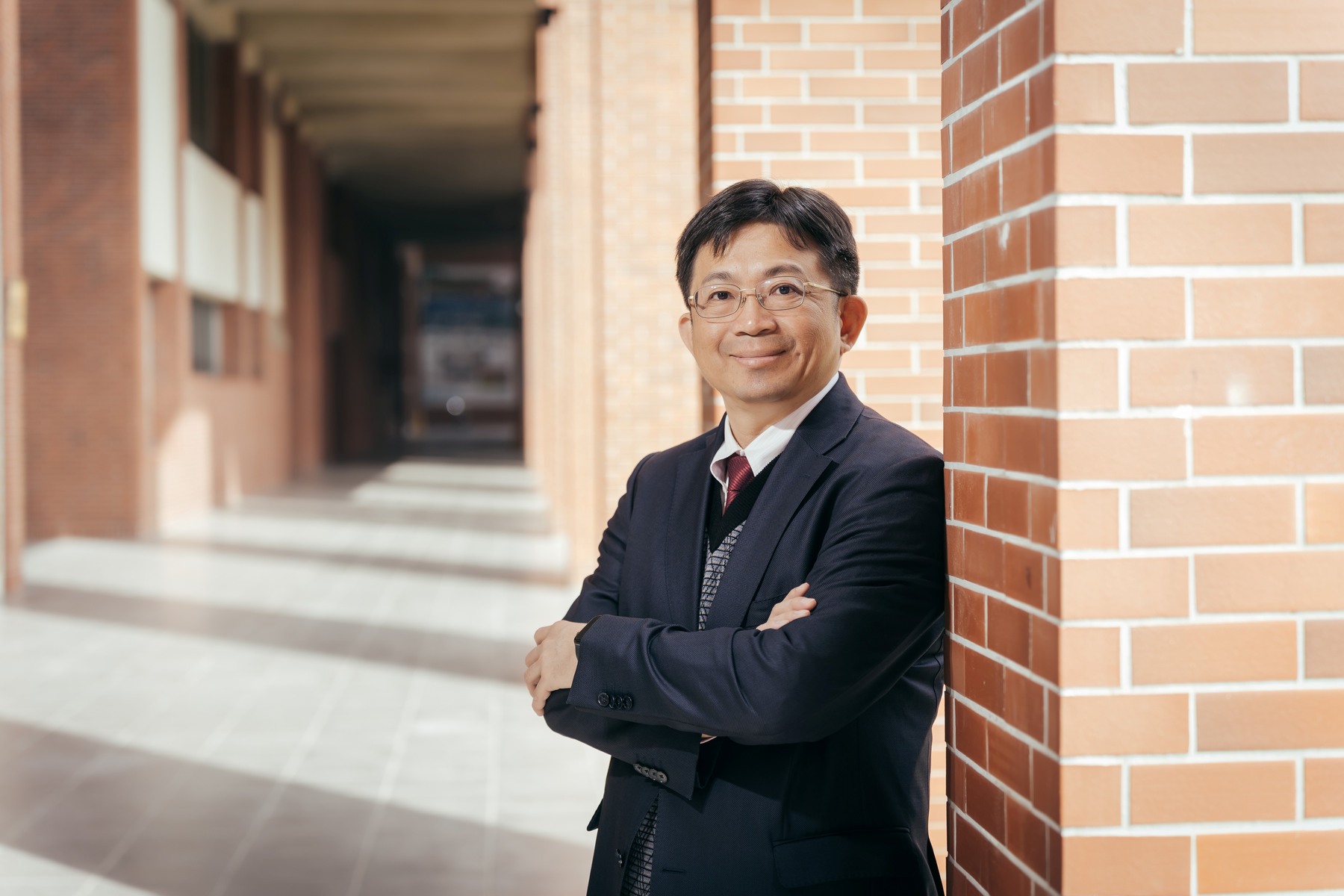
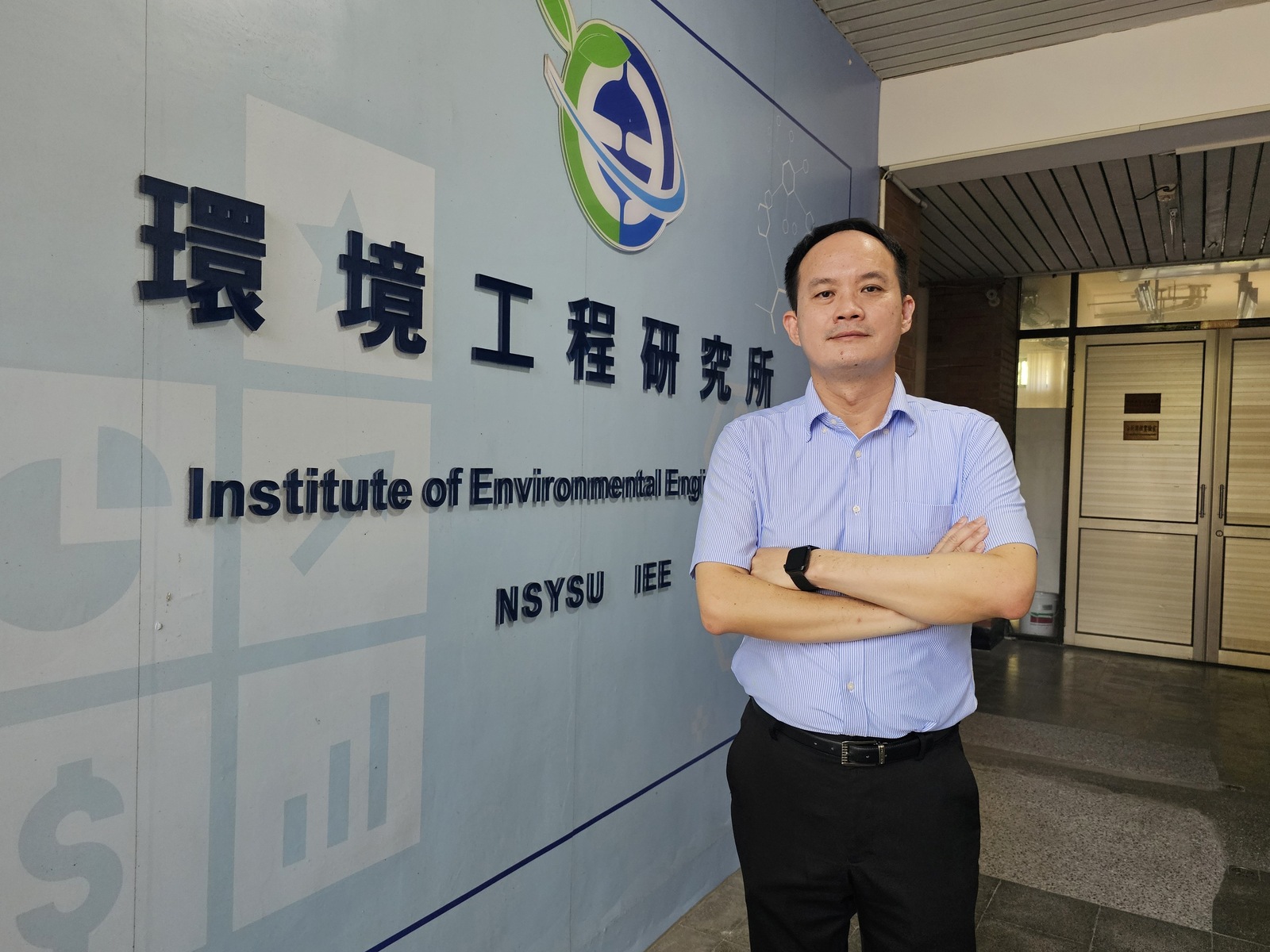
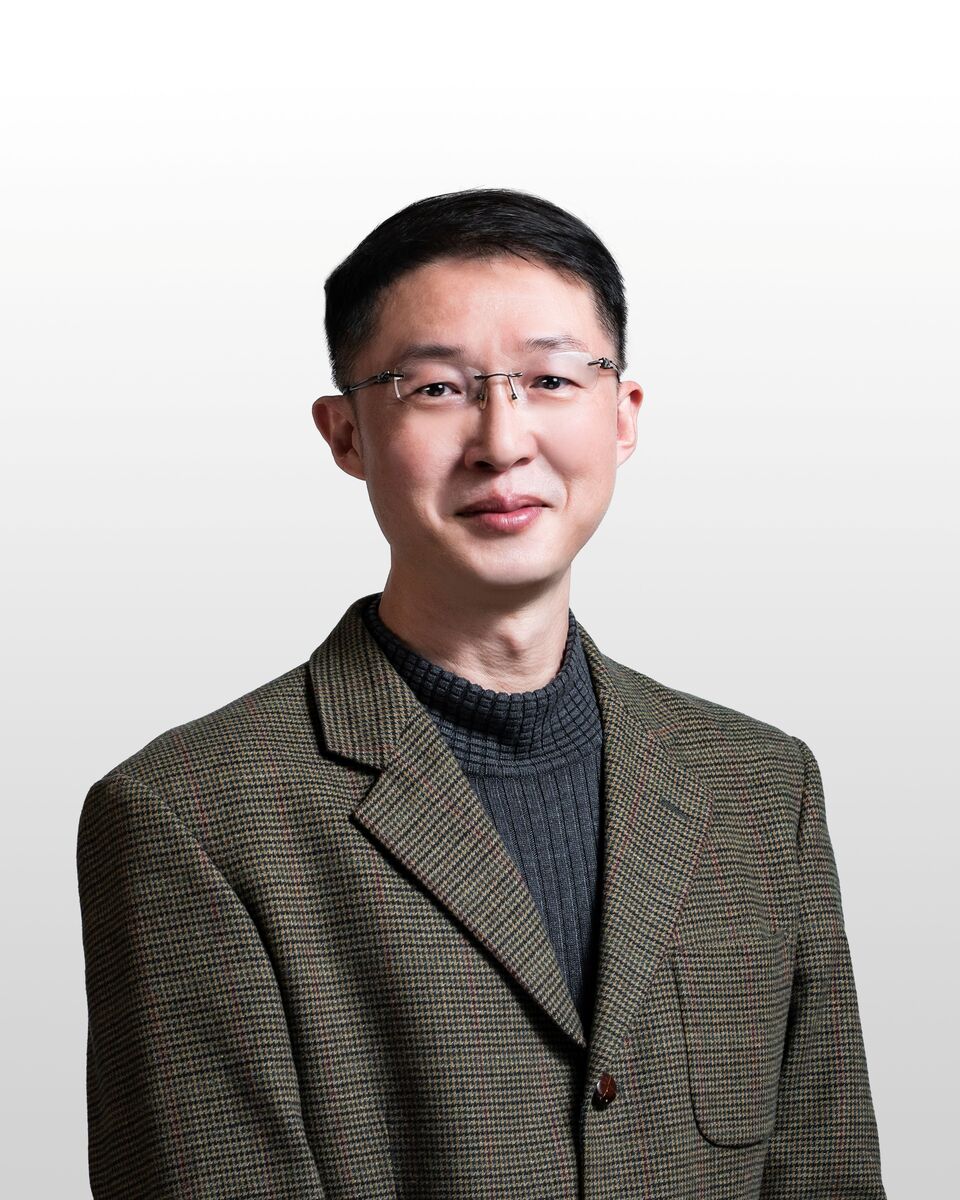
The National Science and Technology Council (NSTC) has announced the recipients of the 2025 Outstanding Research Award. Demonstrating exceptional research excellence, three professors from National Sun Yat-sen University (NSYSU) have been honored: University President and Distinguished Professor at the Institute of Communications Engineering, Chih-Peng Li; Distinguished Professor at the Institute of Environmental Engineering, Yuan-Chung Lin; and Professor at the Institute of Education, Wen-Bin Chiou. They received recognition in the fields of telecommunications engineering, environmental engineering, and education, respectively. Notably, President Li received the award for the second time.
Li previously received the Outstanding Research Award in 2019 and has now been honored again this year. He has long been devoted to wireless communication technologies and is widely recognized as a leading scholar in the field. In sequence design, sequences with ideal periodic autocorrelation functions are known as "Perfect Sequences," often regarded as the dream sequences for communication systems. Li was the first scholar in the world to systematically investigate the mathematical properties of such sequences and the first to propose the mathematical structure of "Perfect Gaussian Integer Sequences," with the world's first related study published by his team. In recent years, his research has focused on the development of B5G/6G technologies and the application of artificial intelligence (AI) in wireless communications. His team has also made breakthrough progress in the field of Variable-Length Error-Correcting (VLEC) codes, developing algorithms that overcome the decades-long limitation of VLEC codes handling only the 26 English letters, expanding the encoding capacity to 256 characters while achieving faster speeds and shorter search times.
Academically, Li has published more than 300 papers, including 138 articles in IEEE journals. His Field-Weighted Citation Impact (FWCI) ranks among the top three scholars in Taiwan in three prominent research areas: intelligent reflecting surfaces, unmanned aerial vehicle (UAV) communications, and edge computing. In addition, he previously served as Director General of the Department of Engineering and Technologies at the NSTC, during which he promoted national strategic programs in semiconductors, net-zero technologies, wireless communications, and satellites. He also actively facilitated scientific collaborations between Taiwan and countries including the United States, Germany, and France, making significant contributions to national technological development and talent cultivation.
Distinguished Professor Yuan-Chung Lin of the Institute of Environmental Engineering, who also serves as Director of the Center for Emerging Contaminants Research, has long been dedicated to waste resource recovery and air pollution control technologies. His research aligns closely with the global trend toward net-zero emissions, producing significant achievements in areas such as precious metal recovery from waste lithium batteries, bioenergy development, and catalytic treatment of industrial exhaust gases. Lin's team has developed technologies to recover high-purity cobalt and nickel from discarded lithium batteries and platinum from spent catalysts. They have also developed novel catalysts capable of removing nitrogen oxides and dioxins, helping industries address environmental challenges. In addition, Lin actively develops bioenergy technologies to help mitigate energy issues.
Lin's research not only carries academic significance but also exerts substantial social impact. In collaboration with Kaohsiung Medical University, he was the first to scientifically demonstrate the impacts of air pollutants from night markets on children's lung function. The findings were published in a renowned international journal and attracted widespread attention. Lin actively promotes industry–academia collaboration, holding numerous invention patents and achieving successful technology transfers while assisting enterprises with carbon footprint verification and waste reduction. In 2024, he was recognized as a top scholar by ScholarGPS and received the Outstanding Engineering Professor Award from the Chinese Institute of Engineers (CIE), highlighting his dual achievements in engineering practice and academic research.
Professor Wen-Bin Chiou of the Institute of Education has developed a distinctive research approach that integrates health psychology with education to examine the psychological mechanisms underlying public health behaviors, particularly self-control and addictive behaviors. One of his most representative studies extends the "licensing effect" from moral behavior to health management behaviors. The research suggests that after taking dietary supplements, individuals may psychologically develop an "illusory invulnerability," which can paradoxically license health-risk behaviors, such as exercising less, indulging in richer diets, or smoking. This finding provides important insights for public health education and offers a novel explanation for the global phenomenon in which the consumption of health supplements continues to rise while overall public health does not necessarily improve.
In addition, Chiou has applied Construal Level Theory and the evolutionary psychology concept of mating motives to smoking control research, proposing innovative perspectives on promoting self-control by encouraging individuals to reflect on "why to quit smoking" and to avoid specific triggering stimuli. His research has been published in top-ranked journals such as Psychological Science and Addiction. His work has also been featured in more than a hundred reports by internationally renowned media outlets, including Scientific American, the BBC, Time, and Forbes, significantly enhancing the global visibility of Taiwan's research in the humanities and social sciences.