
NSYSU developing novel proton exchange membranes to overcome bottlenecks and advance hydrogen energy toward net-zero emissions
2026-04-13
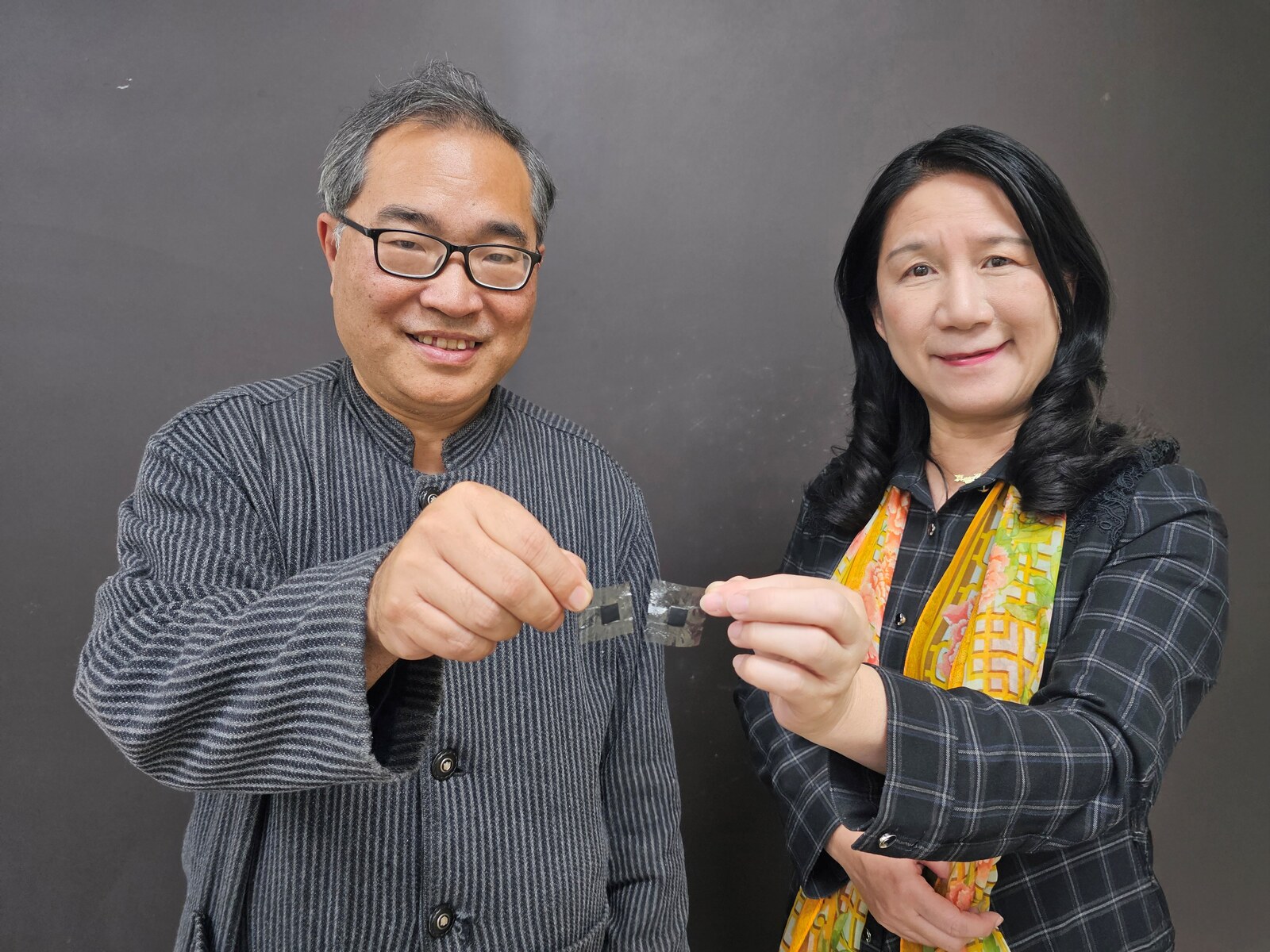
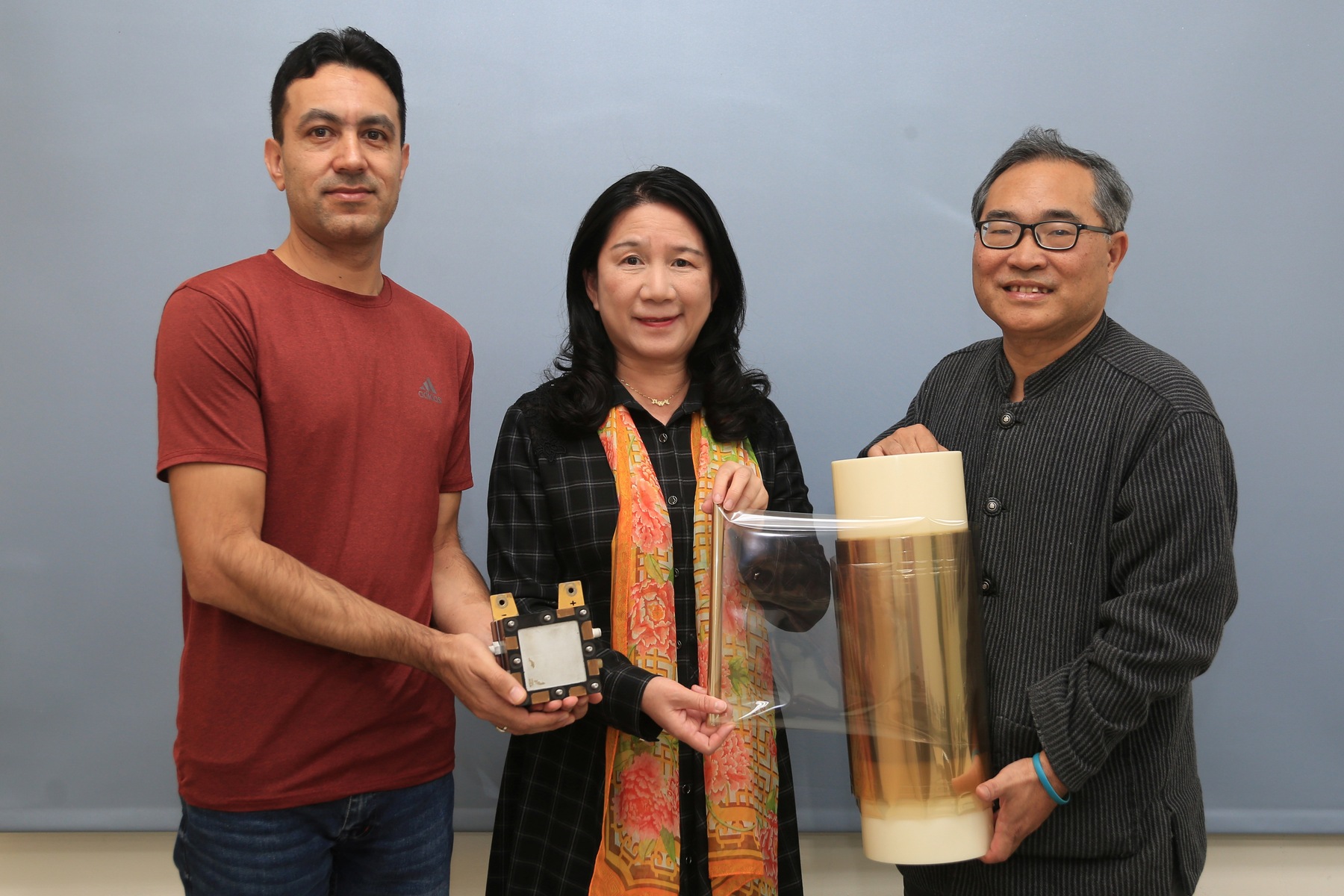
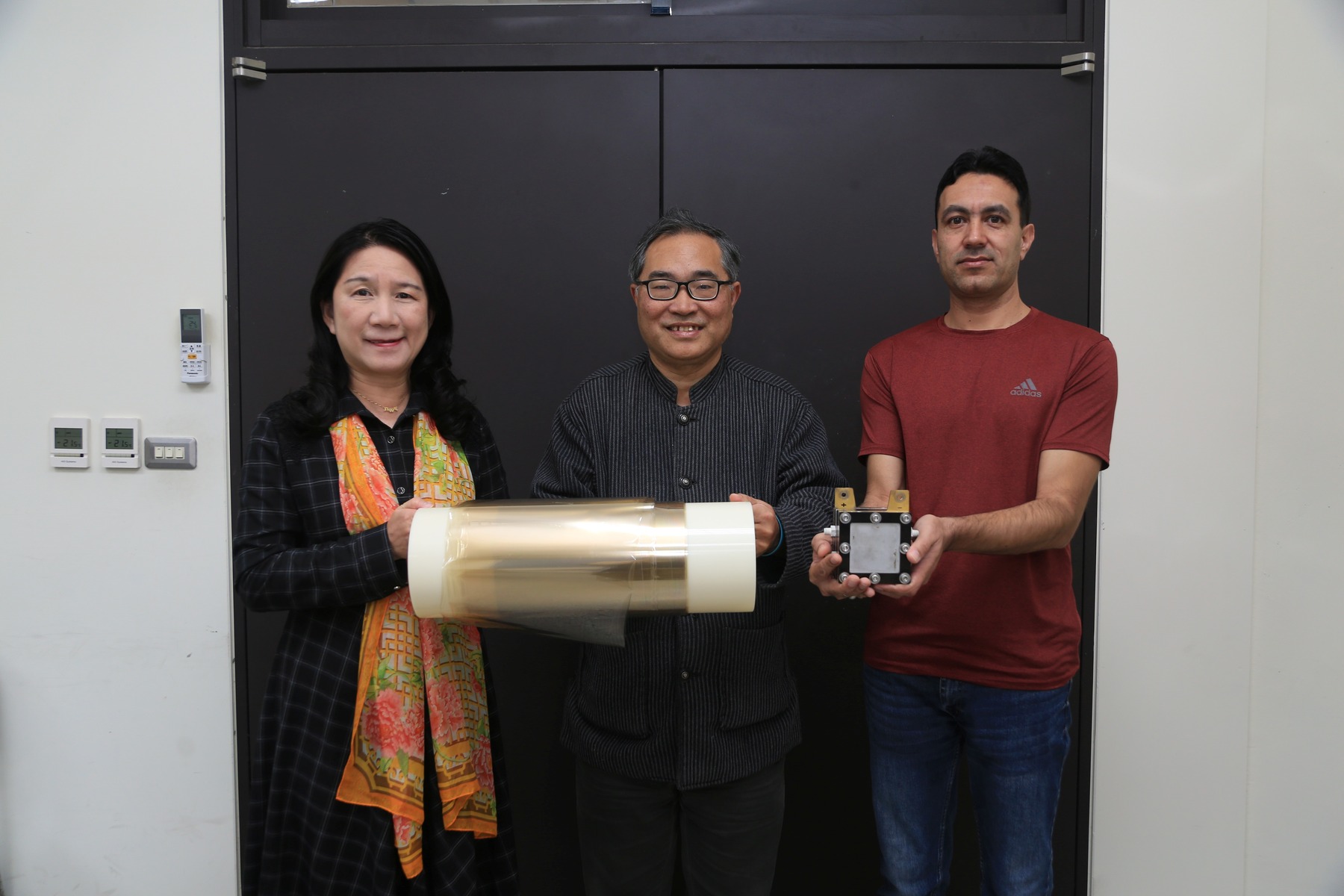
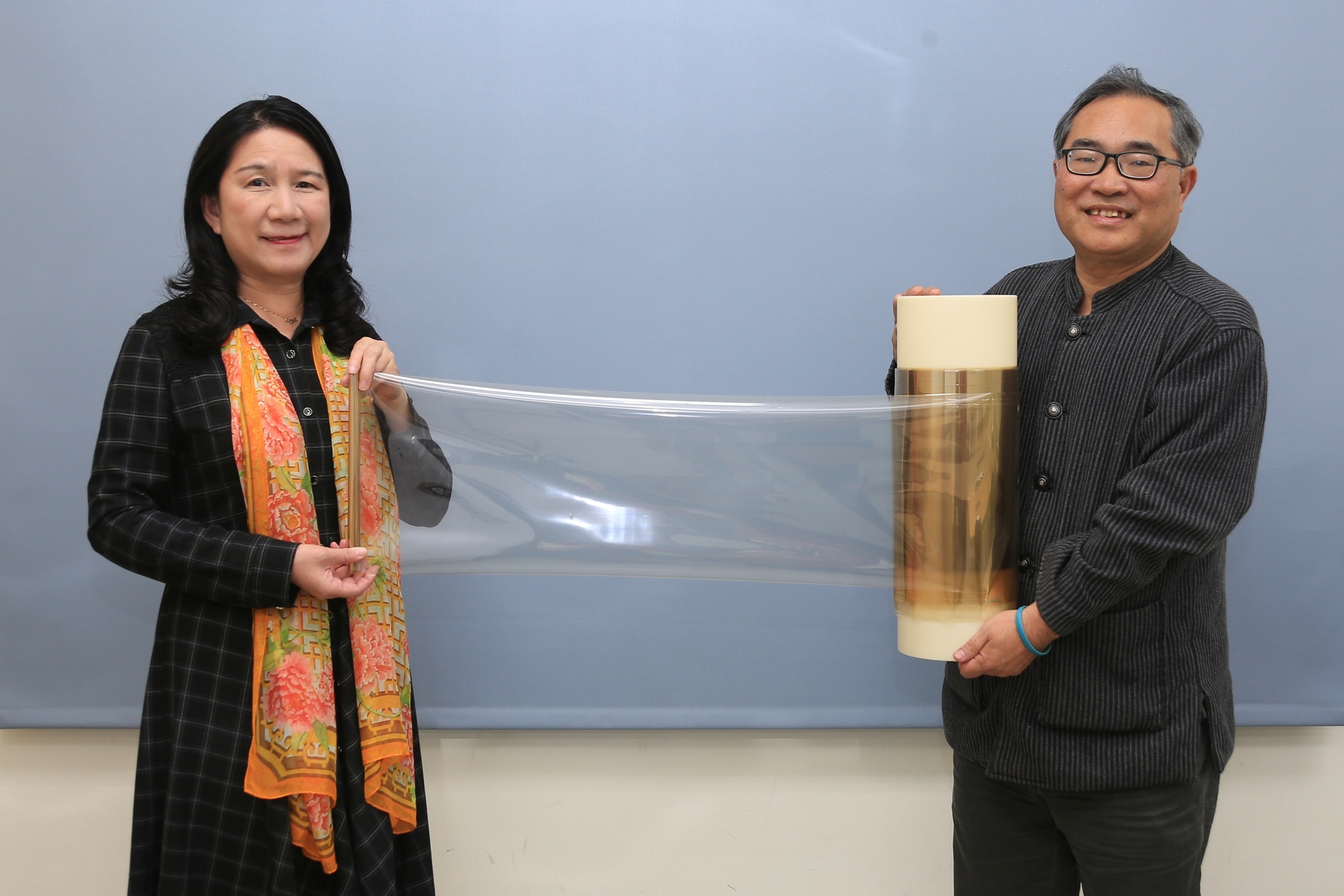
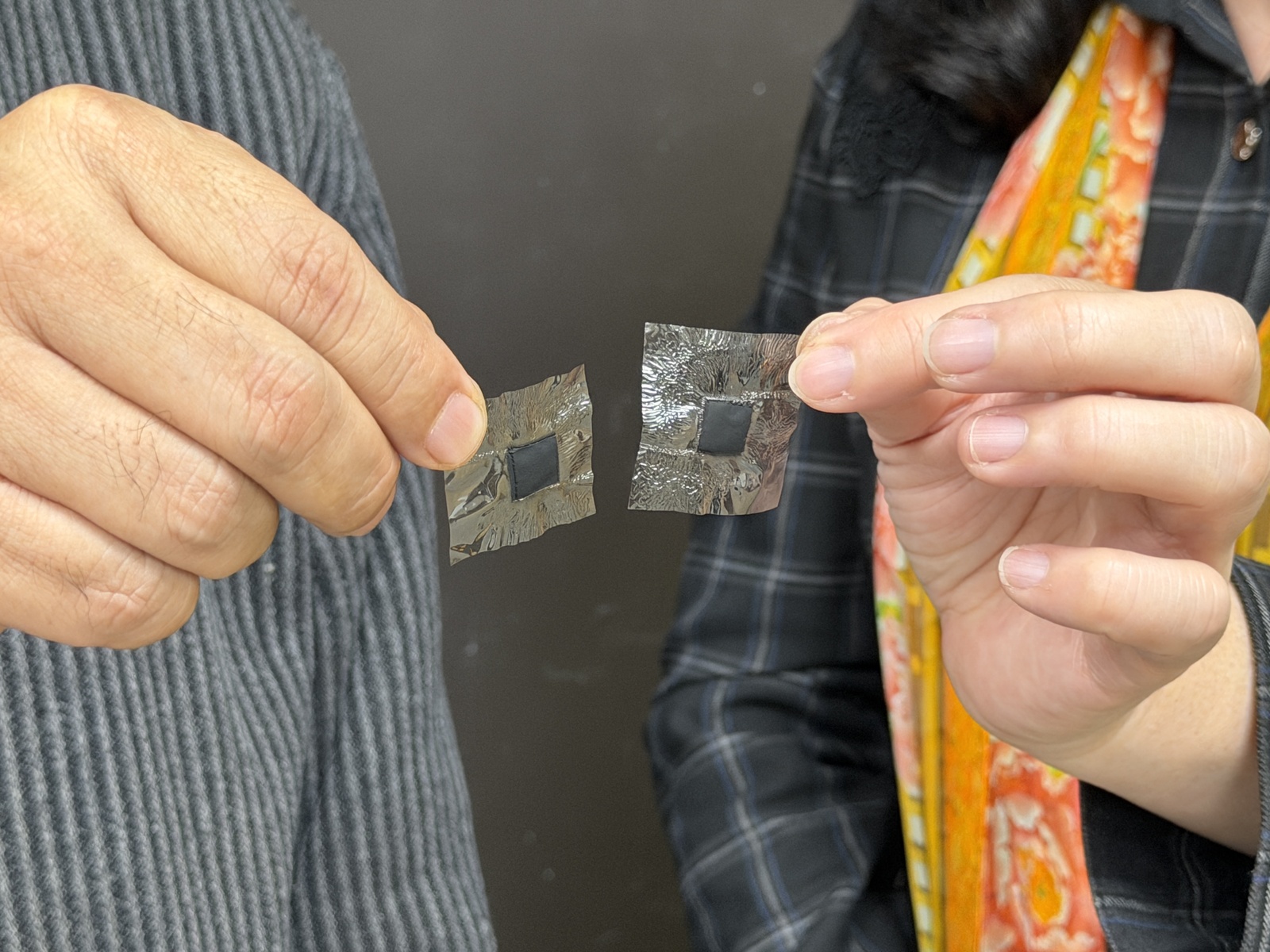
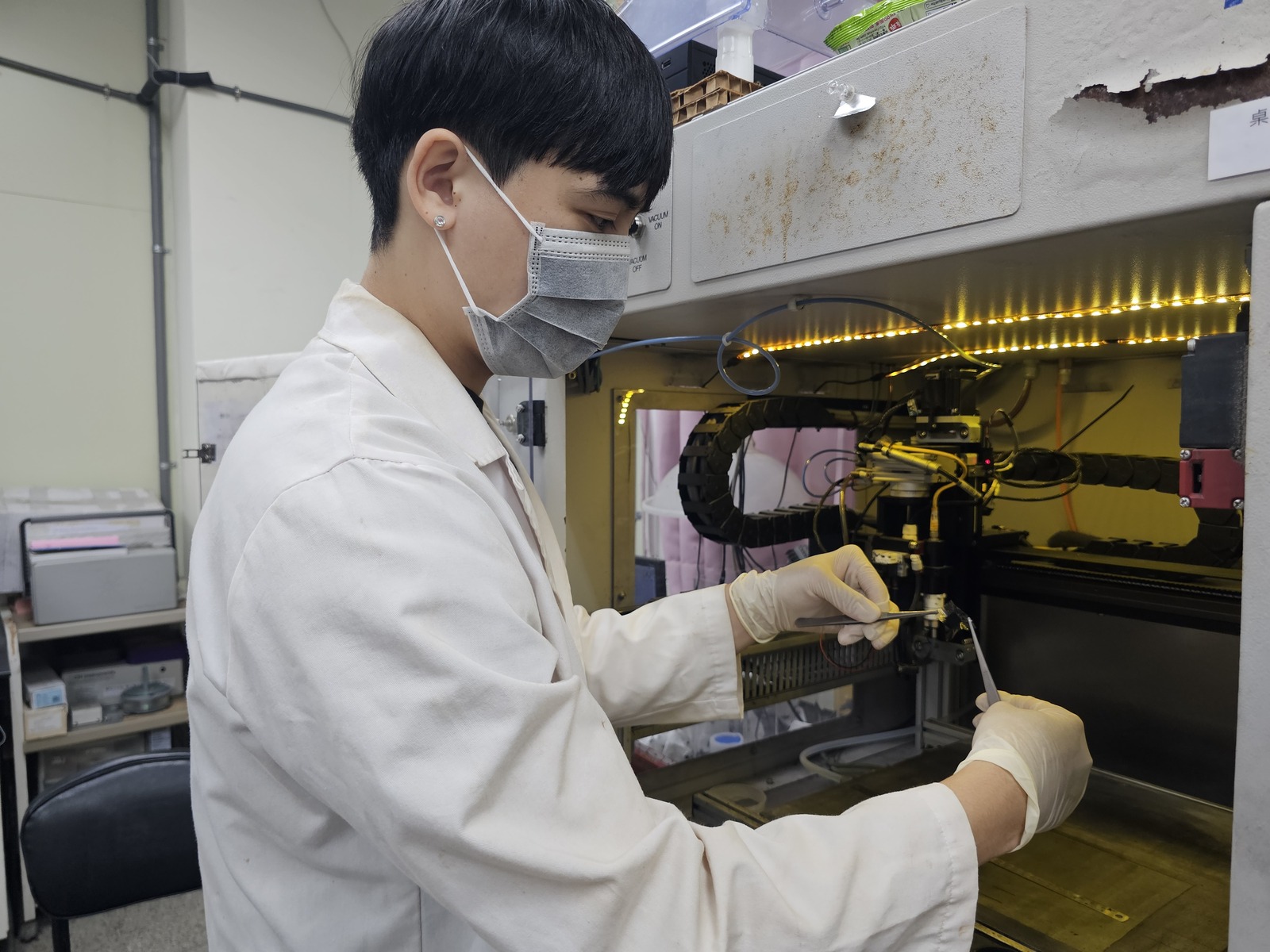
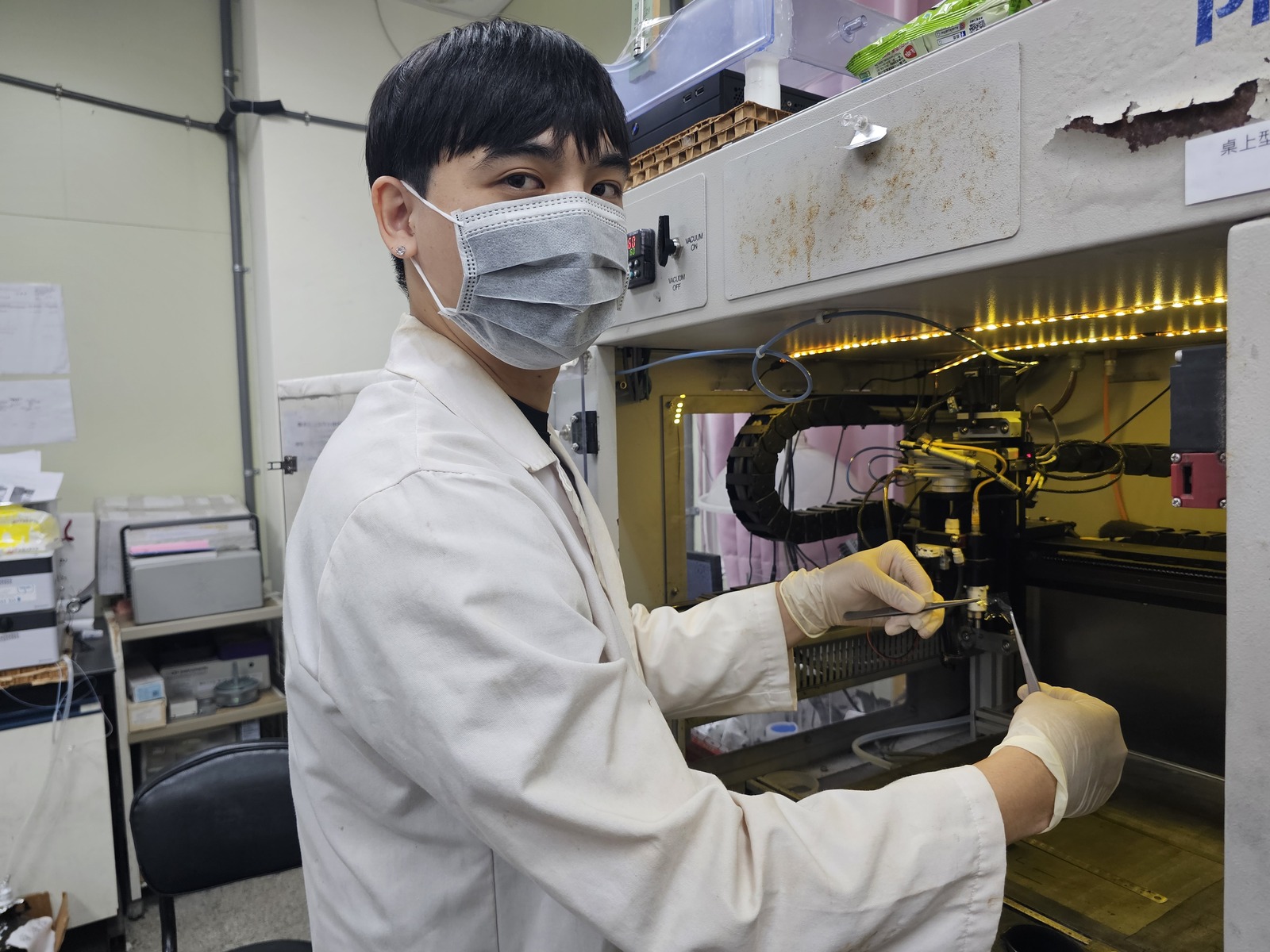
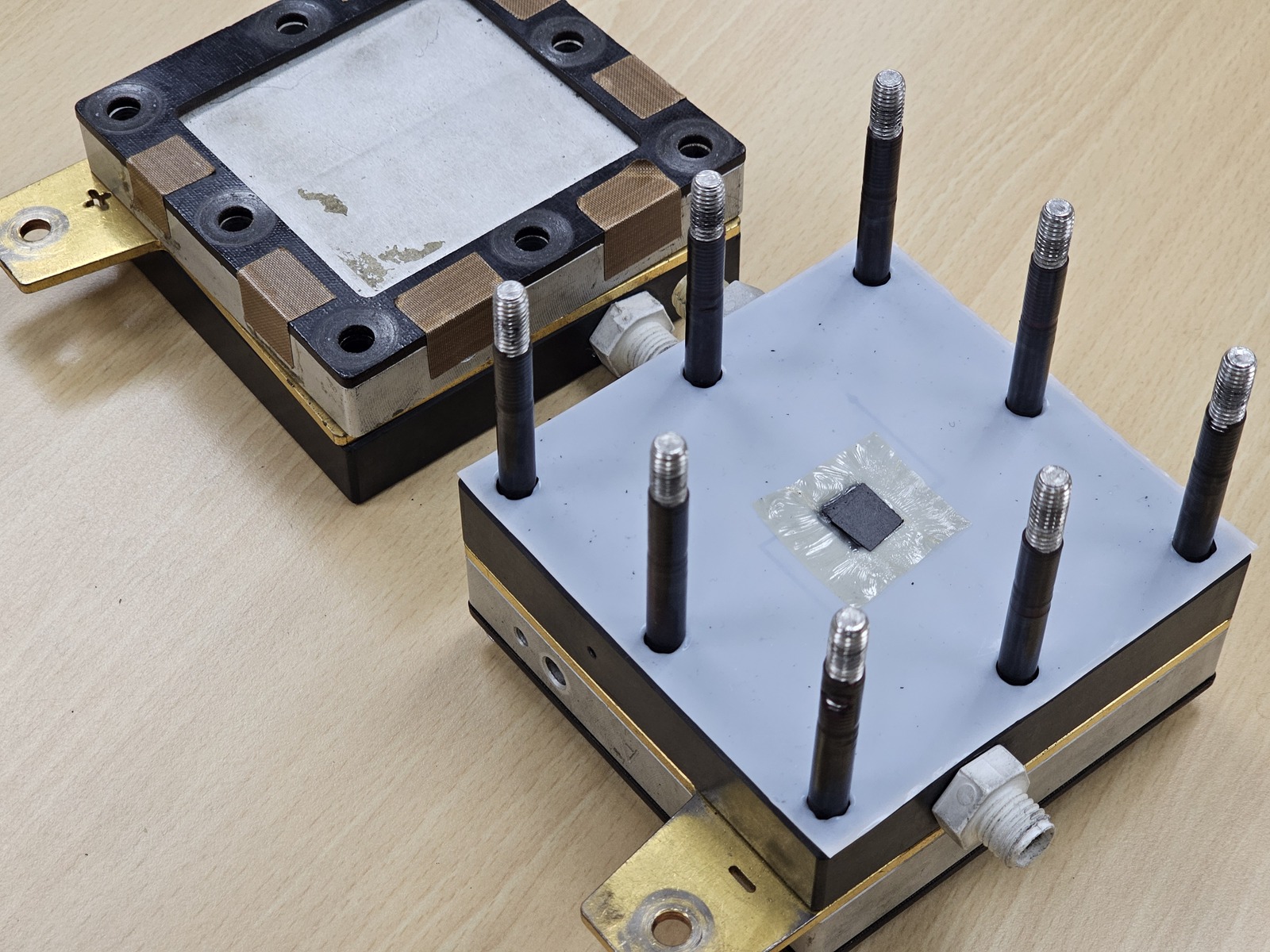
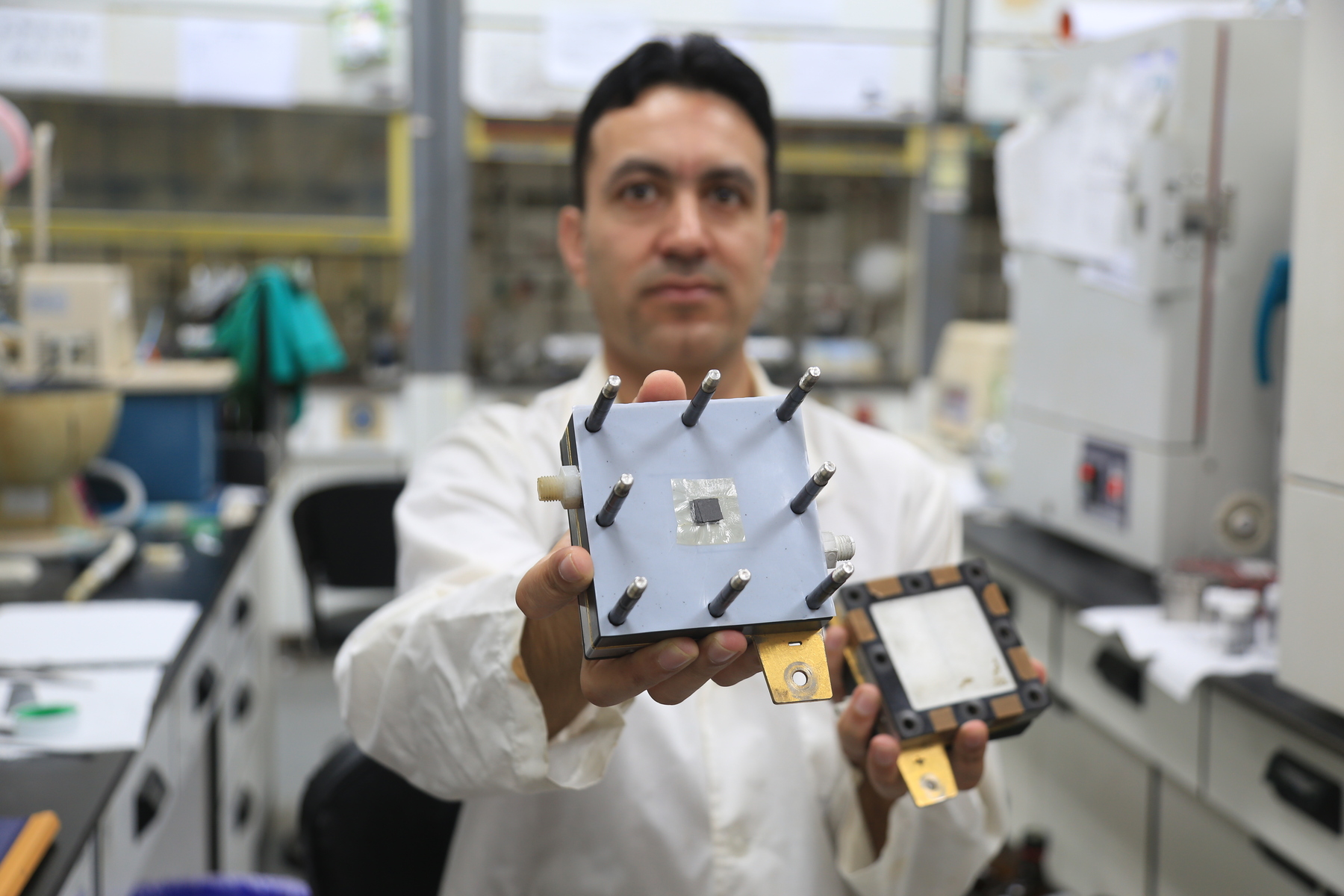
As the world moves toward net-zero emissions by 2050, hydrogen-based energy and fuel cells are emerging as key solutions, yet their core materials have long been constrained by high costs and performance bottlenecks. A research team led by professors Wen-Yao Huang and Mei-Ying Chang from the Department of Photonics at National Sun Yat-sen University (NSYSU) has developed novel proton exchange membranes (PEMs), creating a "highway exclusively for protons" that allows them to move faster than ever. The membranes achieve more than twice the proton conductivity of the industry standard DuPont Nafion 211, and the technology combines high efficiency, lower cost, and a non-toxic production process. It shows strong potential for applications in hydrogen-powered vehicles, semiconductor byproduct hydrogen recycling, and large-scale energy storage, paving the way for the hydrogen energy industry and net-zero transition.
The proton exchange membrane is a core component of fuel cells. Functioning like a "highway," it allows protons to pass rapidly while blocking electrons and other gases, thereby determining the power generation efficiency and stability of the entire system. Currently, the industry widely adopts DuPont Nafion 211 membranes in proton exchange membrane fuel cells (PEMFCs). However, these membranes suffer from poor proton conductivity at elevated temperatures, dimensional instability, synthesis complexity, unreasonable production costs, and potential generation of toxic substances during degradation processes, all of which limit their broader applications.
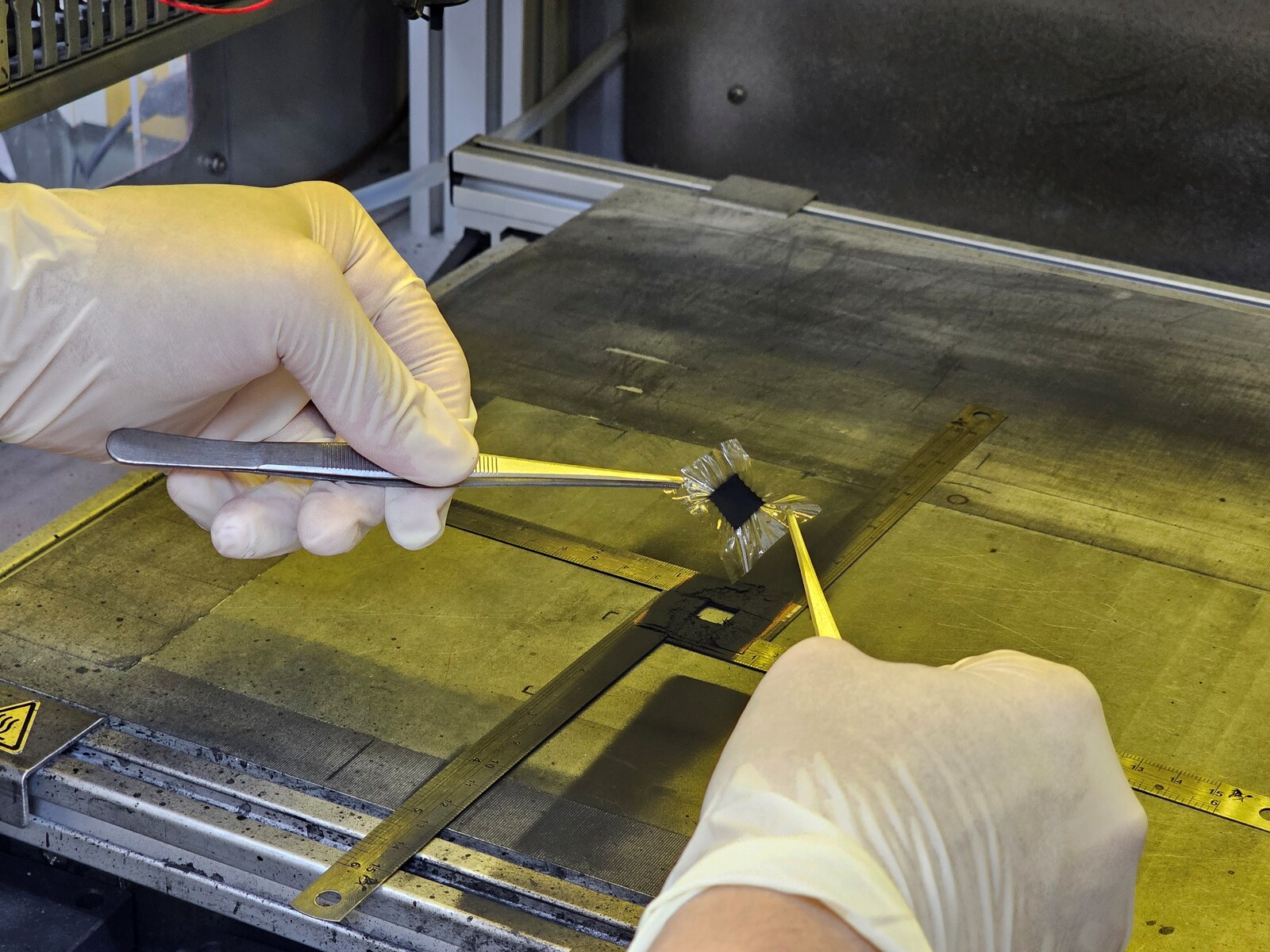
Huang explained that enabling fuel cells to enter transportation, industry, and everyday life requires building a proton "highway" that is faster, more stable, and environmentally friendly. After extensive material design and experimentation, the team successfully developed two novel proton exchange membranes, SYS7–H and SYS7-L, and verified their performance through practical testing.
The study shows that the proton conductivity of SYS7–H and SYS7-L is 102% and 88% higher than that of Nafion 211, respectively. This significant improvement enables faster proton transport, enhancing both energy conversion efficiency and power output while providing excellent instantaneous loading capability. Moreover, the new membranes outperform conventional materials in key indicators such as thermal stability, mechanical strength, dimensional stability, and water uptake behavior. Importantly, they also feature lower production costs and generate no toxic substances during the manufacturing process.
The application potential of proton exchange membranes extends far beyond fuel cells. Huang explained that nearly all electrochemical battery modules require separation membranes; as long as they possess excellent conductivity and stability, they can be widely applied in various battery and energy systems, bringing comprehensive upgrades to hydrogen energy, energy storage, and battery technologies. In hydrogen transportation, for example, the new membranes may support the development of hydrogen-powered electric vehicles and hydrogen buses. As Taiwan actively advances hydrogen energy policies, hydrogen refueling stations have already been established in Nanzih, Kaohsiung, and Tree Valley Park, Tainan, signaling Taiwan's gradual move toward hydrogen-based transportation. Breakthroughs in materials technology will be a key driving force.
Hydrogen purification is also an urgent issue in the semiconductor industry. Huang noted that extreme ultraviolet (EUV) lithography machines used in semiconductor manufacturing consume large amounts of hydrogen, and the exhaust gas generated after processing is often released directly, contributing to carbon emissions. Proton exchange membrane technology can effectively recover and purify residual hydrogen from exhaust gases, enabling it to be reused in fuel or battery systems to generate electricity and heat while simultaneously reducing carbon emissions.
In energy storage applications, the new proton exchange membranes can also be used in vanadium redox flow batteries. Compared with lithium batteries, vanadium redox flow batteries function like large storage reservoirs capable of storing significant amounts of electricity for extended periods. Huang noted that in Northern Europe, vanadium redox flow batteries are widely integrated with solar energy systems to store surplus electricity generated during the day and release it during peak demand periods. In the future, Taiwan could similarly combine wind power and renewable energy to develop stable, large-scale energy storage systems.
The two novel proton exchange membranes have already attracted strong attention from industry. The research team has initiated industry–academia collaboration with Shin Yuan Keji Co. Ltd., secured several patents, and partnered with hydrogen fuel cell industry chain collaborators such as Nexcellent Energy and Chuangfu New Materials. The goal is to promote large-scale commercial production as early as next year. This materials innovation from NSYSU is paving a smoother "energy highway" for hydrogen applications and a net-zero future.
Journal link: https://www.sciencedirect.com/science/article/pii/S0360319925055260