
NSYSU hosts Net-Zero & Circular Economy Forum, focusing on low-carbon transition and supply chain resilience
2026-05-04
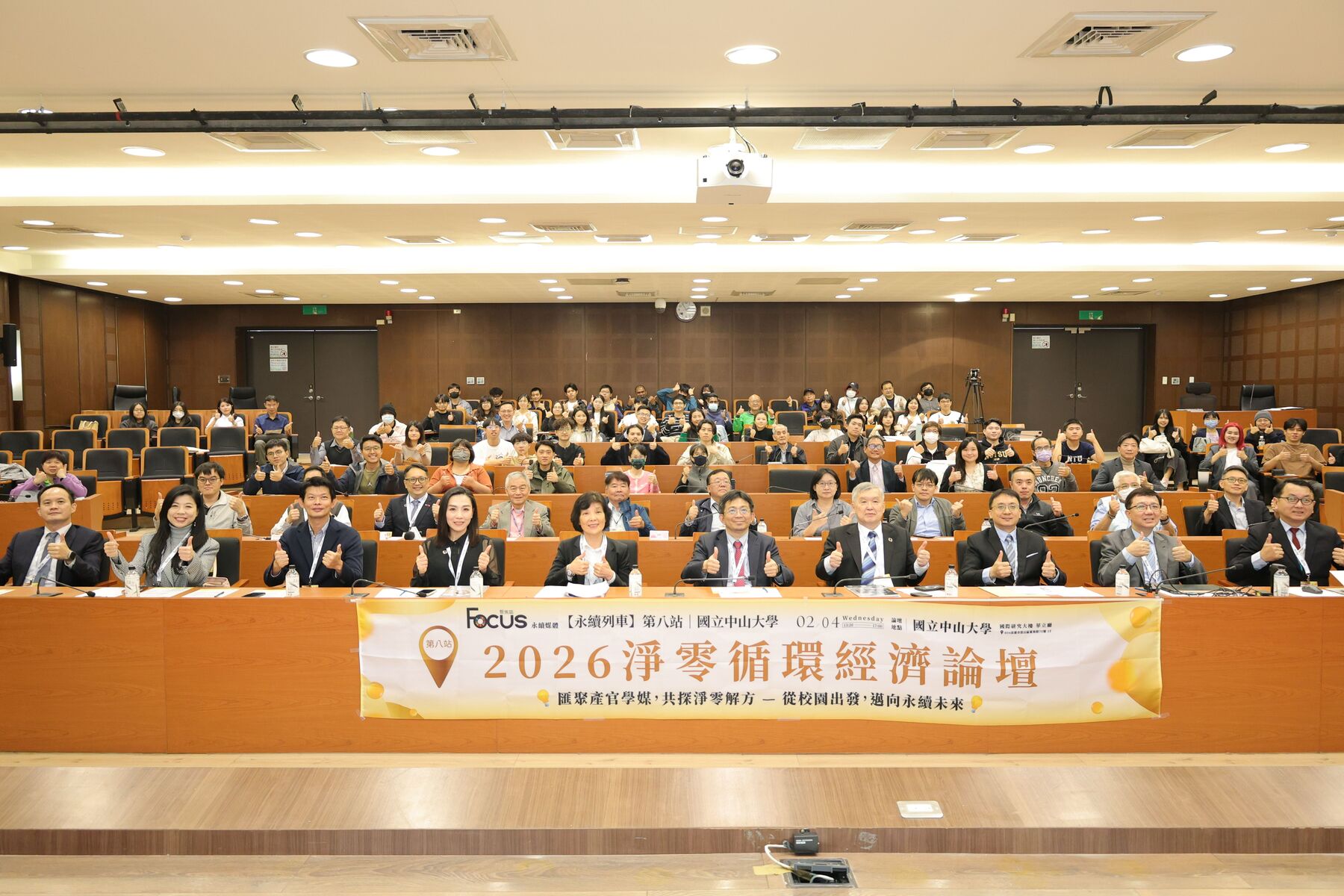
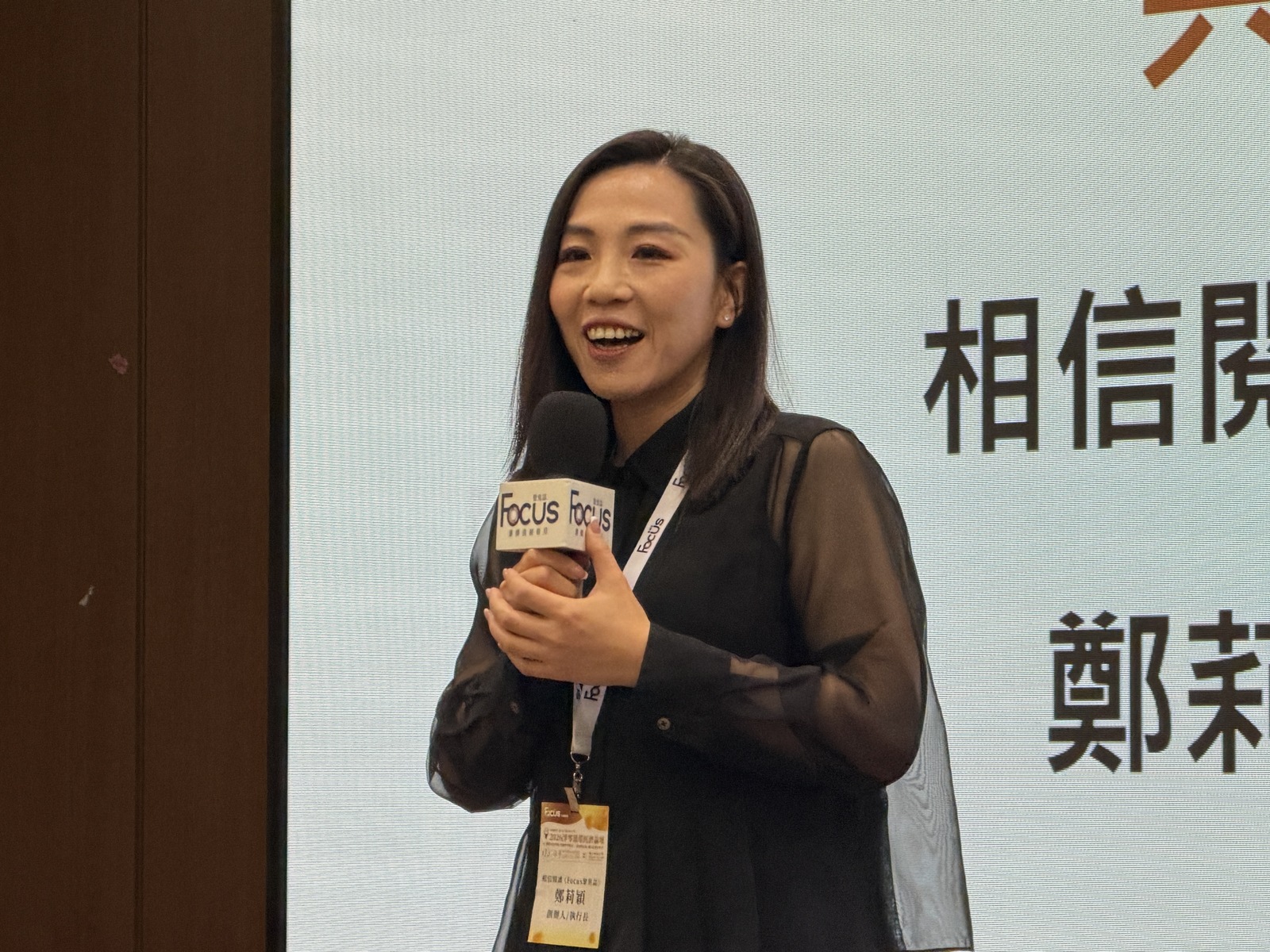
As the European Union's Carbon Border Adjustment Mechanism (CBAM) enters its formal implementation phase in 2026, companies worldwide are facing increasingly stringent carbon-reduction challenges. The "2026 Net-Zero & Circular Economy Forum" was held at the Wah Lee Conference Hall of the Building of International Research at National Sun Yat-sen University (NSYSU), focusing on circular economy policies, practical strategies for corporate low-carbon transformation, supply chain resilience, and key bioenergy technologies, while promoting cross-disciplinary exchange and collaboration. NSYSU President Chih-Peng Li stated that as global demands for carbon neutrality continue to rise, universities are not only centers of knowledge but also practical platforms for technology transfer and policy dialogue. He emphasized the critical role of academic research and development in the energy transition and expressed hope that such efforts will help Taiwanese industries establish resilient and sustainable development models.
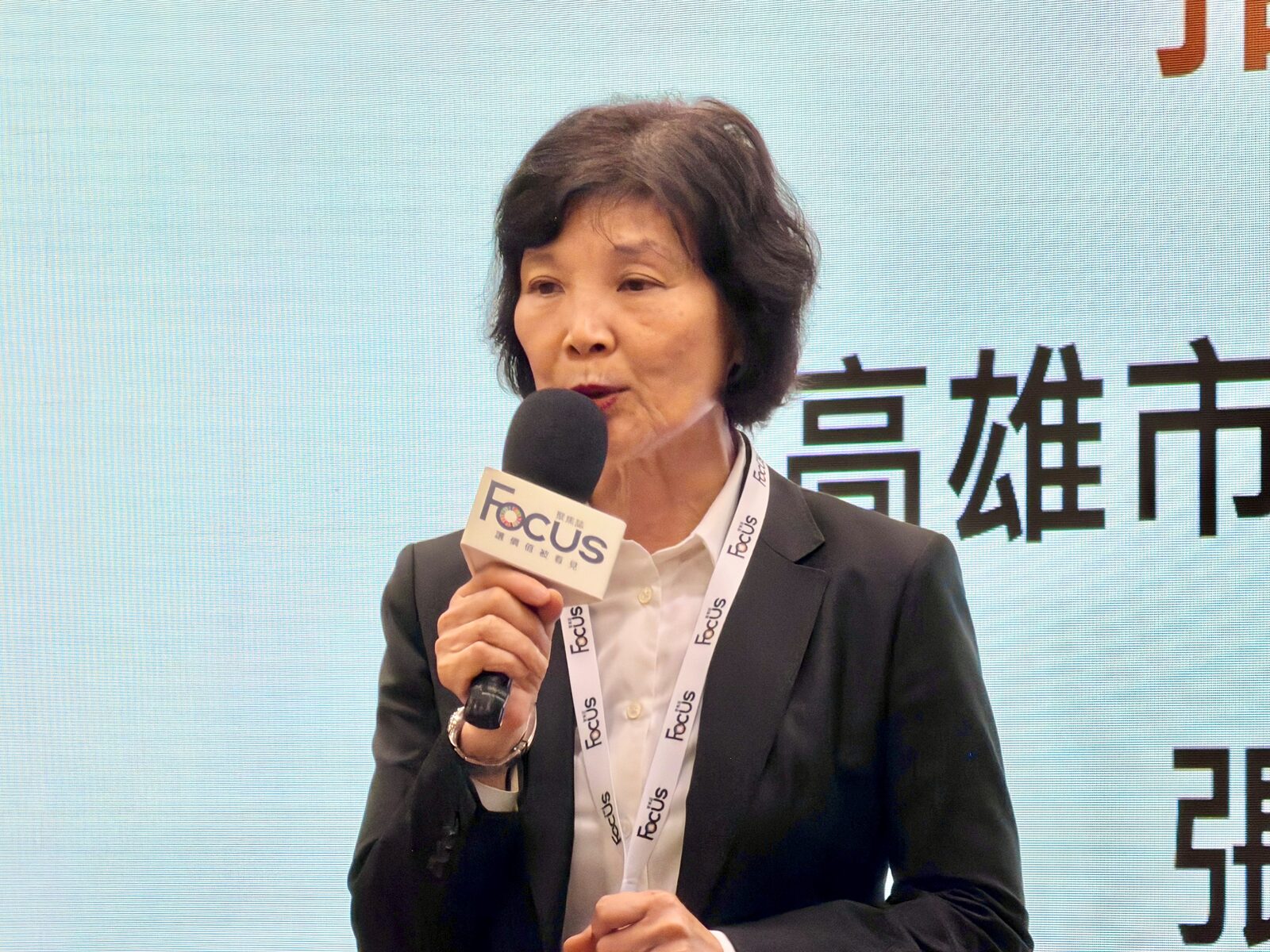
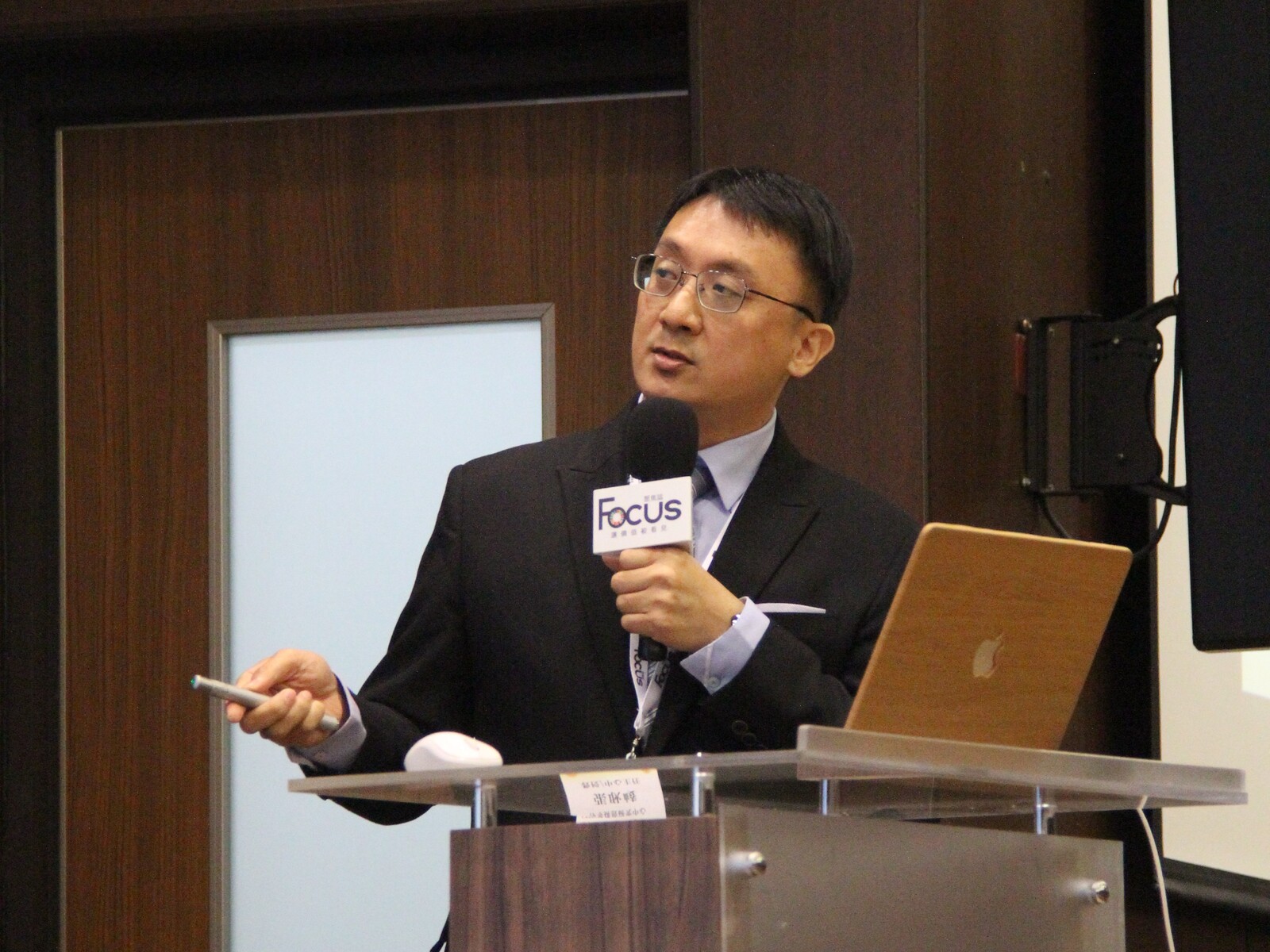
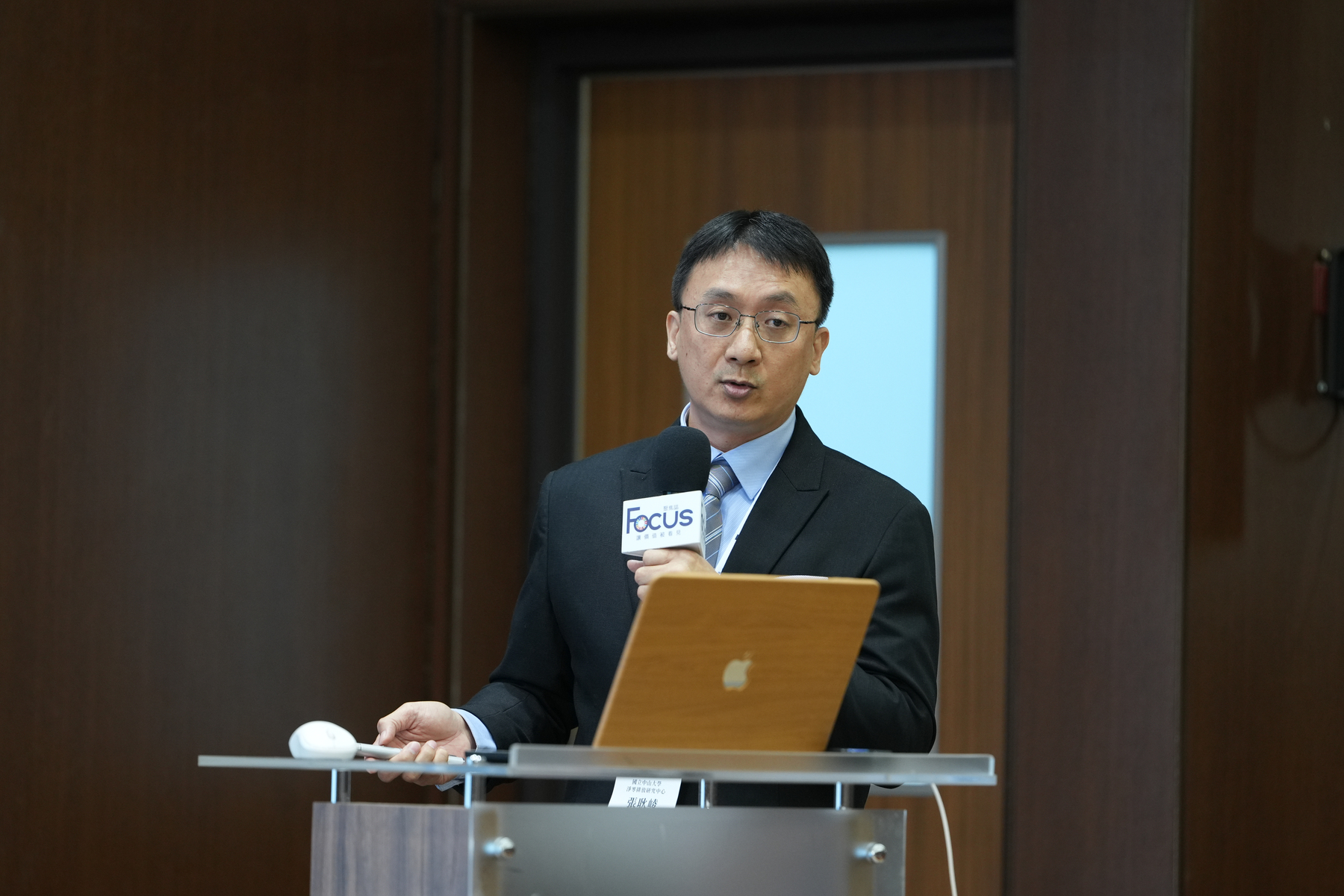
Ken-Lin Chang, Professor at the Institute of Environmental Engineering and Director of the Net Zero Emissions and Resource Recycling Technology Research Center at NSYSU, explained that the forum brought together representatives from industry, government, academia, and the media to engage in in-depth discussions on two major themes: "Circular Economy Strategies" and "Net-Zero Circular Economy." A keynote speech was also arranged, featuring Jui-Hun Chang, Director of the Environmental Protection Bureau of the Kaohsiung City Government, who shared Kaohsiung's experience in promoting sustainable net-zero development through circular governance and carbon credit strategies. From the perspective of local governance, the talk analyzed how Kaohsiung City is guiding traditional heavy industries toward carbon-reduction goals through circular governance and net-zero transition policies.
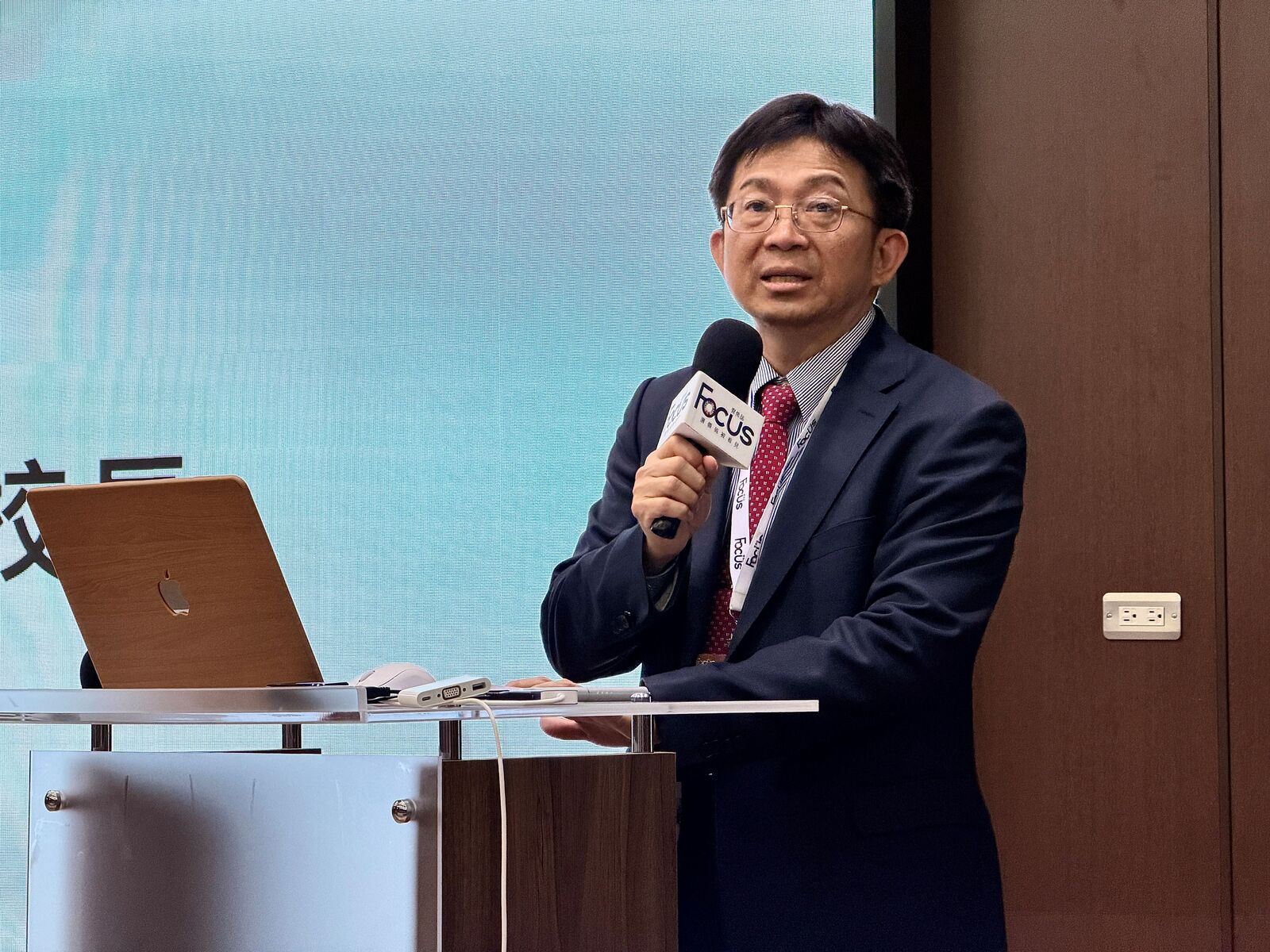
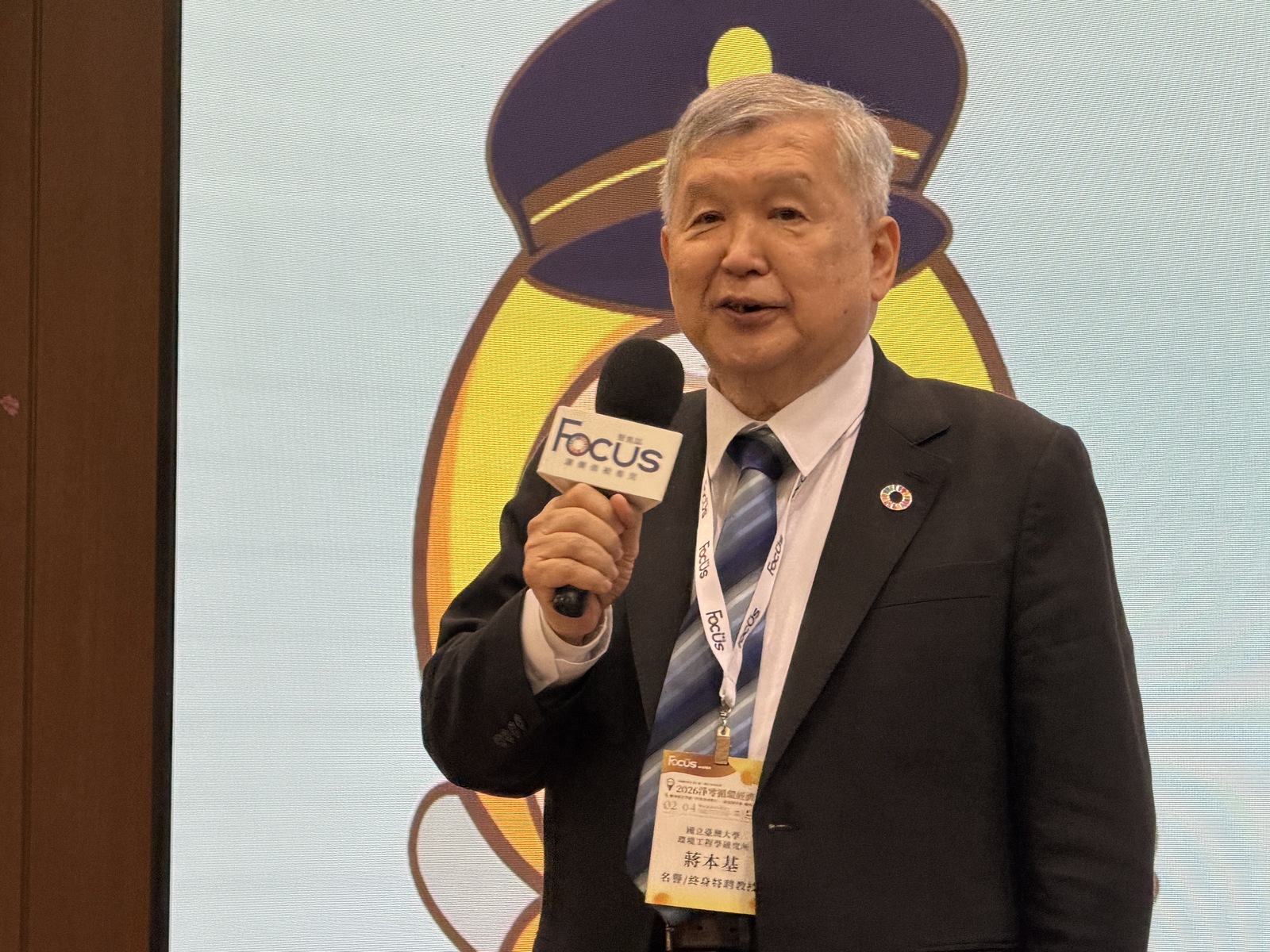
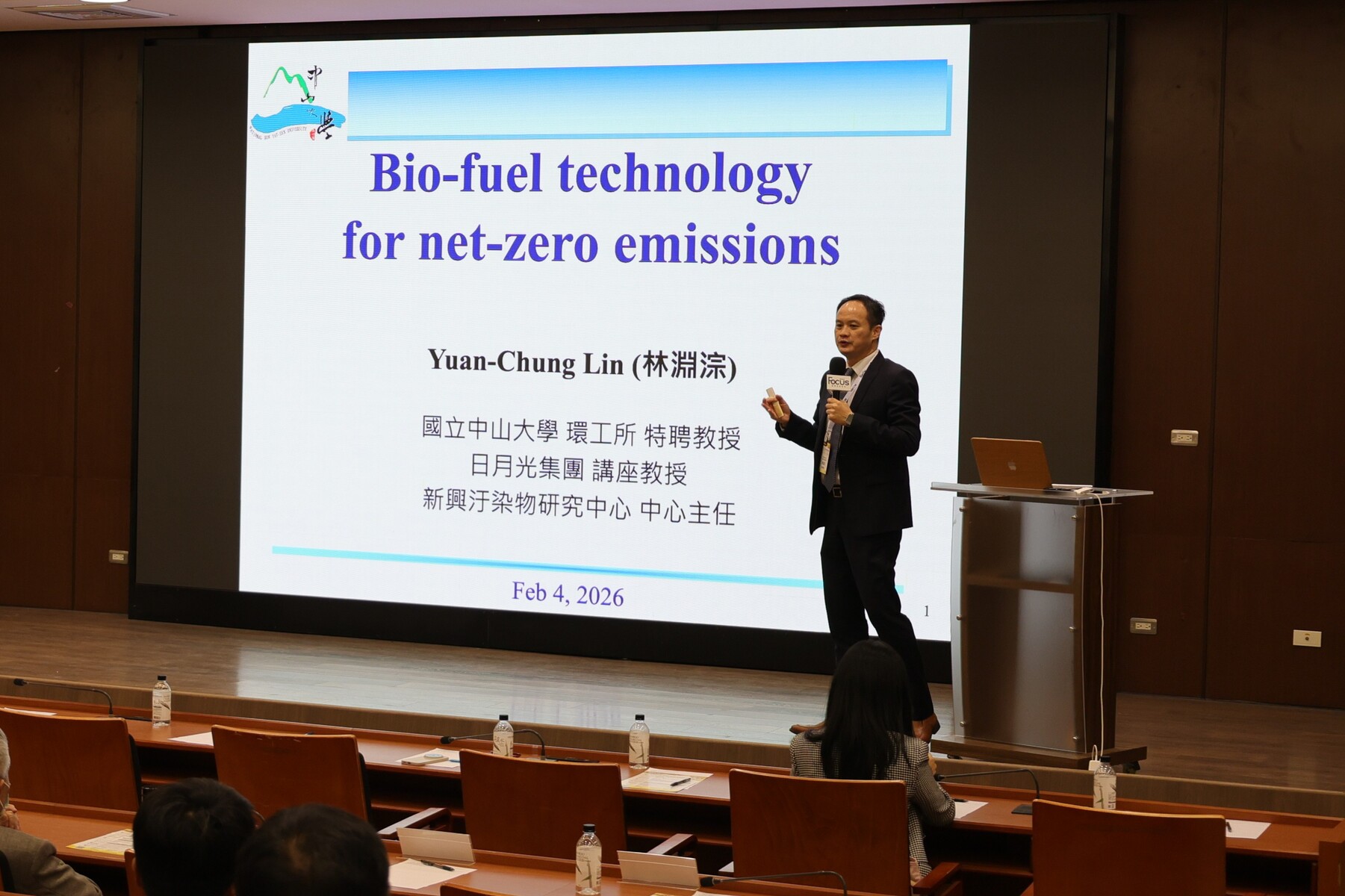
The session on "Circular Economy Strategies" was moderated by Pen-Chi Chiang, Distinguished Lifetime Professor of the Graduate Institute of Environmental Engineering at National Taiwan University. Mei-Lun Hsu, Manager at ASE Technology Holding, shared practical experiences from the semiconductor industry in promoting circular and low-carbon initiatives, explaining how resilient supply networks can be established to reduce carbon footprints. Yuan-Chung Lin, Distinguished Professor at the Institute of Environmental Engineering at NSYSU, presented the latest research on bioenergy reuse, demonstrating how biological materials can be converted into renewable energy. NSYSU emphasized that with environmental resources becoming increasingly limited, the circular economy has become essential for maintaining industrial competitiveness. By introducing bioenergy technologies, waste can be treated while helping companies establish stable green energy supply systems and reduce potential costs.
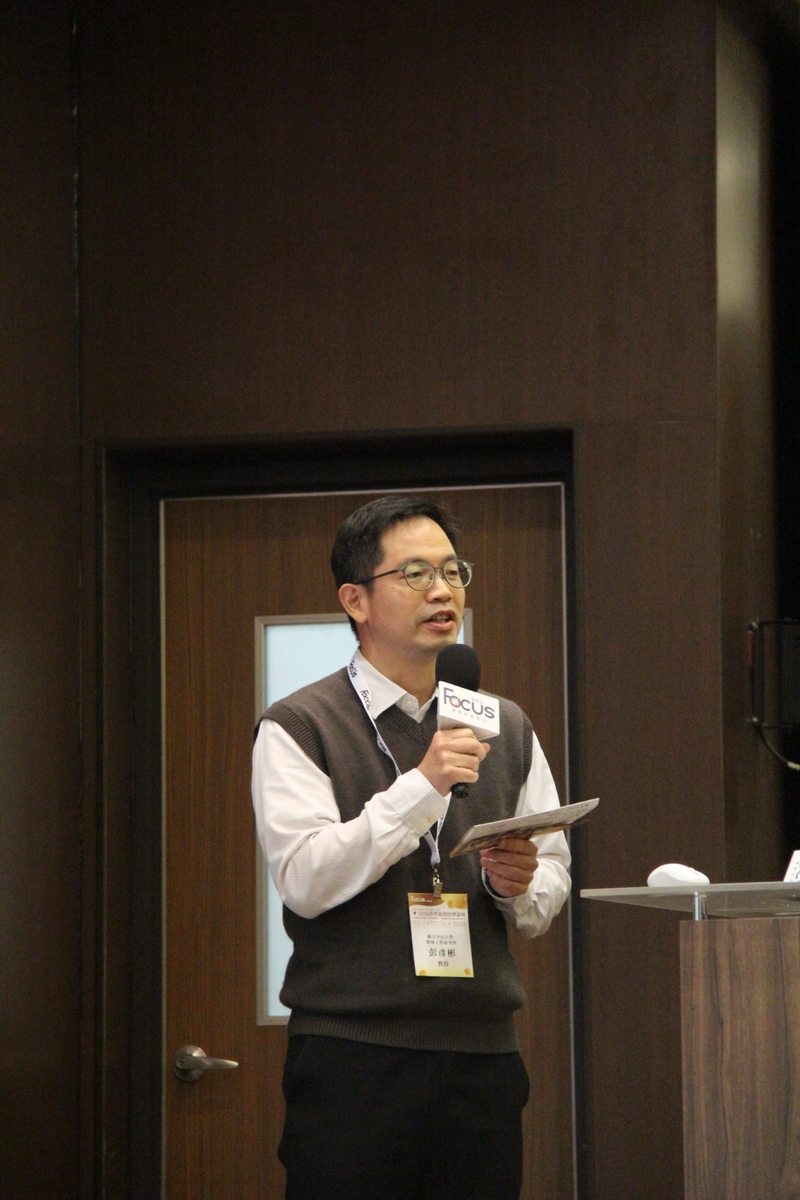
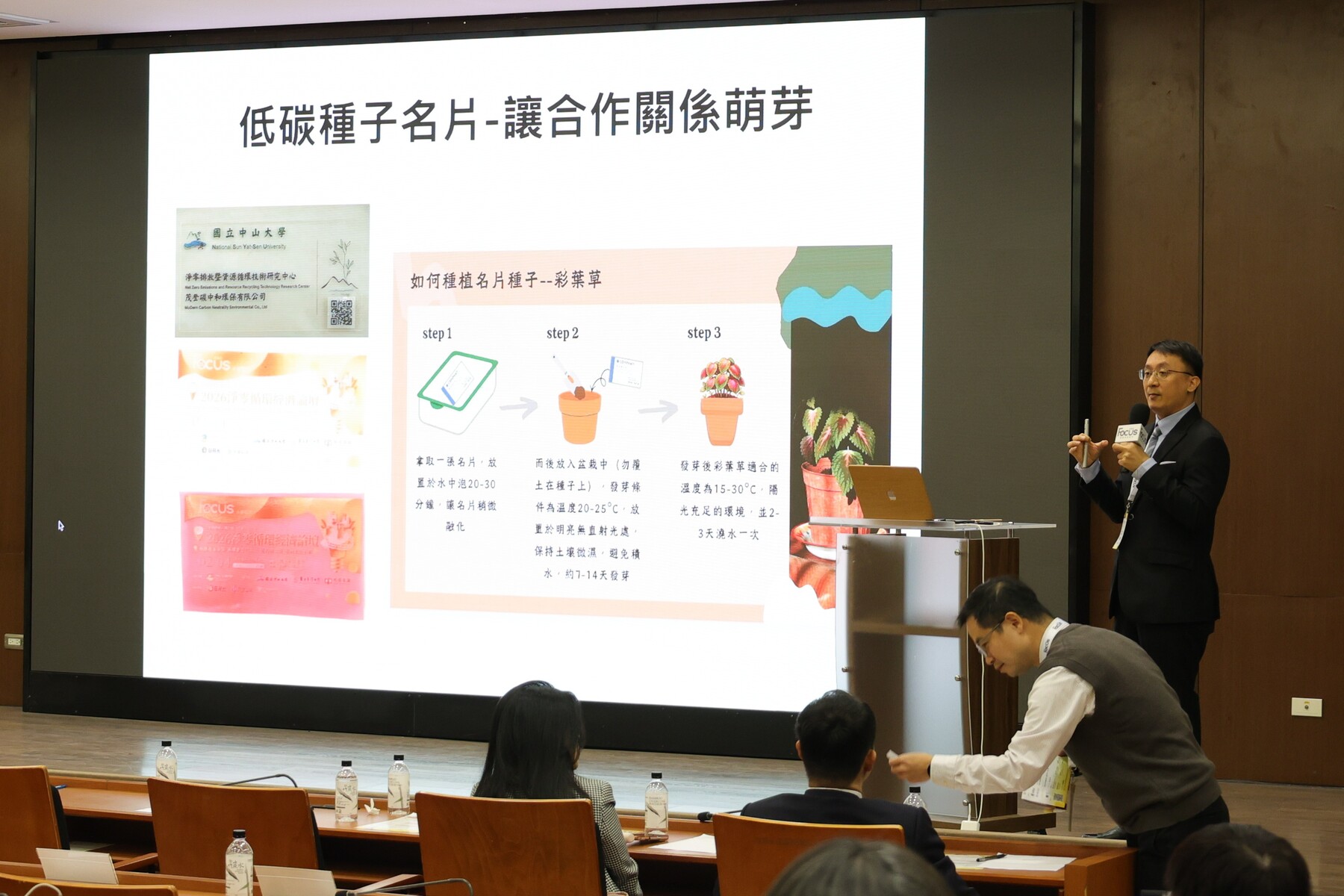
The second half of the forum focused on "Net-Zero Circular Economy," moderated by Yen-Ping Peng, Professor at the Institute of Environmental Engineering at NSYSU. Ken-Lin Chang first presented a technological roadmap showing how biomaterials can synergistically promote plastic reduction and carbon reduction, illustrating how academia supports government efforts to achieve net-zero targets. Chun-Yu Wang, Director at China Steel Corporation, then shared the steel industry's transformation experience in low-carbon transition, demonstrating concrete actions taken by traditional industries to move toward higher value creation and circular economy practices. Wan-Yu Liu, Distinguished Professor at the Department of Forestry at National Chung Hsing University, discussed strategies for transforming waste into valuable resources and examined how resource recycling technologies could reshape Taiwan's industrial supply chain. NSYSU noted that broad discussions among industry, government, and academia can inspire solutions to technological bottlenecks and provide practical industrial strategies and scientific support for Taiwan's path toward net-zero carbon emissions by 2050.
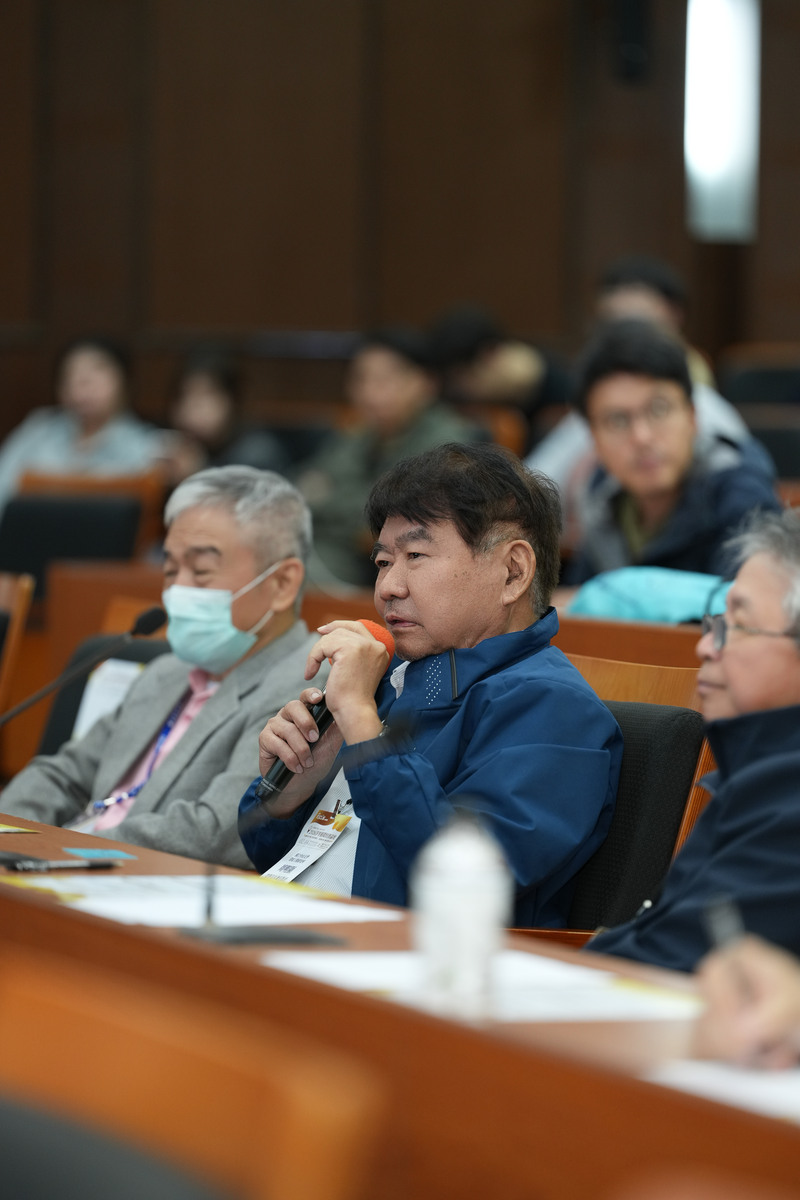
The forum also featured a panel discussion in which Professor Pen-Chi Chiang at the Graduate Institute of Environmental Engineering of National Taiwan University joined the speakers to explore how stronger industry–academia collaboration can help address international climate regulations. Participants exchanged views on policy coordination, industrial applications, and feasible implementation pathways. The forum concluded with remarks by Jimmy C. M. Kao, Chair Professor at the Institute of Environmental Engineering at NSYSU. The event was supported by the Environmental Protection Bureau of the Kaohsiung City Government and co-organized by National Sun Yat-sen University, National Taiwan University, and "Read and Believe," with co-organizers including ASE Technology Holding, China Steel Corporation, and National Chung Hsing University. It was also part of the "Sustainability Train" event series organized by the sustainable media "Focus Journal."