
Decoding the "bulletproof armor" of superbugs: NSYSU pioneers a new therapeutic strategy
2026-04-16
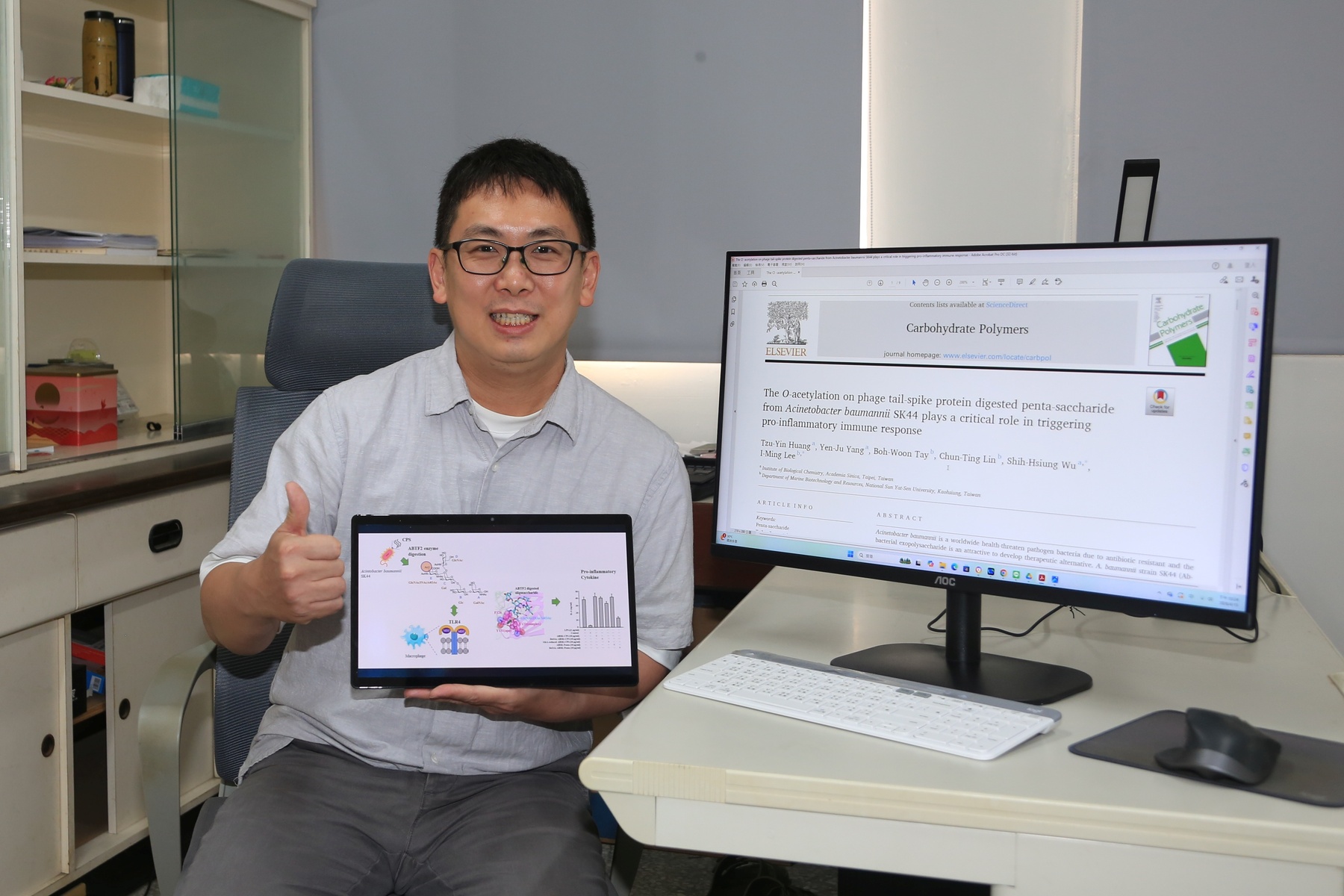
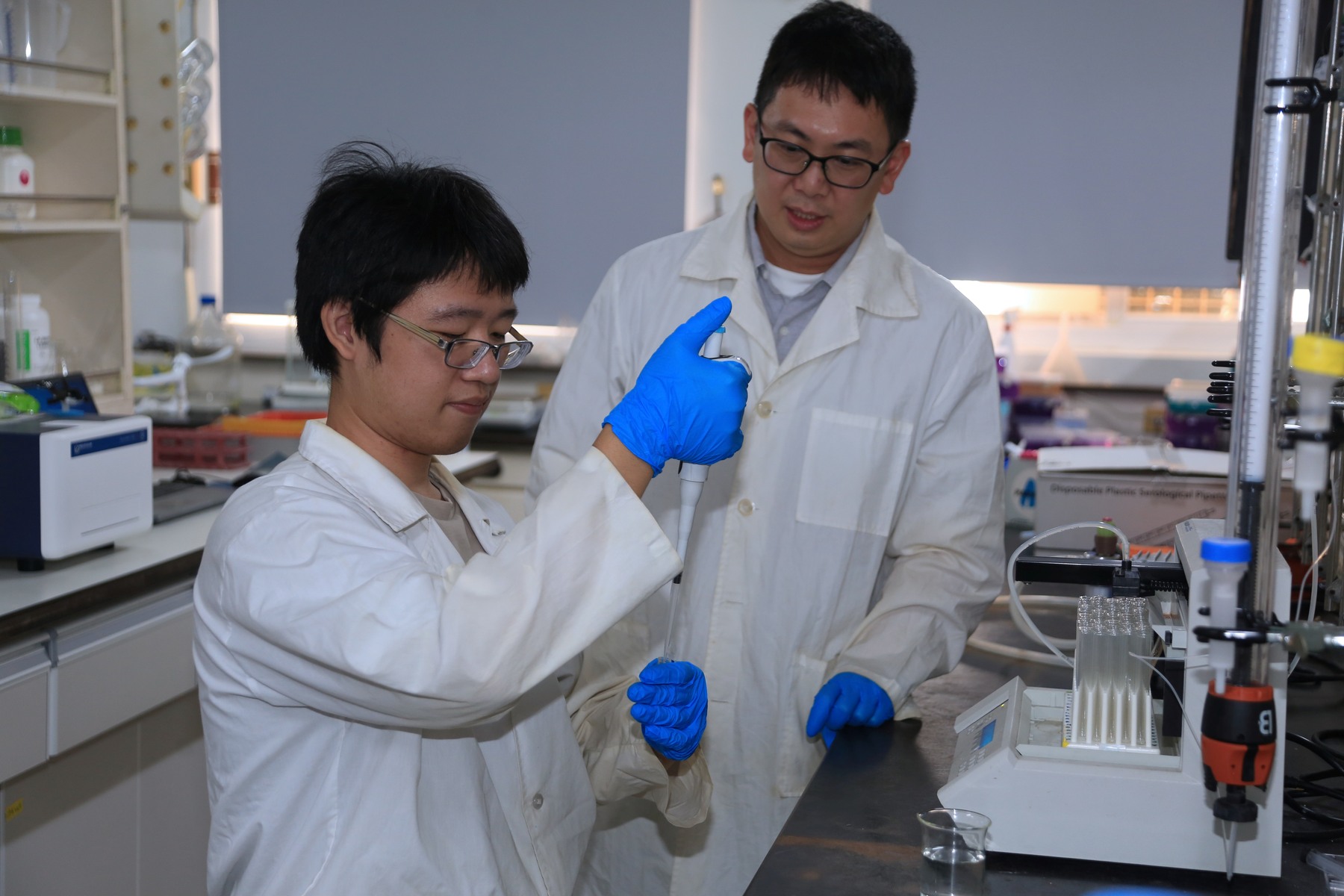
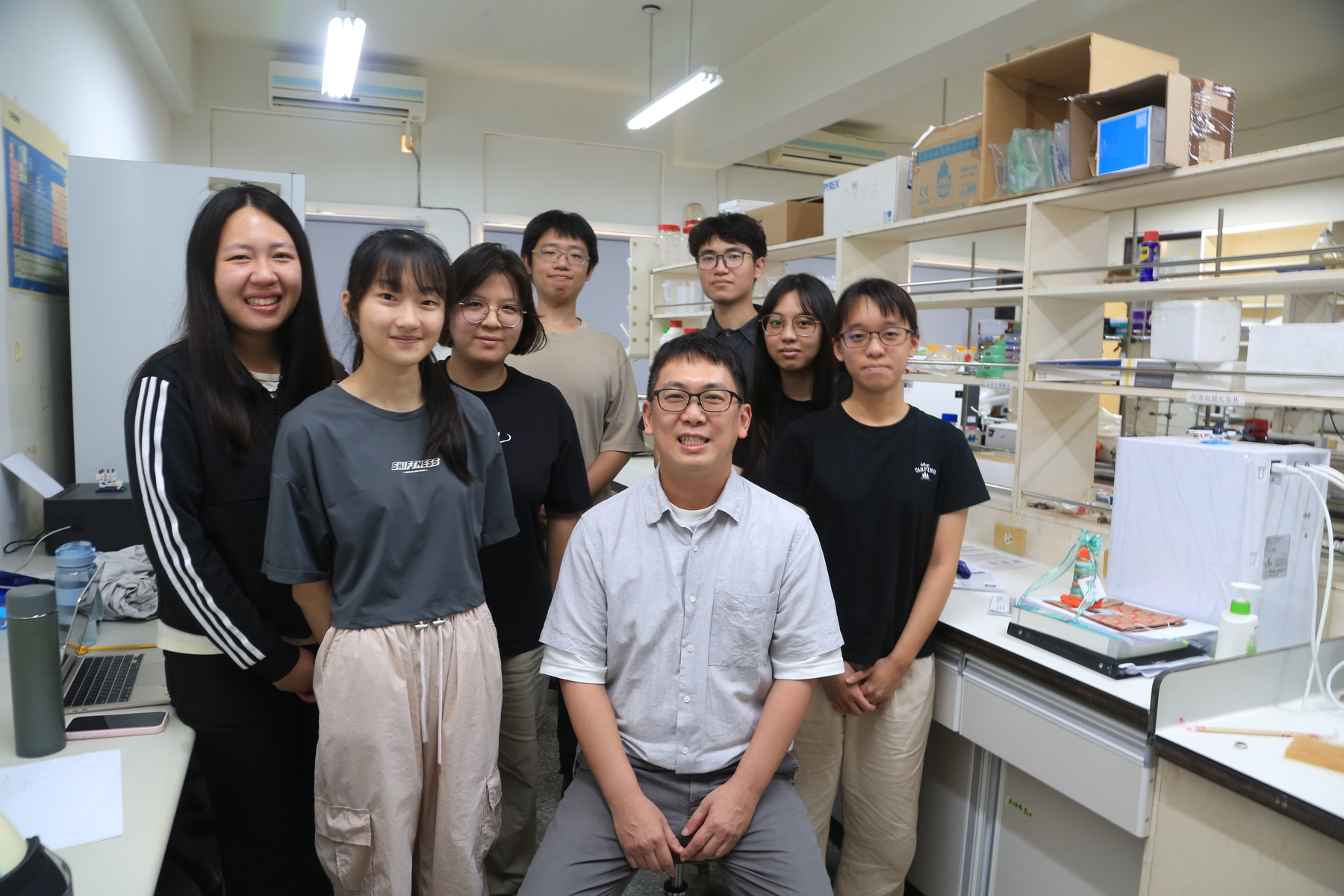
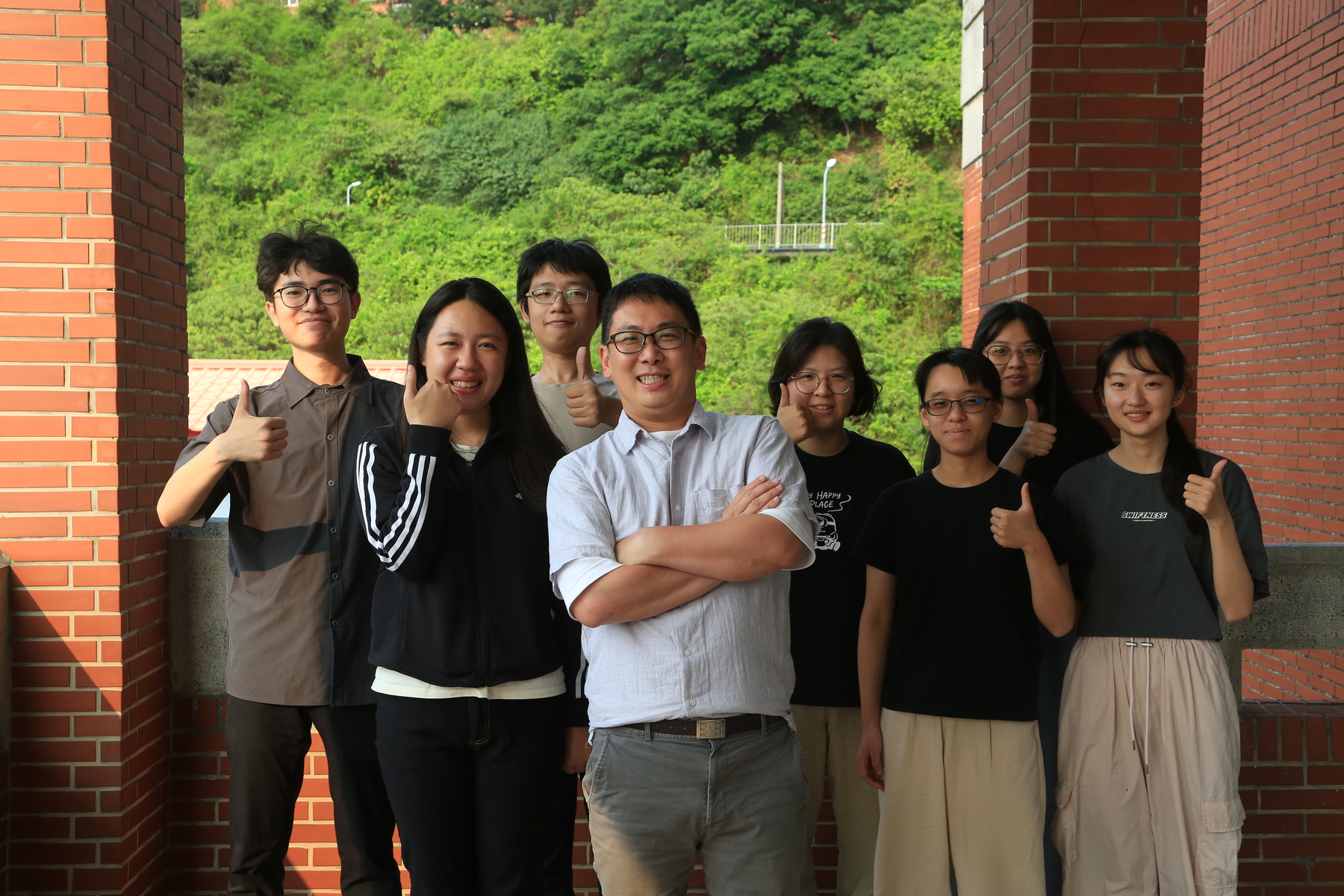
The notorious hospital "superbug," Acinetobacter baumannii, has long been a formidable challenge due to its extensive antibiotic resistance and high mortality rate. A research team led by Assistant Professor I-Ming Lee from the Department of Marine Biotechnology and Resources at National Sun Yat-sen University (NSYSU), in collaboration with Adjunct Research Fellow Shih-Hsiung Wu from the Institute of Biological Chemistry at Academia Sinica, has identified for the first time the key "chemical switch" that triggers severe inflammatory responses in the human body. The team also proposes new directions for precision vaccine design and alternative therapies. Their findings, published in the leading international journal Carbohydrate Polymers, represent a significant breakthrough in combating antibiotic-resistant bacteria.
Acinetobacter baumannii is a common clinical pathogen with a mortality rate ranging from 30% to 75% and exhibits multidrug resistance. The World Health Organization has listed it as the "top-priority pathogen" requiring urgent new treatments. Lee explains that the bacterium's resilience lies in a layer of exopolysaccharide covering its surface, acting as "bulletproof armor." This layer not only helps it evade the immune system but also triggers severe inflammatory responses, leading to conditions such as pneumonia and sepsis.
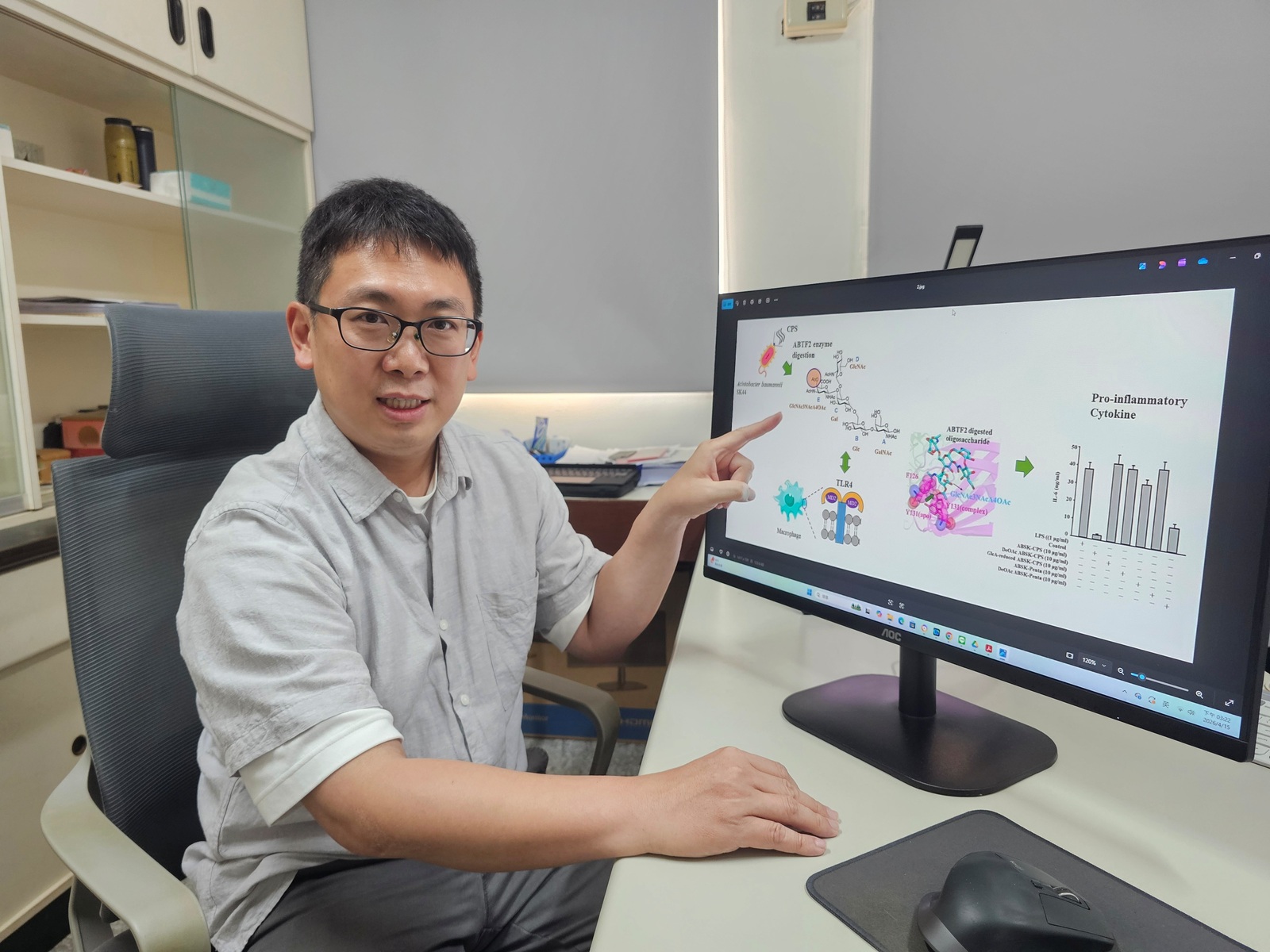
To determine which component of this "armor" activates immune responses, the team employed a phage, a virus that infects bacteria. Using the tail-spike protein enzyme as molecular scissors, they precisely cleaved the exopolysaccharide of the A. baumannii SK44 strain. The study revealed that the resulting O-acetylation penta-saccharide fragments serve as the key signals that activate the Toll-like receptor 4 (TLR4) pathway in immune cells. In other words, the immune system does not respond randomly but specifically recognizes acetylation markers to trigger inflammation. Once these markers are removed, the immune response is significantly reduced.
This discovery also reshapes conventional vaccine development strategies. Lee notes that traditional approaches target entire exopolysaccharide structures, akin to launching a full-scale attack, whereas the immune system actually focuses on specific molecular pattern. Targeting these acetylation sites could enable the development of more precise conjugate vaccines with fewer side effects and improved therapeutic efficacy.
Beyond vaccine applications, the team proposes an alternative strategy: using phage-derived enzymes to degrade the bacterium's exopolysaccharide armor, thereby weakening bacterial defenses and making them more susceptible to drugs or immune clearance. This approach offers a promising alternative to antibiotics and opens new avenues for clinical treatment.
The co-authors of the paper also include the postdoctoral researcher Tzu-Yin Huang and the student Yen-Ju Yang at the Institute of Biological Chemistry, Academia Sinica, as well as Boh-Woon Tay and Chun-Ting Lin, students from the Department of Marine Biotechnology and Resources, NSYSU.
Note:
Carbohydrate Polymers is a leading international journal, with a 2024 Journal Impact Factor of 12.5. It ranks first among 57 journals in the Chemistry, Organic category by Journal Impact Factor, and first among 94 journals in the Polymer Science category by Journal Citation Indicator.
Journal link:
https://www.sciencedirect.com/science/article/pii/S0144861725015097?via%3Dihub#s0105