
NSYSU brings together global scholars to address coral restoration and climate impacts
2026-08-24
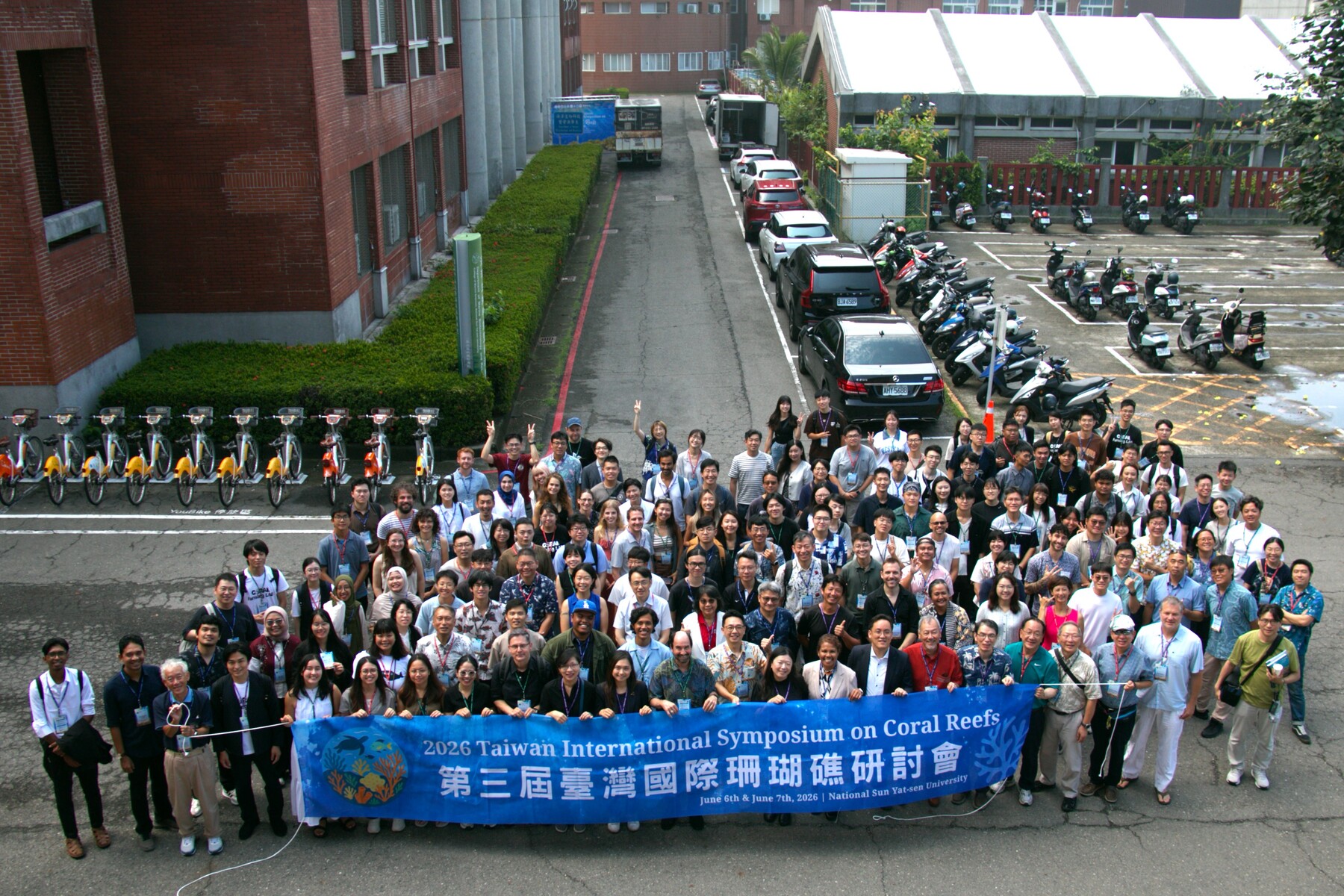
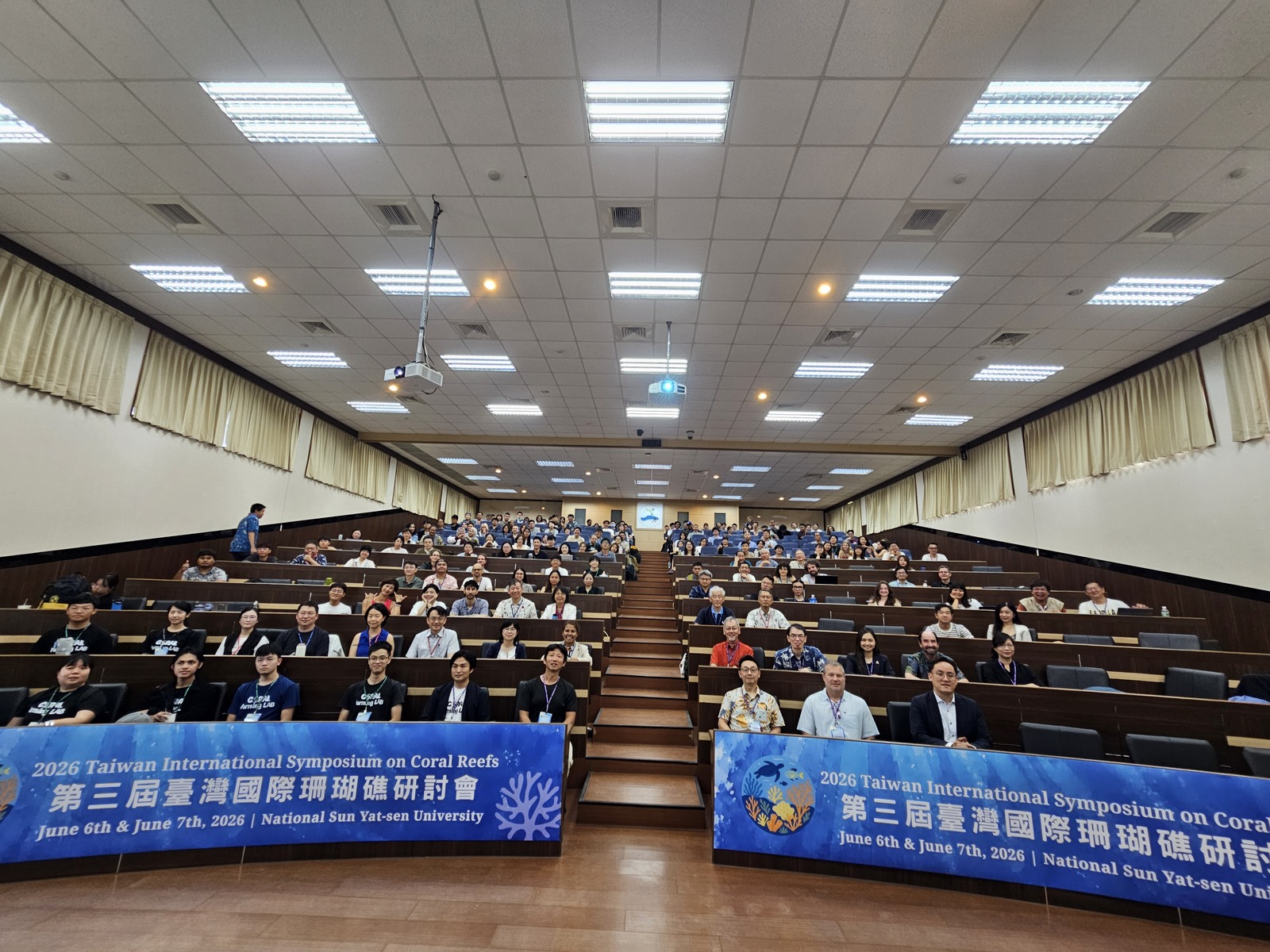
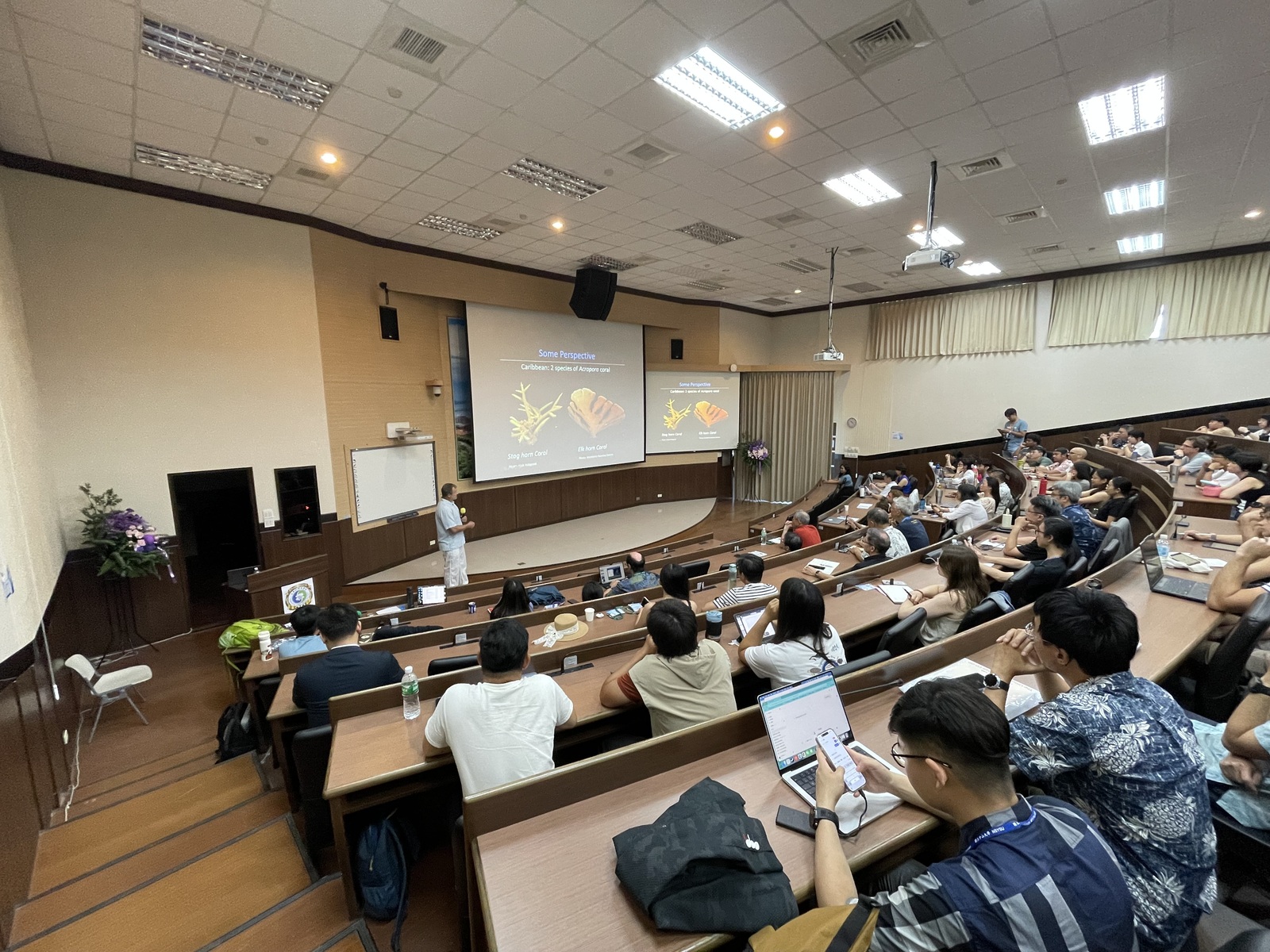
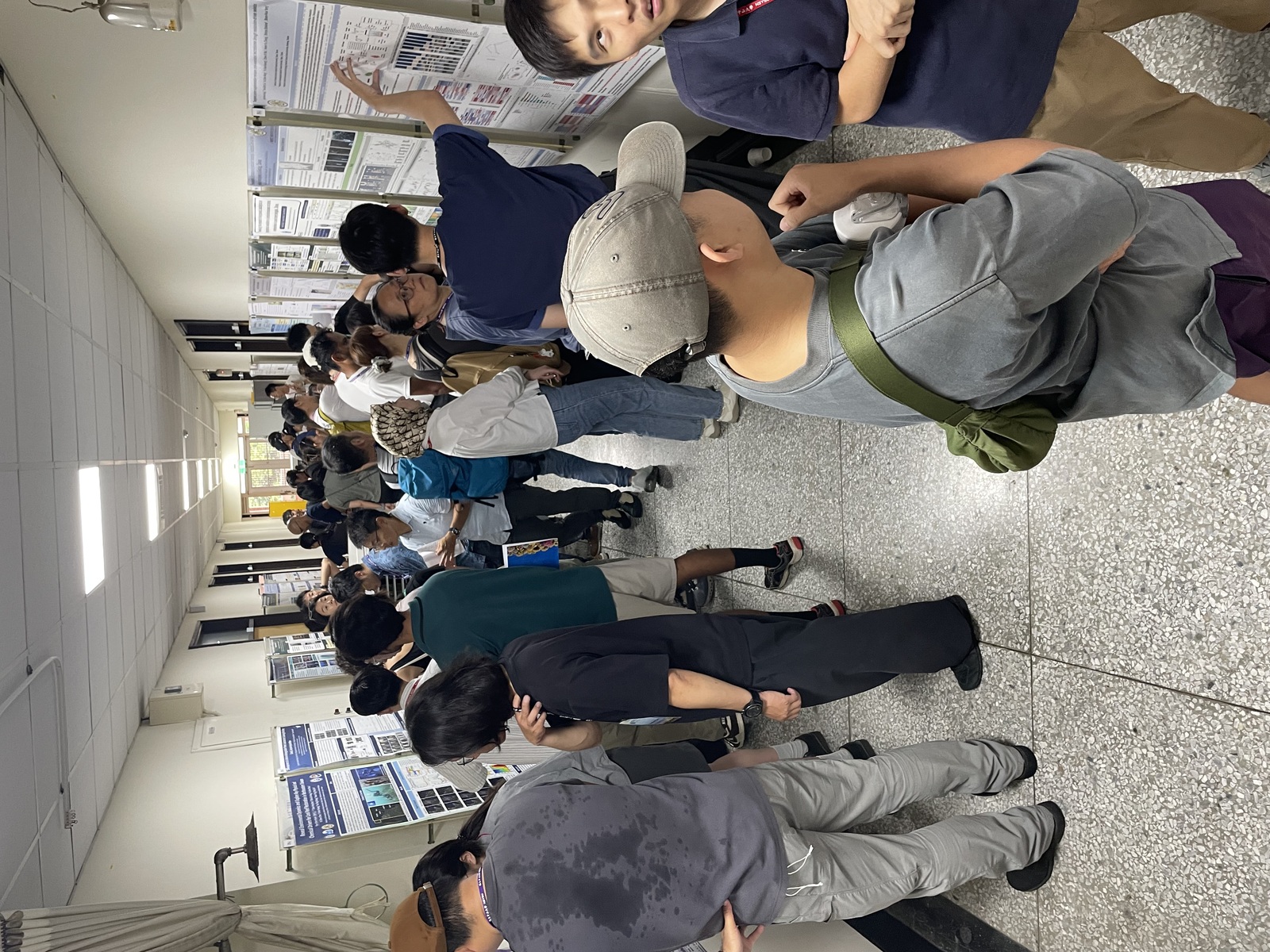
As climate change intensifies and marine habitats continue to deteriorate, the conservation and restoration of coral reef ecosystems have become critical priorities in global marine science and governance. National Sun Yat-sen University (NSYSU), in collaboration with National Kaohsiung University of Science and Technology (NKUST) and the Taiwanese Coral Reef Society (TCRS), hosted the 3rd Taiwan International Symposium on Coral Reefs (TISCR 2026). The two-day conference brought together more than 200 researchers, conservation practitioners, and policy experts from 22 countries, including the United States, Australia, Japan, and Malaysia, to explore advances in coral reef science, restoration technologies, and sustainable management strategies.
The symposium emphasized bridging fundamental scientific research with practical applications and was supported by Taiwan's National Science and Technology Council (NSTC), Ocean Conservation Administration (OCA), National Academy of Marine Research (NAMR), Academia Sinica, Marine National Park Headquarters, and Delta Electronics Foundation, among others. Topics covered a broad spectrum of emerging research areas, including coral reef biodiversity, marine ecology, evolutionary biology, climate change impacts, restoration ecology, marine biotechnology, environmental DNA (eDNA), fisheries sustainability, and reef conservation strategies.
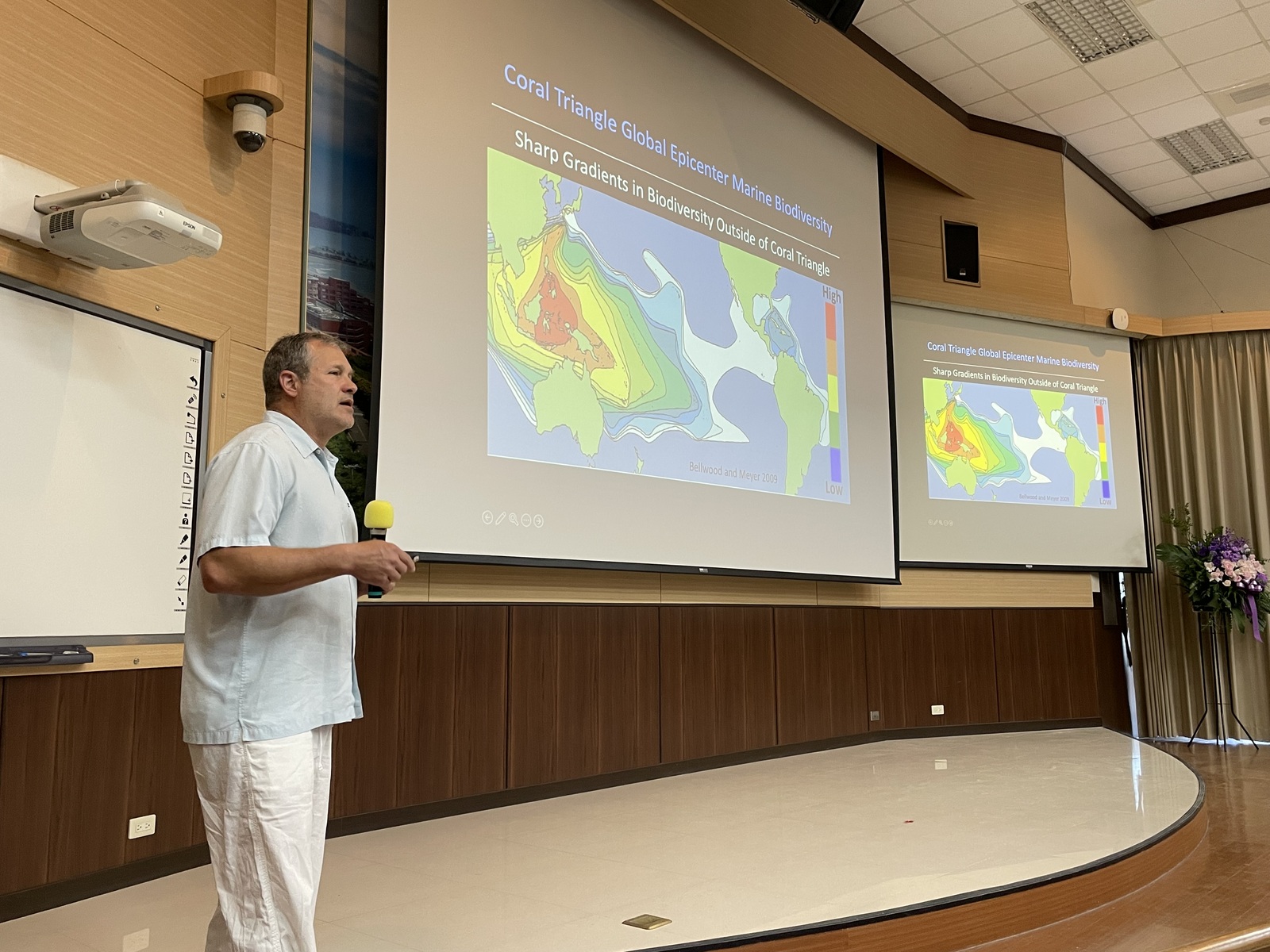
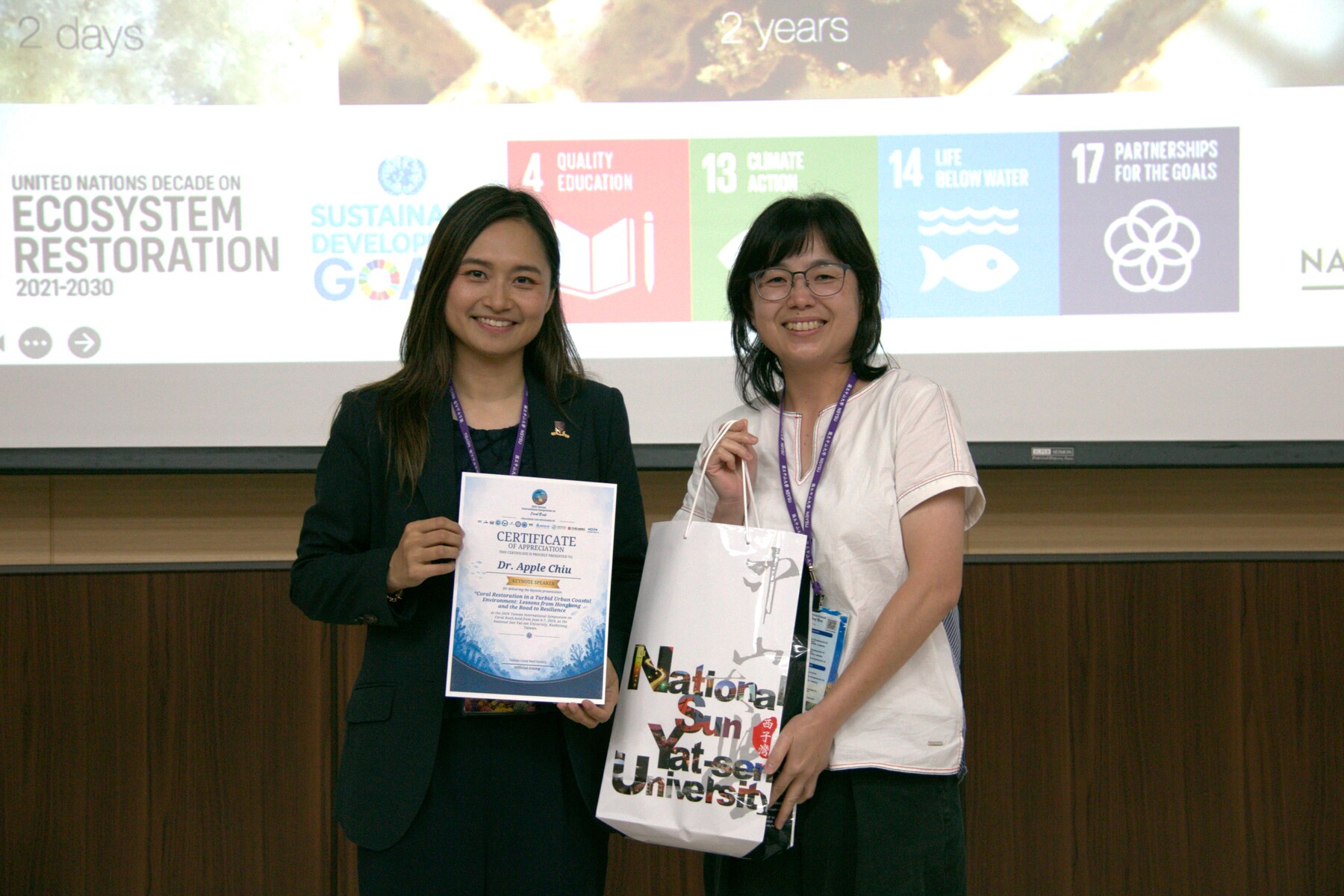
Leading international scholars presented their latest findings during the conference. Professor Paul Barber of the University of California, Los Angeles (UCLA), examined the evolutionary and oceanographic mechanisms underlying the Coral Triangle, the global marine biodiversity hotspot, highlighting its pivotal role in speciation and genetic diversity. Assistant Professor Apple Pui Yi Chui of the Chinese University of Hong Kong presented a case study of Tolo Harbour in the Hong Kong Special Administrative Region, demonstrating coral restoration techniques and long-term monitoring outcomes in a highly urbanized coastal environment.
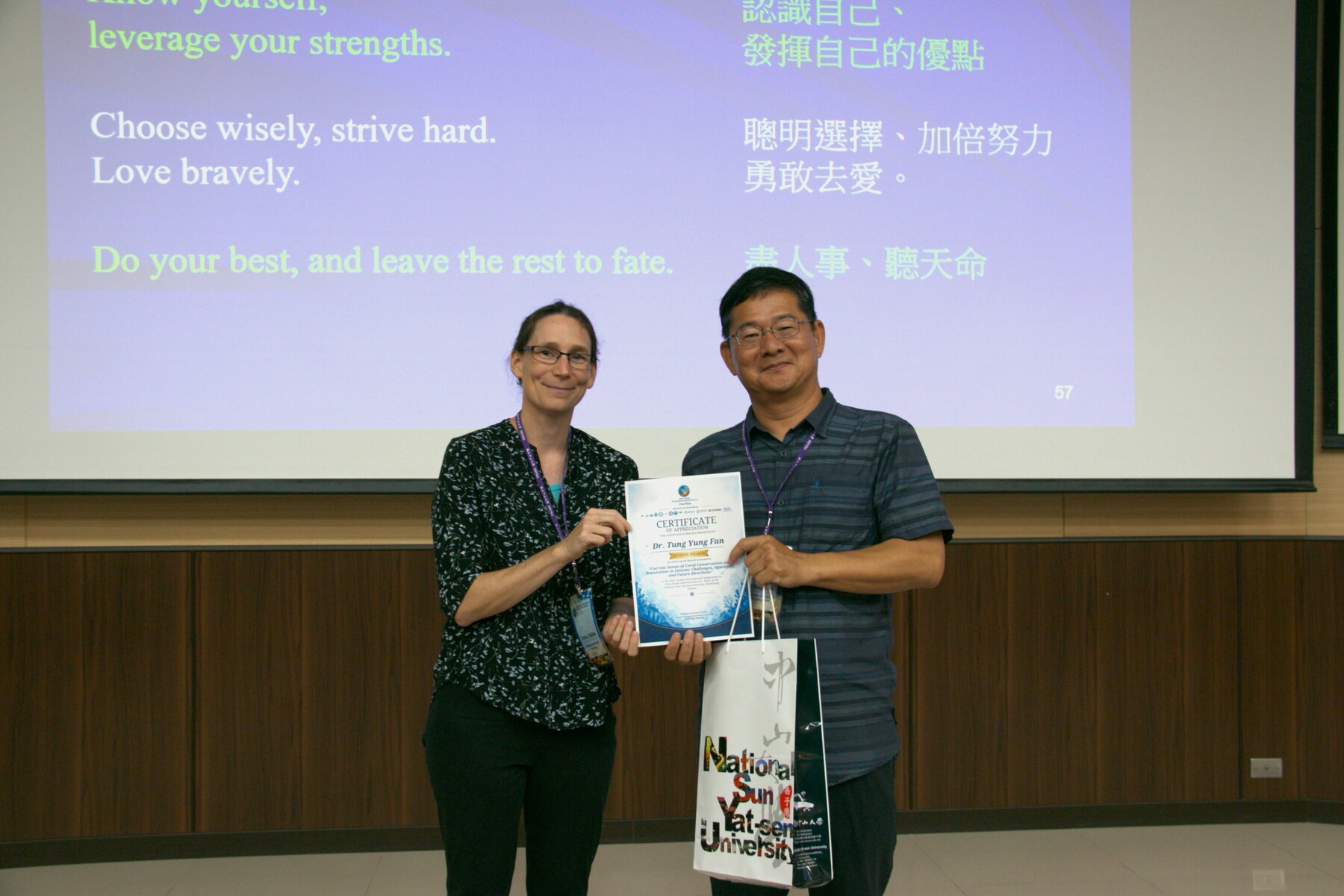
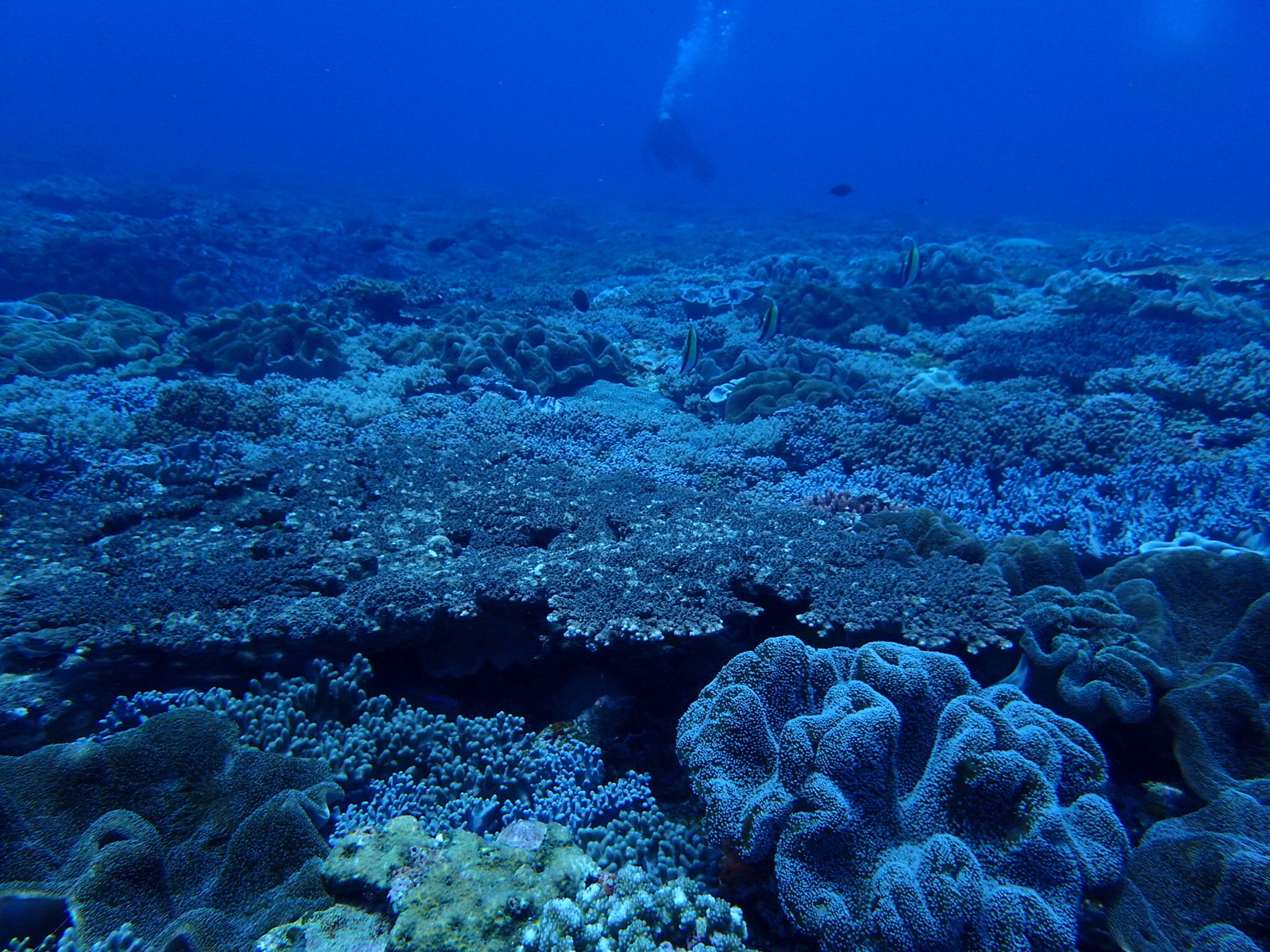
Research Fellow Tung-Yung Fan of the National Museum of Marine Biology and Aquarium and Adjunct Professor in the Department of Marine Biotechnology and Resources at NSYSU presented long-term coral reef monitoring results from 42 sites across Taiwan. The study revealed that approximately one-third of the sites experienced population declines, indicating that coral reef ecosystems remain under considerable stress. Nevertheless, the research also demonstrated significant progress in the artificial propagation and restoration of brooding coral (Pocillopora acuta), providing a stronger scientific foundation for future reef restoration efforts.
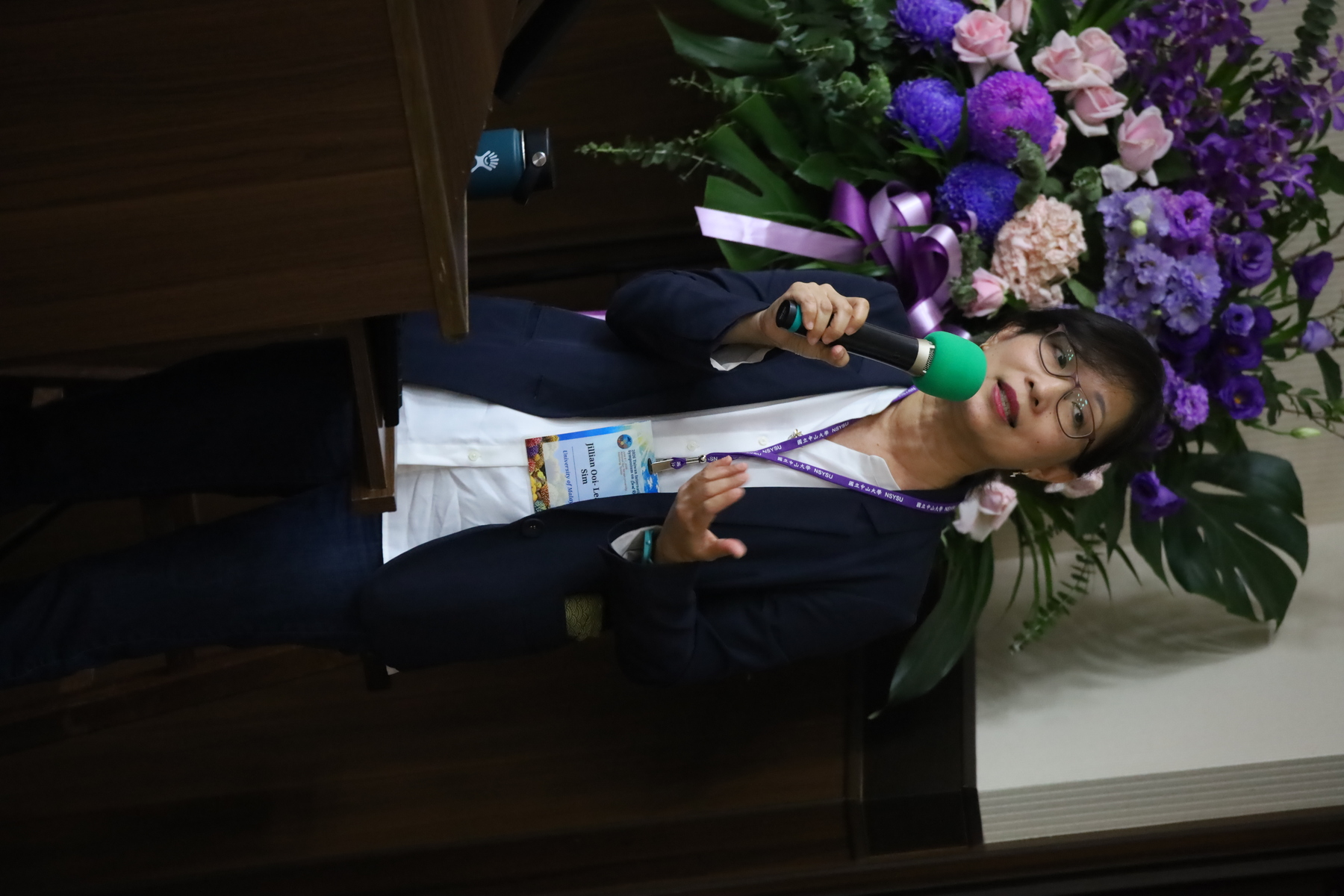
The agenda also focused on the impacts of climate change on marine ecosystems and regional comparative studies. Associate Professor Jillian Ooi Lean Sim of the Universiti of Malaya analyzed ecological connections between seagrass meadows and coral reefs, noting that climate change is reshaping their interactions in carbon cycling and habitat stability. Associate Professor Zoe Richards of Curtin University presented evidence from the Kimberley region of north-western Australia, illustrating the severe impacts of recent marine heatwaves on coral diversity and community dynamics. Professor Hironobu Kan of Kyushu University explored the geomorphological evolution of the Ryukyu Islands and the ecological consequences of red soil runoff, emphasizing the importance of environmental governance across multiple spatial and temporal scales.
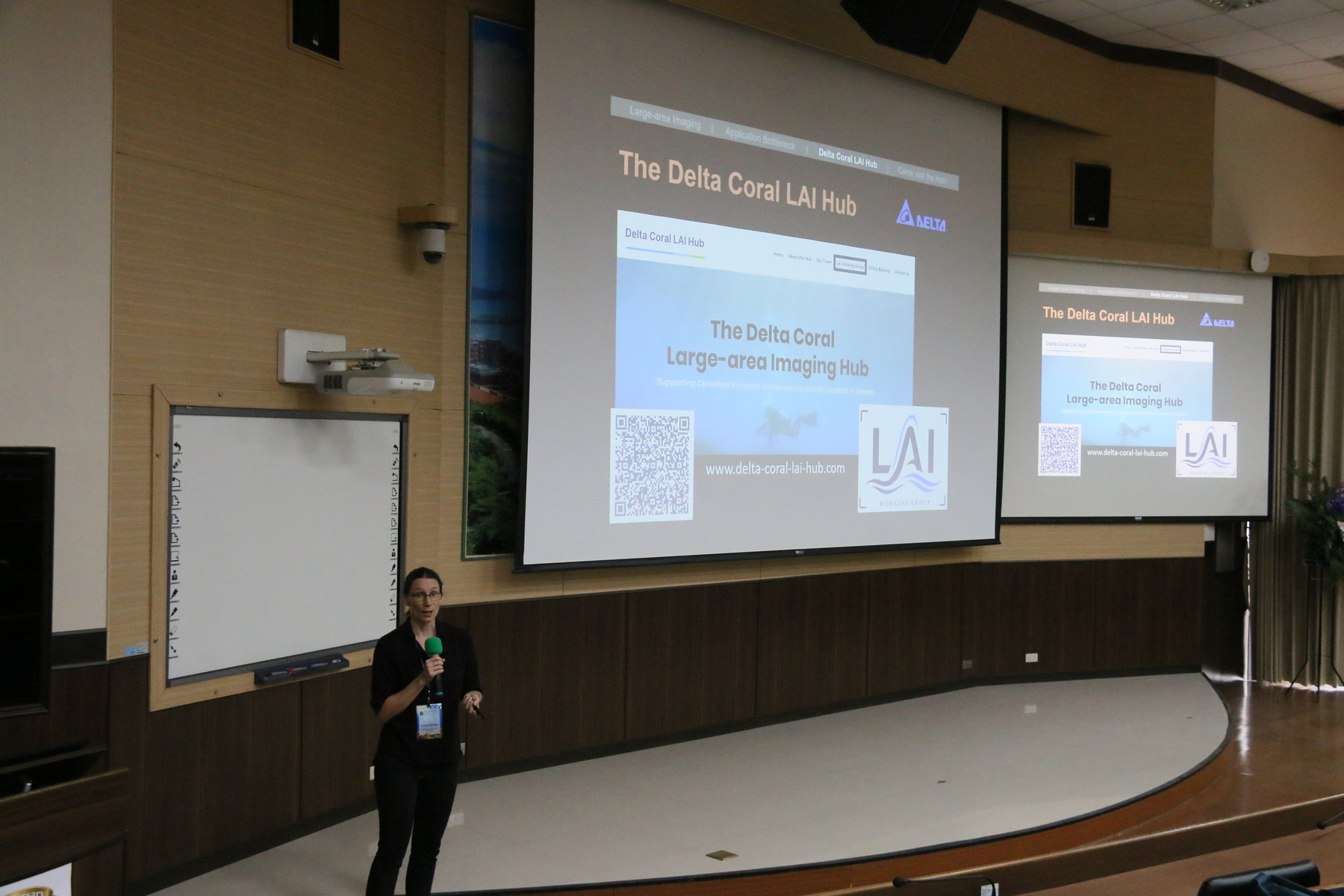
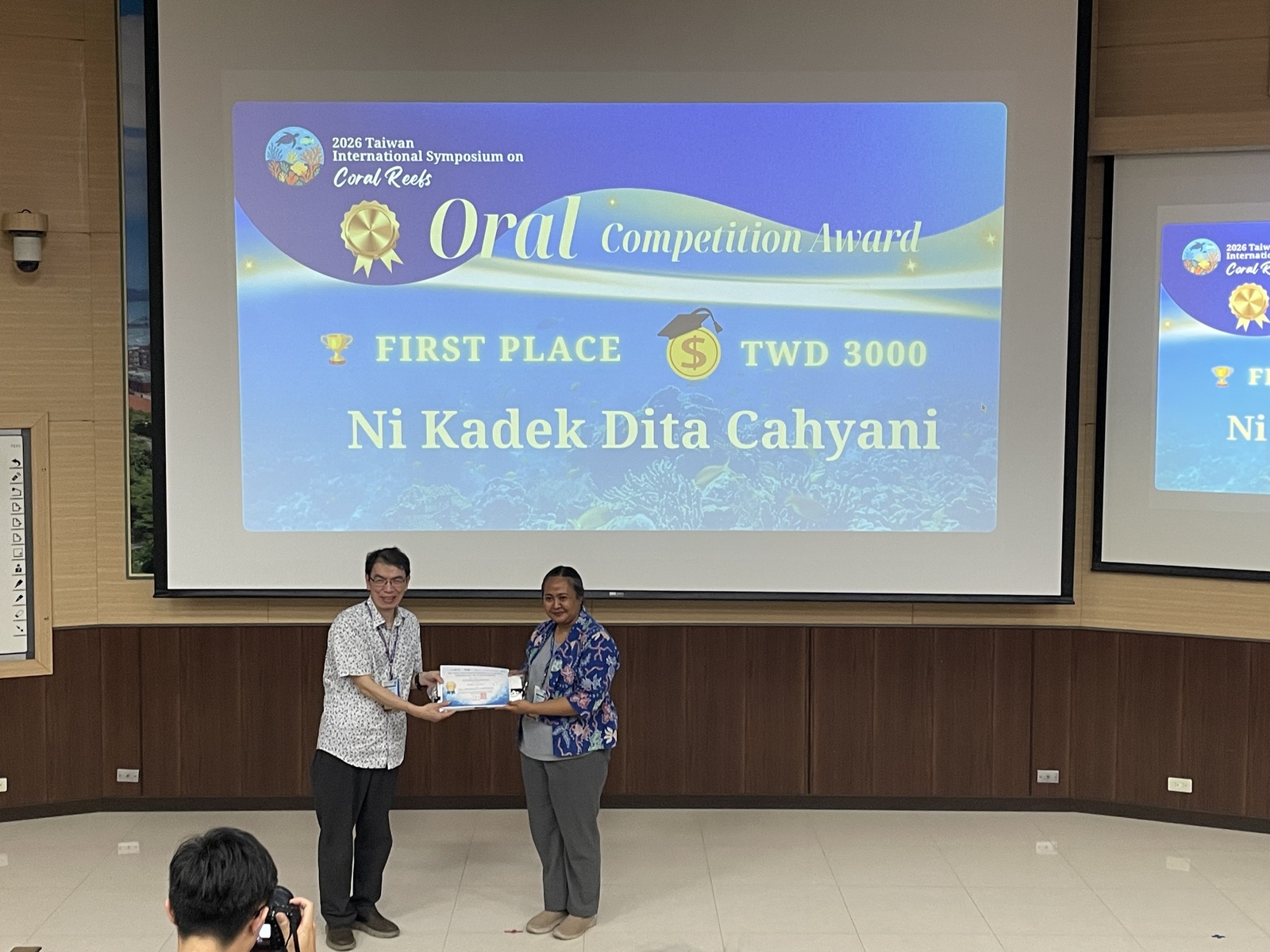
The symposium also presented awards from the Taiwanese Coral Reef Society (TCRS). Retired Research Fellow Kwang-Tsao Shao of Academia Sinica received the Lifetime Achievement Award in recognition of his longstanding contributions to the establishment of the Taiwan Fish Database and the Taiwan Catalog of Life (TaiCOL). Underwater ecological photographer and conservationist Tao-Jen Kuo received the Lifetime Achievement Award for his dedication to the "Bamboo Cluster Squid Nursery" restoration initiative. In addition, the symposium officially launched the Delta Coral Large-Area Imaging Hub (Delta Coral LAI Hub), which will integrate large-area imaging analysis technologies with bilingual training resources to support coral reef research, monitoring, and restoration while strengthening scientific data integration and international collaboration.
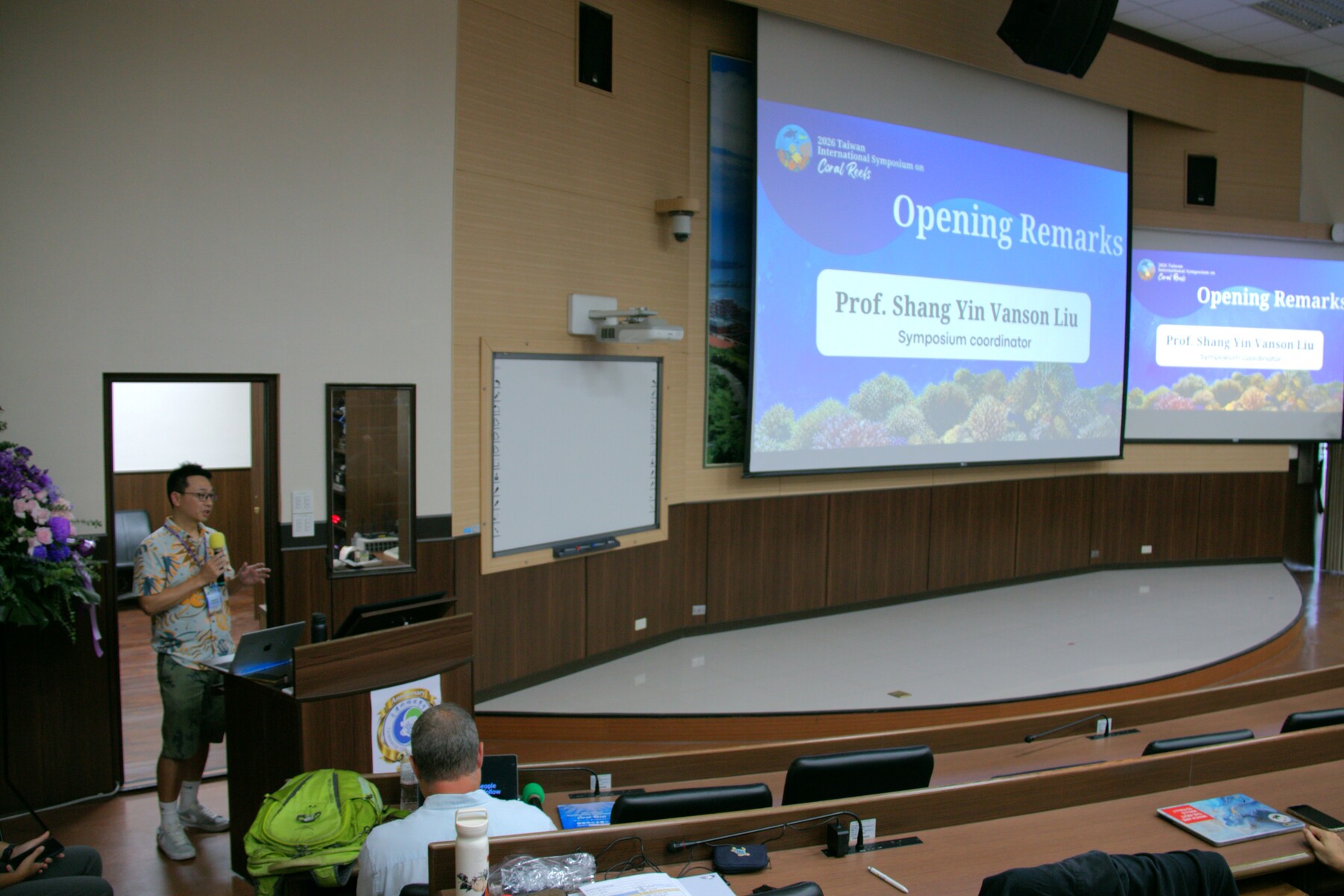
According to Professor Shang-Yin Vanson Liu of the Department of Marine Biotechnology and Resources at NSYSU and Chair of the Symposium Organizing Committee, the growing challenges posed by extreme climate events and changing marine environments mean that coral reef conservation can no longer rely on the efforts of a single discipline or nation. Sustainable and effective solutions will require international collaboration, long-term monitoring, and interdisciplinary integration to ensure the resilience of marine ecosystems for future generations.
As climate change intensifies and marine habitats continue to deteriorate, the conservation and restoration of coral reef ecosystems have become critical priorities in global marine science and governance. National Sun Yat-sen University (NSYSU), in collaboration with National Kaohsiung University of Science and Technology (NKUST) and the Taiwanese Coral Reef Society (TCRS), hosted the 3rd Taiwan International Symposium on Coral Reefs (TISCR 2026). The two-day conference brought together more than 200 researchers, conservation practitioners, and policy experts from 22 countries, including the United States, Australia, Japan, and Malaysia, to explore advances in coral reef science, restoration technologies, and sustainable management strategies.
The symposium emphasized bridging fundamental scientific research with practical applications and was supported by Taiwan's National Science and Technology Council (NSTC), Ocean Conservation Administration (OCA), National Academy of Marine Research (NAMR), Academia Sinica, Marine National Park Headquarters, and Delta Electronics Foundation, among others. Topics covered a broad spectrum of emerging research areas, including coral reef biodiversity, marine ecology, evolutionary biology, climate change impacts, restoration ecology, marine biotechnology, environmental DNA (eDNA), fisheries sustainability, and reef conservation strategies.
Leading international scholars presented their latest findings during the conference. Professor Paul Barber of the University of California, Los Angeles (UCLA), examined the evolutionary and oceanographic mechanisms underlying the Coral Triangle, the global marine biodiversity hotspot, highlighting its pivotal role in speciation and genetic diversity. Assistant Professor Apple Pui Yi Chui of the Chinese University of Hong Kong presented a case study of Tolo Harbour in the Hong Kong Special Administrative Region, demonstrating coral restoration techniques and long-term monitoring outcomes in a highly urbanized coastal environment.
Research Fellow Tung-Yung Fan of the National Museum of Marine Biology and Aquarium and Adjunct Professor in the Department of Marine Biotechnology and Resources at NSYSU presented long-term coral reef monitoring results from 42 sites across Taiwan. The study revealed that approximately one-third of the sites experienced population declines, indicating that coral reef ecosystems remain under considerable stress. Nevertheless, the research also demonstrated significant progress in the artificial propagation and restoration of brooding coral (Pocillopora acuta), providing a stronger scientific foundation for future reef restoration efforts.
The agenda also focused on the impacts of climate change on marine ecosystems and regional comparative studies. Associate Professor Jillian Ooi Lean Sim of the Universiti of Malaya analyzed ecological connections between seagrass meadows and coral reefs, noting that climate change is reshaping their interactions in carbon cycling and habitat stability. Associate Professor Zoe Richards of Curtin University presented evidence from the Kimberley region of north-western Australia, illustrating the severe impacts of recent marine heatwaves on coral diversity and community dynamics. Professor Hironobu Kan of Kyushu University explored the geomorphological evolution of the Ryukyu Islands and the ecological consequences of red soil runoff, emphasizing the importance of environmental governance across multiple spatial and temporal scales.
The symposium also presented awards from the Taiwanese Coral Reef Society (TCRS). Retired Research Fellow Kwang-Tsao Shao of Academia Sinica received the Lifetime Achievement Award in recognition of his longstanding contributions to the establishment of the Taiwan Fish Database and the Taiwan Catalog of Life (TaiCOL). Underwater ecological photographer and conservationist Tao-Jen Kuo received the Lifetime Achievement Award for his dedication to the "Bamboo Cluster Squid Nursery" restoration initiative. In addition, the symposium officially launched the Delta Coral Large-Area Imaging Hub (Delta Coral LAI Hub), which will integrate large-area imaging analysis technologies with bilingual training resources to support coral reef research, monitoring, and restoration while strengthening scientific data integration and international collaboration.
According to Professor Shang-Yin Vanson Liu of the Department of Marine Biotechnology and Resources at NSYSU and Chair of the Symposium Organizing Committee, the growing challenges posed by extreme climate events and changing marine environments mean that coral reef conservation can no longer rely on the efforts of a single discipline or nation. Sustainable and effective solutions will require international collaboration, long-term monitoring, and interdisciplinary integration to ensure the resilience of marine ecosystems for future generations.
Click Num:
Share