
NSYSU study confirms benefits of ultra-low sulfur fuel and highlights next steps for more sustainable ports

2026-08-31
Although sulfur oxide emissions from ships have declined substantially following the implementation of the global sulfur cap, whether air quality in port areas has been fully improved remains an important question. A collaborative study conducted by National Sun Yat-sen University (NSYSU) and the University of California, Berkeley found that while vessels using ultra-low sulfur fuel at berth significantly reduce sulfur oxide emissions, they continue to emit nitrogen oxides and ultrafine particulate matter containing heavy metals. These invisible pollutants may penetrate deep into the lungs and even enter the bloodstream, posing potential risks to human health.
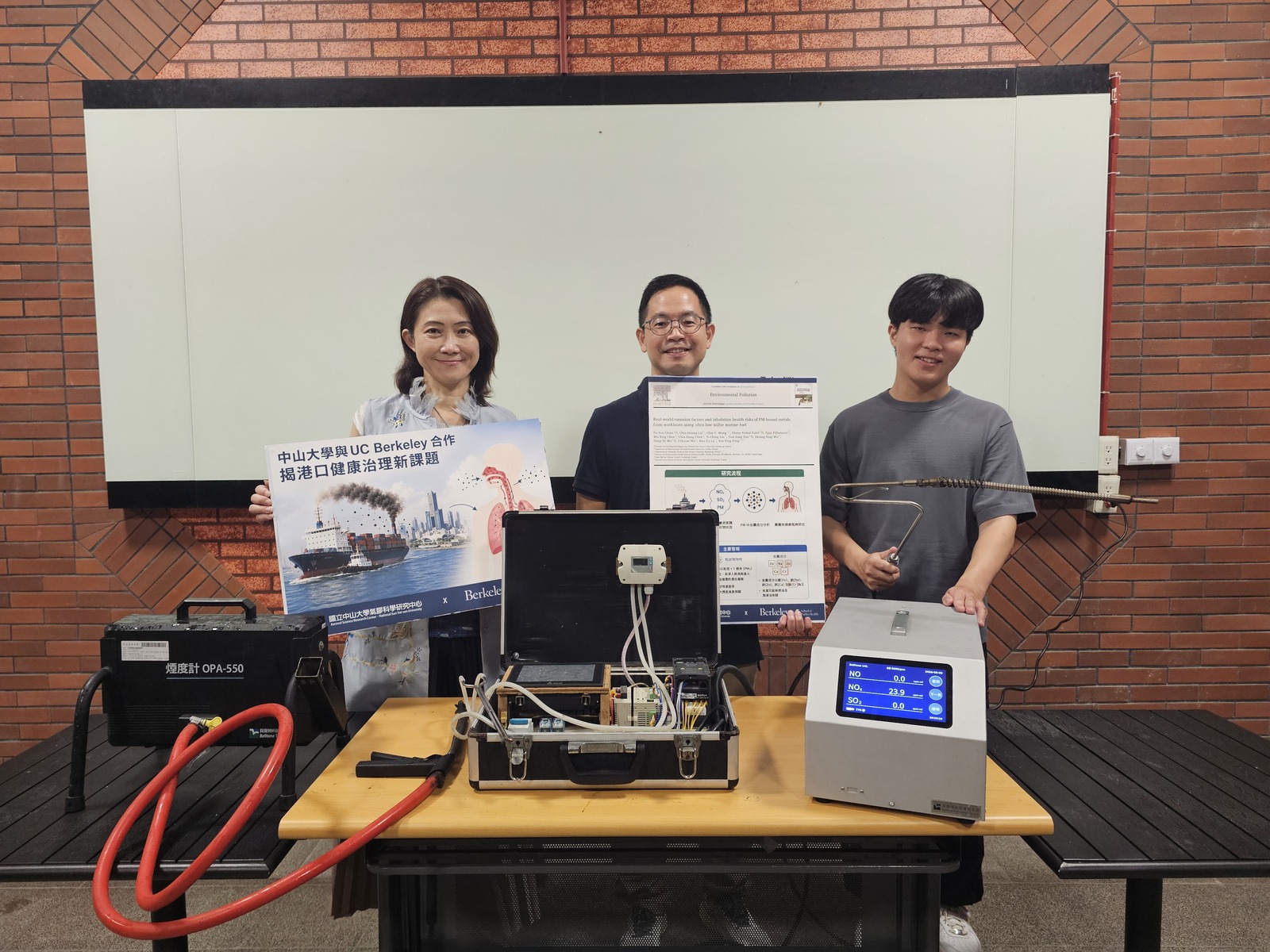
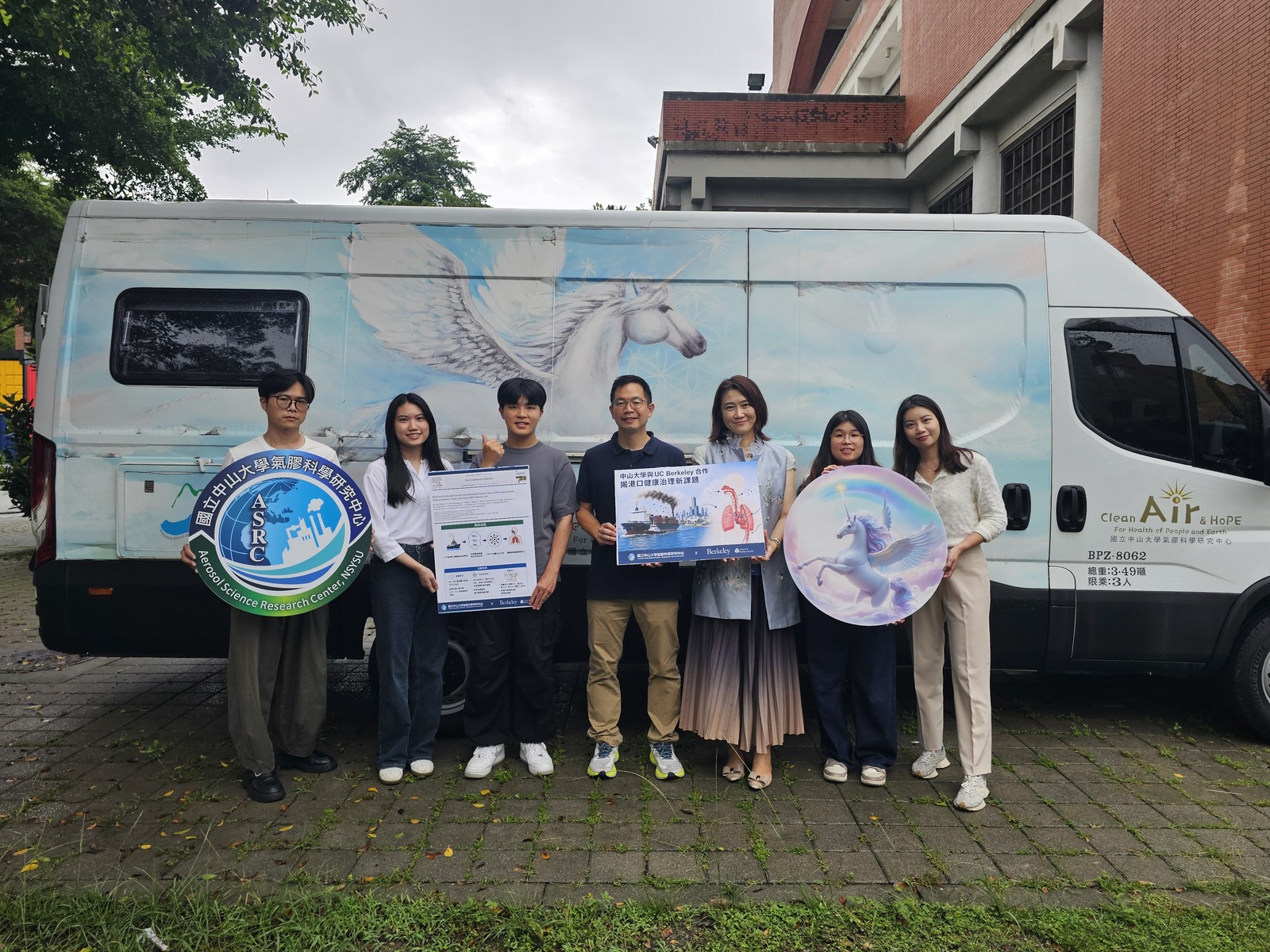
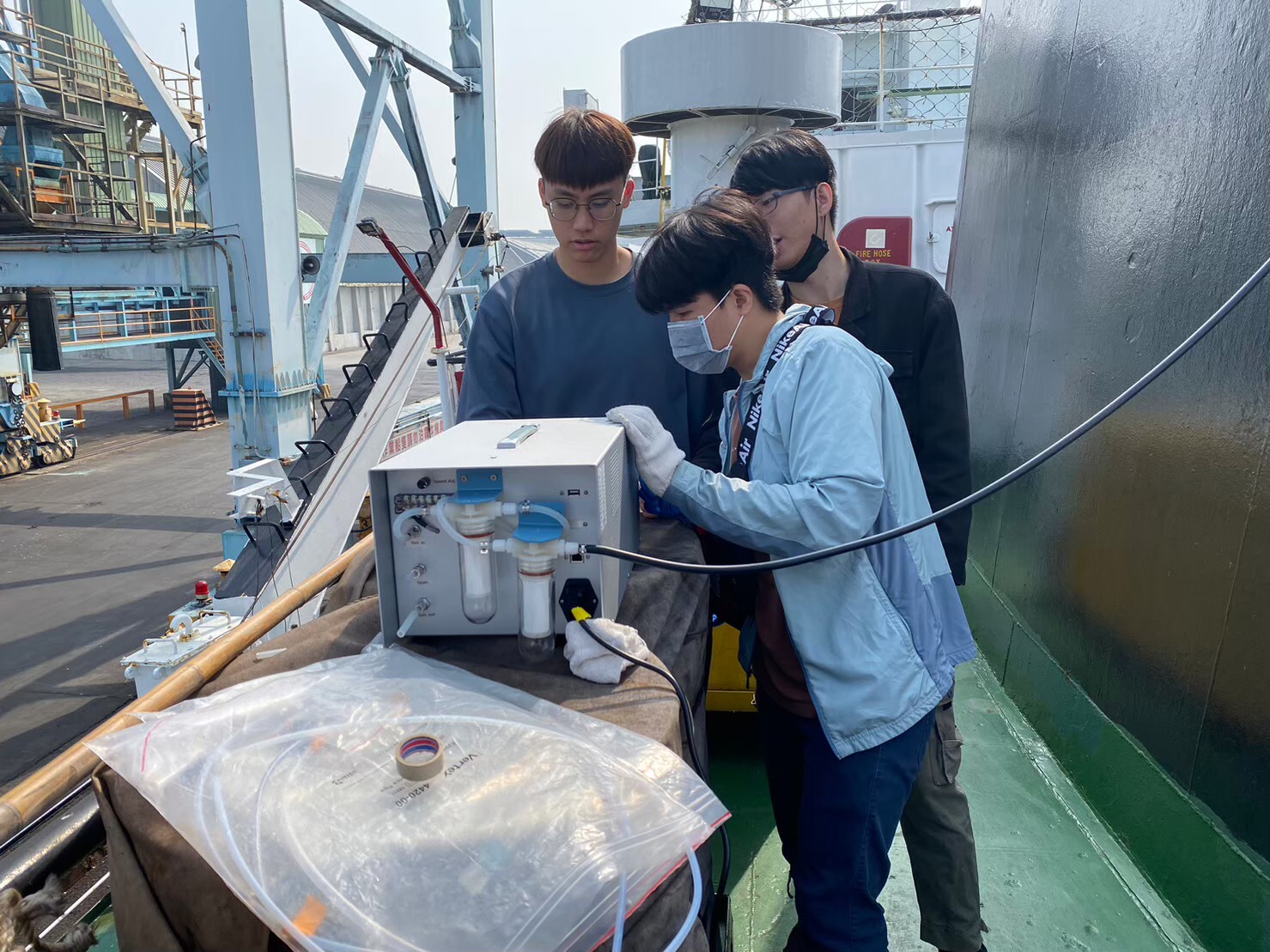
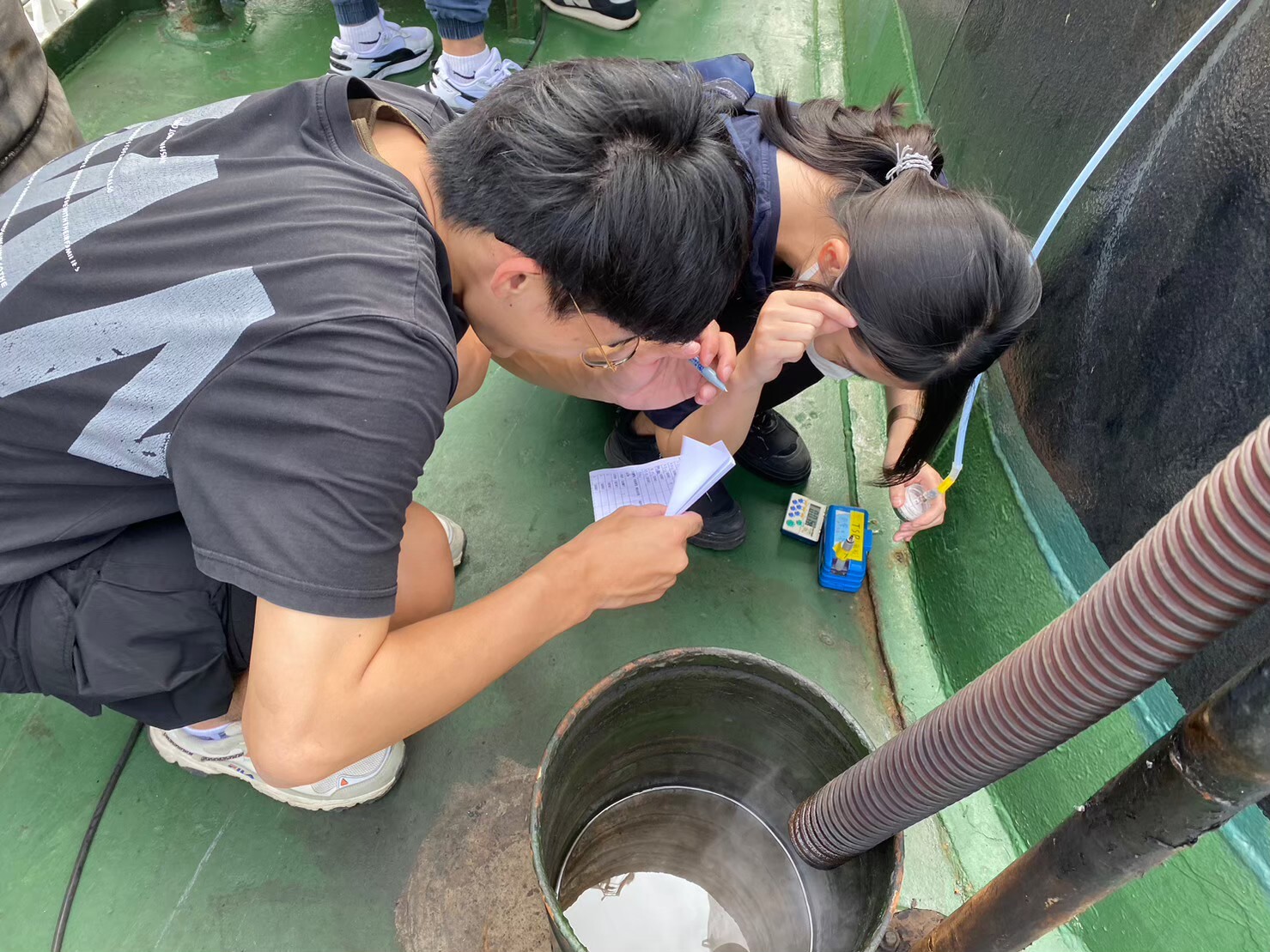
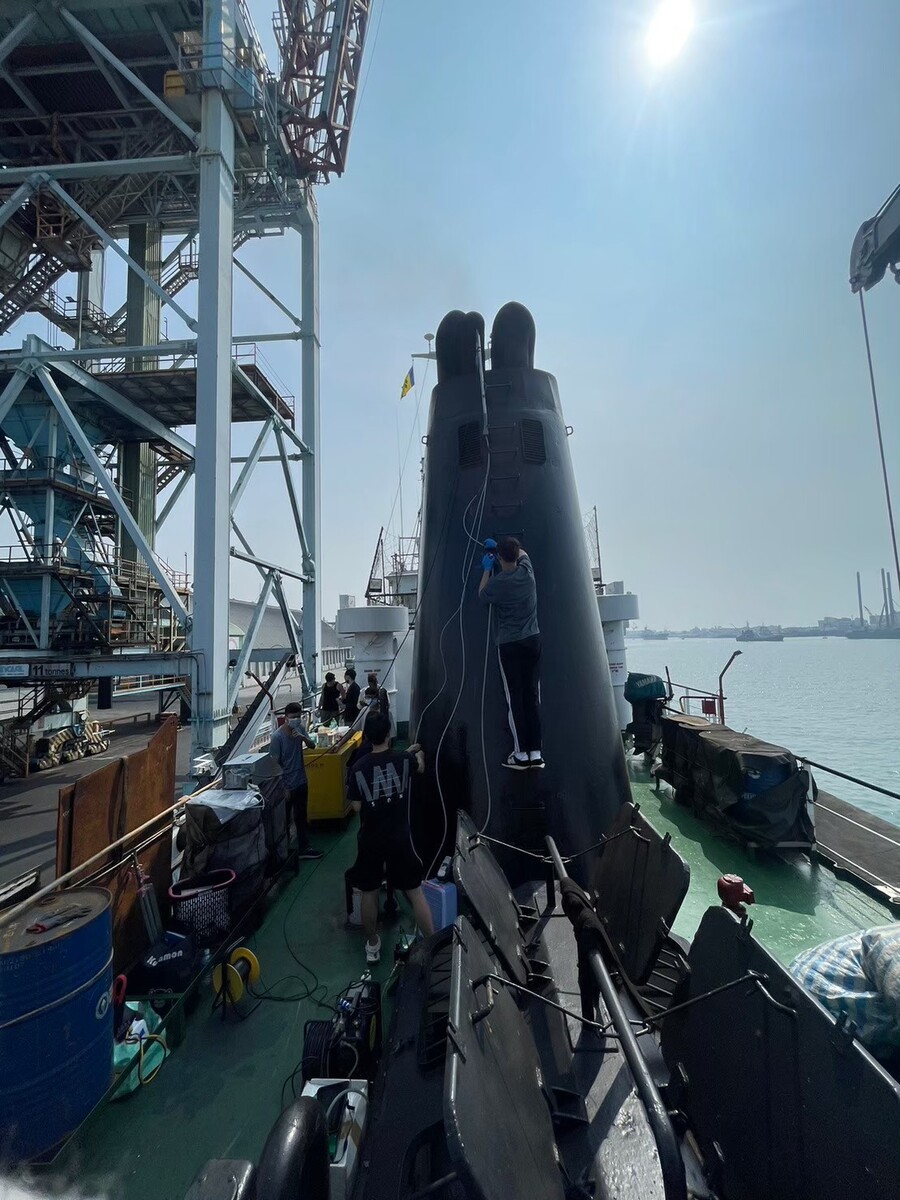
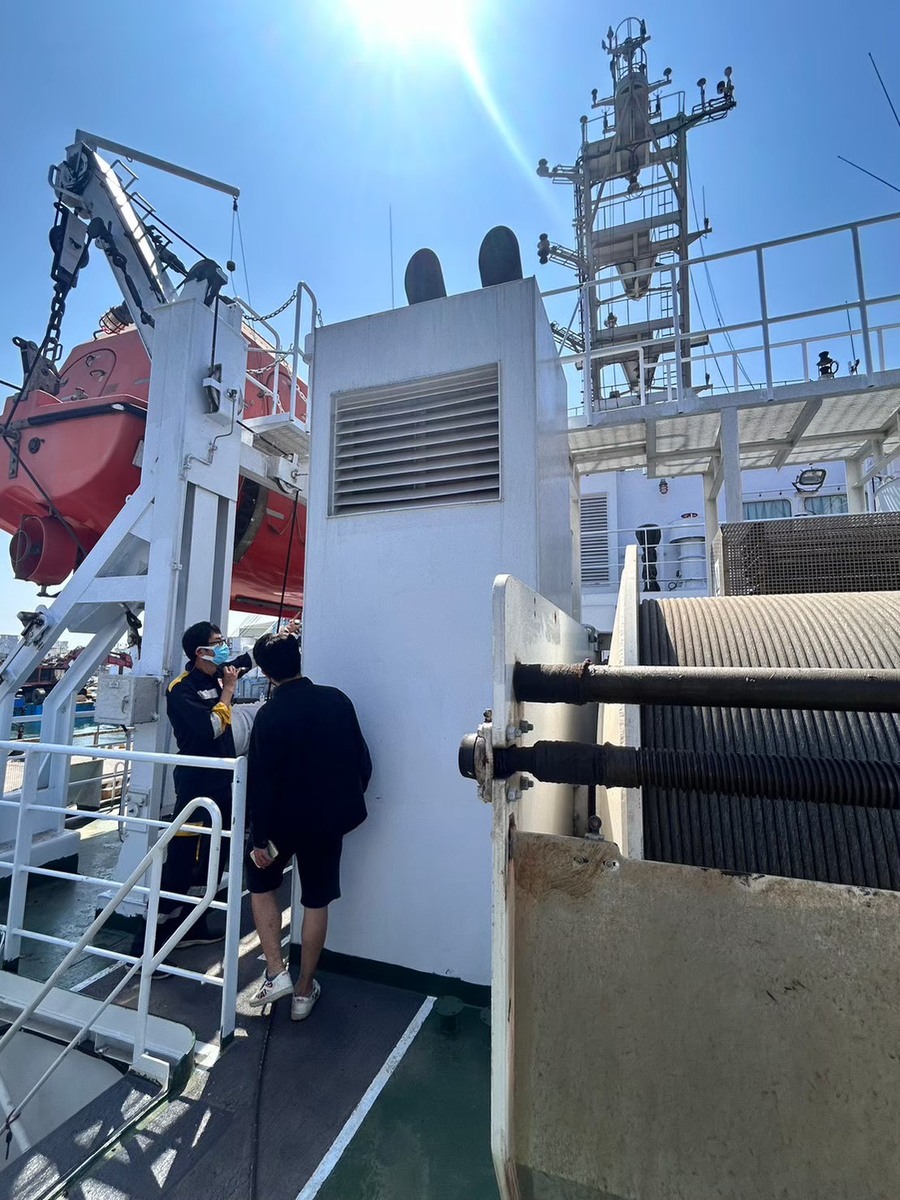
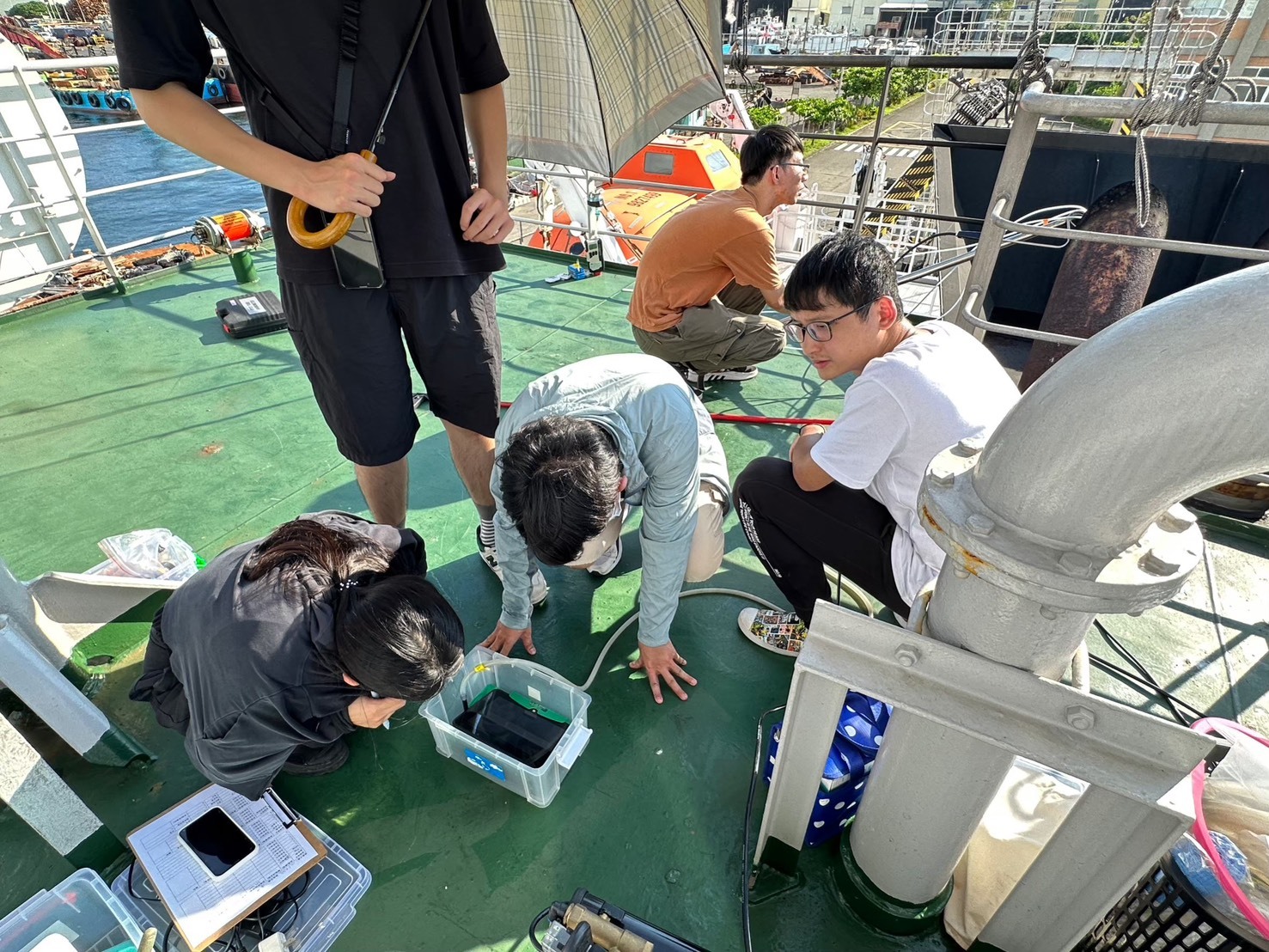
The study was led by the Aerosol Science Research Center at NSYSU in collaboration with the School of Public Health at the University of California, Berkeley, a globally recognized institution in public health research. The findings were published in the international environmental science journal Environmental Pollution. Researchers conducted real-time monitoring of three workboats operating on ultra-low sulfur fuel during berthing operations in Kaohsiung Port, analyzing gaseous and particulate matter emissions and assessing associated health risks.
The results confirmed that ultra-low sulfur fuel effectively reduces sulfur oxide emissions, demonstrating the significant emission-reduction benefits achieved by the International Maritime Organization's (IMO) global sulfur cap regulations. However, nitrogen oxides remain a major source of pollution. Most emitted particles were identified as ultrafine particulate matter (PM1), with diameters less than 1 micrometer. Because these particles are dozens of times smaller than a human hair, they can bypass the body's natural defense mechanisms, penetrate deep into the alveoli, and potentially enter the bloodstream after inhalation.
Of particular concern, researchers detected metallic elements including iron, sodium, zinc, calcium, and chromium in the particulate matter. These metallic elements are likely associated with fuel combustion and lubricating oils. Among them, chromium was identified as one of the primary contributors to both carcinogenic and non-carcinogenic health risks. The research team emphasized that these findings do not suggest that sulfur regulations are ineffective. Rather, they indicate that, after achieving substantial reductions in sulfur oxides, future port air-quality management should place greater emphasis on controlling nitrogen oxides and ultrafine particles.
According to the research team, Kaohsiung Port has implemented a range of air-quality improvement measures in recent years, including adopting ultra-low sulfur fuel, implementing continuous air-quality monitoring, implementing vessel speed reduction programs, and installing and promoting shore power facilities. These efforts have generated positive environmental benefits for the port area. The study further confirms the effectiveness of these measures in reducing sulfur oxide emissions.
Beyond ultra-low sulfur fuels, ports around the world are actively developing shore power systems and alternative green fuels such as liquefied natural gas (LNG), green methanol, green ammonia, and hydrogen energy, to further reduce the environmental and health impacts of ship emissions. However, these technologies and supporting infrastructure require substantial investment and involve challenges related to energy supply chains, vessel upgrades, and regulatory harmonization. Accelerating the maritime sector's transition toward net-zero emissions will therefore require coordinated efforts from port authorities, the shipping industry, energy providers, and policymakers.
Corresponding author Professor Yen-Ping Peng of the Institute of Environmental Engineering at NSYSU noted that this study is among the few conducted worldwide after the implementation of the sulfur cap to perform real-time measurements and health-risk assessments of vessels using ultra-low sulfur fuel under actual berthing conditions. The findings not only validate the emission-reduction benefits of sulfur regulations but also provide important scientific evidence for future port air-quality management, ship emission-control strategies, sustainable port development, and health-risk assessment.
Director Chia C. Wang of the NSYSU Aerosol Science Research Center added that air is a shared public resource. People live under the same sky and collectively experience its effects on air quality. In recent years, the research team has continuously investigated port-related air pollution and associated health risks while promoting the concept of "Breathing Civilization." Through the perspectives of respiratory health and environmental sustainability, the initiative encourages society to rethink humanity's relationship with the planet and its future.
Looking ahead, the Center will continue advancing the "Port Health & Breathing Cities Initiative," integrating research on port air quality, health risks, and sustainable governance. The initiative aims to support ports in their transition toward low-carbon, healthy, and sustainable development while helping create safer, healthier living environments for future generations.