
Kin-Lu Wong, Outstanding Chair Professor at the Department of Electrical Engineering, NSYSU, receives the 33rd TECO Award
2026-11-26
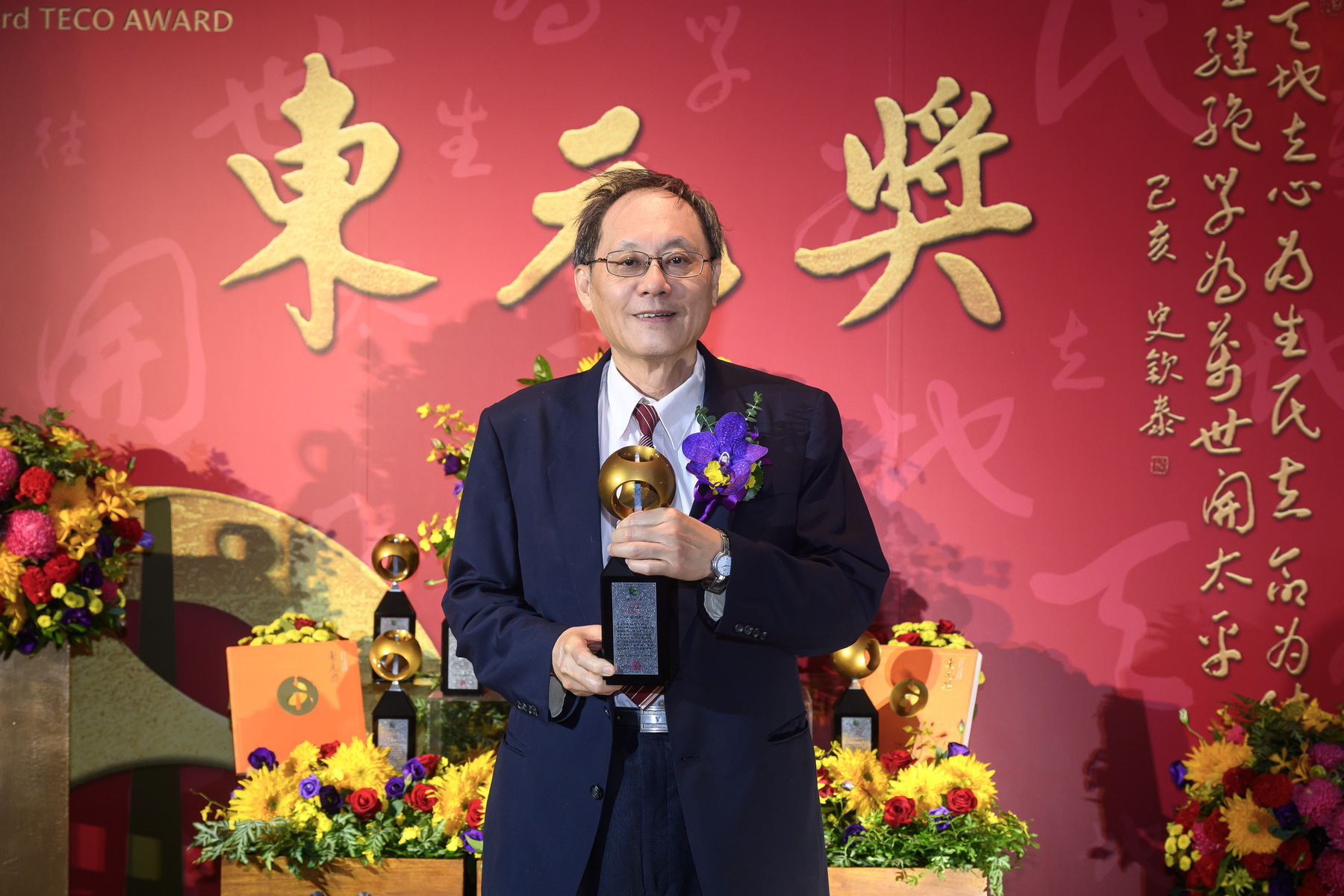
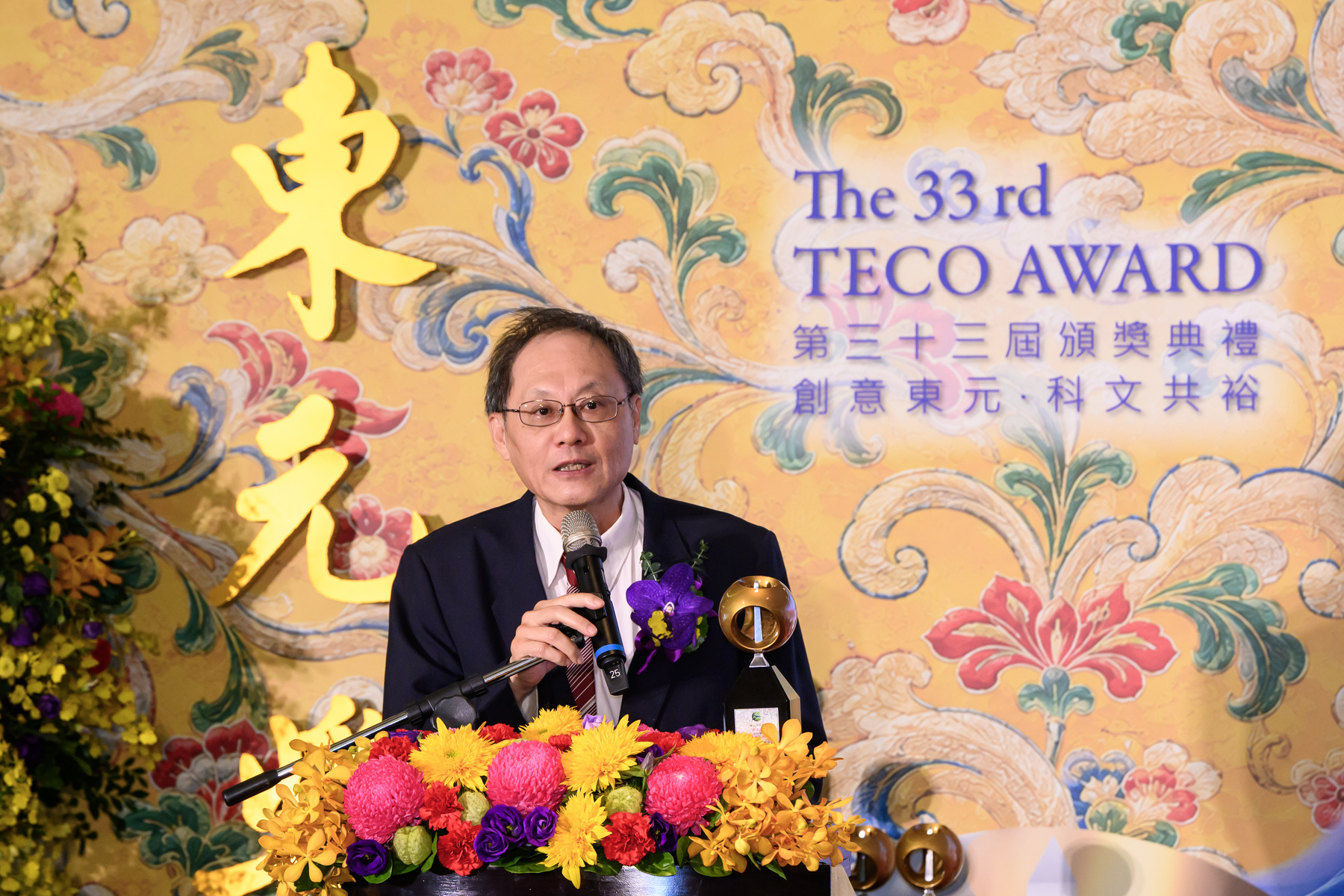
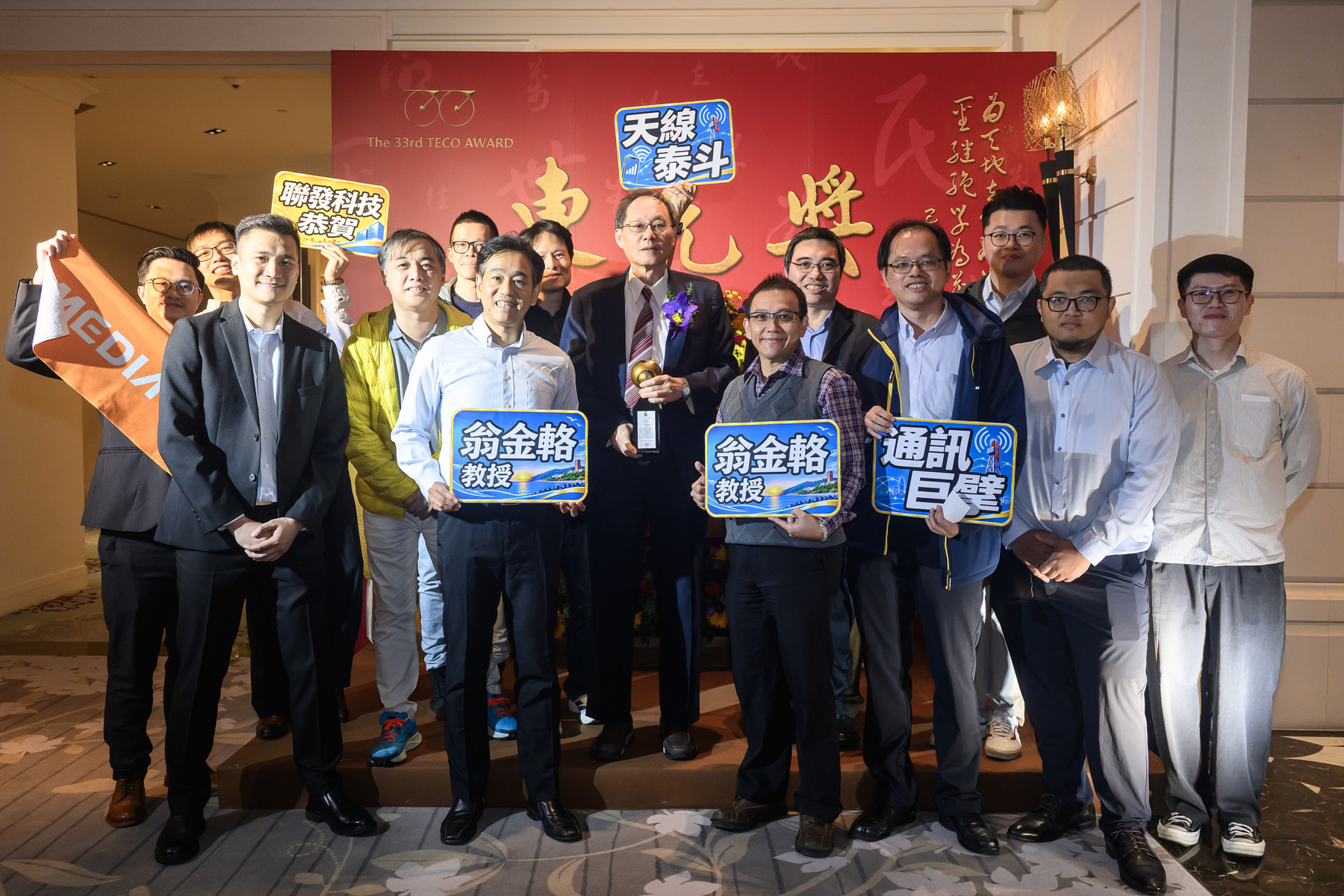
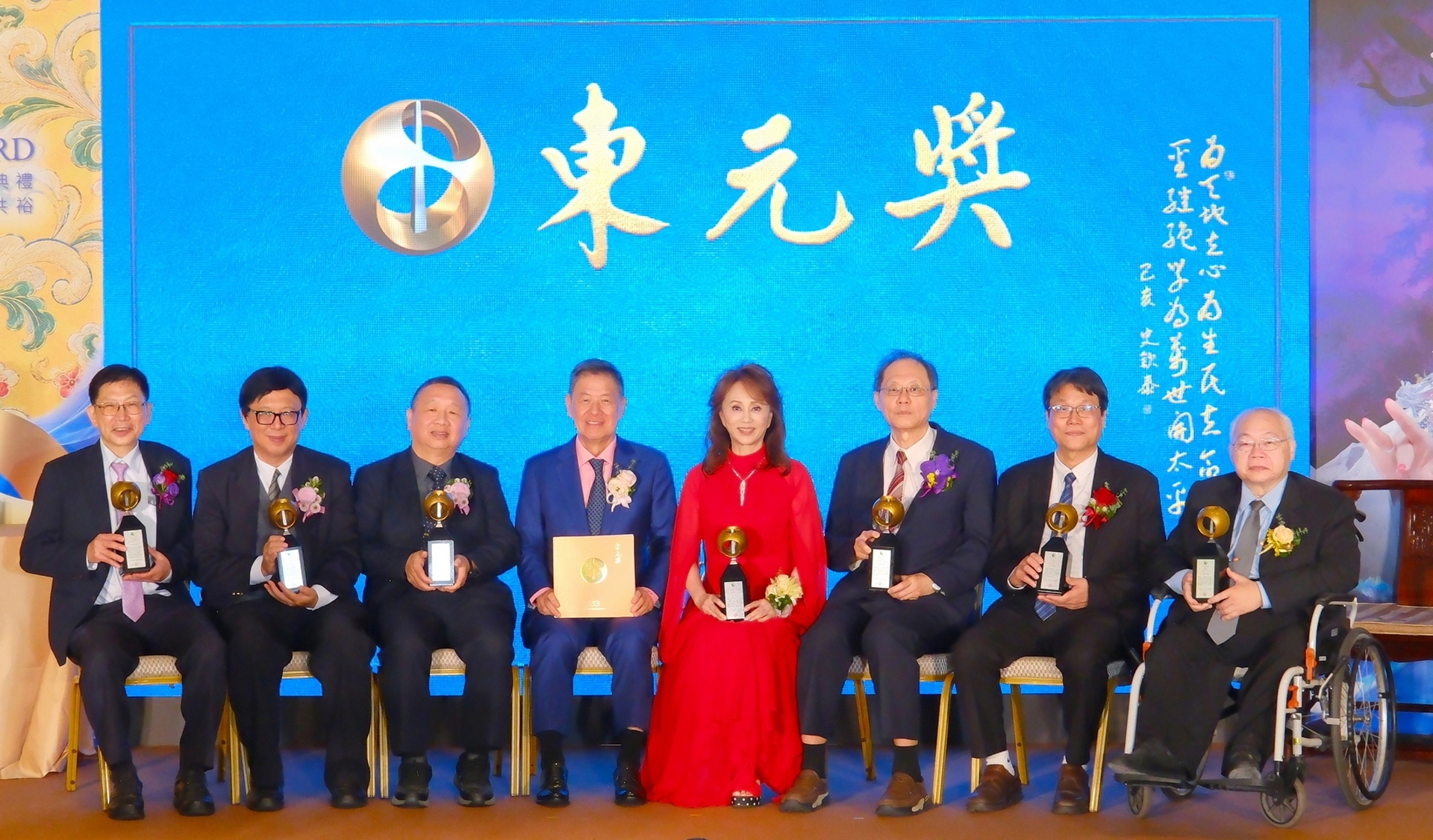
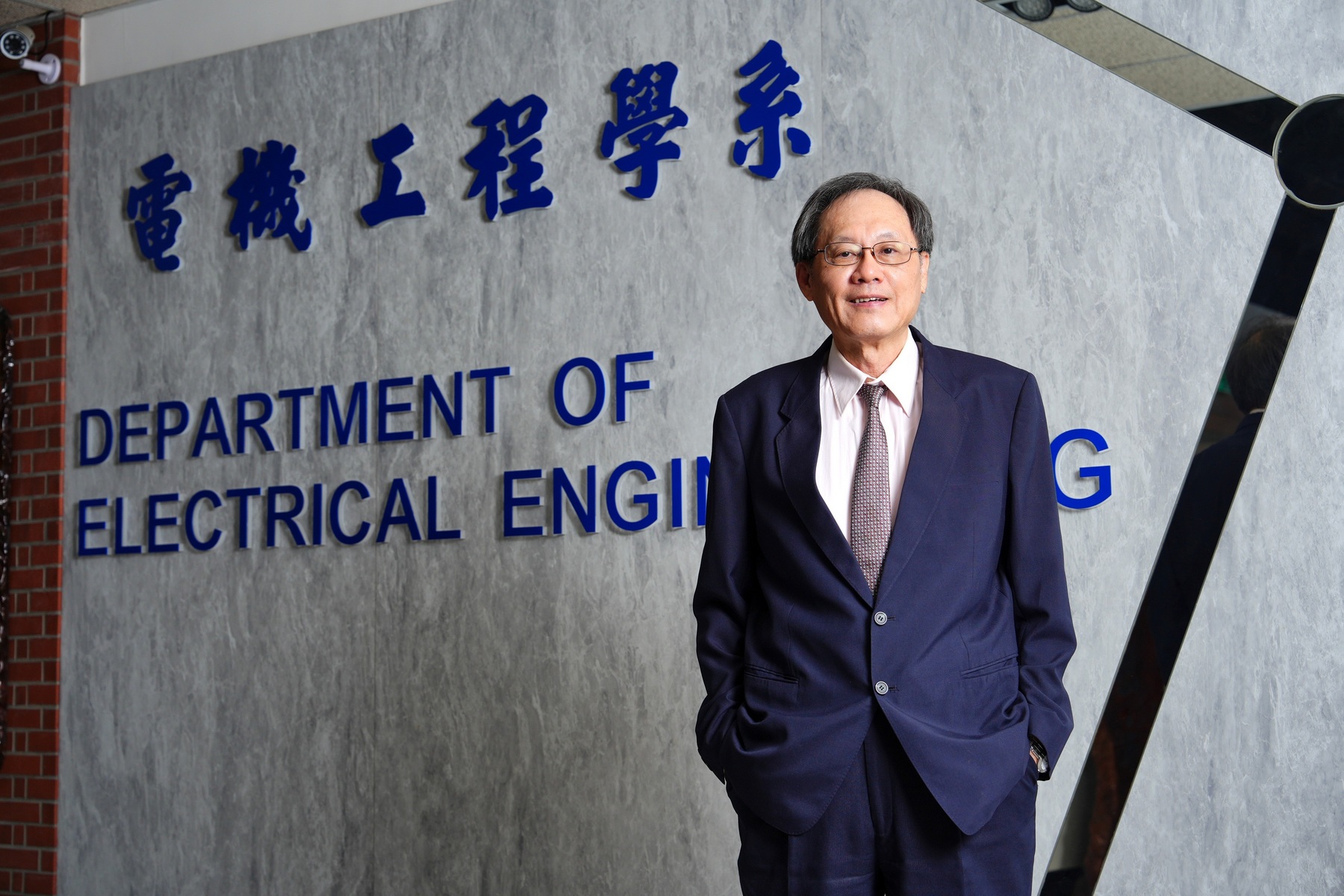
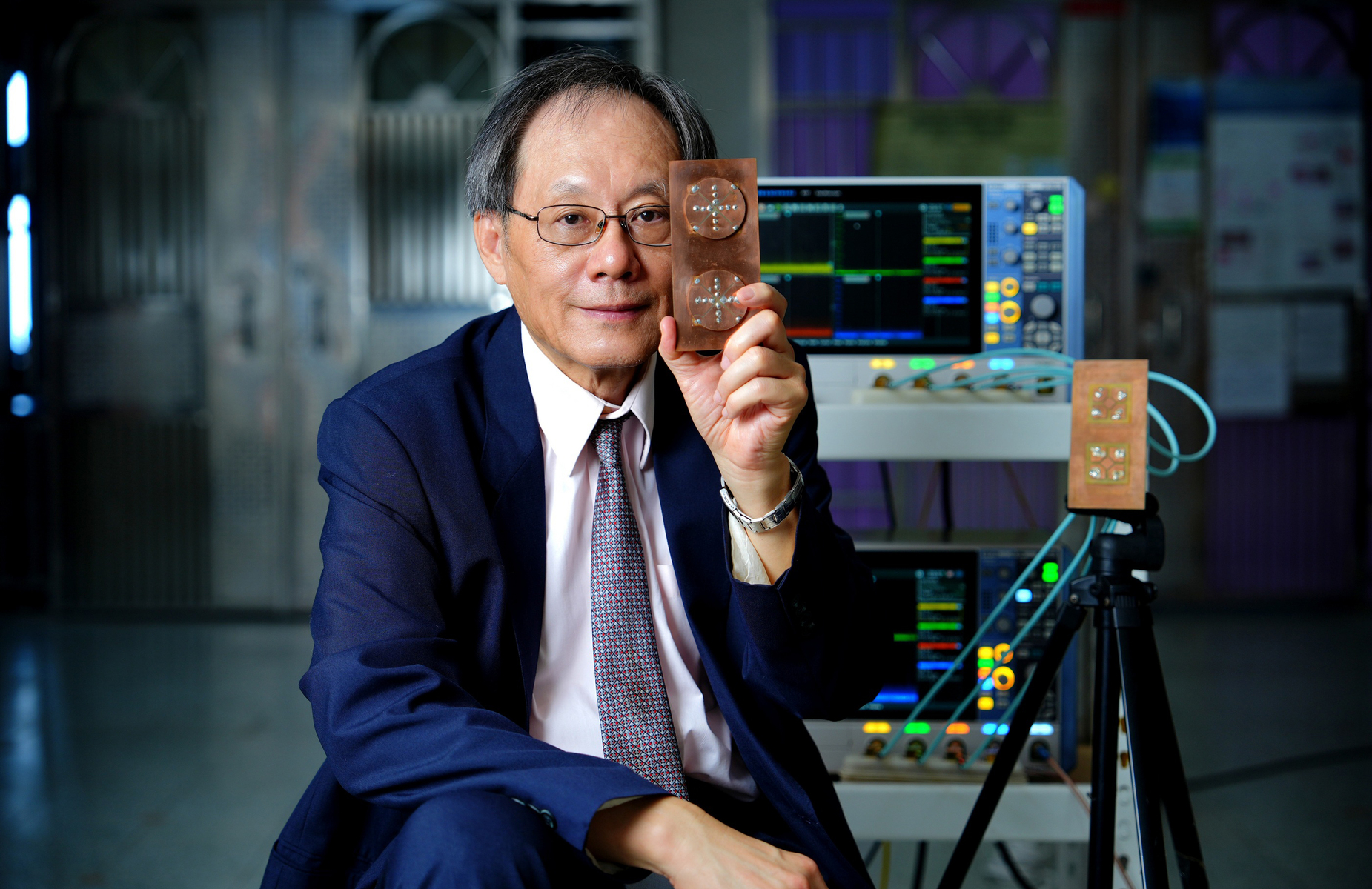
Kin-Lu Wong, Outstanding Chair Professor at the Department of Electrical Engineering, National Sun Yat-sen University (NSYSU), receives the 33rd TECO Award.
Recognized for contributing to mobile communication antenna research, pioneering key technologies in planar antennas and MIMO antenna systems to lead global 5G/6G development. His renowned academic research, paired with fruitful patent transfers and industry collaborations, has significantly enhanced the international competitiveness of Taiwan's communication industry.
Professor Wong graduated from the Department of Electrical Engineering at National Taiwan University in 1981. After two years of military service, he received a scholarship to Texas Tech University, where he enrolled in the Department of Electrical Engineering and received his Ph.D. in 1986, primarily focusing on high-energy pulsed power research. From 1986 to 1987, he conducted postdoctoral research at the Max Planck Institute in Germany, focusing on plasma-nuclear fusion research related to high-energy pulsed power. He returned to Taiwan in August 1987 and accepted a position as an associate professor in the Department of Electrical Engineering at National Sun Yat-sen University, beginning his teaching and research work in Taiwan.
In the early stages of his research, Professor Wong continued his work on plasma-nuclear fusion; and based on his research achievements, he was promoted to Professor in 1991. Since 1990, Professor Wong has shifted his research focus to the theory and application design of mobile communication antennas in line with the development of the domestic communications industry. He has been engaged in this research for over 36 years and is a pioneer in the field of mobile antennas both domestically and internationally.
He has developed innovative antenna solutions for various mobile communication terminals, from 3G (2000~), 4G (2010~), 5G (2020~) to the development of antennas for the future (expected 2030~) 6G terminals. His academic publications include 3 books, 600 journal articles, and over 100 US patents. His work has been cited over 39,000 times, with an H=93 (Google Scholar).
His related achievements have garnered numerous academic honors, including the National Science Council Outstanding Research Fellow Award (2013), the Ministry of Education Lifetime National Professorship (2023), Thomson Reuters HiCi Researcher (2014, 2015), IEEE Fellow (2007), and IEEE Life Fellow (2026).
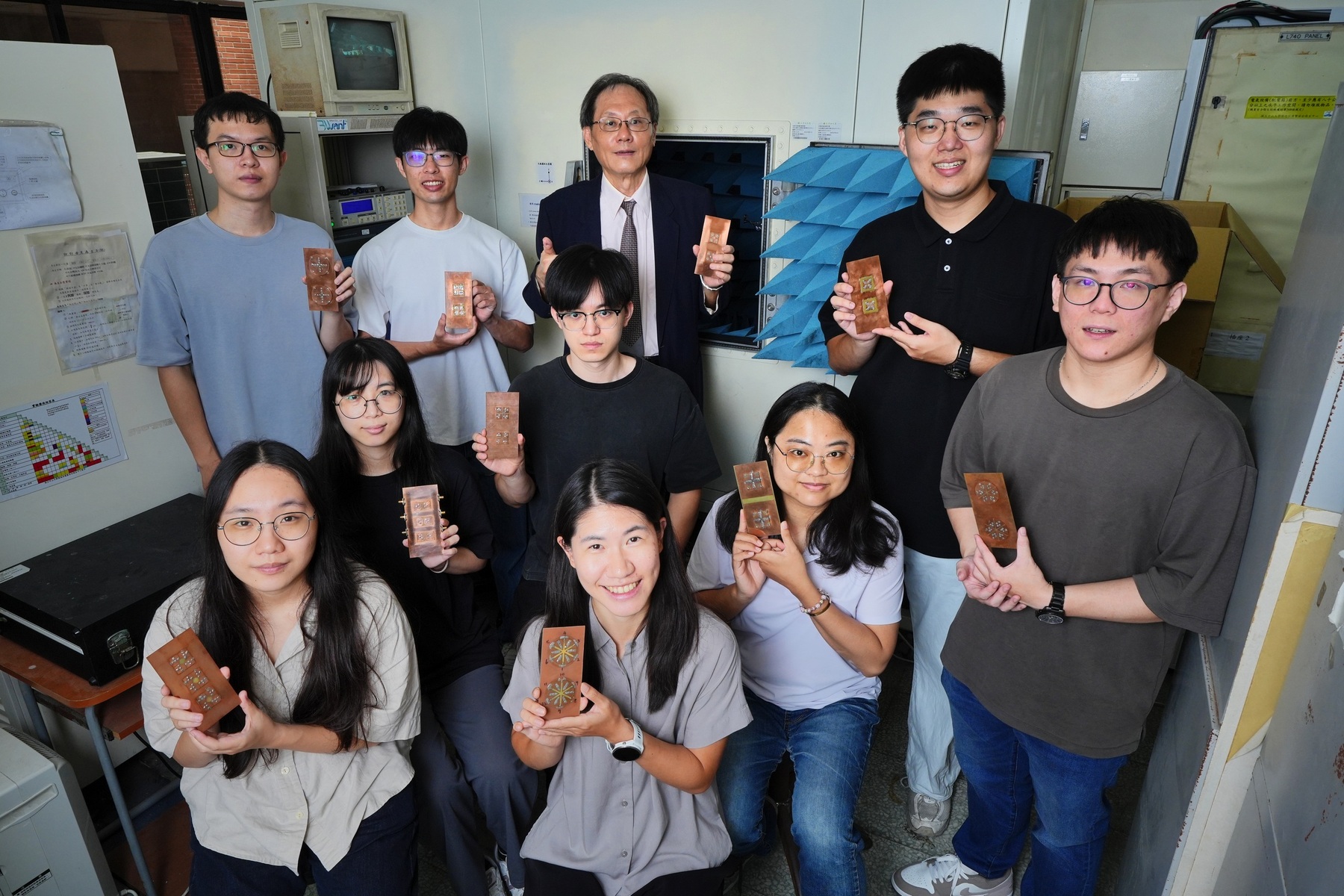
In 2010, for his contributions to Taiwan in the field of antenna research, he was selected as one of the “100 New Shining Stars of Taiwan” as a special tribute to the centennial of the Republic of China by *Global Views Magazine*. To date, at National Sun Yat-sen University, he has mentored 57 doctoral students and over 100 master’s students, cultivating high-level mobile antenna talent for Taiwan.
Furthermore, in his research on 4G/5G to 6G terminal antennas, Professor Wong has pursued interdisciplinary technology, combining terminal antennas and communication system technologies to develop a higher-order MIMO communication system test platform. This platform can directly test the transmission rate of the mobile communication with the terminal antennas, directly linking antenna technology with the user’s communication experience and leading the development of mobile communication antenna technology.
Technical Contributions
Professor Wong’s research on mobile communication antennas includes fundamental theoretical research and innovative antenna design schemes for third- and fourth-generation (3G/4G) mobile phone terminals. His contributions have led to the realization of mobile phones without external antennas since the 2000s, a design characteristic still prevalent in today’s smartphones.
Furthermore, since 2016, he has developed and applied the MIMO (Multi-Input Multiple-Output) antenna system architecture for 5G mobile communication, which has now become mainstream in 5G mobile communication, reflecting Professor Wong’s forward-looking research in mobile communication antennas.
Regarding innovative terminal antenna solutions for the transition from 5G to 6G, Professor Wong proposed a use-equipment (UE) extreme receive antennas-aided MIMO
communication system or a UE X MIMO system. This system leads forward-looking innovative thinking in mobile communication antennas by introducing higher-order MIMO (such as 8x4 MIMO) multi-antenna system architecture into the terminal.
With eight smartphone MIMO antennas receiving four spatial signal streams, it can compensate for signal transmission path loss in the 6/7 GHz band, a popular core spectrum of 6G, in the most economical and energy-efficient way. It also achieves twice the spectral efficiency of 5G mid-band 4 x 4 MIMO with minimal energy consumption, realizing the vision of 5G/6G base station co-location driven by 6G networks.
In terms of research team establishment, Professor Wong led the team to establish the “6G Communication and Sensing Research Center,” a Ministry of Education Higher Education Sprout Project Funded Research Center (2023~), which is the only research center in Taiwan focusing on 6G mobile communication.
Simultaneously, he also led the research team in the National Science Council's “6G Forward-Looking Academic Research and Development Project” (2022~), a large-scale integrated project combining antenna, RF components, signal processing, and communication technologies to expand research results for future 6G studies.
At major international academic events, Professor Wong led his team and served as Conference General Chair to organize important international academic conferences, including the 2012 Asia-Pacific Microwave Conference (APMC), the 2014 International Conference on Antennas and Propagation (ISAP), and the 2016 IEEE Asia-Pacific Conference on Antennas and Propagation (APCAP), all held in Kaohsiung, enhancing Taiwan’s influence in the international academic field. In 2023, he also served as the honorary chairman of the APMC conference held in Taipei, assisting in the organization of the conference.
Regarding the cultivation of antenna talent in Taiwan, Professor Wong has served as the convener of the judging panel for the “National Communication Antenna Design Competition,” organized by the Industrial Development Agency of the Ministry of Economic Affairs, for 13 consecutive years from 2014 to 2026. He has also helped plan the competition’s main theme to align with international mobile communication development trends and secure sponsorships from manufacturers. Over the past decade, he has facilitated the entry of more than 100 antenna talents who participated in the competition into Taiwan's communications industry.
Future Prospects of Research
Multiple-input multiple-output (MIMO) antenna system technology applied to mobile communication terminals has become one of the key technologies for future mobile communications. Professor Wong will continue to work hard and dedicate himself to leading the research team and cultivating high-level communication antenna talents to develop innovative MIMO antenna system solutions for next-generation 6G mobile terminals. At the same time, he will conduct cross-disciplinary research on antennas and communications, and cooperate with relevant domestic communications industries to make concrete contributions to the advancement of next-generation communication technologies and the cultivation of related talents for Taiwan's communications industry.
Click Num:
Share