
NSYSU establishes the first international growth coding system for djulis, hailed as a future crop
2026-03-23
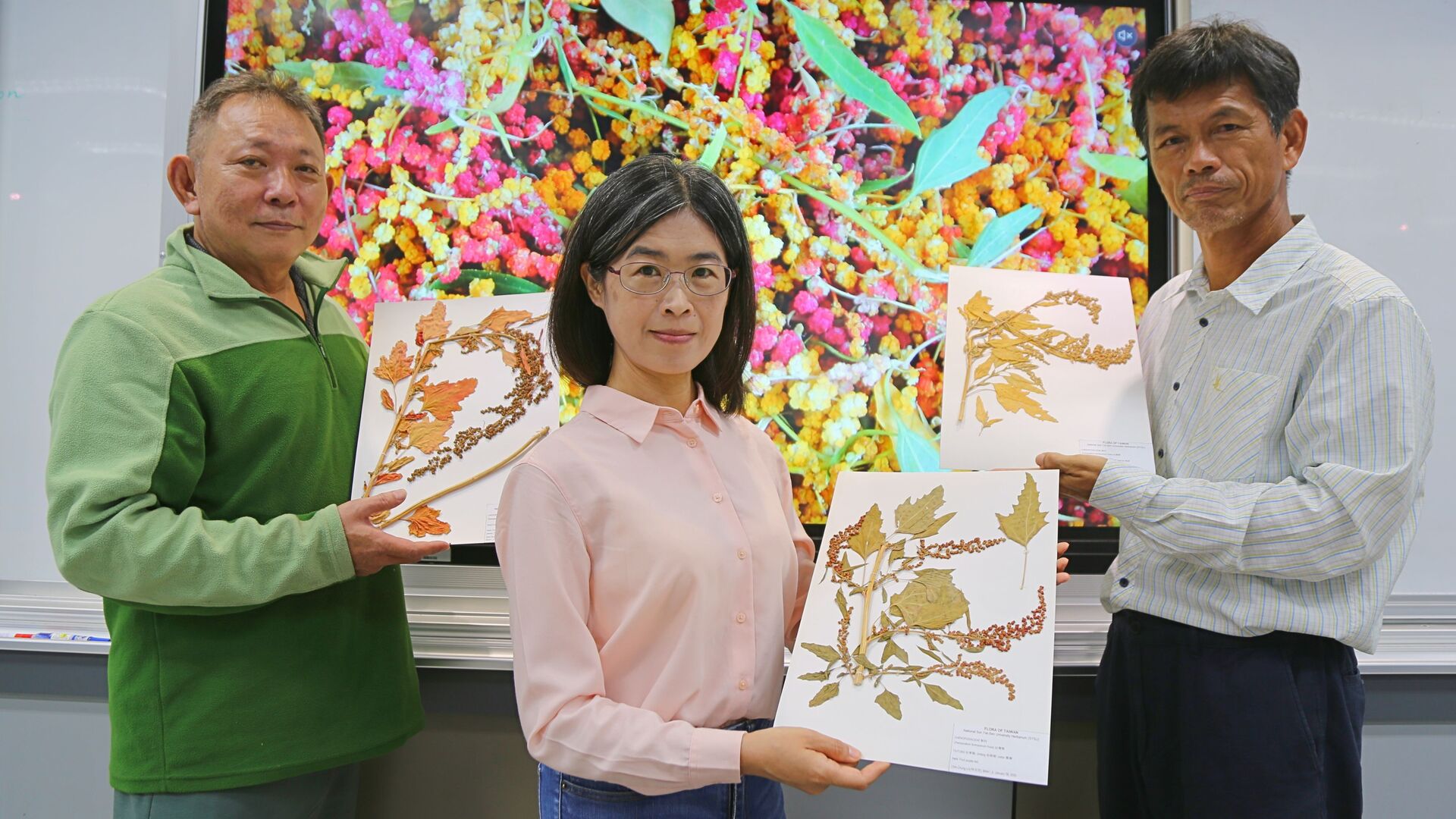
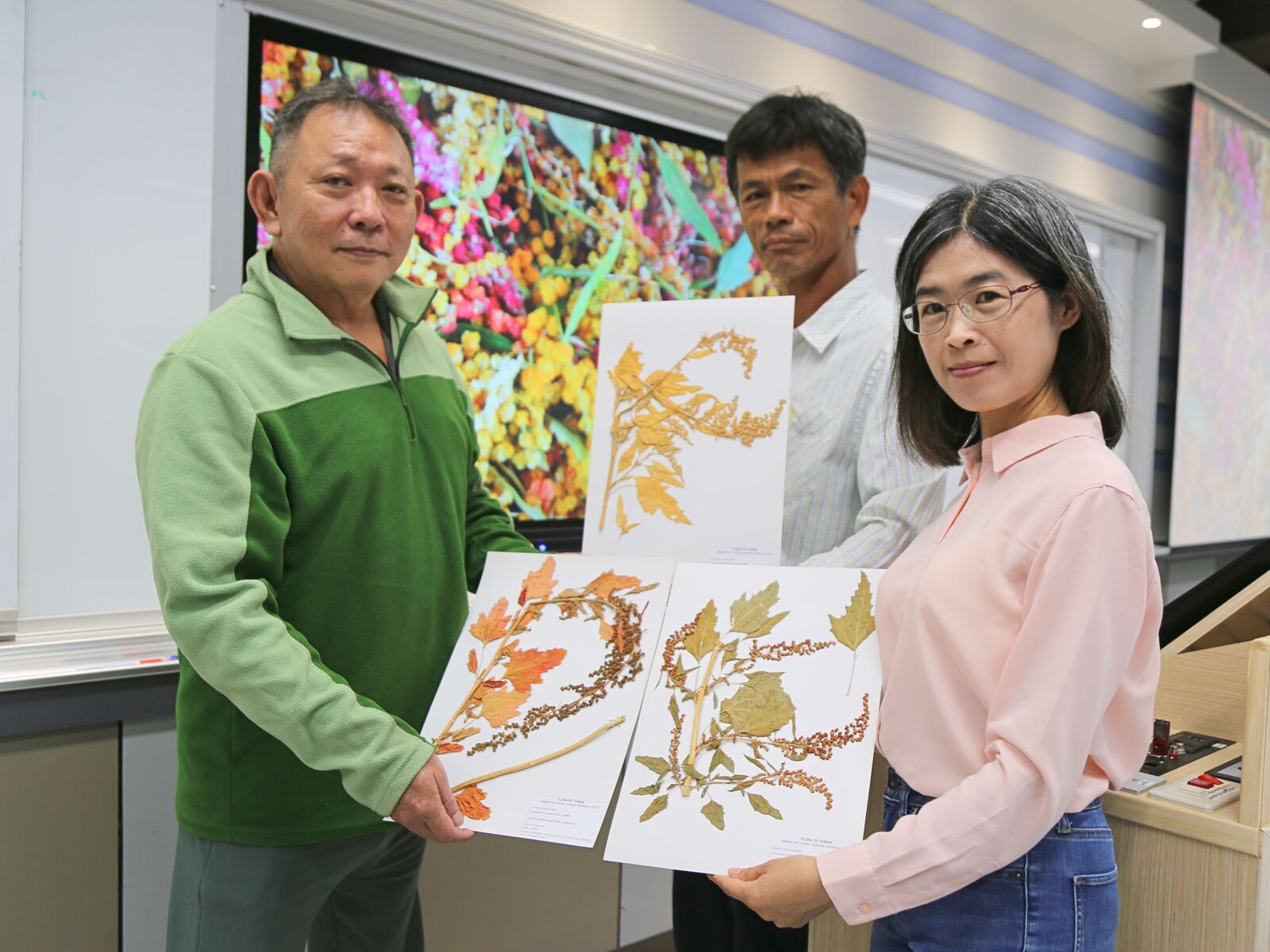
Djulis (Chenopodium formosanum Koidz.), also known as red quinoa and often referred to as a "ruby," is a cultivated chenopod originally from Taiwan. It has been hailed as a highly promising future food due to its exceptional nutritional value and strong tolerance to drought and salinity. Shih-Hui Liu, Associate Professor in the Department of Biological Sciences at National Sun Yat-sen University (NSYSU), has long been dedicated to research on djulis. Her team has recently established the first standardized growth stage code system specifically for djulis using the internationally recognized Biologische Bundesanstalt, Bundessortenamt und CHemische Industrie (BBCH) extended scale. This achievement not only provides a precise tool for agricultural management but also carries far-reaching significance for cultivar development, genotypic research, and cultural preservation.
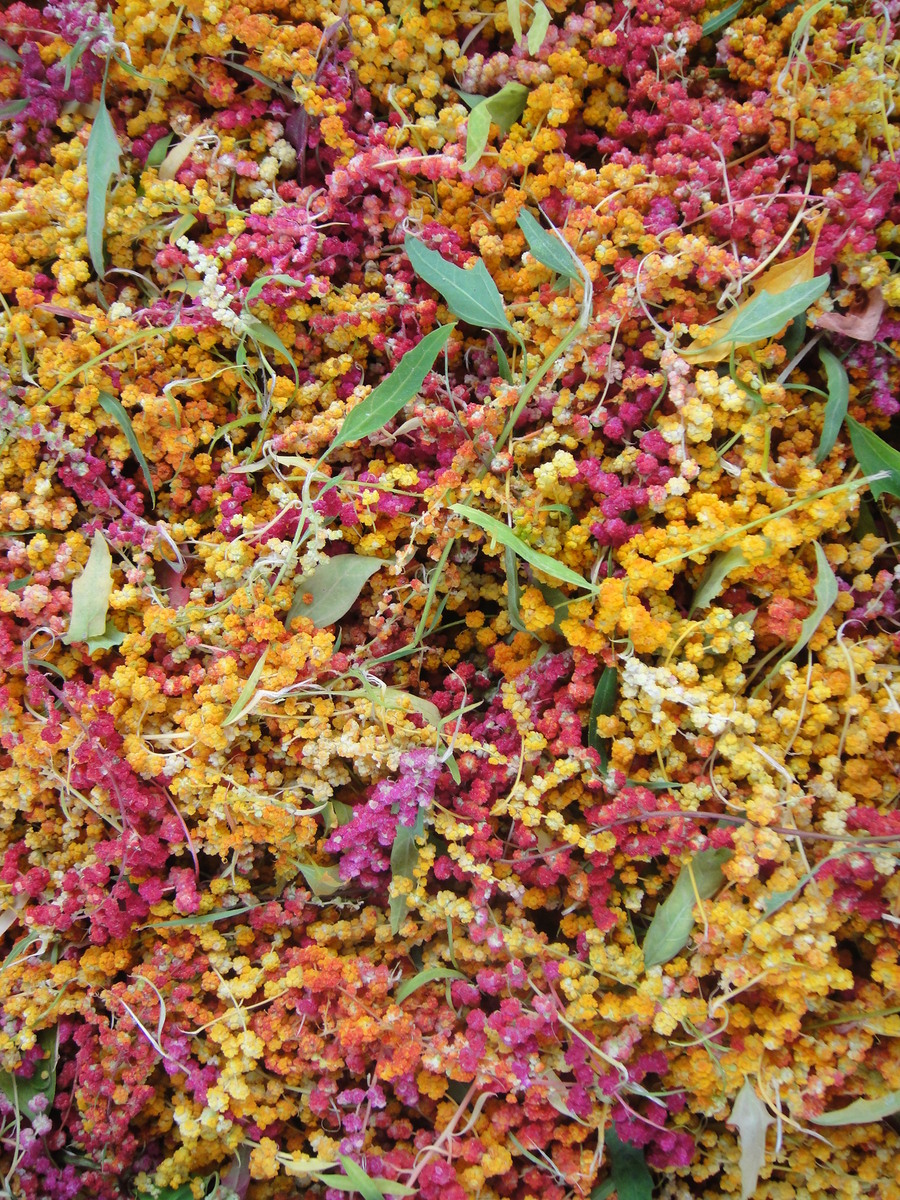
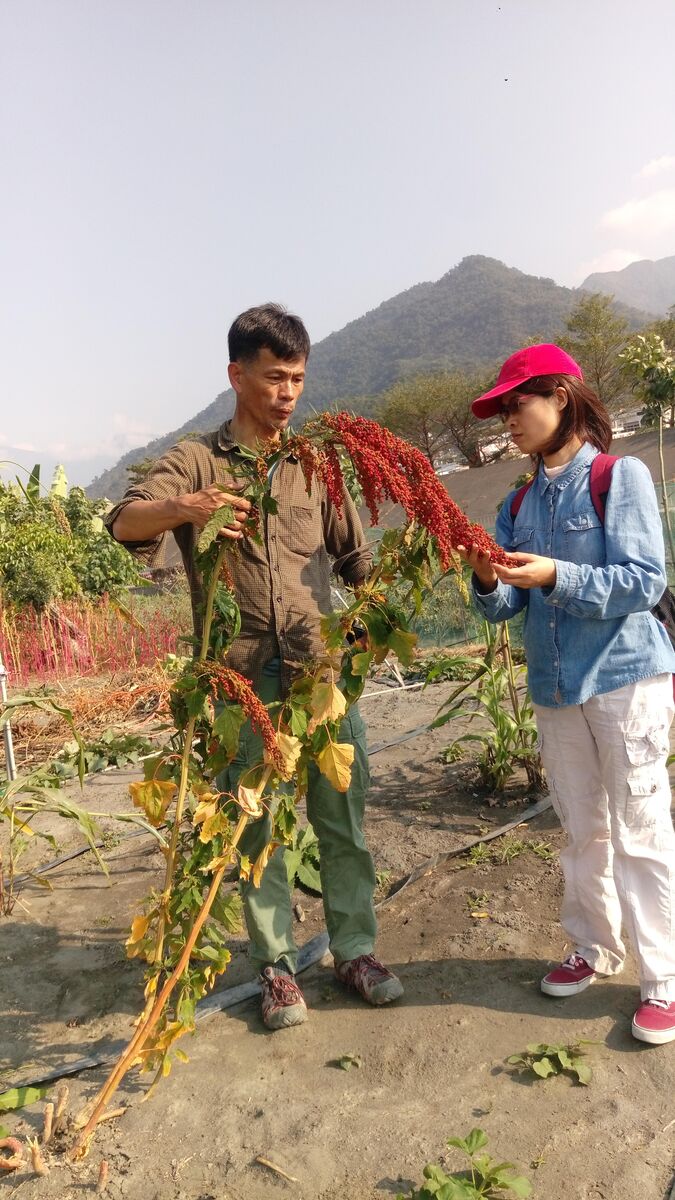
Liu noted that djulis has long been an important crop cultivated by Indigenous peoples. In traditional farming systems, red quinoa was often grown alongside foxtail millet as a companion crop. Its grains were typically steamed together with foxtail millet, while ground djulis served as a key ingredient in brewing foxtail millet wine—an indispensable element of Indigenous rituals and cultural ceremonies. During the harvest season, the panicles display vibrant hues of red, purple, black, orange, and yellow, transforming vast fields into landscapes resembling rainbows and earning the name "rainbow fields," now embedded in tribal aesthetics. The colorful inflorescences are frequently woven into headdresses or used as decorative elements in traditional attire, symbolizing harvest, vitality, and cultural continuity. Within this cultural context, djulis is not merely a food crop but a symbol deeply rooted in the land and collective memory.
Beyond its cultural value, djulis is recognized for its high levels of protein, dietary fiber, and phytochemicals, making it a nutritionally superior grain. Liu emphasized that its ability to maintain normal growth under drought and saline soil conditions demonstrates remarkable environmental adaptability, drawing global attention amid climate change as a potential future staple crop. However, advancing precision agriculture management and breeding programs requires the establishment of standardized growth stage criteria. Accordingly, Liu's team adopted the internationally applied BBCH extended scale and, based on long-term field observations, systematically documented every growth stage of djulis—from germination to senescence—classifying them into nine principal stages and 39 secondary stages. In this system, the fourth principal stage, "development of harvestable vegetative plant parts," was omitted. Although young leaves are edible, the primary agricultural product is the grain. When approximately 90% of the grains reach maturity, the crop enters the harvest stage; the life cycle concludes as the plant dries and withers. This growth stage code system not only provides djulis with a phenological framework expressed in an internationally recognized language but also enables comparative studies across regions and cultivars, thereby facilitating future genetic research and elite variety development.
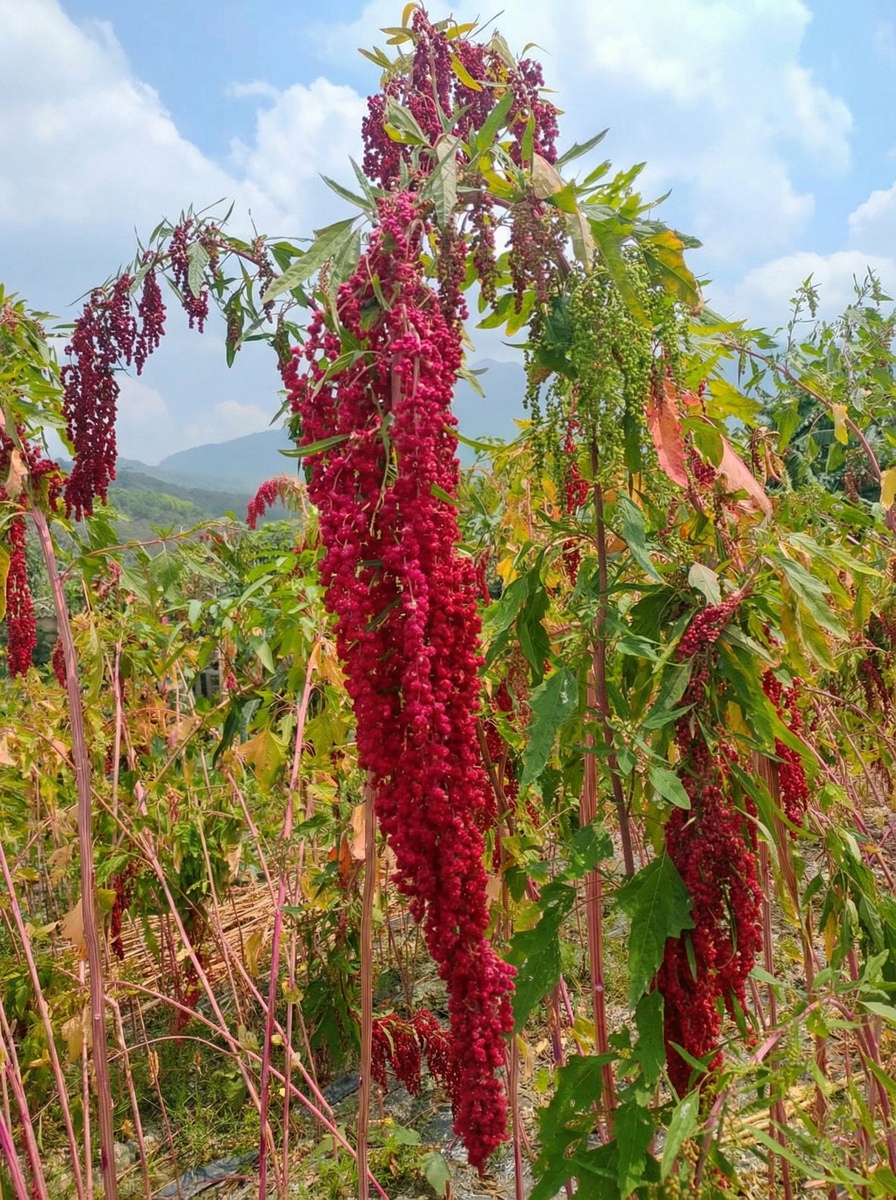
The study further reveals significant differences between djulis and its South American relative, quinoa, including a distinct stem elongation stage and pendulous inflorescence architecture. These characteristics influence growth dynamics and agricultural management practices, underscoring djulis's unique biological traits as an endemic species in Taiwan. The establishment of the BBCH growth code enables researchers to compare developmental differences within a unified framework, laying a stronger foundation for future taxonomic studies and breeding strategies.
Liu acknowledged that djulis symbolizes Indigenous culture, land-based memory, and agricultural wisdom. However, in recent years, large-scale cultivation of djulis in China, marketed as a health food, has raised concerns that low-priced imports could potentially impact Taiwan's domestic industry. She expressed hope that clearly defined growth standards and scientific identification criteria will strengthen academic evidence supporting Taiwan djulis's status as an endemic species, while also contributing to origin-based branding and protection strategies to prevent this important crop from being overshadowed in the global market. Through standardized data, researchers and agricultural managers can more precisely monitor developmental timing, formulate management strategies, improve yield and quality, and provide reliable tools for future genotypic research and elite cultivar development.