
Focusing on shared challenges in a changing world: NSYSU summer program facilitates regional dialogue among Taiwan and Southeast Asian youth
2026-08-17
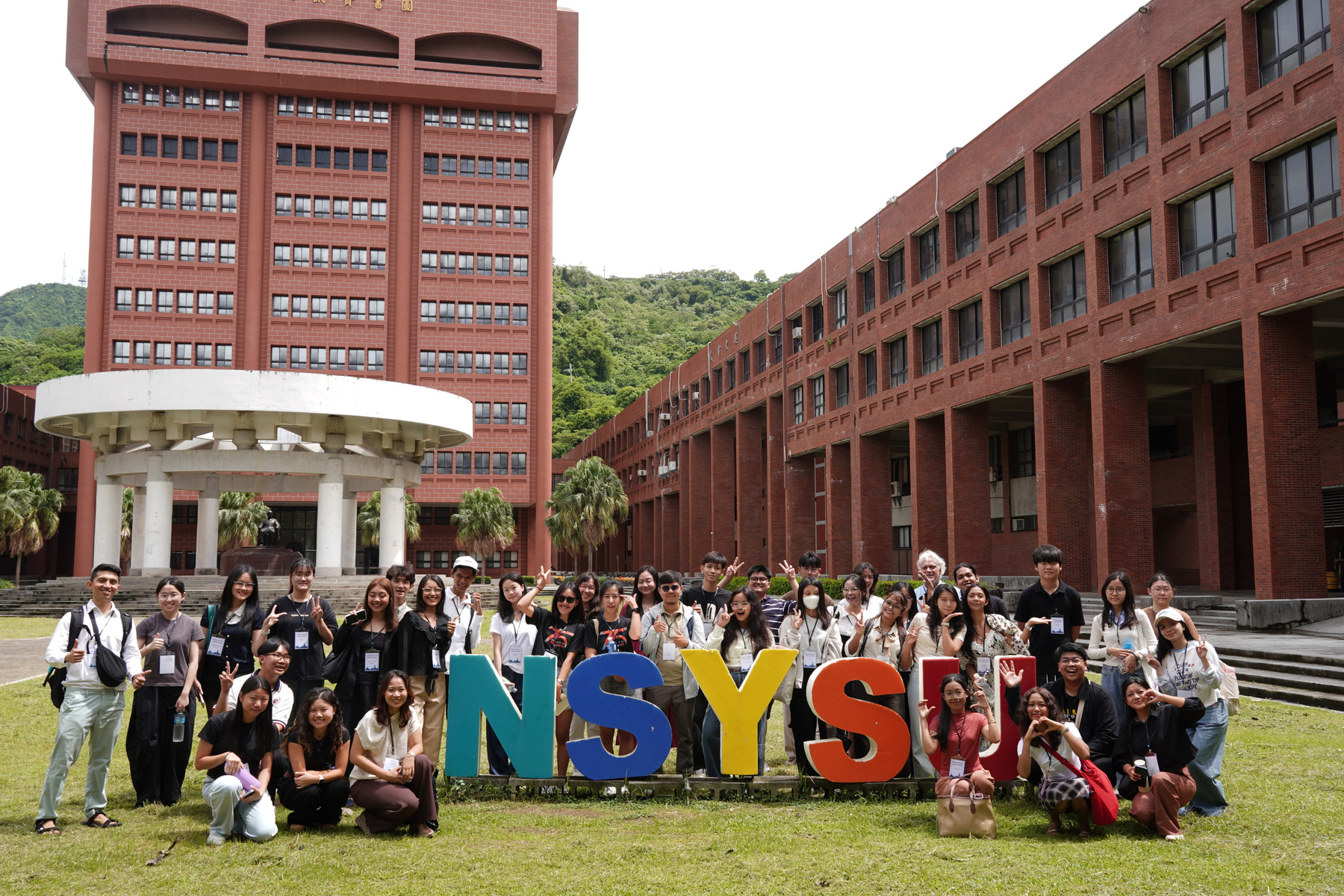
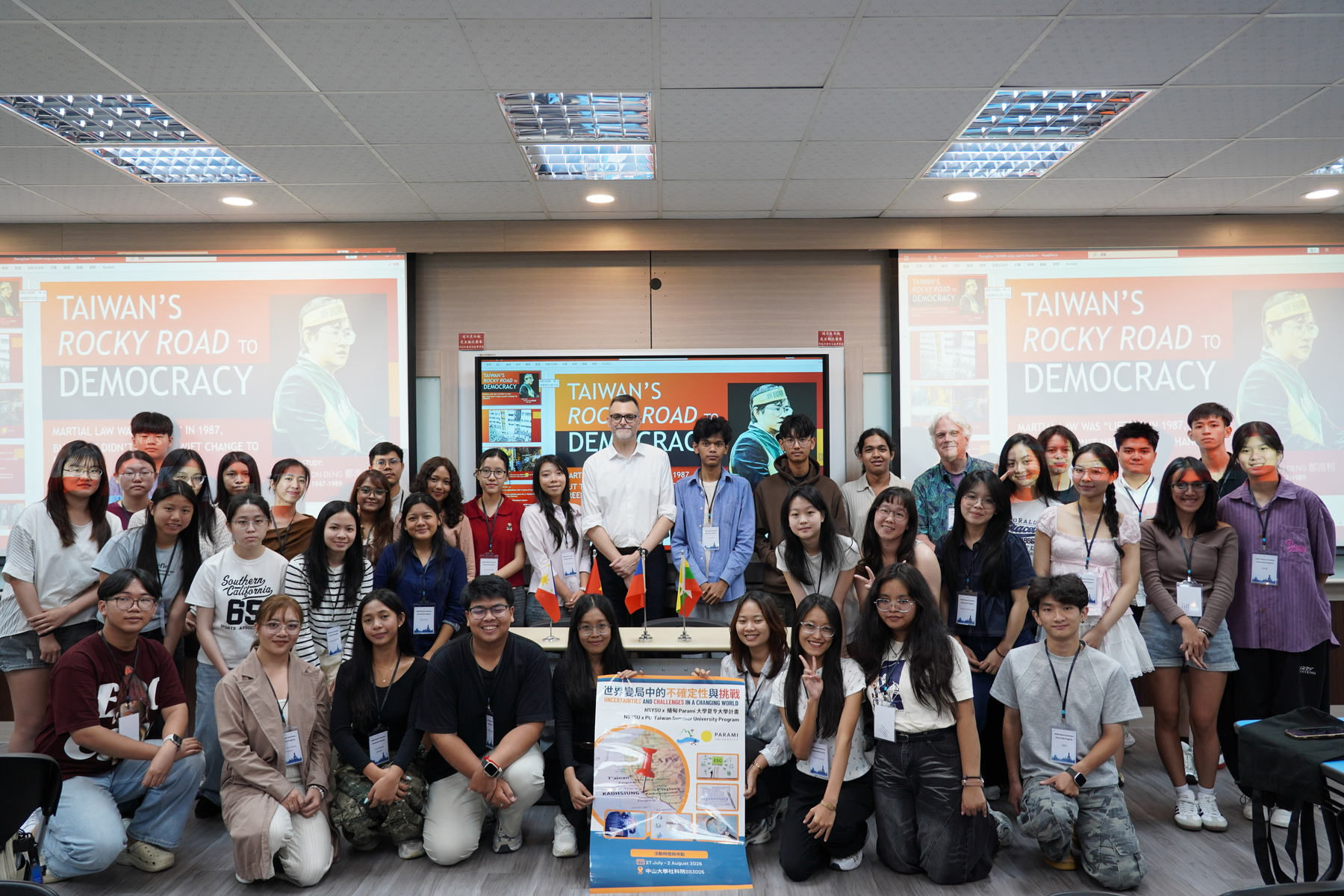
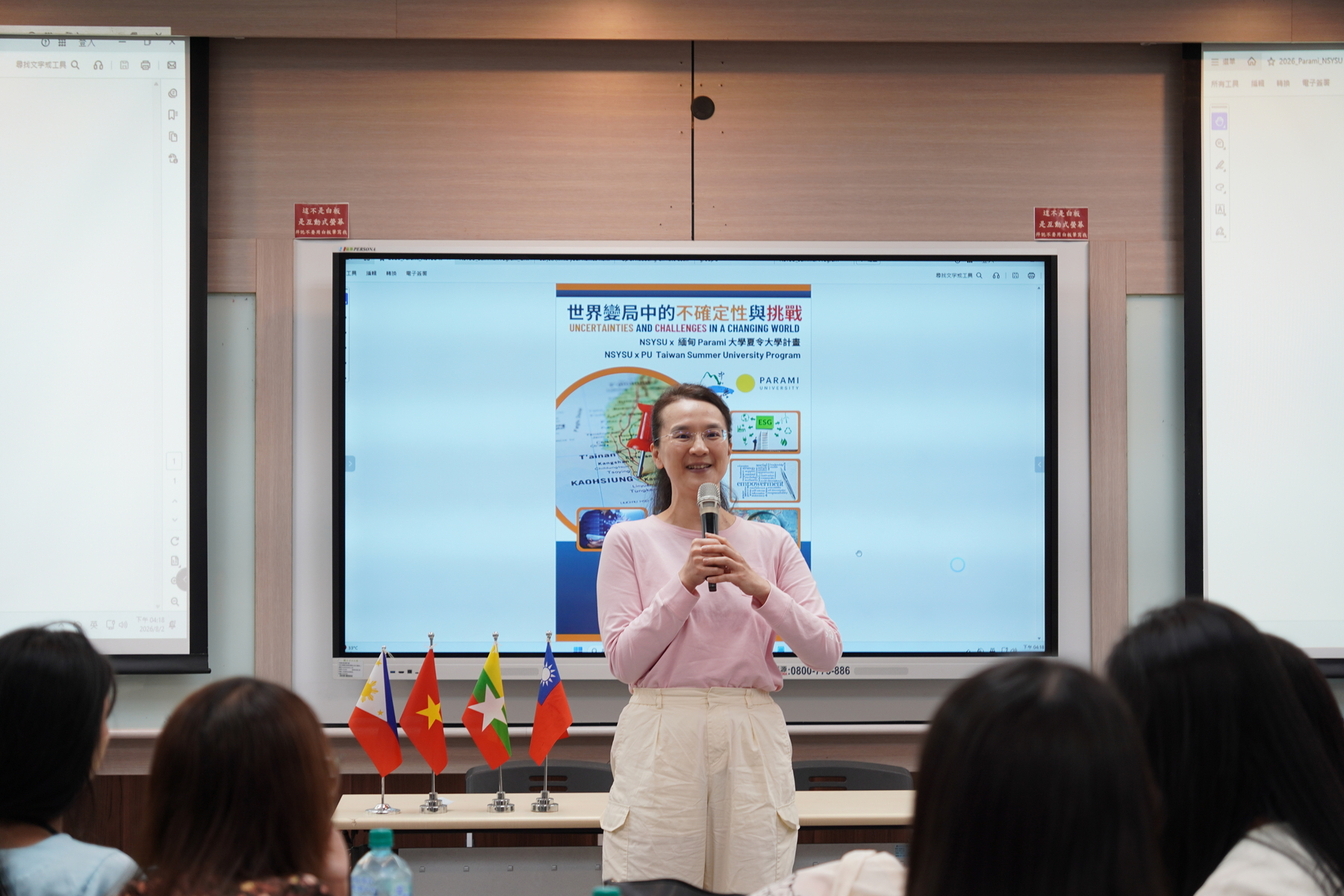
To deepen international educational cooperation and promote shared understanding of global and regional issues among young people in Taiwan and Southeast Asia, National Sun Yat-sen University (NSYSU), in collaboration with Parami University in Myanmar, a partner institution of the Global Higher Education Alliance (GHEA21, formerly the Open Society Universities Network, OSUN), organized the 2026 Taiwan Summer University Program under the theme "Uncertainties and Challenges in a Changing World."
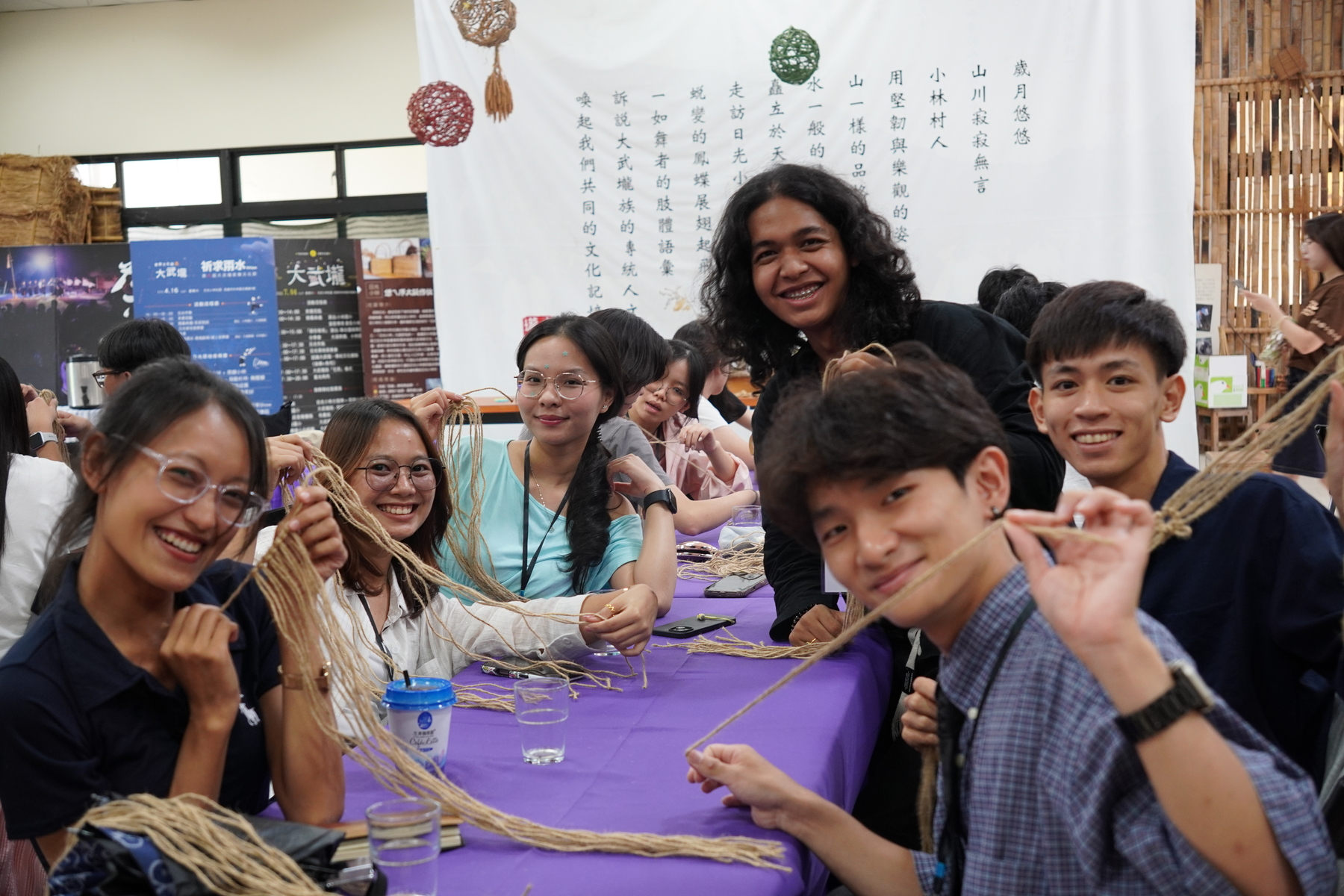
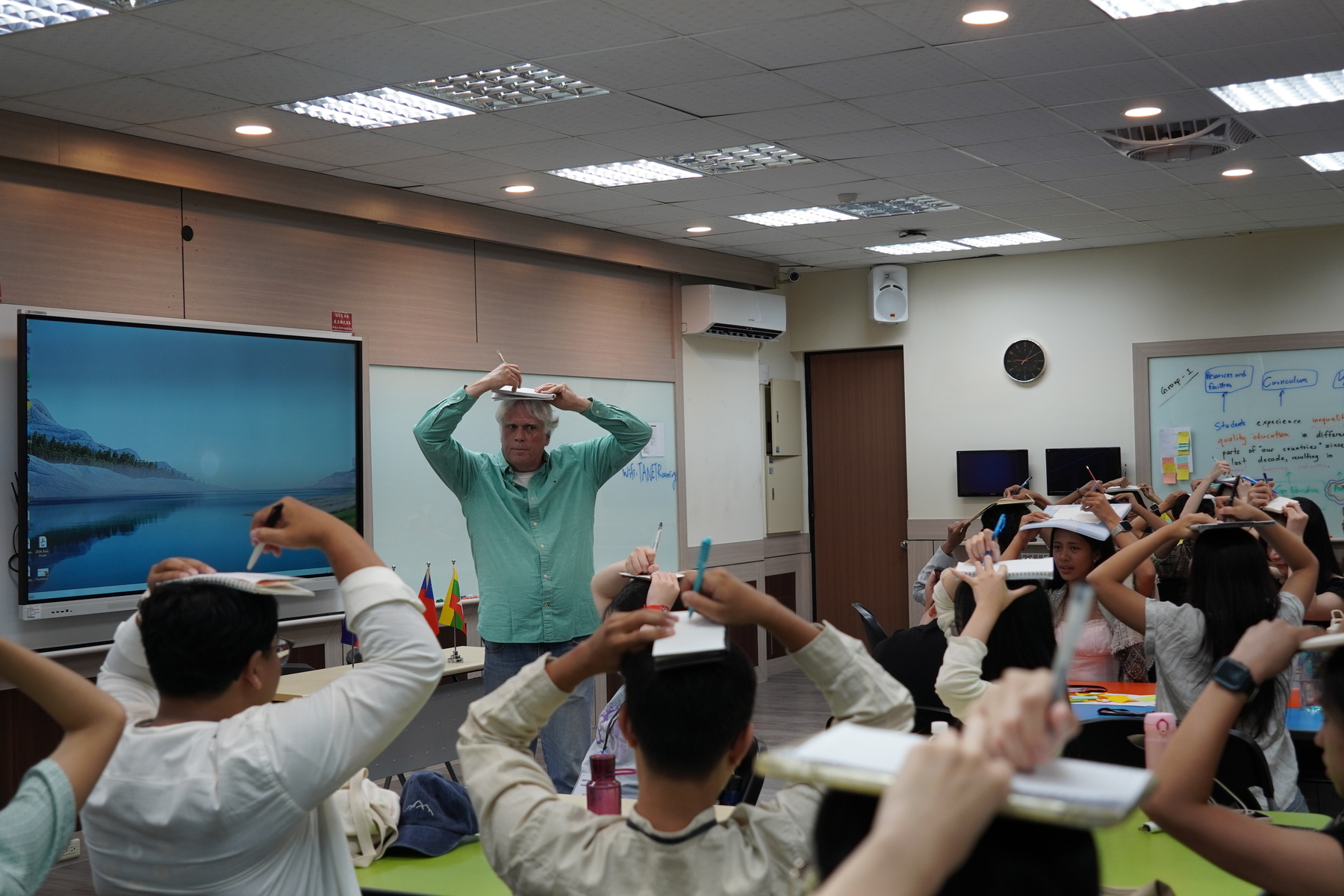
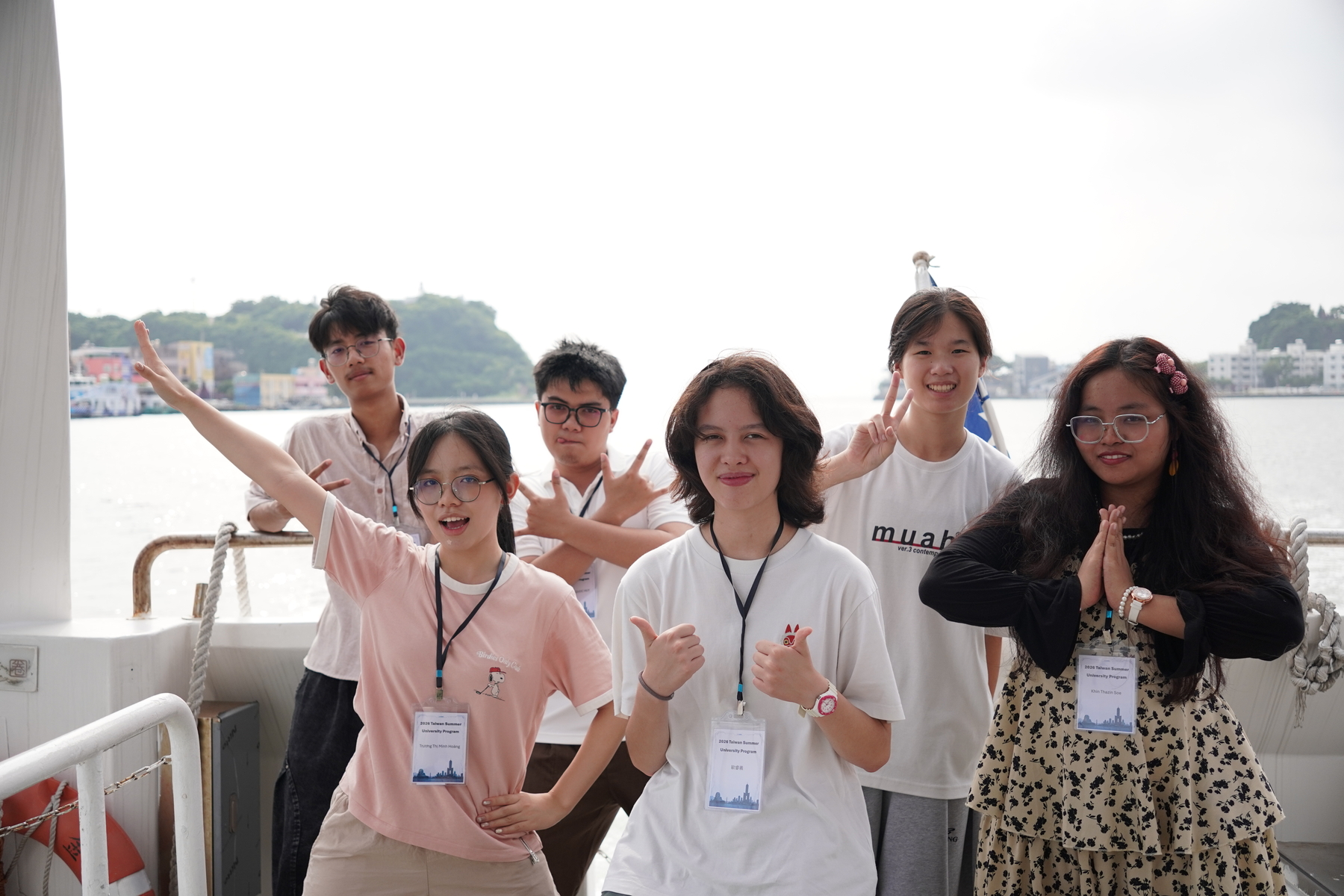
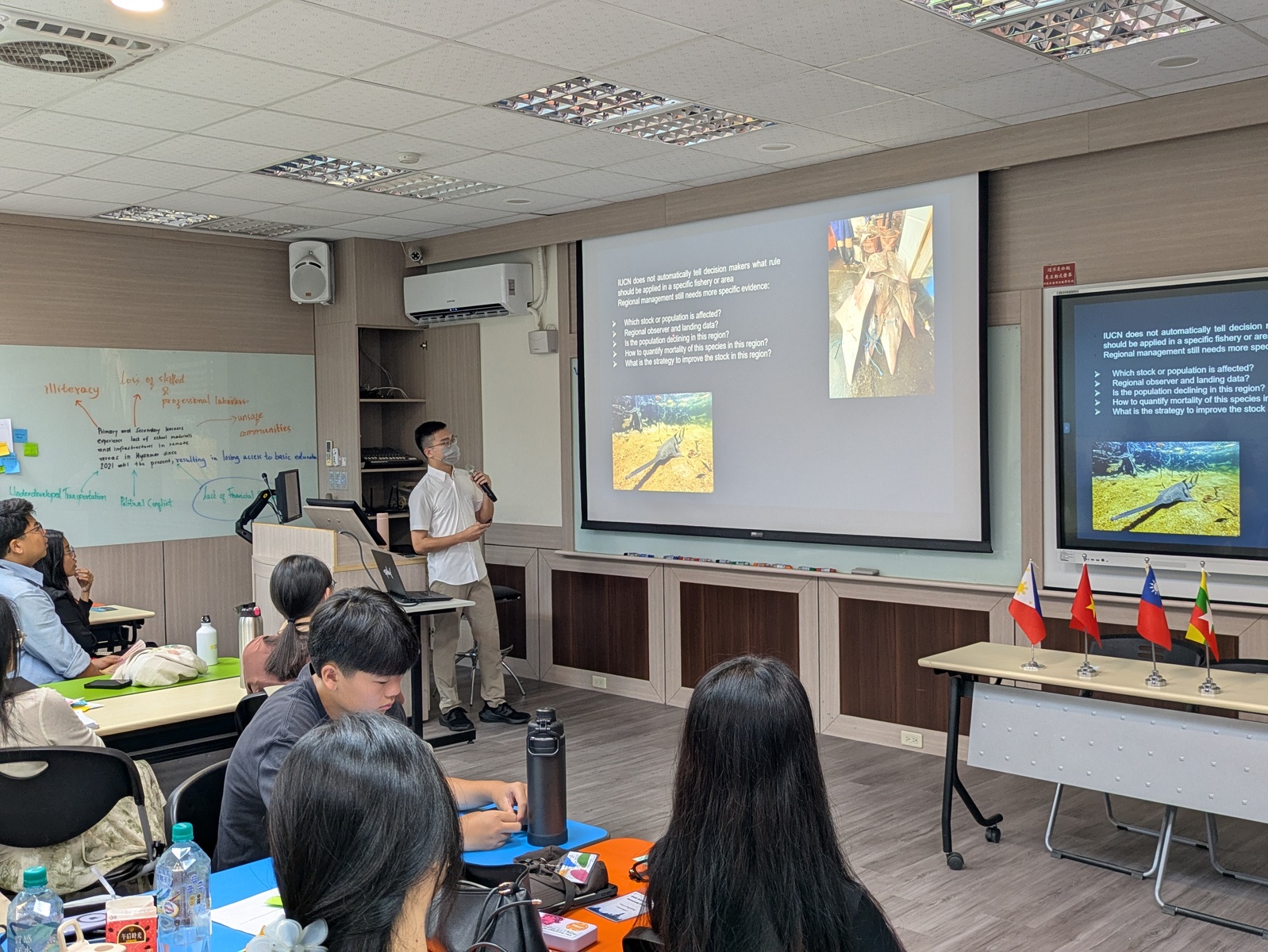
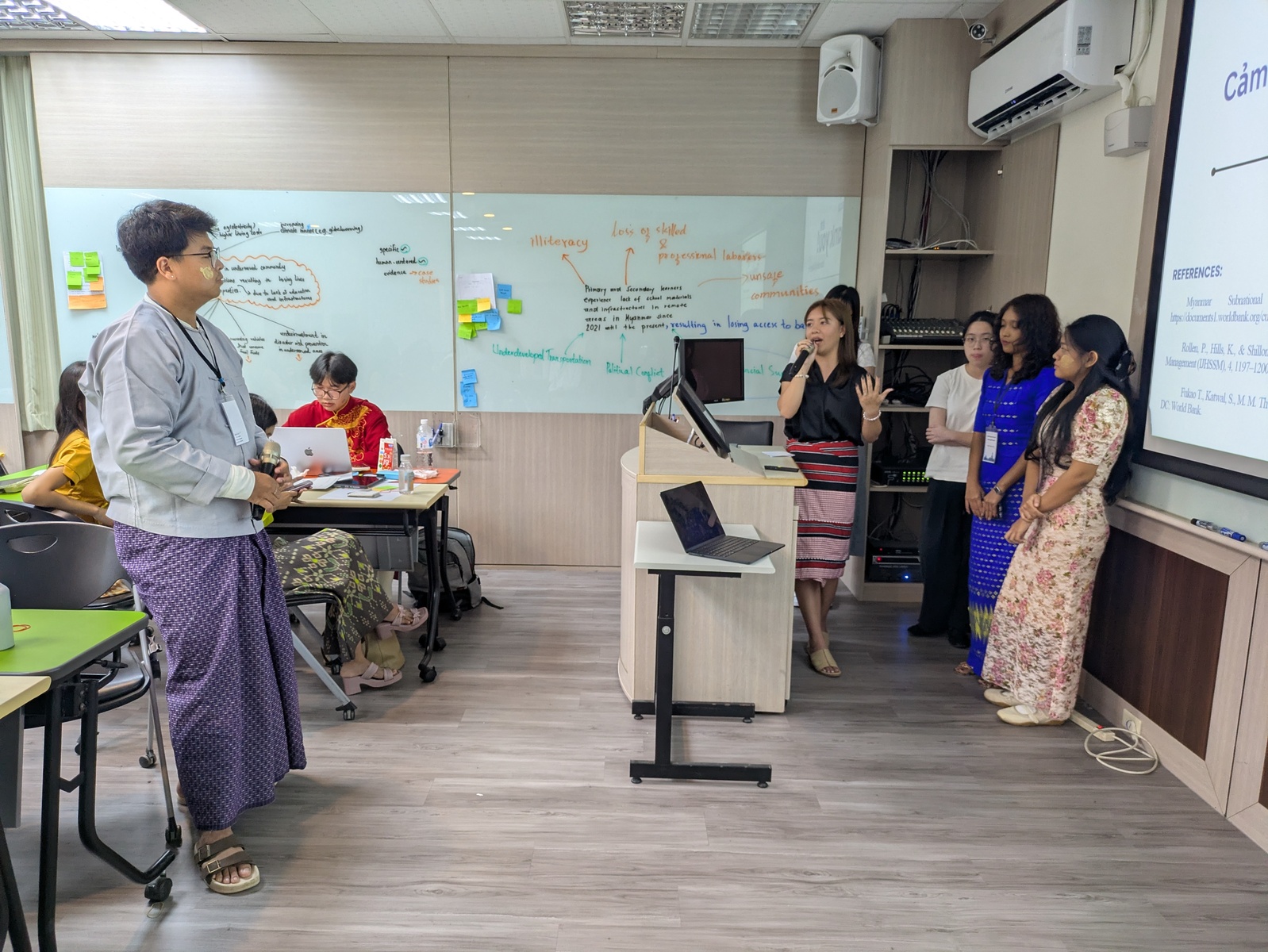
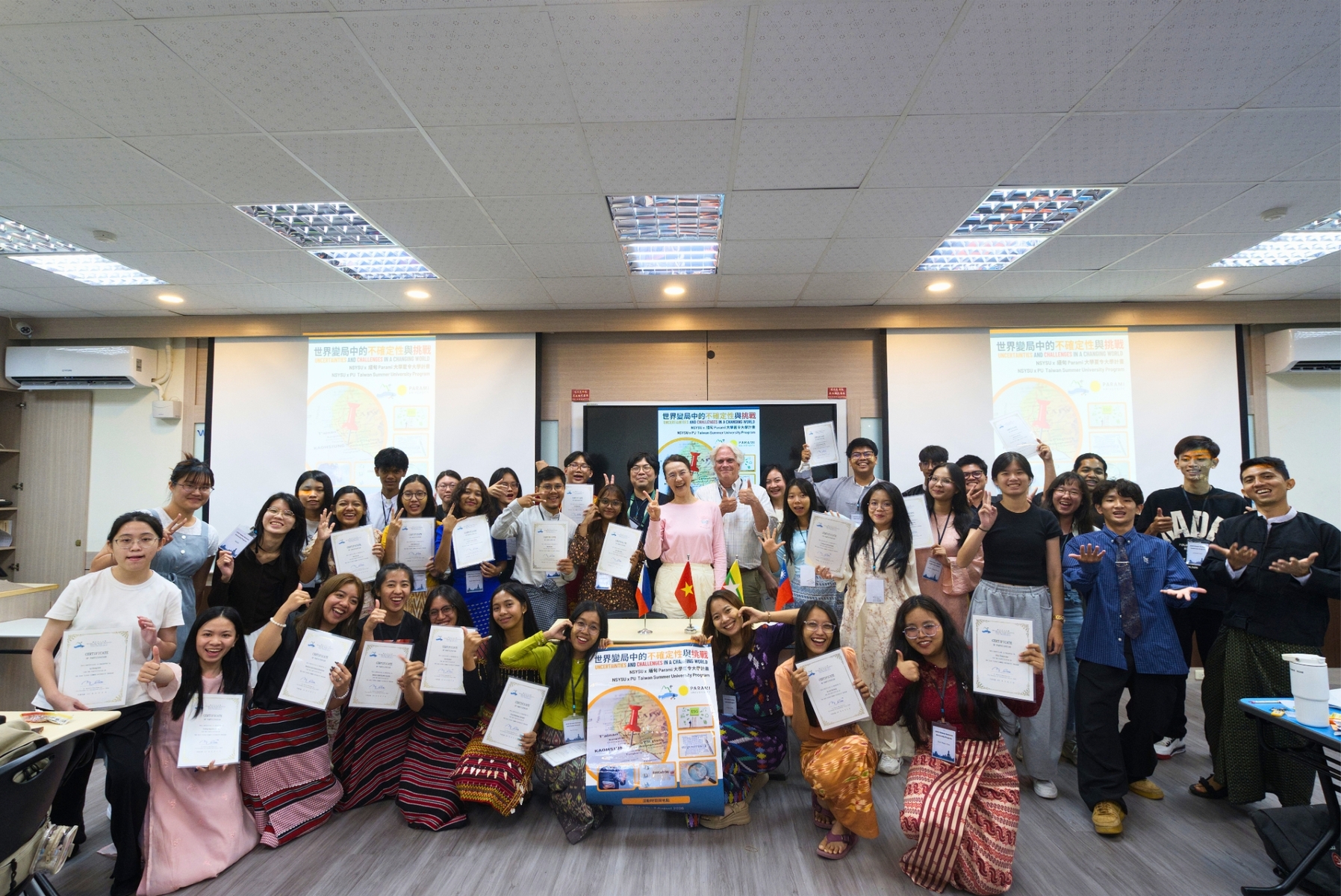
The program brought together students from Taiwan and students studying in Myanmar, Vietnam, and the Philippines for a week of cross-cultural learning and exchange. Through academic lectures, peer dialogues, field visits, team workshops, and reflective activities, participants explored the common challenges faced by young people in a rapidly changing world. Topics included maritime culture and sustainability, democratic development, language and cultural identity, place-based education, international relations, social services, ESG, and ecological conservation.
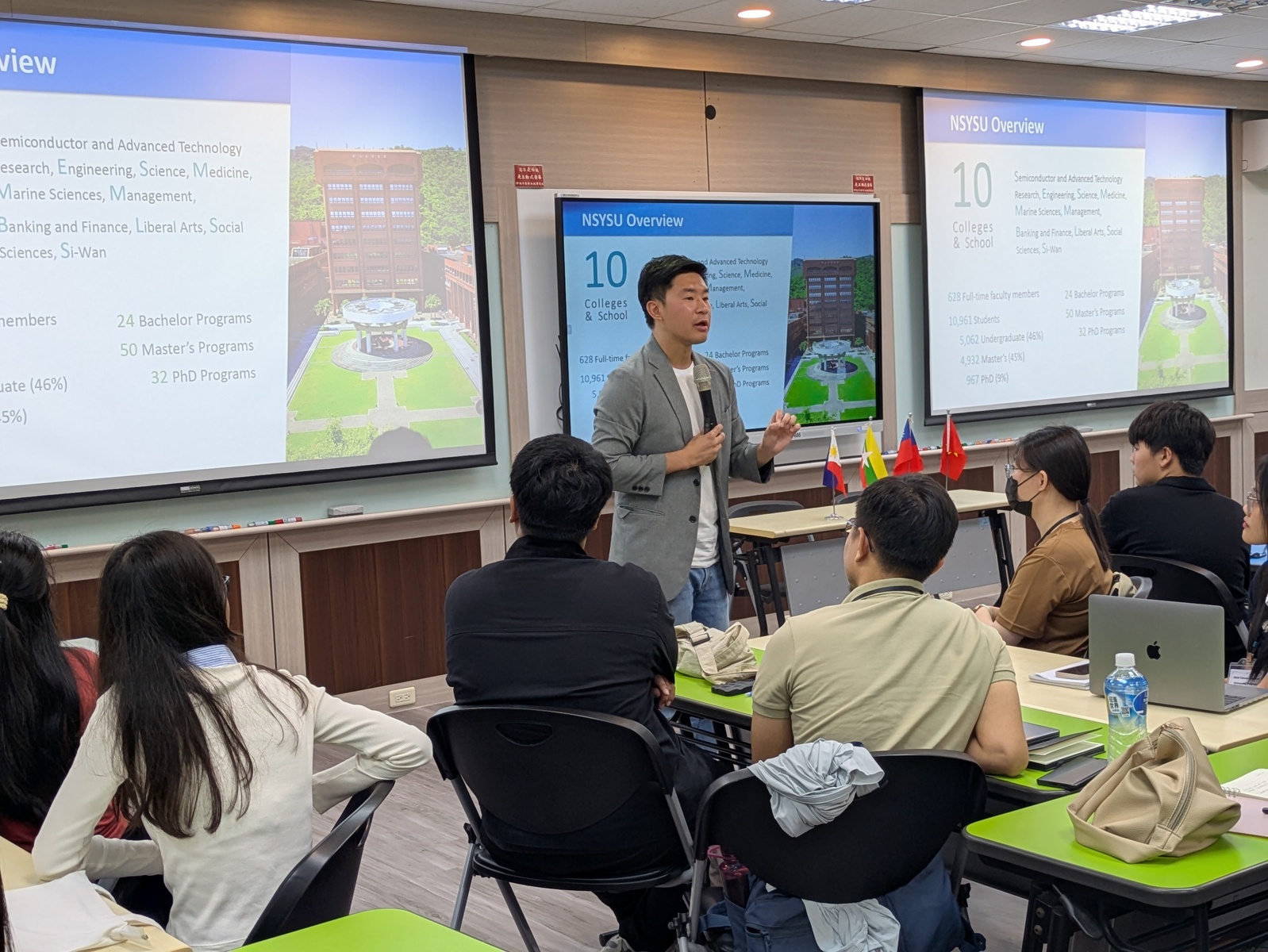
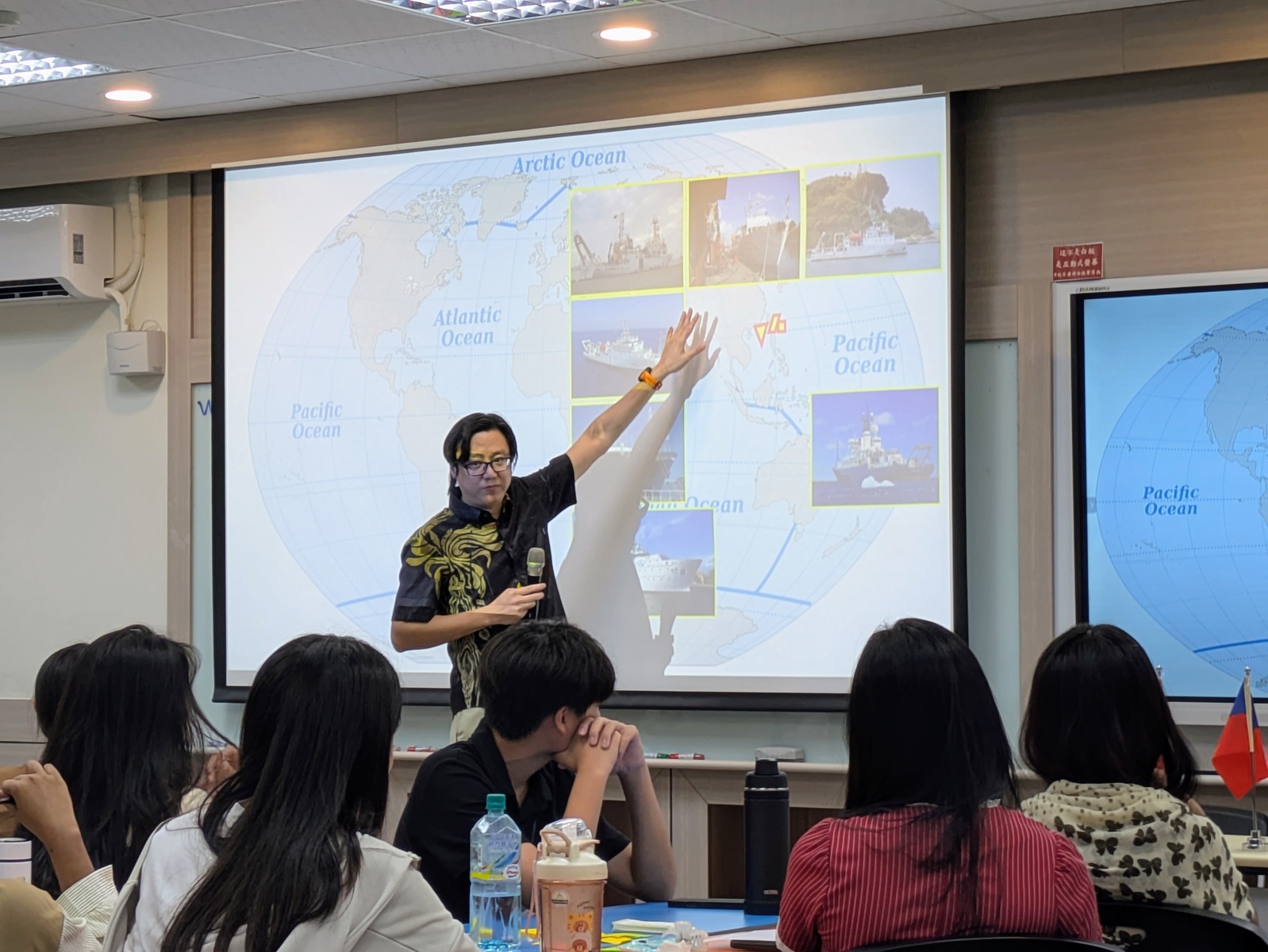
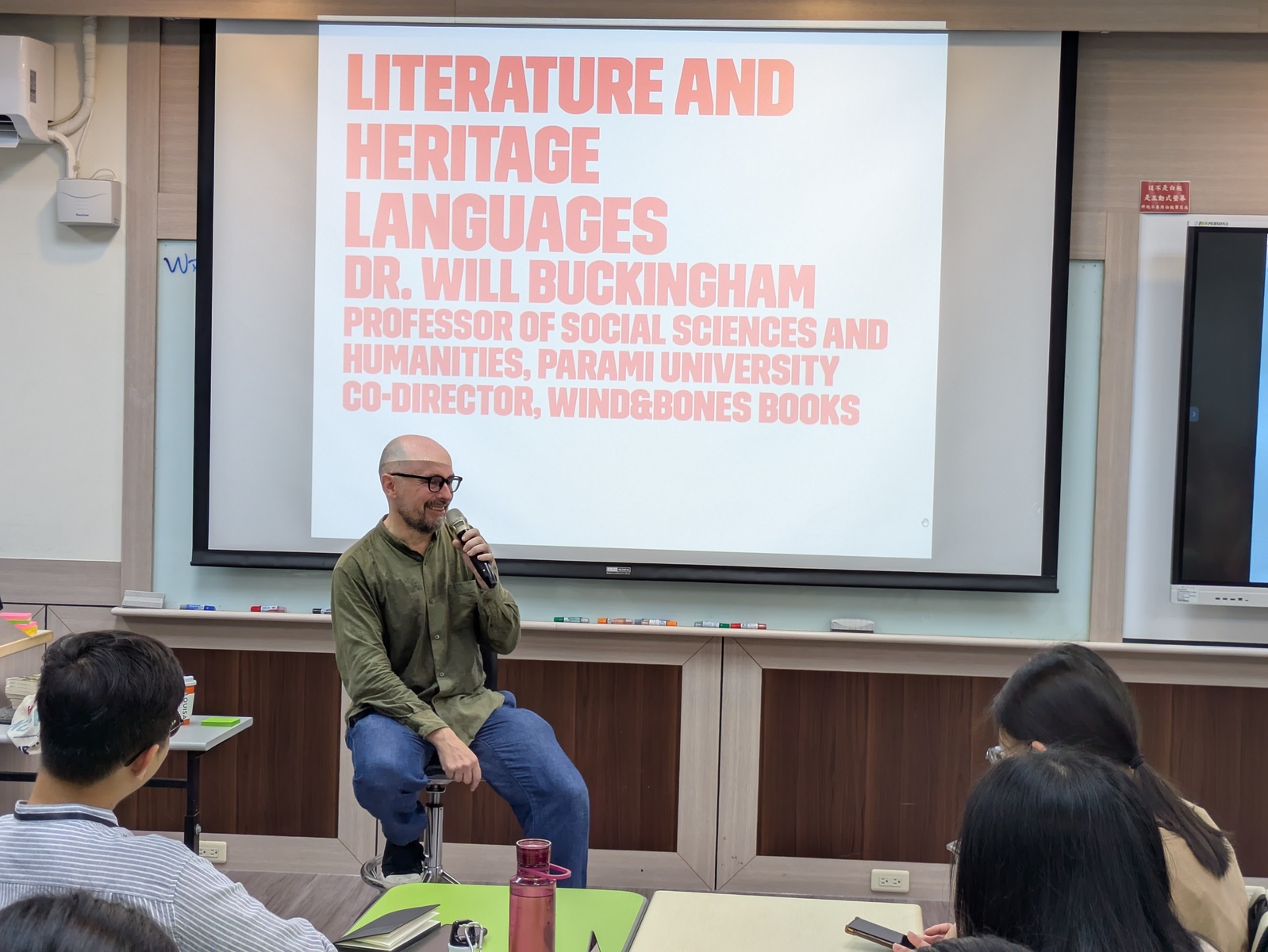
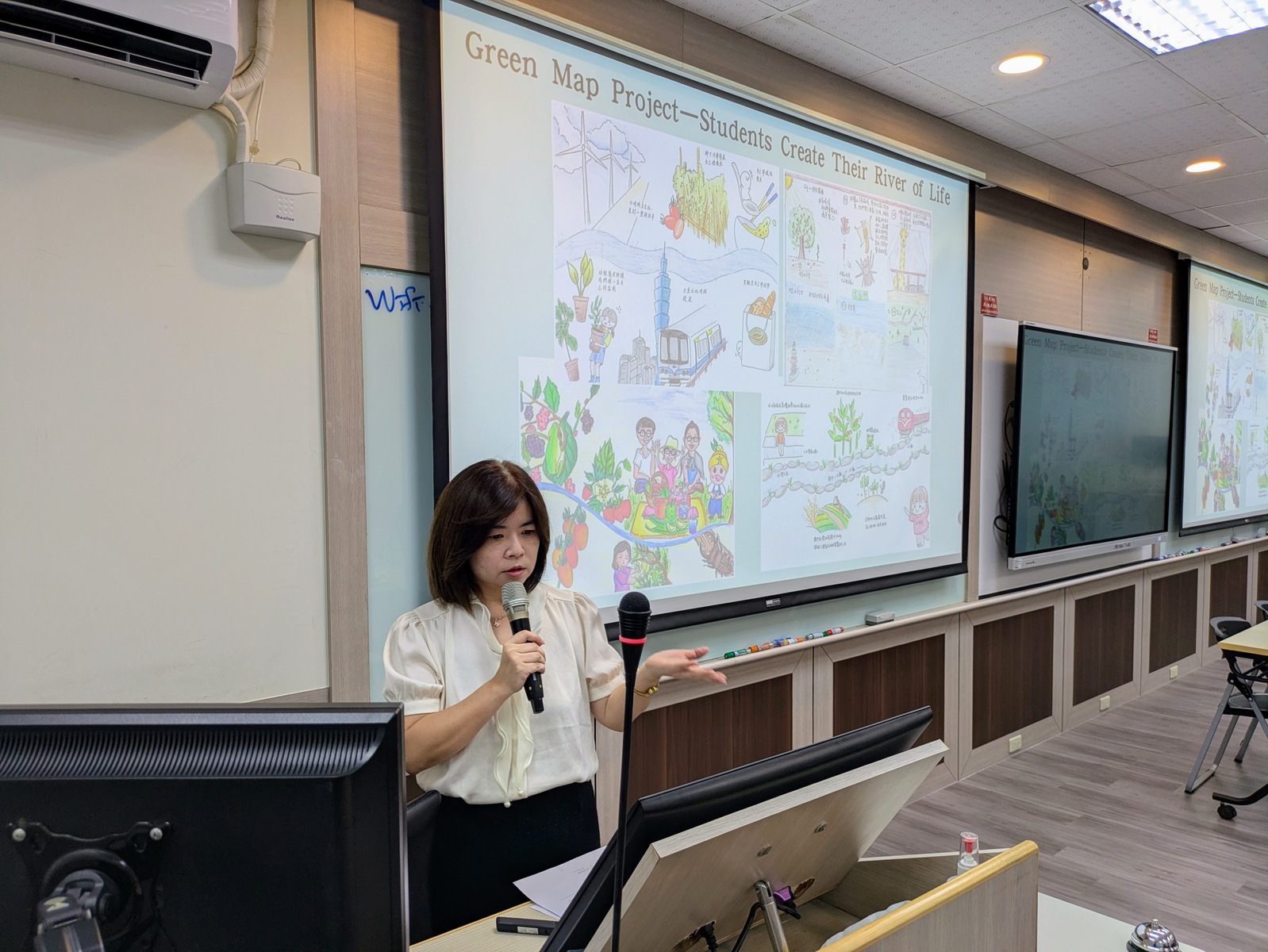
The program featured lecturers from diverse fields, including Dr. Tuo Sing-how, Associate Professor in the Department of Oceanography at NSYSU; Dr. Sung Shih-Hsiang, Chair of the Program in Interdisciplinary Studies at NSYSU and Associate Professor; Mr. Eryk Michael Smith, Chairperson of the American Chamber of Commerce in Kaohsiung and host of the Taiwan history podcast Formosa Files; Ms. Hung Chin-hui, Director of Library at Kaohsiung Municipal Tsoying Senior High School; Mr. Chen Ming-jhang, ESG and Sustainability Planner for Deep-Sea Fisheries; Ms. Chih Hsin-chi, from the Garden of Hope Foundation; and faculties from Parami University, including Dr. William Buckingham and Dr. Daniel Wessner. The lectures and workshops guided students to examine how societies in Taiwan and Southeast Asia respond to environmental, institutional, cultural, educational, and political disruptions.
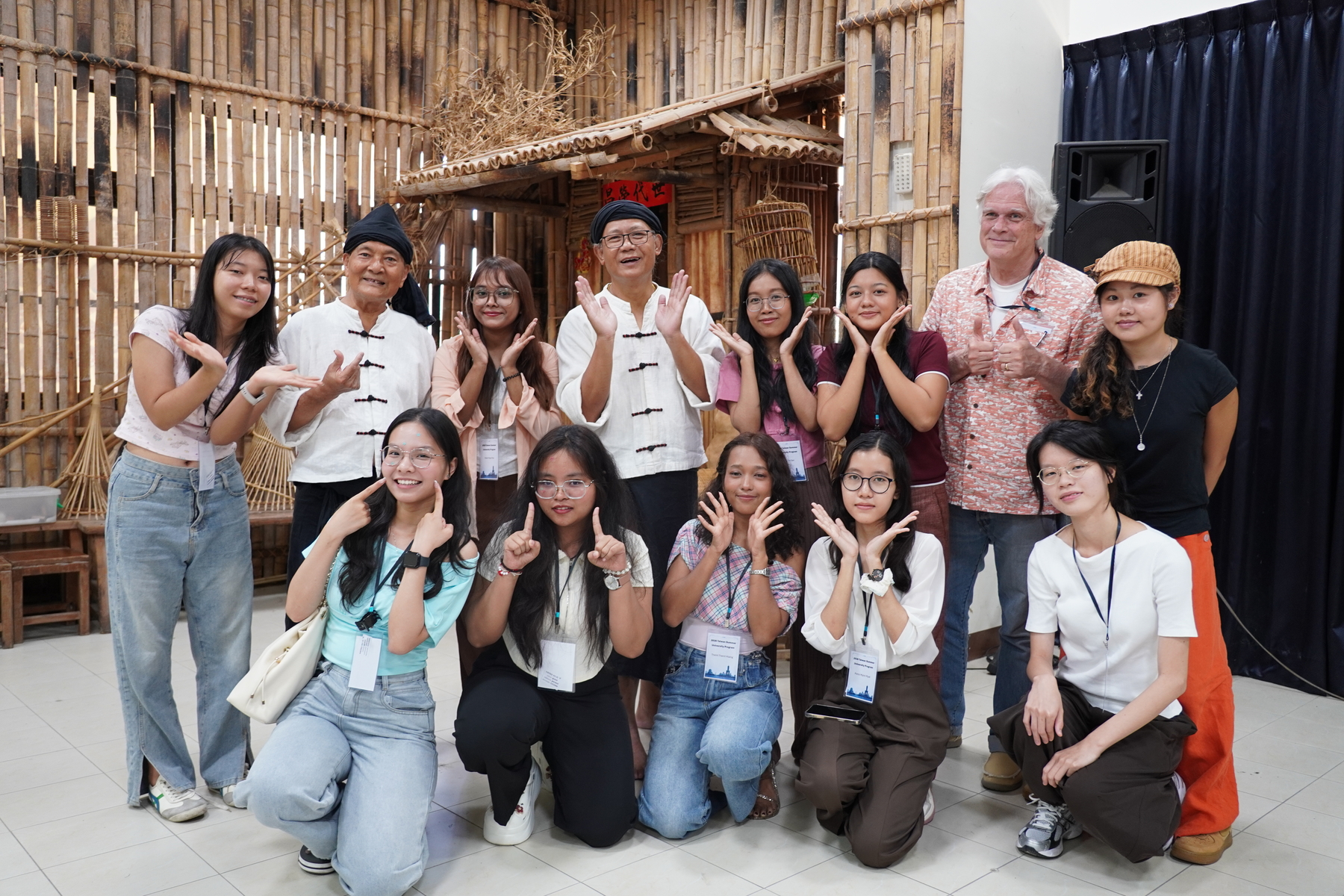
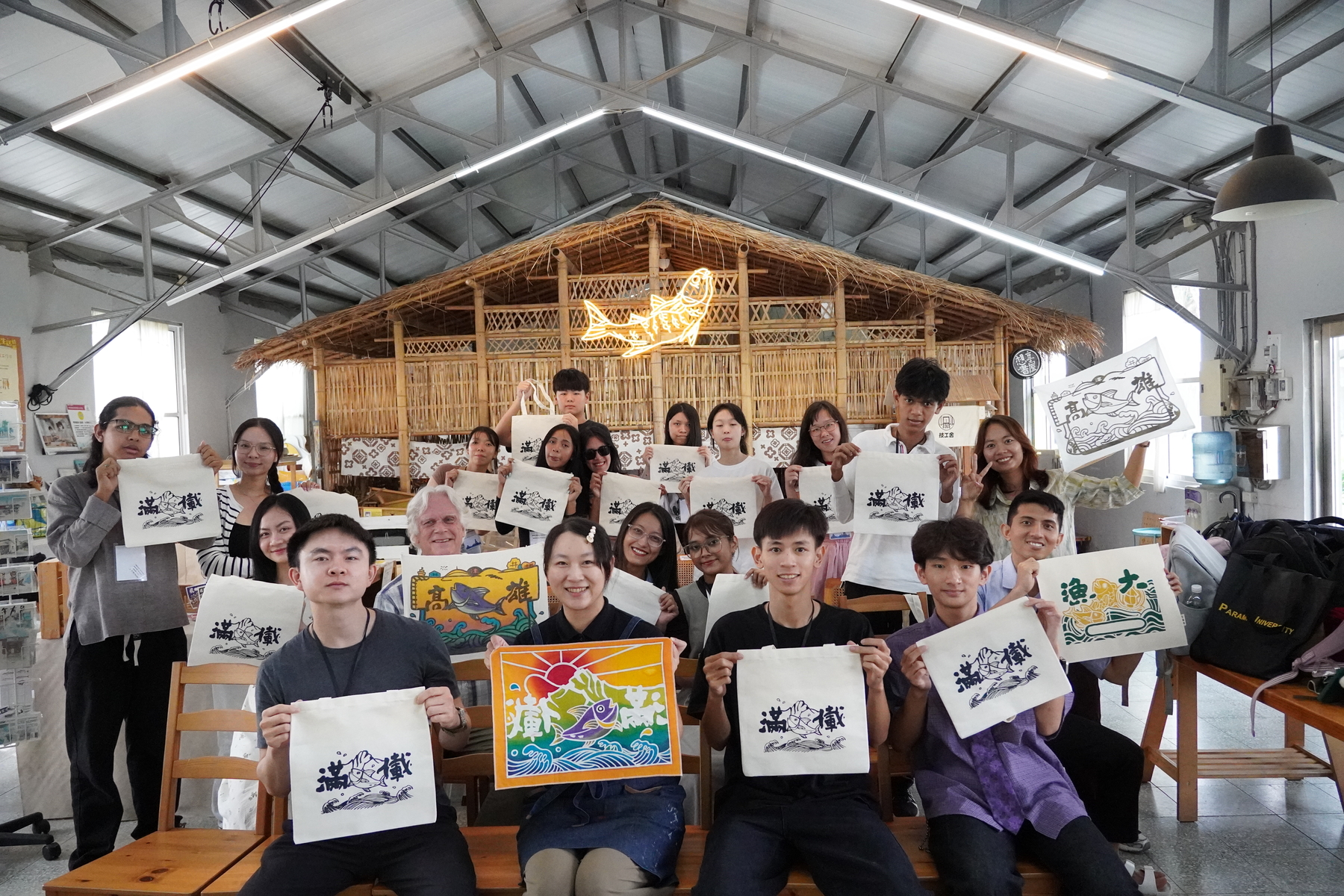
Outside the classroom, students visited the Sunlight Xiaolin Community and the Cijin Social Innovation Base. At the Sunlight Xiaolin Community, students learned about post-disaster reconstruction, the revitalization of Taivoan culture, cultural preservation, and community resilience following Typhoon Morakot. The visit offered insight into how local communities rebuild identity and sustain cultural heritage after disaster and displacement. The visit to the Cijin Social Innovation Base provided an opportunity to observe local revitalization, community participation, social innovation, and the relationship between harbor cities, the sea, industries, and communities through the local experience of Kaohsiung.
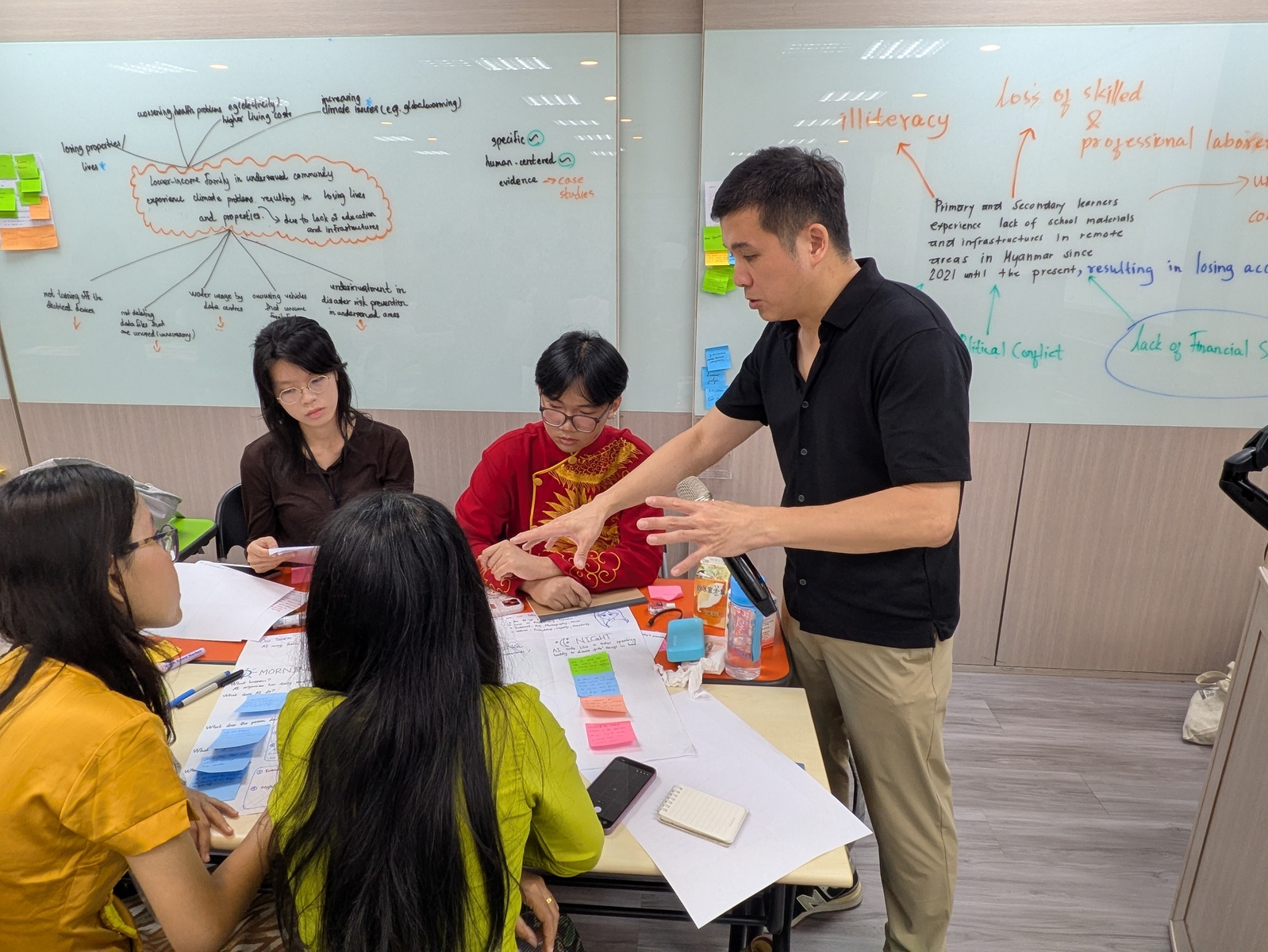
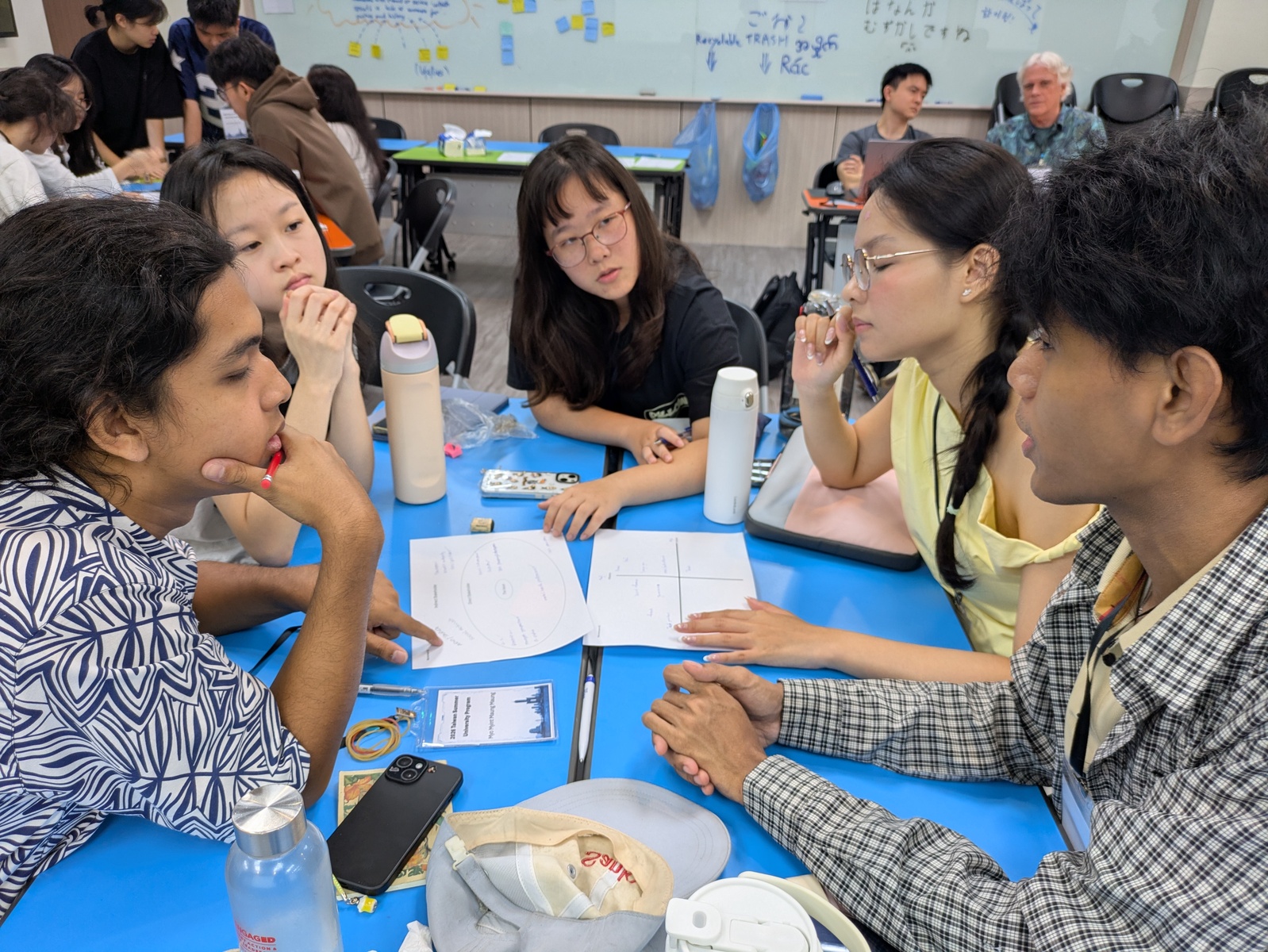
Participating students demonstrated a high level of engagement throughout the program, actively joining lecture discussions, group collaboration, and cross-cultural dialogue. Through exchanges with peers from different countries and cultural backgrounds, students recognized that although many issues emerge in different social contexts, they often reflect similar structural challenges and concerns shared by young people. Taiwan's courses and field visits also helped participants develop a deeper understanding of the connections among community resilience, educational practice, democratic development, environmental sustainability, social care, and youth action. With guidance from Pao-chuan Hsu, the program's project assistant, participants integrated their learning experiences from the week with issues they personally cared about, gradually transforming their reflections into action plans and considering how to begin making a difference, even in small ways, within their own communities, societies, or countries.
Dr. Ming-Hsuan Lee, Vice President for International Affairs at NSYSU, notes that last year's program enabled students from different backgrounds to build deep mutual understanding and lasting friendships through shared learning and daily interaction. This meaningful outcome became an important motivation for continuing the program this year and inviting students from a wider range of countries and regions. Dr. Lee points out that international exchange has often focused on Europe and North America, while neighboring countries in Southeast Asia, despite their geographical proximity and closely connected historical and contemporary contexts, have not always received sufficient attention. Through this program, students are expected to gain a deeper understanding of one another's societies, including their economic, political, geographical, and social contexts, as well as the issues and challenges they face, while learning from each other and building long-term connections.
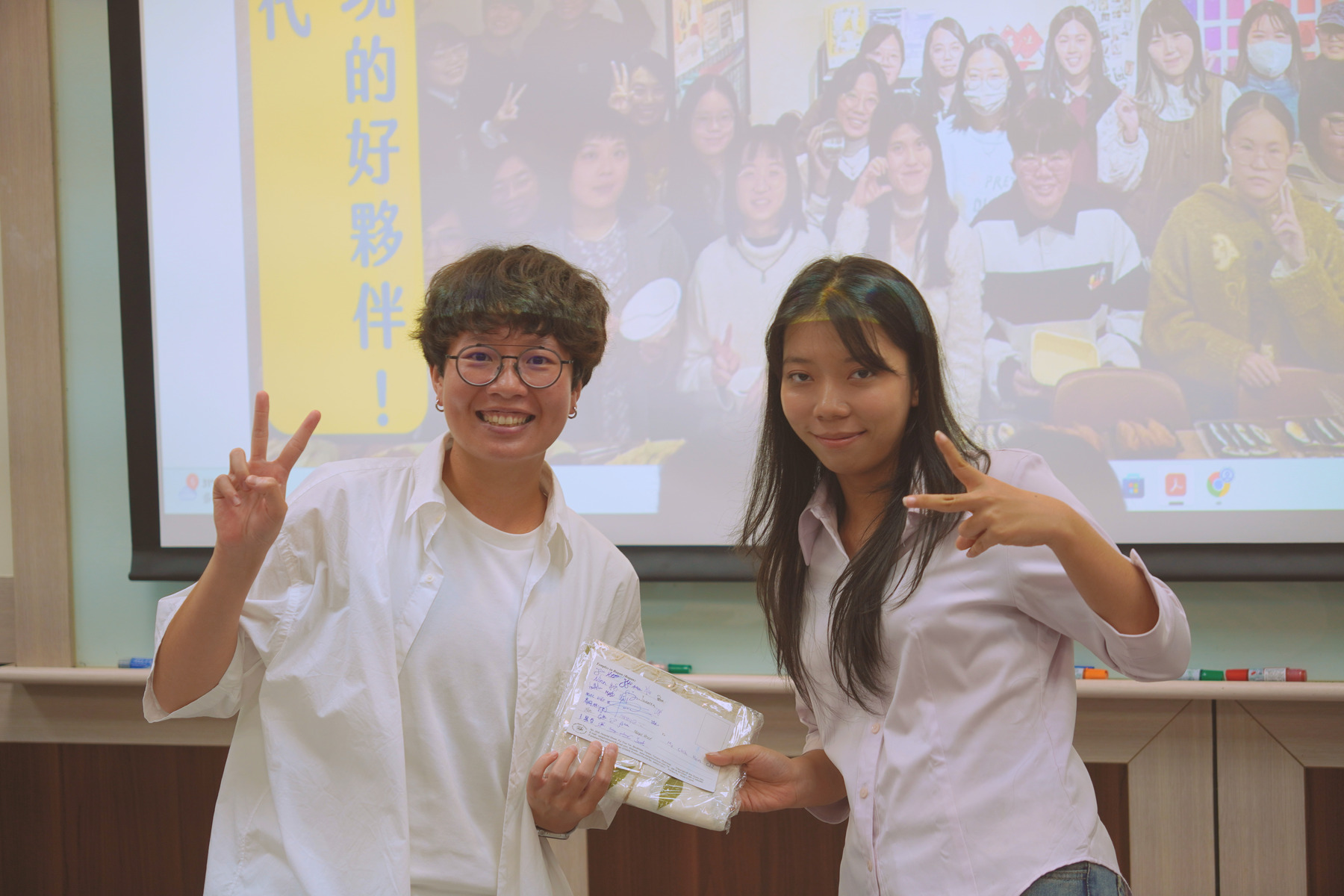
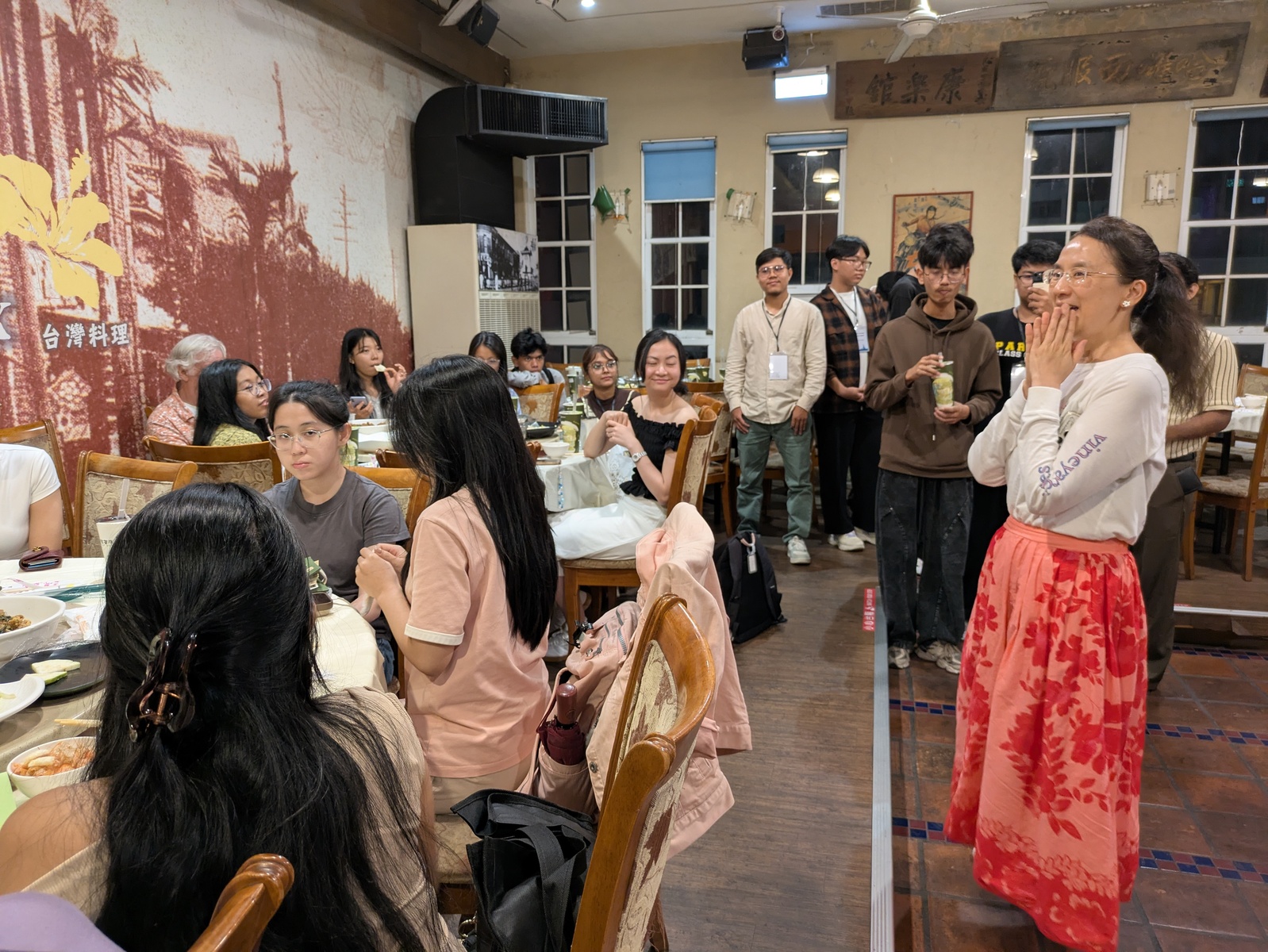
Students reflect that the program not only provided opportunities to practice English and make international friends, but also served as a meaningful cross-cultural learning experience. Through courses, group discussions, and daily interaction, they gain new perspectives on educational inequality, political change, social conflict, and cultural differences. Some students also note that the experience encouraged them to reconsider their own relationship with public issues and to move from observation toward greater awareness and participation. Over the course of the program, participants have strengthened their communication skills, teamwork, and cultural understanding, while forming valuable friendships and shared memories.
NSYSU will continue to advance public-interest international education initiatives. Through collaborative coursework, cross-disciplinary exchange, and experiential learning, the university seeks to connect young people in Taiwan and across the region, while strengthening their capacity to understand diverse societies and respond to global changes. Looking ahead, NSYSU will also continue to deepen its partnerships with Parami University and other international partners, demonstrating the role and responsibility of Taiwan's higher education sector in regional engagement, youth development, and social practice.