Turning scientific evidence into action: an international study led by NSYSU shows animation best motivates preventive health behaviors, according to a new study published in a Nature portfolio journal
2026-09-21
When public health emergencies threaten lives and well-being, such as the pandemic of COVID-19, the global scientific community has reached a broad scientific consensus that viruses can spread through airborne aerosols, yet a critical challenge remains: How can scientific evidence be transformed into public understanding and meaningful action to expedite the essential paradigm shift?
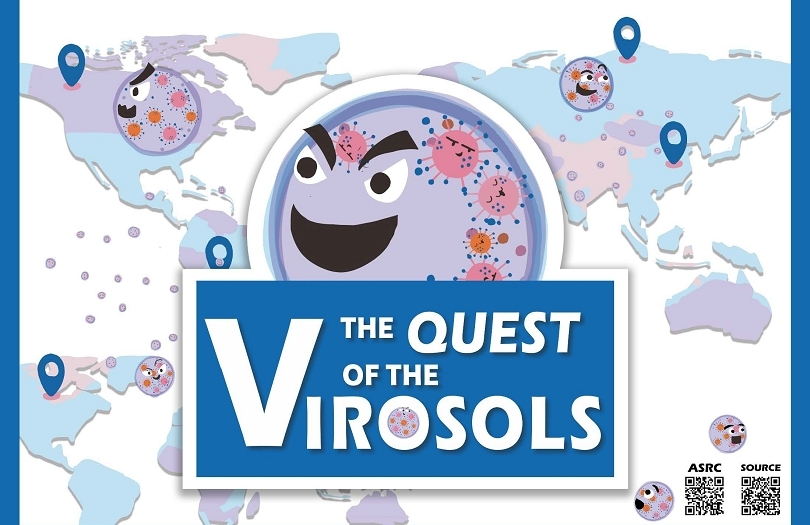
A recent cross-national study led by National Sun Yat-sen University (NSYSU), Taiwan, and published in Humanities and Social Sciences Communications, the only humanities and social sciences journal under the Nature portfolio, offers an evidence-based answer. The study found that animation was the most effective communication format for motivating preventive health behaviors. Based on the original science communication explainer comics and animations "The Quest of the Virosols" developed by the NSYSU Aerosol Science Research Center following the publication of the team's Science review article on airborne transmission (Wang et al, Science 373, eabd9149 (2021)), the cross-national study compared three communication formats, text, explainer comics, and animation, and found that comics and animations made complex knowledge about airborne transmission of virus-laden aerosols easier to understand. Among them, animation demonstrated the strongest effect in encouraging preventive behaviors.
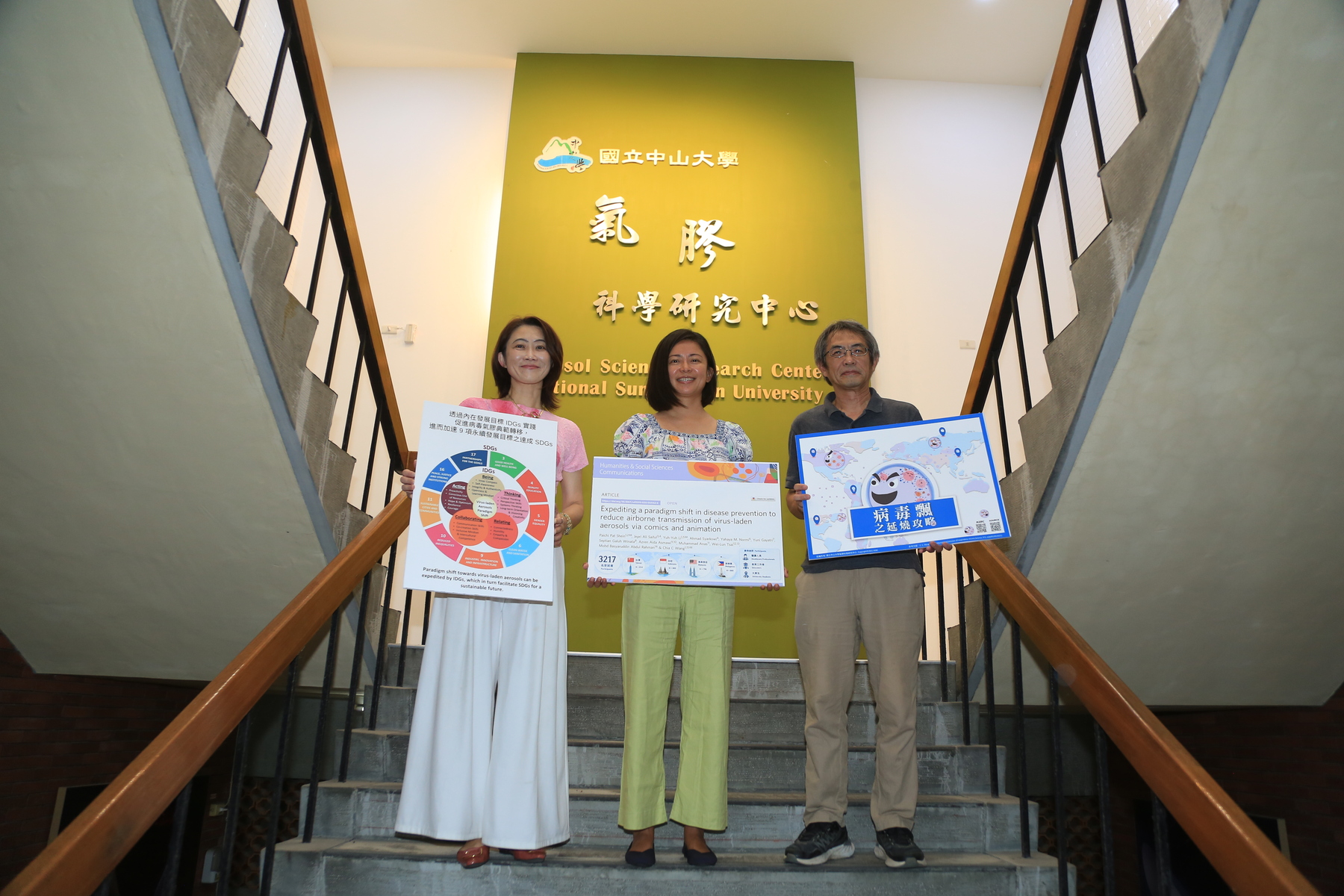
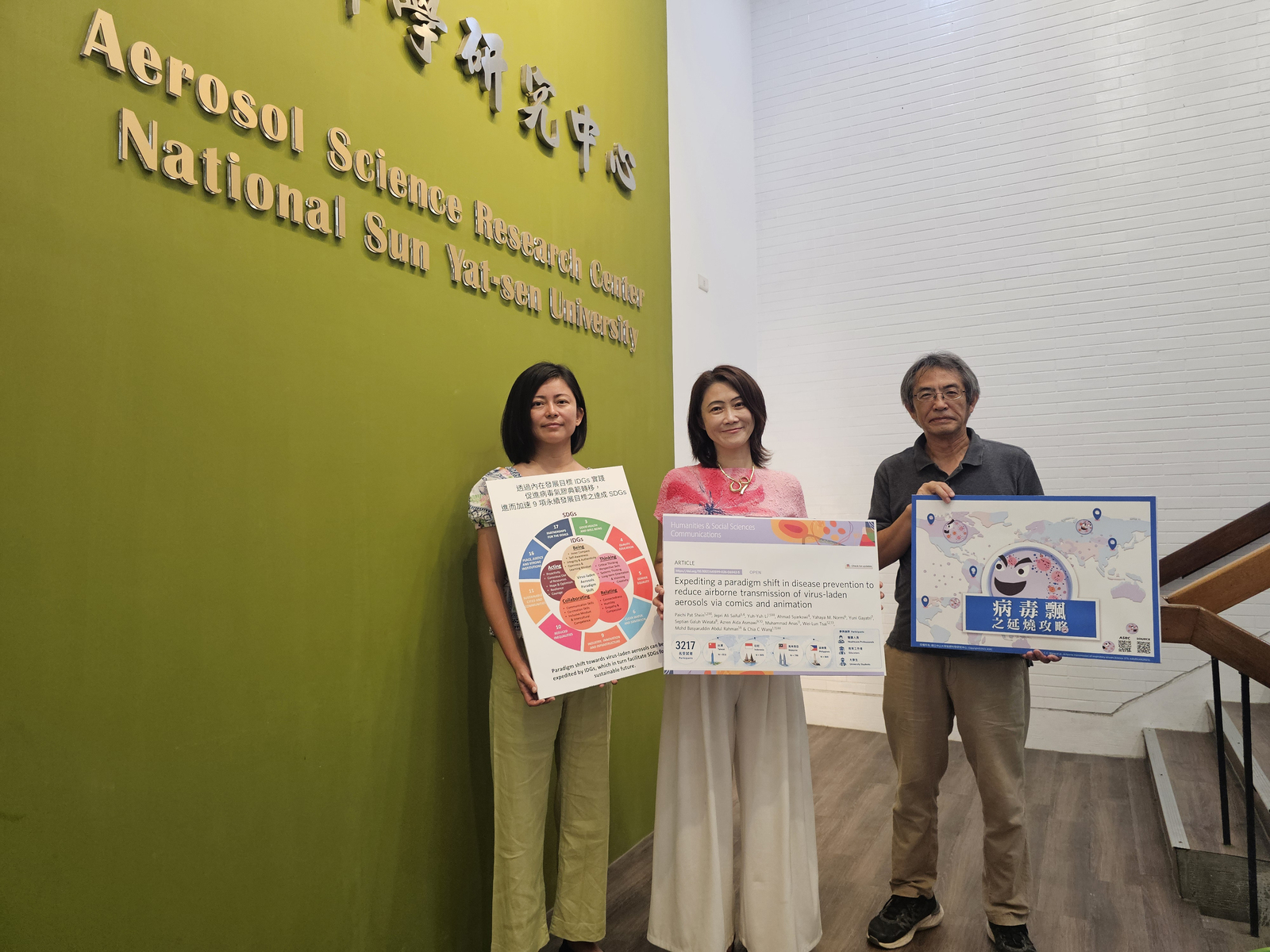
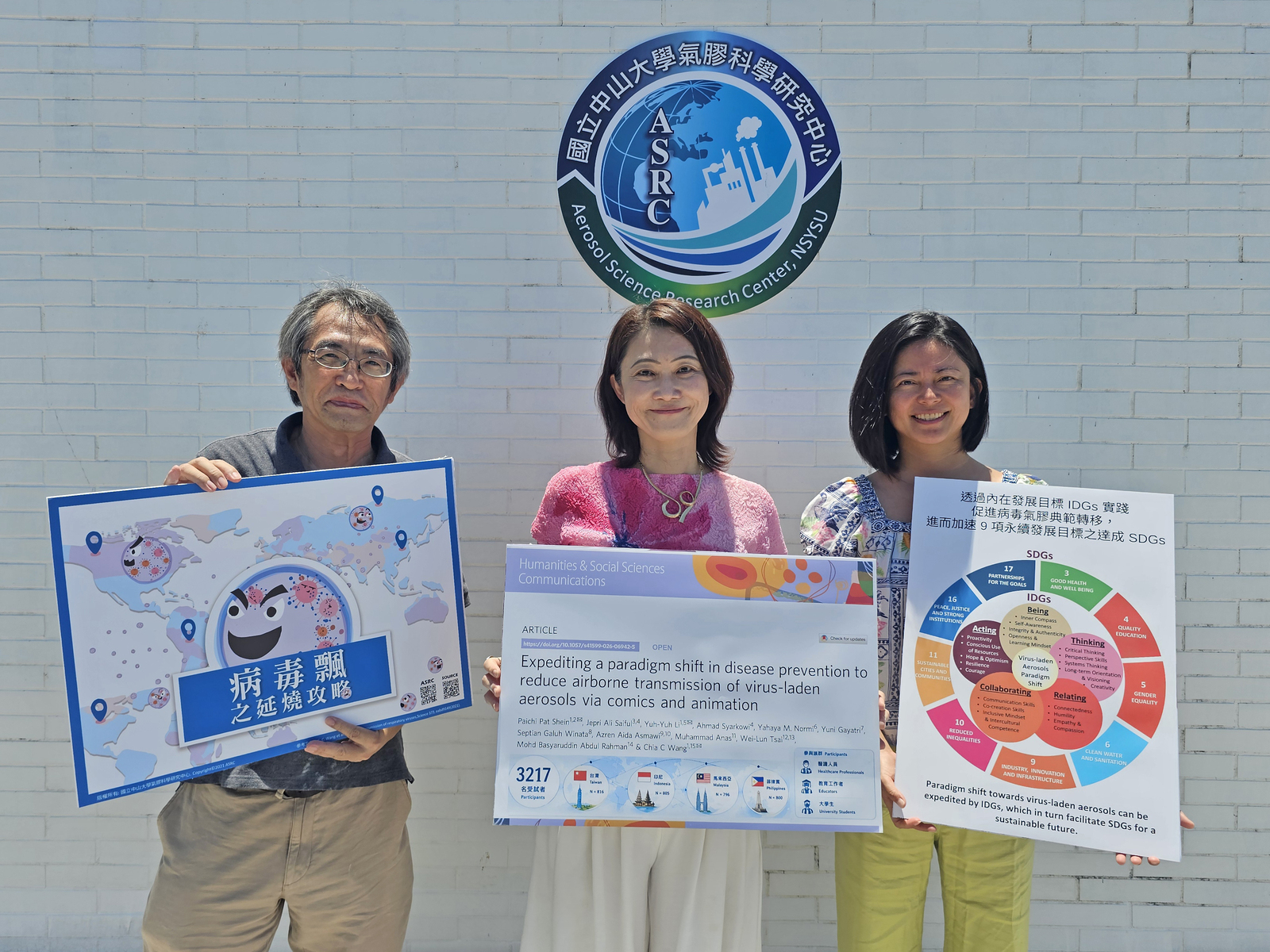
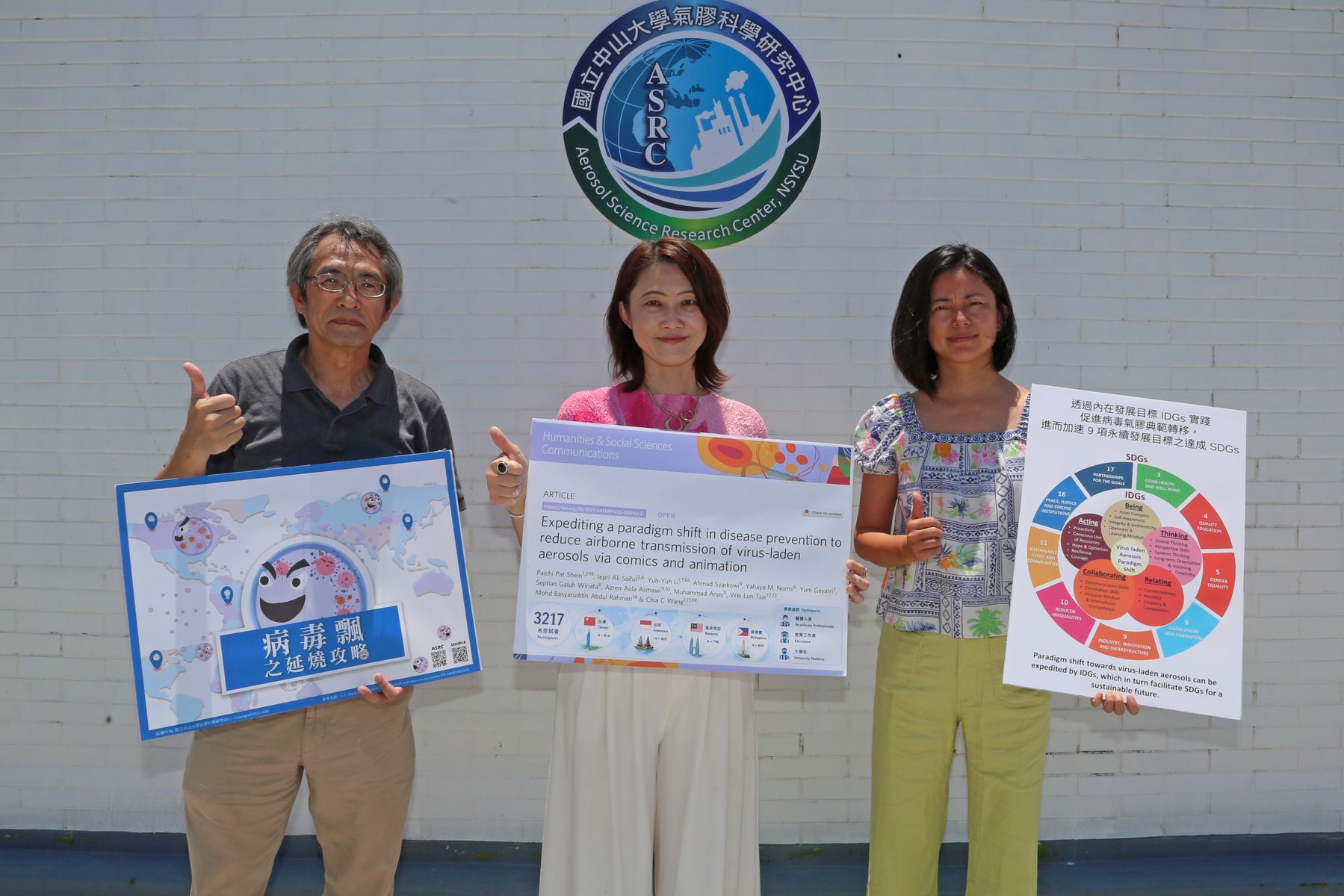
An interdisciplinary team from the NSYSU Aerosol Science Research Center led the research, integrating expertise from both the sciences and humanities. The corresponding authors included Professor Paichi Pat Shein from the Institute of Education, Professor Chia C. Wang from the Department of Chemistry and Director of the Aerosol Science Research Center, and Associate Professor Yuh-Yuh Li from Si Wan College of NSYSU, Taiwan. Collaborating partners from Indonesia, Malaysia, and the Philippines joined the international research team to examine communication effectiveness across different cultural backgrounds, social groups, and genders. A total of 3,217 participants from four countries, including healthcare workers, educators, and university students, took part in the questionnaire-based study comparing how three media formats conveyed scientific knowledge about the airborne transmission of virus-laden aerosols and influenced the willingness of participants to adopt aerosol precautionary behaviors.
Paichi Pat Shein explained that, compared with plain text, explainer comics and animations use character interactions, storytelling, and visual representation to lower barriers to understanding complex scientific concepts, making the mechanisms of airborne transmission of virus-laden aerosols easier to comprehend and remember. Although all three communication formats improved knowledge acquisition, animation proved particularly effective, likely because it combines visuals, narrative development, and emotional expression, creating stronger emotional engagement and empathy. This enables viewers to better relate to the experiences portrayed and motivates them to take action. When individuals can more clearly understand, through characters and scenarios, how airborne disease transmission may affect themselves, their families, and society, they are more likely to perceive risks and adopt preventive measures. The study also found that animation had a particularly strong effect among female participants, possibly because women tend to show greater concern for environmental issues, public health, and the well-being of others. This may be linked to empathy, the ability to understand and respond to others' feelings. Individuals who are more inclined to care for others, cooperate with society, and have pro-environmental behavioral intentions are also more likely to modify their own behaviors and adopt precautionary measures to reduce risks or minimize impacts on others. As a result, the emotional connections fostered by animation appear particularly effective in motivating such actions.
"The COVID-19 pandemic showed us that scientific evidence alone is not enough to change the world. Only when scientific knowledge is understood, emotionally experienced, and connected to people's everyday lives can it be transformed into meaningful action. Science communication is not merely about sharing knowledge; it is about transforming knowledge into understanding, understanding into empathy, and empathy into action," emphasized Chia C. Wang. She noted that the study begins with aerosol science but extends into broader issues of science education and communication, public health, and disease prevention policy, making it highly significant. The research further suggests that effective science communication not only conveys knowledge but also cultivates the essential inner capacities needed to address complex global challenges, including Openness and Learning Mindset, Critical Thinking, Systems Thinking, Empathy and Compassion, Connectedness, Communication Skills, Courage, and Conscious Use of Resources. These competencies align closely with the core principles of the Inner Development Goals (IDGs). The study further proposes that strengthening these inner capacities can not only facilitate the paradigm shift toward recognizing airborne transmission of virus-laden aerosols but also expedite progress to attain the 9 Sustainable Development Goals (SDGs).
"The Quest of the Virosols" was originally developed by the ASRC team led by Chia C. Wang during the COVID-19 pandemic to translate the complex science of airborne transmission of virus-laden aerosols into stories accessible to the general public. The educational materials have since been translated into 20 languages, helping people around the world understand the importance and effective preventive measures of airborne transmission of virus-laden aerosols. Today, the series has become the foundation of an international evidence-based study demonstrating that science communication capable of fostering empathy and engagement can serve as a powerful driver of public health, sustainable development, and societal transformation. In our increasingly interconnected world, we breathe the same air and share a common destiny. The research team believes that the challenge ahead is not merely gaining more scientific knowledge but ensuring that knowledge is effectively transformed into understanding, empathy, and action that support public health, social resilience, and sustainable development. The findings demonstrate that effective science communication should be recognized as an essential component of public health preparedness and evidence-informed policymaking. More broadly, the study demonstrates that effective science communication can serve as a bridge between scientific discovery and societal transformation. This work may contribute not only to better future pandemic preparedness but also to broader efforts in public health communication, disease prevention, sustainability, and global resilience.
Appendix:
Humanities and Social Sciences Communications, the only humanities and social sciences journal under the Nature portfolio, ranks No. 1 among 419 journals in the multidisciplinary humanities category according to the Journal Citation Indicator (JCI).
This study aligns with multiple Sustainable Development Goals (SDGs), including Good Health and Well-Being, Quality Education, Clean Water and Sanitation, Industry, Innovation and Infrastructure, Peace, Justice and Strong Institutions, and Partnerships for the Goals. It also corresponds with key Inner Development Goals (IDGs), such as Openness and Learning Mindset to new and interdisciplinary knowledge, Systems Thinking, Critical Thinking, Connectedness with others and the environment, Empathy and Compassion, Communication Skills, Courage, and Conscious Use of Resources.
Original science communication explainer comics and animations by the NSYSU Aerosol Science Research Center: "The Quest of the Virosols."
https://aerosol.nsysu.edu.tw/scopes/108
Journal link:
https://www.nature.com/articles/s41599-026-06942-5