
NSYSU and University of Arizona launch SPARK Center to advance silicon photonics for the AI era

2026-09-10
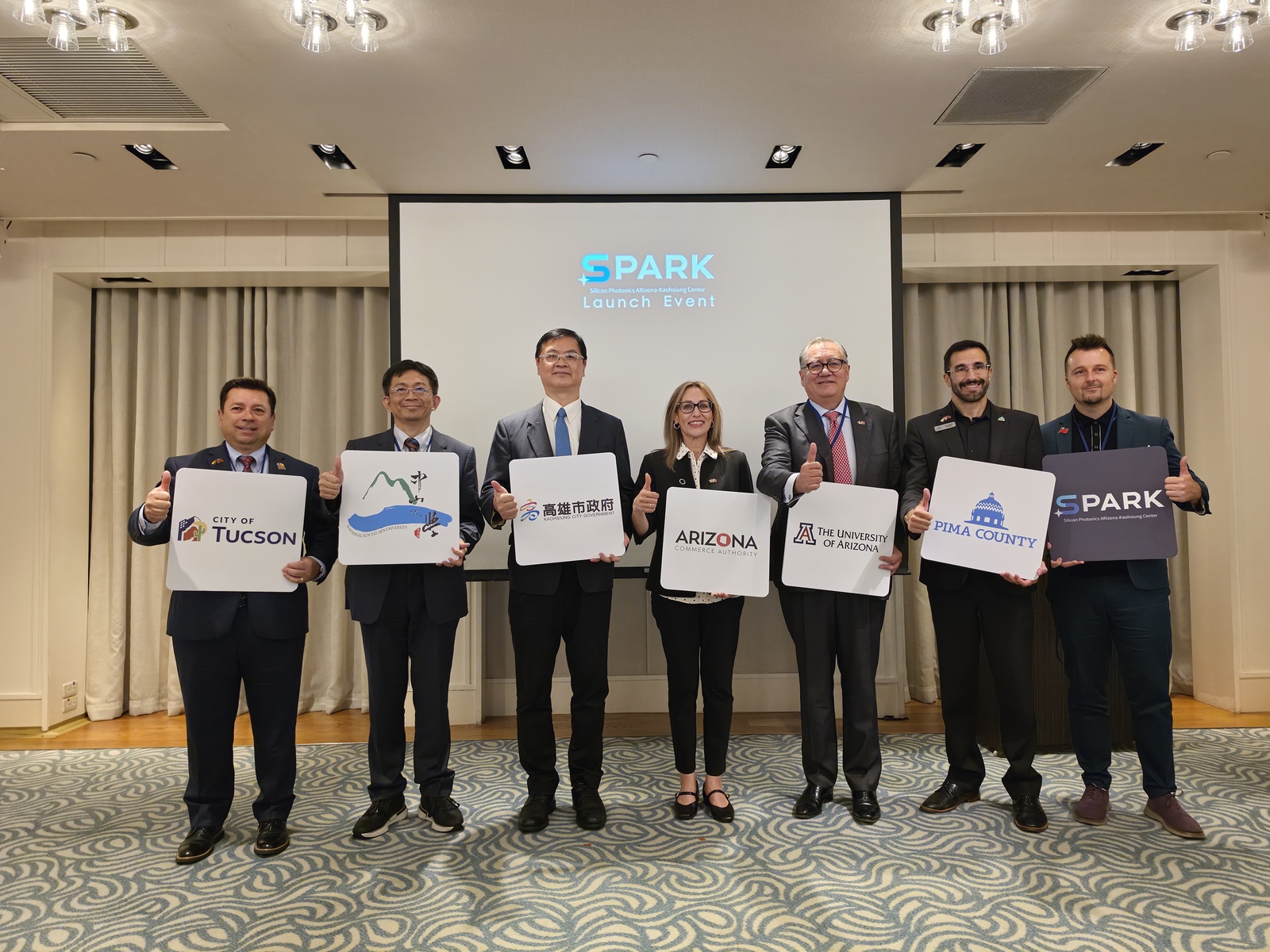
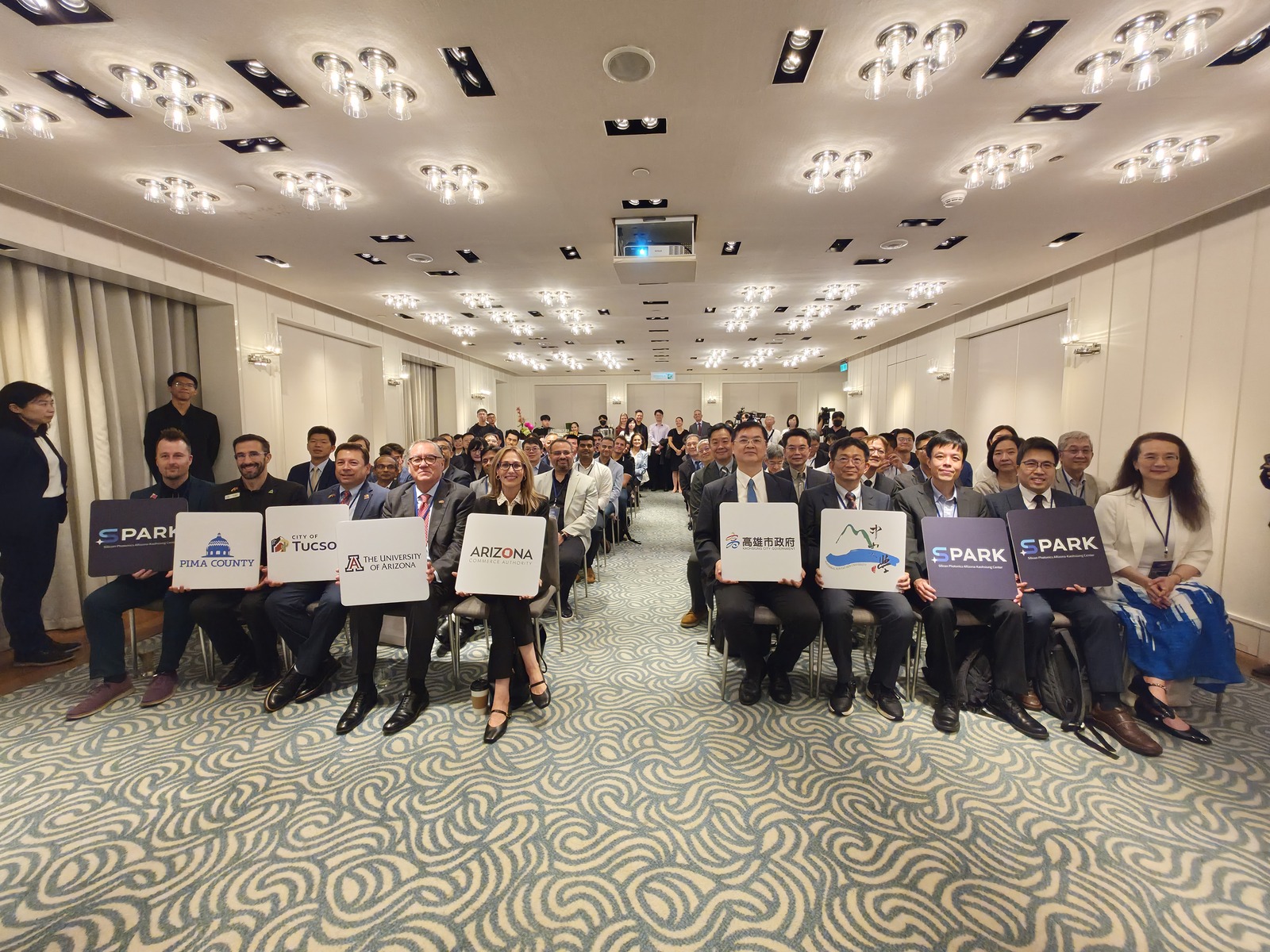
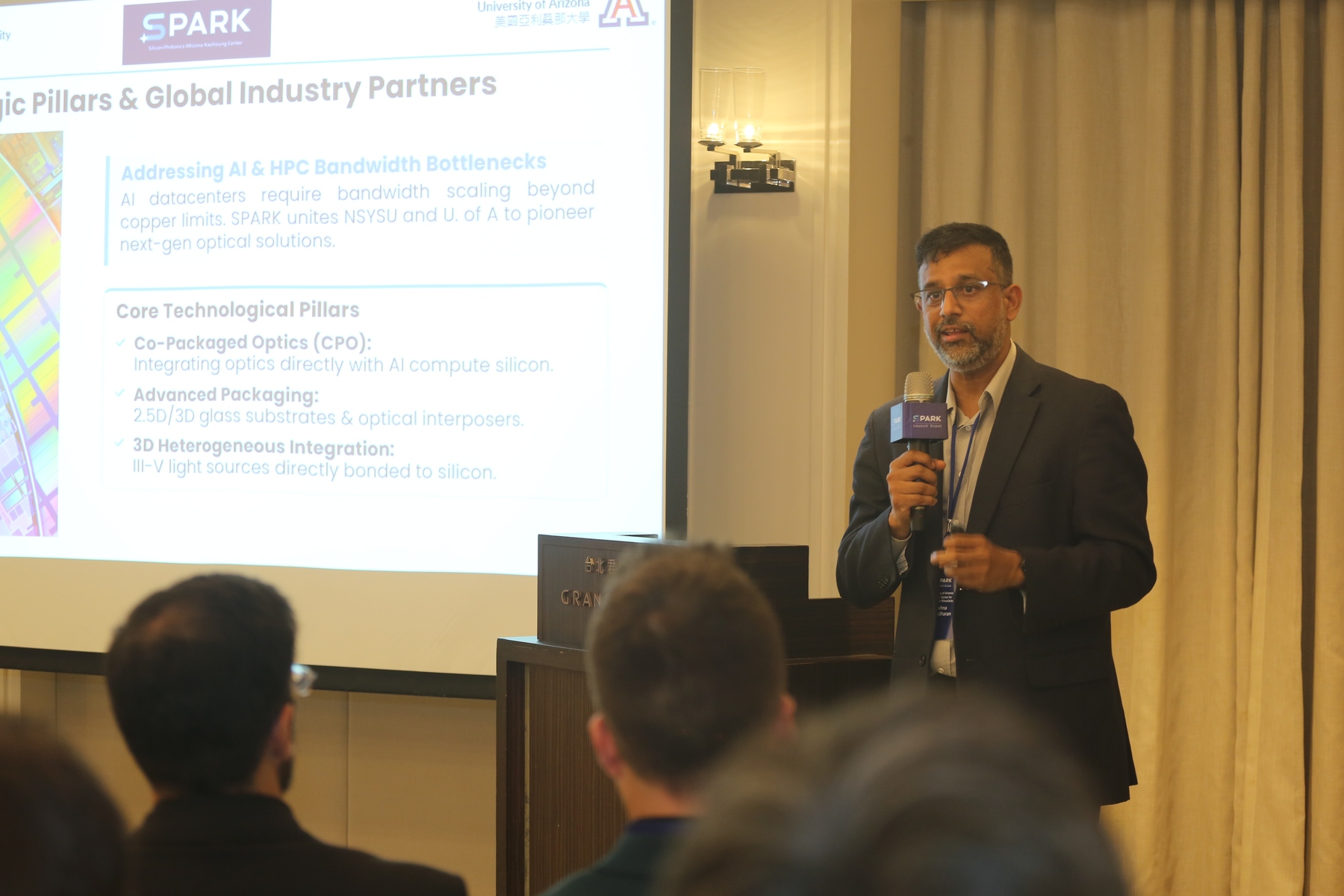
As the global race for AI computing power intensifies, data transmission speed and energy efficiency are emerging as critical bottlenecks, placing silicon photonics and co-packaged optics (CPO) at the forefront of next-generation semiconductor technologies. National Sun Yat-sen University (NSYSU) and the University of Arizona (U of A) have established the Silicon Photonics Arizona–Kaohsiung Center (SPARK), with support from the Kaohsiung City Government, Pima County, and the City of Tucson. Connecting Kaohsiung with Tucson, widely known as the United States' "Optics Valley," SPARK will serve as a cross-border platform for advanced research, talent development, and industrial applications.
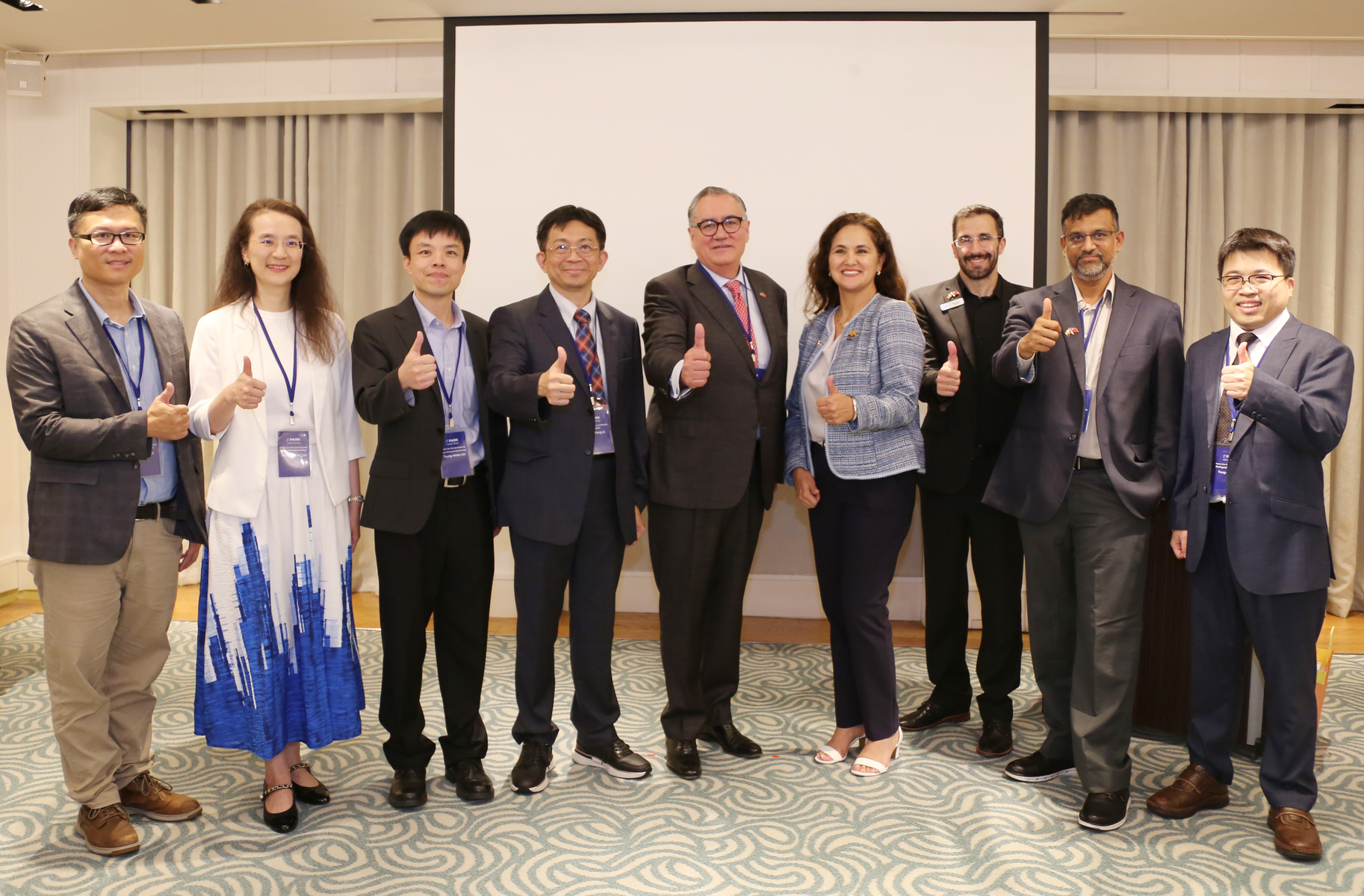
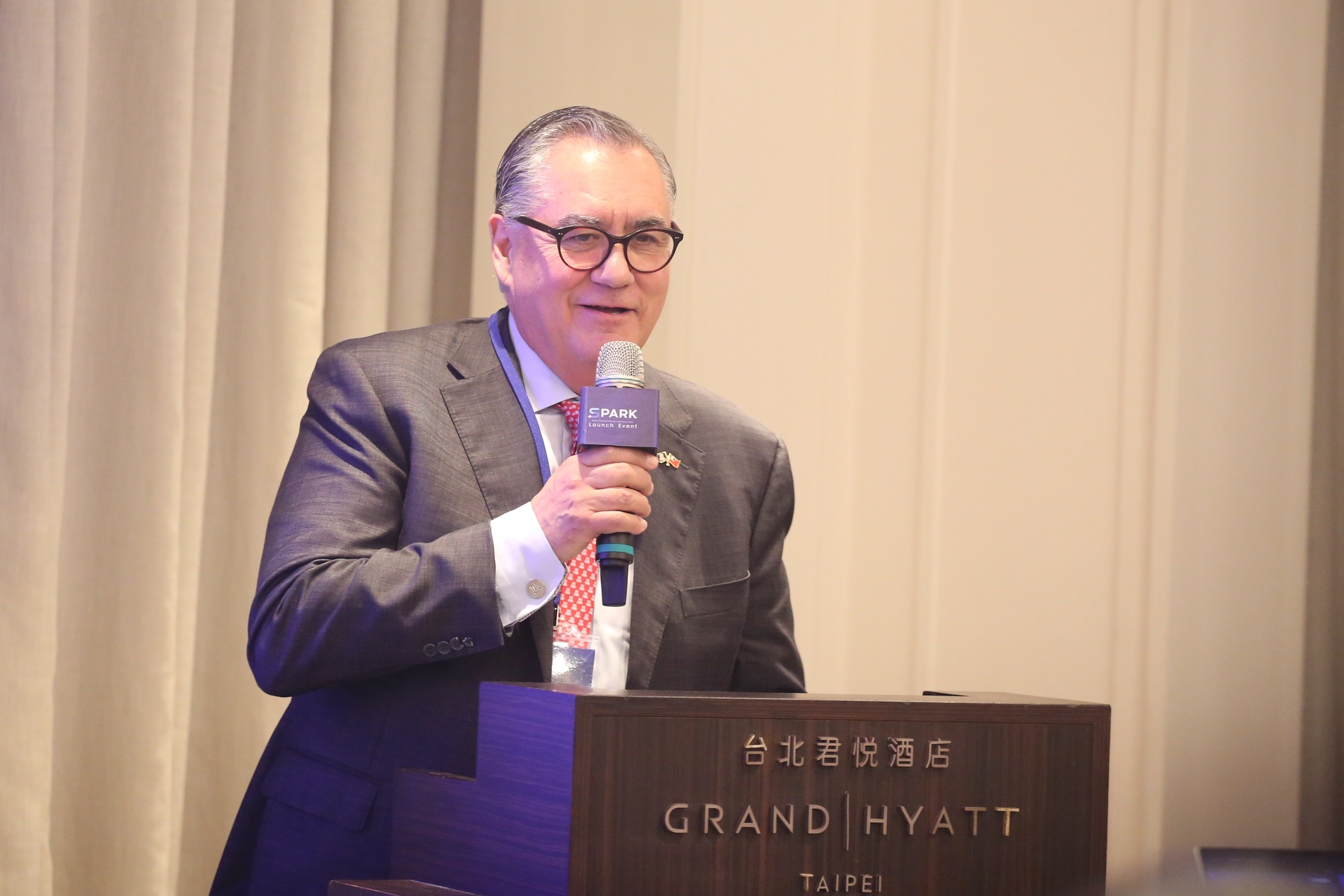
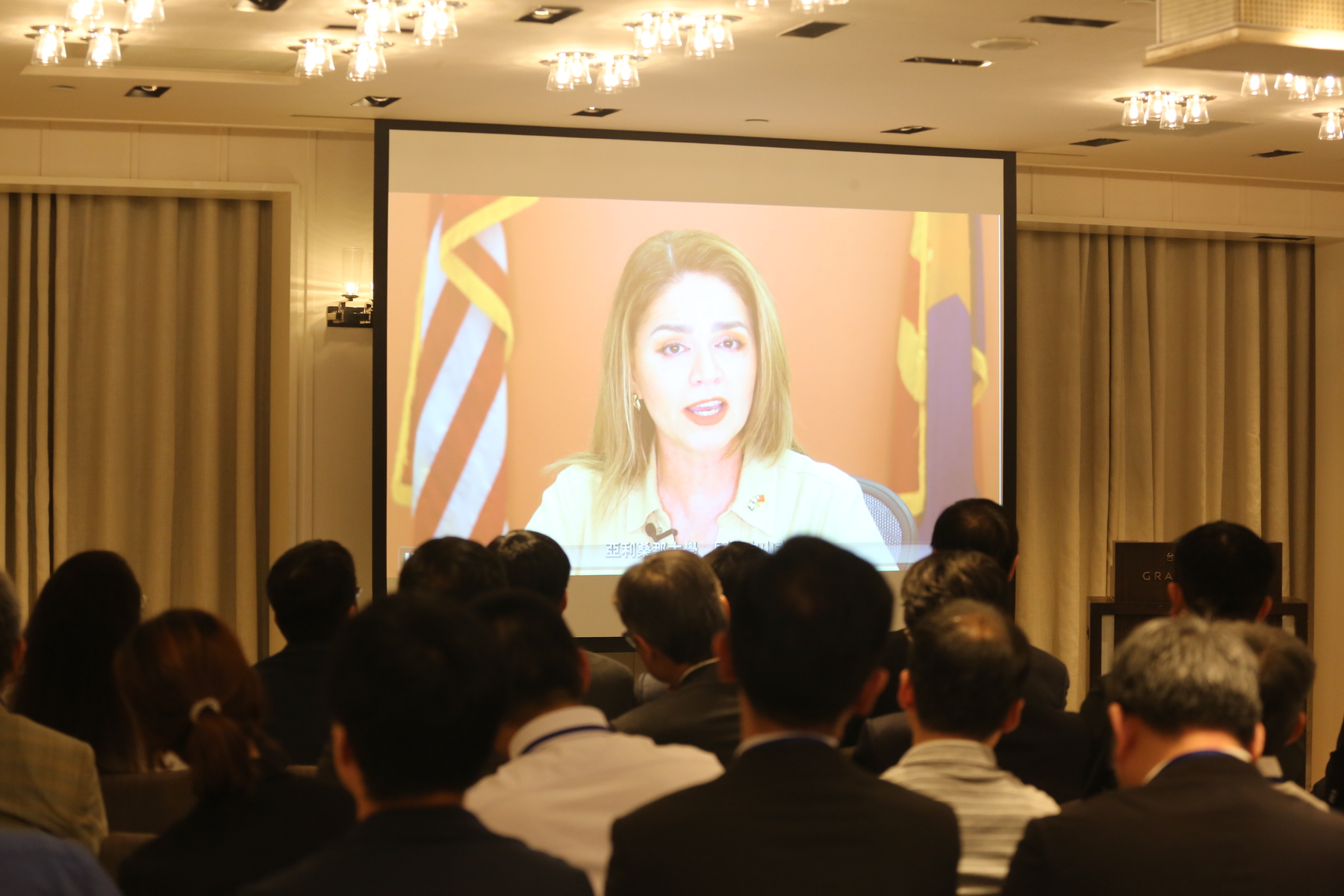
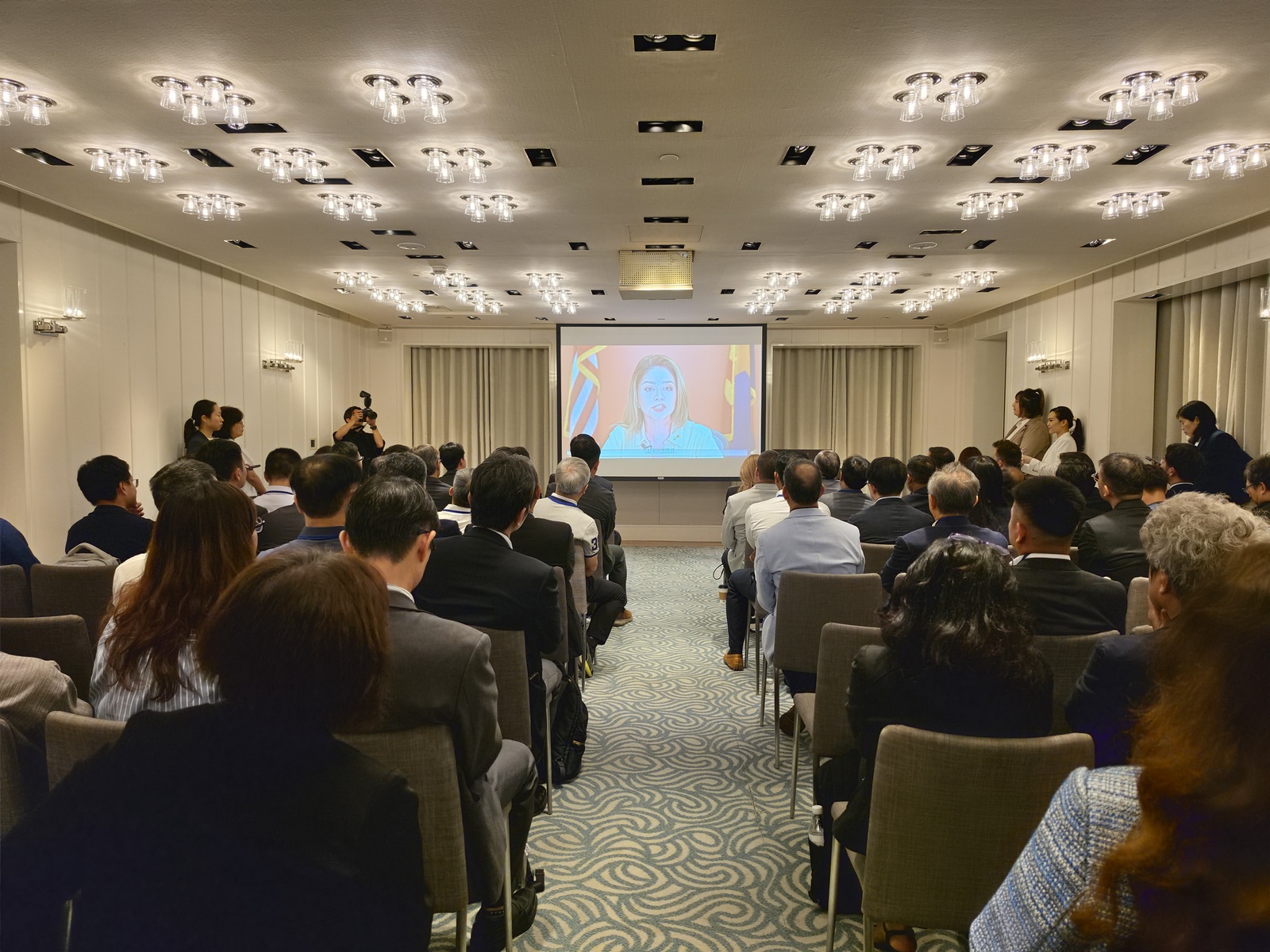
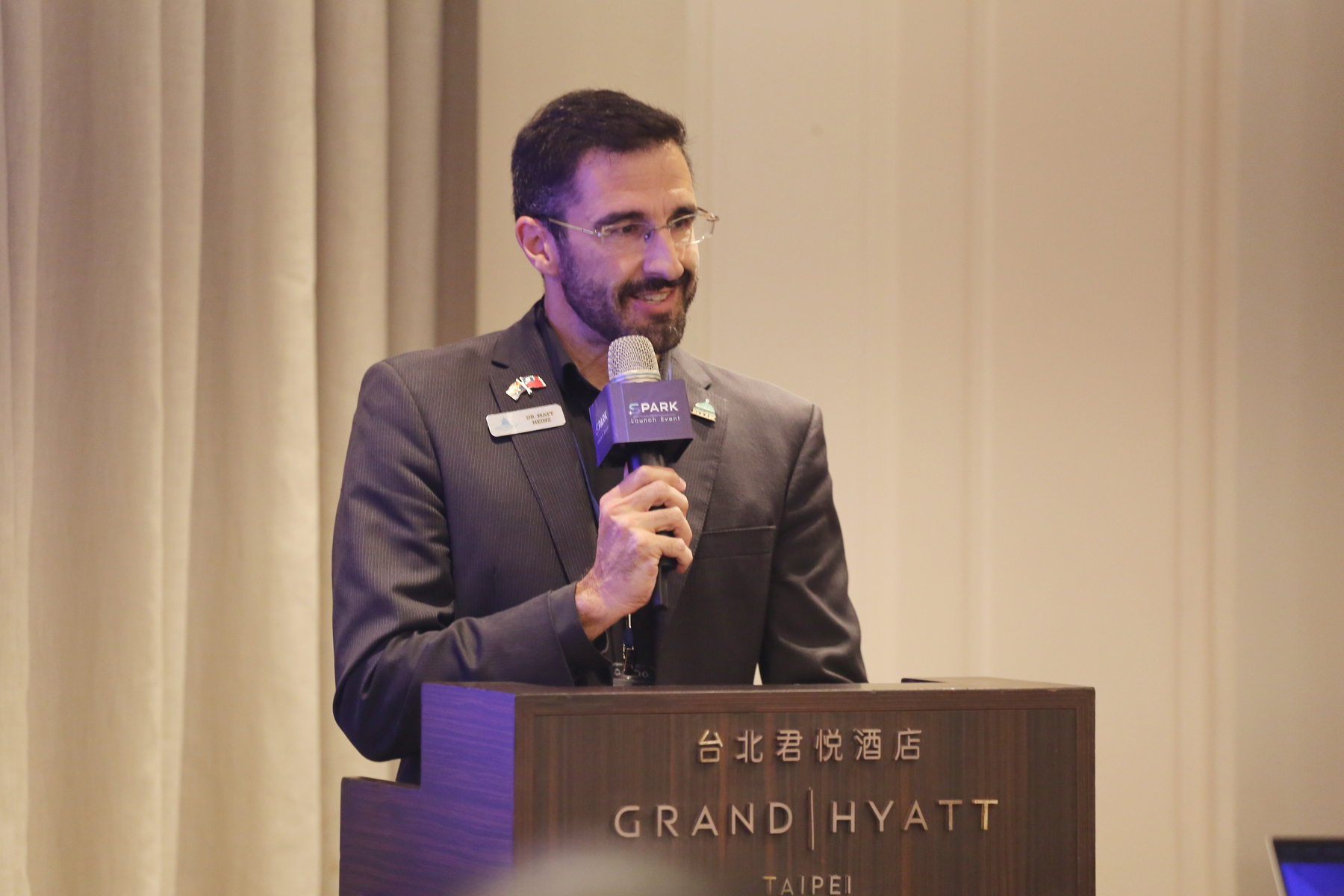
The launch was announced at the Grand Hyatt Taipei, bringing together Kaohsiung Deputy Mayor Ta-Sheng Lo; Sandra Watson, President and CEO of the Arizona Commerce Authority; Dr. Matt Heinz, Vice Chair of the Pima County Board of Supervisors; Dr. Tomas Diaz de la Rubia, Senior Vice President for Research and Partnerships at the University of Arizona; NSYSU President Chih-Peng Li; and representatives from more than 20 semiconductor, photonics, and technology companies from Taiwan and the United States. Domestic partners include TSMC, ASE, AUO, LITEON Technology, Realtek Semiconductor, Largan Precision, Grand Process Technology (GPTC), GMT Global, and QuantumZ; international partners from the United States, Japan, and Singapore include AMD, Micron, Lam Research, Synopsys, Tokyo Ohka Kogyo (TOK), ASMPT, Lightmatter, and MetaOptics, demonstrating strong industry support for cross-border collaboration in silicon photonics.
SPARK will focus on the convergence of artificial intelligence, silicon photonics, and semiconductor technologies, addressing growing demand from AI data centers for high-speed, high-volume, and energy-efficient data transmission. The Center plans to establish five research platforms spanning optical packaging, fiber-to-chip integration, light-source technologies, photonic integrated circuit design, and optical signal transmission. Together, they will connect key technologies across light sources, chips, advanced packaging, and data transmission, providing vital technical support for AI, high-performance computing, and next-generation data centers.
Kaohsiung Deputy Mayor Ta-Sheng Lo noted that surging demand for high-speed AI interconnects has made silicon photonics and co-packaged optics increasingly critical to AI, high-performance computing, and data centers. Their prominence at SEMICON Taiwan 2026 also highlights photonic-electronic integration as an important direction for the global semiconductor industry. Kaohsiung has been expanding its semiconductor "S Corridor," from TSMC's 2-nanometer advanced manufacturing fab to ASE's continued expansion of advanced packaging operations. As a key academic and research partner in the city's semiconductor ecosystem, NSYSU has continuously invested in silicon photonics research and talent development. Through SPARK, these local industry clusters and academic strengths will be seamlessly connected with the University of Arizona's world-renowned expertise in optical sciences, further enhancing Kaohsiung's international competitiveness in semiconductor technology.
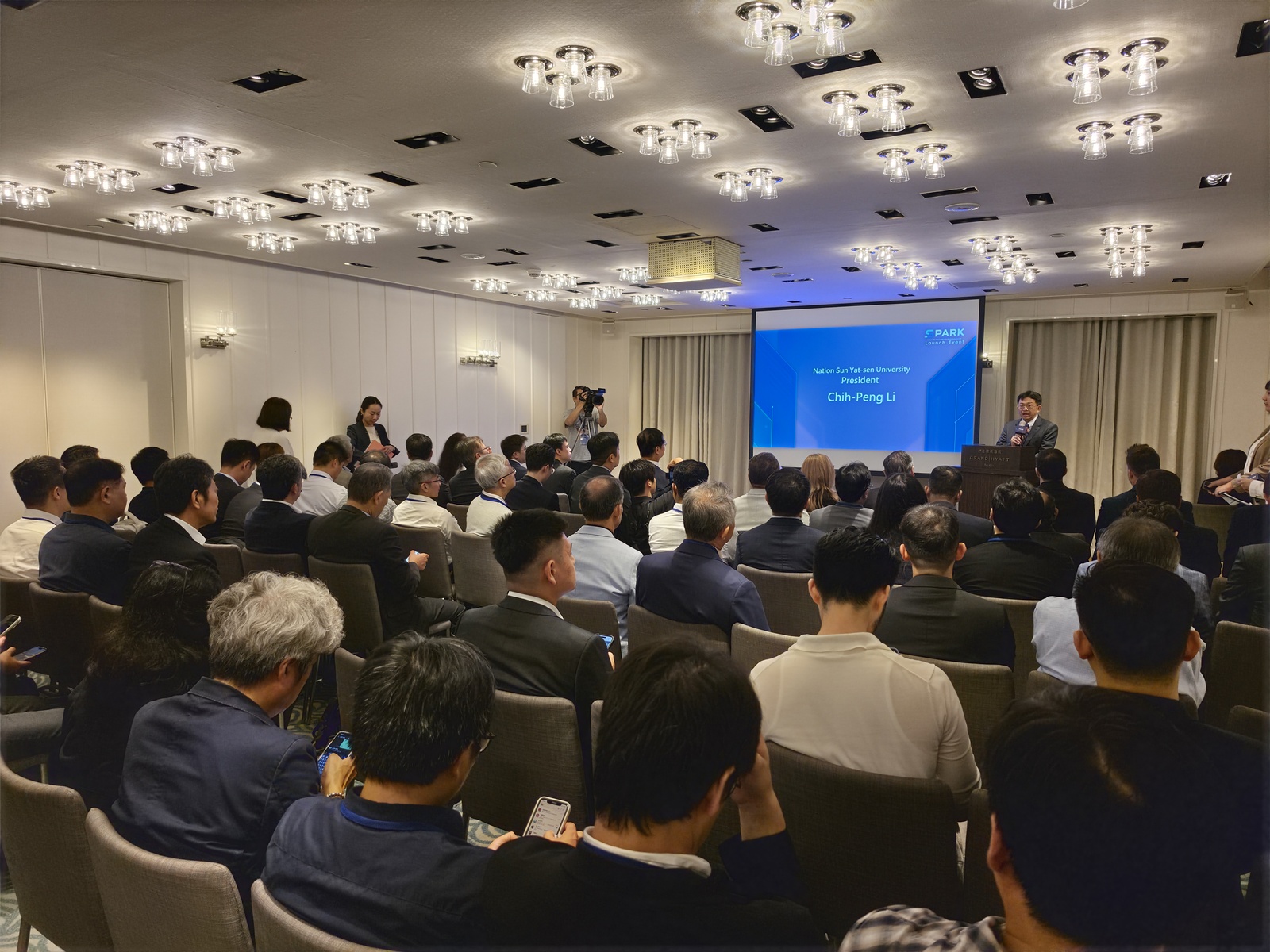
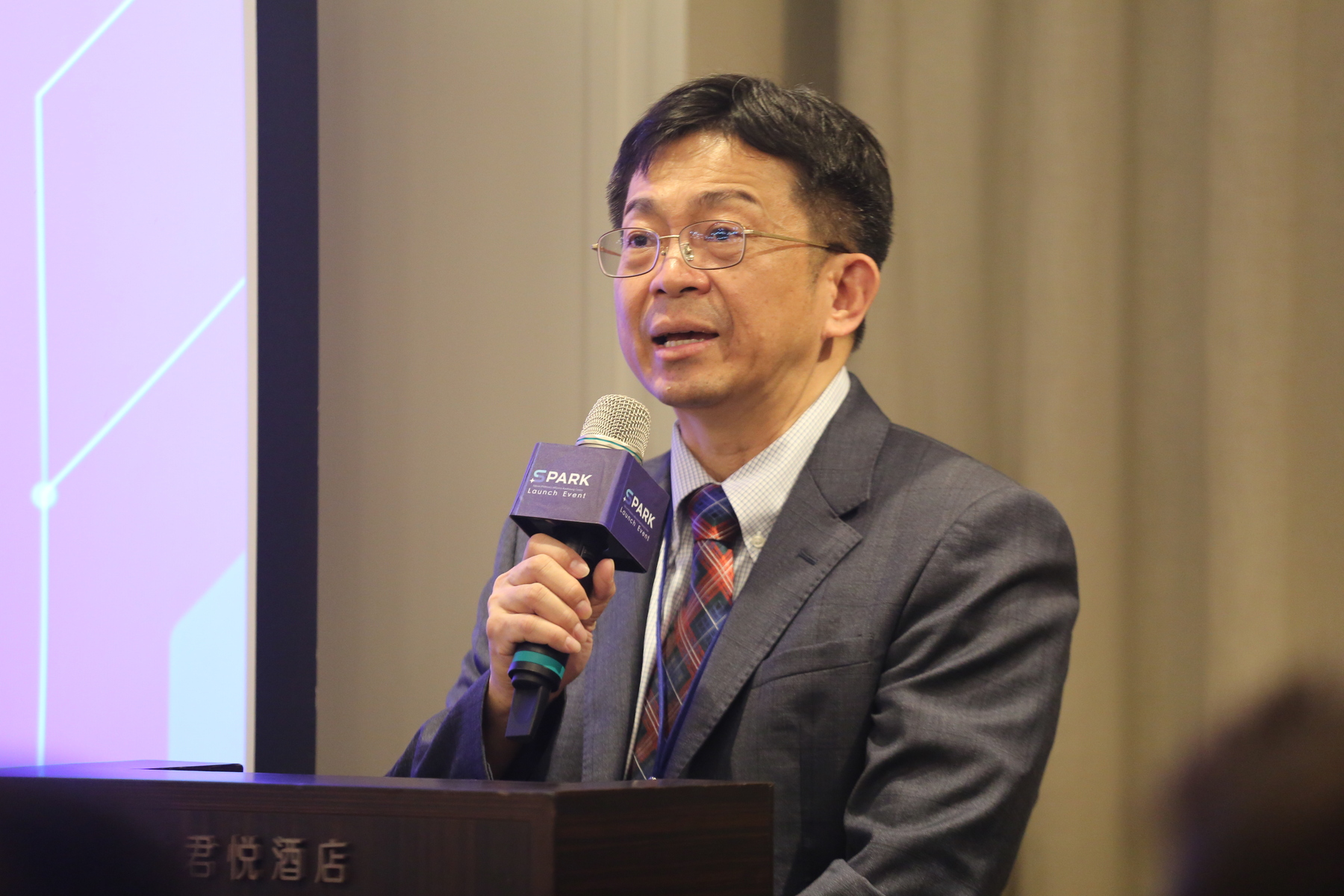
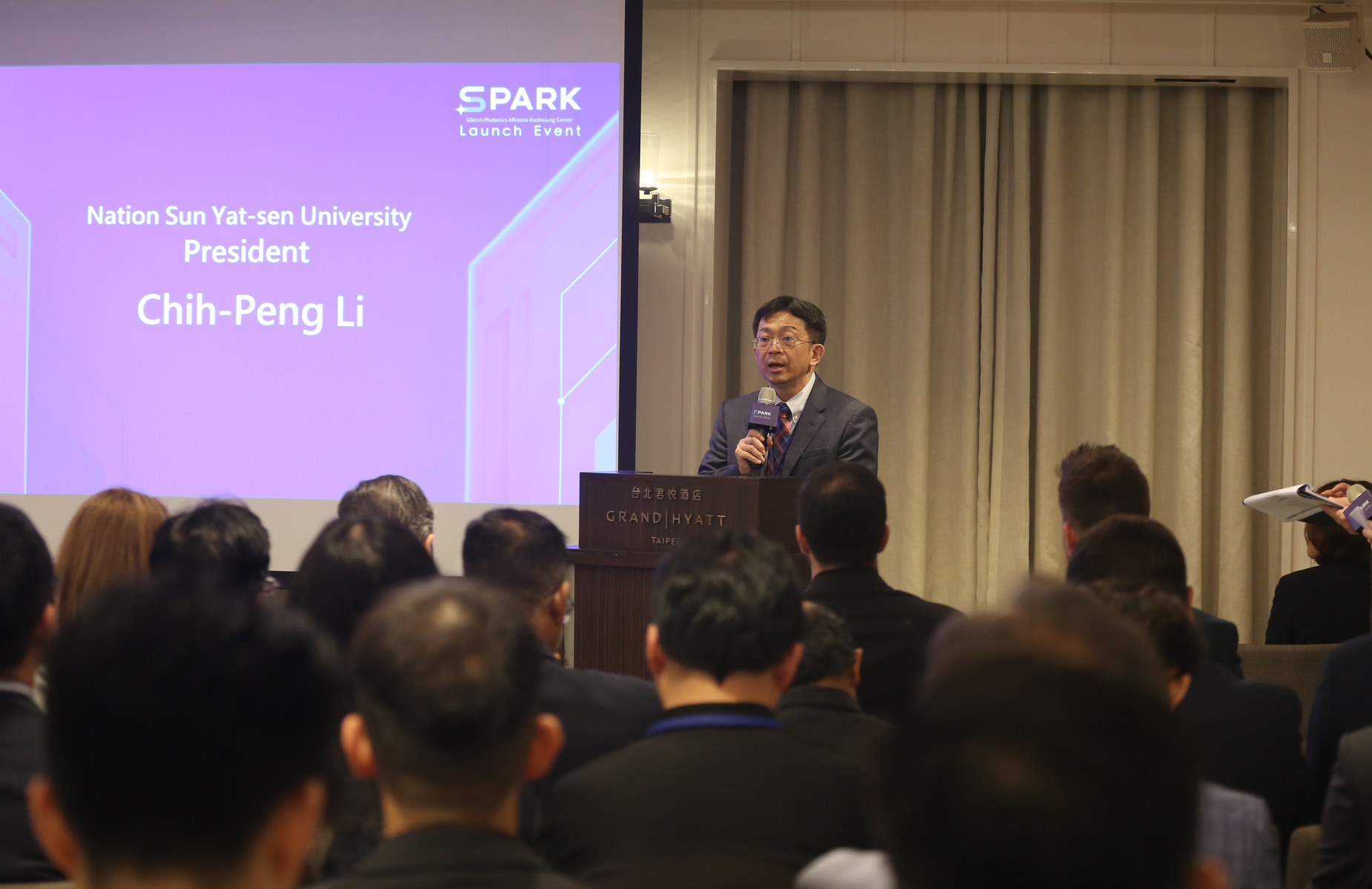
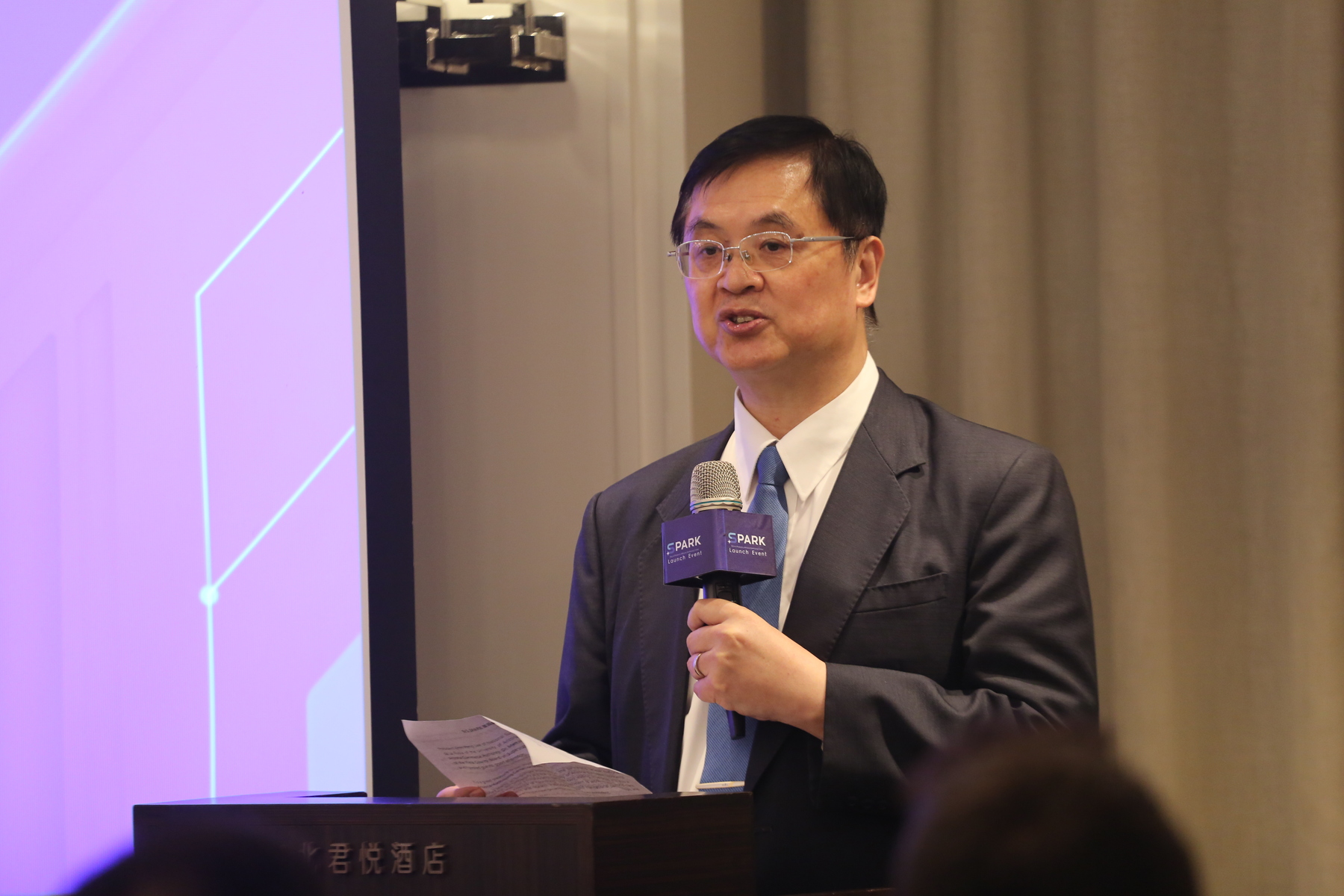
"The establishment of SPARK represents much more than a partnership between two universities. It is the result of deep cross-border collaboration among government, industry, and academia in Taiwan and the United States," emphasized NSYSU President Chih-Peng Li. President Li expressed special thanks to the State of Arizona, Pima County, the City of Tucson, and especially the Kaohsiung City Government for their full support in successfully building this trans-Pacific technological bridge. He noted that NSYSU has dedicated 13 years of research to silicon photonics, accumulating rich expertise in optoelectronic integration and advanced component design. Over the past three years, its industry-academia collaboration and technology transfer funding in this field has surpassed NT$134 million across 13 leading domestic and international enterprises and research institutions. Furthermore, its partnership with TSMC has spanned more than eight years, providing extensive experience in translating cutting-edge research into industrial applications.
President Li further explained that SPARK will establish hands-on education and talent cultivation hubs across Kaohsiung, Tucson, and Phoenix, with plans for dual-degree programs, cross-border microcredentials, and certificate courses. Students from NSYSU and the University of Arizona will have opportunities for interdisciplinary training in both Taiwan and the United States, while partner enterprises will gain priority access to top-tier talent nurtured through the Center.
NSYSU stated that SPARK will seamlessly link Kaohsiung's semiconductor and photonics ecosystem with Arizona's optics research network. It also bridges NSYSU's 13 years of silicon photonics achievements with the global high-tech industry—establishing a new model for Taiwan–U.S. collaboration spanning technological R&D, talent development, and industrial applications.
As the global race for AI computing power intensifies, data transmission speed and energy efficiency are emerging as critical bottlenecks, placing silicon photonics and co-packaged optics (CPO) at the forefront of next-generation semiconductor technologies. National Sun Yat-sen University (NSYSU) and the University of Arizona (U of A) have established the Silicon Photonics Arizona–Kaohsiung Center (SPARK), with support from the Kaohsiung City Government, Pima County, and the City of Tucson. Connecting Kaohsiung with Tucson, widely known as the United States' "Optics Valley," SPARK will serve as a cross-border platform for advanced research, talent development, and industrial applications.
The launch was announced at the Grand Hyatt Taipei, bringing together Kaohsiung Deputy Mayor Ta-Sheng Lo; Sandra Watson, President and CEO of the Arizona Commerce Authority; Dr. Matt Heinz, Vice Chair of the Pima County Board of Supervisors; Dr. Tomas Diaz de la Rubia, Senior Vice President for Research and Partnerships at the University of Arizona; NSYSU President Chih-Peng Li; and representatives from more than 20 semiconductor, photonics, and technology companies from Taiwan and the United States. Domestic partners include TSMC, ASE, AUO, LITEON Technology, Realtek Semiconductor, Largan Precision, Grand Process Technology (GPTC), GMT Global, and QuantumZ; international partners from the United States, Japan, and Singapore include AMD, Micron, Lam Research, Synopsys, Tokyo Ohka Kogyo (TOK), ASMPT, Lightmatter, and MetaOptics, demonstrating strong industry support for cross-border collaboration in silicon photonics.
SPARK will focus on the convergence of artificial intelligence, silicon photonics, and semiconductor technologies, addressing growing demand from AI data centers for high-speed, high-volume, and energy-efficient data transmission. The Center plans to establish five research platforms spanning optical packaging, fiber-to-chip integration, light-source technologies, photonic integrated circuit design, and optical signal transmission. Together, they will connect key technologies across light sources, chips, advanced packaging, and data transmission, providing vital technical support for AI, high-performance computing, and next-generation data centers.
Kaohsiung Deputy Mayor Ta-Sheng Lo noted that surging demand for high-speed AI interconnects has made silicon photonics and co-packaged optics increasingly critical to AI, high-performance computing, and data centers. Their prominence at SEMICON Taiwan 2026 also highlights photonic-electronic integration as an important direction for the global semiconductor industry. Kaohsiung has been expanding its semiconductor "S Corridor," from TSMC's 2-nanometer advanced manufacturing fab to ASE's continued expansion of advanced packaging operations. As a key academic and research partner in the city's semiconductor ecosystem, NSYSU has continuously invested in silicon photonics research and talent development. Through SPARK, these local industry clusters and academic strengths will be seamlessly connected with the University of Arizona's world-renowned expertise in optical sciences, further enhancing Kaohsiung's international competitiveness in semiconductor technology.
"The establishment of SPARK represents much more than a partnership between two universities. It is the result of deep cross-border collaboration among government, industry, and academia in Taiwan and the United States," emphasized NSYSU President Chih-Peng Li. President Li expressed special thanks to the State of Arizona, Pima County, the City of Tucson, and especially the Kaohsiung City Government for their full support in successfully building this trans-Pacific technological bridge. He noted that NSYSU has dedicated 13 years of research to silicon photonics, accumulating rich expertise in optoelectronic integration and advanced component design. Over the past three years, its industry-academia collaboration and technology transfer funding in this field has surpassed NT$134 million across 13 leading domestic and international enterprises and research institutions. Furthermore, its partnership with TSMC has spanned more than eight years, providing extensive experience in translating cutting-edge research into industrial applications.
President Li further explained that SPARK will establish hands-on education and talent cultivation hubs across Kaohsiung, Tucson, and Phoenix, with plans for dual-degree programs, cross-border microcredentials, and certificate courses. Students from NSYSU and the University of Arizona will have opportunities for interdisciplinary training in both Taiwan and the United States, while partner enterprises will gain priority access to top-tier talent nurtured through the Center.
NSYSU stated that SPARK will seamlessly link Kaohsiung's semiconductor and photonics ecosystem with Arizona's optics research network. It also bridges NSYSU's 13 years of silicon photonics achievements with the global high-tech industry—establishing a new model for Taiwan–U.S. collaboration spanning technological R&D, talent development, and industrial applications.
Click Num:
Share