
The science of fundraising: NSYSU study reveals how hand gestures in charity advertisements influence donation intentions
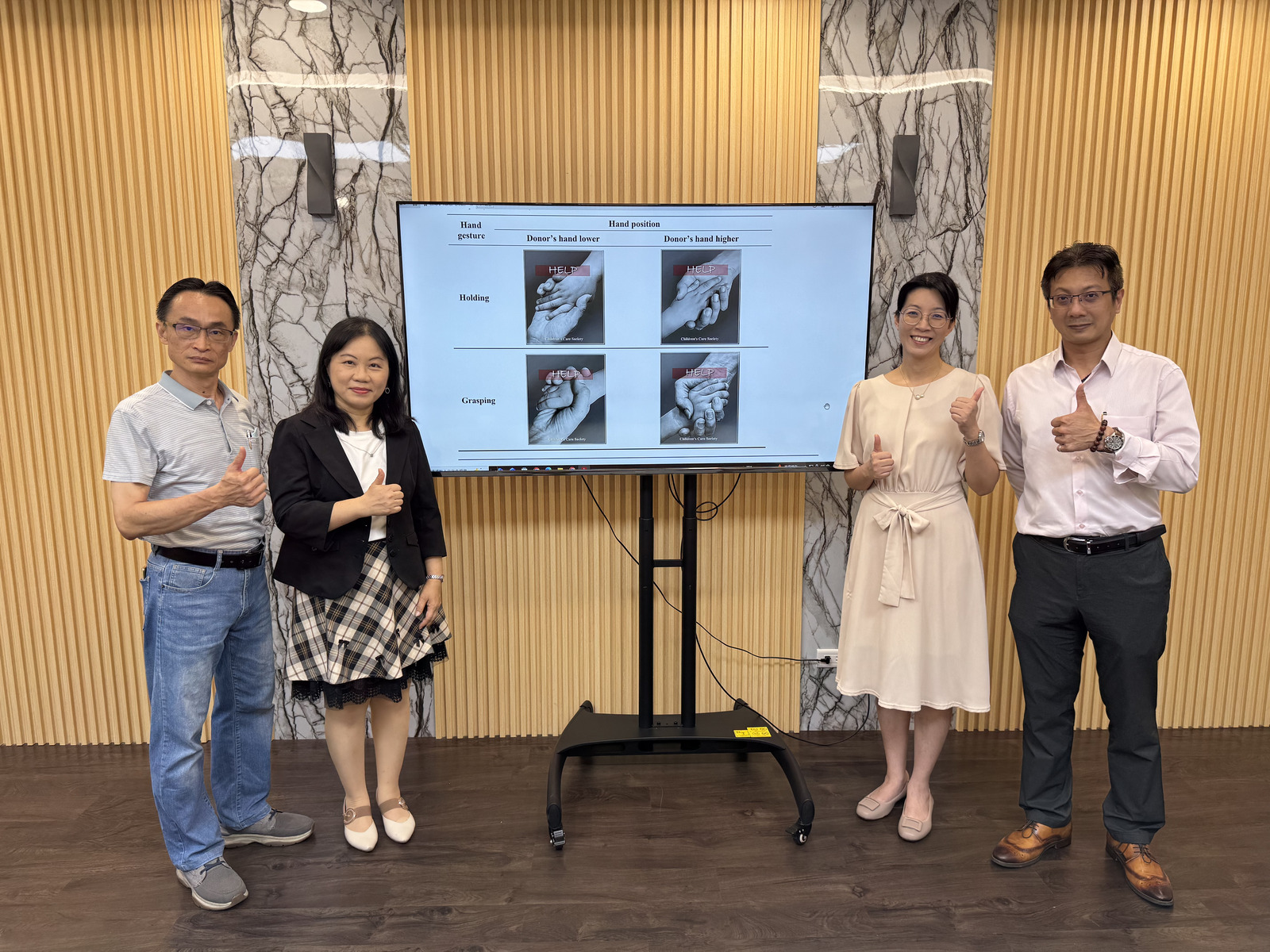
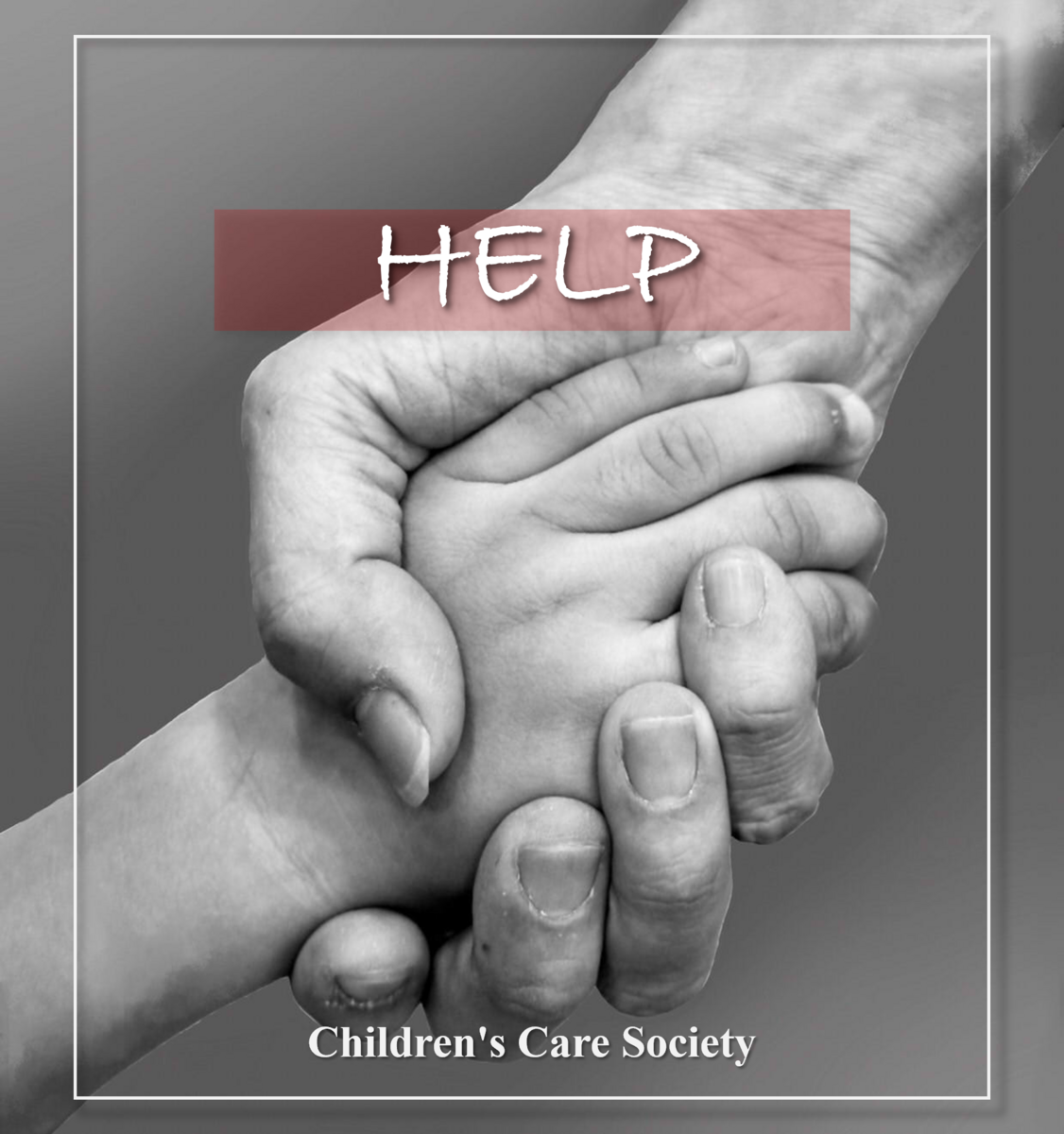
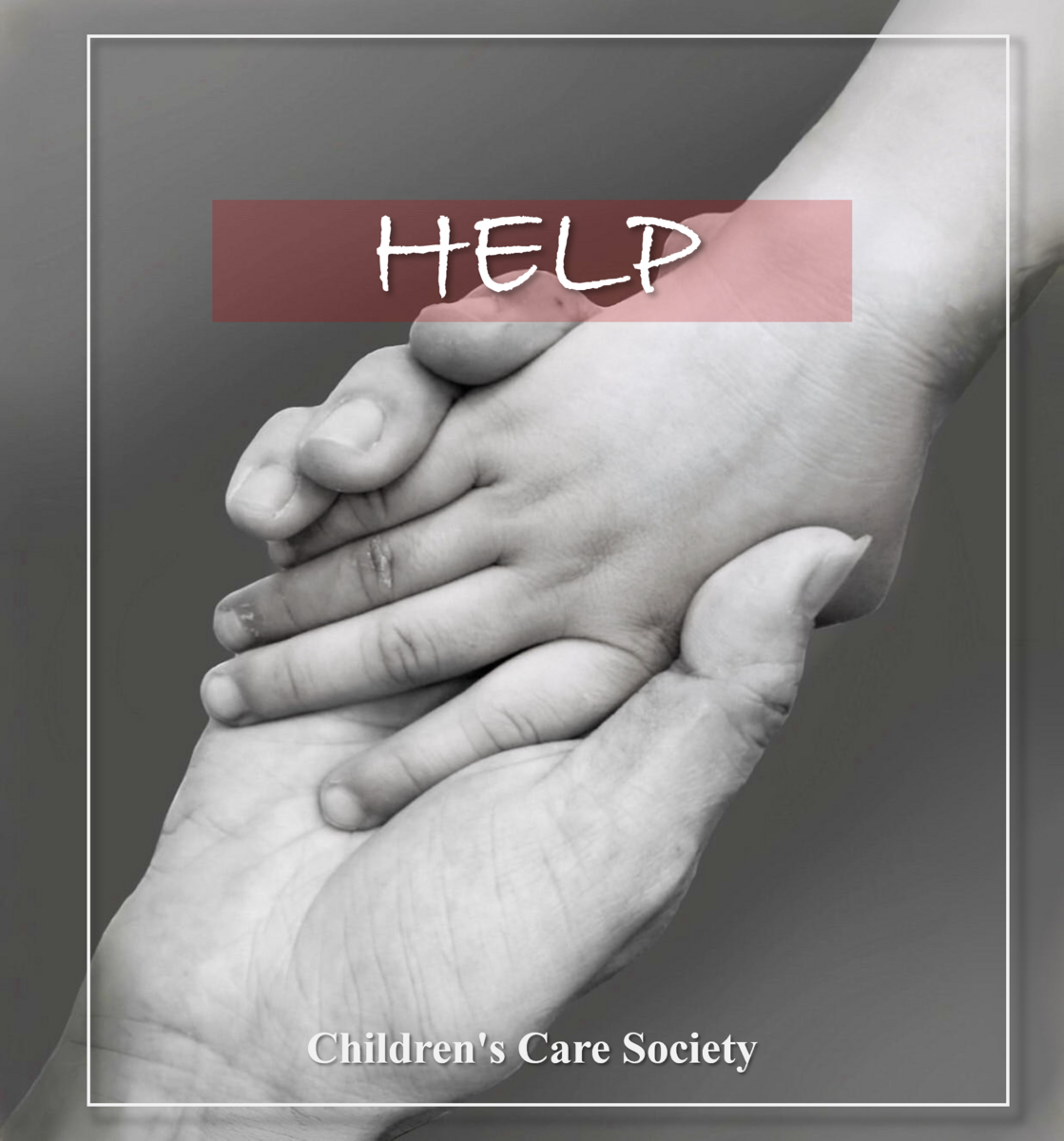
When people scroll through charity advertisements on their phones, could the way two hands are positioned make them more willing to donate? According to new research, the answer may be yes. A research team led by Chun-Tuan Chang, Distinguished Professor in the Department of Business Management at National Sun Yat-sen University (NSYSU), found that seemingly subtle visual elements, including the hand positions, hand gestures, and their alignment with advertising copy design, can significantly shape public perceptions of charitable organizations and influence donation intentions. The study shows that following several key design principles can make charity advertisements substantially more persuasive. The findings were published in the leading advertising journal, Journal of Advertising.
Chang explained that "lend a hand" is one of the most common visual metaphors used in charity advertising worldwide, yet few studies have examined whether the positioning of hands and their interactions affect persuasive outcomes. Titled Lend a "Hand!" Enhancing Charity Advertising Persuasiveness via Donor/Donee Hand Position, Hand Gesture, and Advertising Appeal, the study employed four experiments across charity contexts involving elders, children, and refugees. It investigated how the donor/donees' hand position, interaction gesture, and advertising appeal jointly influence donation decisions and actual giving behavior.
The researchers integrated the Stereotype Content Model and Processing Fluency Theory to identify the most effective visual strategies for charitable advertising. They found that when there was no obvious hand interaction, the donor's hand being higher than the donee's led viewers to perceive the charity as more competent and efficient, increasing both willingness to donate and actual donation amount. By contrast, placing the donor's hand lower tended to evoke feelings of warmth and care, although it was less effective in willingness to donate.
The effects became even stronger when hand gestures were taken into consideration. The study showed that when the donor's hand was positioned higher than the donee's with a firm grasping gesture, it most effectively evoked competence, professionalism, and reliability. Conversely, when the donor's hand was positioned lower with a palm-up holding gesture, it most effectively evoked warmth, equality, companionship, and care. Both congruent visual combinations were easier for viewers to process and generated a stronger willingness to donate than incongruent combinations.
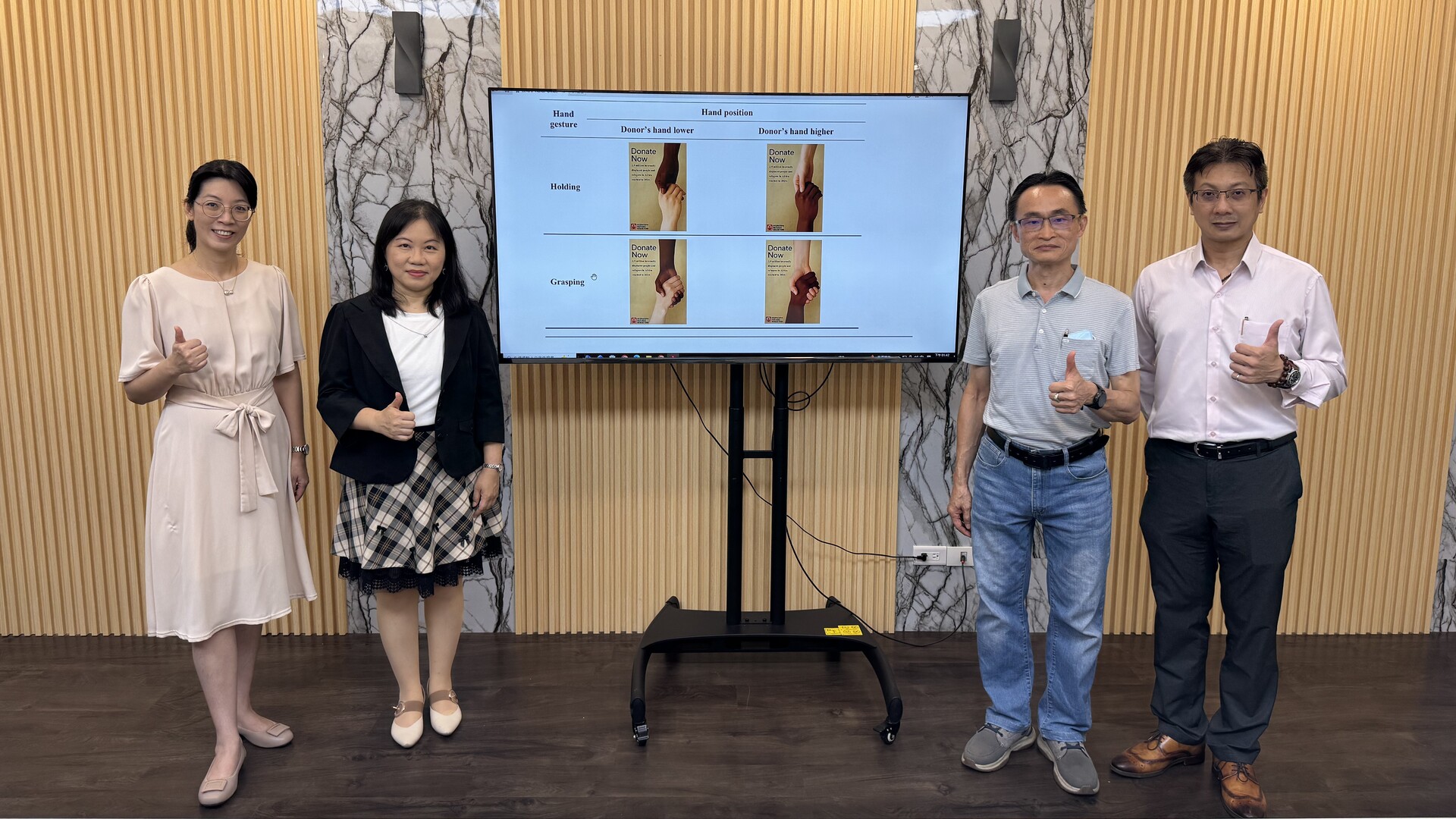
The wording of advertisements was also found to be crucial. Using international refugee rescue campaigns as the research context, the team found that advertising appeals emphasizing organizational competence, efficiency, and resource coordination were most persuasive when paired with the "higher position + grasping" visual. In contrast, advertising appeals highlighting compassion, companionship, and emotional support were most effective when matched with the "lower position + holding" visual. When images and text conveyed consistent messages, audiences processed the information more fluently, resulting in a stronger willingness to donate.
According to the researchers, the study's key contribution extends beyond identifying visually appealing images. It demonstrates that every visual detail in a charity advertisement can influence the public's first impression of a nonprofit organization. When hand position, gesture, and advertising appeal reinforce one another, messages become easier to understand, and charitable appeals become more convincing.
Chang noted that many nonprofit organizations operate with limited budgets and often rely on a single poster or social media post to communicate with the public. Consequently, maximizing fundraising effectiveness within limited resources is especially important. The study provides evidence-based design guidelines that can help charities, nonprofit foundations, and marketing professionals select the most appropriate combinations of hand imagery and advertising appeal for different communication objectives, transforming the phrase "lend a hand" from a slogan into a scientifically supported strategy for increasing charitable impact. Chang served as the first author of the study, collaborating with Professor Yu-Kang Lee of the Department of Political Economy at NSYSU; Professor Hsiao-Ching Lee (corresponding author), Professor Zhao-Hong Cheng of the Department of International Business at National Kaohsiung University of Science and Technology; and Yi-Jing Chen, Marketing Manager at a Croatia-based science influencer marketing agency.
Note: The Journal of Advertising is a top international journal in the field of advertising and strategic communication. In 2025, its Journal Impact Factor (JIF) was 7.7, and its Scopus CiteScore was 16.9, ranking among the top in both communication and business categories. Journal link: https://doi.org/10.1080/00913367.2026.2613894