
NSYSU connects Philippine education leaders with Taiwan's education and research ecosystem
2026-09-17
As the Philippines moves forward with plans to establish the Philippine Science Institute (PSI), a delegation of 14 school principals and education officials led by Maridon O. Sahagun, Undersecretary for Scientific and Technical Services at the Philippine Department of Science and Technology (DOST), recently visited Taiwan to explore the country's education, research, and talent development ecosystem.
Organized by the Taiwan Education Center in the Philippines, operated by National Sun Yat-sen University (NSYSU), the visit brought together representatives from the Philippine Science High School System and other leading secondary schools. With support from Taiwan's Ministry of Education and the Education Division of the Taipei Economic and Cultural Office in the Philippines, the delegation visited high schools, universities, Academia Sinica, and government agencies. The program generated concrete outcomes ranging from new school partnerships and student recruitment initiatives to opportunities for scientific collaboration.
NSYSU President Chih-Peng Li said that the University has long been committed to strengthening educational ties with Southeast Asia. Through the Taiwan Education Center, secondary-school exchange programs, and international research collaboration, NSYSU seeks to connect education, research, and industry into a more integrated talent development pipeline.
"Our goal is not only to encourage more student mobility, but also to build lasting connections across different stages of education and research," Li said. "By bringing institutions in Taiwan and the Philippines closer together, we hope to create more opportunities for young people to develop the knowledge, skills, and international experience needed for the future."
The Taiwan Education Center in the Philippines has facilitated Taiwan–Philippines secondary-school exchanges for four consecutive years, gradually building a network through student visits, teacher exchanges, institutional partnerships, and summer science programs. This year's program expanded the scope to universities and research institutions, giving the Philippine delegation a broader view of Taiwan's approach to education and scientific talent development.
At Taipei Municipal Zhong Zheng Senior High School, Principal Hsiao-Cheng Hsu and his team introduced the school's educational programs and international initiatives. During the visit, Zhong Zheng Senior High School and De La Salle Santiago Zobel School signed a memorandum of understanding, formally establishing a sister-school partnership and taking their existing student exchanges toward a longer-term institutional relationship.
The delegation also visited National Taiwan University of Science and Technology (Taiwan Tech), where participants learned about the University's strengths in engineering and technology, international education, and student recruitment. Several Philippine schools expressed strong interest in introducing Taiwan Tech to their students and invited the University to conduct recruitment activities in the Philippines. Initial recruitment exchanges are expected to begin in September.
Scientific research was another major focus of the visit. At Academia Sinica, the delegation met with research center leaders and scientists to learn about Taiwan's research environment and institutional framework.
DOST representatives noted that Taiwan's experience could provide valuable reference as the Philippines develops plans for the Philippine Science Institute. The visit also opened discussions on potential cooperation in research capacity building, scientific talent development, institutional development, and future joint research.
At NSYSU, the delegation toured the campus and research facilities and learned about the University's work in biomedical sciences and physics. Participants were particularly interested in NSYSU's research infrastructure, faculty expertise, and interdisciplinary approach to education.
With approximately one-third of students at Philippine science high schools aspiring to pursue medicine and related fields, several participating schools identified NSYSU's Department of Biomedical Science and Environmental Biology as a potential study destination they would recommend to students considering higher education in Taiwan.
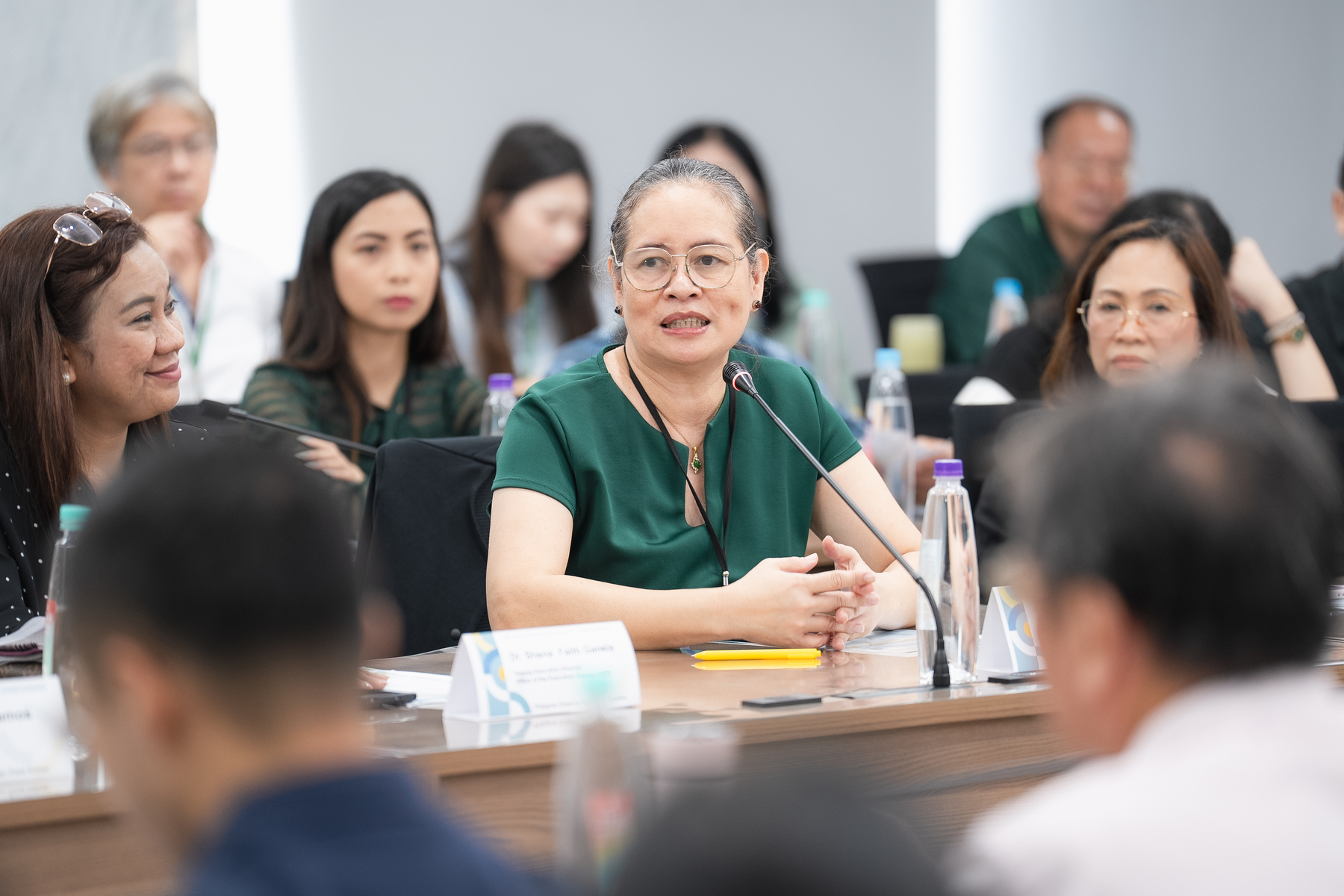
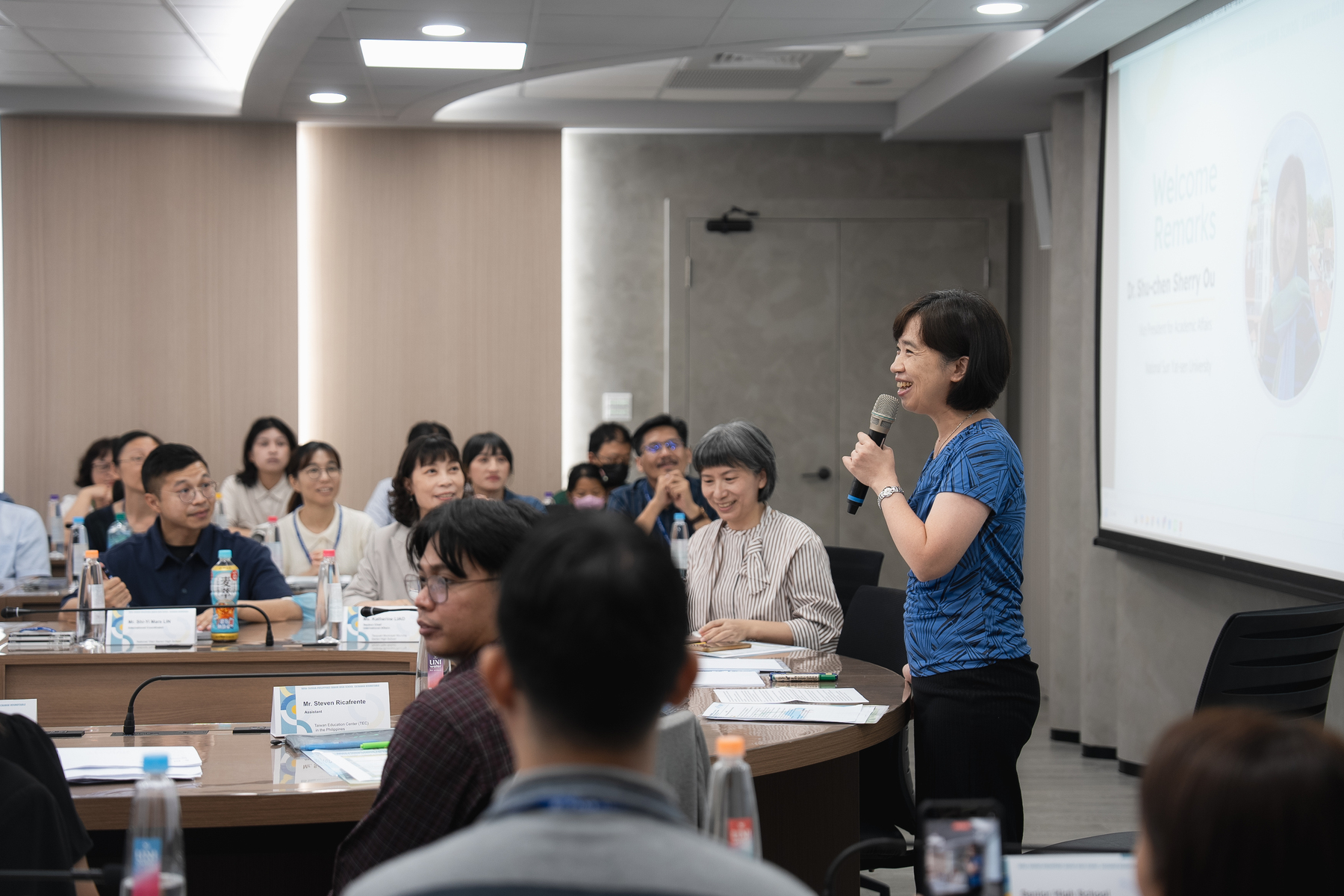
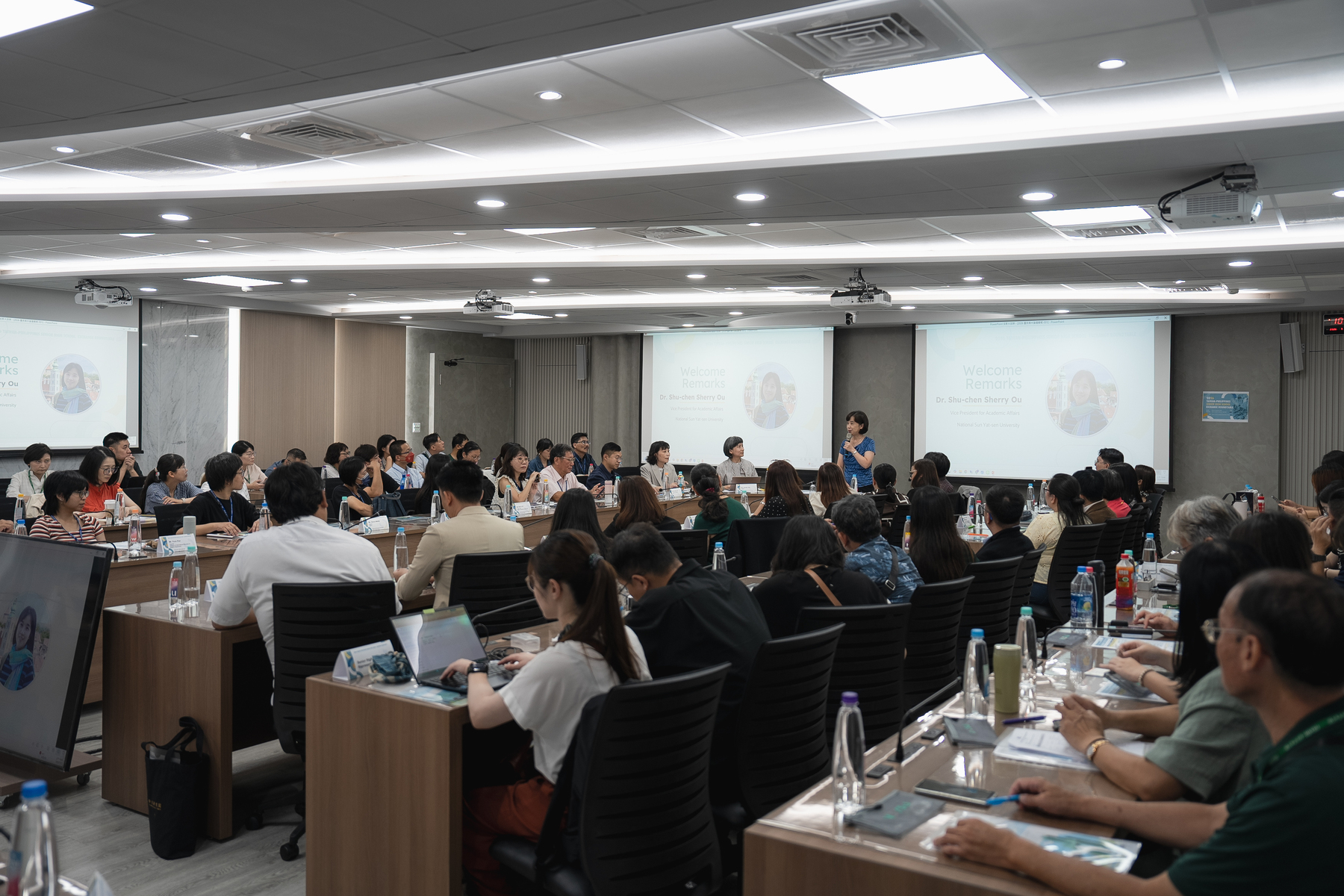
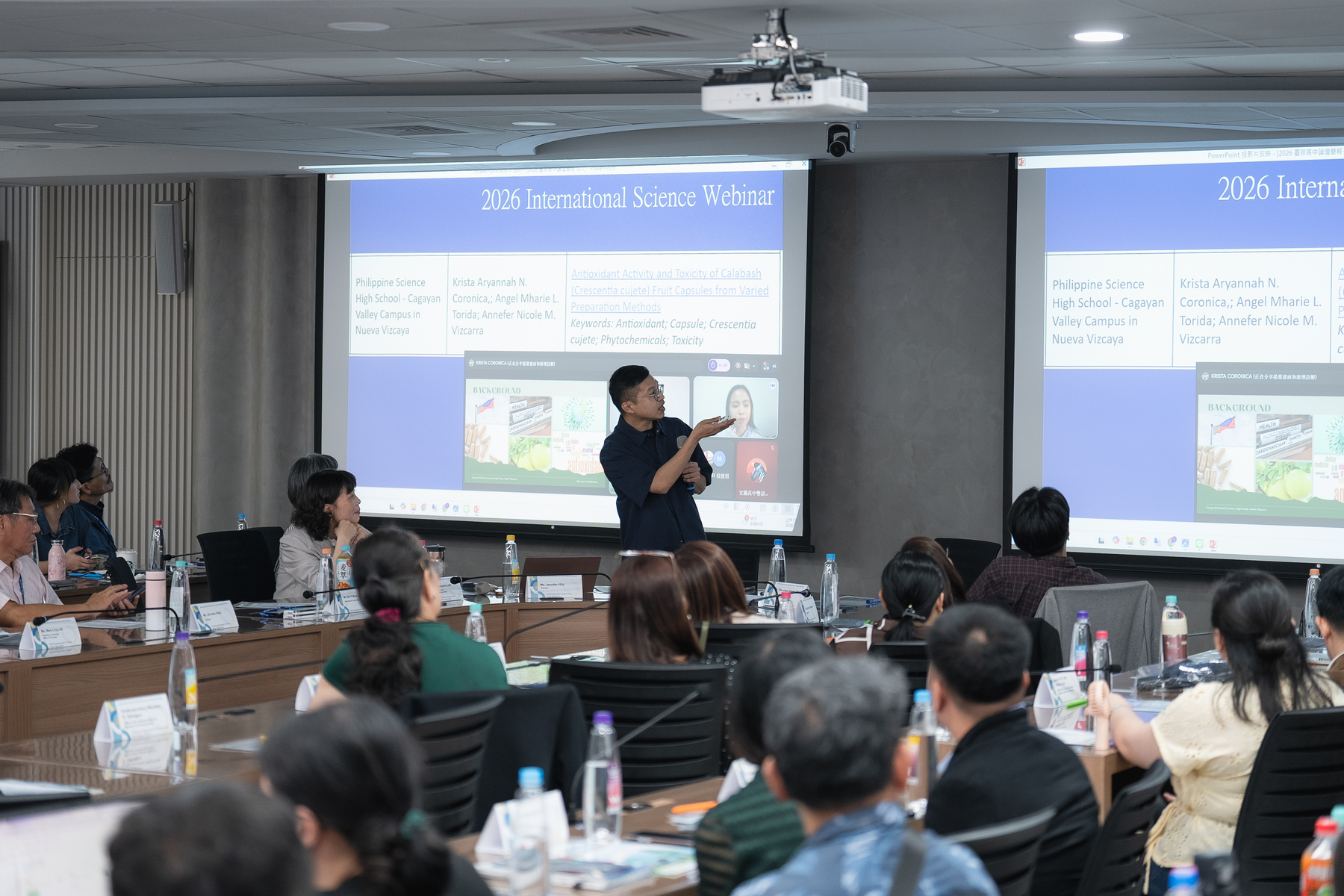
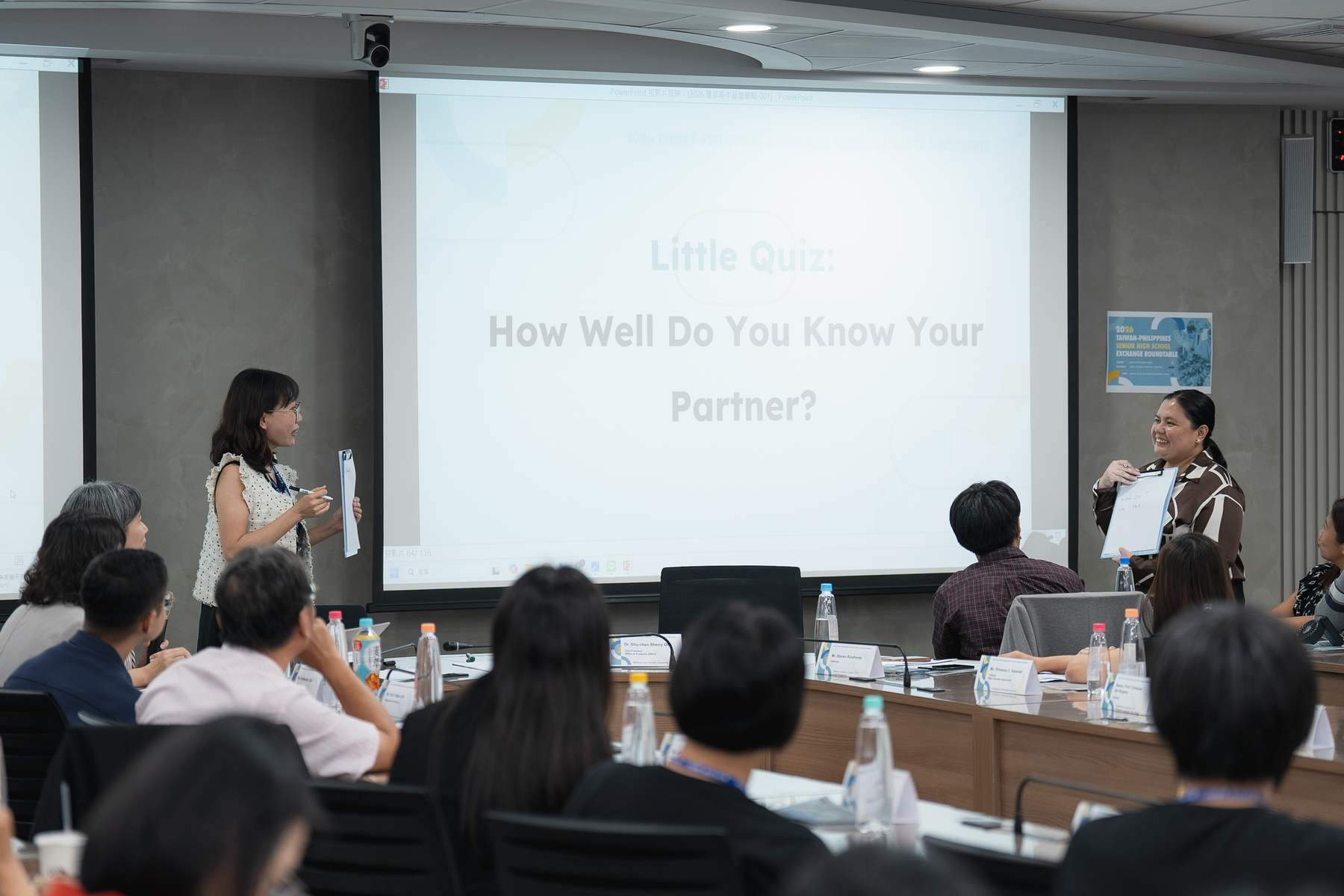
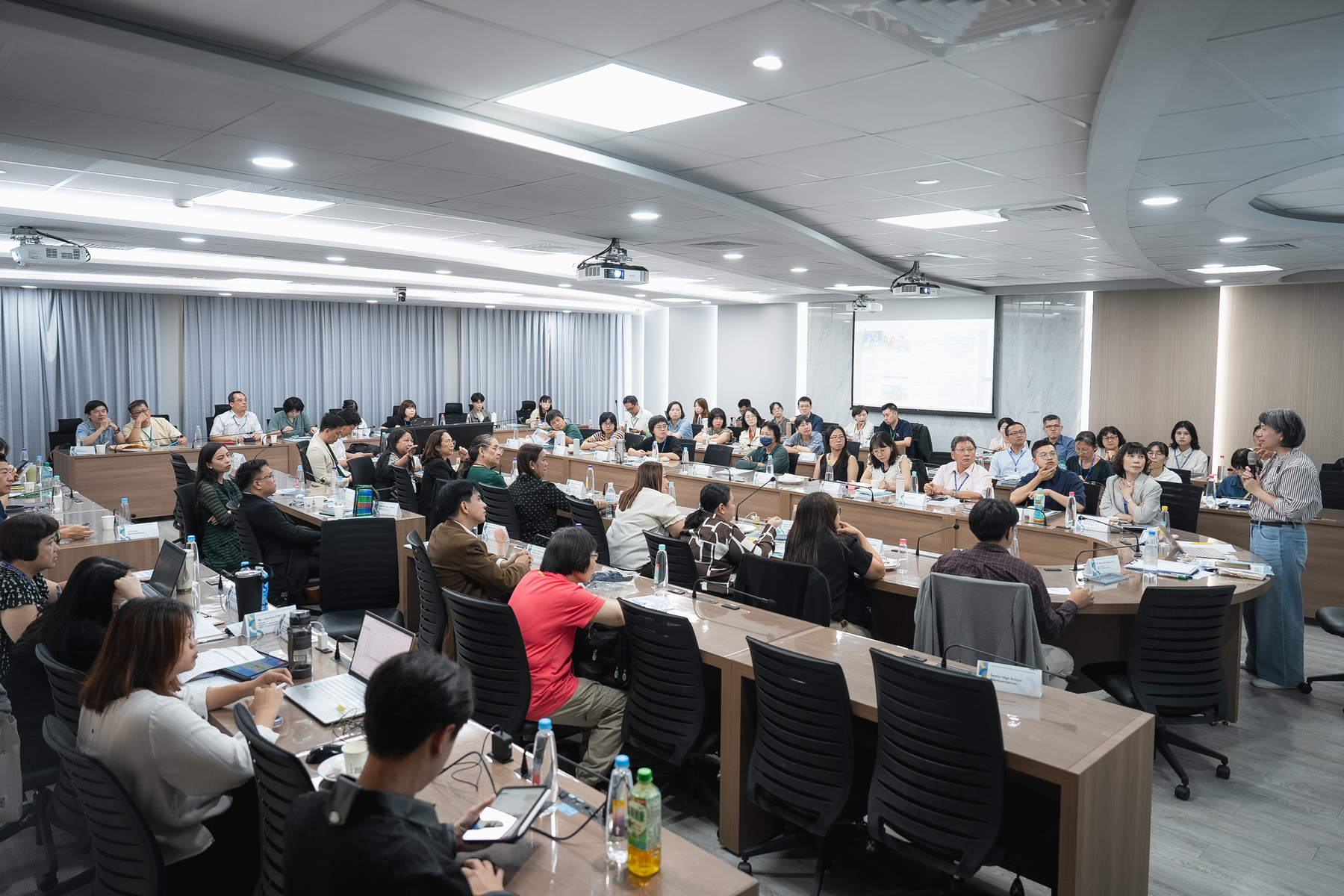
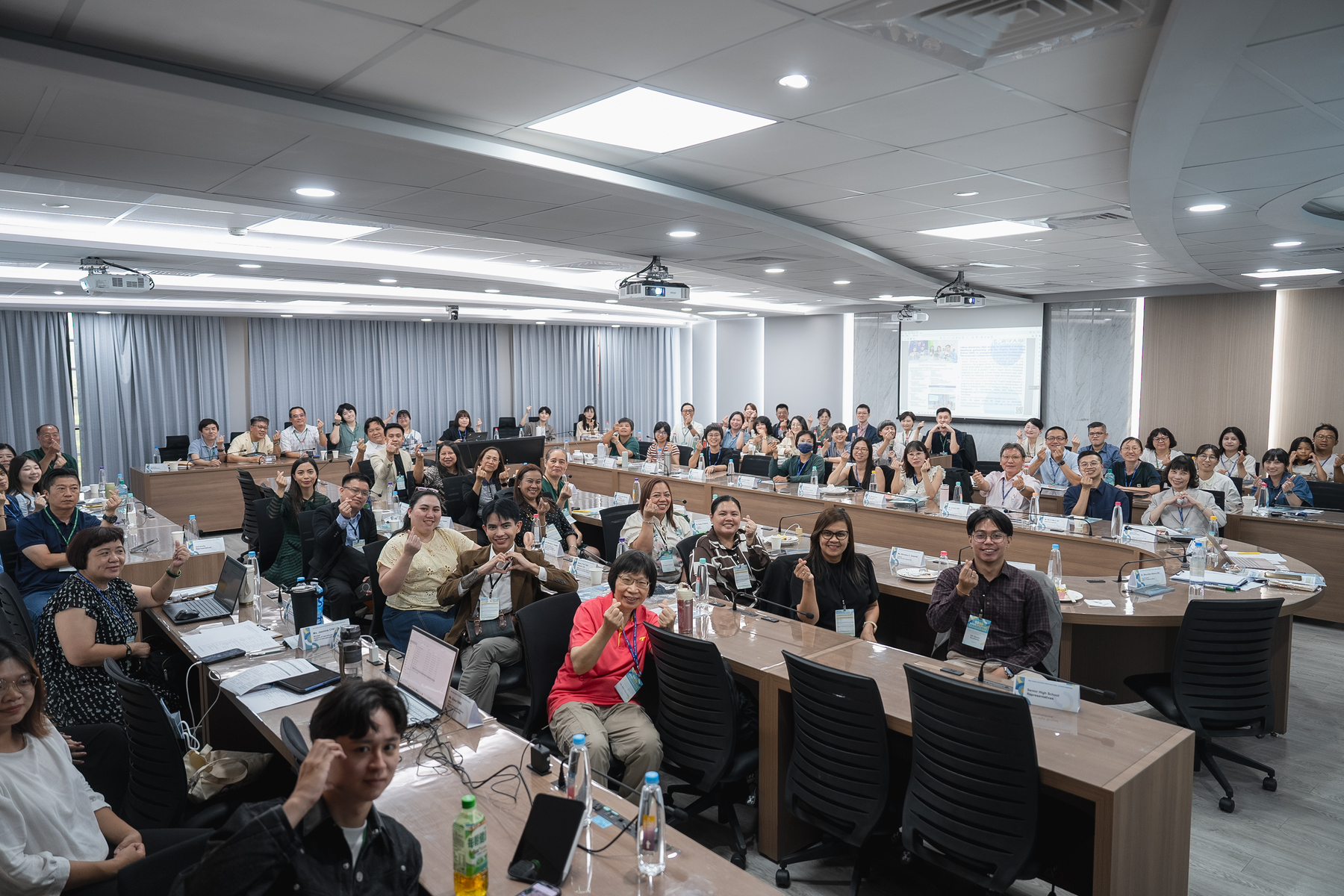
During the visit, the Taiwan Education Center also organized the fourth Taiwan–Philippines Education Forum, bringing together representatives from more than 30 Taiwanese high schools.
Schools with established Taiwan–Philippines partnerships shared their experiences in student and faculty exchanges, while nearly 10 additional Taiwanese schools expressed interest in developing partnerships with Philippine counterparts. The forum created a platform for schools to identify potential partners directly and develop future student exchanges and institutional collaborations.
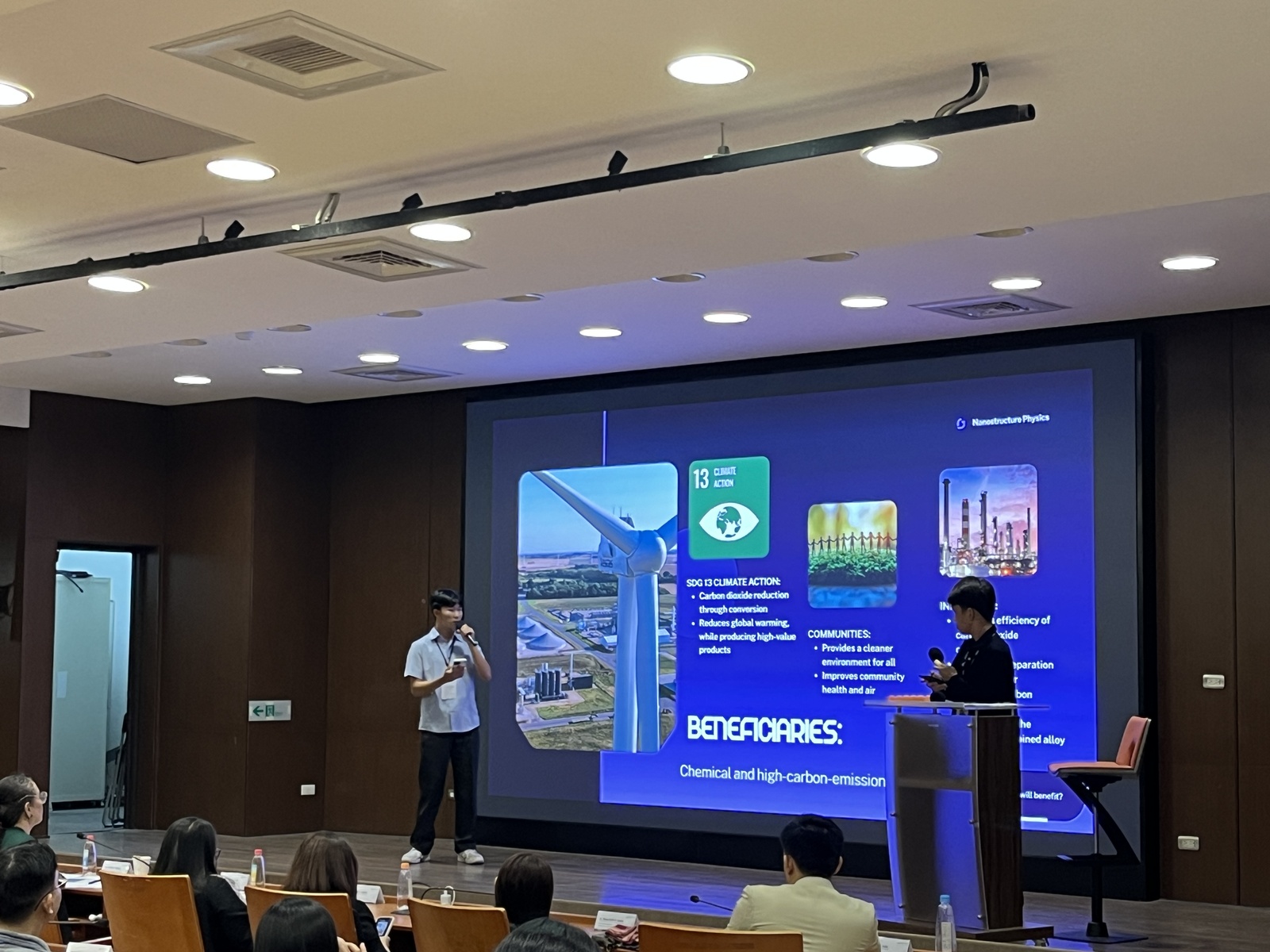
The delegation concluded its visit by attending the final presentation of NSYSU's annual Science & Innovation Camp, now in its fourth year. Thirty-six high school students from Taiwan, the Philippines, and Vietnam completed five days of scientific experiments, interdisciplinary learning, and innovation and entrepreneurship training.
At the camp's culminating Shark Tank Pitch, students presented their projects entirely in English before an international audience of nearly 100 school principals, teachers, and parents from Taiwan and the Philippines. Their presentations demonstrated not only scientific and entrepreneurial thinking, but also the communication, teamwork, and problem-solving skills developed through working in multinational teams.
By connecting secondary schools, universities, research institutions, and government agencies within a single program, NSYSU hopes to move Taiwan–Philippines educational cooperation beyond individual exchanges toward a more comprehensive partnership in education, science, and talent development.
As the Philippines moves forward with plans to establish the Philippine Science Institute (PSI), a delegation of 14 school principals and education officials led by Maridon O. Sahagun, Undersecretary for Scientific and Technical Services at the Philippine Department of Science and Technology (DOST), recently visited Taiwan to explore the country's education, research, and talent development ecosystem.
Organized by the Taiwan Education Center in the Philippines, operated by National Sun Yat-sen University (NSYSU), the visit brought together representatives from the Philippine Science High School System and other leading secondary schools. With support from Taiwan's Ministry of Education and the Education Division of the Taipei Economic and Cultural Office in the Philippines, the delegation visited high schools, universities, Academia Sinica, and government agencies. The program generated concrete outcomes ranging from new school partnerships and student recruitment initiatives to opportunities for scientific collaboration.
NSYSU President Chih-Peng Li said that the University has long been committed to strengthening educational ties with Southeast Asia. Through the Taiwan Education Center, secondary-school exchange programs, and international research collaboration, NSYSU seeks to connect education, research, and industry into a more integrated talent development pipeline.
"Our goal is not only to encourage more student mobility, but also to build lasting connections across different stages of education and research," Li said. "By bringing institutions in Taiwan and the Philippines closer together, we hope to create more opportunities for young people to develop the knowledge, skills, and international experience needed for the future."
The Taiwan Education Center in the Philippines has facilitated Taiwan–Philippines secondary-school exchanges for four consecutive years, gradually building a network through student visits, teacher exchanges, institutional partnerships, and summer science programs. This year's program expanded the scope to universities and research institutions, giving the Philippine delegation a broader view of Taiwan's approach to education and scientific talent development.
At Taipei Municipal Zhong Zheng Senior High School, Principal Hsiao-Cheng Hsu and his team introduced the school's educational programs and international initiatives. During the visit, Zhong Zheng Senior High School and De La Salle Santiago Zobel School signed a memorandum of understanding, formally establishing a sister-school partnership and taking their existing student exchanges toward a longer-term institutional relationship.
The delegation also visited National Taiwan University of Science and Technology (Taiwan Tech), where participants learned about the University's strengths in engineering and technology, international education, and student recruitment. Several Philippine schools expressed strong interest in introducing Taiwan Tech to their students and invited the University to conduct recruitment activities in the Philippines. Initial recruitment exchanges are expected to begin in September.
Scientific research was another major focus of the visit. At Academia Sinica, the delegation met with research center leaders and scientists to learn about Taiwan's research environment and institutional framework.
DOST representatives noted that Taiwan's experience could provide valuable reference as the Philippines develops plans for the Philippine Science Institute. The visit also opened discussions on potential cooperation in research capacity building, scientific talent development, institutional development, and future joint research.
At NSYSU, the delegation toured the campus and research facilities and learned about the University's work in biomedical sciences and physics. Participants were particularly interested in NSYSU's research infrastructure, faculty expertise, and interdisciplinary approach to education.
With approximately one-third of students at Philippine science high schools aspiring to pursue medicine and related fields, several participating schools identified NSYSU's Department of Biomedical Science and Environmental Biology as a potential study destination they would recommend to students considering higher education in Taiwan.
During the visit, the Taiwan Education Center also organized the fourth Taiwan–Philippines Education Forum, bringing together representatives from more than 30 Taiwanese high schools.
Schools with established Taiwan–Philippines partnerships shared their experiences in student and faculty exchanges, while nearly 10 additional Taiwanese schools expressed interest in developing partnerships with Philippine counterparts. The forum created a platform for schools to identify potential partners directly and develop future student exchanges and institutional collaborations.
The delegation concluded its visit by attending the final presentation of NSYSU's annual Science & Innovation Camp, now in its fourth year. Thirty-six high school students from Taiwan, the Philippines, and Vietnam completed five days of scientific experiments, interdisciplinary learning, and innovation and entrepreneurship training.
At the camp's culminating Shark Tank Pitch, students presented their projects entirely in English before an international audience of nearly 100 school principals, teachers, and parents from Taiwan and the Philippines. Their presentations demonstrated not only scientific and entrepreneurial thinking, but also the communication, teamwork, and problem-solving skills developed through working in multinational teams.
By connecting secondary schools, universities, research institutions, and government agencies within a single program, NSYSU hopes to move Taiwan–Philippines educational cooperation beyond individual exchanges toward a more comprehensive partnership in education, science, and talent development.
Click Num:
Share