
Does eye-sidedness make a difference? NSYSU study sheds light on the evolutionary mystery of flatfish asymmetry
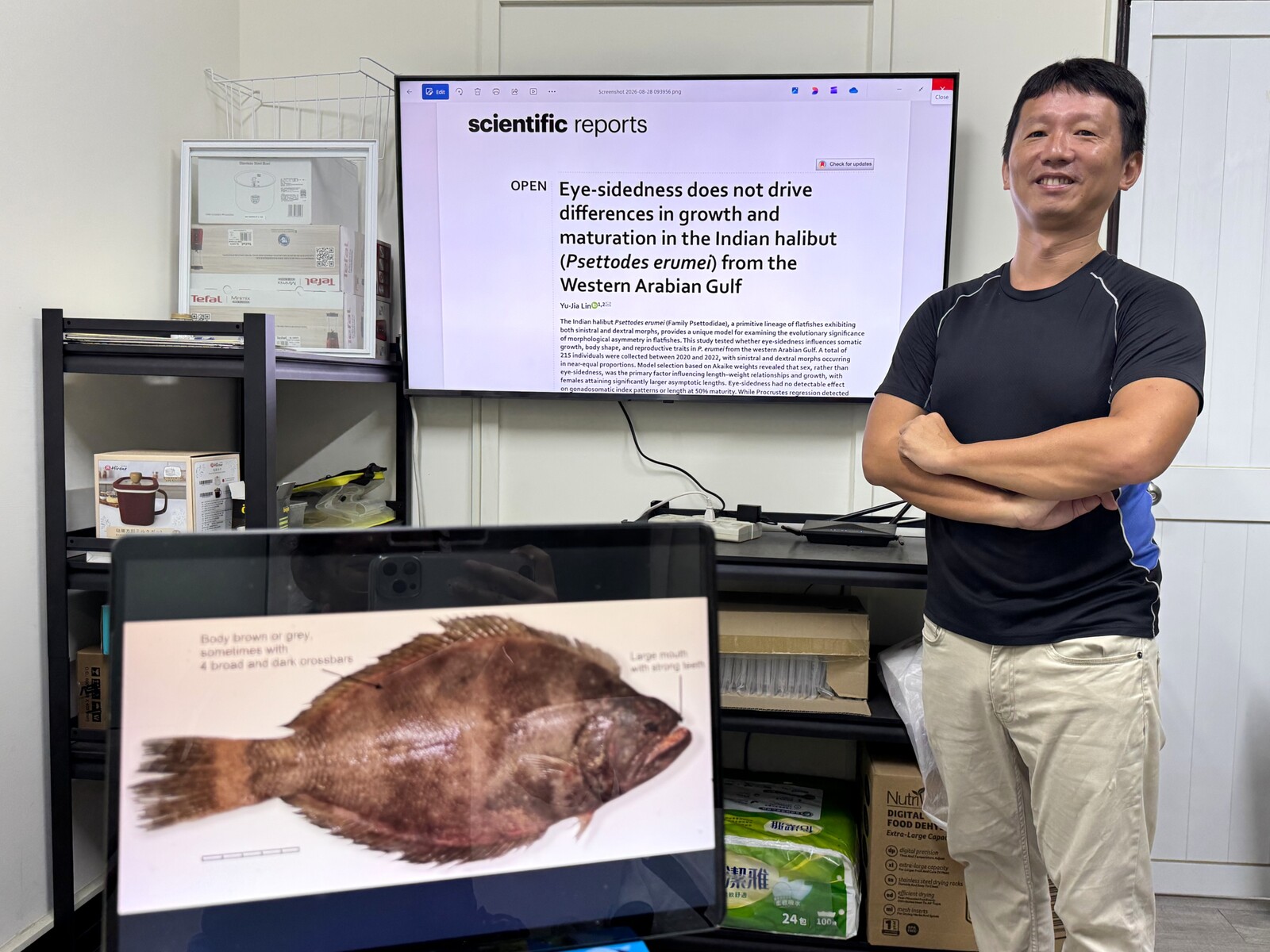
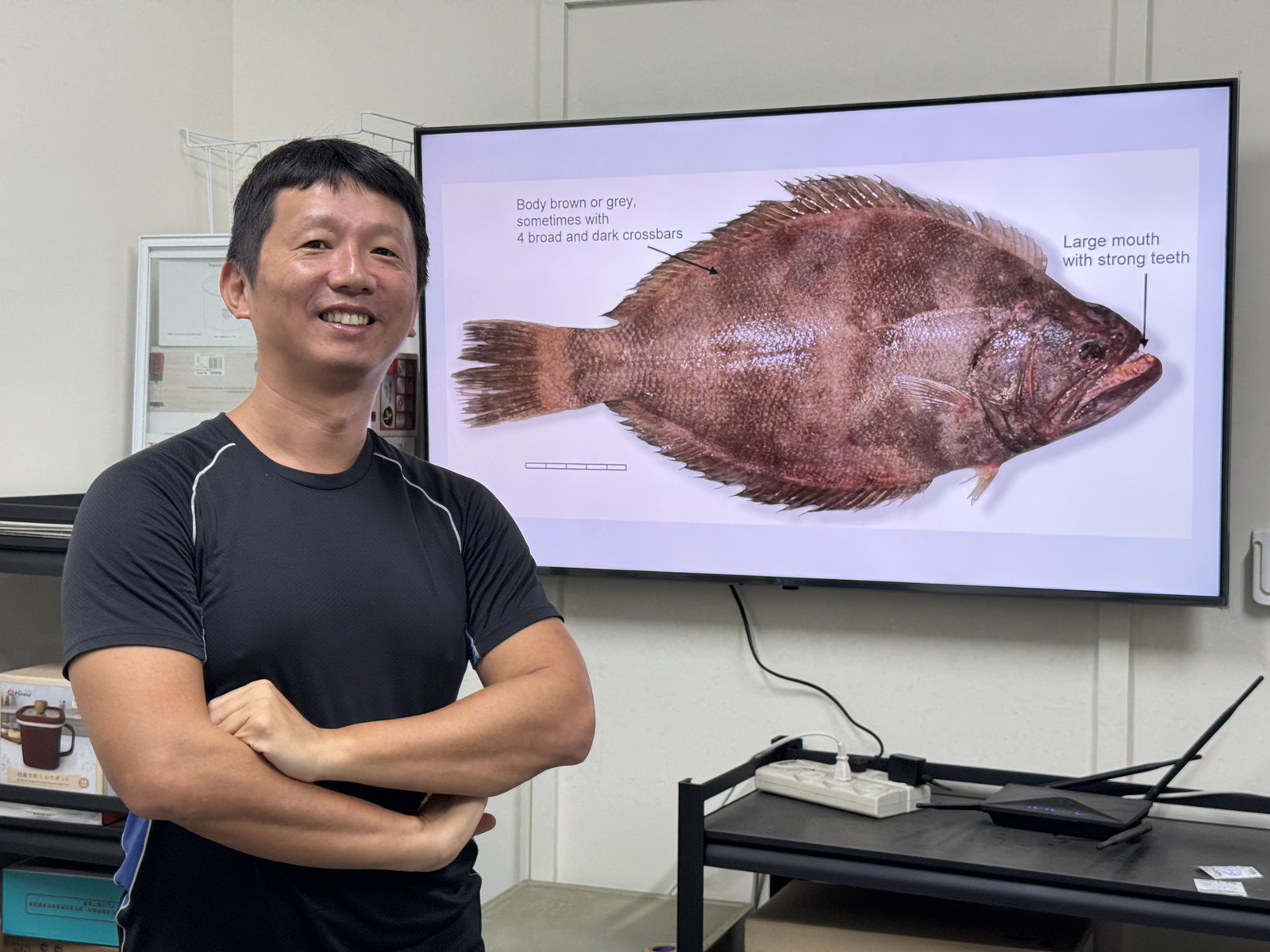
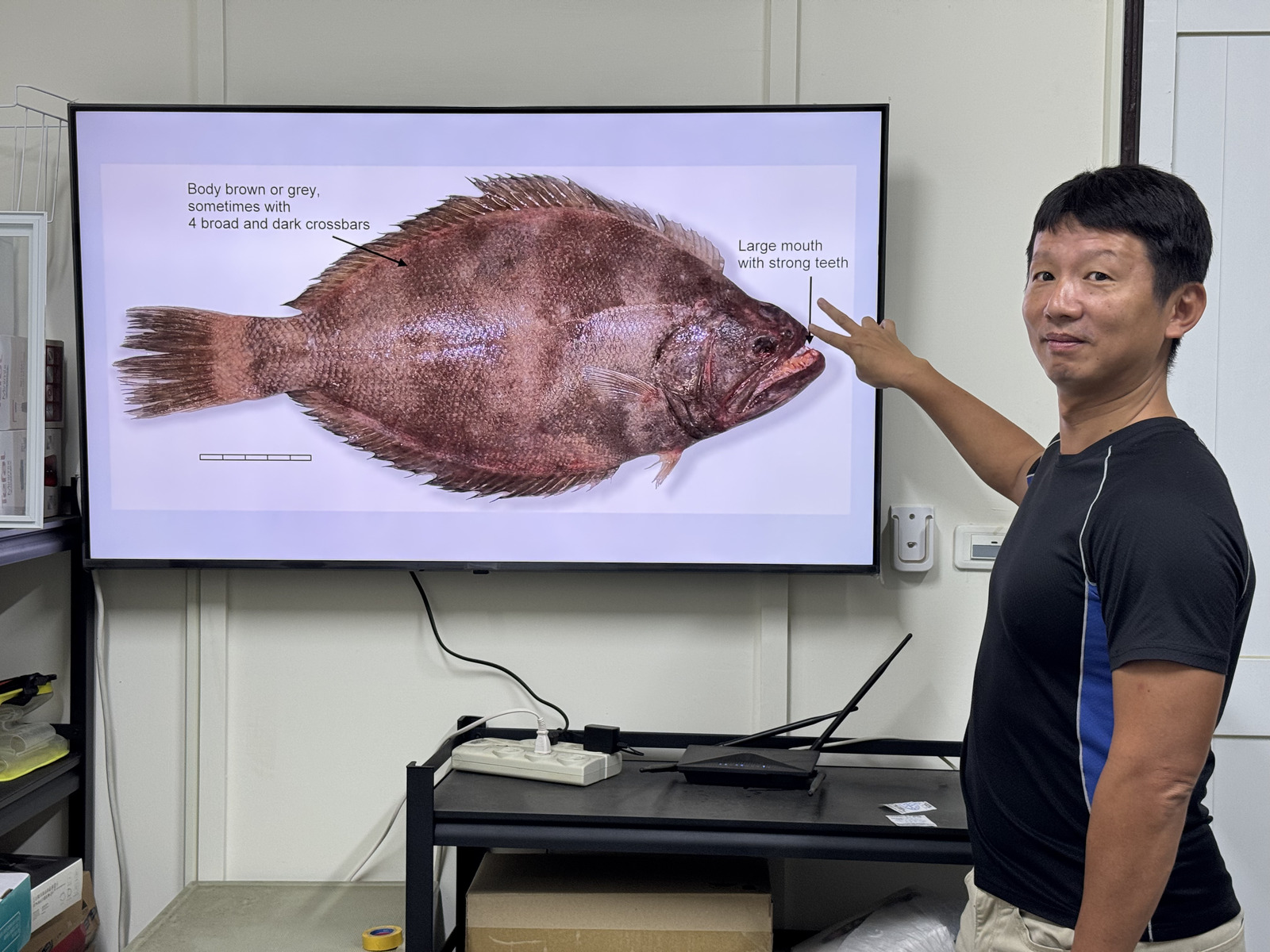
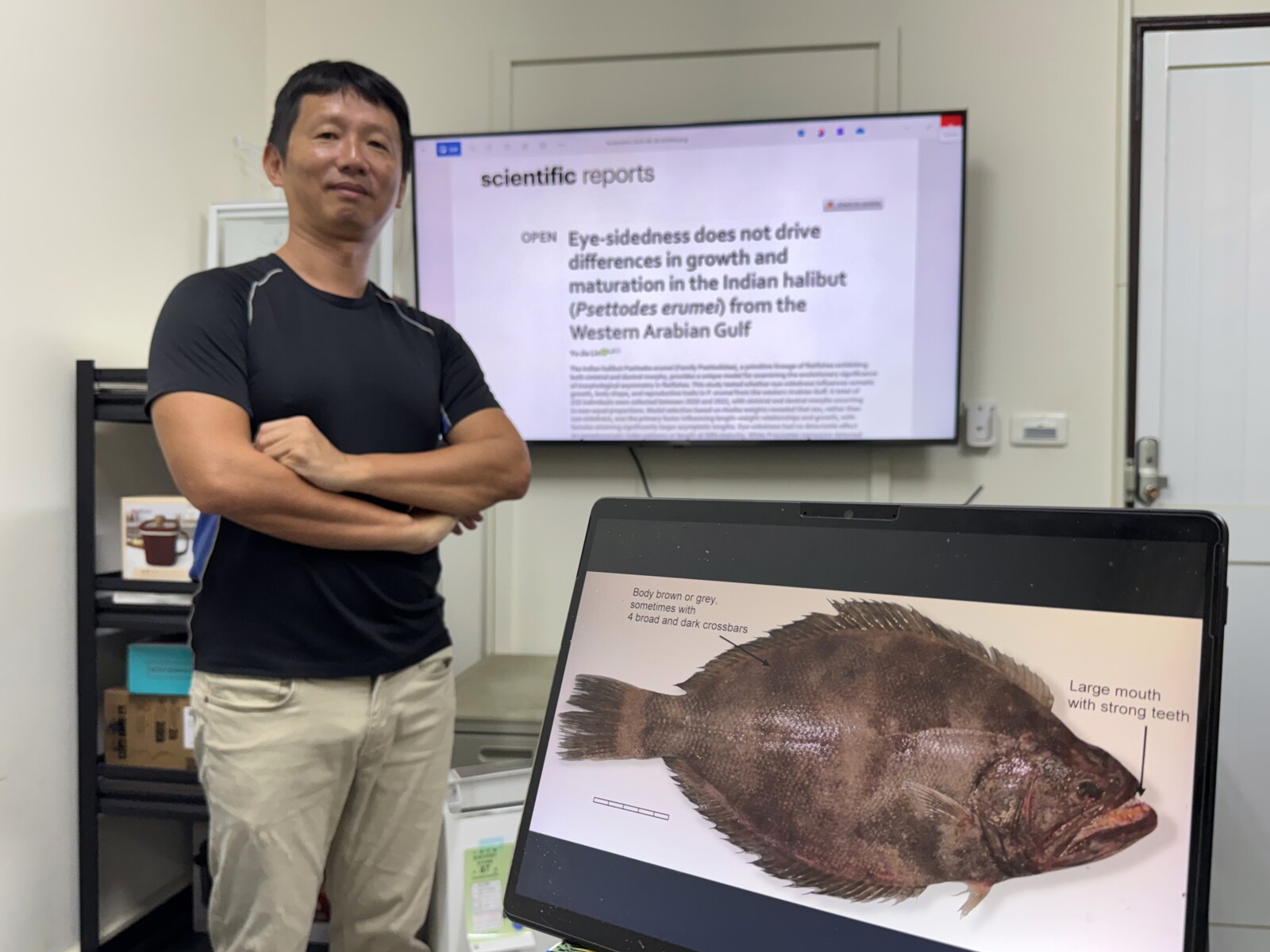
The origins of biological asymmetry have long intrigued scientists. Just as humans may be left- or right-handed, flatfish can be either left-eyed (sinistral) or right-eyed (dextral). But what determines whether a flatfish becomes left- or right-eyed? Inspired by this question, Associate Professor Yu-Jia Lin of the Graduate Institute of Marine Affairs at National Sun Yat-sen University (NSYSU) investigated whether natural selection could explain differences in eye-sidedness among flatfish species. The findings were published in the international journal Scientific Reports.
"Flatfish are a very unique group of fish," Lin said. In most fishes, the eyes are positioned symmetrically on opposite sides of the head. Flatfish, however, have both eyes on the same side. When they hatch, their eyes are initially positioned on opposite sides of the head, just like those of other fishes. As they develop and transition to life on the seafloor, one eye gradually migrates to the opposite side of the head, eventually producing the flattened, asymmetrical body characteristic of adult flatfish.
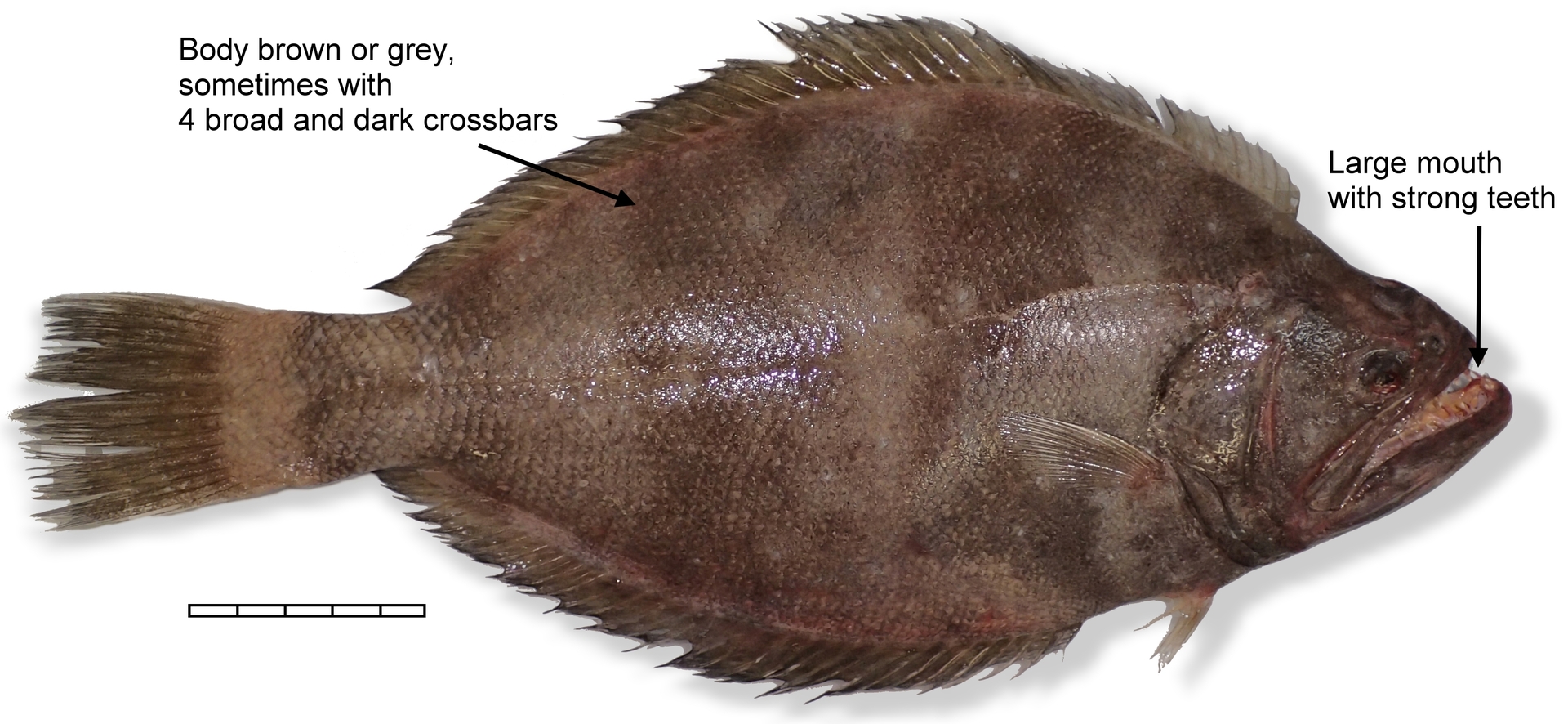
Interestingly, eye-sidedness is fixed in most flatfish species. Turbots, for example, are typically left-eyed, whereas tonguesoles are right-eyed. The Indian halibut (Psettodes erumei), however, belongs to an ancient lineage of flatfish and exhibits random eye-sidedness, with roughly half of the individuals being sinistral and the other half dextral. This makes the species an ideal model for testing whether having the eyes on one side or the other provides an evolutionary advantage in terms of growth or reproduction.
To test this hypothesis, Lin examined 215 Indian halibut collected from the western Arabian Gulf between 2020 and 2022. The sample included 109 females, 96 males, and 10 sexually undifferentiated juveniles. The fish ranged from 13.2 to 65.2 cm in total length, with the oldest individuals reaching 15 years of age. Lin examined their external morphology, growth, and reproductive characteristics to determine whether eye-sidedness was associated with differences in these indicators of evolutionary fitness. Of the 215 fish examined, 107 were dextral and 108 were sinistral, confirming previous observations that the two forms occur in roughly equal proportions in Indian halibut.
Lin explained that if one form of eye-sidedness provided an evolutionary advantage, it might be reflected in better growth or reproductive performance. If natural selection favored one form over the other, differences between sinistral and dextral individuals might therefore be expected. However, the study found no such differences in growth or reproductive maturity. Instead, these traits were associated with sex, with females ultimately reaching significantly larger body sizes.
He did detect some subtle morphological differences between sinistral and dextral individuals, including slight differences in the positions of the lateral-line origin and caudal peduncle, as well as in dorsal body curvature. Nevertheless, the results showed no evidence that having the eyes on either the left or right side provided an advantage in growth or reproductive performance. The growth curves of sinistral and dextral individuals also largely overlapped, suggesting that eye-sidedness itself may not confer an obvious fitness advantage in Indian halibut.
Lin said the study provides a new direction for investigating the evolution of asymmetry in flatfish. The Indian halibut belongs to the family Psettodidae, one of the most ancestral lineages of living flatfishes. Fossil evidence from early flatfishes also suggests that variable eye-sidedness represents the ancestral condition. In contrast, the vast majority of modern flatfish species have fixed eye-sidedness, with individuals within a species typically having their eyes on the same side.
If the fixation of eye-sidedness cannot be explained by differences in growth or reproductive performance, Lin suggests that the answer may instead lie in the molecular and developmental mechanisms controlling metamorphosis, eye migration, and left–right body development. Future research into the genes and developmental pathways that determine the direction of eye migration may ultimately help explain one of the most unusual examples of asymmetry in vertebrate evolution.