
From near collapse to a model of recovery: NSYSU study documents the rebound of Pacific bluefin tuna
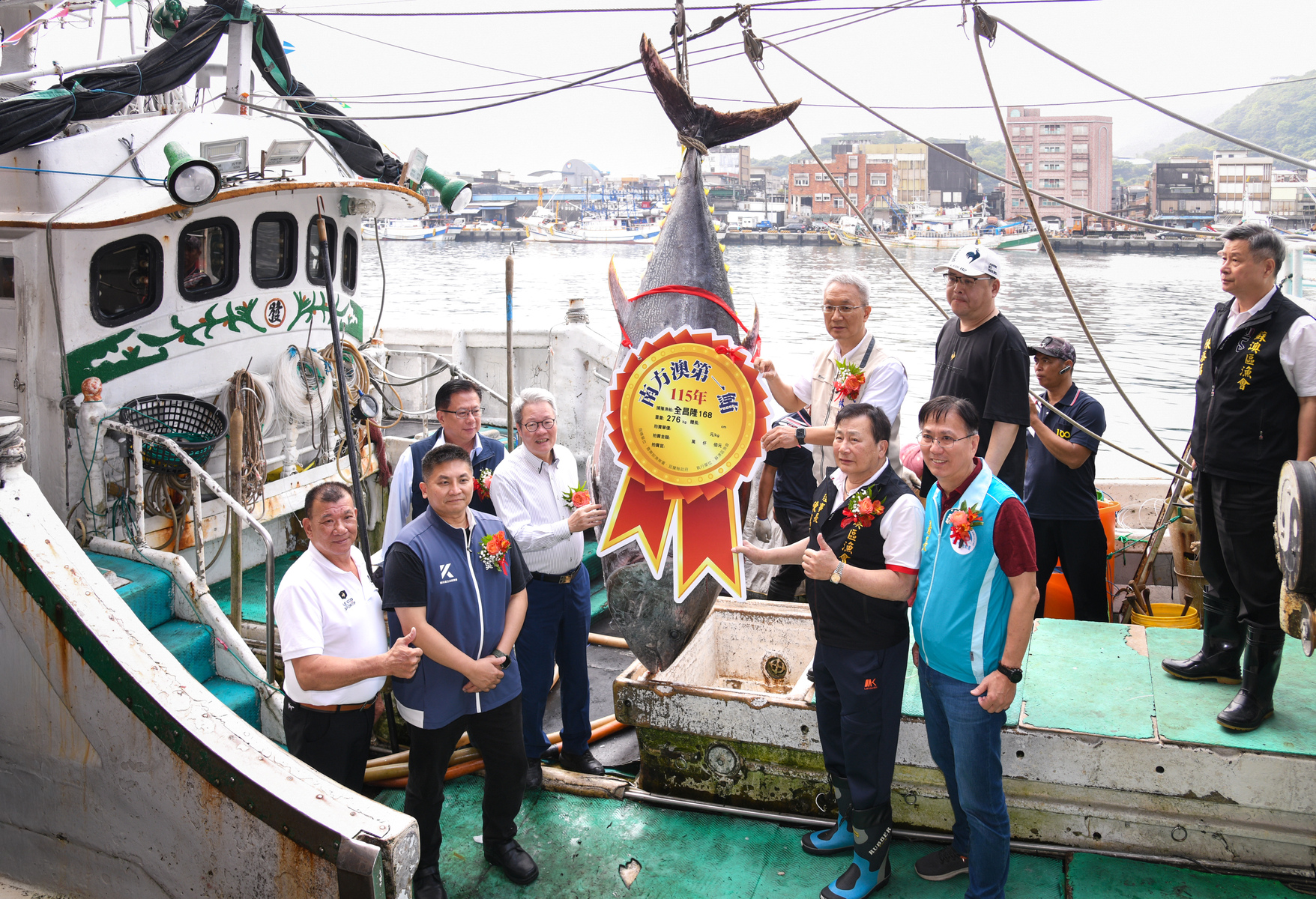
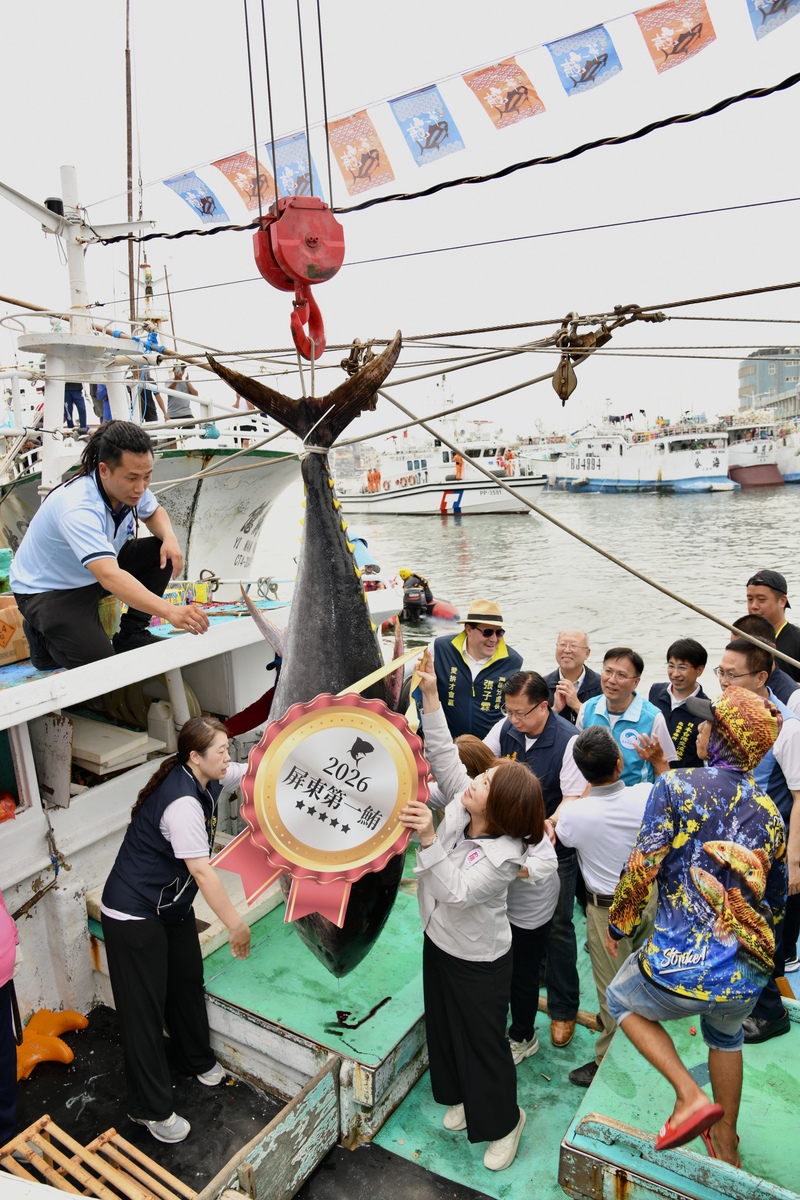
Once considered on the brink of collapse, the Pacific bluefin tuna has now become one of the world's most successful examples of fisheries stock recovery. National Sun Yat-sen University (NSYSU) Professor Shui-Kai (Eric) Chang of the Graduate Institute of Marine Affairs collaborated with an international research team to scientifically verify the recovery of Pacific bluefin tuna stock. Their findings were published in the ICES Journal of Marine Science, a top 10% international journal in marine and freshwater biology, providing important scientific evidence for the international assessment and management of Pacific bluefin tuna resources.
Pacific bluefin tuna is one of the world's most economically valuable fish species and a top predator in marine ecosystems. However, decades of overfishing drove the stock to a historic low around 2010. The spawning stock biomass declined to only about 2% of its unfished level, placing the species at risk of collapse. Taiwan's Pacific bluefin tuna catch also dropped dramatically from 3,089 metric tons in 1999 to just 214 metric tons in 2012. At the time, international concern over the species' future intensified, with some calling for a complete fishing ban.
As the crisis deepened, countries debated how the stock should be managed. Through comprehensive stock assessments, an international scientific team identified excessive harvest of juveniles as a key factor behind the decline and proposed a management strategy centered on substantially reducing juvenile catches. Although this required some fishing nations to accept a 50% reduction in juvenile catch quotas, scientific evidence ultimately helped build consensus among participating countries to support strict conservation measures, which were formally implemented in 2015. A decade later, those scientific projections have proven accurate. International assessments show that Pacific bluefin tuna stock have not only recovered from their historic low but have also reached rebuilding targets ahead of schedule, making this one of the few globally recognized success stories in reversing fisheries depletion.
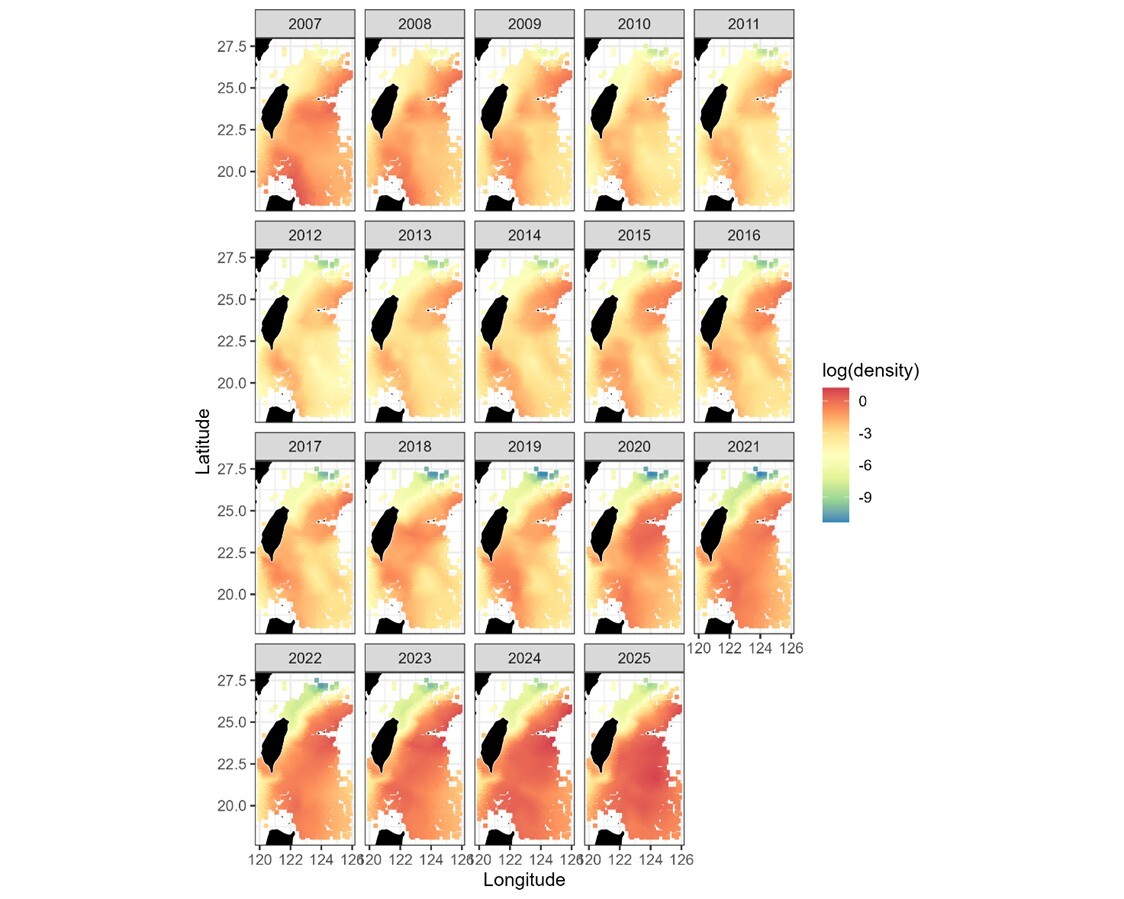
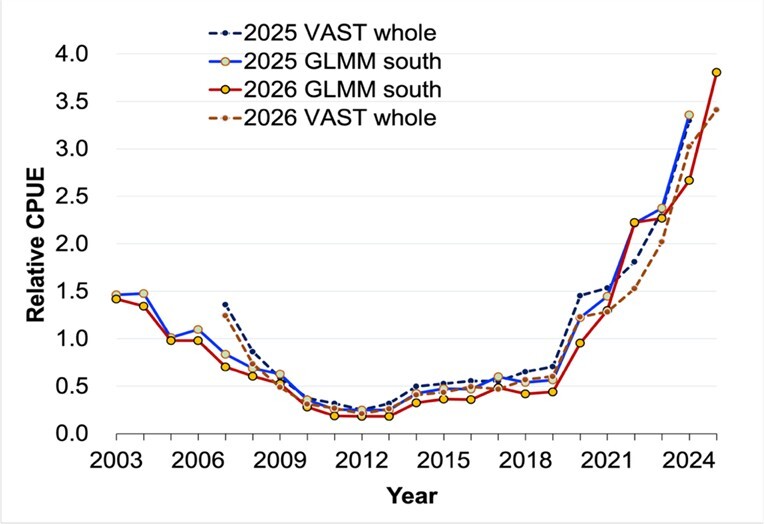
Professor Chang has long participated in Pacific bluefin tuna research and international stock assessments. The study integrated fishery catch records, market measurement data, and fishing vessel operational records collected between 2003 and 2024 to develop a high-resolution spatiotemporal model to analyze changes in tuna abundance across time and space. The results indicate that Pacific bluefin tuna stock have steadily recovered since 2012, with particularly rapid growth observed in recent years.
The study further revealed that the most significant increase has occurred among young adults aged 6 to 11 years. These fish belong to the generations protected under the revised management measures and have now matured into the spawning population. In recent years, fishers have frequently observed a decline in the average size of Pacific bluefin tuna and have questioned whether this signals a decline in the stock. The study shows that the opposite is more likely: the smaller average size reflects the influx of numerous young adult fish into the population and is, in fact, a key indicator of successful stock recovery.
A notable innovation of the study was the integration of nontraditional fisheries data, including catch documentation records and voyage data recorders data, to reconstruct an abundance index for adult Pacific bluefin tuna spanning more than two decades, overcoming limitations in conventional fisheries datasets. This index has since become one of the key abundance indices used by the International Scientific Committee for Tuna and Tuna-like Species in the North Pacific Ocean (ISC) in its assessment of adult Pacific bluefin tuna. The research not only passed rigorous peer review for publication in a leading international journal but was also recognized by the Peer Reviewer Panel convened by international fisheries organizations to evaluate Pacific bluefin tuna stock assessments.
Professor Chang noted that the recovery of Pacific bluefin tuna from the brink of collapse to an internationally recognized conservation success represents a compelling example of how scientific research can inform international fisheries policy. The case demonstrates that when management measures are grounded in robust scientific evidence, depleted marine resources can recover and regain long-term sustainability.