2026 Tang Prize laureate Susan Solomon brings lessons from the ozone crisis to climate action at NSYSU
2026-09-24
The Tang Prize, widely regarded as one of the world's prestigious international awards, recognizes outstanding achievements and contributions by leading scholars and practitioners across a range of fields.
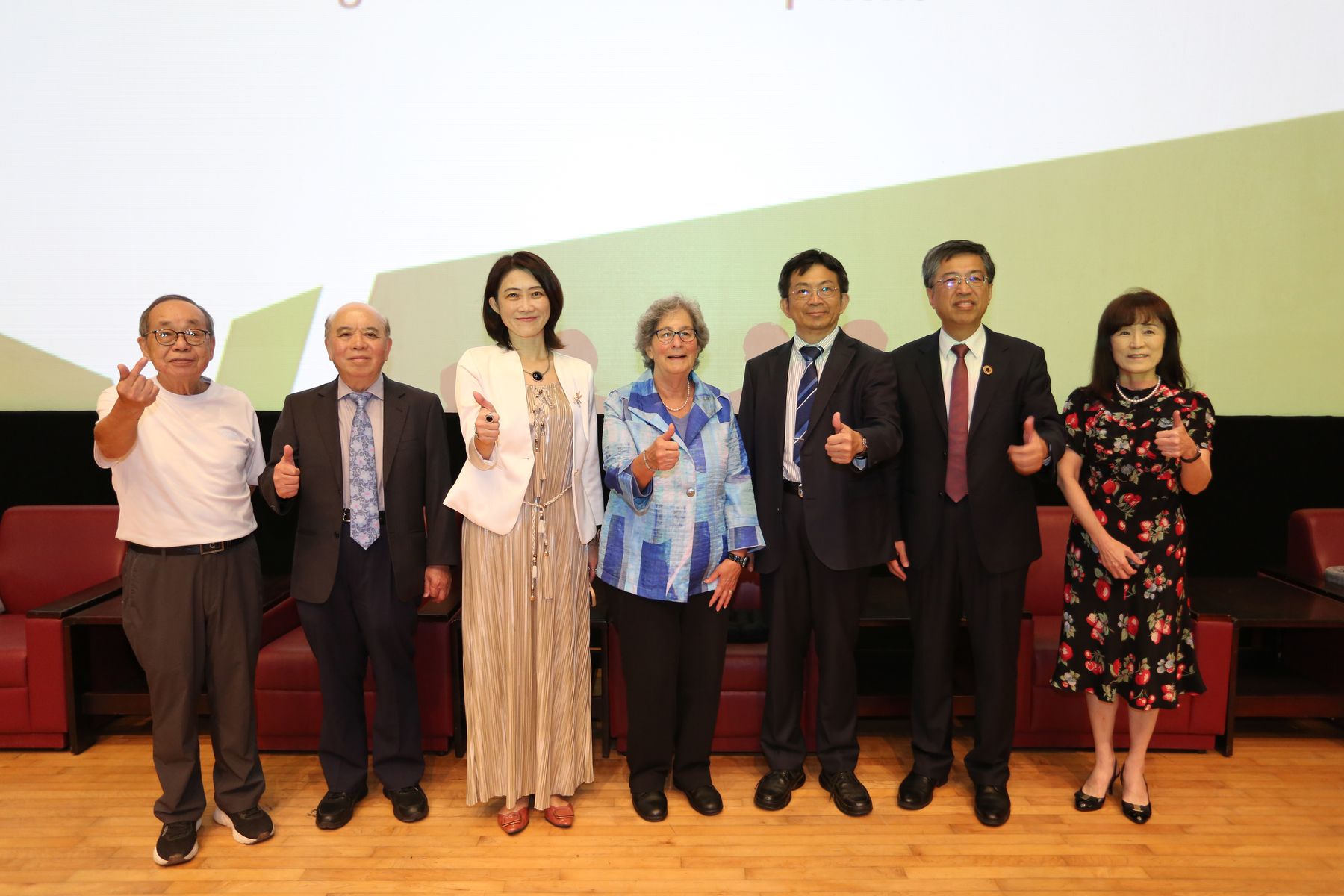
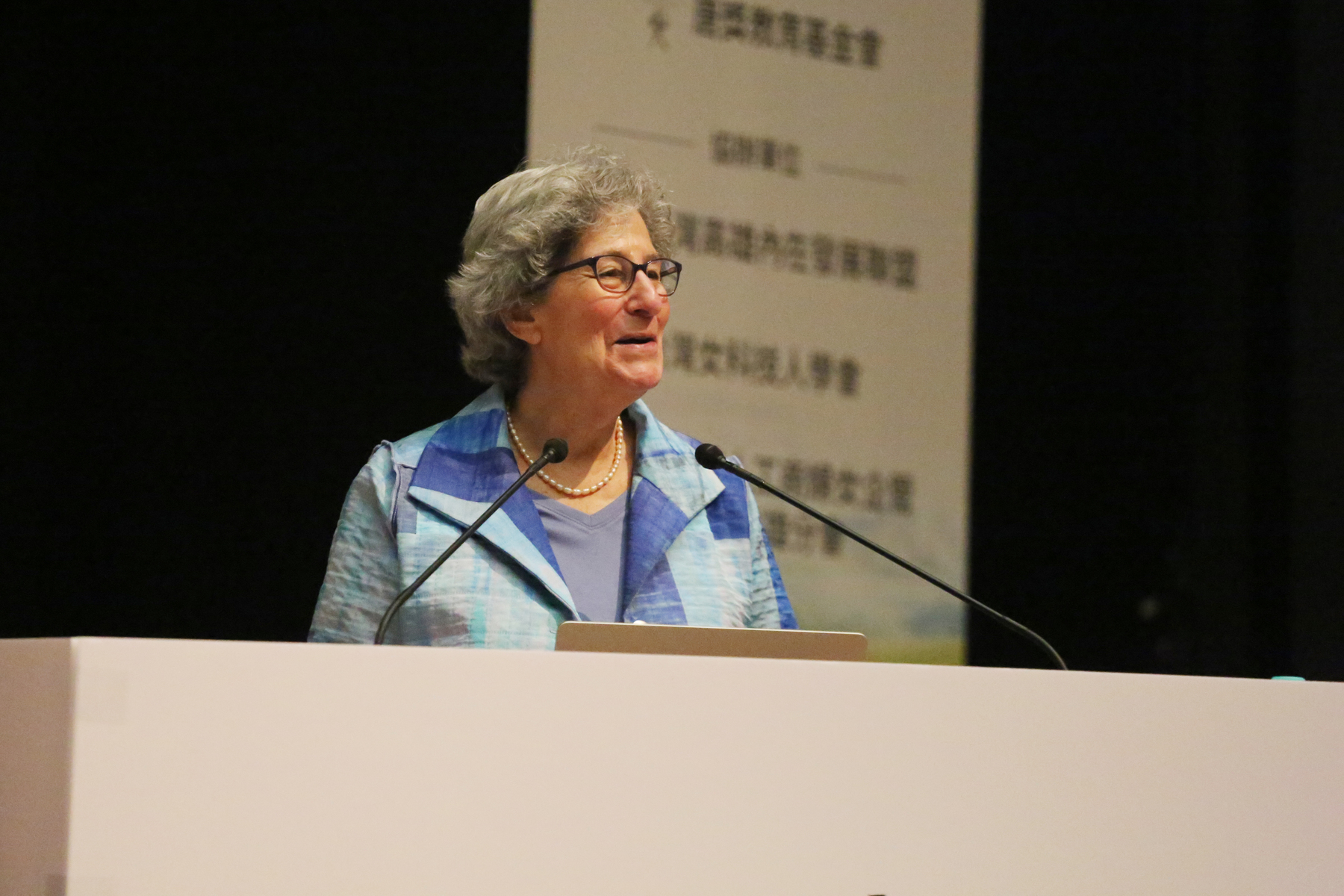
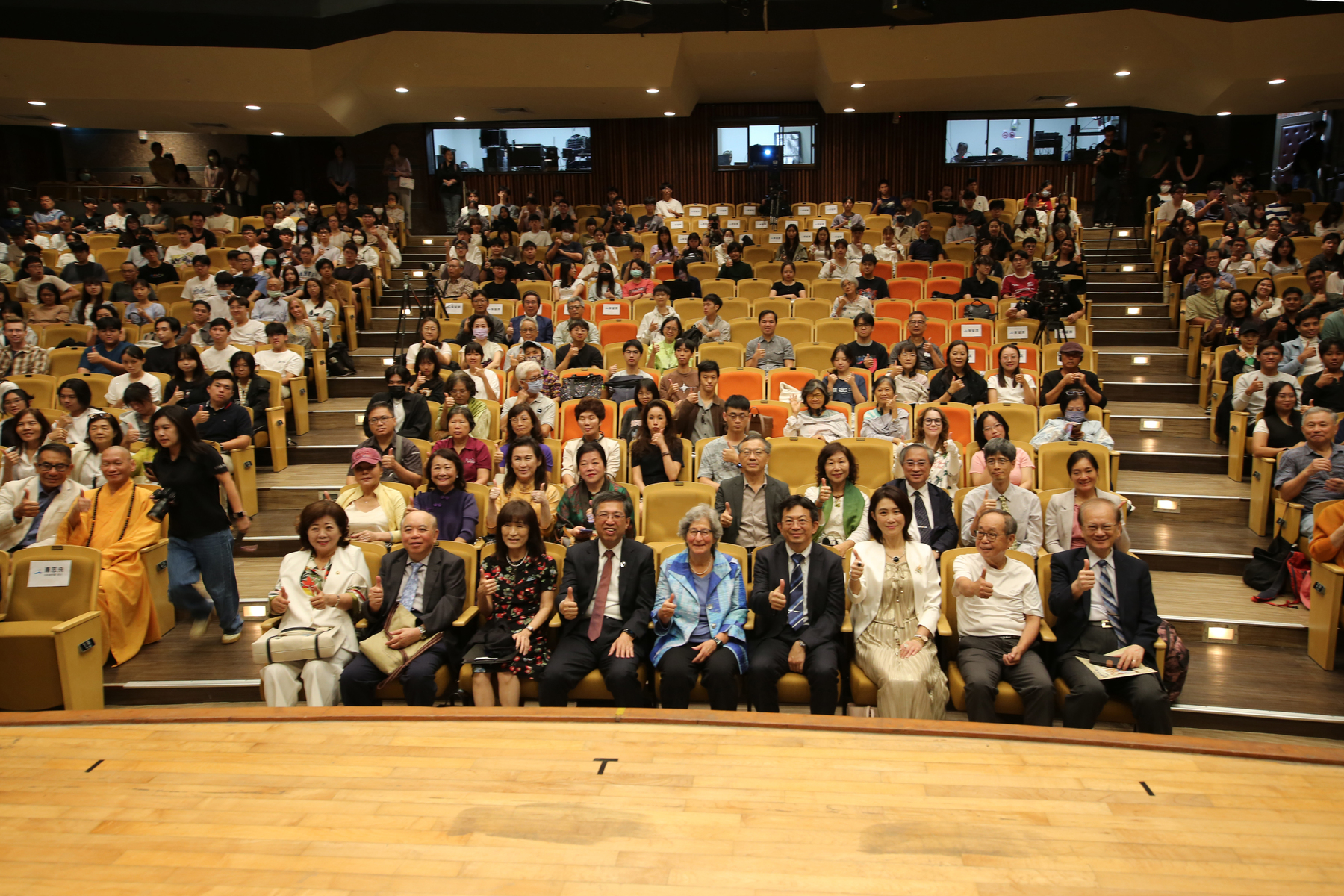
National Sun Yat-sen University (NSYSU) welcomed Professor Susan Solomon, the 2026 Tang Prize laureate in Sustainable Development and a professor at the Massachusetts Institute of Technology (MIT), on September 22 for a keynote address titled "Climate Change and Getting Past Climate Gridlock." She also joined interdisciplinary dialogues spanning fundamental chemistry, atmospheric and climate sciences, forests, oceans, environmental health, and aerosol science. The discussions explored how scientific knowledge can move beyond academia to inform policy and inspire action on global sustainability challenges.
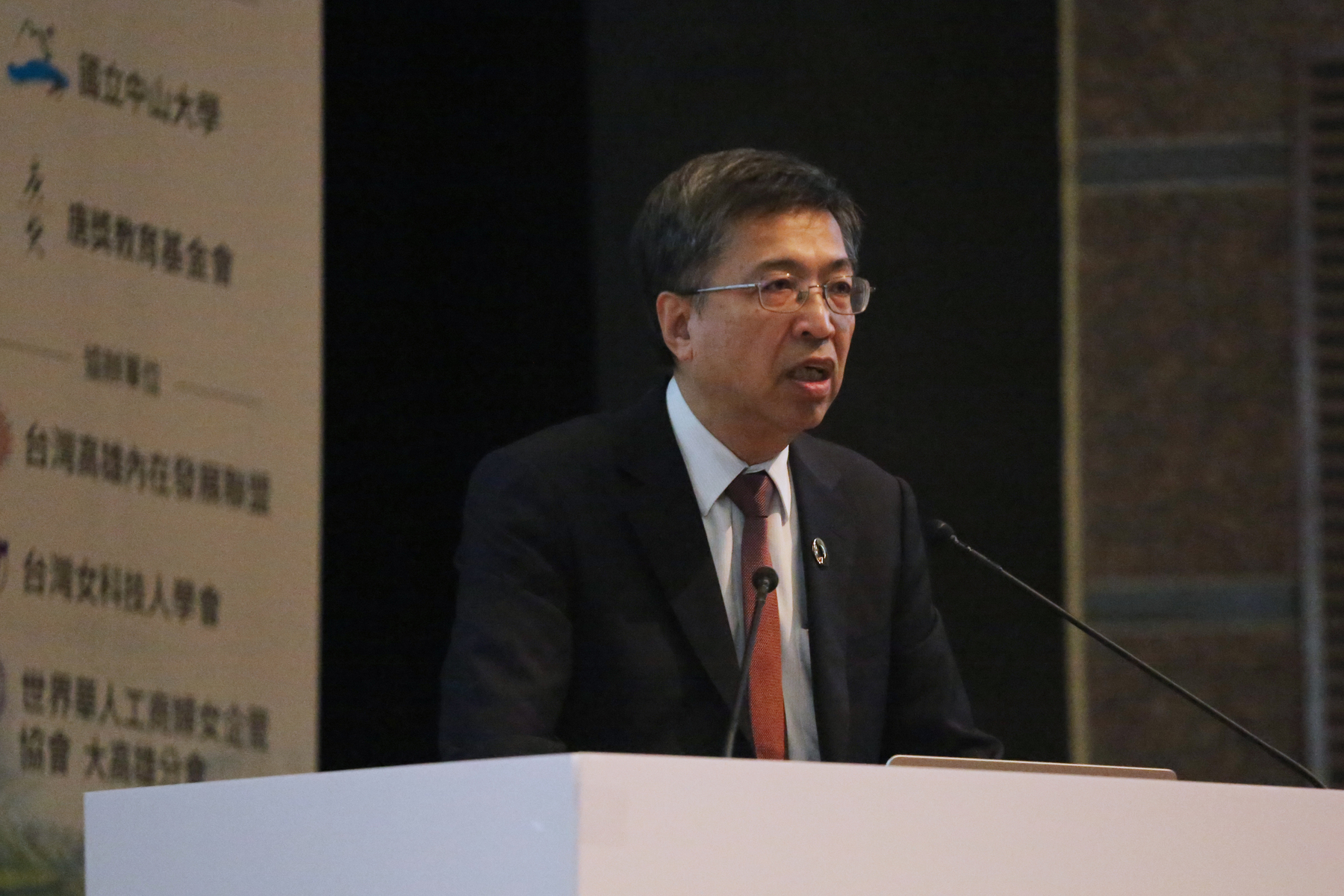
NSYSU President Chih-Peng Li noted that the Tang Prize is awarded every two years to individuals who have made exceptional and substantive contributions to the international community. The prize comprises four categories: Sustainable Development, Biopharmaceutical Science, Sinology, and Rule of Law. NSYSU and the Tang Prize Foundation jointly organized "ALOHA! Solomon Sustainability Day — The 7th Tang Prize Sustainable Development Master Forum and Sustainability Action Day," inviting Solomon, an internationally renowned atmospheric chemist and climate scientist, to engage directly with NSYSU faculty members, students, industrial partners, NGO leaders and general public.
In the 1980s, Solomon led research expeditions to Antarctica, where direct measurements of reactive chlorine compounds in the atmosphere provided crucial evidence linking chlorofluorocarbons (CFCs) to the Antarctic ozone hole. Her findings became an important scientific foundation for the Montreal Protocol on Substances that Deplete the Ozone Layer. In her keynote, Solomon discussed climate signals, the long-term effects of carbon dioxide, extreme events, and cumulative carbon emissions before turning to technology, policy, and societal choices. With the phrase "Personal. Perceptible." she emphasized that climate change is no longer an abstract scientific signal, but an increasingly tangible part of everyday life.
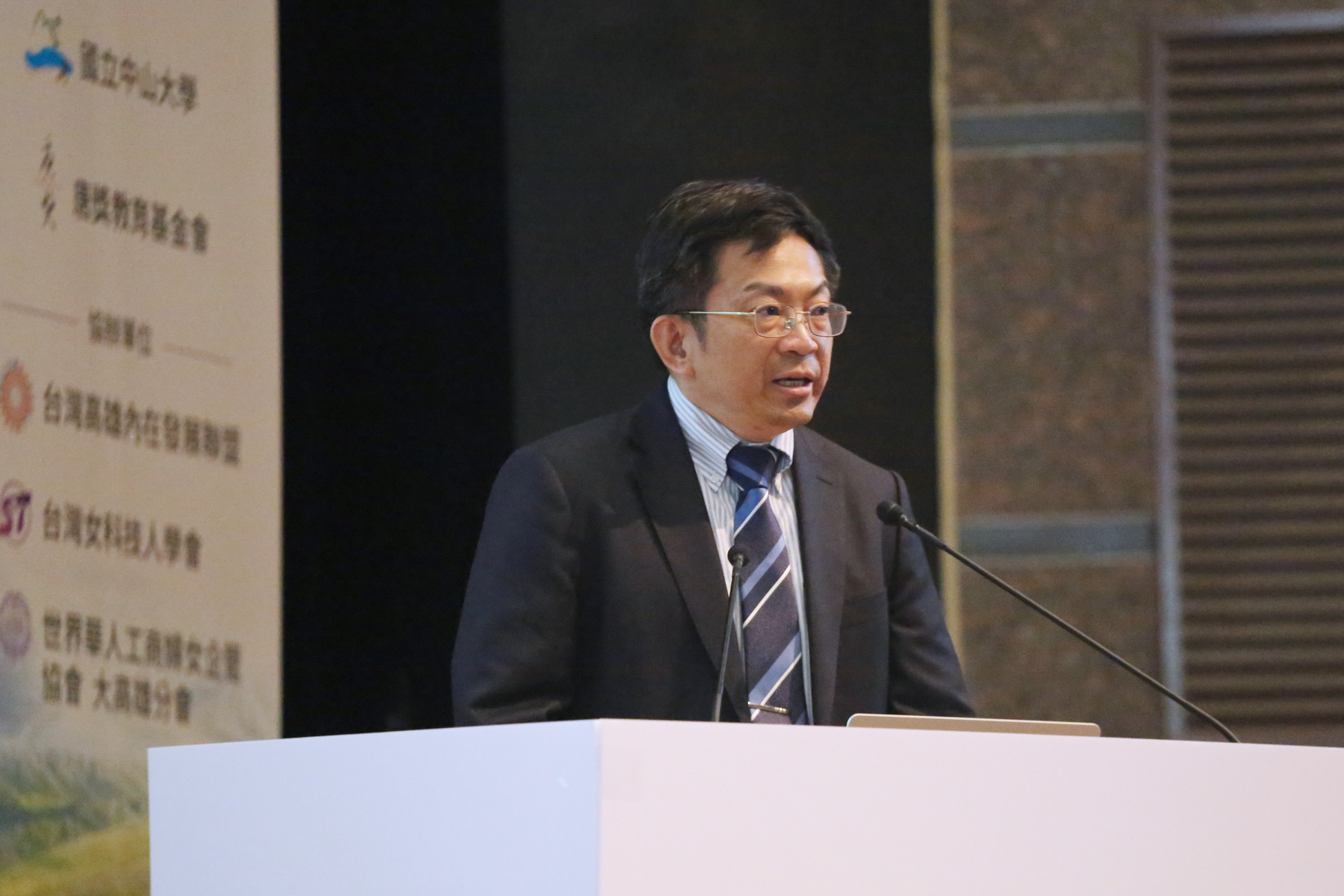
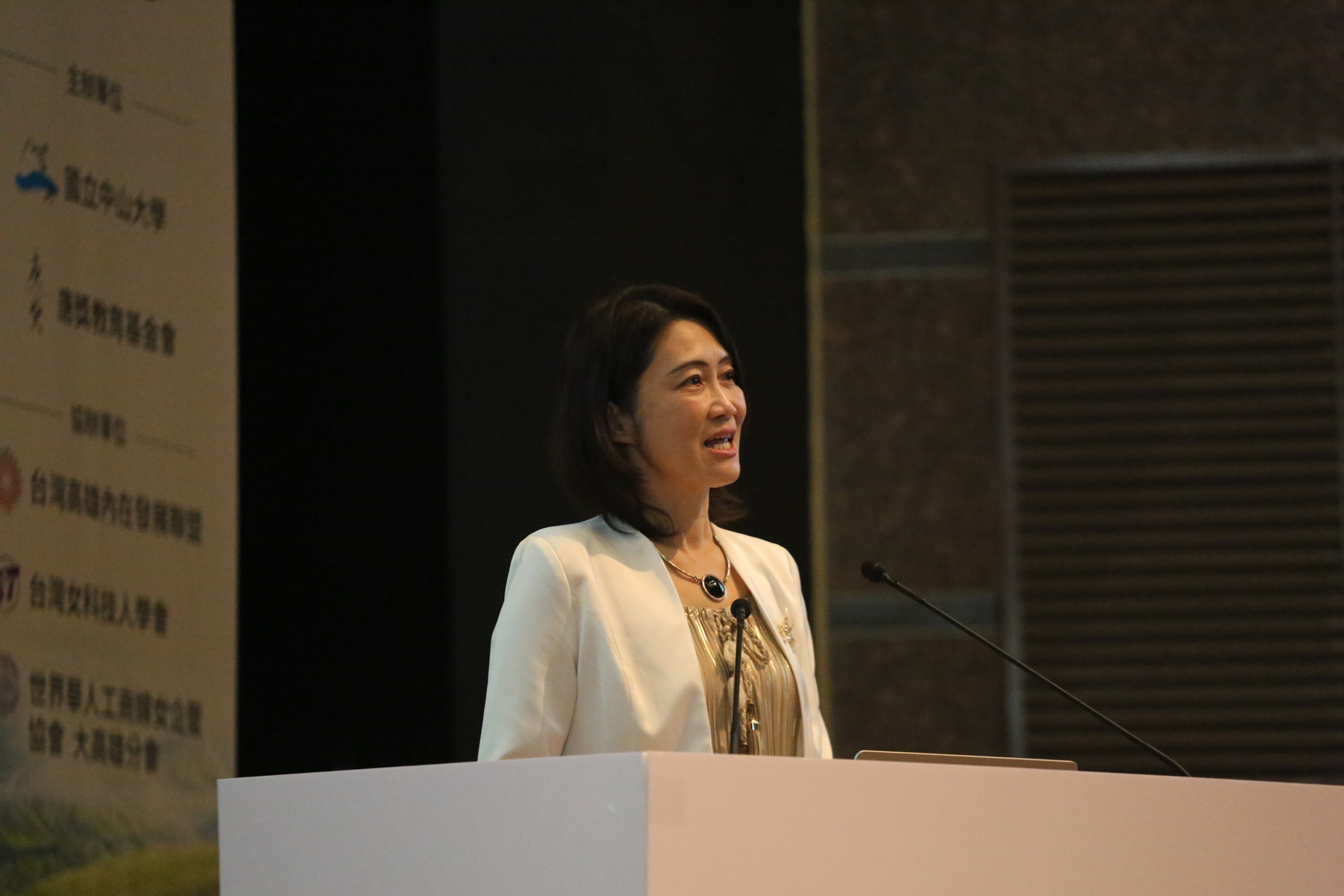
At the Master Forum, Professor Chia C. Wang of the Department of Chemistry and Director of the Aerosol Science Research Center at NSYSU served as moderator. Academicians Kopin Liu and Pao K. Wang of Academia Sinica, together with Professor Emeritus Huey-Jen Su of National Cheng Kung University, joined Solomon for the panel discussion. The forum examined what lessons the successful response to ozone depletion can offer for climate action today, and how scientific knowledge can be translated into collective societal action. Together, the panel traced sustainability challenges across scales — from molecular processes and atmospheric chemistry to climate, human health, social equity, and global action.
During the discussion, Solomon reflected on how scientific discoveries can move from laboratory research to public awareness, international agreements, and global action. Liu examined the links between molecular-scale reactions and planetary environmental consequences through fundamental chemistry, chemical kinetics, and dynamics. Pao K. Wang discussed both the lessons and the limits of applying the ozone-governance experience to climate action from the perspective of atmospheric and climate sciences. From a public-health perspective, Su explored how gender and other social inequalities shape exposure, vulnerability, and adaptive capacity amid climate and environmental change. Chia C. Wang also invited Solomon to reflect on the key roles women scientists can play in addressing climate change and global sustainability challenges, as well as her message to the next generation of women scientists. The dialogue moved beyond gender equality to highlight women scientists as knowledge creators, solution shapers, and key agents of sustainability transformation.
The afternoon "ALOHA! One Health Sustainability Forum" further connected climate, ocean, forest, environmental health, and aerosol science. Pao K. Wang addressed climate systems and environmental change; Professor Chia-Ying Ko of National Taiwan University (NTU) focused on marine biodiversity and ocean sustainability; Dr. Rebecca Chia-Chun Hsu of the Ministry of Agriculture examined forests, biodiversity, and climate resilience; and NTU Professor Chang-Fu Wu discussed the impacts of environmental change on human health from the perspectives of environmental health and exposure science. Chia C. Wang introduced the concept of the "Aerosphere," viewing aerosols as a crucial interface connecting the atmosphere, ocean, land, ecosystems, and human activities, and extending the concept toward One Health and a broader vision of "Breathing Civilization."
The event also featured two themed exhibitions — "Her Story: Tang Prize Women Laureates in Sustainable Development" and "ALOHA! Breathing Civilization" — bringing science and sustainability action to life through visual storytelling and public engagement. ALOHA — standing for "All Life • One Health • Action" — symbolizes a journey from understanding the world through science to transforming knowledge into action through cross-disciplinary collaboration. The event was co-organized by the Taiwan Kaohsiung IDG Hub for SDGs, Taiwan Women in Science and Technology (TWiST), and the Chinese Women's Business Association Kaohsiung Branch. Through ALOHA, the event underscored a shared message: science helps us understand the world, but how we choose to use that knowledge will shape our shared future.