A twig that walks on its own? NSYSU identifies 10 potentially endemic beetle species in Taiwan
2026-11-23
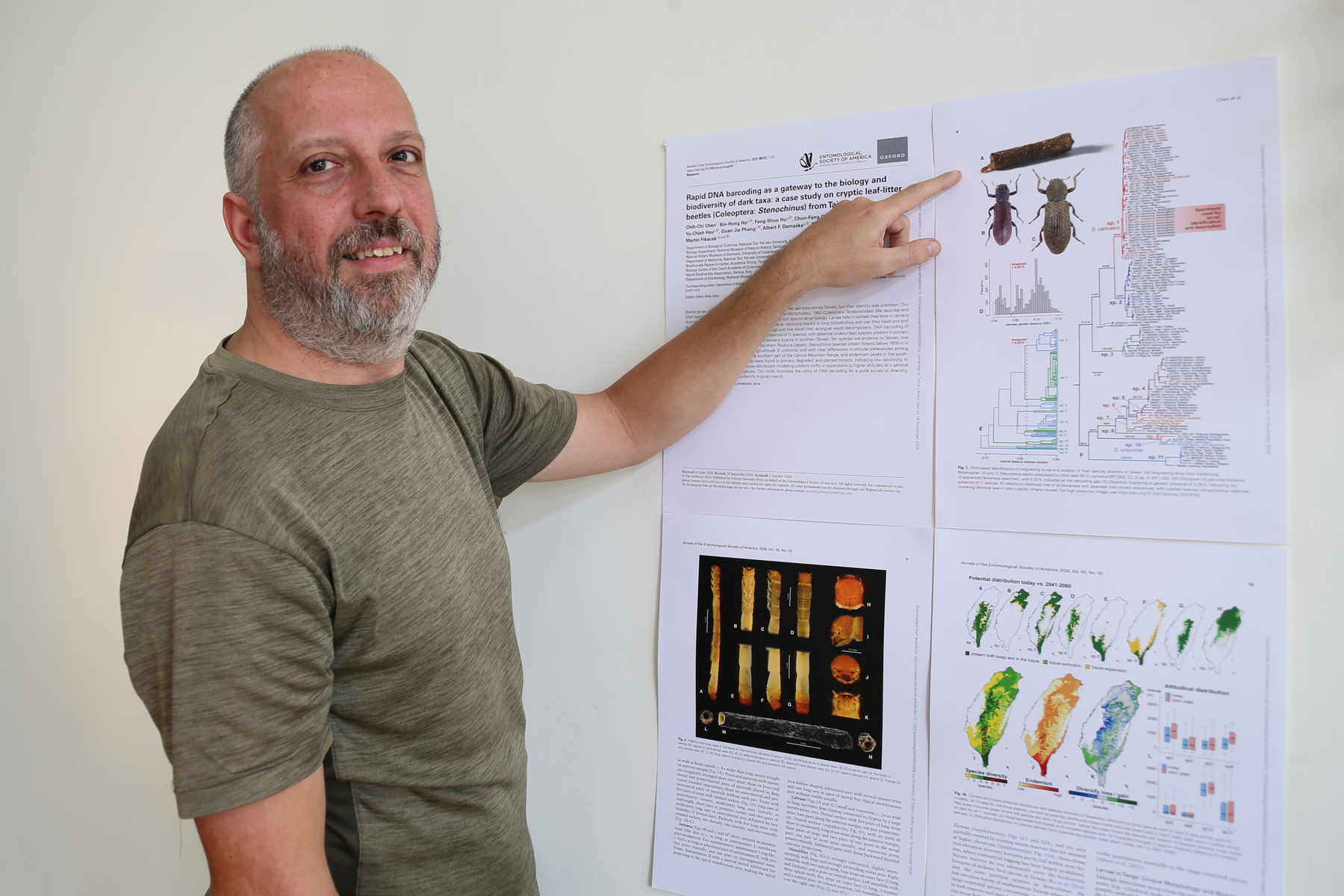
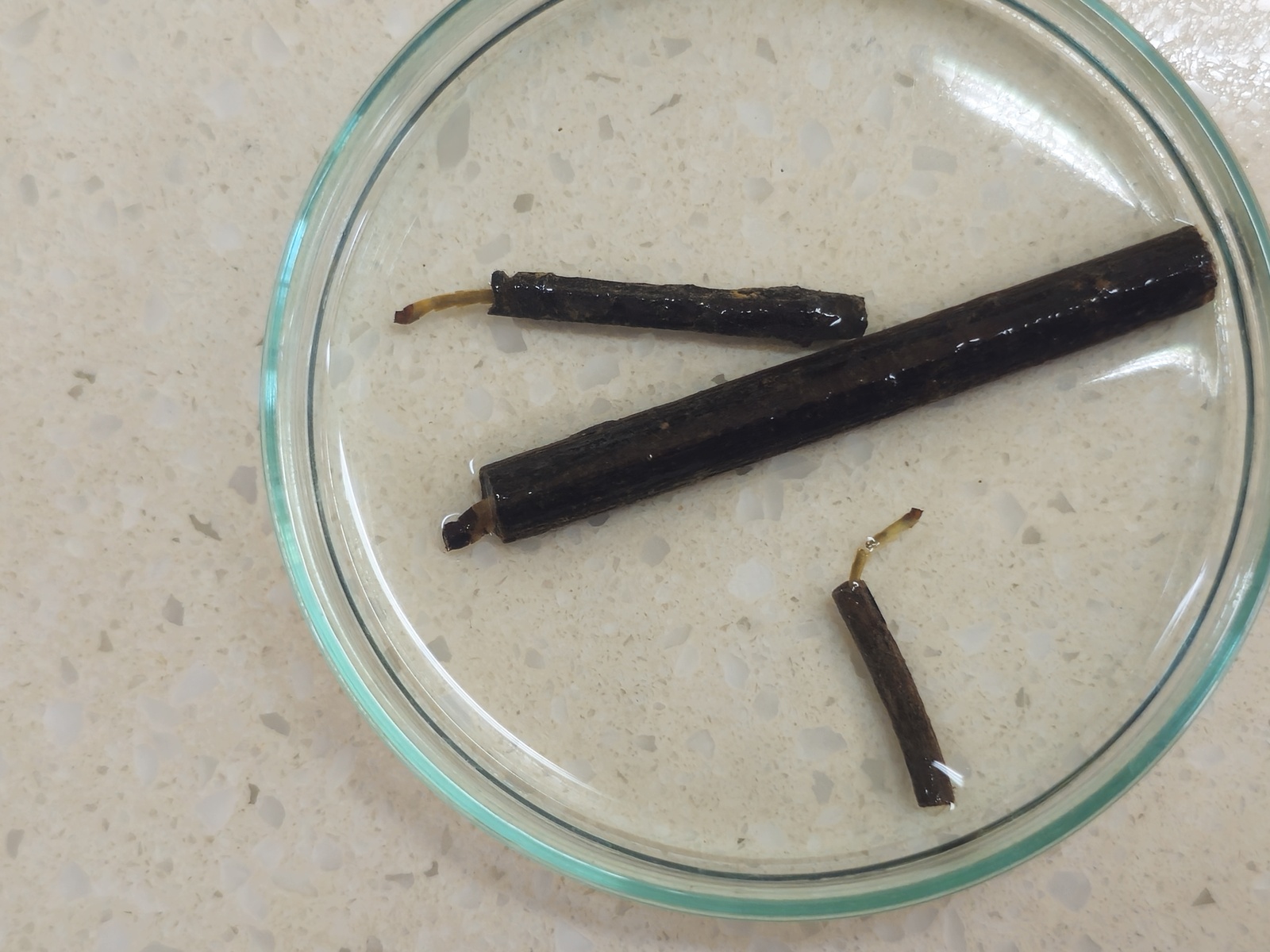
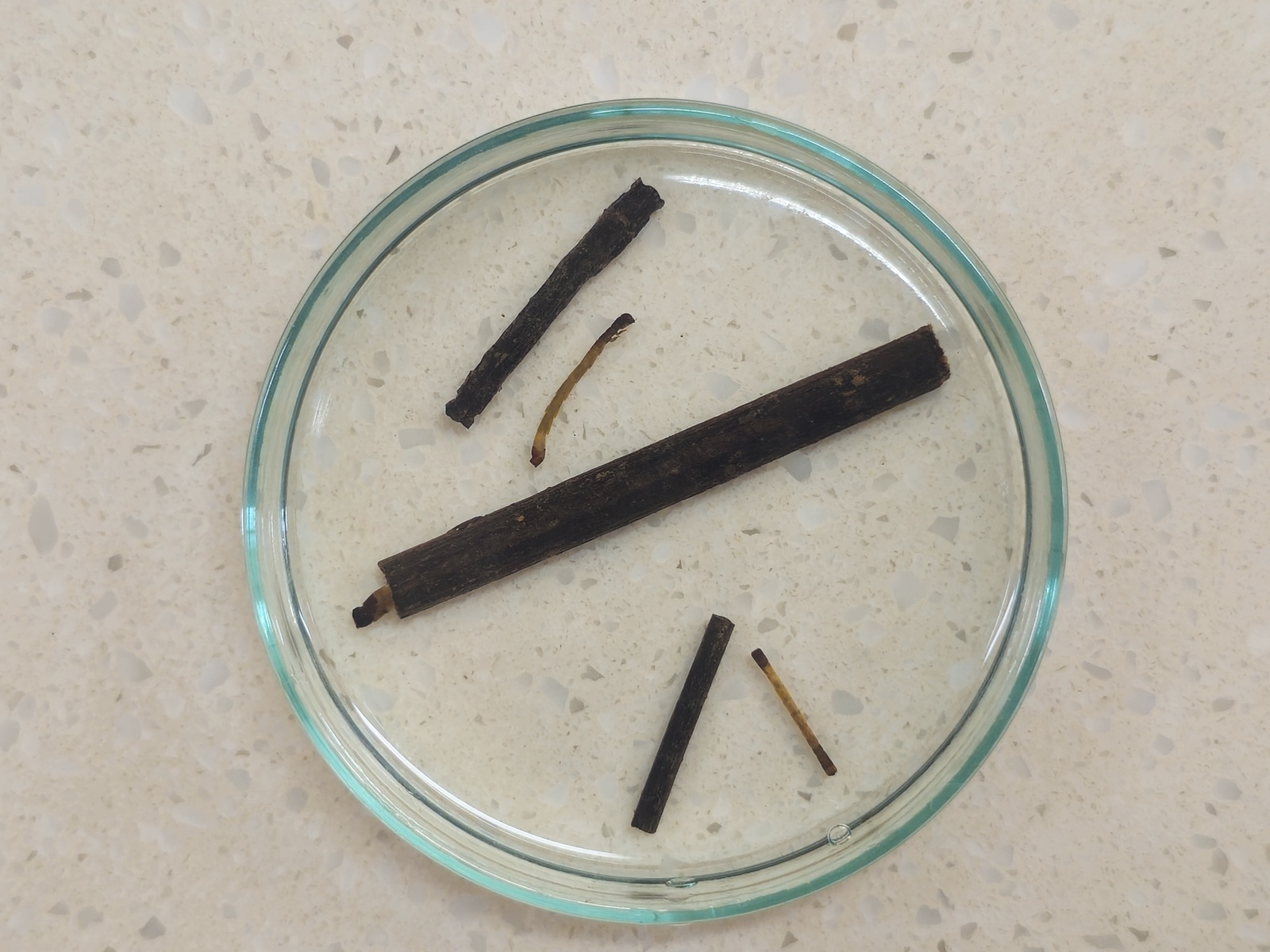
Can twigs on the ground really start walking on their own? Not quite—this curious sight may be caused by beetle larvae hiding inside the twigs. A research team led by Assistant Professor Martin Fikáček of the Department of Biological Sciences at National Sun Yat-sen University (NSYSU) matched DNA barcodes to identify mysterious beetle larvae found inside dead twigs as belonging to the genus Stenochinus. The team provided the first detailed description of the larvae's morphology and specialized behavior, discovering that they carry the twigs in which they shelter while moving around. By analyzing leaf-litter samples from forests across Taiwan, the team identified 11 species candidates, 10 of which may be endemic to Taiwan. The larvae were collected primarily from Shoushan and Banpingshan, next to the NSYSU campus, demonstrating that insect research does not always require venturing into remote mountains. Urban forests close to where people live may also harbor little-known miniature ecological wonders waiting to be explored.
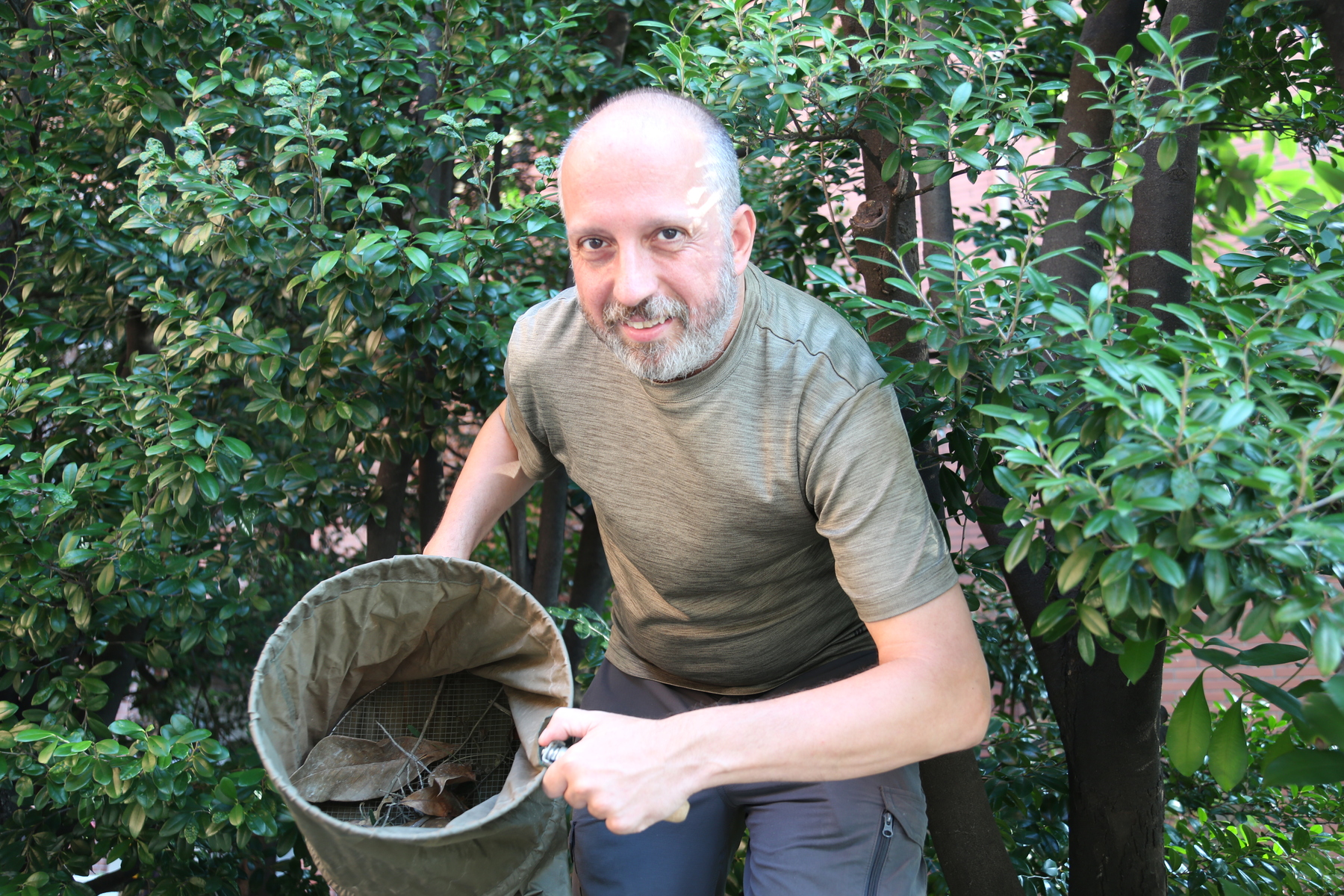
Assistant Professor Fikáček of NSYSU's Department of Biological Sciences explained that fallen leaves and dead twigs on forest floors provide habitats for many small organisms. Most of them are tiny and look alike, making them difficult to find and identify; their ecological habits have also received little attention, leaving their true identities unknown. For years, the research team has sampled leaf-litter beetles across forests in Taiwan. During fieldwork, the researchers frequently found elongated, slender beetle larvae inside thin, dry twigs. By matching DNA barcodes via molecular techniques, the team confirmed for the first time that these larvae belong to the genus Stenochinus in the family Tenebrionidae, commonly known as darkling beetles. Before this study, only seven Stenochinus species were known from Taiwan, based mainly on a limited number of adult specimens, and very little was known about their biology.
Under Fikáček's supervision, NSYSU Department of Biological Sciences graduate Chih-Chi Chen and the research team documented the first comprehensive and detailed description of the larval morphology of Stenochinus. They found that the larvae bore narrow, elongated tunnels through the centers of dead twigs in the leaf litter, where they shelter. In addition to playing a key ecological role as wood decomposers, the larvae carry these twigs around as they move. Their bodies also bear thin sensory setae that are highly sensitive to faint vibrations. When detecting danger, they use their hardened heads or the tips of their abdomens as a "shield" to block tunnel openings, demonstrating a distinctive defense mechanism.
The team further analyzed 83 leaf-litter samples collected across Taiwan and identified 11 species candidates. As many as 10 may be endemic to Taiwan, while the remaining species is also shared with the Southern Ryukyu Islands of Japan. Excitingly, beyond mid-to-high elevation primary forests and southern lowland mountains, potentially undescribed new species were even discovered within urban forests in Taipei City and Kaohsiung City. The findings suggest that forests in different regions may support different insect communities and highlight the importance of recognizing the biodiversity found in urban forests. In this study, the key specimens used to examine larval morphology and behavior were collected from Shoushan and Banpingshan, just behind the NSYSU campus.
The survey also showed that most Stenochinus species inhabit forests below 1,600 meters in elevation. Species richness peaks in the southern Central Mountain Range, while endemism is highest in the southernmost regions of Taiwan, such as the Hengchun Peninsula. These species are found not only in primary forests but also in artificial plantations, suggesting that they can adapt to a degree of resilience in forest environments. However, climate change models predict that as global warming progresses, these beetles—which depend on specific temperature and moisture regimes—may face pressure to shift or expand toward higher elevations.
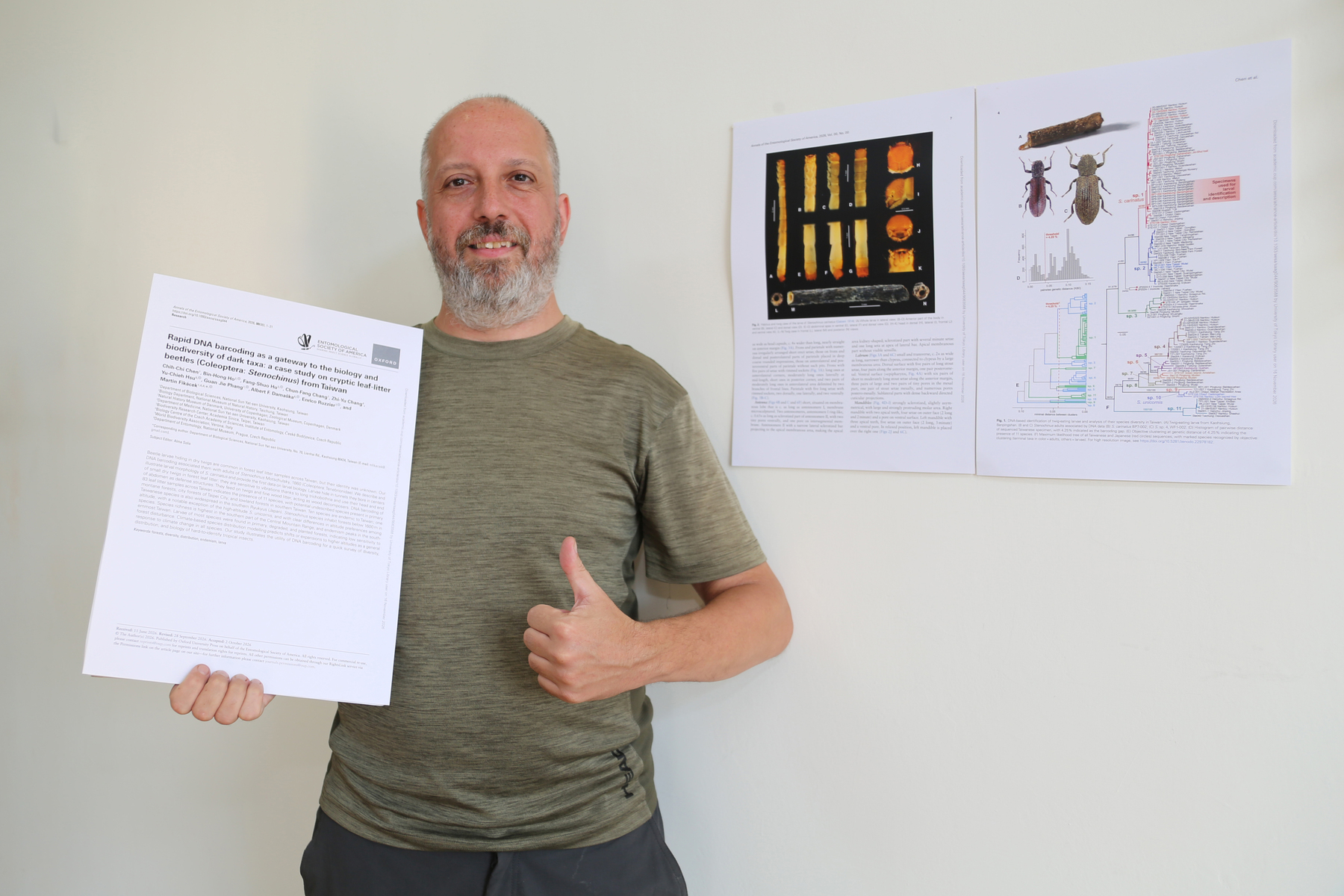
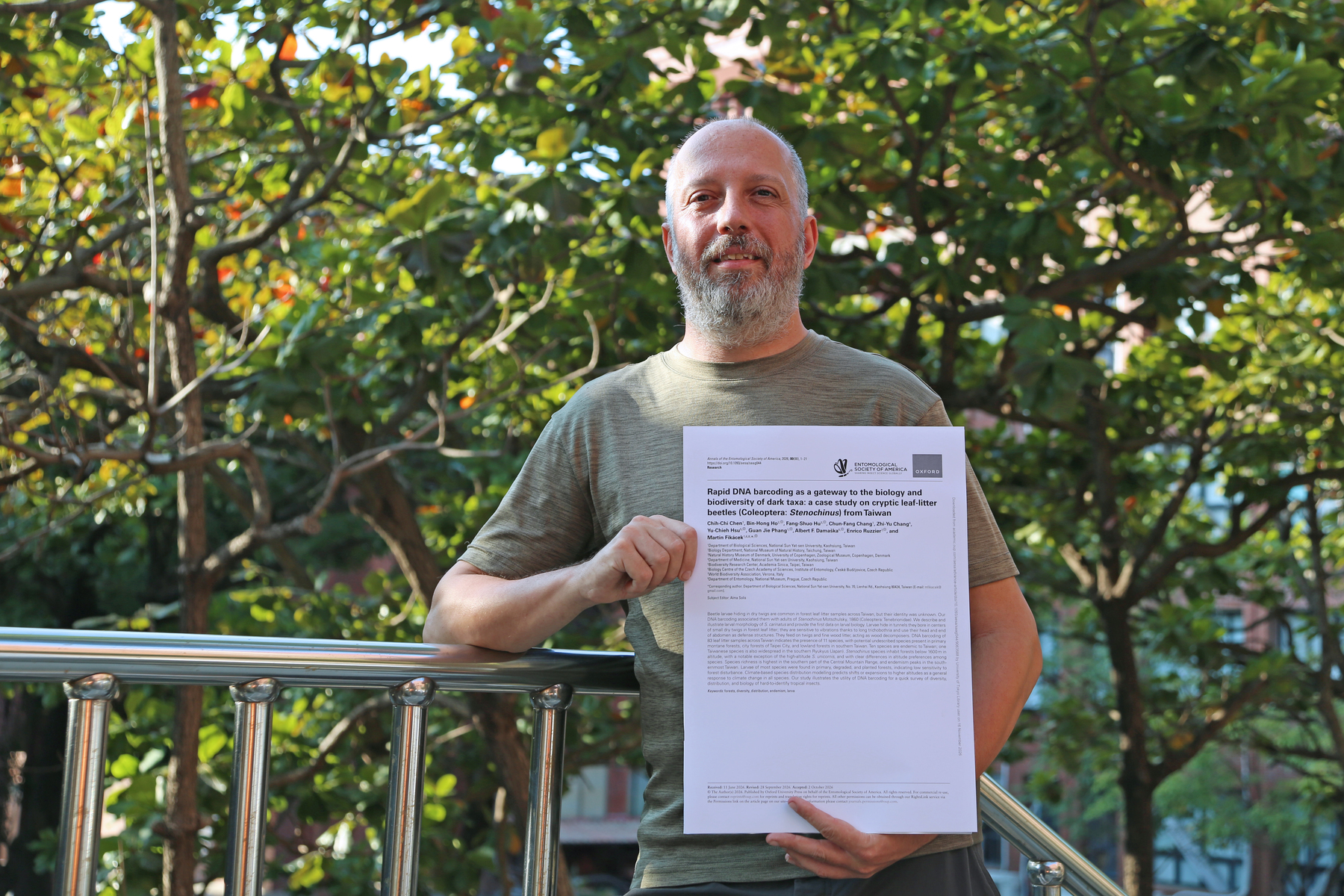
The study was supported by research grants from Taiwan's National Science and Technology Council (NSTC). The findings were published in the international journal Annals of the Entomological Society of America. The co-authors include Chih-Chi Chen, a graduate of NSYSU's Department of Biological Sciences, as well as other members of the research team.