
Clams "escaping" from danger: NSYSU's AI monitoring reveals survival strategies

2025-12-08
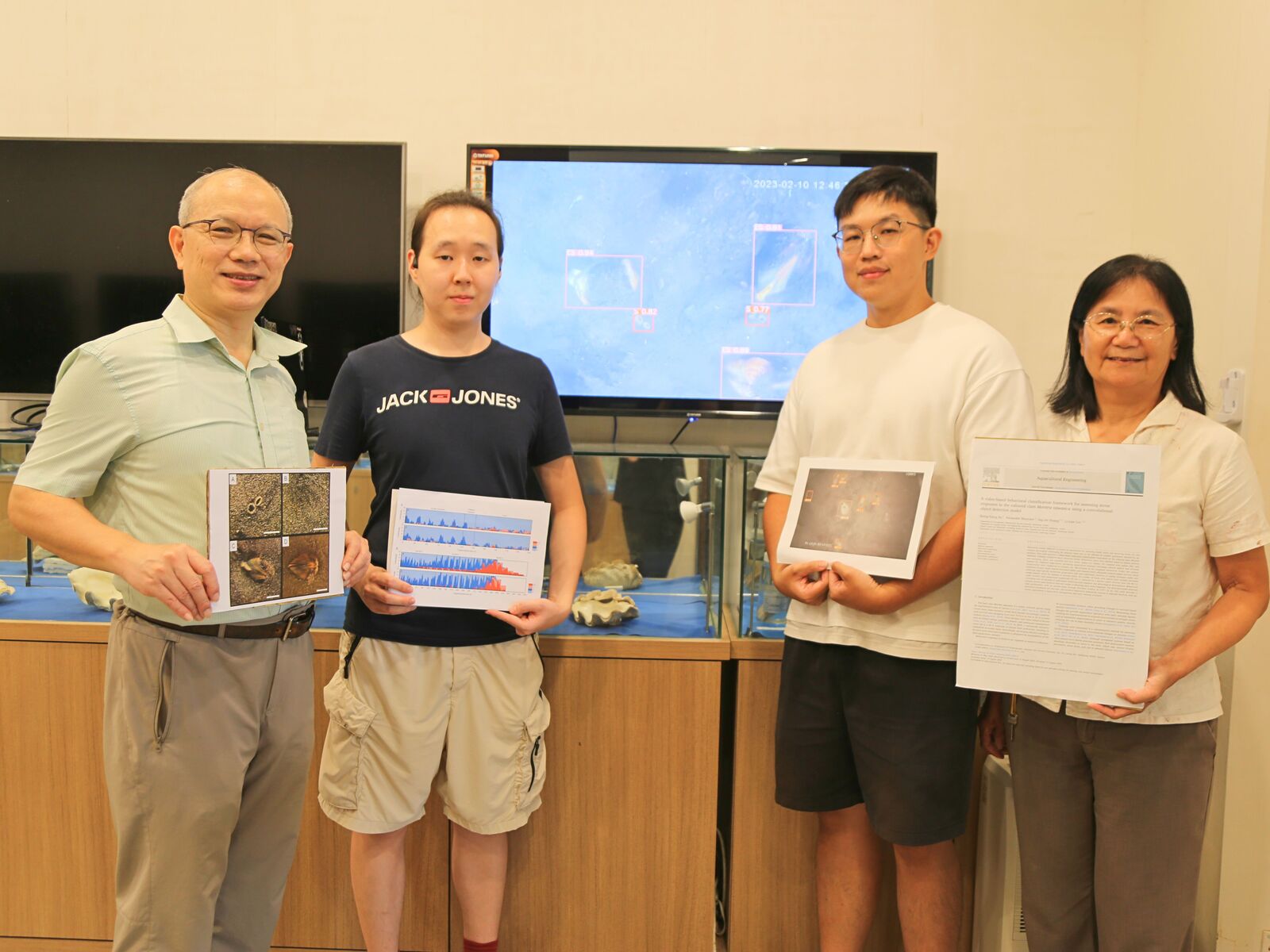
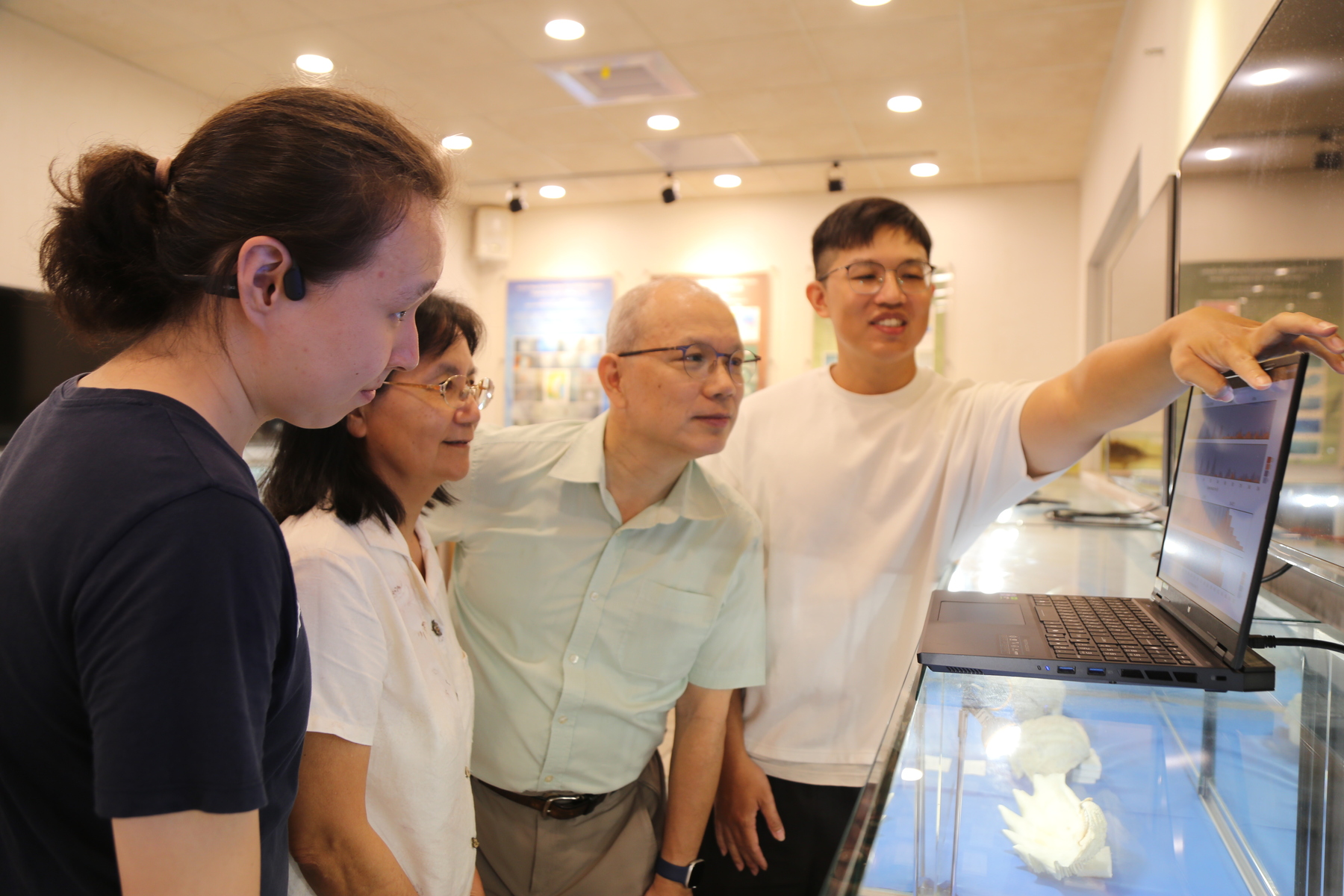
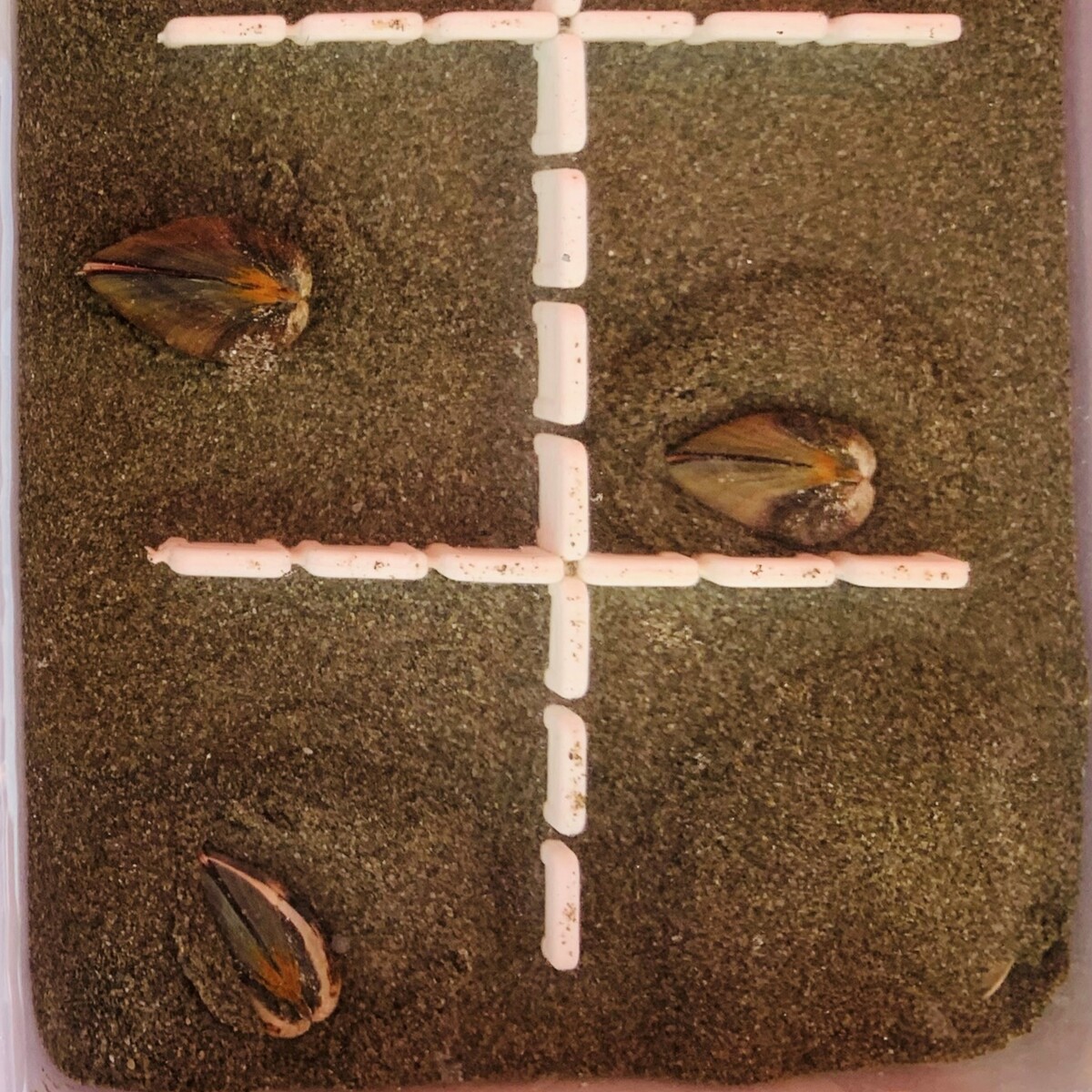
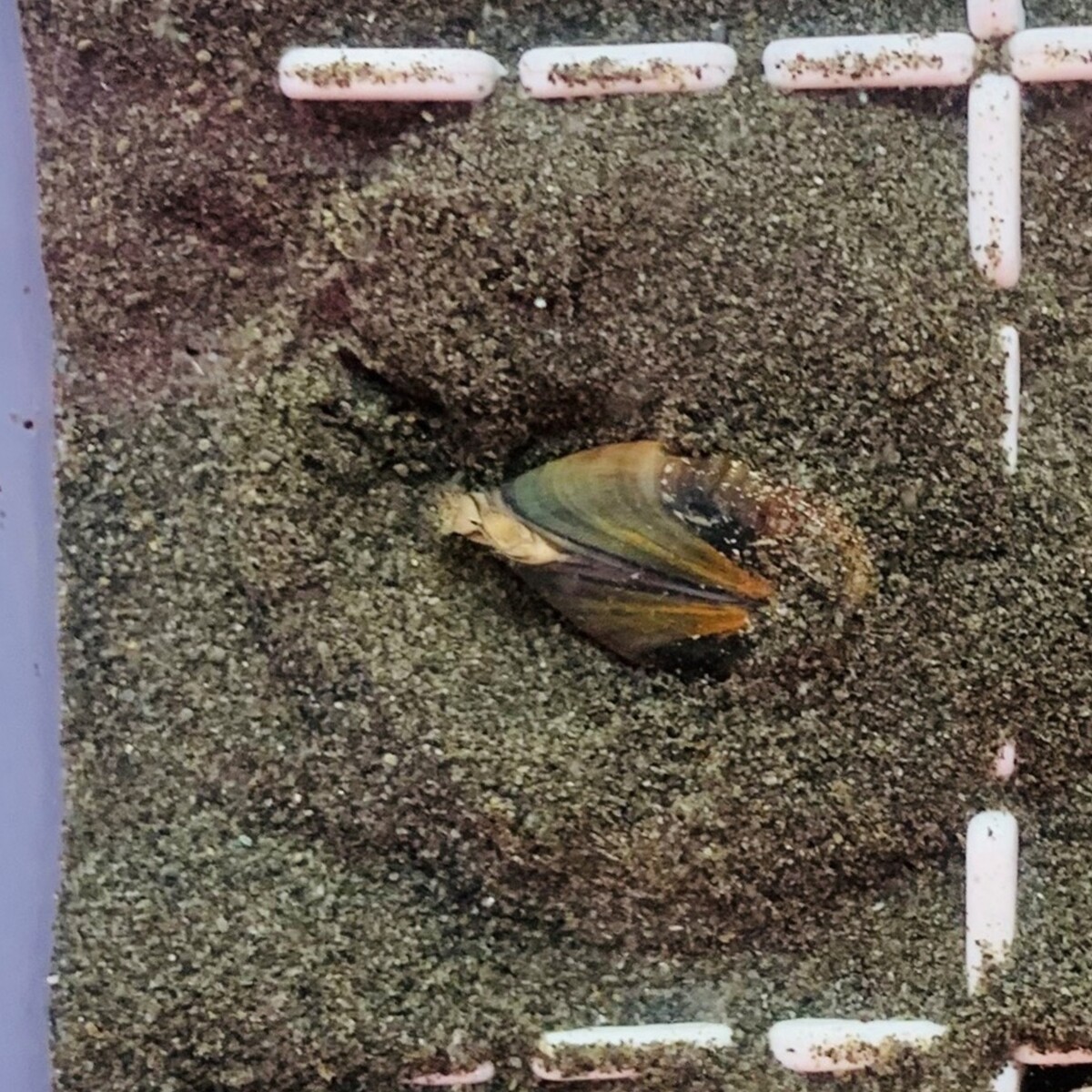
Clams are known to expel sand in salt water and open their shells when heated, but new research shows that they may exhibit emergence and surface movement behaviors that resemble "escape" under stress. A cross-disciplinary research team from National Sun Yat-sen University (NSYSU) has found that the hard clam Meretrix taiwanica displays notable behaviors under changing salinity or temperature. When exposed to environmental stress, clams adjust their siphon activity, emerge from the sediment, and move across the pond bottom in a way that farmers often describe as "walking." Using AI-based quantitative analysis of these behavioral patterns, the study reveals how clams respond to environmental stress and offers a new early-warning mechanism for Taiwan's clam aquaculture industry.
Doctoral student Sheng-Xiang Xu and Professor Li-Lian Liu from NSYSU's Department of Oceanography collaborated with doctoral student Alexander Munyaev and Professor Ing-Jer Huang from the Department of Computer Science and Engineering. The team emphasized that hard clam aquaculture is an important industry along the southwestern coast of Taiwan. In recent years, increasing episodes of extreme heat and heavy rainfall associated with climate change have contributed to water quality deterioration, hypoxic conditions, and high mortality events, resulting in significant economic impacts. Because behavior provides one of the earliest and most direct responses to environmental stress, monitoring behavioral changes can serve as an effective early warning signal before severe losses occur.
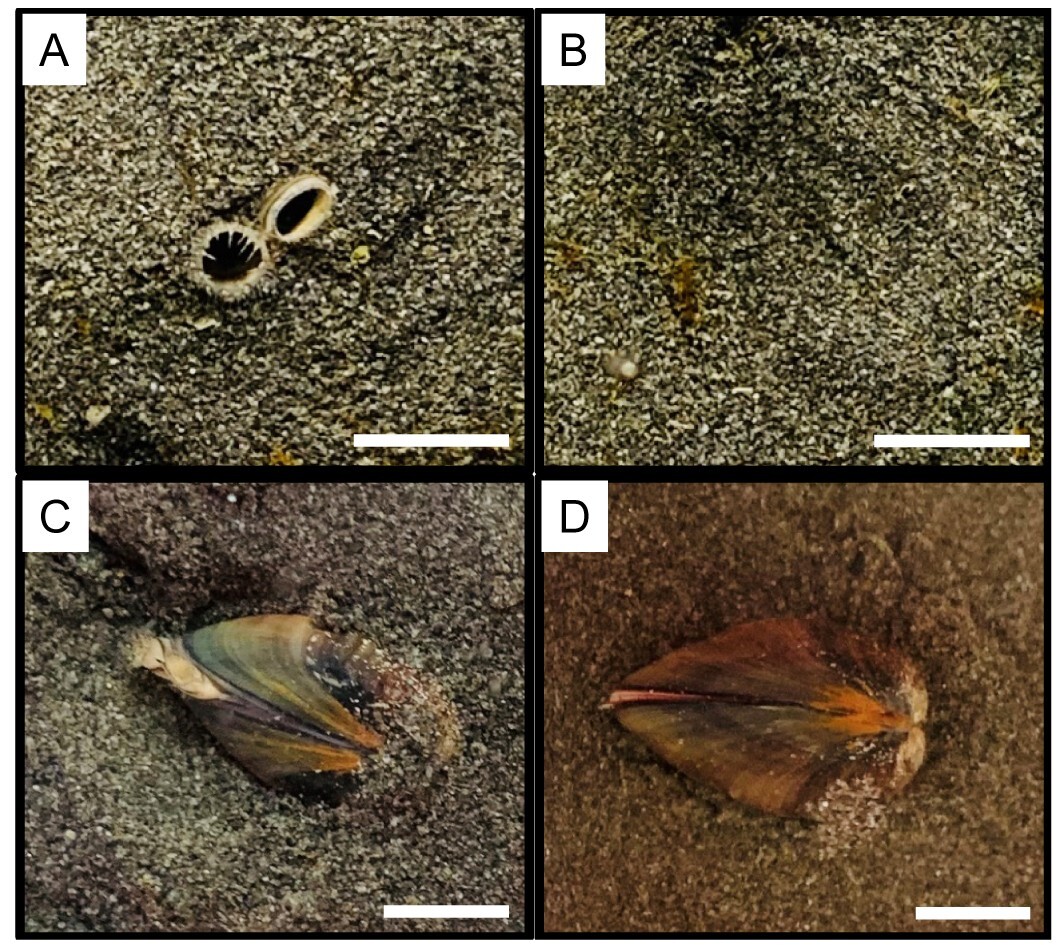
The team classified clams into four behavioral states: siphons displayed and shell buried, siphons retracted and shell buried, siphons displayed and shell exposed, siphons retracted and shell exposed, and designed behavioral observation experiments to analyze their coping strategies under stress.
Results showed that when salinity dropped to 6 psu (6 grams of salt per liter of water), clams retracted their siphons and remained buried, a common avoidance response to osmotic stress. At temperatures between 32 and 36°C, they displayed increased siphon activity, reflecting elevated metabolic demand under warming. Once temperatures exceeded 36°C, most clams emerged from the sediment and exhibited clear surface displacement before mortality occurred. These emergence and movement patterns correspond to farmers' colloquial descriptions of clams "walking." The study also demonstrated that behavioral changes responded earlier than weight variation, indicating that behavioral monitoring can provide an effective tool for early stress detection.
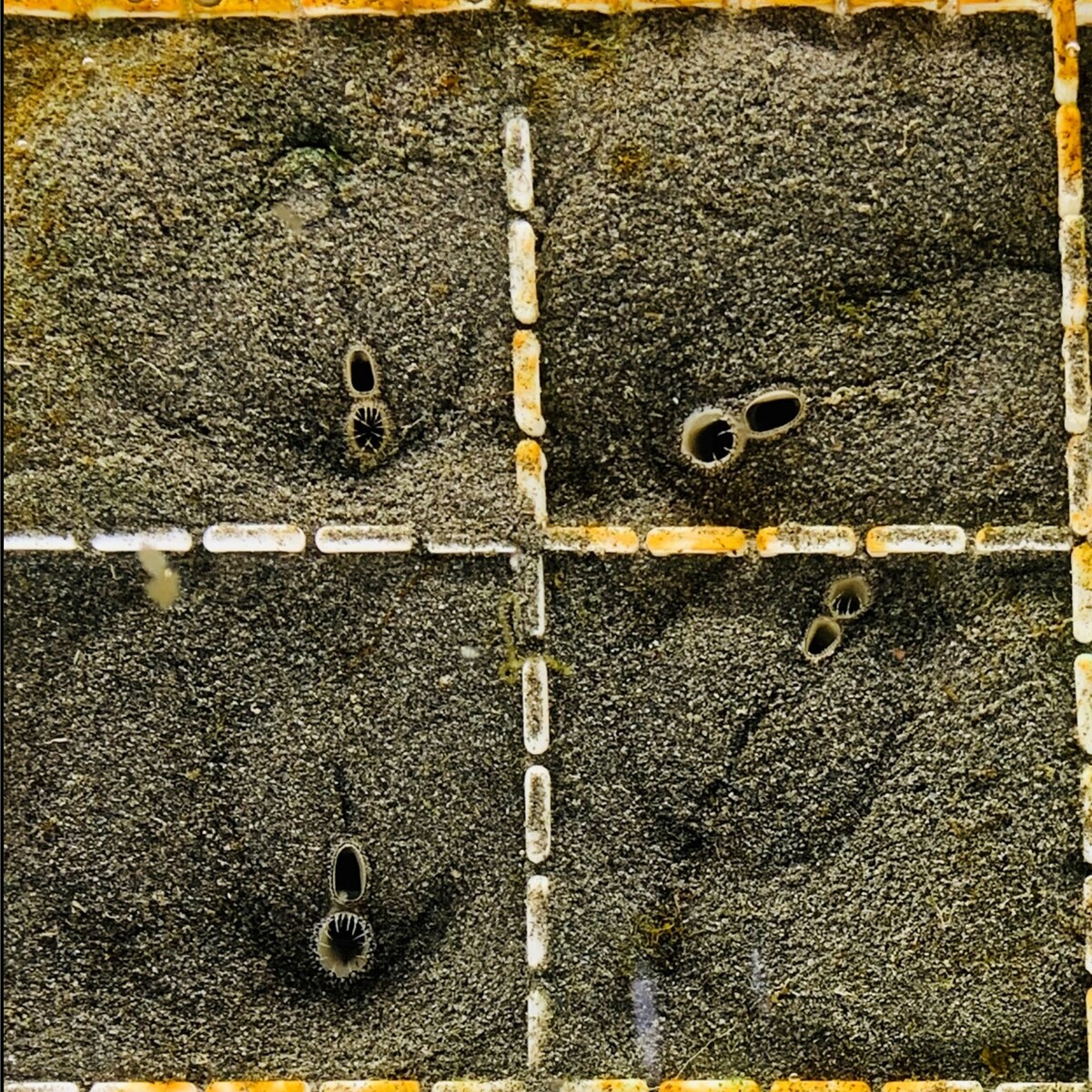
Effectively monitoring clam behavior has long been a major challenge. Traditional monitoring methods require attaching electrodes to the clam shells, which makes them unsuitable for sediment-dwelling species. Although other approaches are available, none can provide both long-term stability and rapid real-time responses. To overcome this limitation, the team developed an AI-based image recognition system that translates subtle clam movements into real-time behavioral data and successfully addresses these technological constraints.
The team analyzed 7,860 images of clams under normal and stressful conditions and trained a YOLO-based deep learning model capable of automatically detecting shell exposure and siphon activity with a mean Average Precision (mAP50) of 0.977. This smart monitoring technology has also been successfully applied to white shrimp aquaculture and has received multiple national and international honors, including the Ministry of Science and Technology's Future Tech Award, the National Innovation Award, and the APICTA Award between 2021 and 2023. Most recently, it was recognized with the 2025 A* Awards, jointly organized by the Institute for Information Industry and the Information Service Industry Association.
The study also recorded that during the clam cultivation period in Tainan Chiku, water temperatures exceeded 35°C for 42 days, with average daily highs of 36.0°C and lows of 32.2°C, which surpass the commonly recommended range of 25 to 35°C. Prolonged exposure to such chronic heat stress can reduce the clams' capacity to withstand sudden environmental disturbances, underscoring climate change as a significant challenge for the aquaculture industry.
The team plans to implement the AI recognition system in outdoor aquaculture ponds and integrate it with water quality sensors to establish a real-time early warning platform. This advancement could enhance the resilience of Taiwan's clam industry to climate-related stress and provide a new monitoring model for shellfish aquaculture worldwide. The research findings have been published in the international journal Aquacultural Engineering.
Journal link:https://doi.org/10.1016/j.aquaeng.2025.102614