
Revealing how typhoons help the ocean "breathe": NSYSU unveils carbon cycle dynamics in the East China Sea upwelling zone
2026-01-12
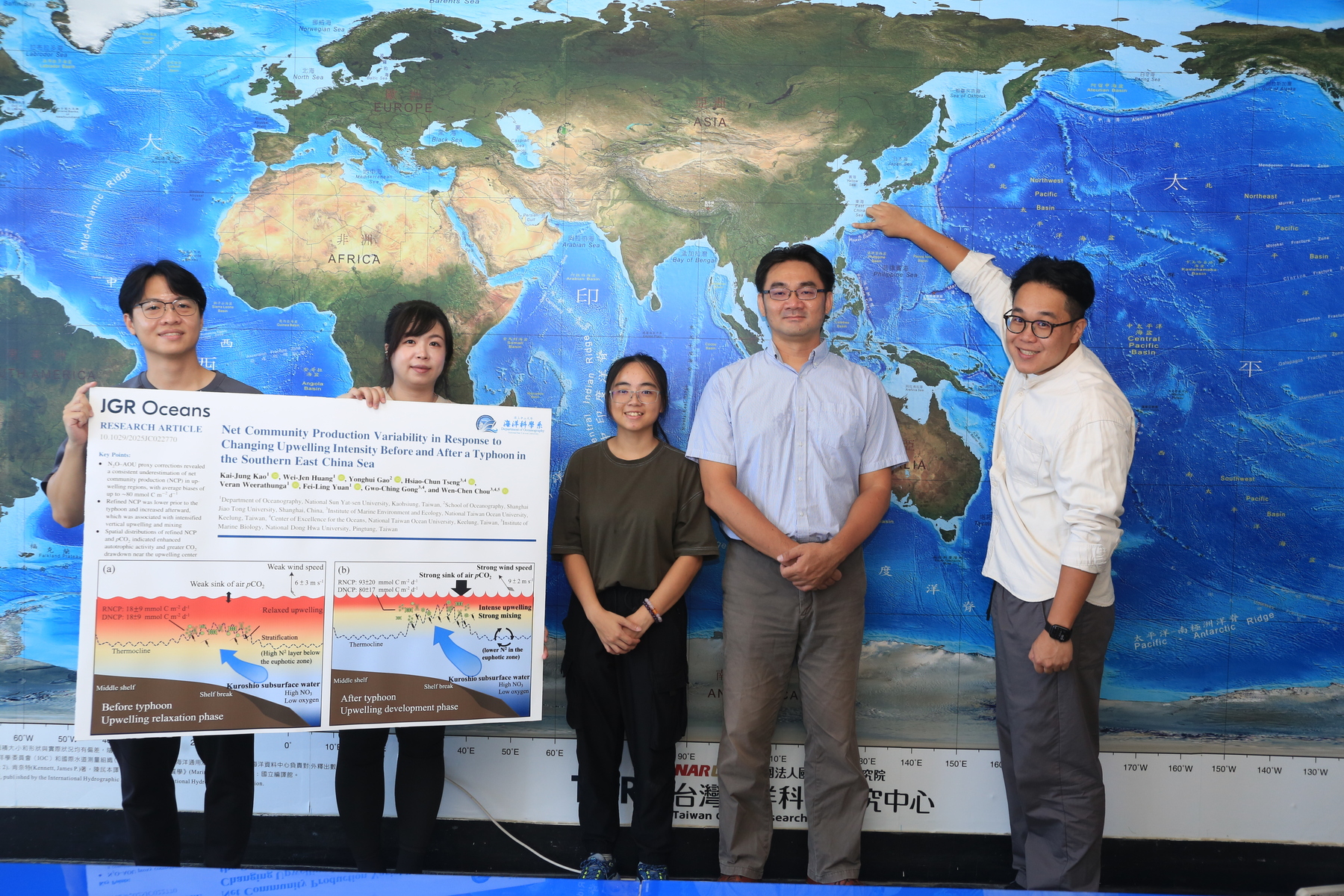
When typhoons roar, and waves surge, the ocean is not merely a victim of destruction—it may also be "taking a deep breath." A research team led by Professor Wei-Jen Huang of the Department of Oceanography at National Sun Yat-sen University (NSYSU) published a groundbreaking study in the Journal of Geophysical Research: Oceans, revealing how Typhoon Maria in 2018 enhanced oceanic productivity and carbon dioxide (CO2) absorption in the upwelling zone of the southern East China Sea. This marks Taiwan's first high-temporal-resolution observations of carbon cycling in an upwelling region, reshaping our understanding of how extreme weather events like typhoons may play a positive role in regulating the Earth's carbon balance.
During the summer of 2018, as Typhoon Maria approached, Huang's team conducted two research cruises—one before the typhoon (July 6-9) and one after it (July 13-17)—to monitor changes in dissolved oxygen, nutrient levels, and CO2 in seawater. The results showed that the typhoon's strong winds not only stirred the sea surface but also brought nutrient-rich deep water upward to the surface through upwelling.
The research team suggested that this "natural stirring" acted like a nutrient feast for phytoplankton, fueling rapid growth and elevated photosynthesis, which led to a significant increase in net community production (NCP, the ecosystem's net biological CO2 uptake) in surface waters. At the same time, the partial pressure of CO2 (pCO2) in seawater decreased, indicating that the ocean was absorbing more CO2 from the atmosphere.
This study observed that the regional carbon cycle experienced substantial changes in just a few days after the typhoon. When upwelling delivers nutrients to the surface, phytoplankton undergo intense photosynthesis, supporting productivity throughout the food web and transporting a portion of carbon to the deep ocean, where it becomes stored as "blue carbon."
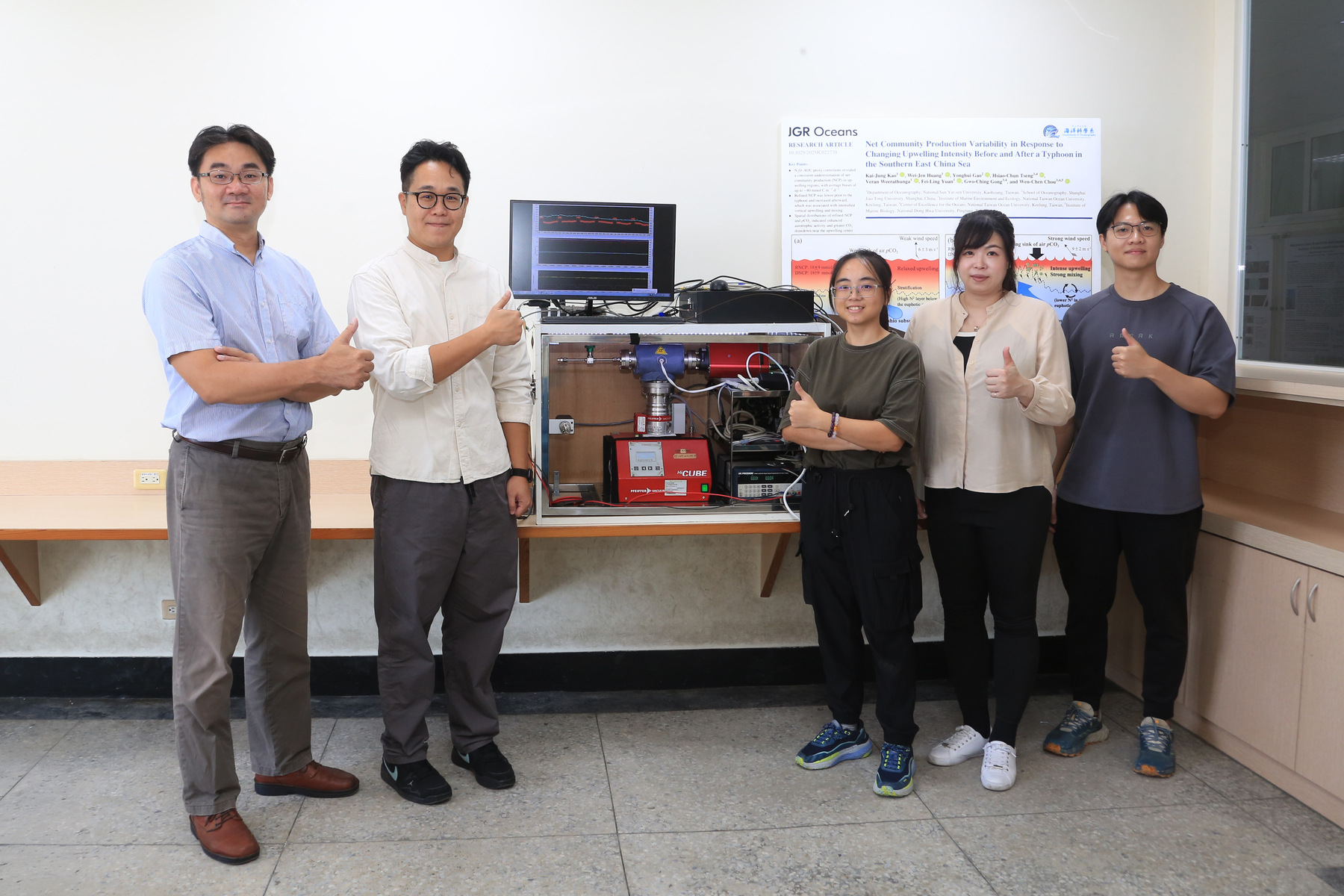
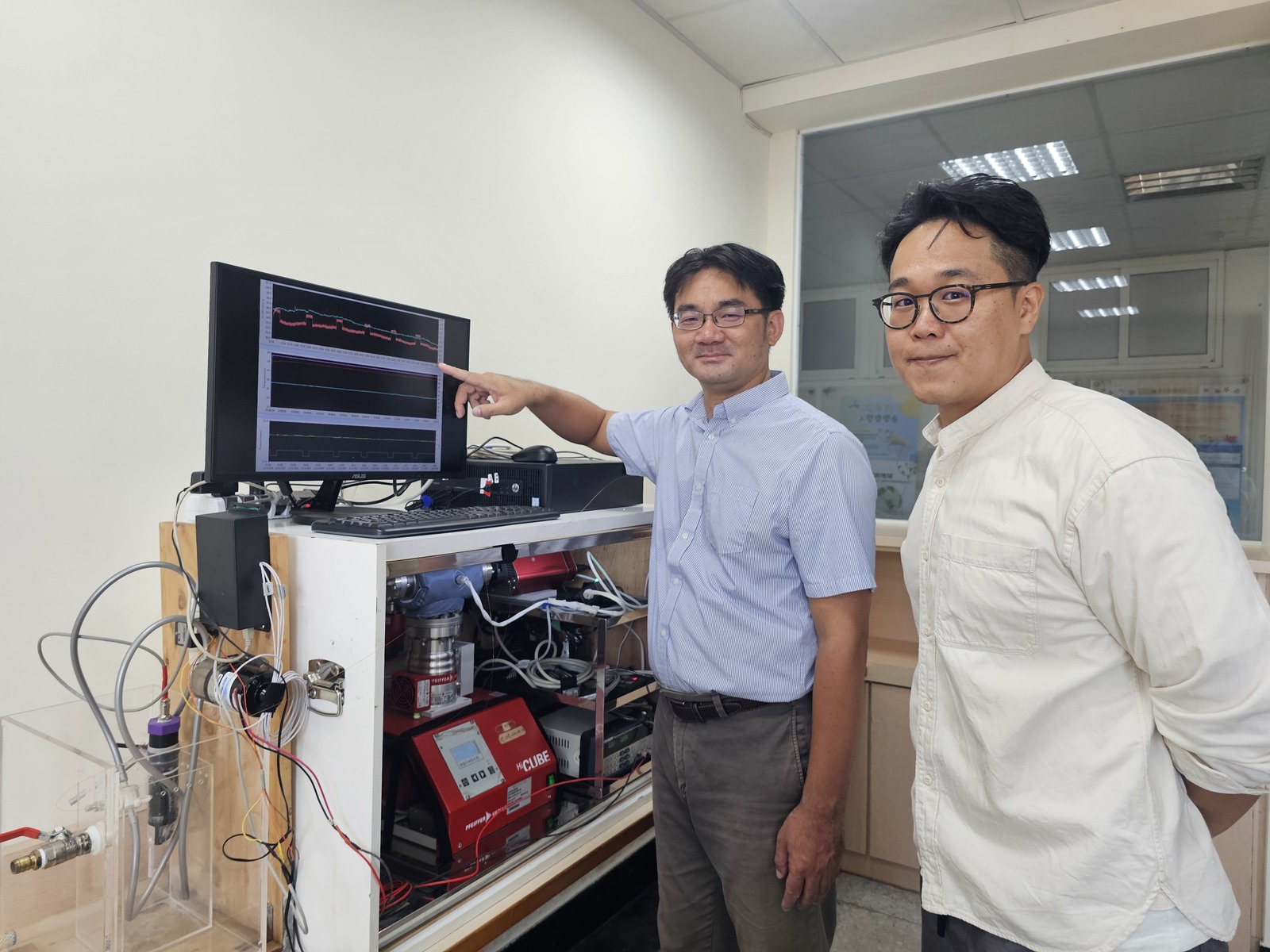
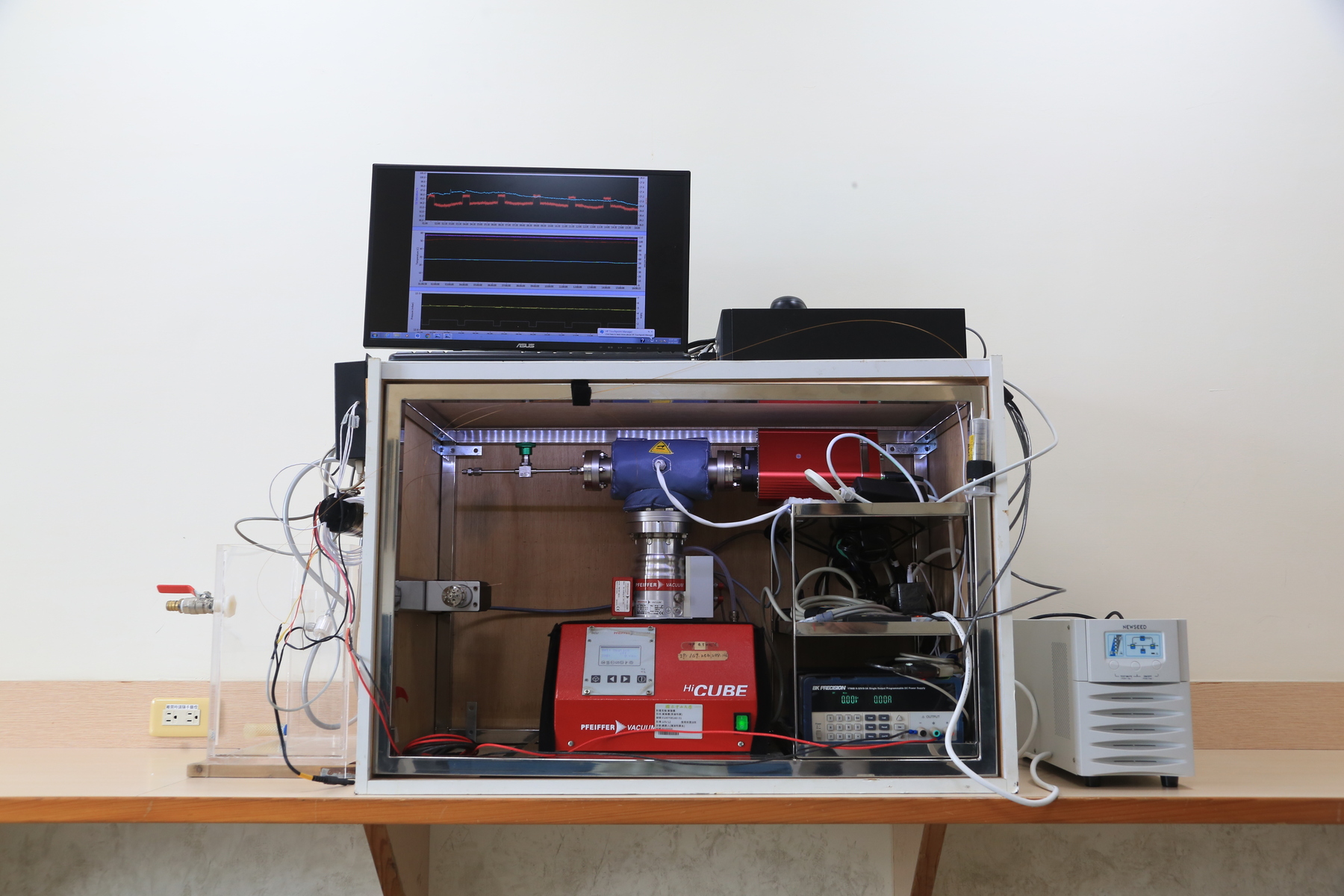
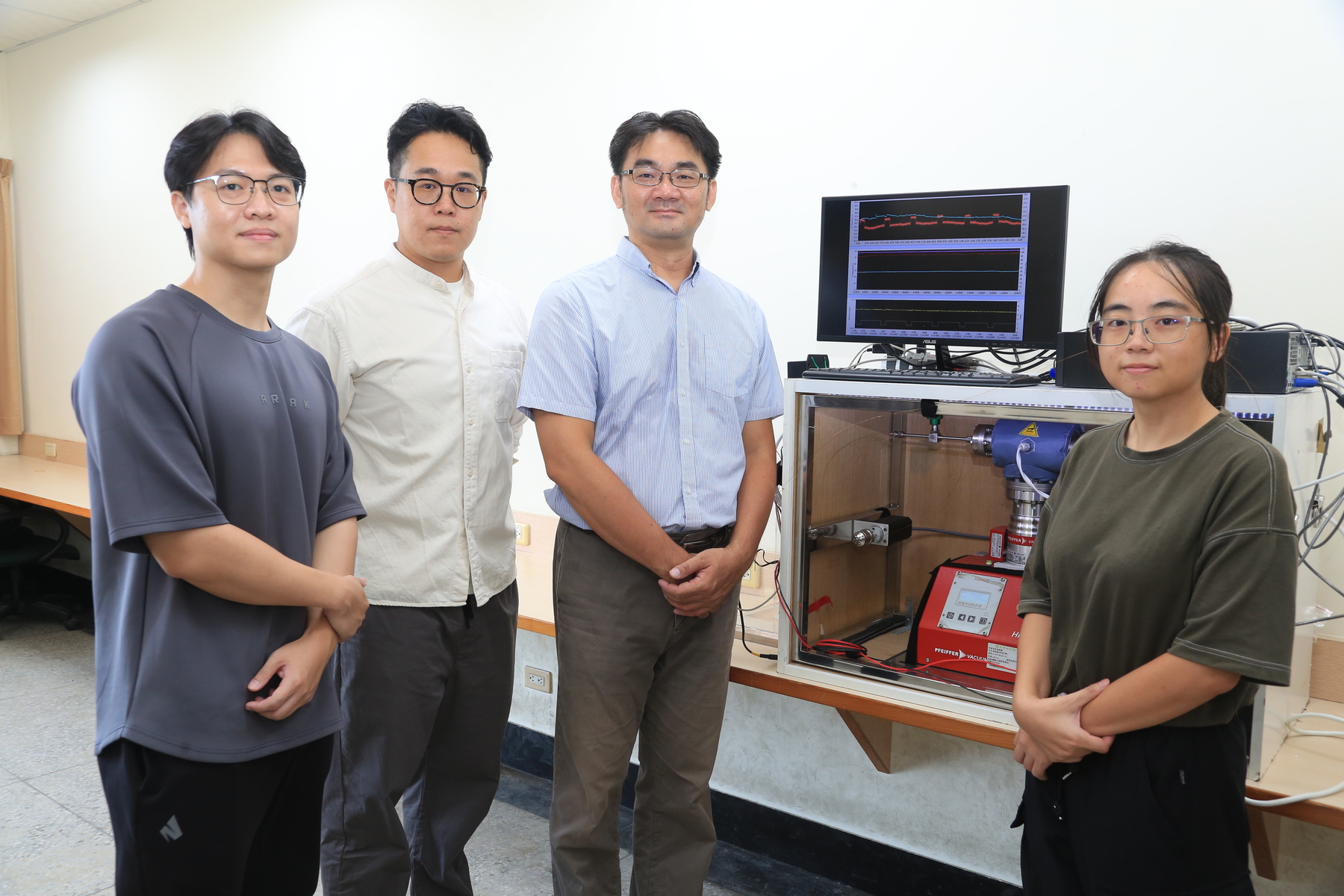
"In other words, while typhoons can be terrifying, they may also unintentionally deposit carbon 'savings' into the Earth's climate ledger," said Huang. Taiwan, located along the northwest Pacific typhoon corridor, experiences such extreme weather almost every year, serving as a natural laboratory. Using an equilibrator inlet mass spectrometry (EIMS) aboard a research vessel, the team successfully captured the 'breathing rhythm' of the ocean during typhoon disturbance, revealing how it regulates its carbon cycle under extreme conditions.
Notably, "blue carbon"—the capacity of marine ecosystems to absorb and store carbon—has become a focal point in global climate governance, viewed as a key solution for mitigating global warming. The Intergovernmental Panel on Climate Change (IPCC) has even proposed "artificial upwelling" as a potential nature-based solution to enhance oceanic carbon sequestration. However, Taiwan still lacks sufficient local observation data, with most assessments relying on foreign model estimations. Huang's team emphasized that their study provides the critical observational and analytical framework to fill this gap, offering a scientific foundation for future evaluation of whether Taiwan's surrounding waters could support such natural carbon sequestration strategies.
The research was led by Professor Wei-Jen Huang and Postdoctoral Research Fellow Kai-Jung Kao of NSYSU's Department of Oceanography, in collaboration with domestic and international experts in carbon cycling and biogeochemistry. By employing advanced high-temporal-resolution observation techniques, the team captured subtle changes in air-sea CO2 exchange during typhoon events, successfully linking local observations to the scientific issue of global climate change.
"Extreme weather is not only a disaster, but it is also a mirror reflecting the resilience and self-regulating capacity of natural systems," Huang said. "We hope this study raises greater awareness of the ocean's essential role in climate regulation and inspires Taiwan to invest more in local blue carbon observation and research." He emphasized that the ocean is not a silent blue expanse but a living, breathing giant entity. Re-examining this dynamic power may help humanity discover new directions to coexist with nature and respond to climate change.
Full article available at:
https://agupubs.onlinelibrary.wiley.com/doi/full/10.1029/2025JC022770