
Enhancing EMI quality assurance as experts from Taiwan and abroad gather at NSYSU
2026-01-05
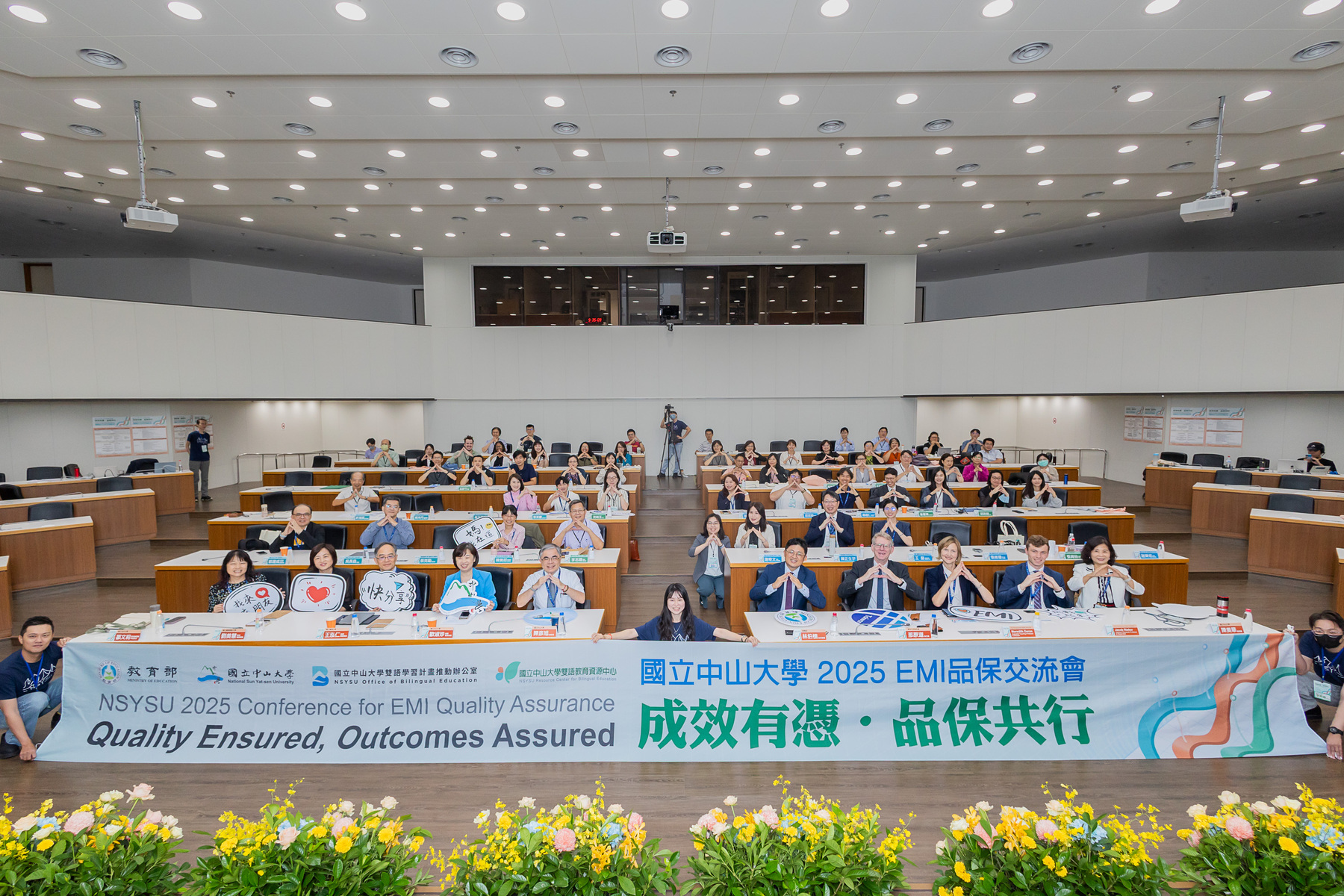
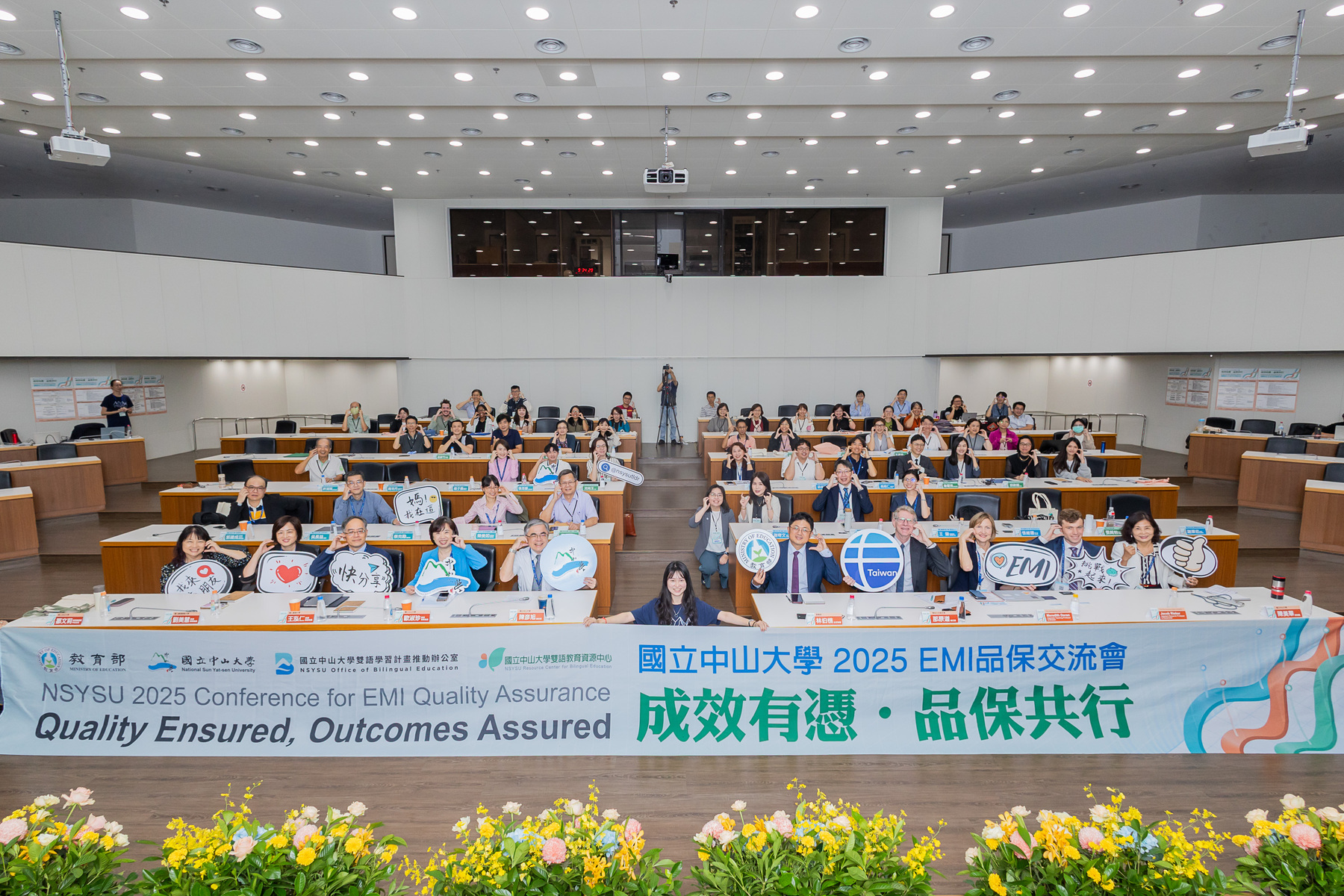
To strengthen Taiwan's competitiveness in global higher education, National Sun Yat-sen University (NSYSU), as a key bilingual benchmark university, has long promoted English as a Medium of Instruction (EMI) courses and, in recent years, has actively advanced quality assurance (QA) mechanisms. NSYSU held the "2025 Conference for EMI Quality Assurance—Quality Ensured, Outcomes Assured," bringing together nearly one hundred administrators, scholars, and faculty members from 13 universities in Taiwan and abroad to explore strategies that ensure the quality of student learning and outcomes in bilingual instruction.
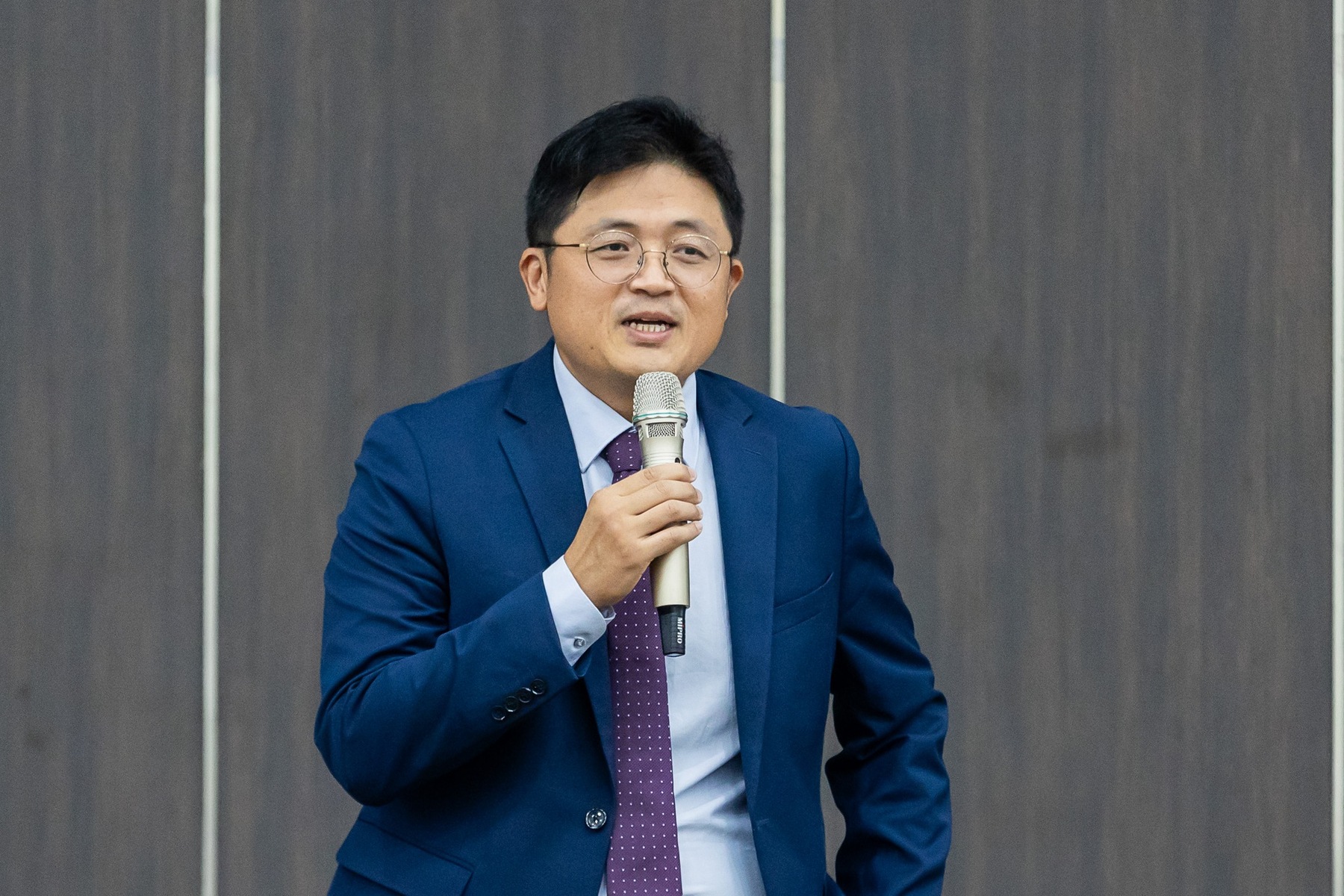
"EMI has been promoted for many years, and now, it is time to shift our focus from the number to the quality of EMI courses," said Po-Chiao Lin, Chief Secretary of the Ministry of Education (MOE), in his opening remarks. He emphasized that as Taiwan's bilingual education initiative enters a new phase, the central mission has evolved from course expansion to quality enhancement. In Bilingual Education Phase 2 (2026–2032), the MOE aims for at least 20% of EMI courses to undergo formal QA procedures to ensure that students learn as effectively as in Chinese-medium instruction. He commended NSYSU for hosting the Conference and fostering dialogue within Taiwan's higher education community.
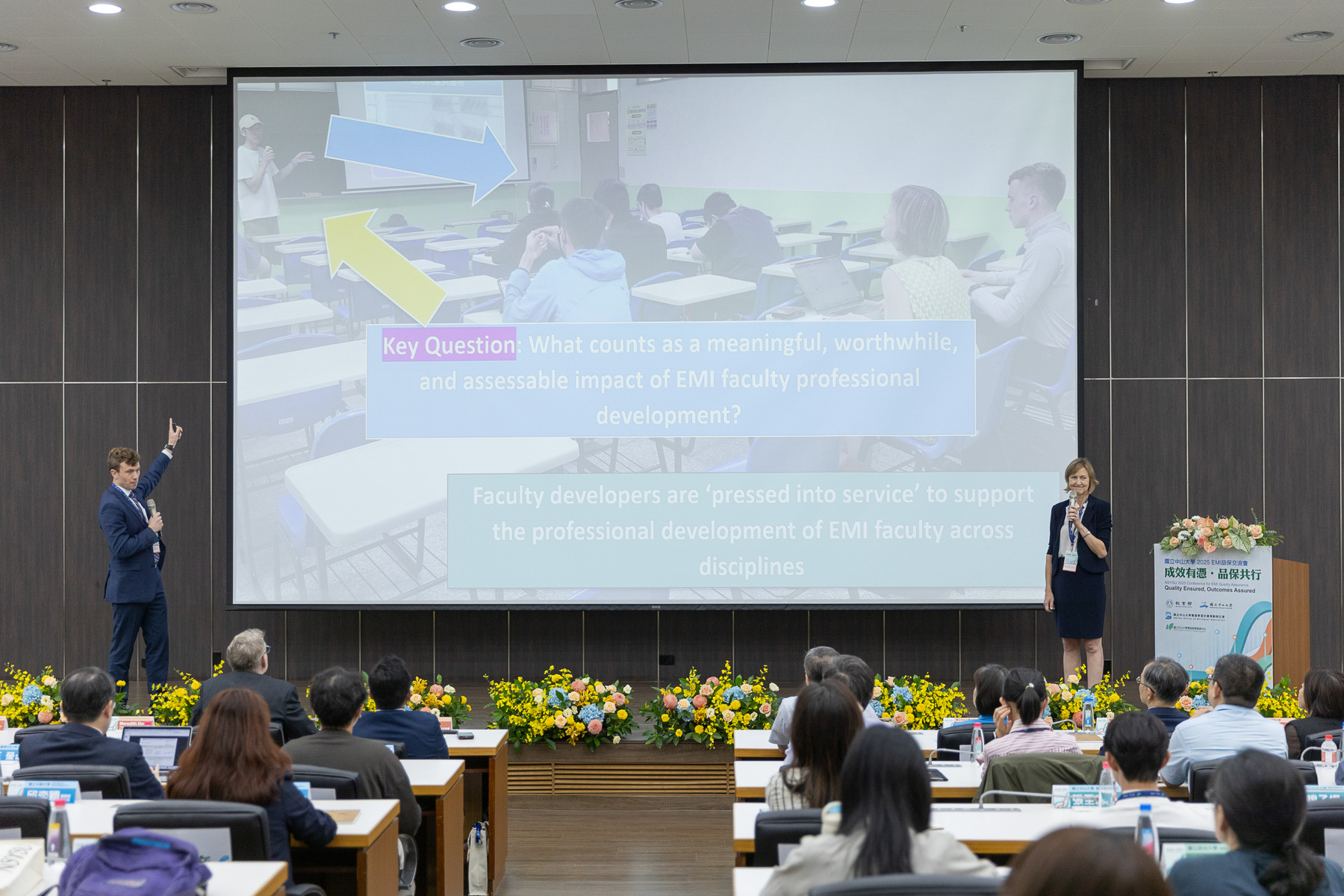
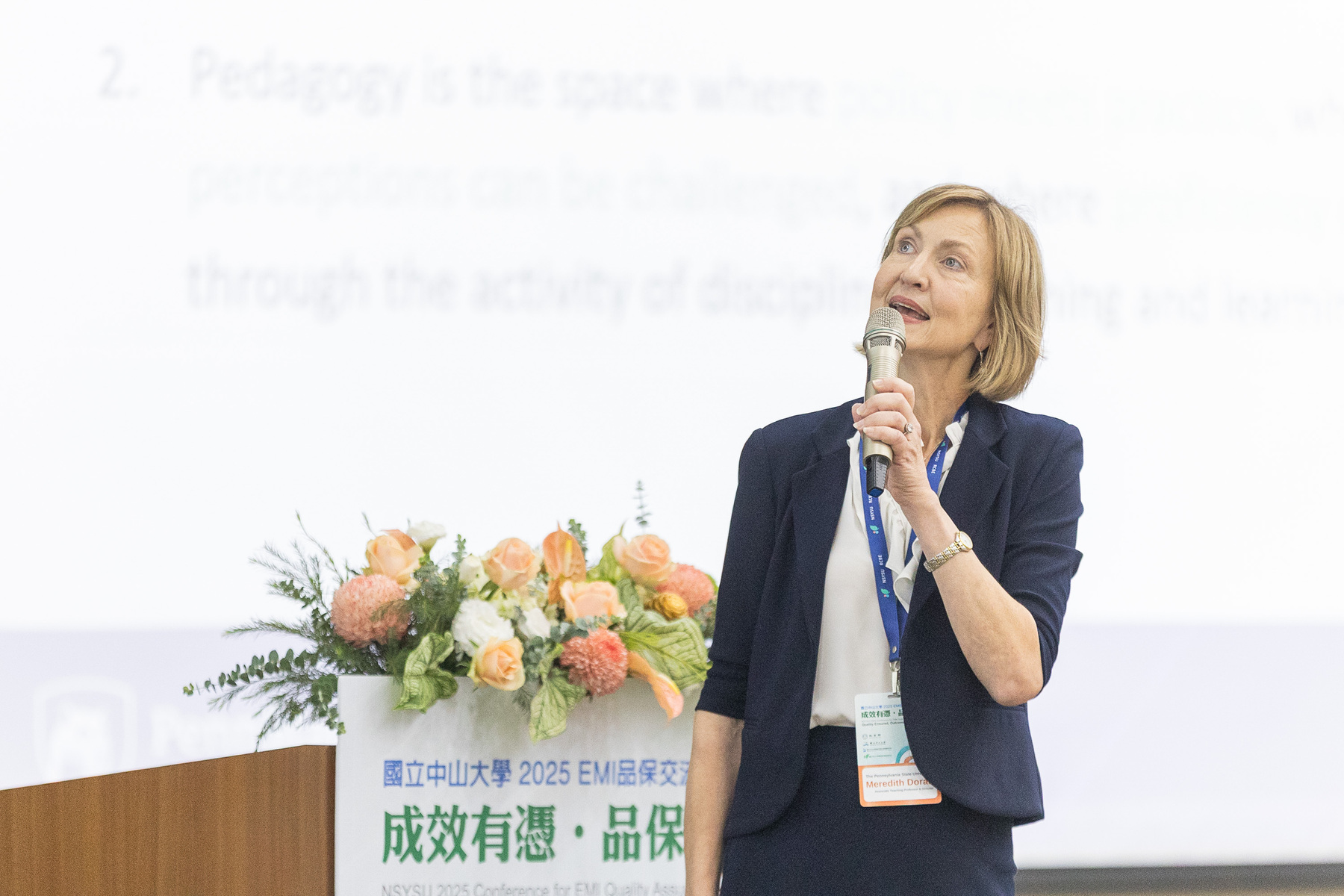
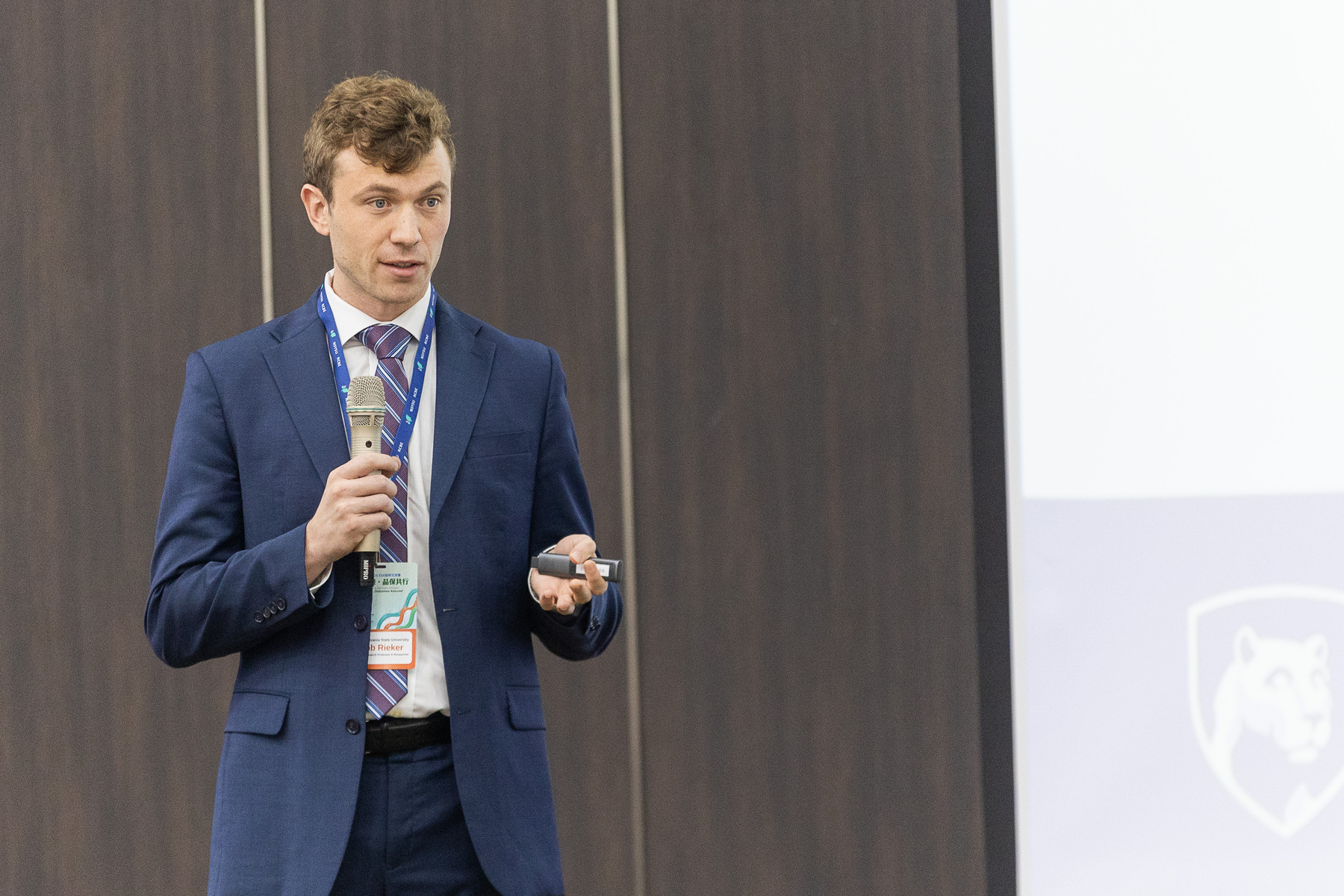
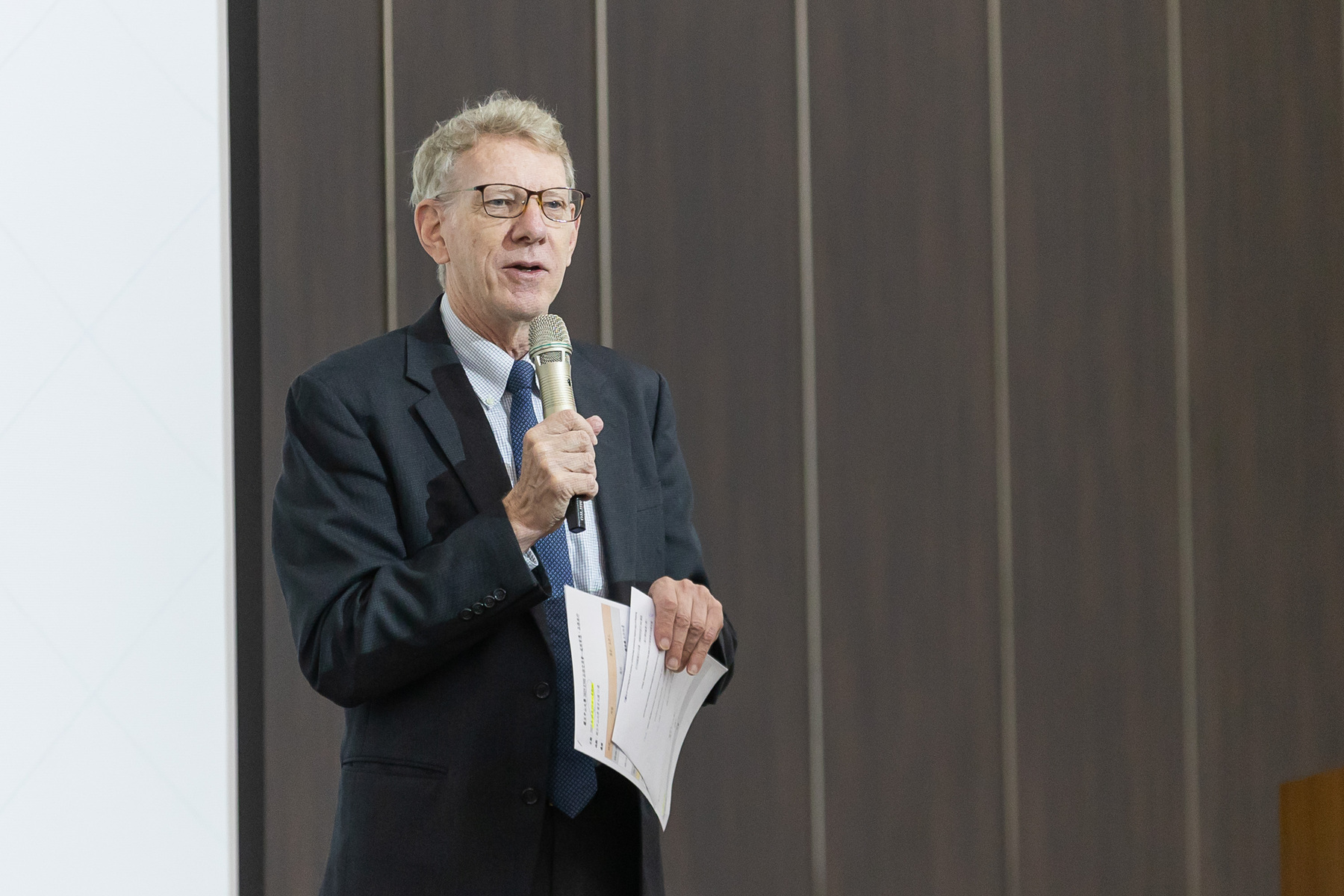
NSYSU Senior Vice President Yen-Hsu Chen explained that the event was intentionally framed as a "conference," encouraging universities to share practical experiences and discuss how to maintain instructional quality amid the rapid expansion of EMI courses. Echoing this intention, Dr. Meredith Doran and Dr. Jacob Rieker from The Pennsylvania State University shared global trends in EMI QA. Dr. Doran emphasized, "Teacher professional development is the key determinant of EMI success worldwide," and praised Taiwan's progress, noting that its EMI faculty training is among the most advanced globally.
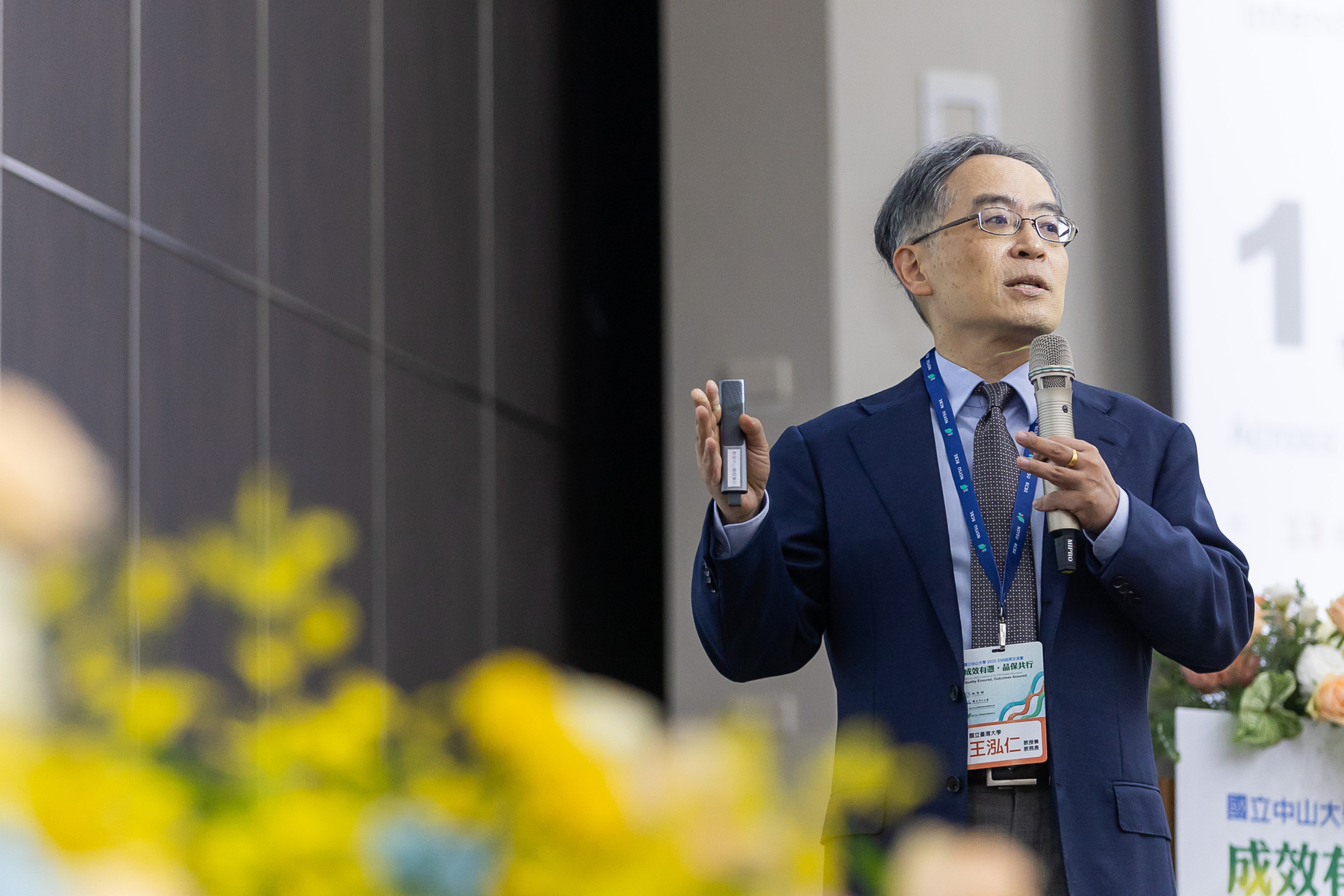
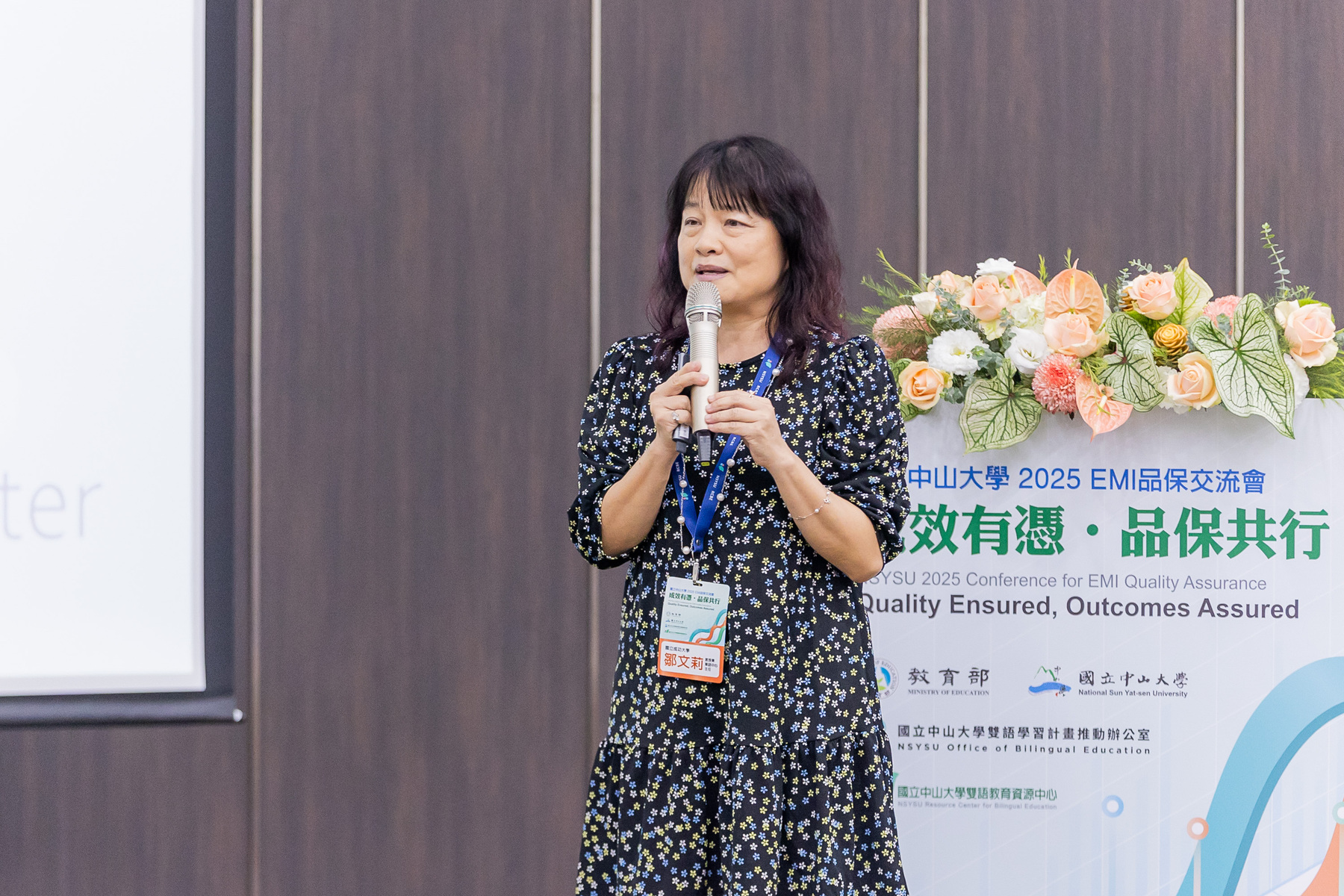
In the morning invited talks session, Hung-Jen Wang, Vice President for Academic Affairs at National Taiwan University, underscored the importance of student feedback. NTU collects university-wide survey data to understand student perceptions and challenges in EMI courses, serving as the basis for improving QA measures. Wen-Li Zou, Director of the Chinese Language Center at National Cheng Kung University, introduced the English for Specific Purposes (ESP) professional development program, which supports instructors across disciplines in enhancing their EMI pedagogy. Mei-Hui Liu, Vice President for Academic Affairs at National Taiwan Normal University, discussed the role of action research in QA, noting that continuous reflection and adjustment are essential to creating responsive and effective teaching mechanisms.
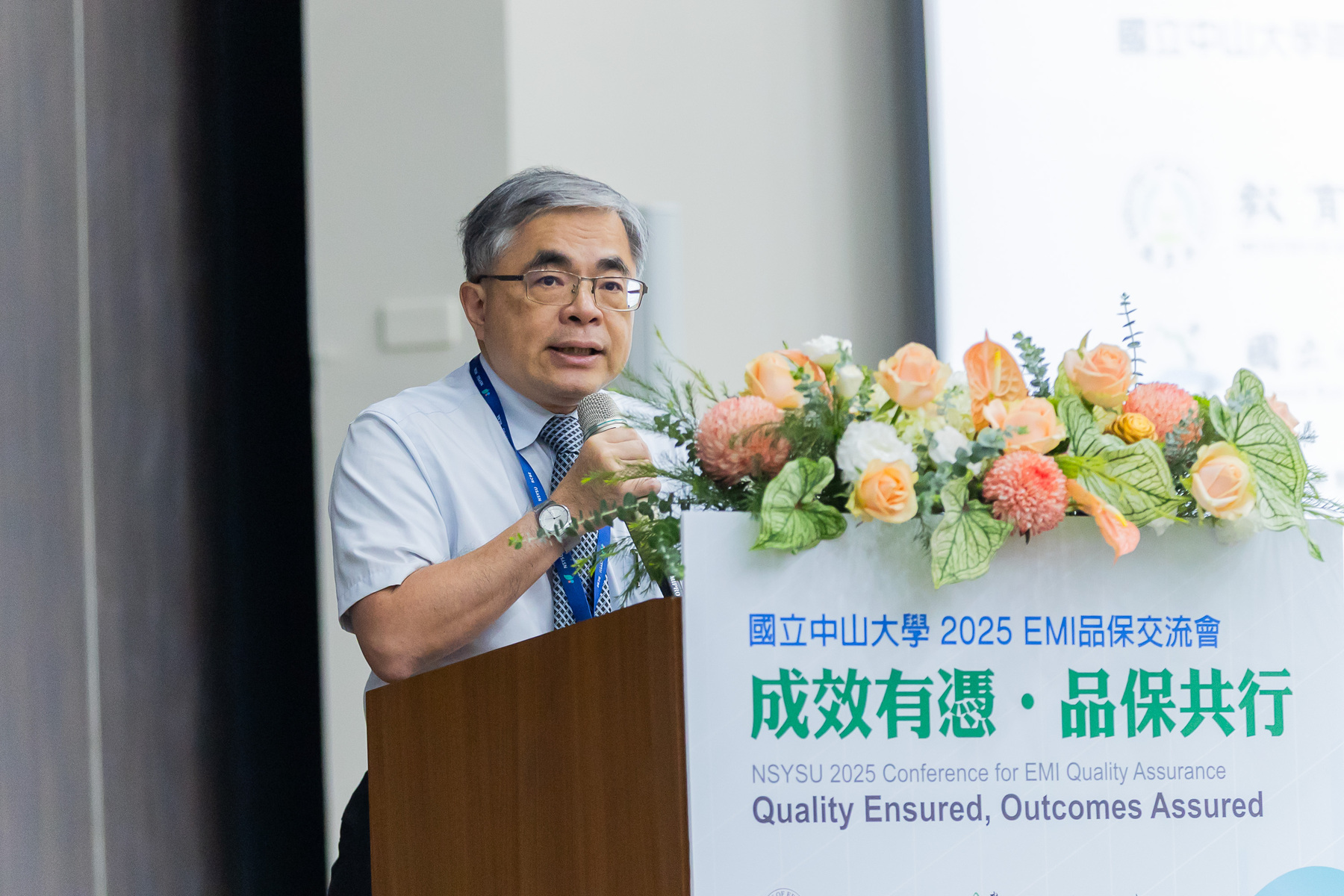
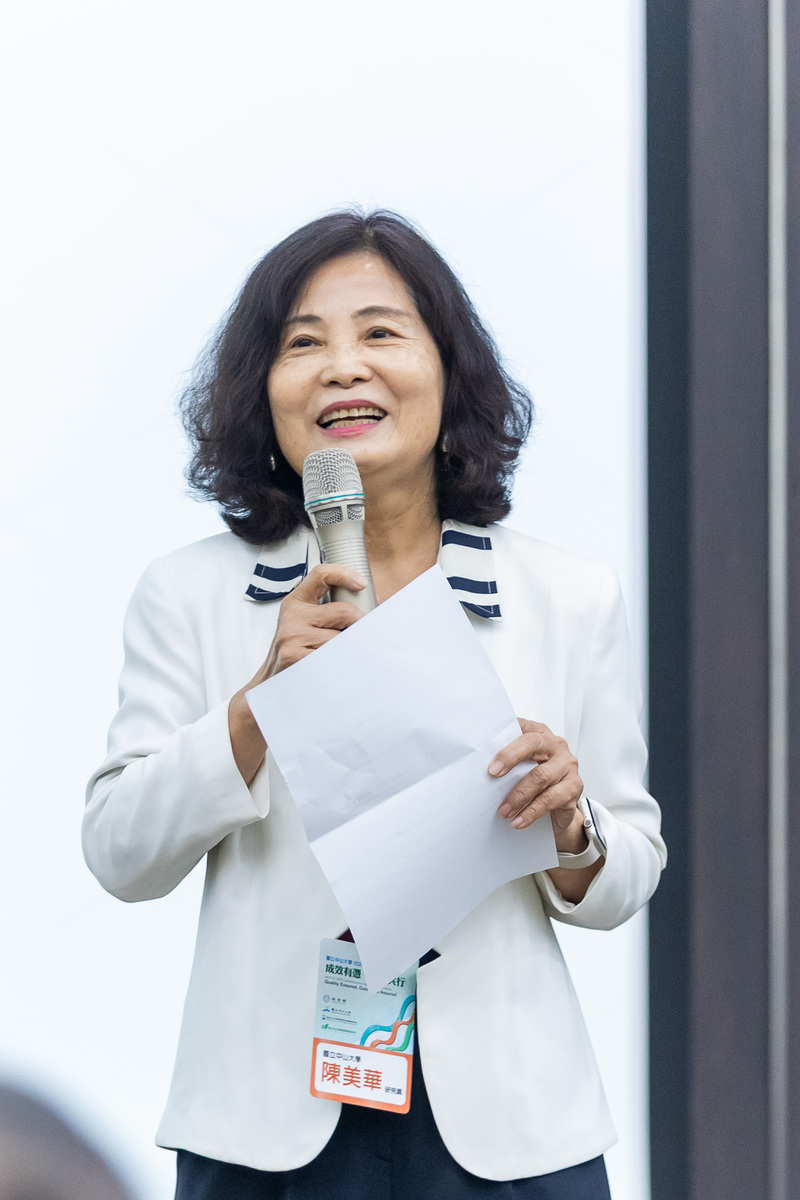
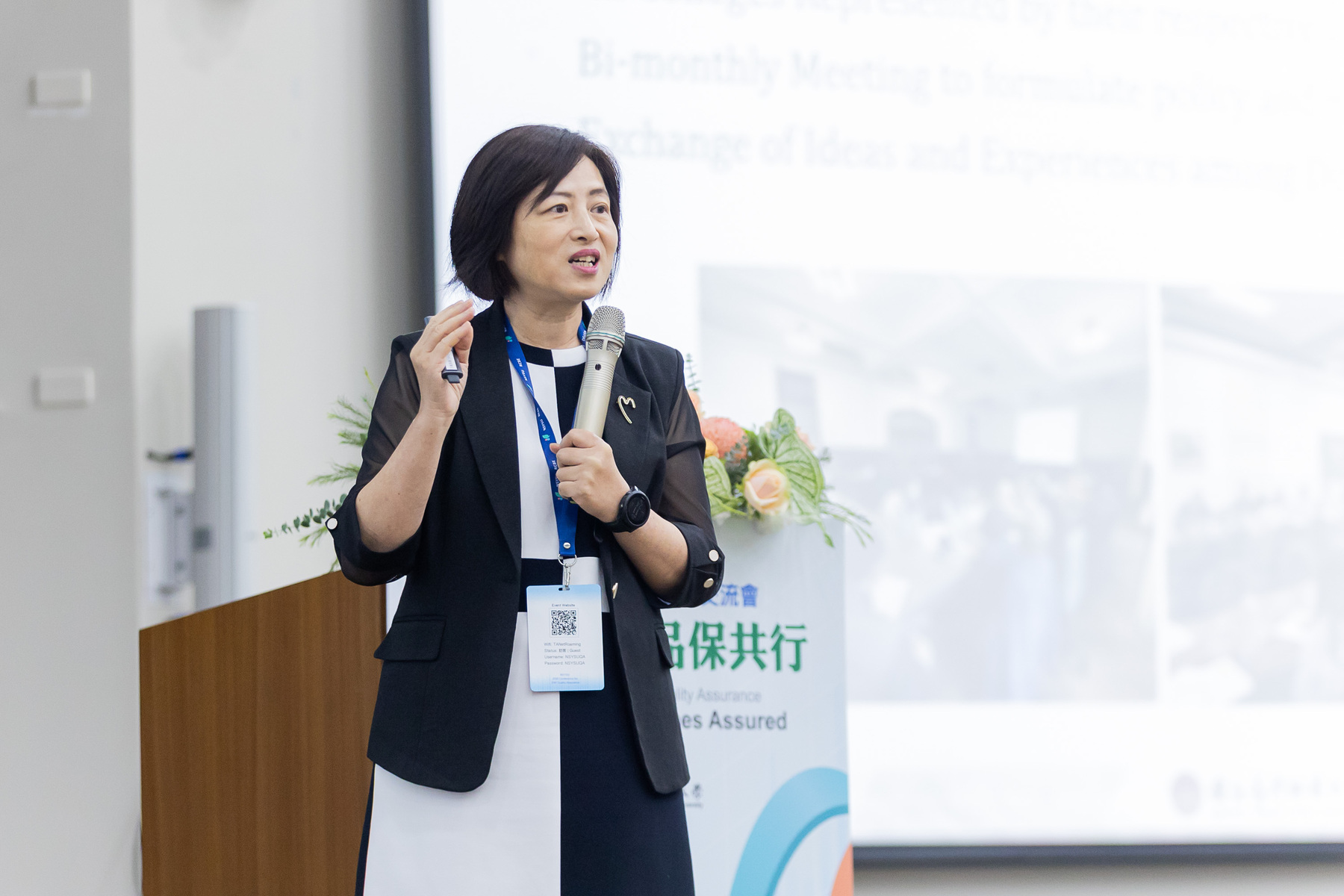
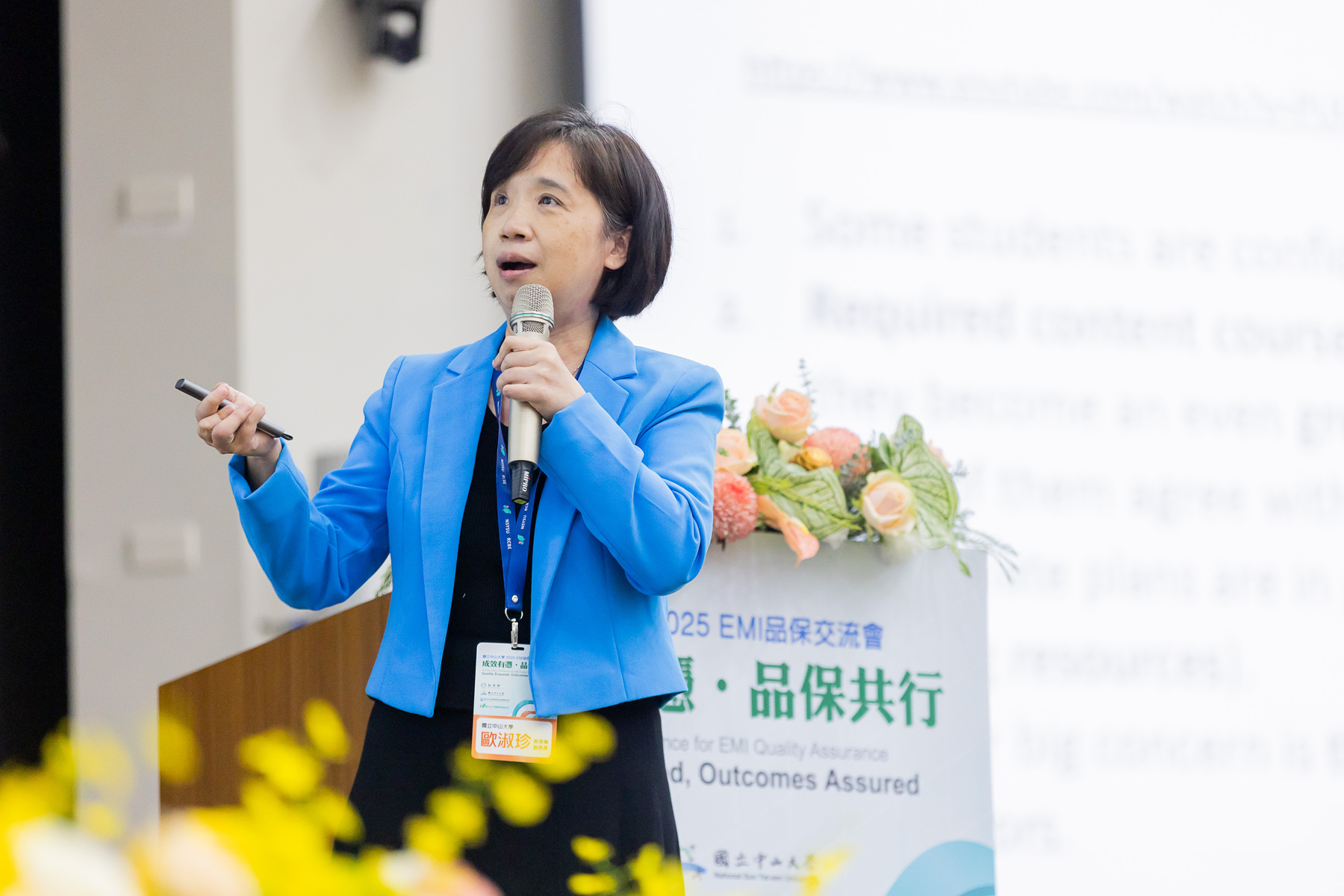
Additionally, Shu-chen Sherry Ou, NSYSU Vice President for Academic Affairs, emphasized that within the MOE's policy framework, each university has developed its own EMI QA model, reflecting the diversity and innovation of Taiwan's higher education system. She also described how NSYSU fosters a bottom-up QA culture, building a supportive network from department to the university level to embed EMI quality practices campus-wide.
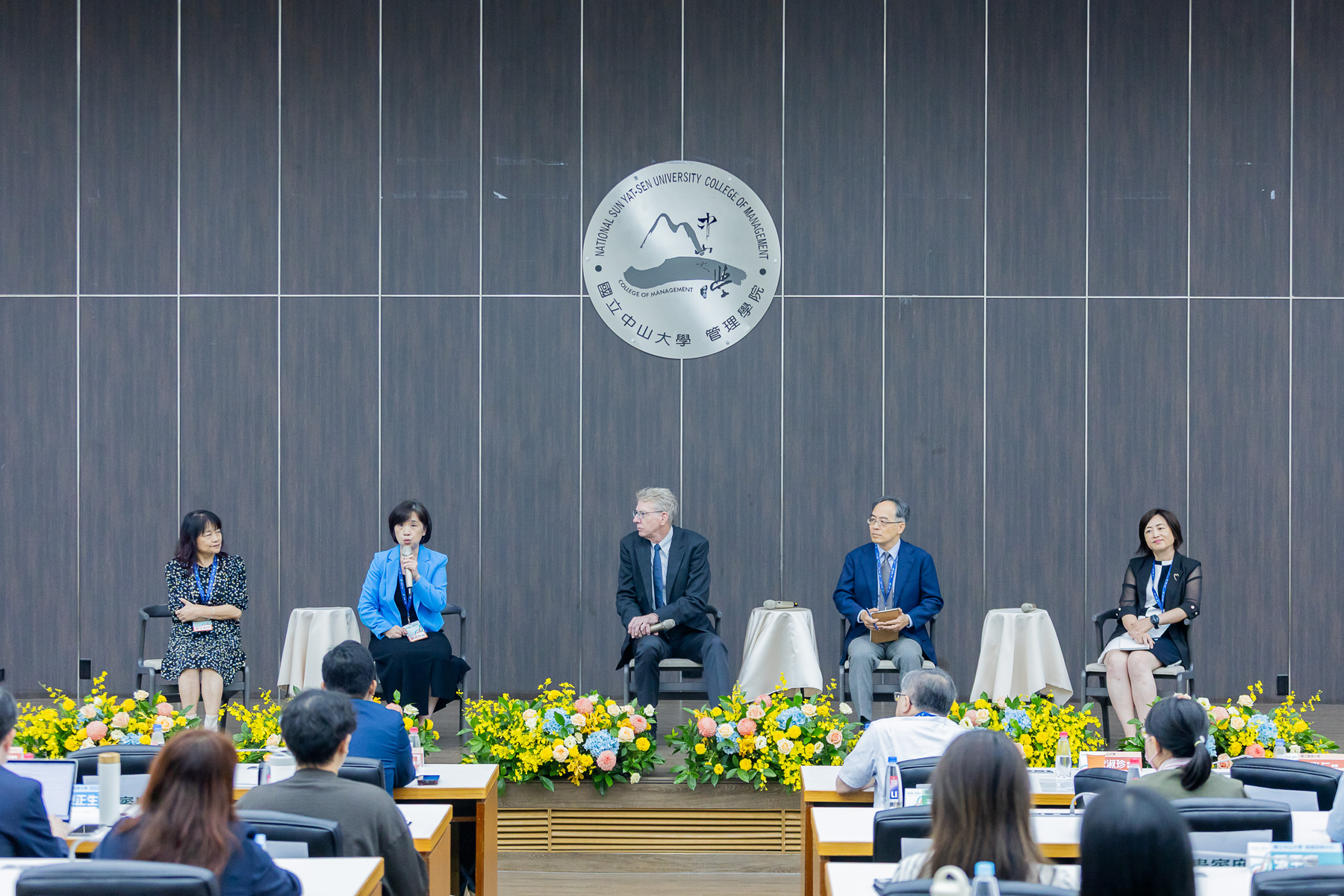
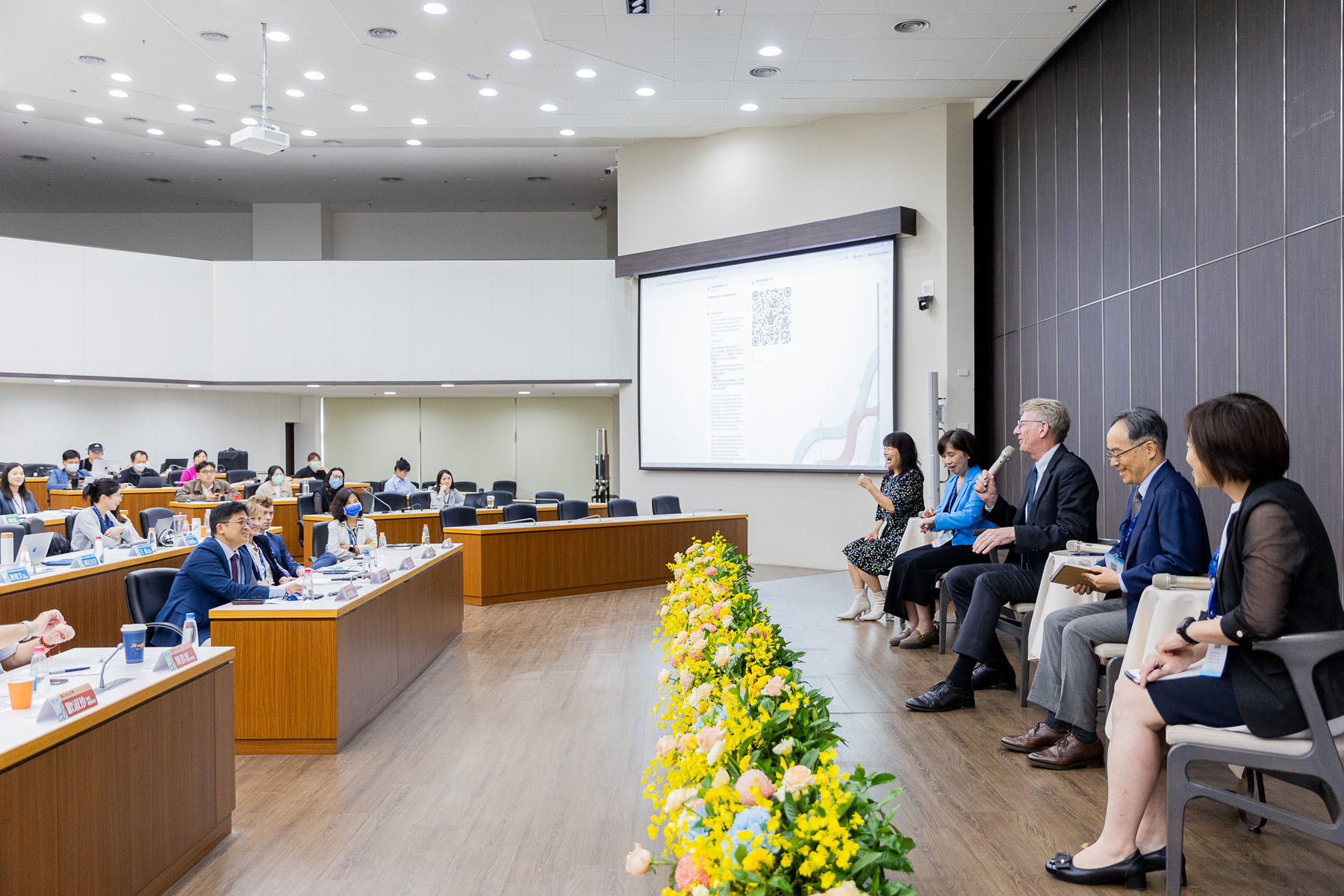
To strengthen cross-campus exchange, NSYSU organized two panel discussions moderated by Chien-Chen Kuo, Associate Vice President for Academic Affairs, and Tong-Yu Hsieh, Chair of the Institute of Integrated Circuit Design. The panels addressed "Enhancing Student Success in EMI: Classroom Perspectives on Learning Support and Outcomes" and "EMI Quality Assurance Blueprint: Building Sustainable Frameworks for Continuous Improvement." Representatives from various universities shared innovative QA practices, ranging from data-driven learning analytics and student motivation tracking to interdisciplinary curriculum design, redefining EMI not merely as language instruction but as a transformative learning model.
To conclude the event, Shu-chen Sherry Ou, NSYSU Vice President for Academic Affairs, expressed her gratitude to all speakers and participants for their meaningful discussions, noting that the insights shared will help advance Taiwan's various EMI QA systems and future development strategies. Participants generally agreed that bilingual education is not about "how many English-taught courses are offered," but about establishing a comprehensive mechanism for continuous monitoring, feedback, and improvement. Only by integrating QA strategies with systematic student feedback analysis can learning outcomes be truly enhanced.
To strengthen Taiwan's competitiveness in global higher education, National Sun Yat-sen University (NSYSU), as a key bilingual benchmark university, has long promoted English as a Medium of Instruction (EMI) courses and, in recent years, has actively advanced quality assurance (QA) mechanisms. NSYSU held the "2025 Conference for EMI Quality Assurance—Quality Ensured, Outcomes Assured," bringing together nearly one hundred administrators, scholars, and faculty members from 13 universities in Taiwan and abroad to explore strategies that ensure the quality of student learning and outcomes in bilingual instruction.
"EMI has been promoted for many years, and now, it is time to shift our focus from the number to the quality of EMI courses," said Po-Chiao Lin, Chief Secretary of the Ministry of Education (MOE), in his opening remarks. He emphasized that as Taiwan's bilingual education initiative enters a new phase, the central mission has evolved from course expansion to quality enhancement. In Bilingual Education Phase 2 (2026–2032), the MOE aims for at least 20% of EMI courses to undergo formal QA procedures to ensure that students learn as effectively as in Chinese-medium instruction. He commended NSYSU for hosting the Conference and fostering dialogue within Taiwan's higher education community.
NSYSU Senior Vice President Yen-Hsu Chen explained that the event was intentionally framed as a "conference," encouraging universities to share practical experiences and discuss how to maintain instructional quality amid the rapid expansion of EMI courses. Echoing this intention, Dr. Meredith Doran and Dr. Jacob Rieker from The Pennsylvania State University shared global trends in EMI QA. Dr. Doran emphasized, "Teacher professional development is the key determinant of EMI success worldwide," and praised Taiwan's progress, noting that its EMI faculty training is among the most advanced globally.
In the morning invited talks session, Hung-Jen Wang, Vice President for Academic Affairs at National Taiwan University, underscored the importance of student feedback. NTU collects university-wide survey data to understand student perceptions and challenges in EMI courses, serving as the basis for improving QA measures. Wen-Li Zou, Director of the Chinese Language Center at National Cheng Kung University, introduced the English for Specific Purposes (ESP) professional development program, which supports instructors across disciplines in enhancing their EMI pedagogy. Mei-Hui Liu, Vice President for Academic Affairs at National Taiwan Normal University, discussed the role of action research in QA, noting that continuous reflection and adjustment are essential to creating responsive and effective teaching mechanisms.
Additionally, Shu-chen Sherry Ou, NSYSU Vice President for Academic Affairs, emphasized that within the MOE's policy framework, each university has developed its own EMI QA model, reflecting the diversity and innovation of Taiwan's higher education system. She also described how NSYSU fosters a bottom-up QA culture, building a supportive network from department to the university level to embed EMI quality practices campus-wide.
To strengthen cross-campus exchange, NSYSU organized two panel discussions moderated by Chien-Chen Kuo, Associate Vice President for Academic Affairs, and Tong-Yu Hsieh, Chair of the Institute of Integrated Circuit Design. The panels addressed "Enhancing Student Success in EMI: Classroom Perspectives on Learning Support and Outcomes" and "EMI Quality Assurance Blueprint: Building Sustainable Frameworks for Continuous Improvement." Representatives from various universities shared innovative QA practices, ranging from data-driven learning analytics and student motivation tracking to interdisciplinary curriculum design, redefining EMI not merely as language instruction but as a transformative learning model.
To conclude the event, Shu-chen Sherry Ou, NSYSU Vice President for Academic Affairs, expressed her gratitude to all speakers and participants for their meaningful discussions, noting that the insights shared will help advance Taiwan's various EMI QA systems and future development strategies. Participants generally agreed that bilingual education is not about "how many English-taught courses are offered," but about establishing a comprehensive mechanism for continuous monitoring, feedback, and improvement. Only by integrating QA strategies with systematic student feedback analysis can learning outcomes be truly enhanced.
Click Num:
Share