
Over a thousand entries mark eight years of achievement as the College of Engineering's All-Topic Competition advances cross-disciplinary and sustainable innovation
![Project titled Engineering redox-active benzo[1,2-b:4,5-b̍ ] dithiophene-based conjugated polymers: tuning porosity and linker architecture for high performance supercapacitors by Yousra M. Nabil, Department of Materials and Optoelectronic Science, NSYSU.Image](/static/file/0/1000/pictures/613/m/mcen1920x1200_large219143_231139410220.jpg)
2026-02-16
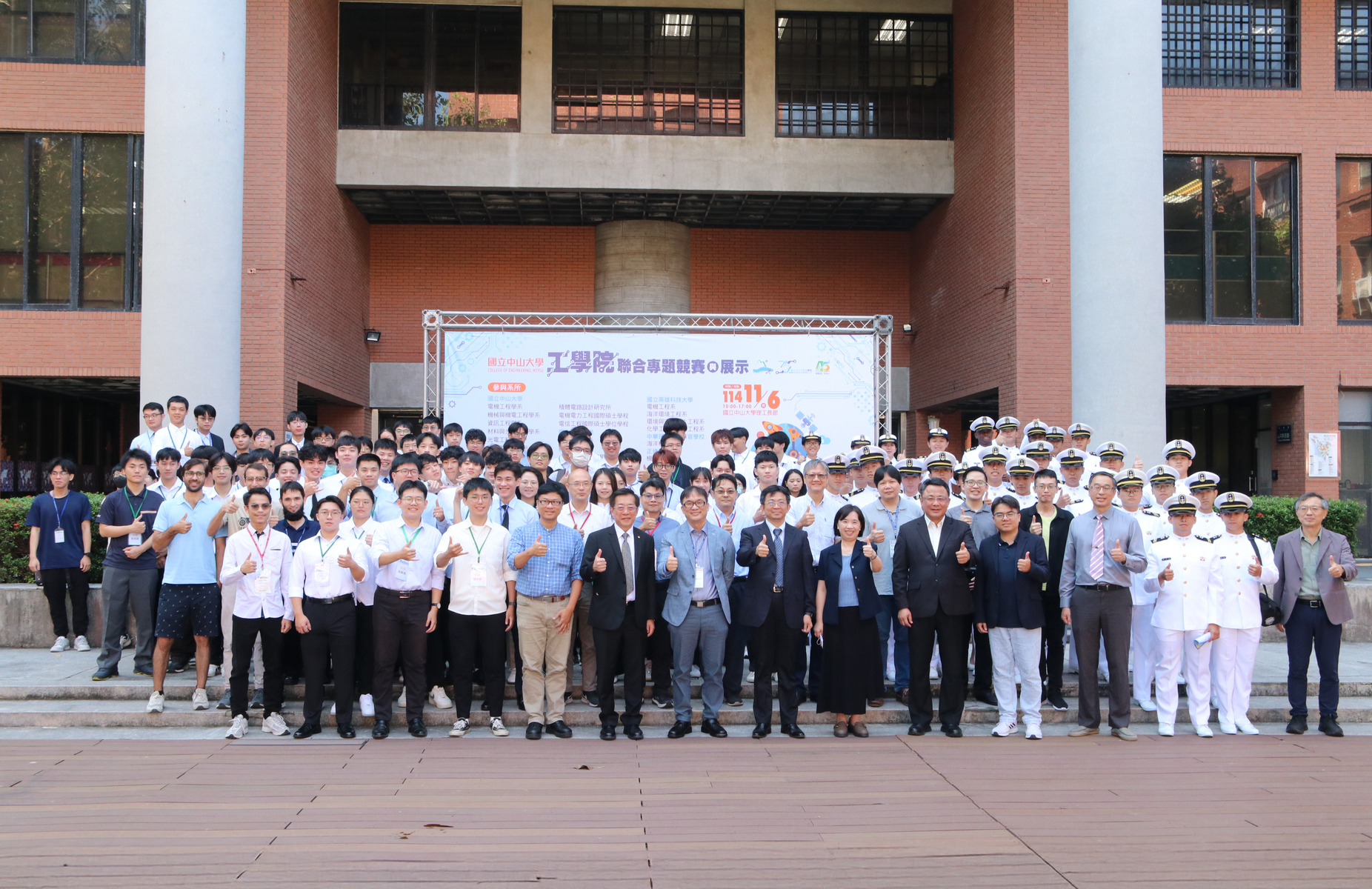
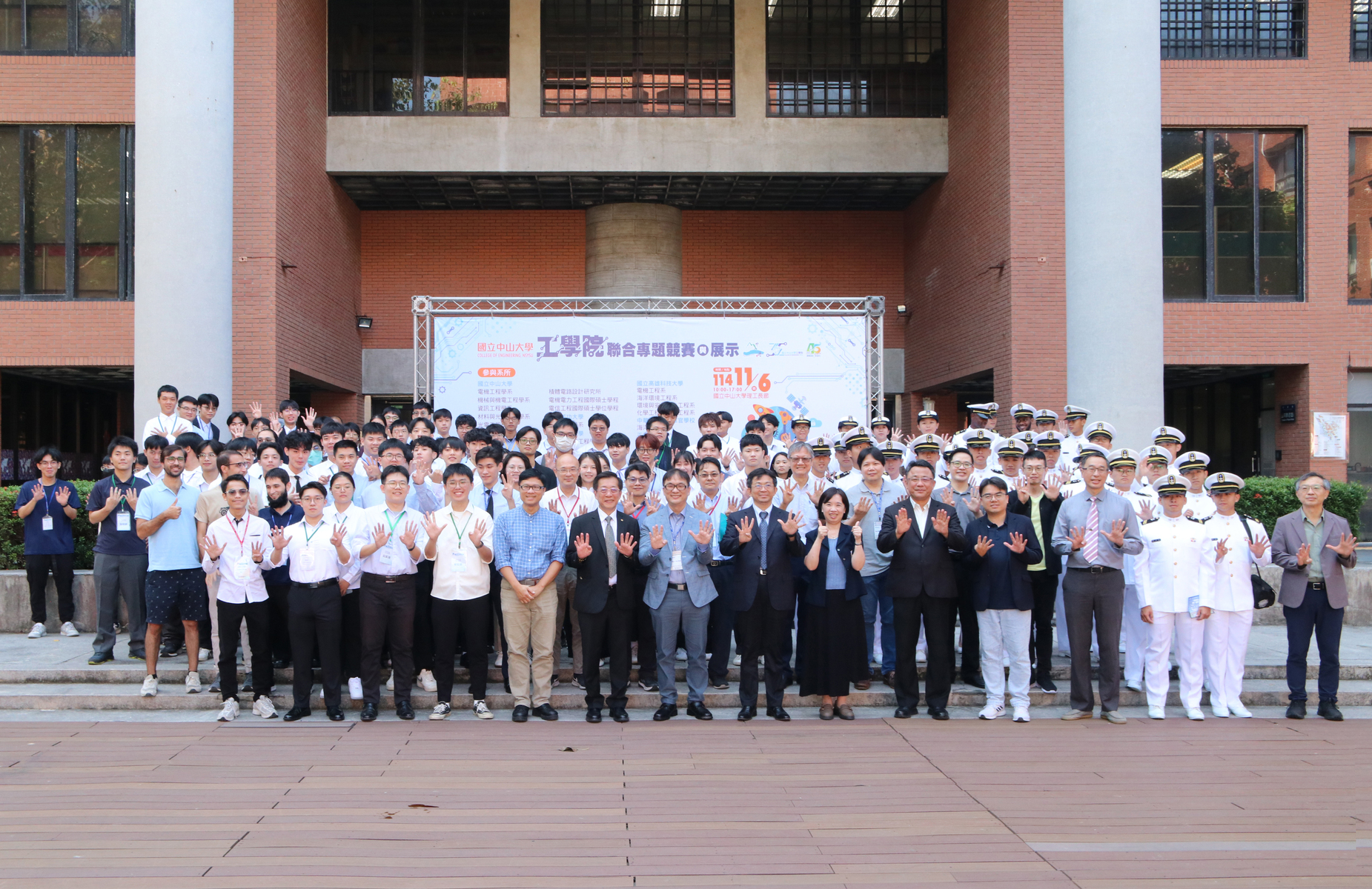
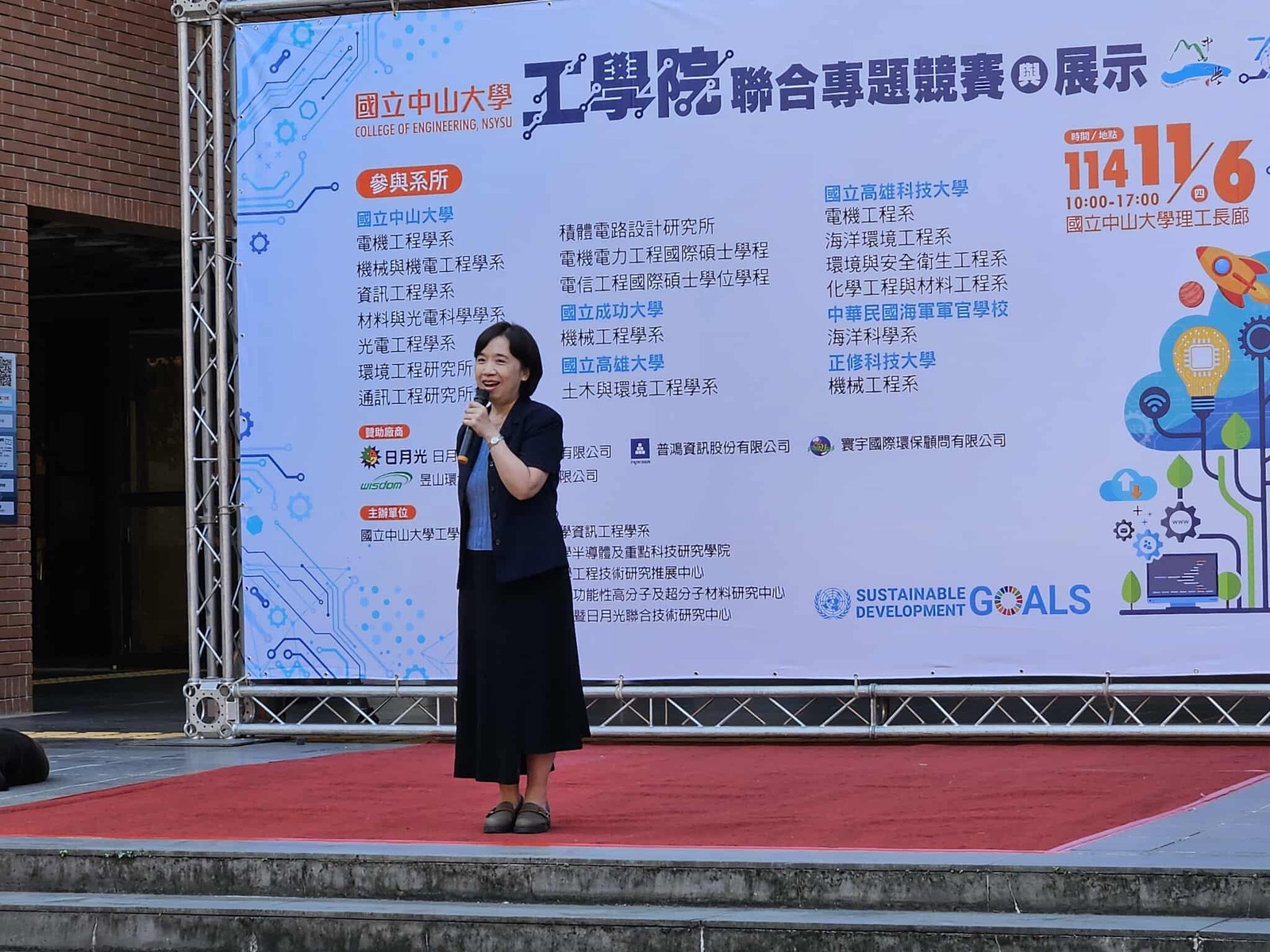
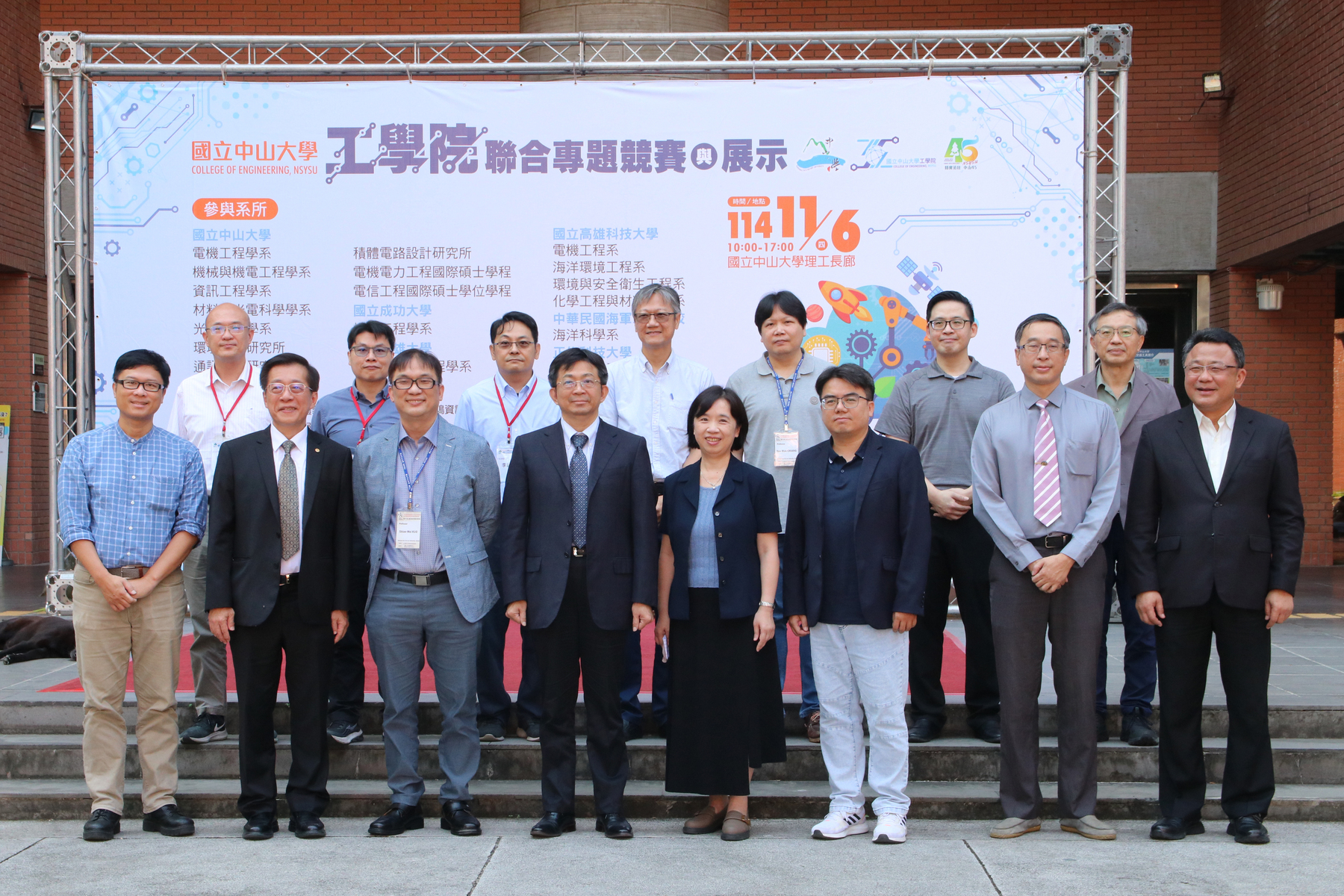
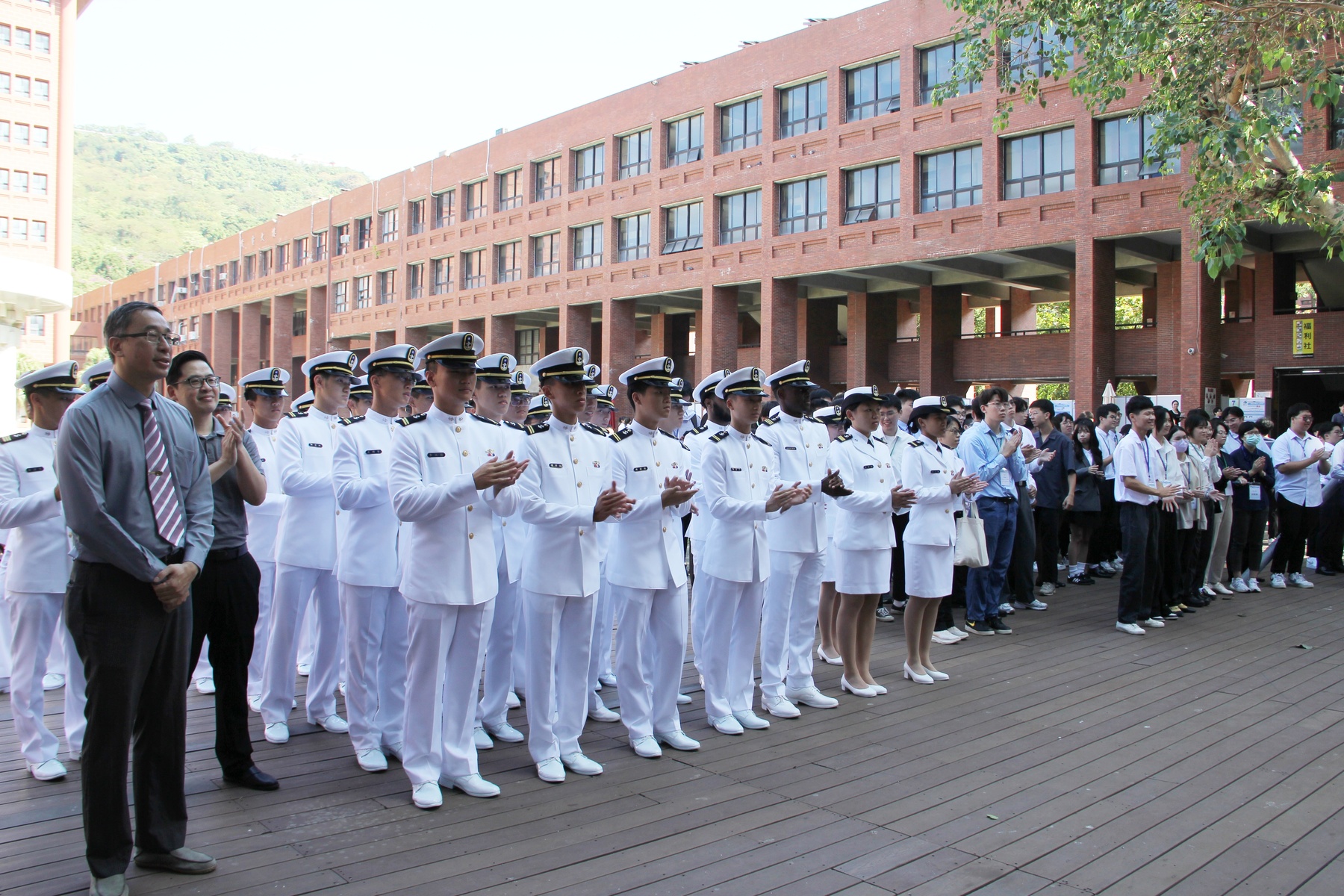
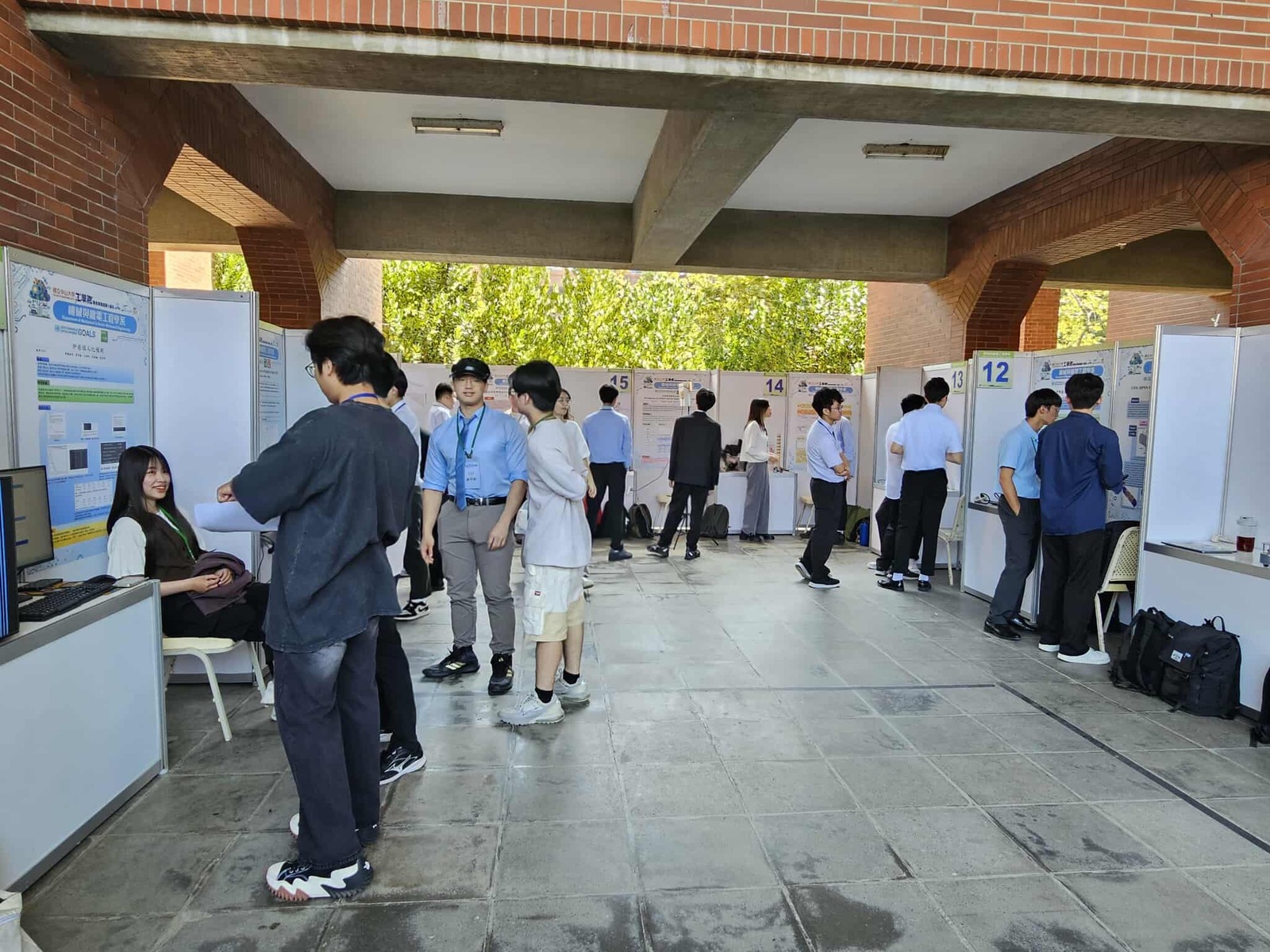
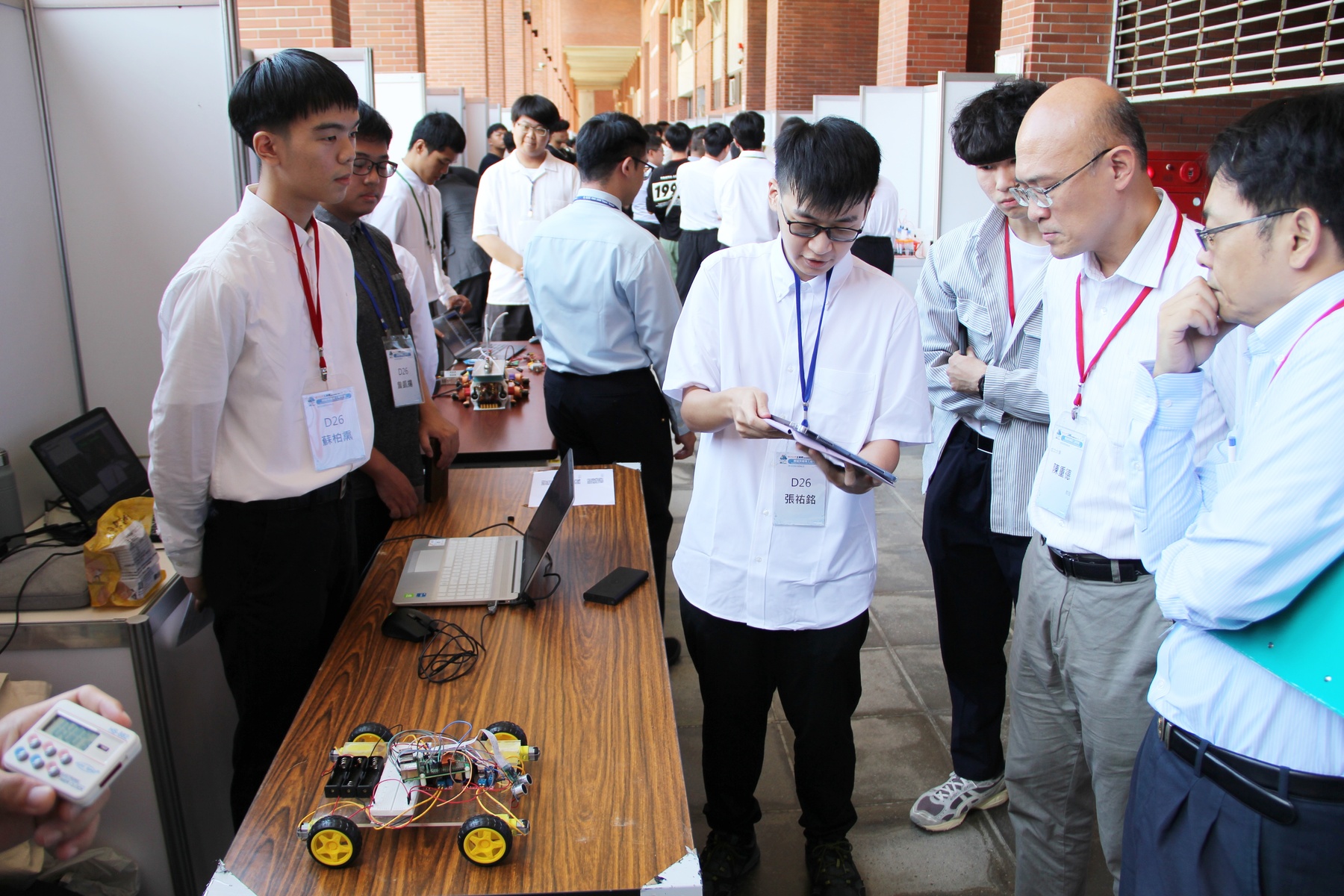
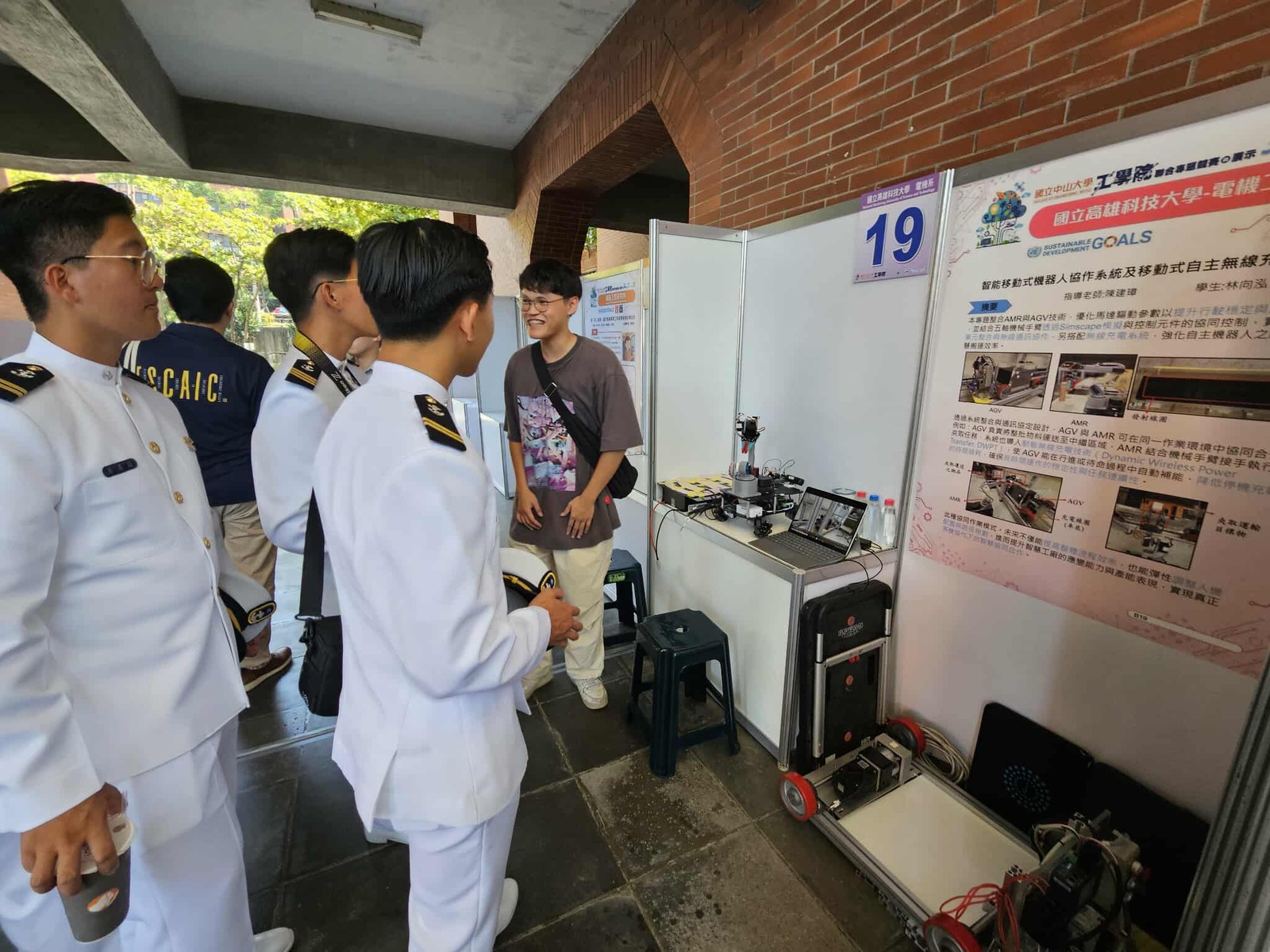
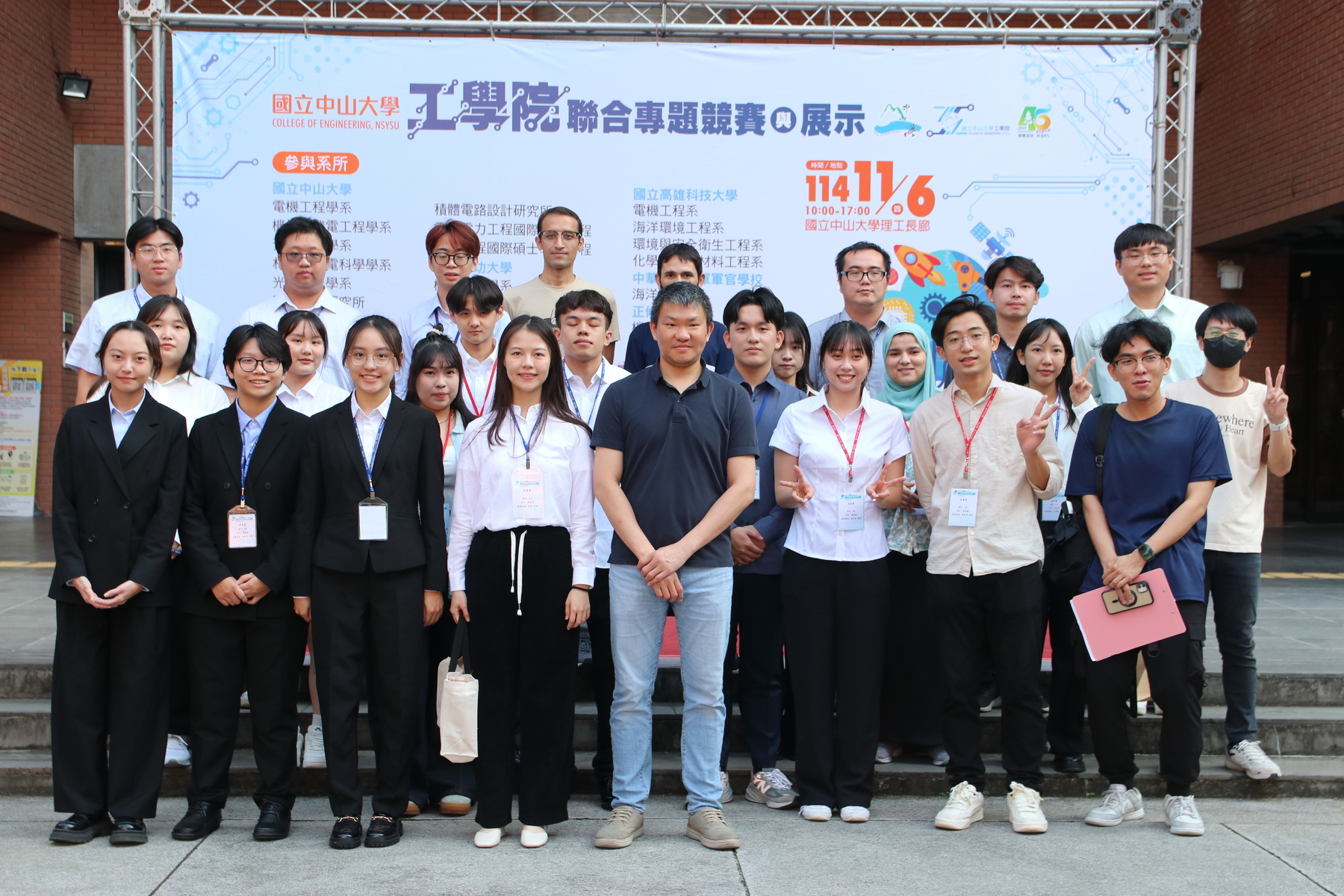
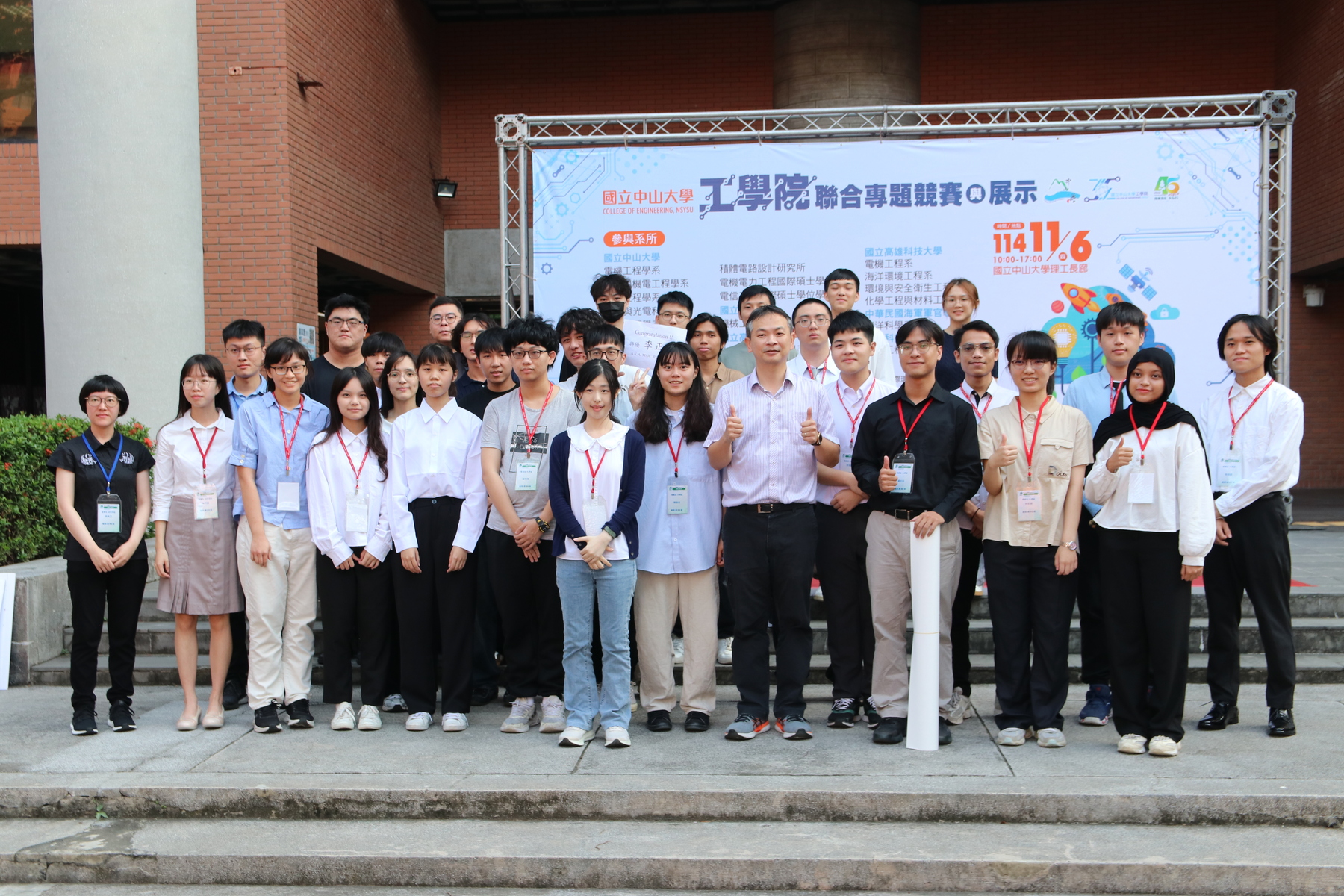
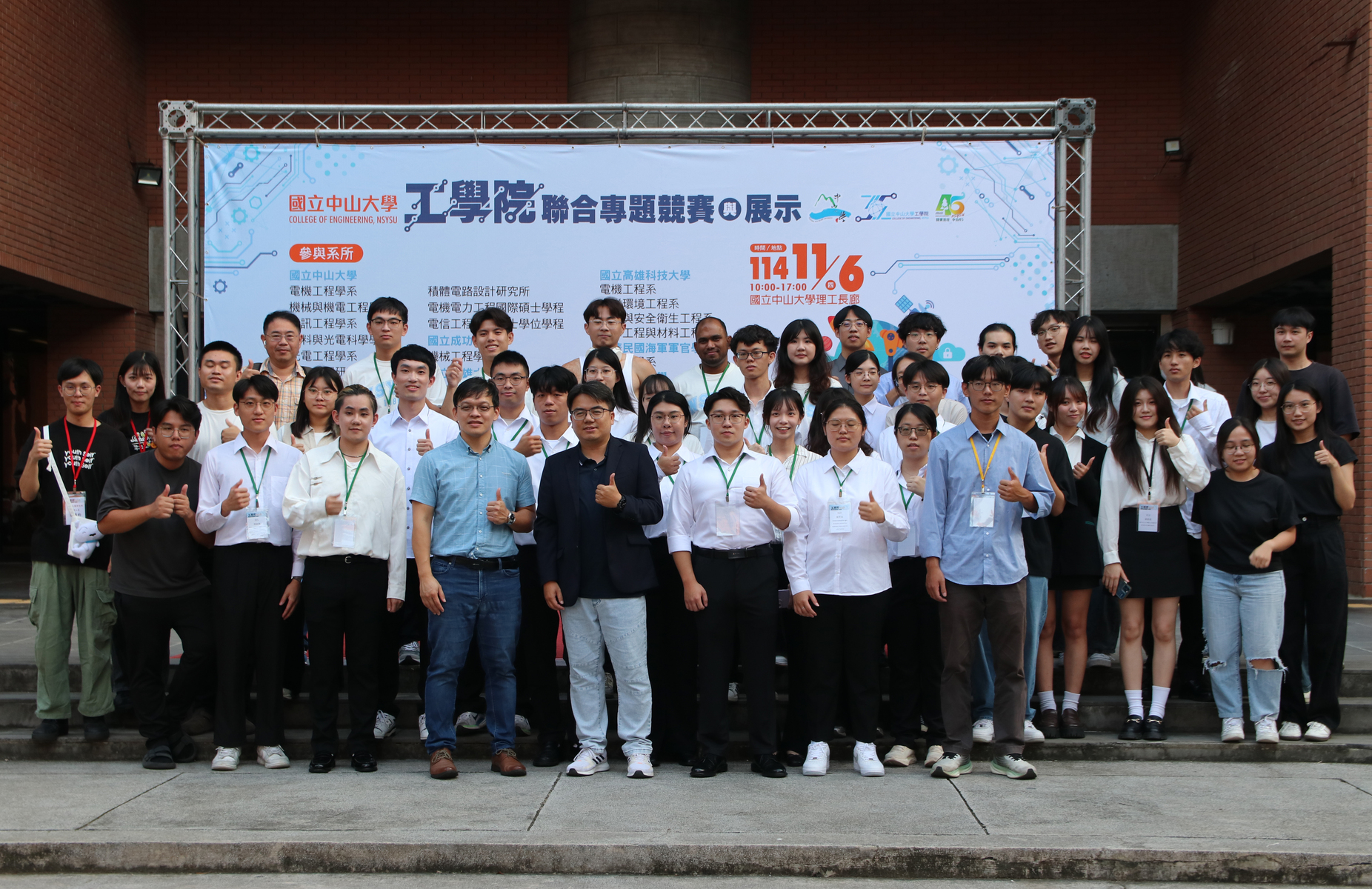
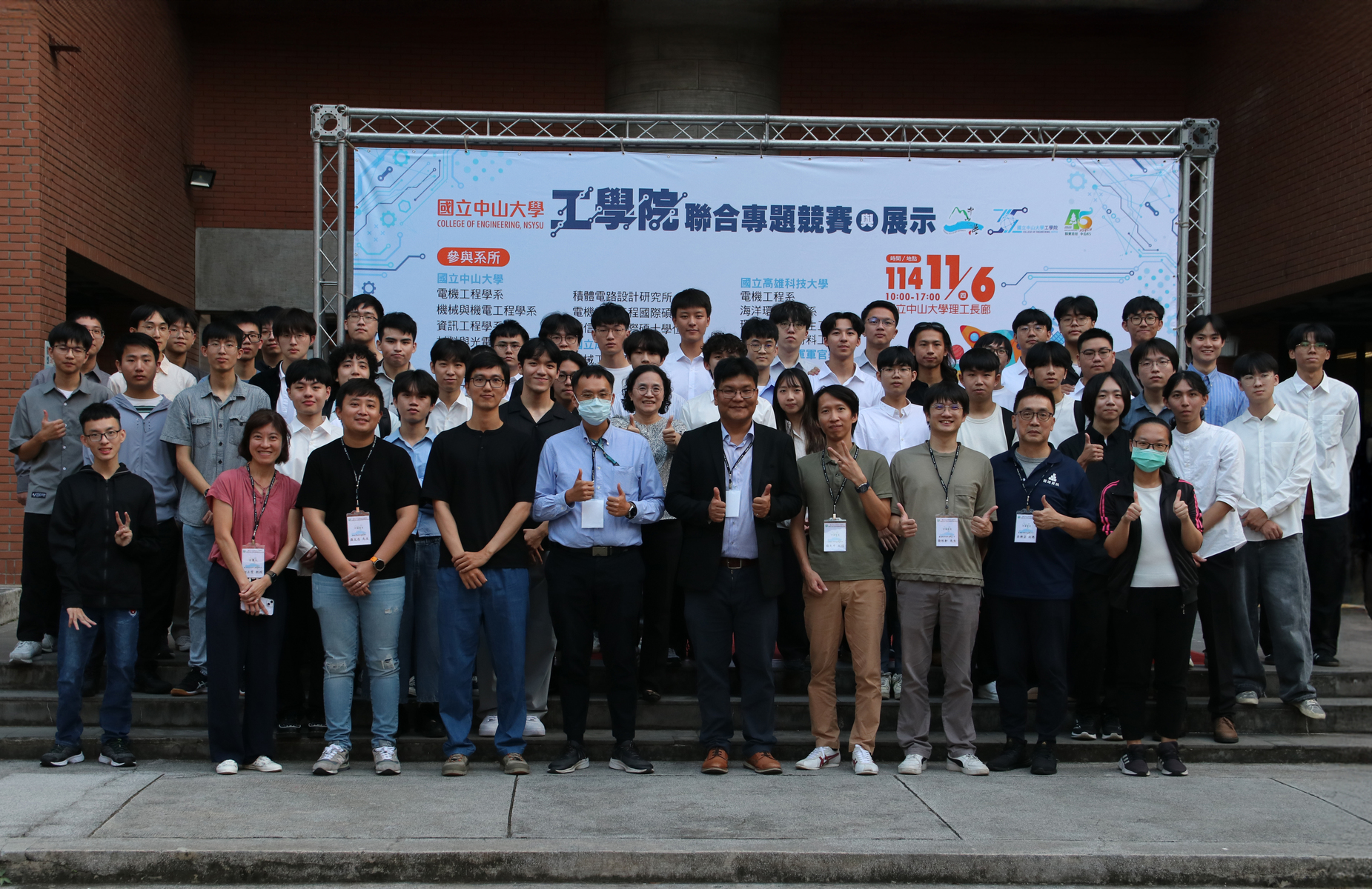
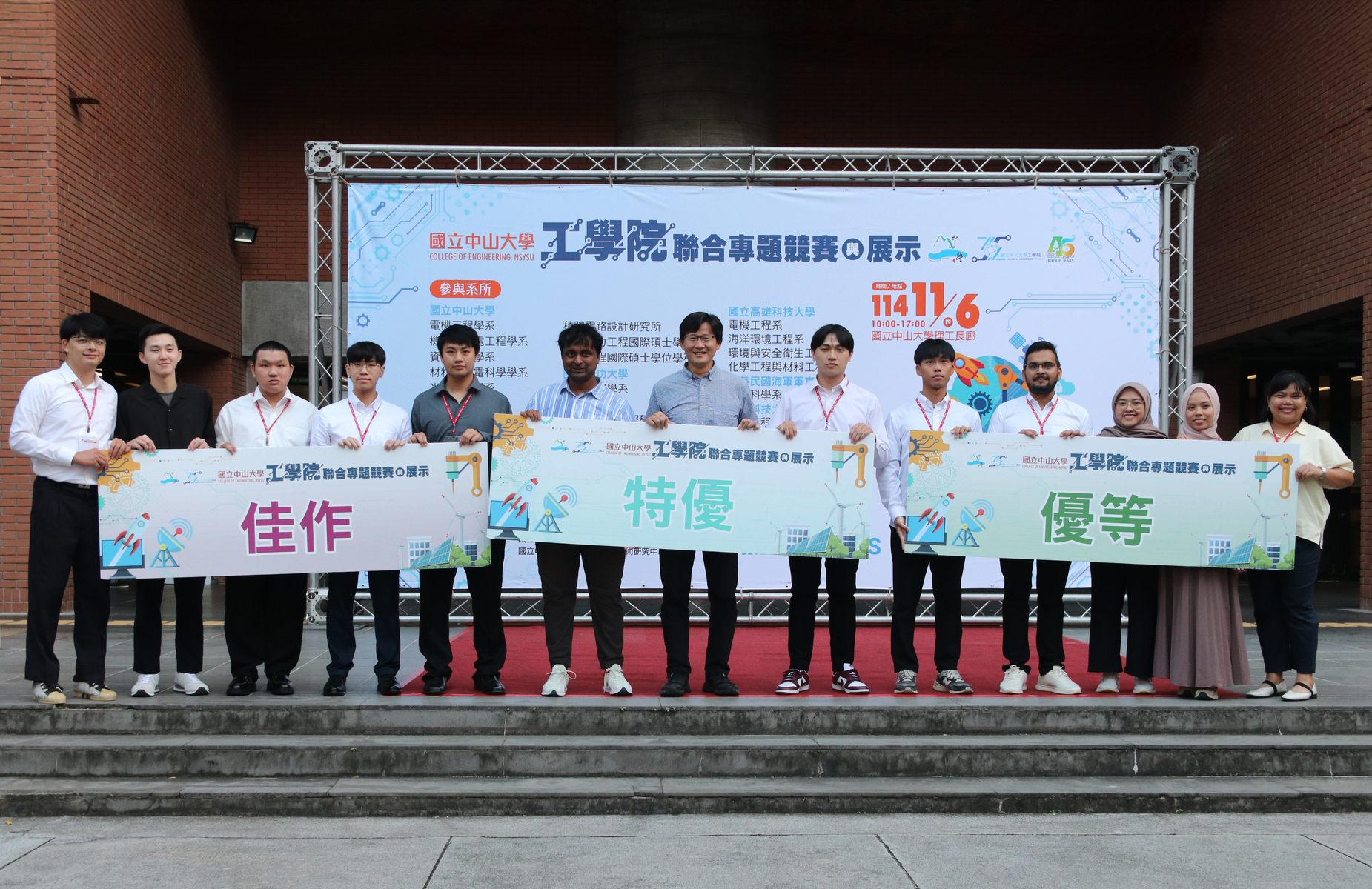
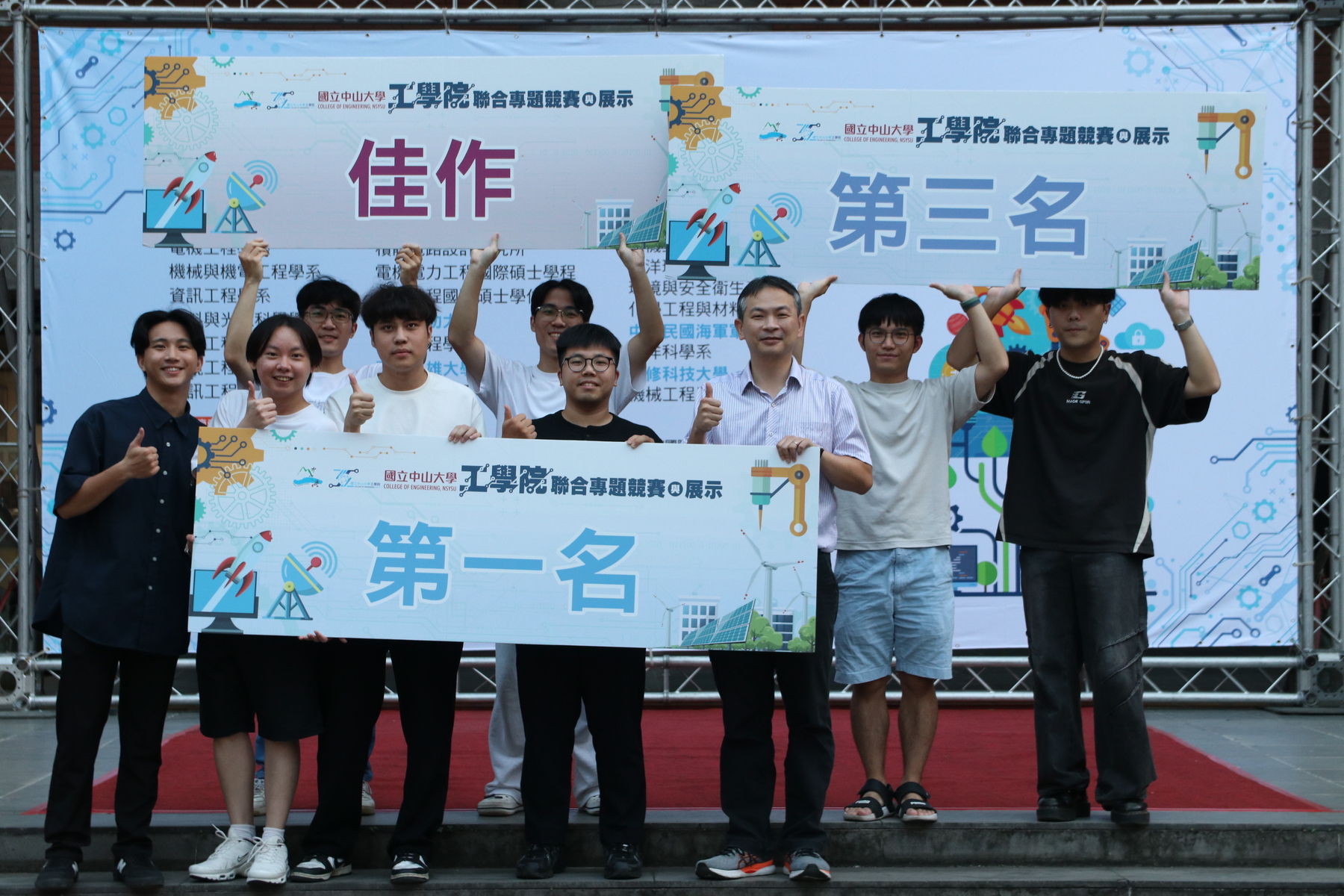
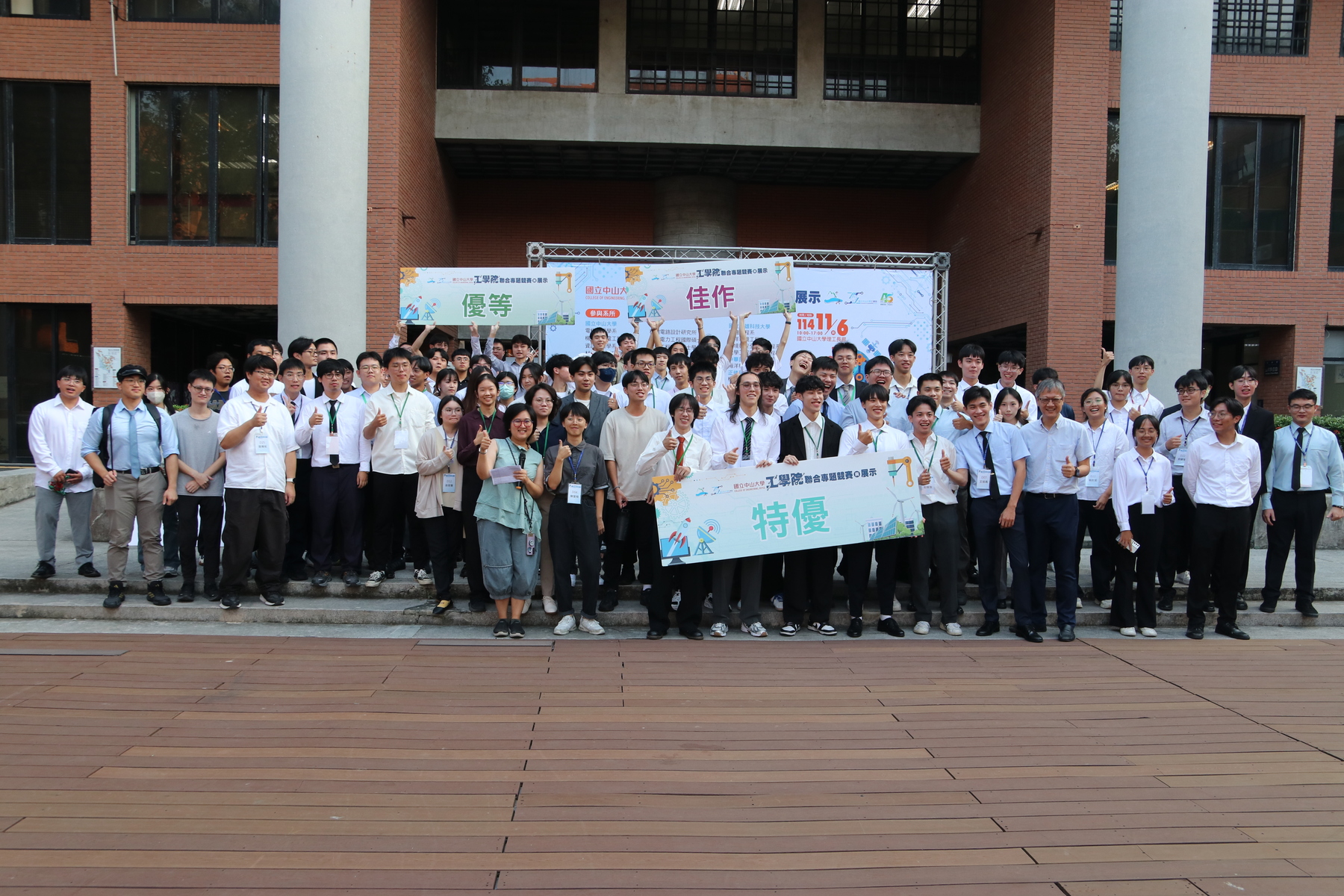
As National Sun Yat-sen University (NSYSU) celebrates its 45th anniversary, the College of Engineering hosted the 8th All-Topic Competition and Exhibition, bringing together 146 entries from 18 departments, institutes, and programs across six universities. The event showcased students' innovative research and hands-on achievements, highlighting the College's strong capacity in engineering education, interdisciplinary integration, and practical application. Over the past eight years, the All-Topic Competition and Exhibition has attracted more than 1,000 entries in total, with its scale continuing to expand. In addition to enthusiastic participation from NSYSU students, partner institutions in southern Taiwan—including National Cheng Kung University, National University of Kaohsiung, National Kaohsiung University of Science and Technology, the R.O.C. Naval Academy, and Cheng Shiu University—also took part, demonstrating tangible outcomes of inter-university collaboration, technological exchange, and educational innovation.
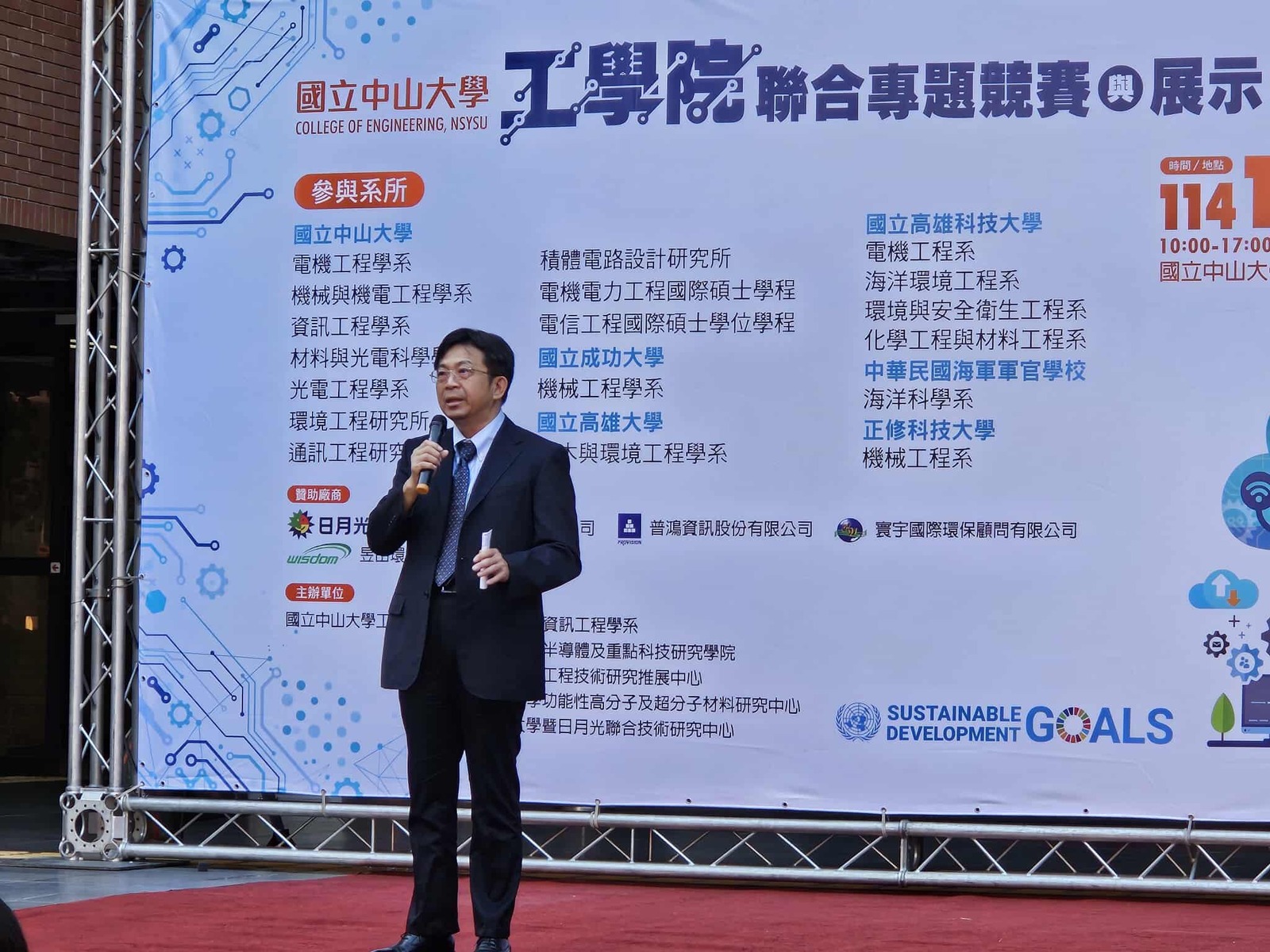
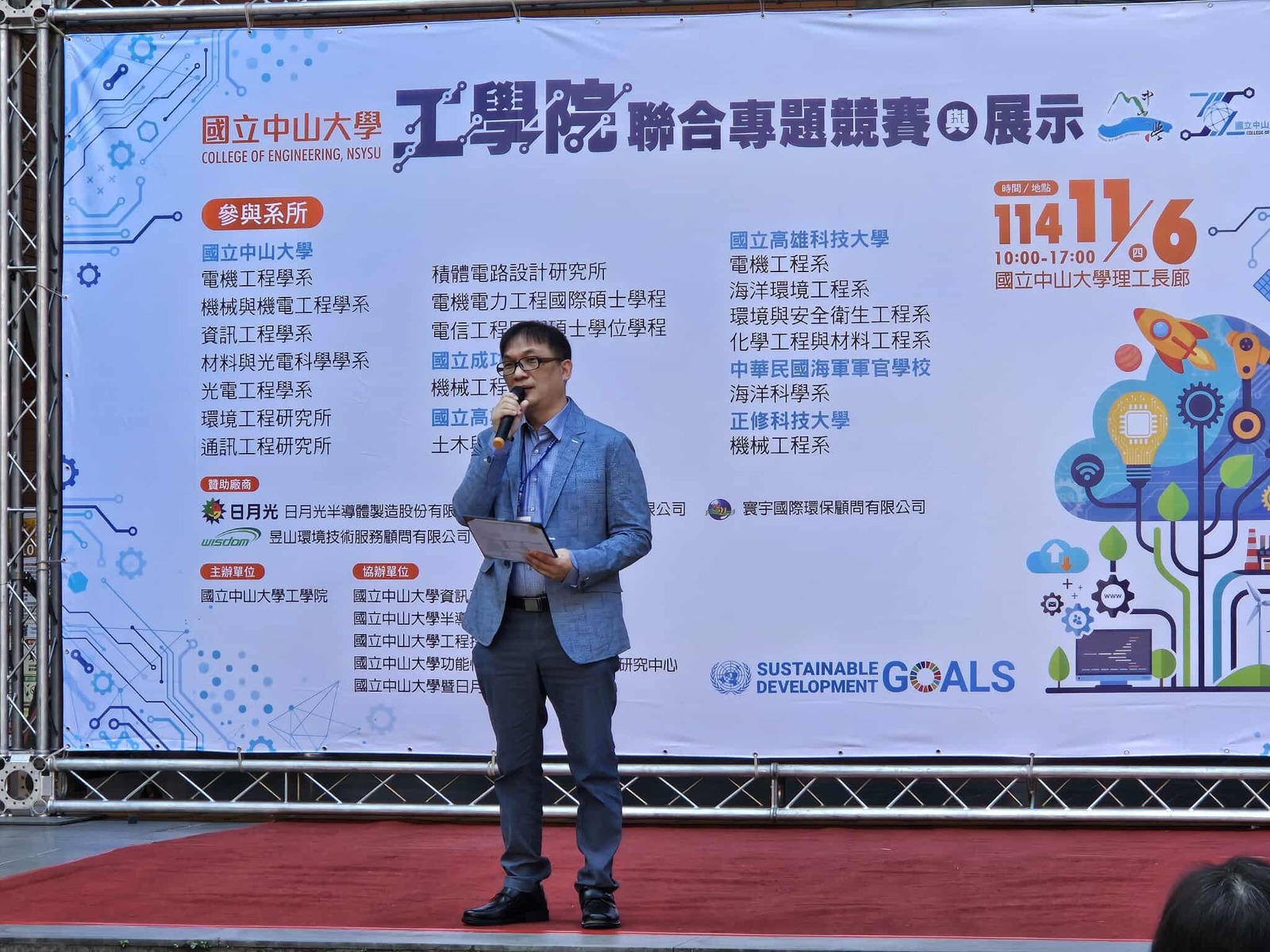
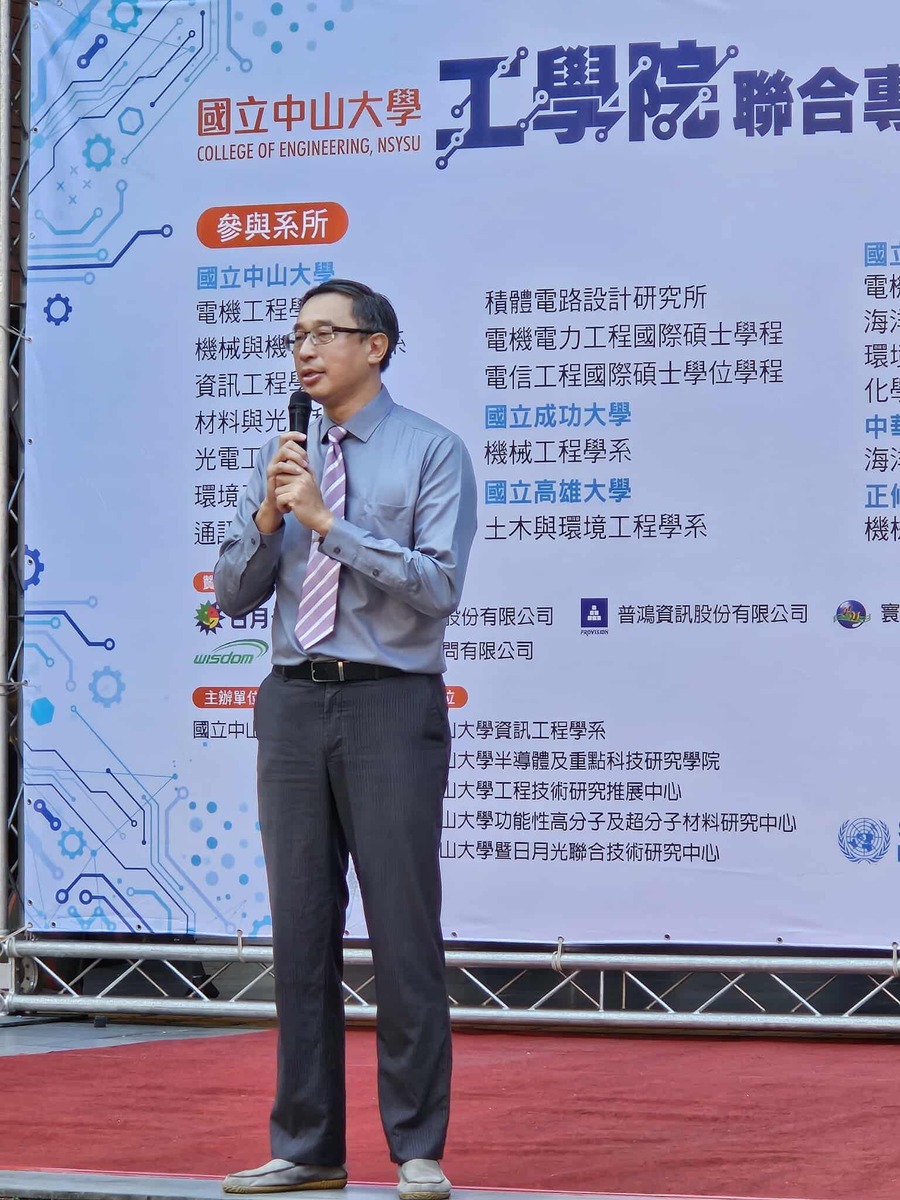
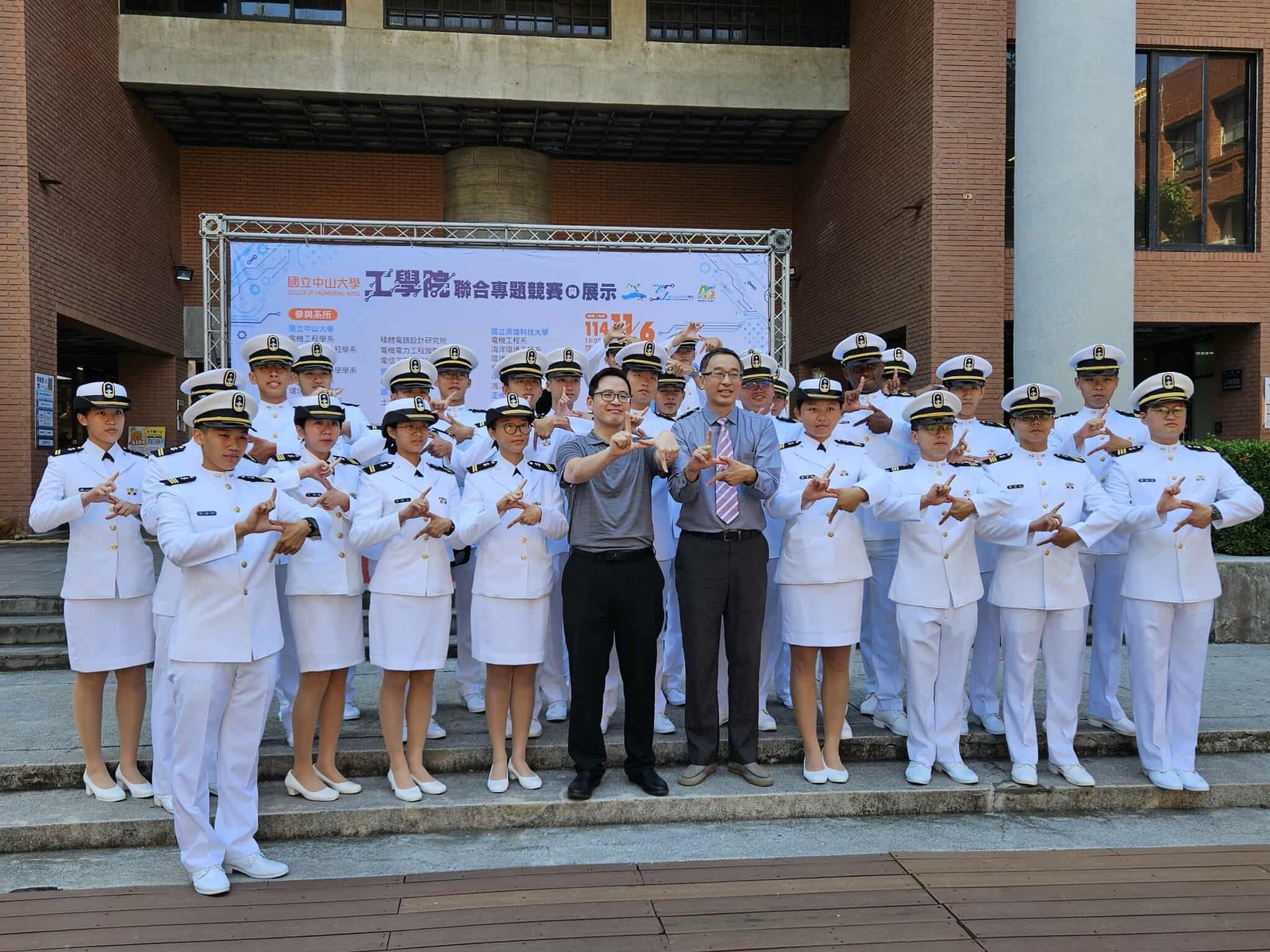
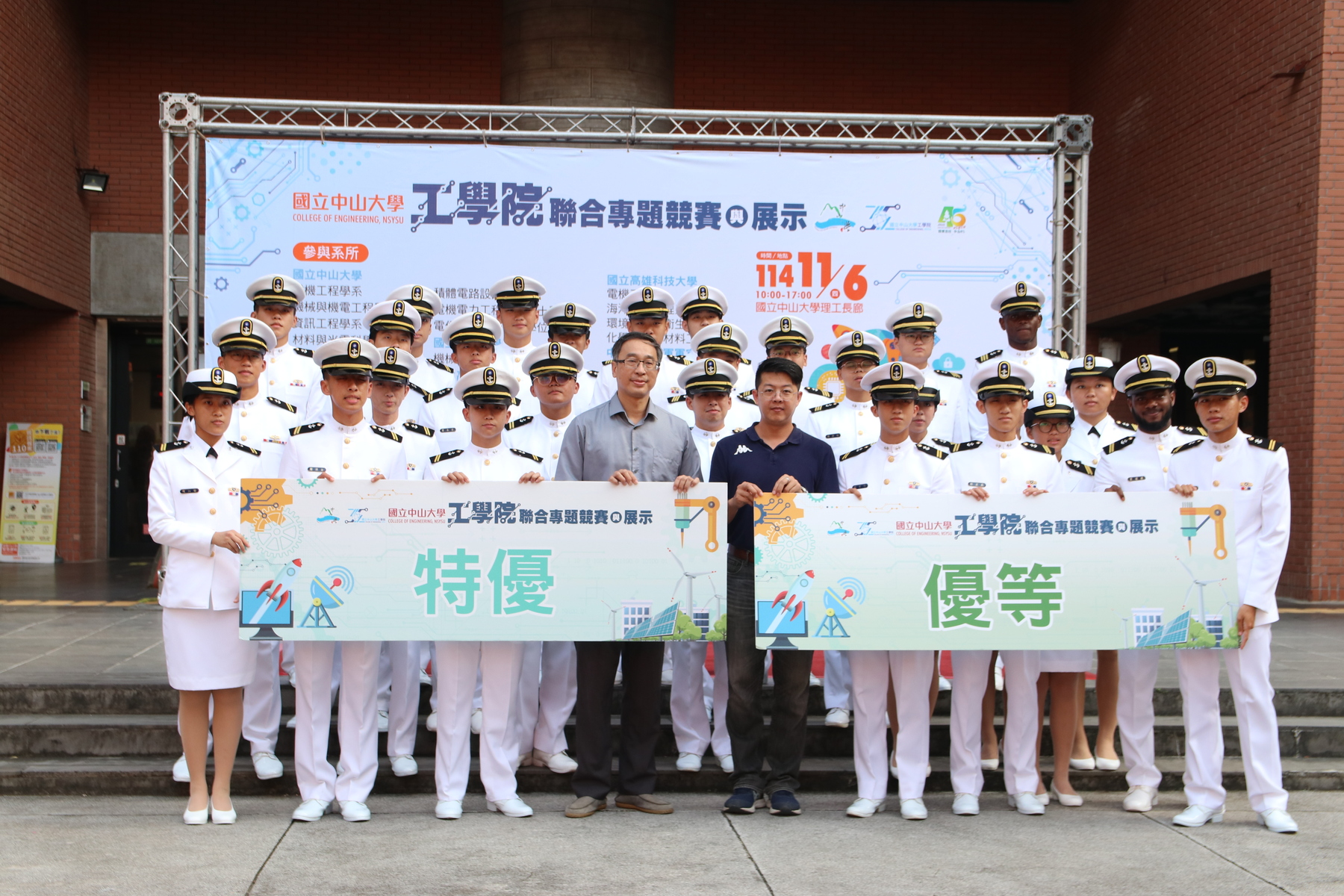
NSYSU President Chih-Peng Li reflected on the original vision behind the event, noting that since its launch in 2018, the All-Topic Competition and Exhibition has evolved from the integration of hands-on courses across departments into a college-wide research and development showcase. This growth embodies the College of Engineering's long-standing commitment to interdisciplinary learning and practice-oriented education. He added that this year's projects address high-impact topics such as biomedical technology, artificial intelligence, and net-zero carbon reduction, with one-third of the entries delivering their presentations entirely in English, underscoring the College's steady progress toward internationalization and sustainability. Yu-Jen Chung, Director of the Library and Information Center at the R.O.C. Naval Academy, praised the competition for effectively fostering inter-university collaboration and creative exchange, and personally led students to participate, enabling them to broaden their perspectives in both academic research and practical application.
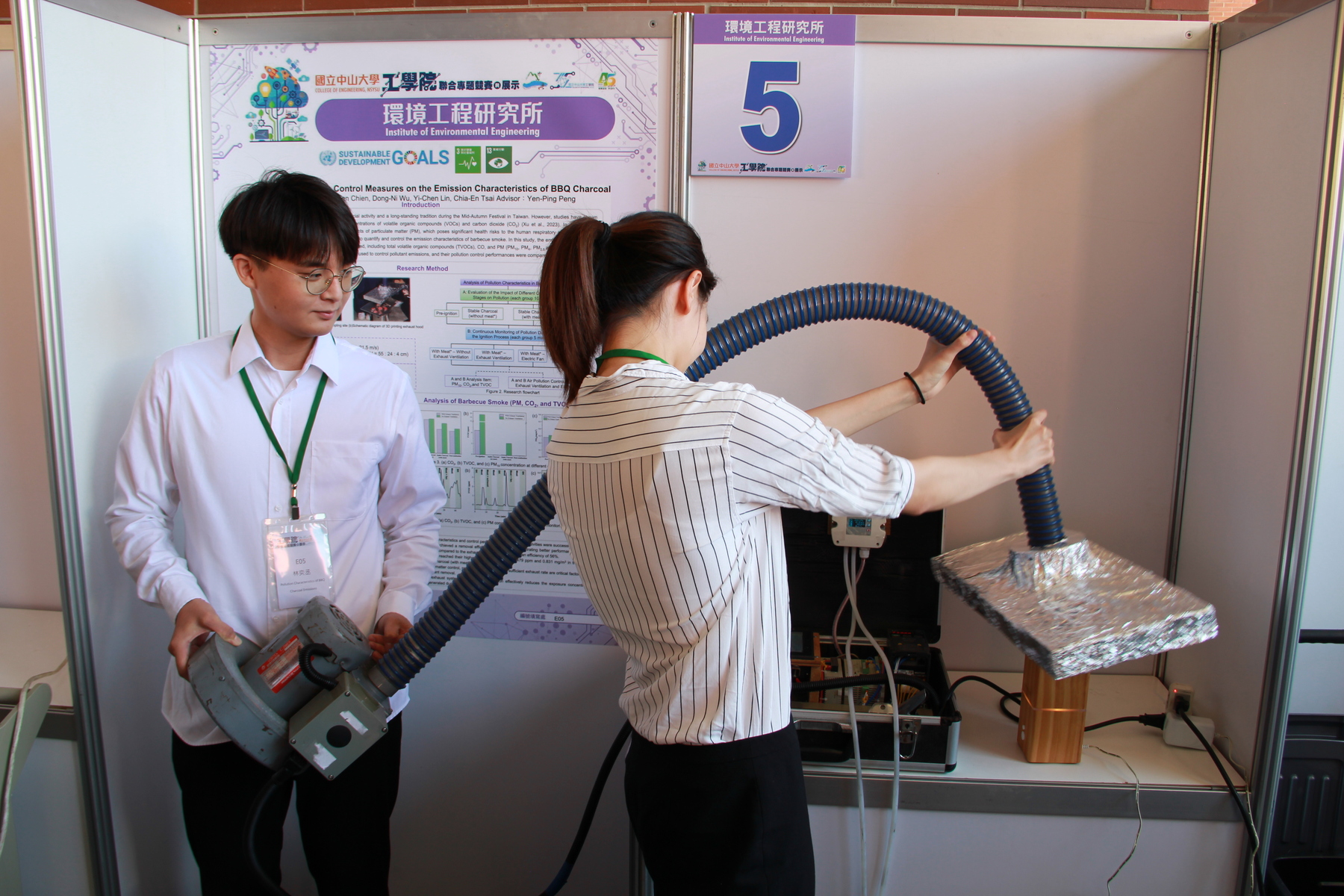
Engineering professionals are not only developers of technology but also practitioners who advance sustainability and drive social change. In line with its vision of bilingual education and sustainable development, NSYSU places strong emphasis on cultivating students' international communication skills and capacity for sustainable practice through a dual-track strategy. The competition encourages students to present and communicate in English to enhance global competitiveness, while also inviting entries to align their projects with the United Nations Sustainable Development Goals (SDGs). Through this approach, research outcomes are connected to global issues, nurturing students to become innovative practitioners with a strong sense of social responsibility.
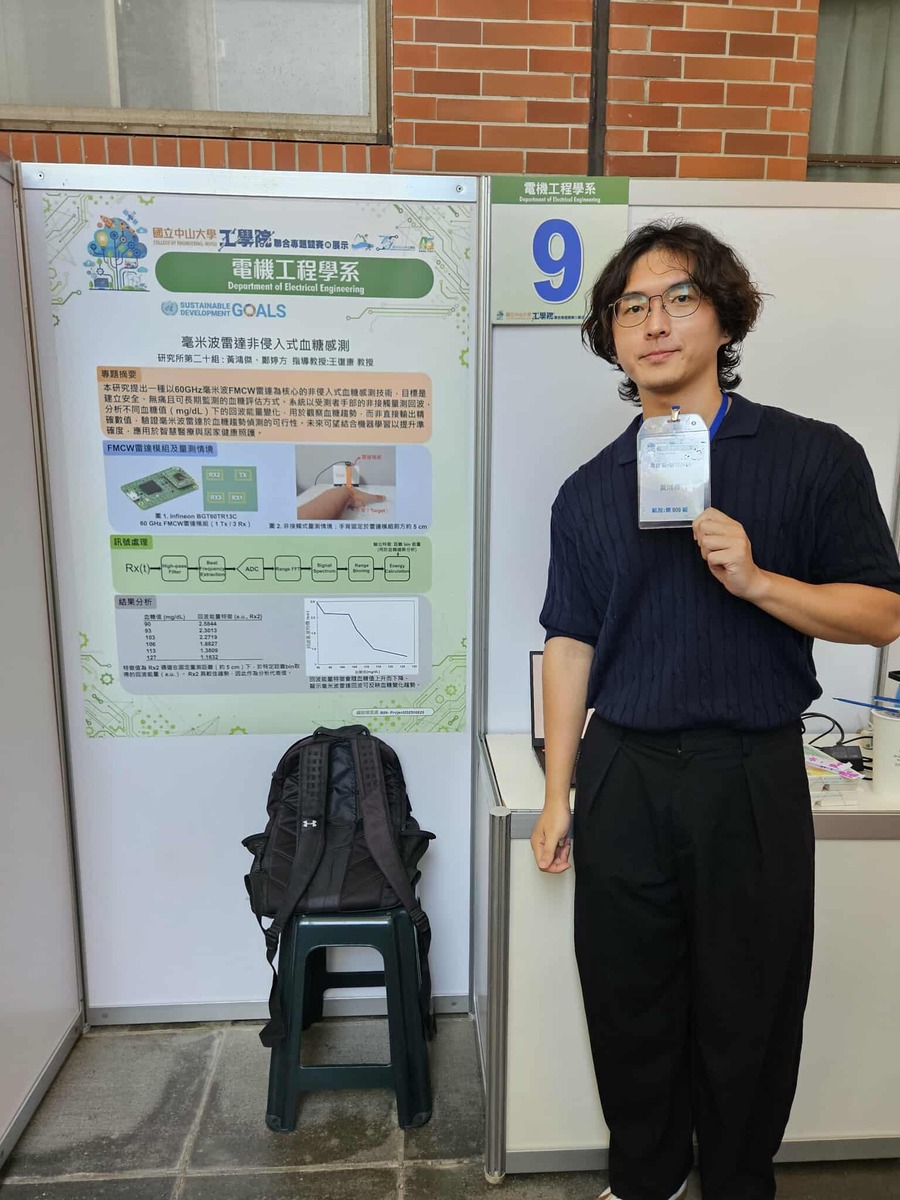
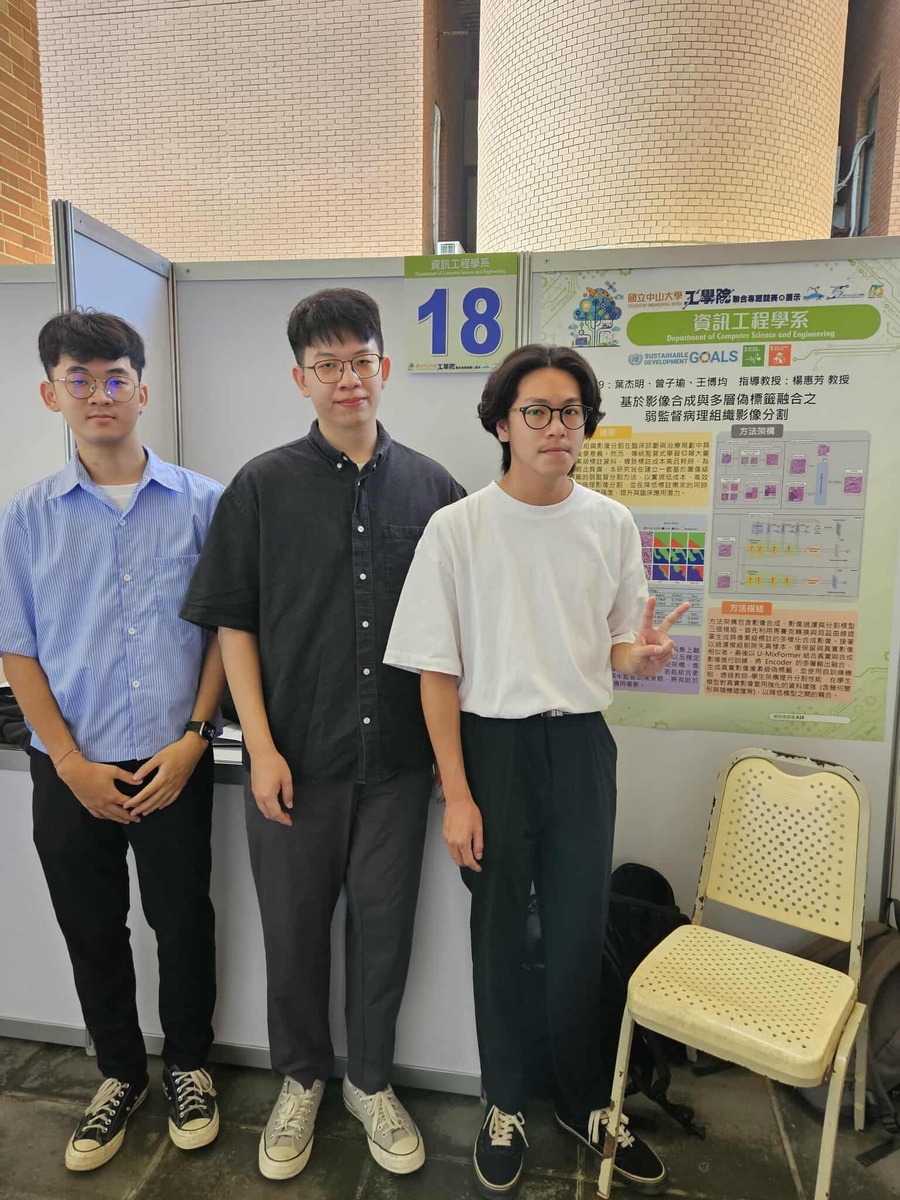
With the rapid advancement of artificial intelligence, the Internet of Things, and big data analytics, intelligent technologies and applications have become a driving force behind global industrial transformation, presenting both new challenges and opportunities for engineering education. In this year's competition, numerous entries demonstrated the innovative potential of intelligent technologies across diverse fields. In the area of smart healthcare, a project by Hung-Jieh Huang and teammates from the Department of Electrical Engineering, NSYSU, titled Non-invasive blood glucose sensing using millimeter-wave radar, developed a non-invasive blood glucose detection technology based on a 60 GHz millimeter-wave FMCW radar. By analyzing electromagnetic echo energy characteristics, the system estimates blood glucose levels and trends, offering a painless, real-time, and convenient alternative to traditional blood sampling. Another project by the team led by Jie-Ming Yeh from the Department of Computer Science and Engineering, titled Weakly-Supervised Histopathological Image Segmentation Based on Image Synthesis and Multi-Level Pseudo-Label Fusion, established a low-cost yet high-performance segmentation approach capable of accurately delineating tumor or cancer cell regions, significantly improving clinical diagnostic accuracy and efficiency. These projects align with SDG 3 (Good Health and Well-being) and SDG 9 (Industry, Innovation and Infrastructure), highlighting the critical role of engineering technologies in enhancing healthcare quality.
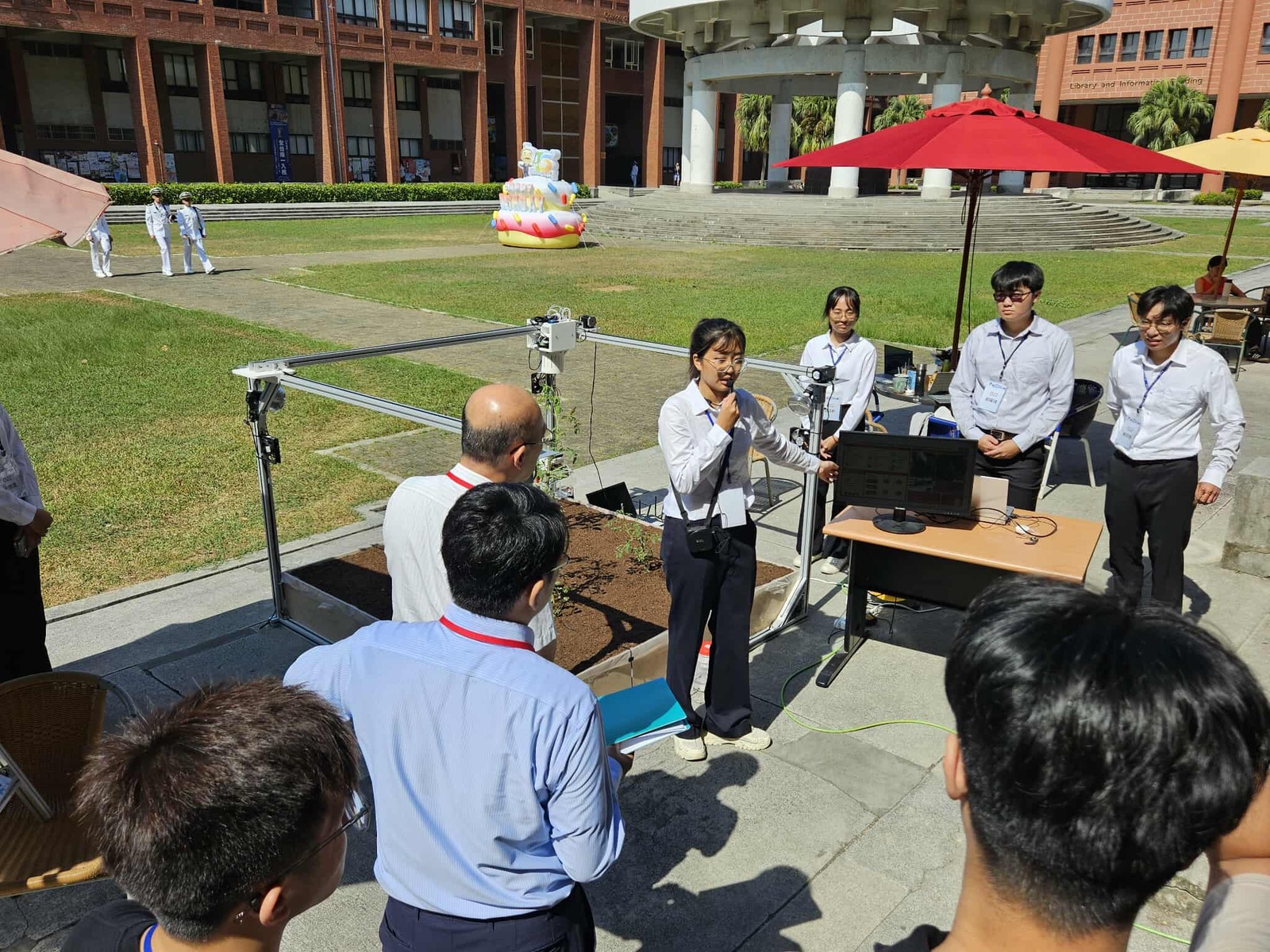
Smart agriculture also emerged as a major highlight of this year's event. A project by Hao-Jou Chang and teammates from the Department of Mechanical and Electro-Mechanical Engineering, NSYSU, titled An Intelligent Cherry Tomato Growth Monitoring Diseases Detecting and Harvesting System, represents an innovative example of technology-enabled agriculture. By integrating smart sensing, deep learning, and mechatronic technologies, the team developed an automated cherry tomato cultivation system capable of disease detection, environmental control, and automatic harvesting within a unified management framework. The project demonstrates the potential of smart agriculture to address labor shortages and improve agricultural productivity, contributing to more efficient and sustainable farming practices, in line with SDG 2 (Zero Hunger) and SDG 9 (Industry, Innovation and Infrastructure).
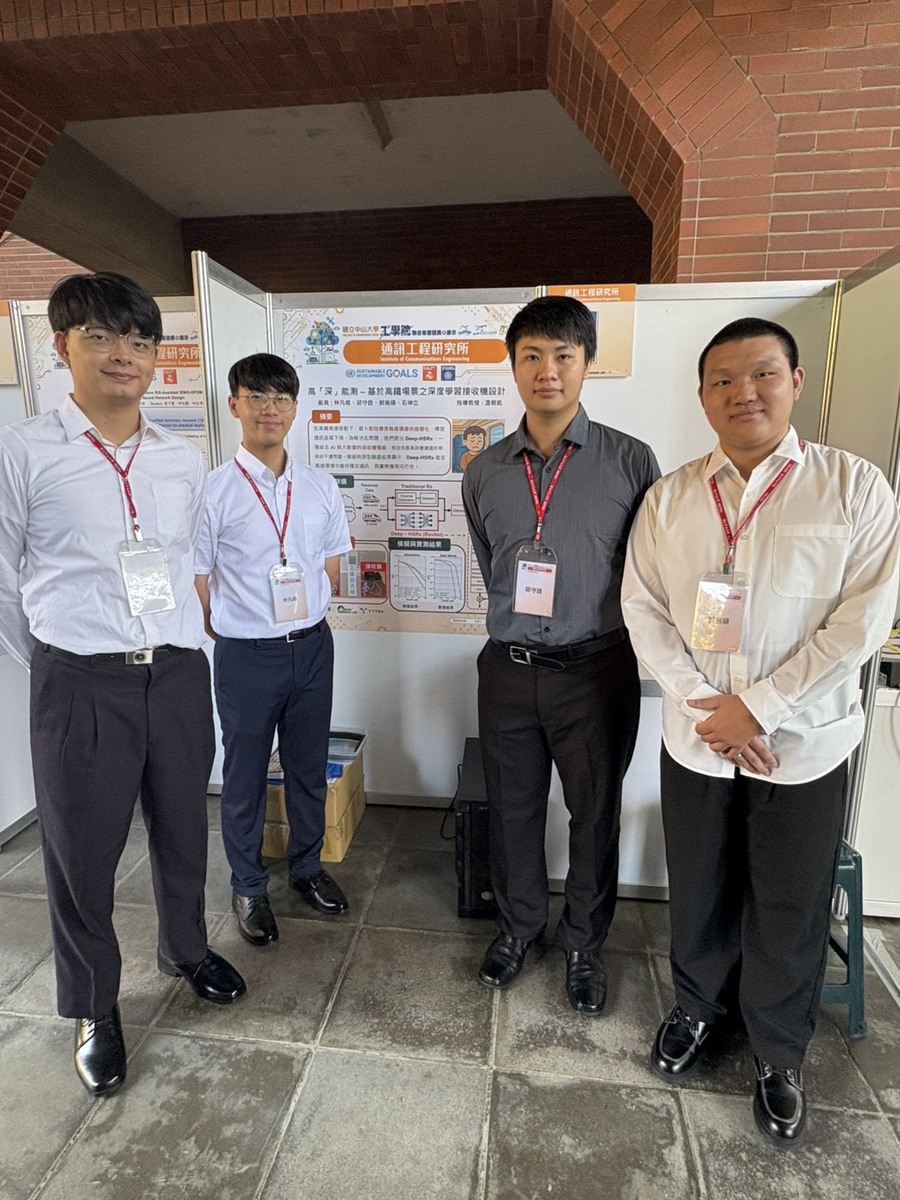
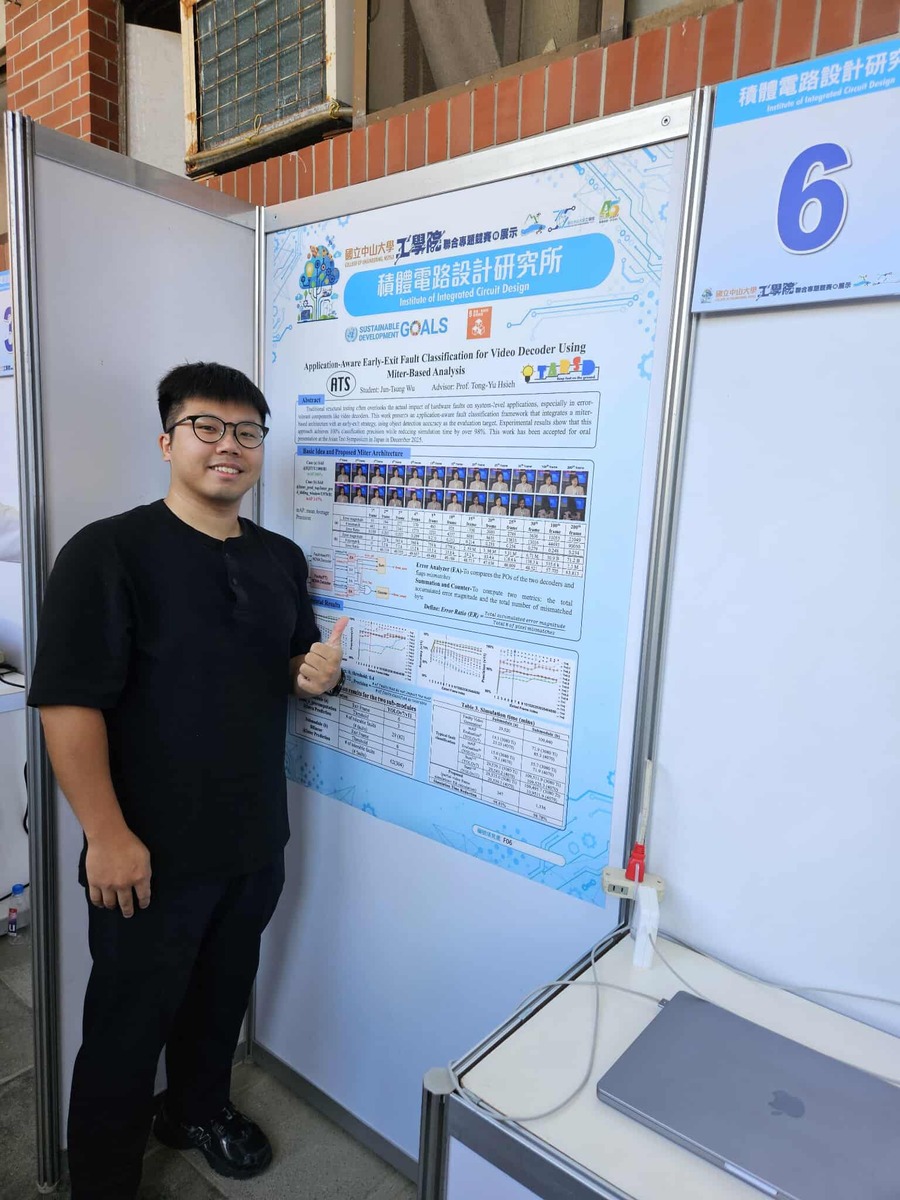
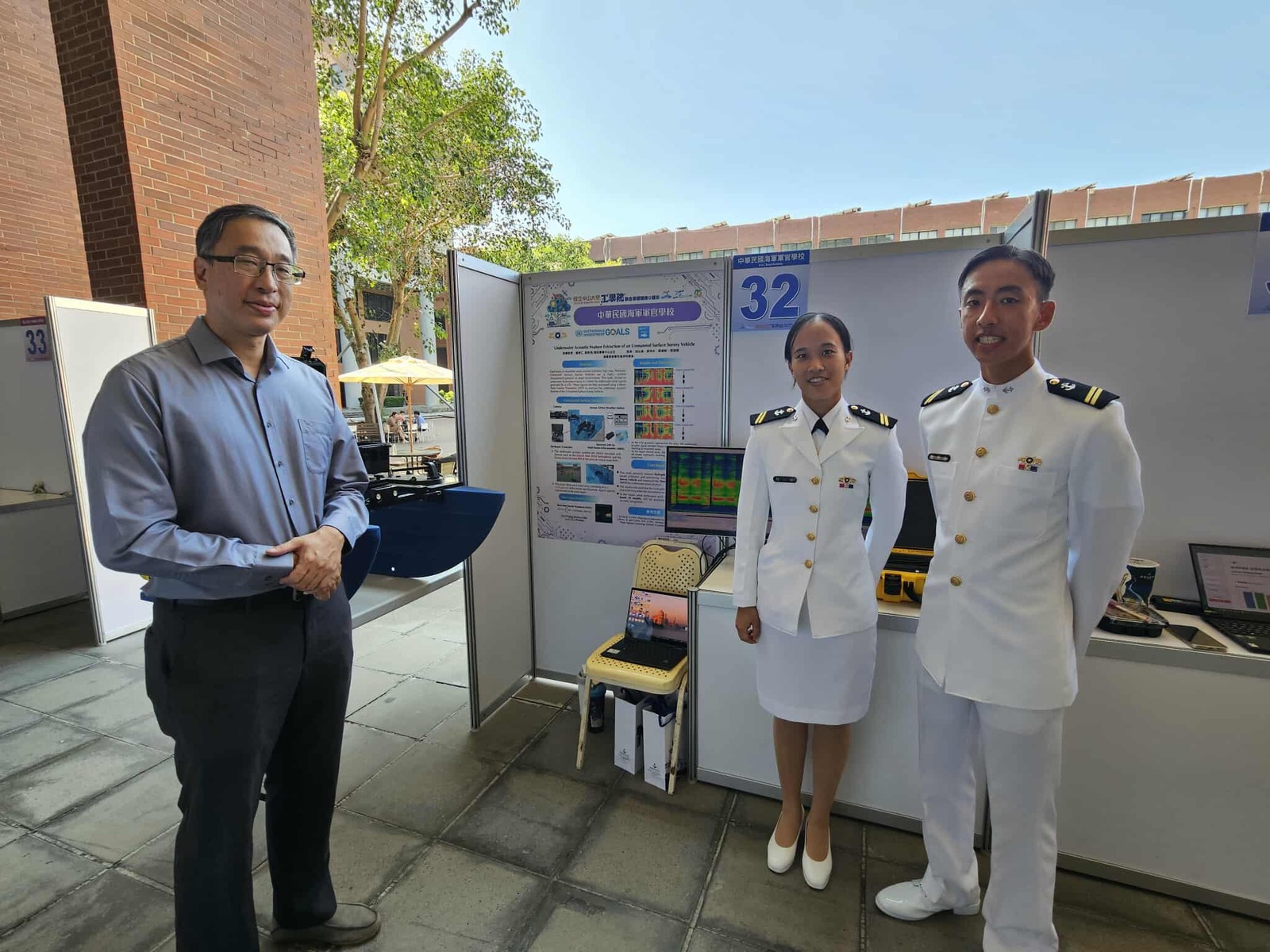
In the area of smart cities and safety monitoring, a project by Fan-Hao Lin and teammates from the Institute of Communications Engineering, NSYSU, titled Deep "Signal" Detection: A Deep Learning-Based Receiver Design for High-Speed Rail Scenarios, addressed communication degradation caused by Doppler effects under high-speed rail conditions. The team developed an AI- and big data-integrated receiver module, Deep-HSRx, which effectively mitigates time-varying channel interference and maintains stable communication even at high speeds. Another project by Jun-Tsung Wu from the Institute of Integrated Circuit Design, NSYSU, titled Application-Aware Early-Exit Fault Classification for Video Decoder Using Miter-Based Analysis, proposed a highly accurate and efficient error classification framework, achieving 100% classification accuracy while reducing simulation time by over 98%. The technology holds potential applications in autonomous vehicles, surveillance systems, and traffic signal management, enhancing urban safety and smart governance. Projects by students from the R.O.C. Naval Academy—including Underwater Acoustic Feature Extraction of an Unmanned Surface Survey Vehicle by Chin-Yu Hu and teammates, and Intelligent Nearshore Decision-Making System Based on LLMs by Hsiang-Yu Hsieh and teammates—further expanded smart ocean applications. The former mainly uses underwater acoustic arrays to extract and analyze the acoustic features of unmanned vessels and proposes the feasibility of introducing AI models for real-time identification; the latter combines AI time-series sea state analysis technology and a large language model (LLM) to establish a marine decision propagation system and knowledge base. Both projects are strengthening Taiwan's technological autonomy and decision-support capacity in marine monitoring, environmental protection, and national defense. These projects align with SDG 9 (Industry, Innovation and Infrastructure), SDG 11 (Sustainable Cities and Communities), and SDG 14 (Life Below Water).
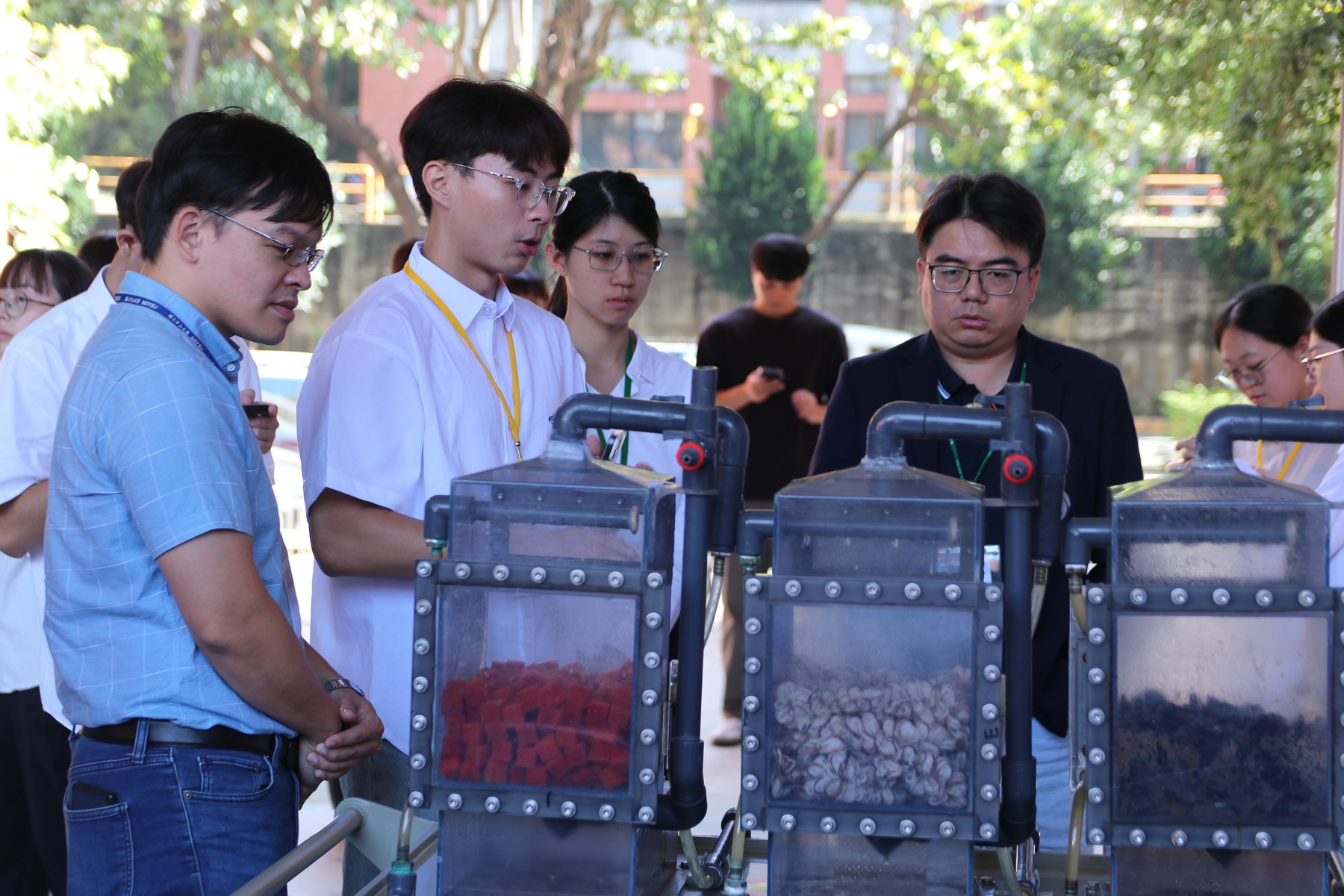
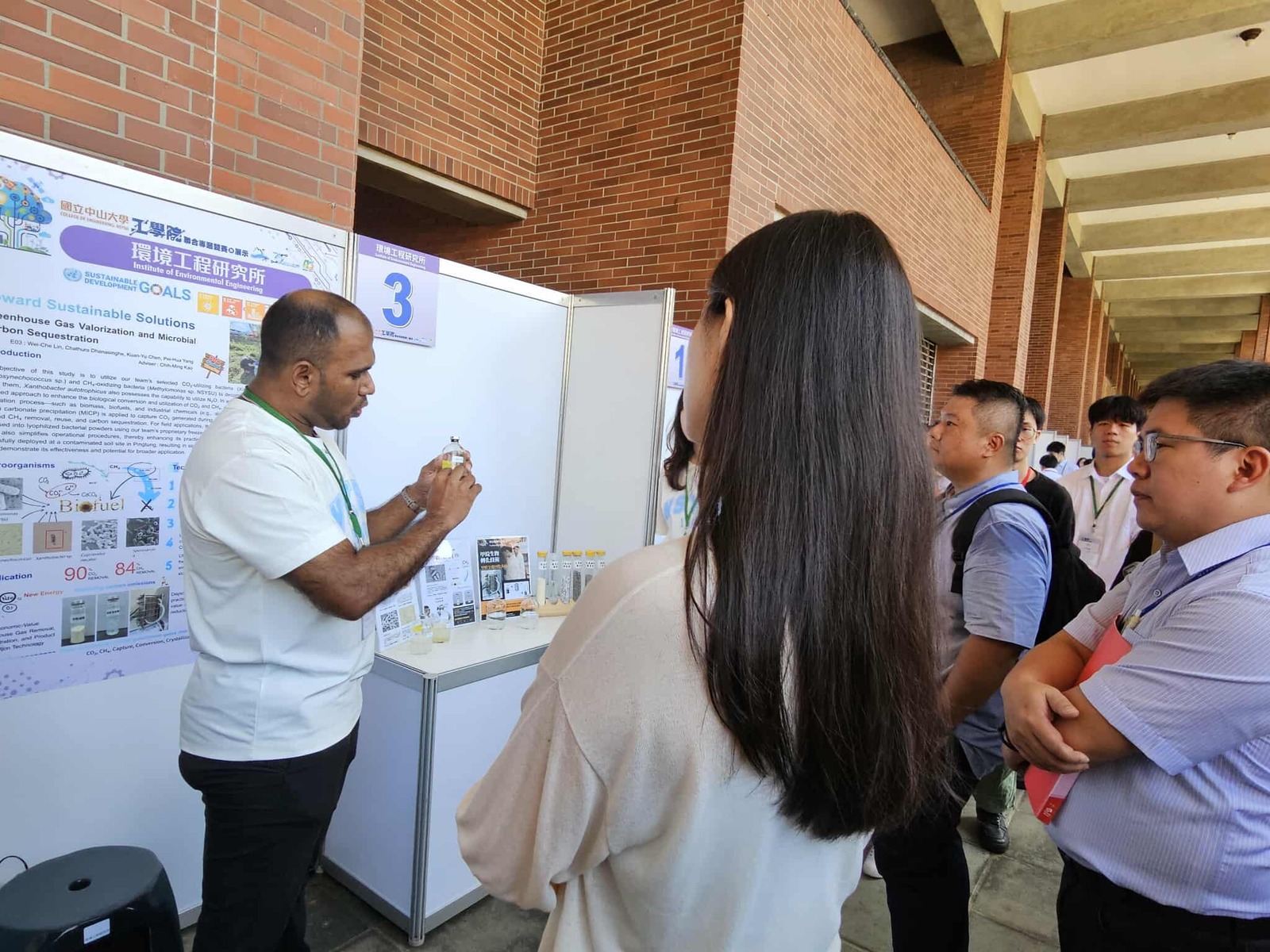
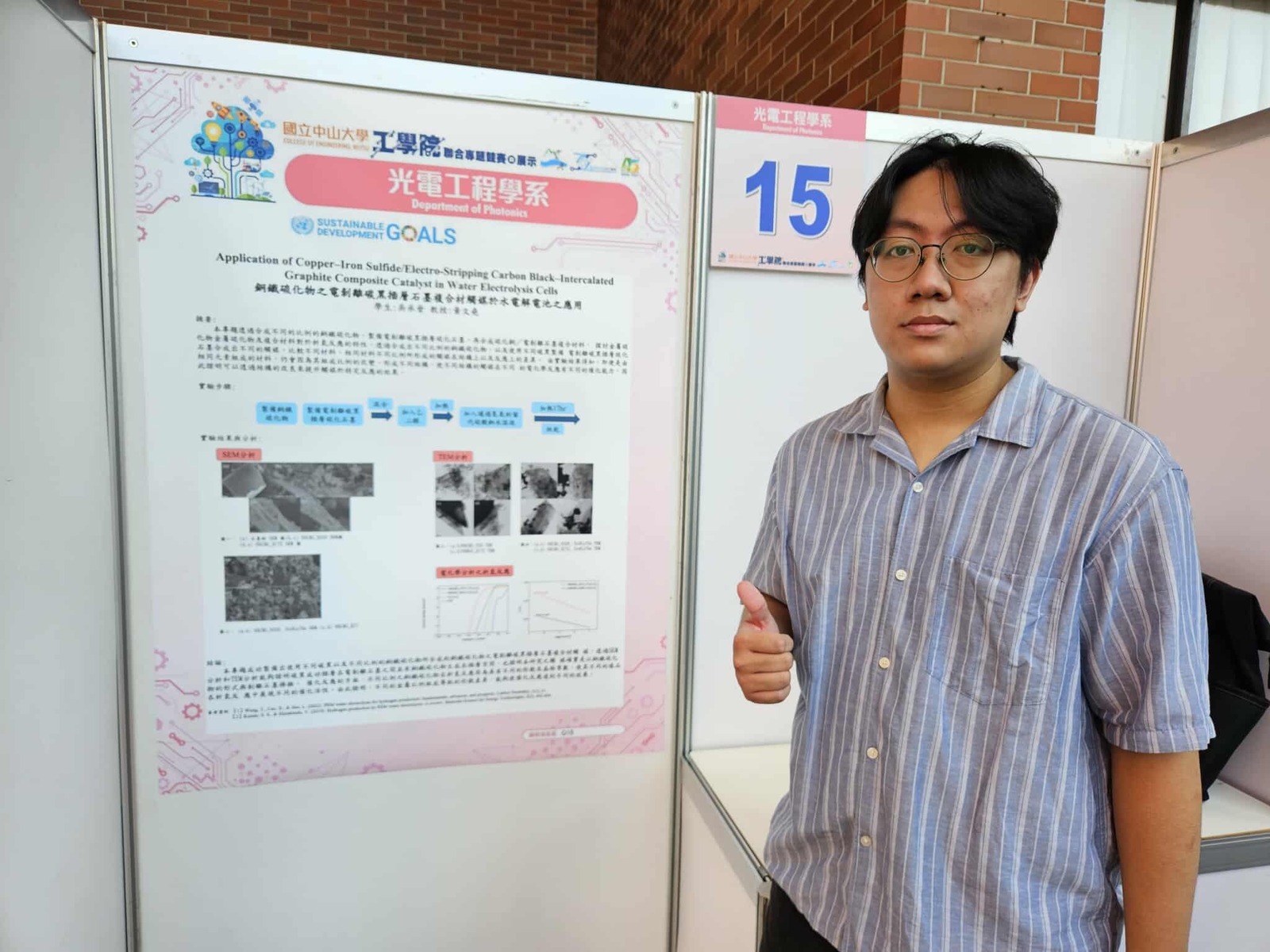
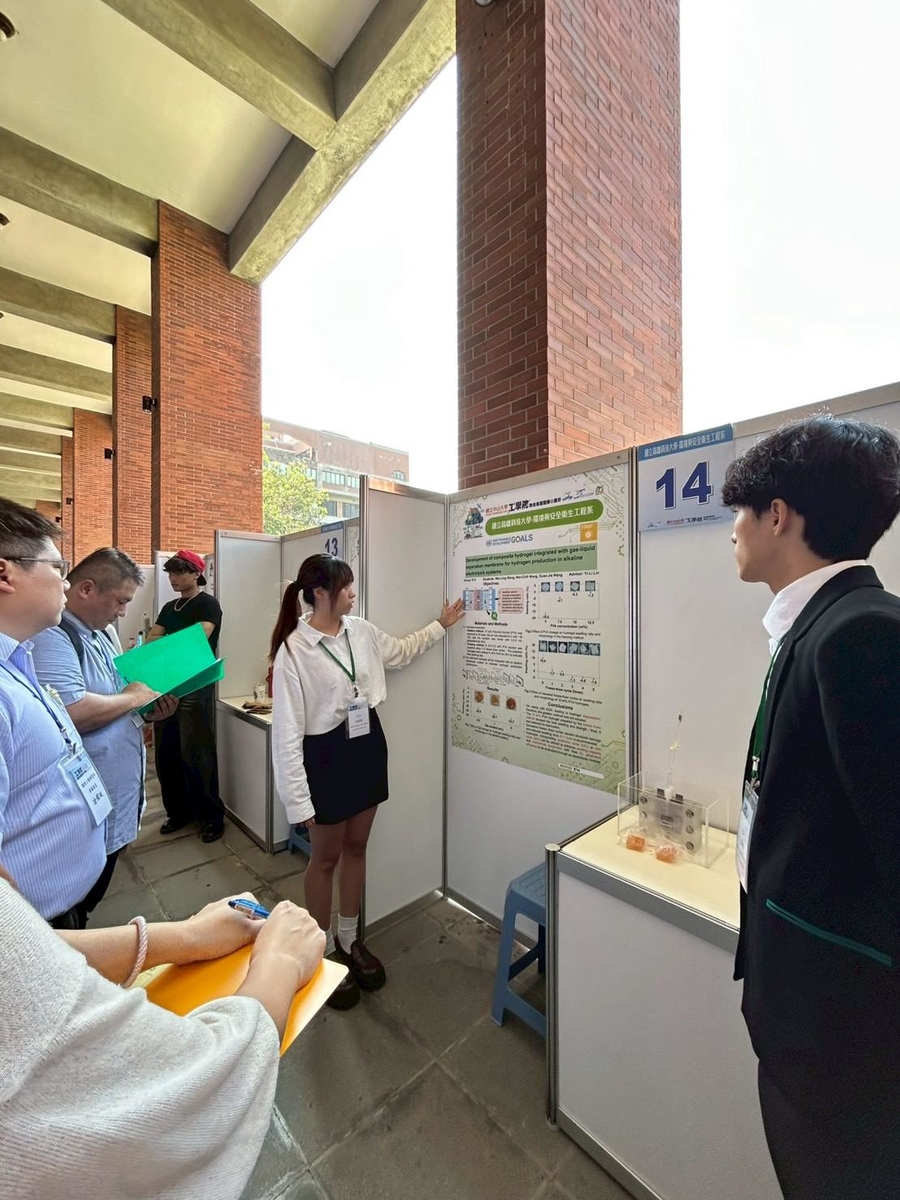
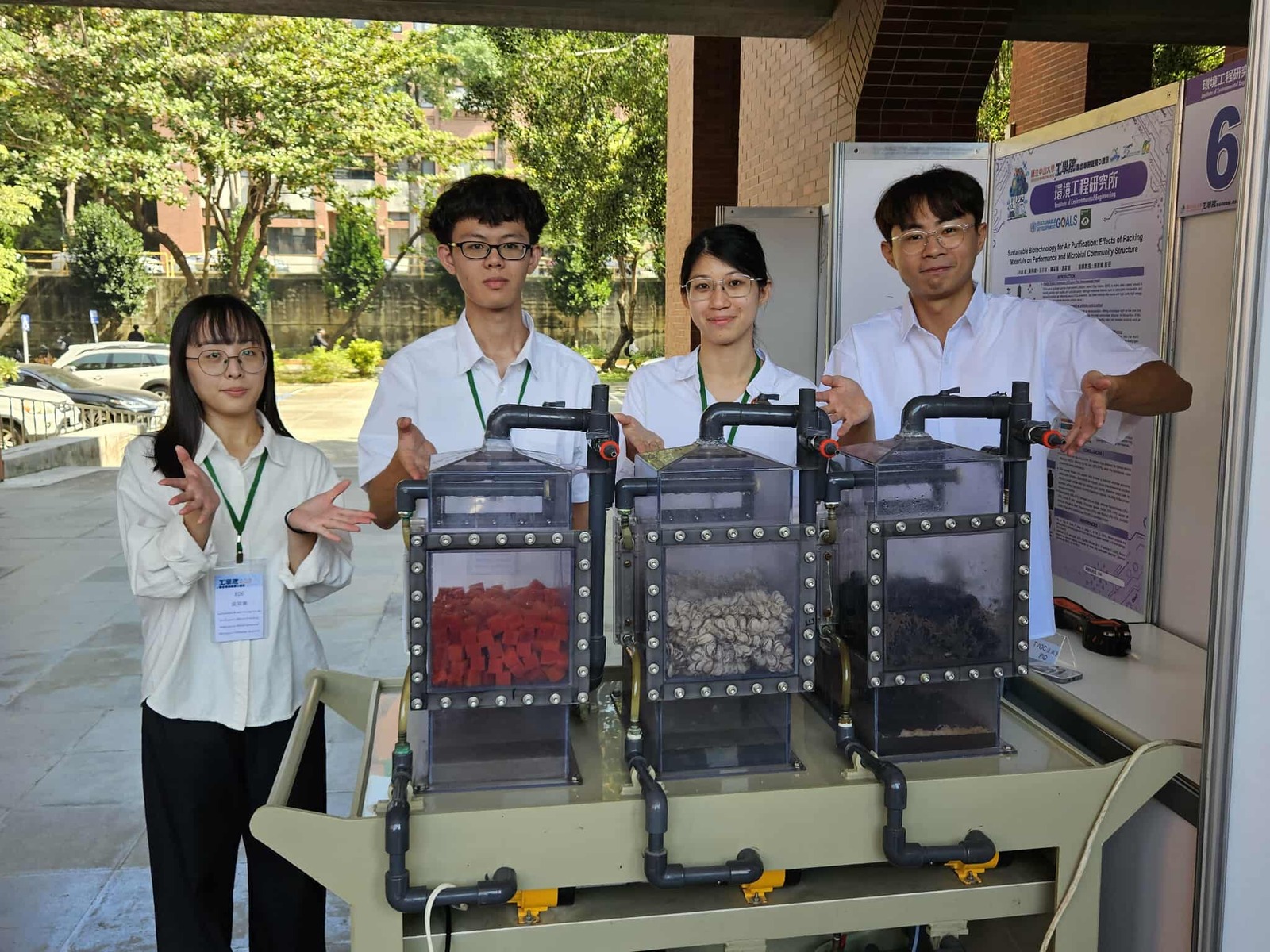
In response to the challenges of energy transition and climate change, engineering technologies play a critical role in achieving energy efficiency, carbon reduction, and environmental sustainability. A project by Cheng-Chin Wu from the Department of Photonics, NSYSU, titled Application of Copper–Iron Sulfide/Electro-Stripping Carbon Black–Intercalated Graphite Composite Catalyst in Water Electrolysis Cells, enhanced hydrogen production efficiency through advanced material structure design, demonstrating new opportunities for clean energy catalysis. Another project by Wei-Ling Weng and teammates from National Kaohsiung University of Science and Technology, titled Development of composite hydrogels integrated with gas–liquid separation membranes for hydrogen production in alkaline electrolysis systems, successfully developed a polymer hydrogel membrane with integrated gas–liquid separation capabilities, significantly improving hydrogen production efficiency while reducing energy consumption, with strong potential for green hydrogen applications. In addition, a project by Ko-Chi Huang and teammates from the Institute of Environmental Engineering, NSYSU, titled Sustainable Biotechnology for Air Purification: Effects of Packing Materials on Performance and Microbial Community Structure, employed biofilter systems to treat VOC-polluted air and analyzed the removal efficiencies of different packing materials, achieving high-performance air purification through low-energy technologies. These projects align with SDG 7 (Affordable and Clean Energy), SDG 9 (Industry, Innovation and Infrastructure), and SDG 13 (Climate Action), highlighting the forward-looking role of environmental engineering in carbon reduction strategies.
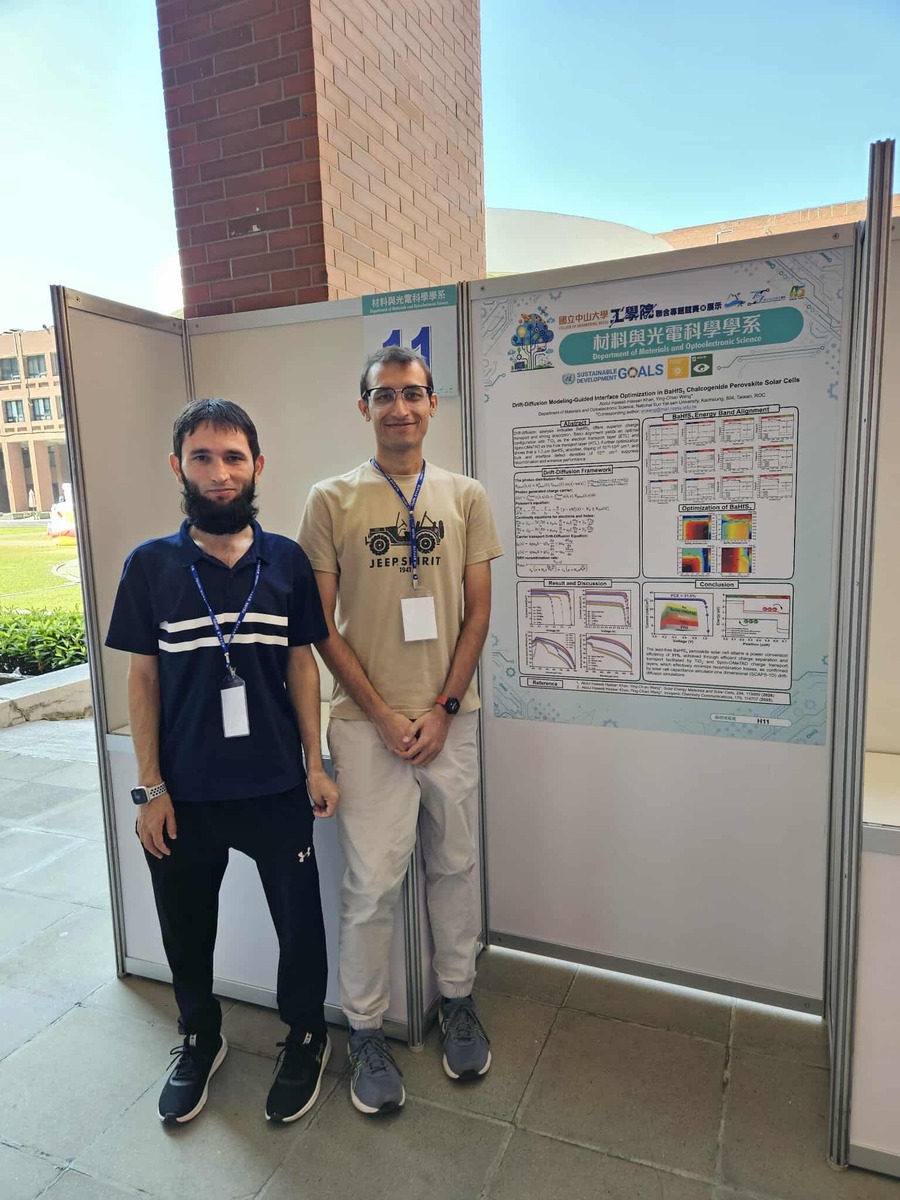
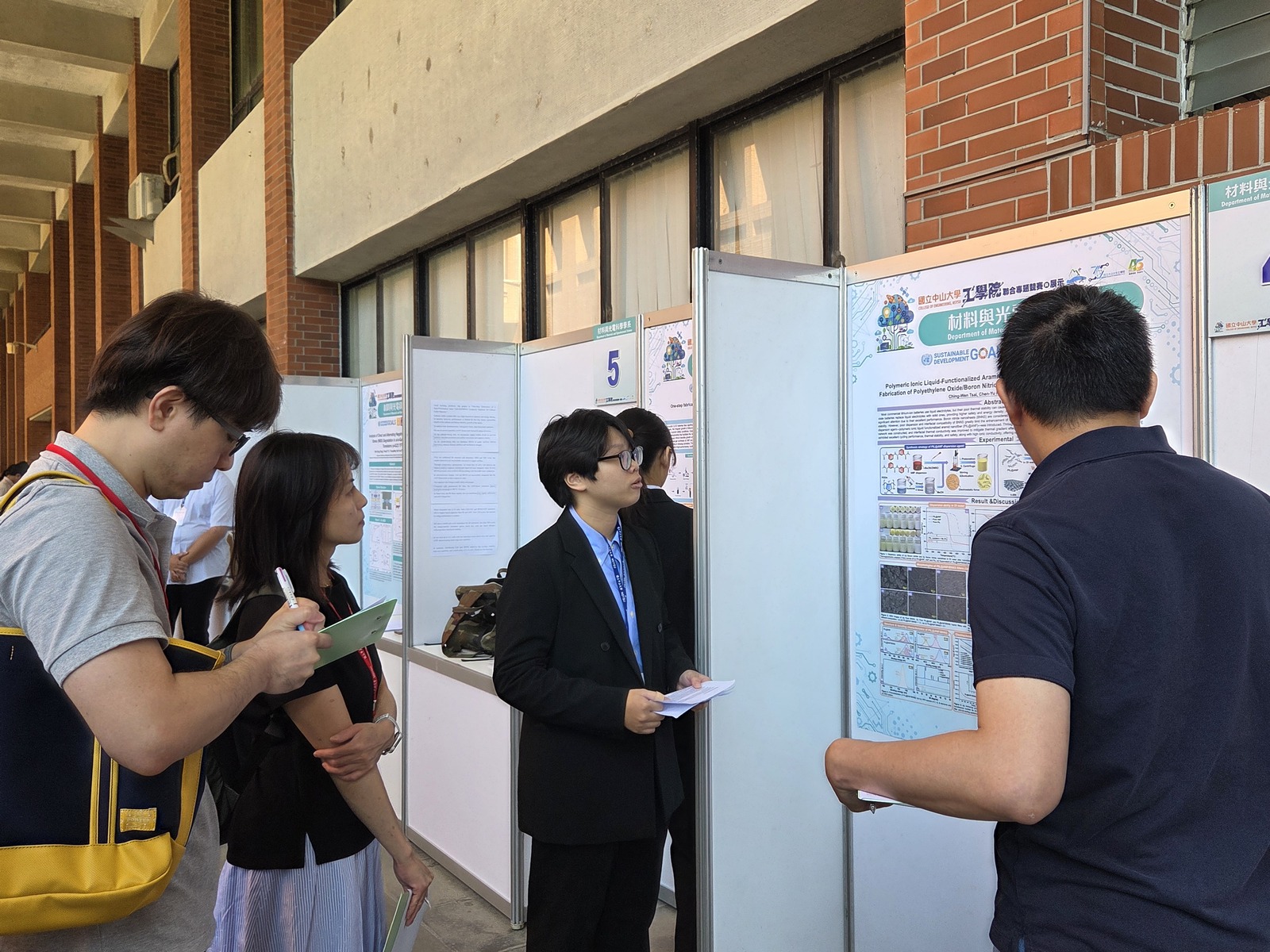
Balancing energy security with a green economy and building a safe, clean, and sustainable smart energy island was another key focus of this year's event. A project by Yousra M. Nabil from the Department of Materials and Optoelectronic Science, NSYSU, titled Engineering redox-active benzo[1,2-b:4,5-b̍ ] dithiophene-based conjugated polymers: tuning porosity and linker architecture for high performance supercapacitors, utilized conjugated polymers with high electrical conductivity and redox activity to develop supercapacitor electrode materials with long lifespans, high power density, and rapid charge–discharge capability, contributing to the stabilization of renewable energy systems and improved access to clean energy. Another project by Ching-Wen Tsai from the same department, titled Polymeric Ionic Liquid-Functionalized Aramid Nanofiber as Nanodispersion Agents for Fabrication of Polyethylene Oxide/Boron Nitride Nanosheet Composite Polymer Electrolytes, developed an innovative composite electrolyte featuring high ionic conductivity, thermal resistance, and stability, effectively suppressing lithium dendrite formation and enhancing battery safety and lifespan. These projects align with SDG 7 (Affordable and Clean Energy), SDG 9 (Industry, Innovation and Infrastructure), and SDG 12 (Responsible Consumption and Production), injecting new momentum into energy storage and sustainable technology development.
The College of Engineering at NSYSU noted that the event serves not only as a stage for students to showcase their research creativity and engineering expertise, but also as a vital platform for connecting academia and industry, promoting interdisciplinary collaboration, and advancing sustainable development in practice. Through the integration of bilingual education, innovative research and development, and sustainability-oriented thinking, the College of Engineering will continue to cultivate engineering professionals with global perspectives and strong social responsibility, ensuring that the NSYSU spirit continues to shine amid the wave of scientific and technological innovation and contributes lasting momentum to a sustainable future for Taiwan and the world.