
Integrating ocean culture and humanistic perspectives, NSYSU's Kuroshio Science Symposium deepens regional collaboration in the western Pacific
2026-03-09
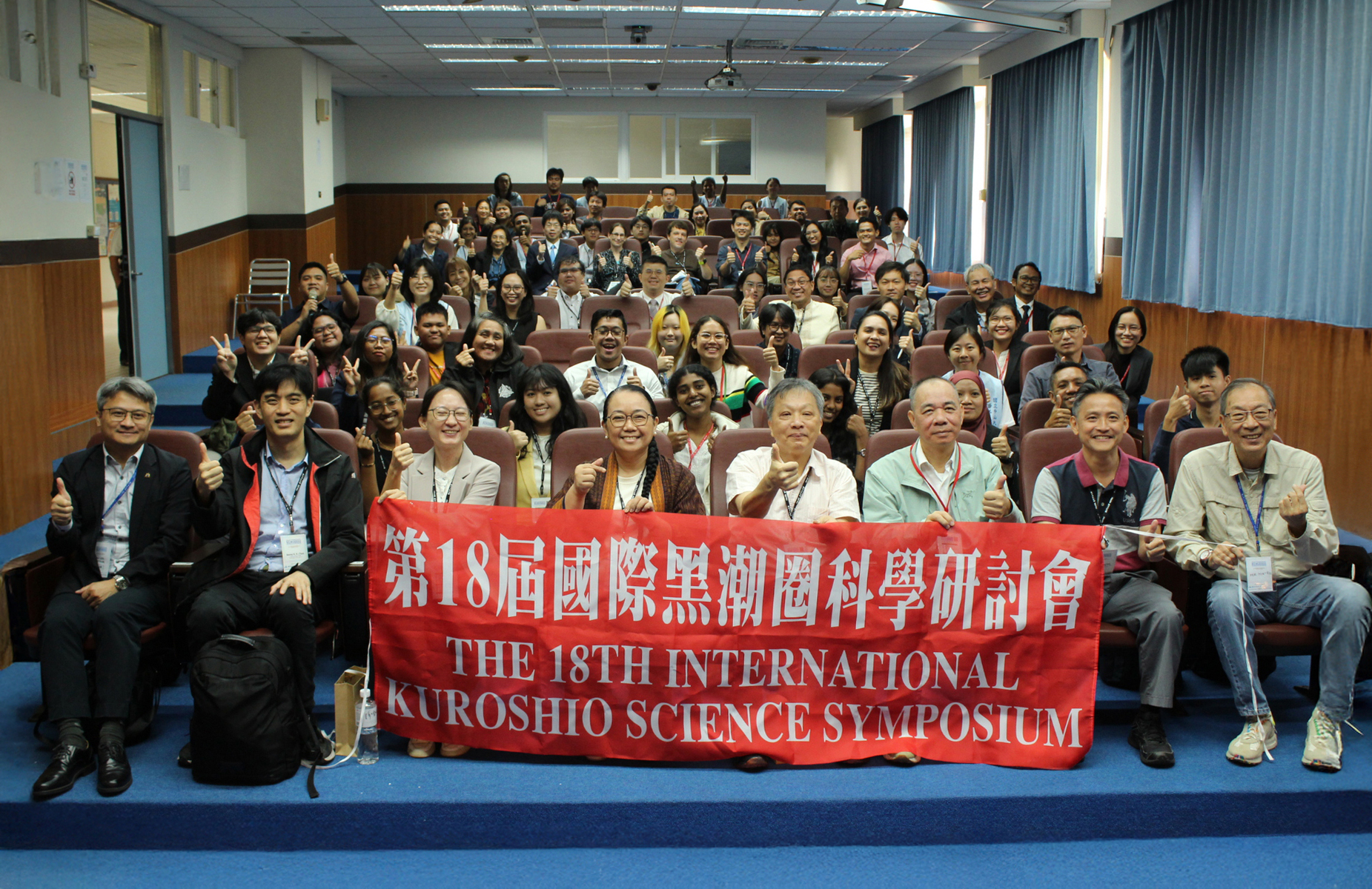
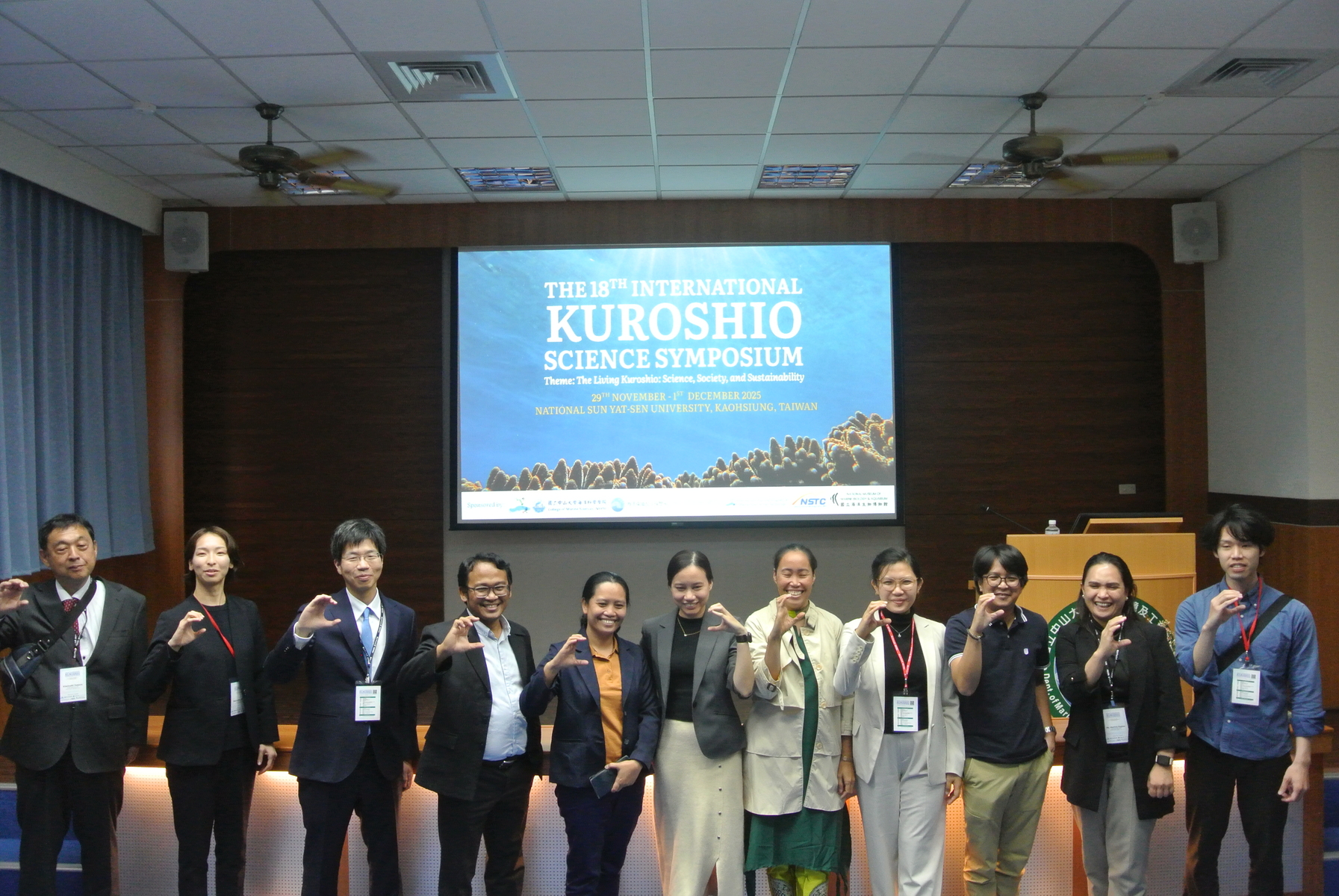
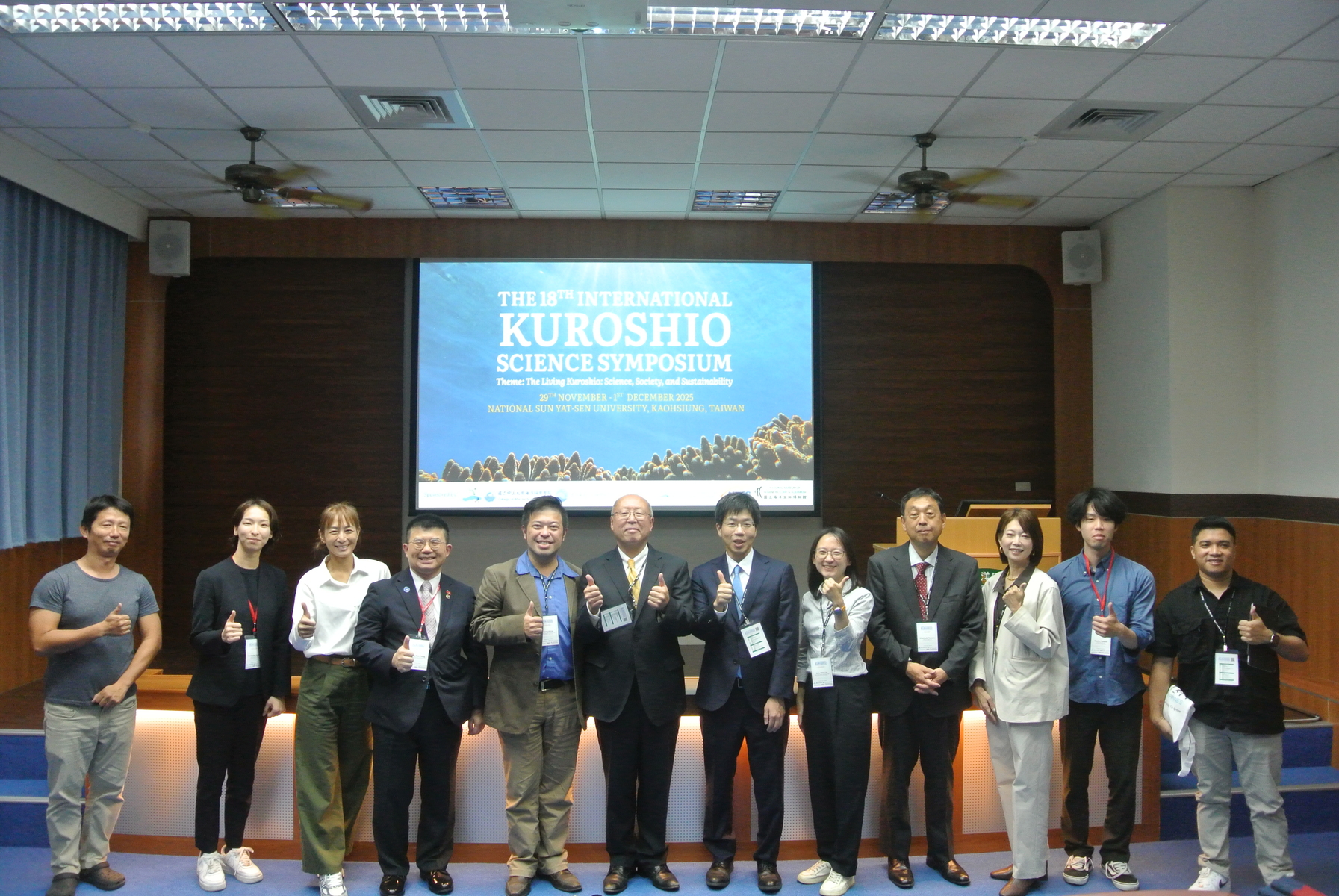
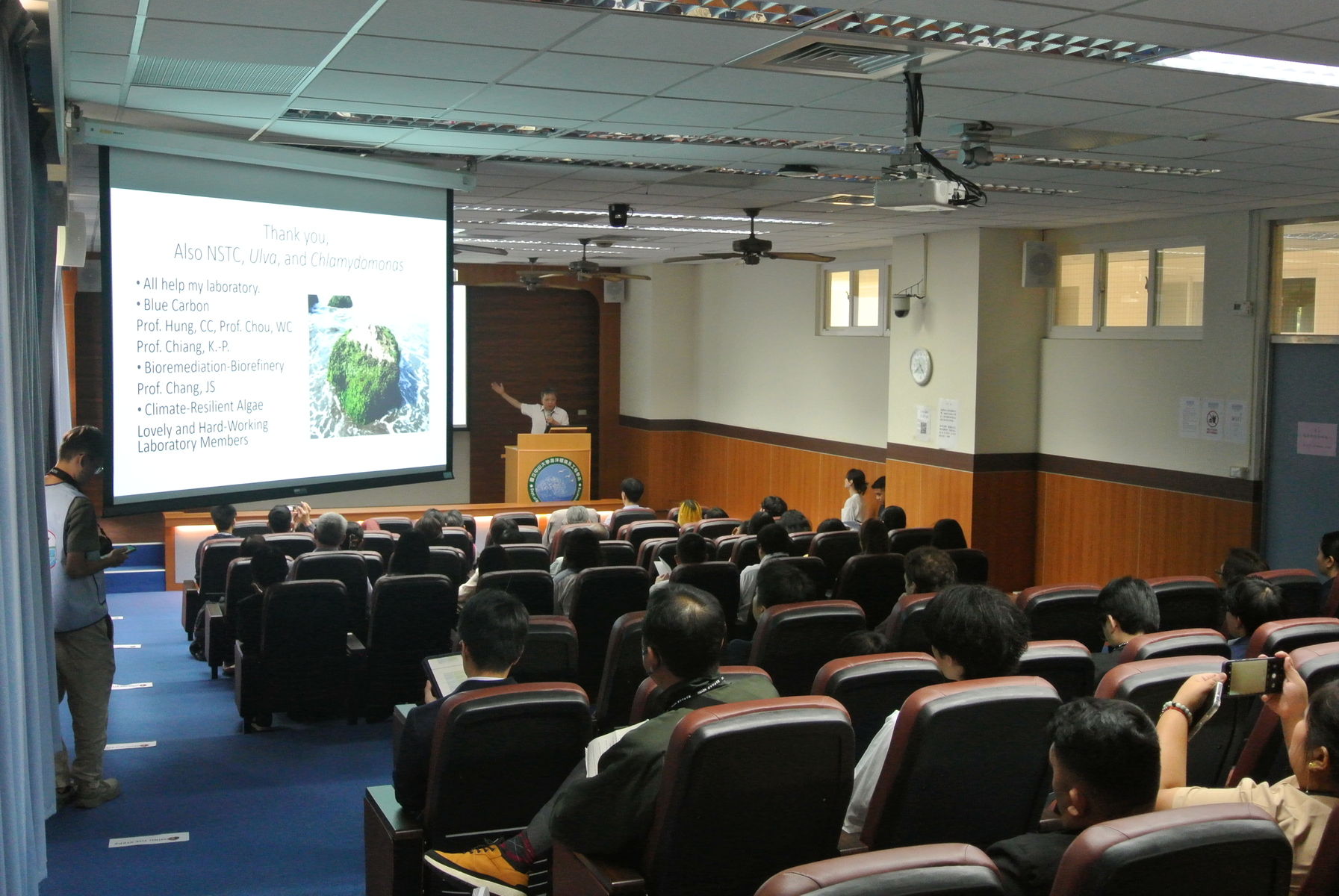
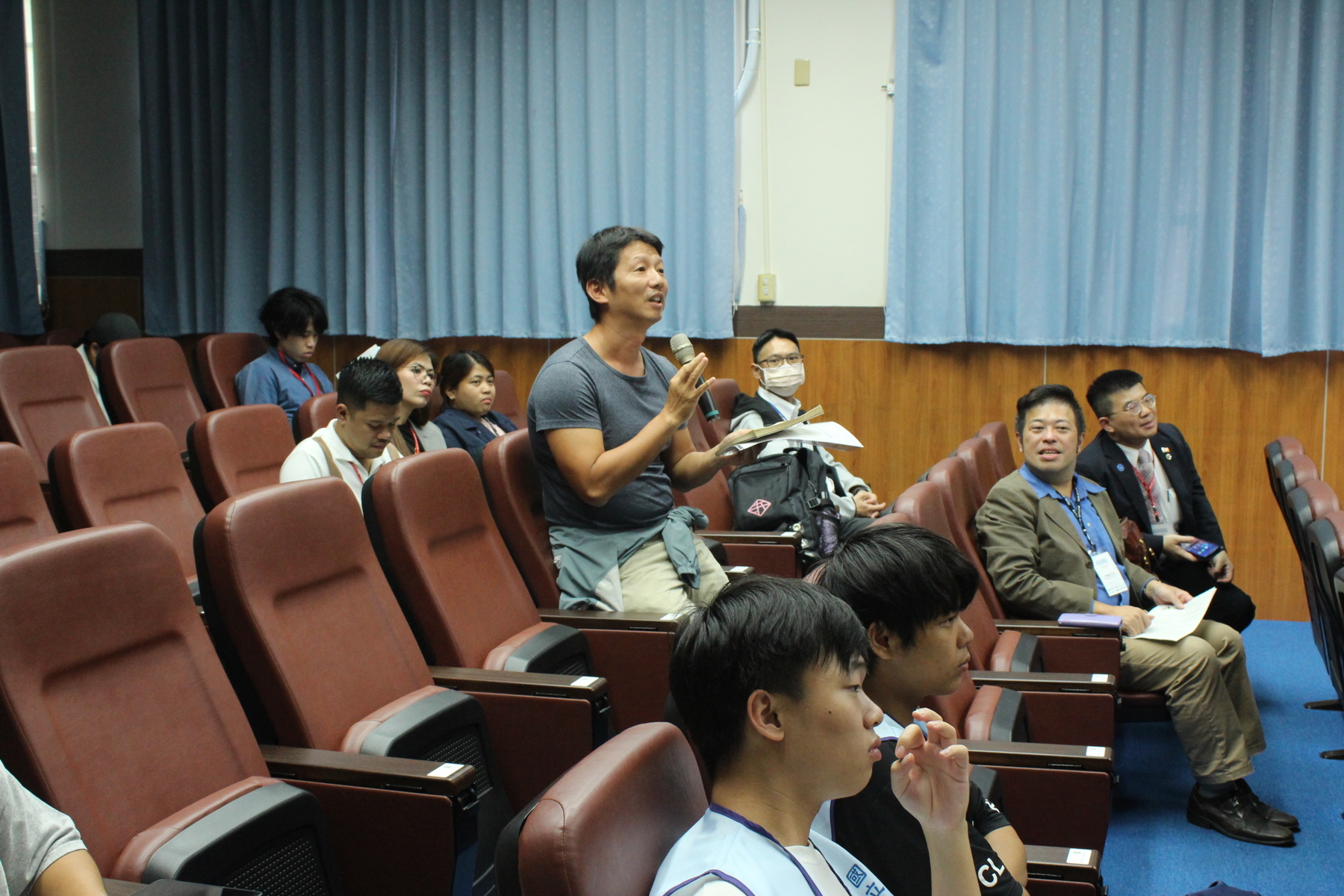
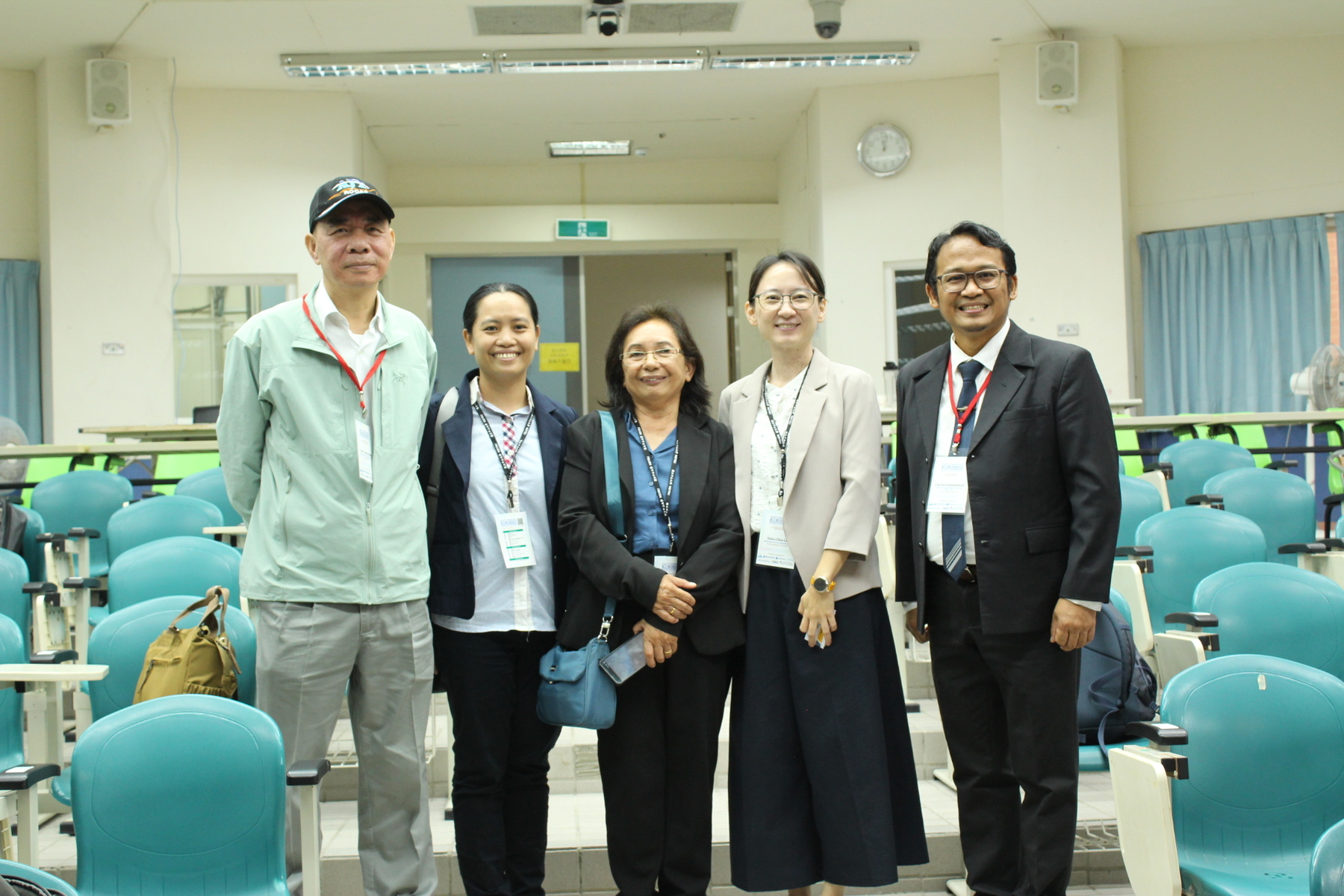
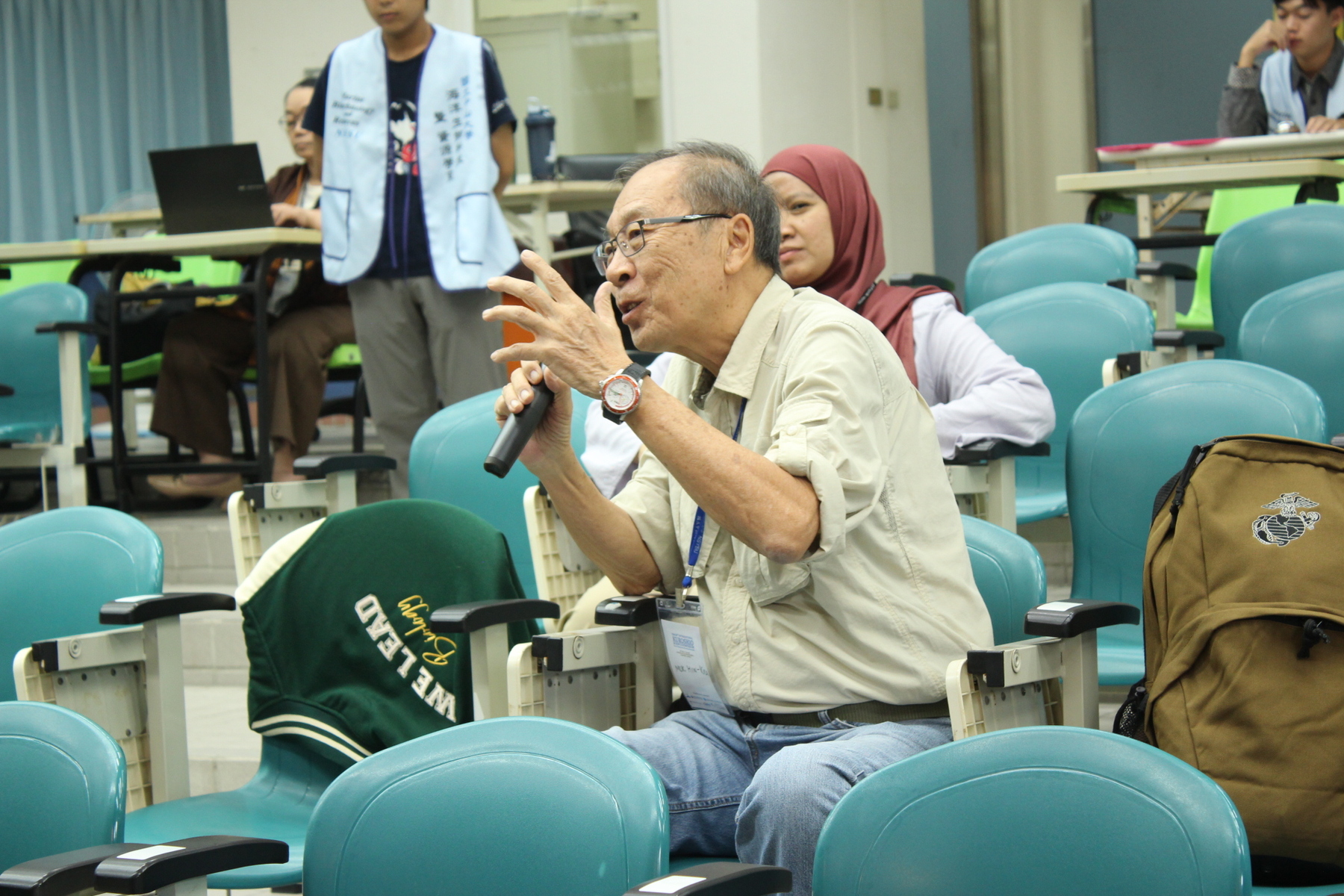
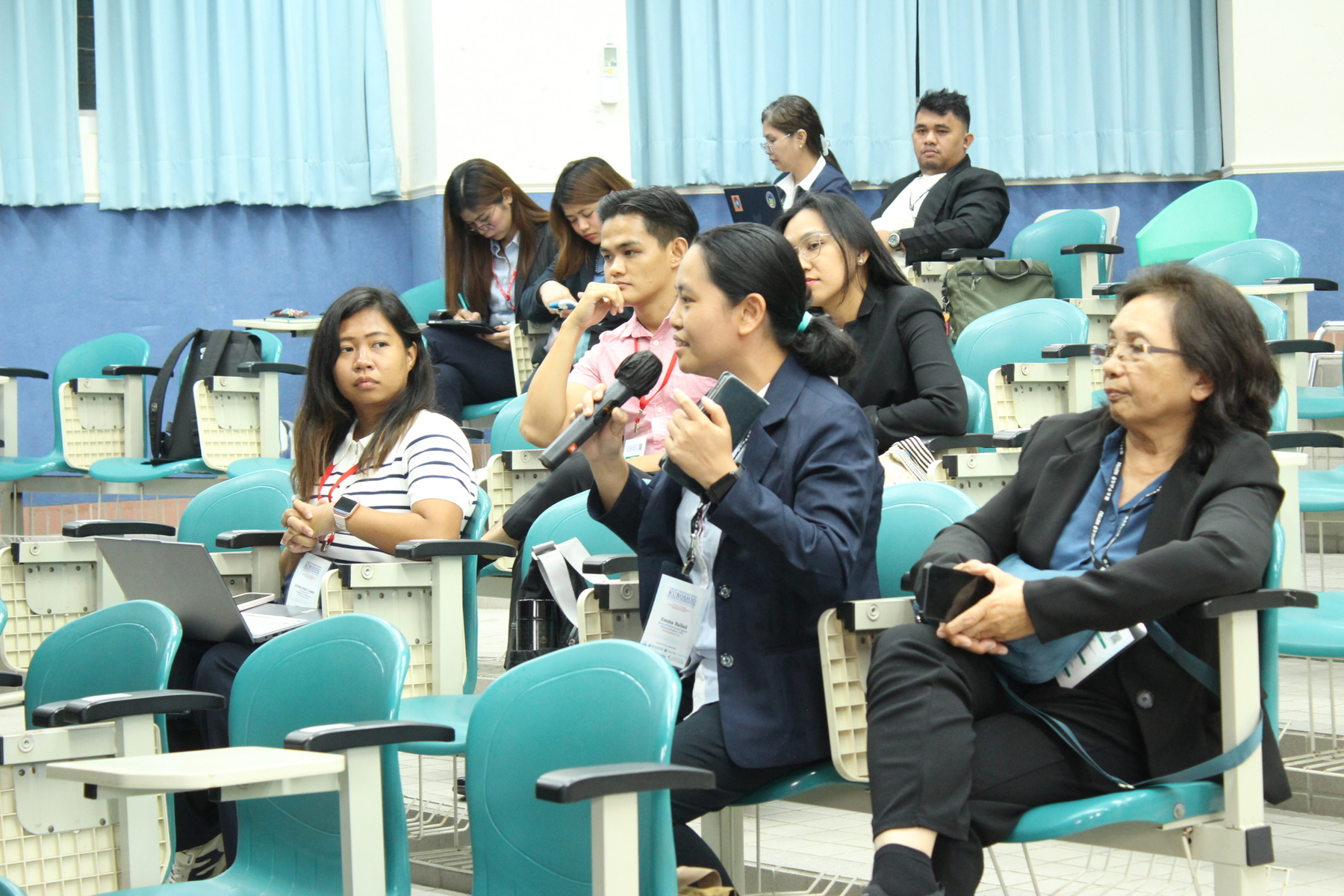
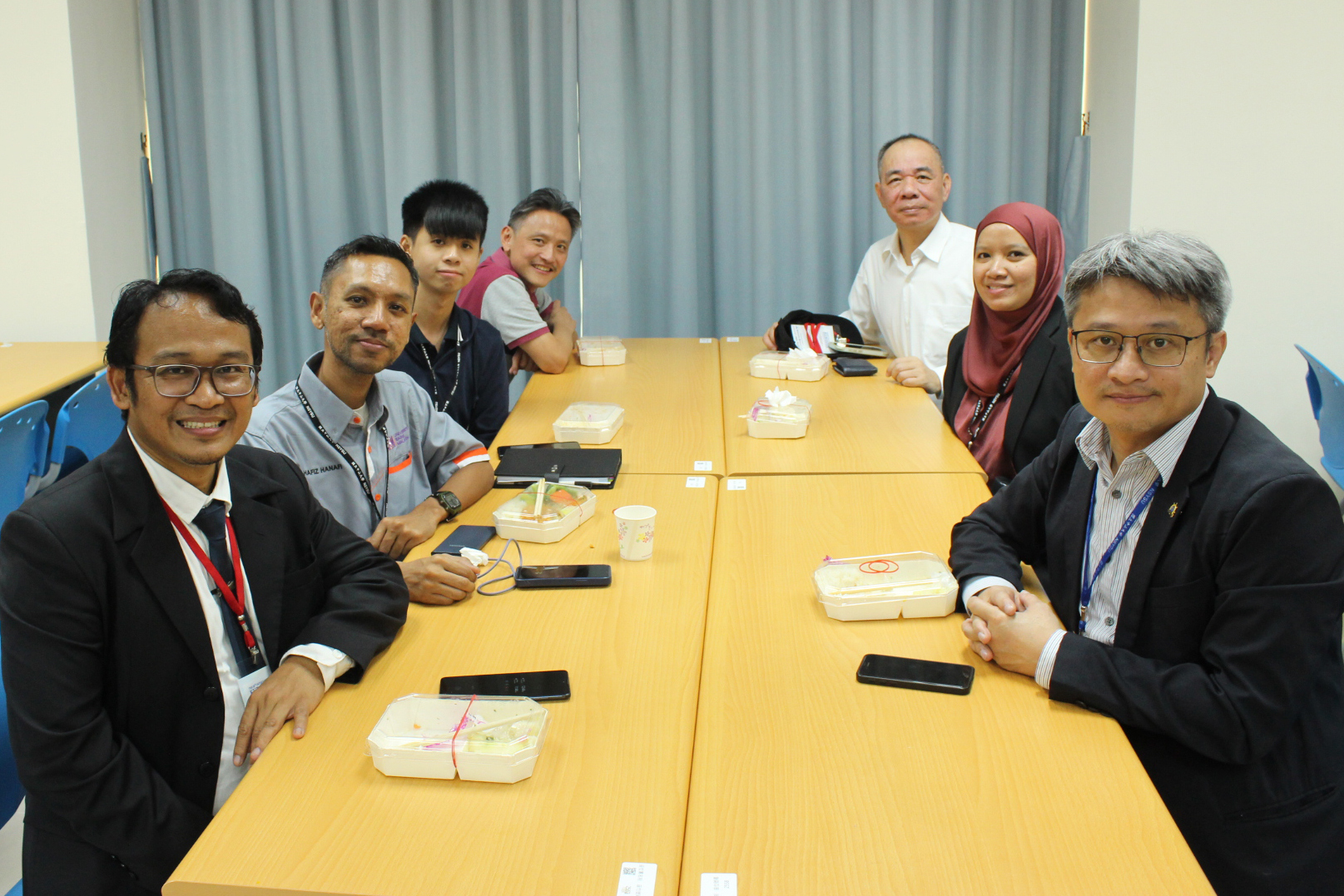
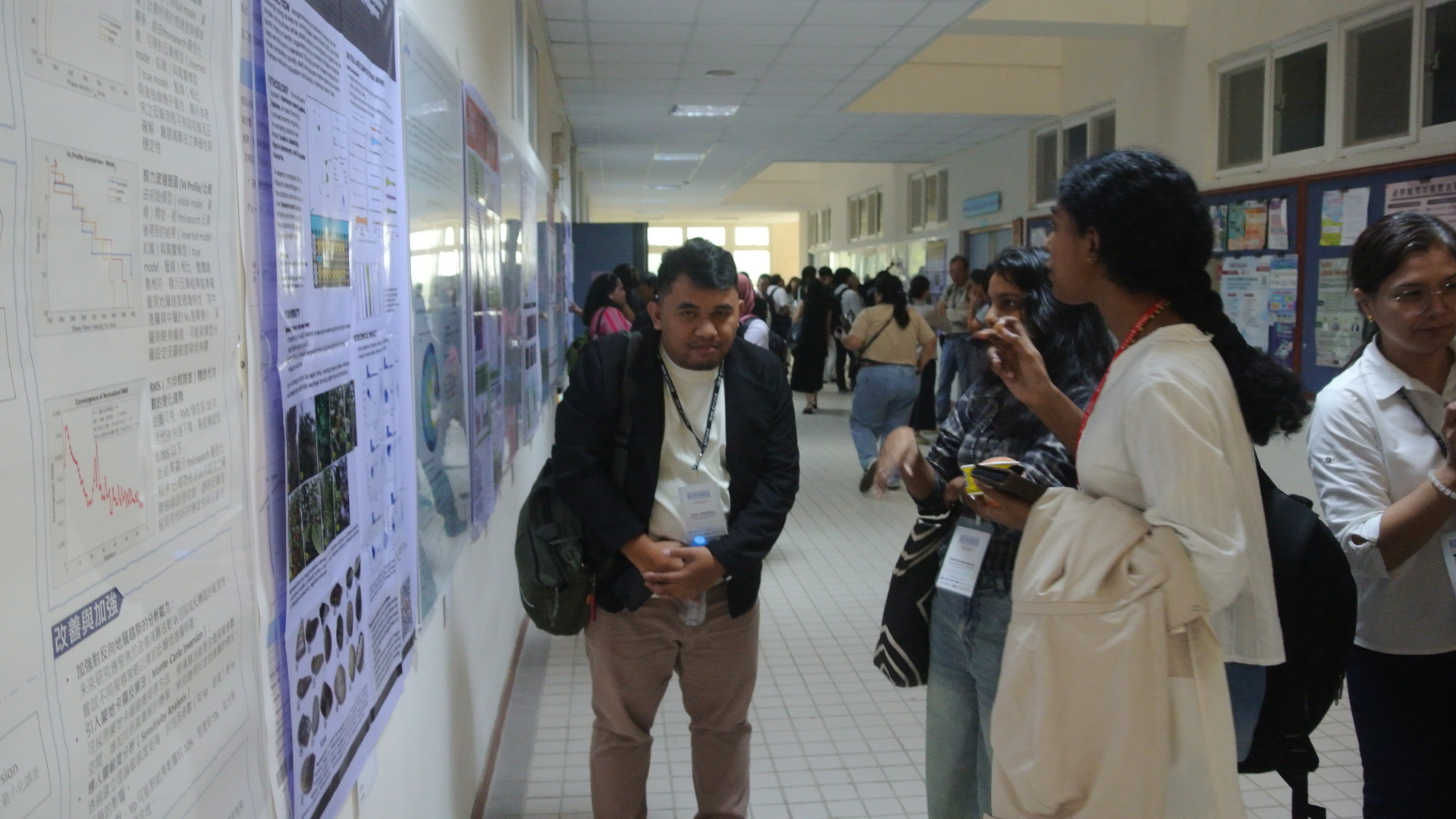
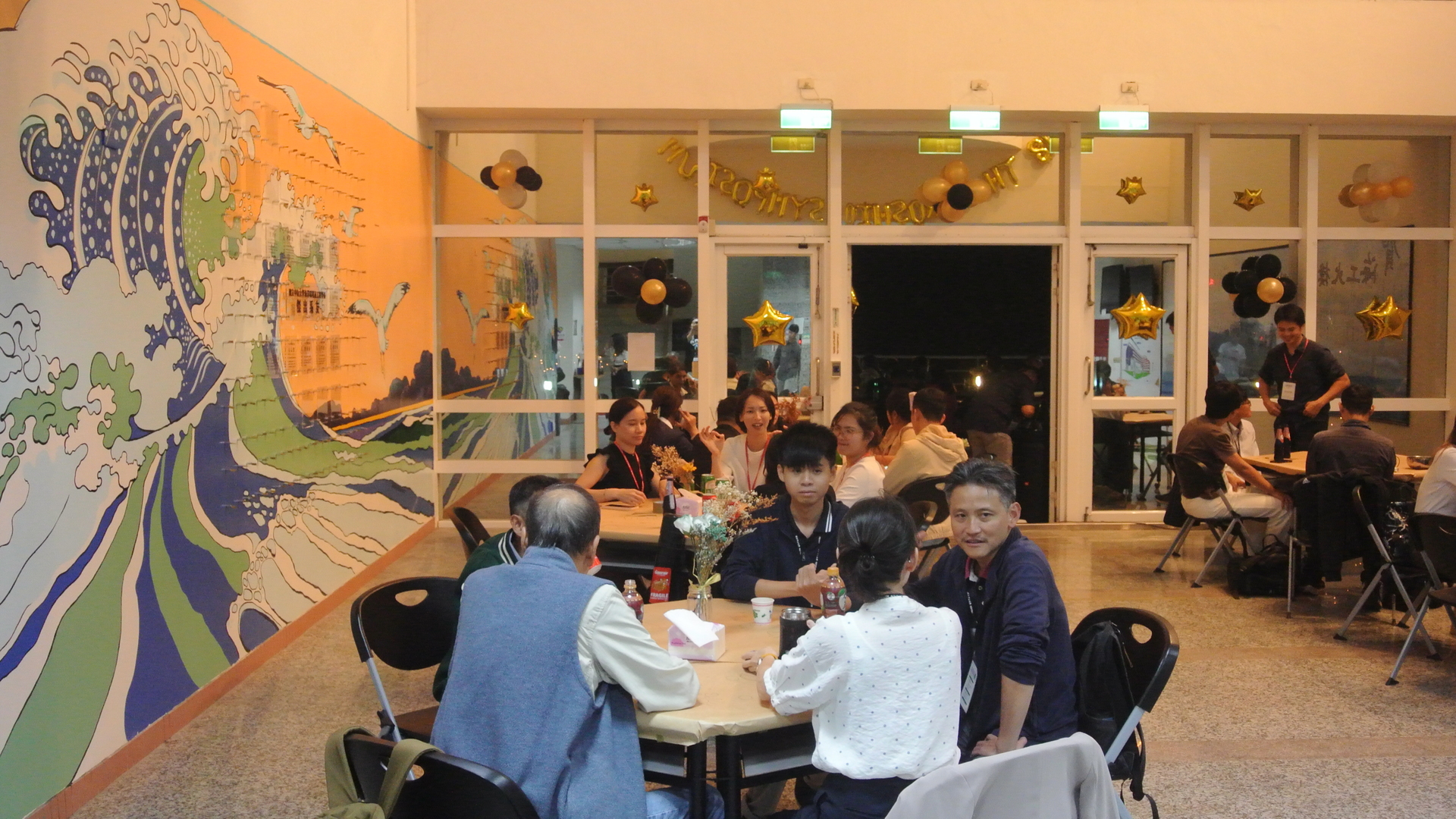
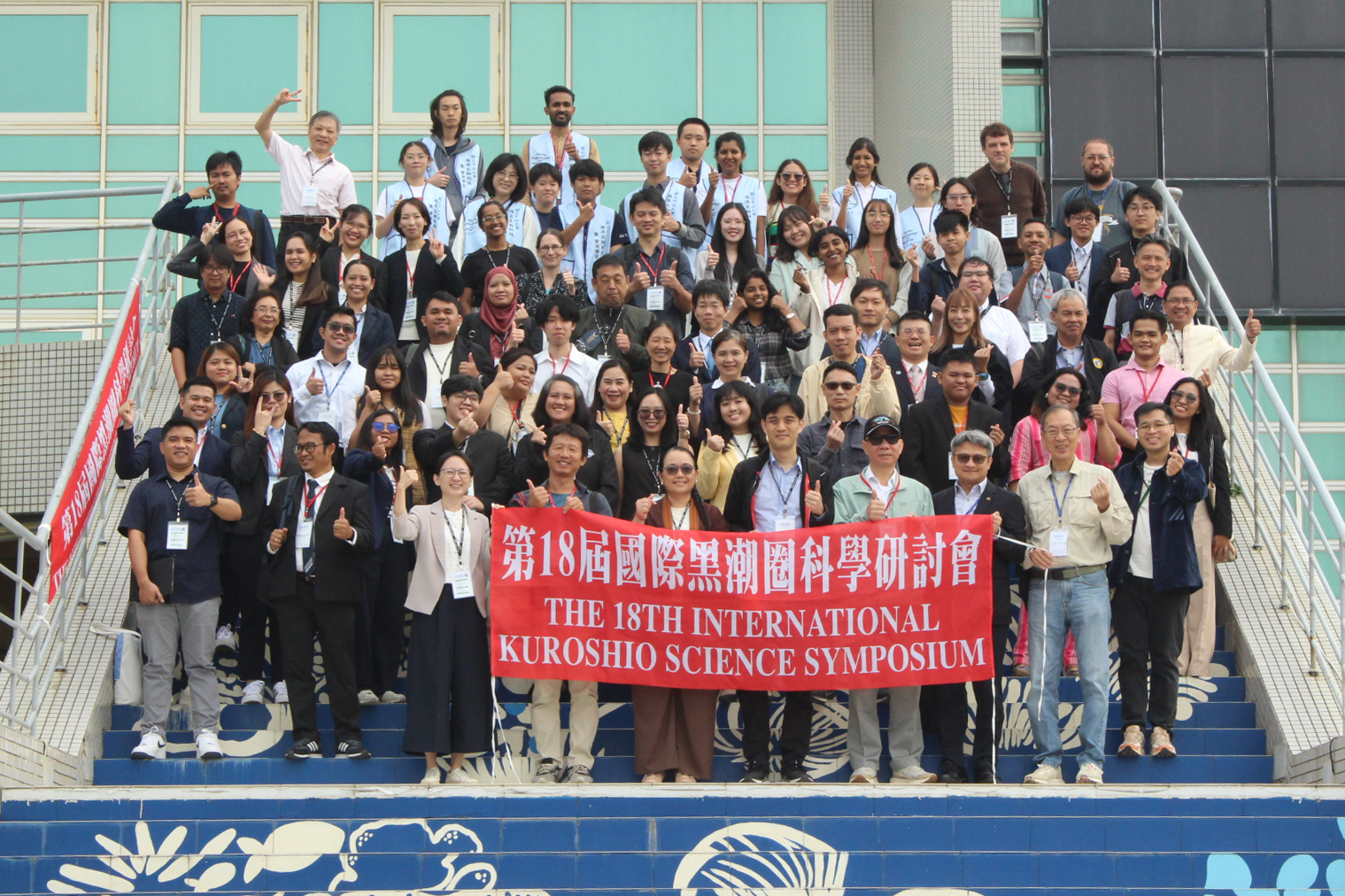
Opening a new chapter that bridges science and the humanities, National Sun Yat-sen University (NSYSU) hosted the 18th International Kuroshio Science Symposium under the theme "The Living Kuroshio." A total of 108 scholars from Japan, Taiwan, the Philippines, Malaysia, and Indonesia participated, presenting 33 oral papers and 20 poster presentations. The symposium facilitated cross-national sharing and exchange of research findings, achieving notable breakthroughs in both academic depth and international collaboration. In addition to showcasing NSYSU's research strengths in western Pacific marine studies, the symposium, for the first time, incorporated discussions on ocean culture, reflecting an expanded vision of the Kuroshio science community that moves beyond scientific exchange toward broader humanistic and societal engagement.
Hsiu-Chin Lin, Professor in the Department of Marine Biotechnology and Resources and Director of the Institute of Marine Ecology and Conservation at NSYSU, explained that the Kuroshio Current is a major component of the Pacific Ocean circulation and the world's second-largest ocean current. Flowing past Guam, the Philippines, Taiwan, and Japan, it exerts profound influence on sea temperature, climate patterns, nutrient distribution, fisheries resources, and even local cultures along its path, making it a critical driver of biological and environmental systems. To foster deeper collaboration among countries along this "current of life," since 2007, NSYSU has co-hosted the symposium on a rotating basis with the Kuroshio Science Program of Kochi University and the University of the Philippines. The symposium serves as a high-level platform for international cooperation in marine resources, biodiversity, ecological conservation, biomedical applications, fisheries, and socio-economic studies, while continuously strengthening inter-university collaboration across the region.
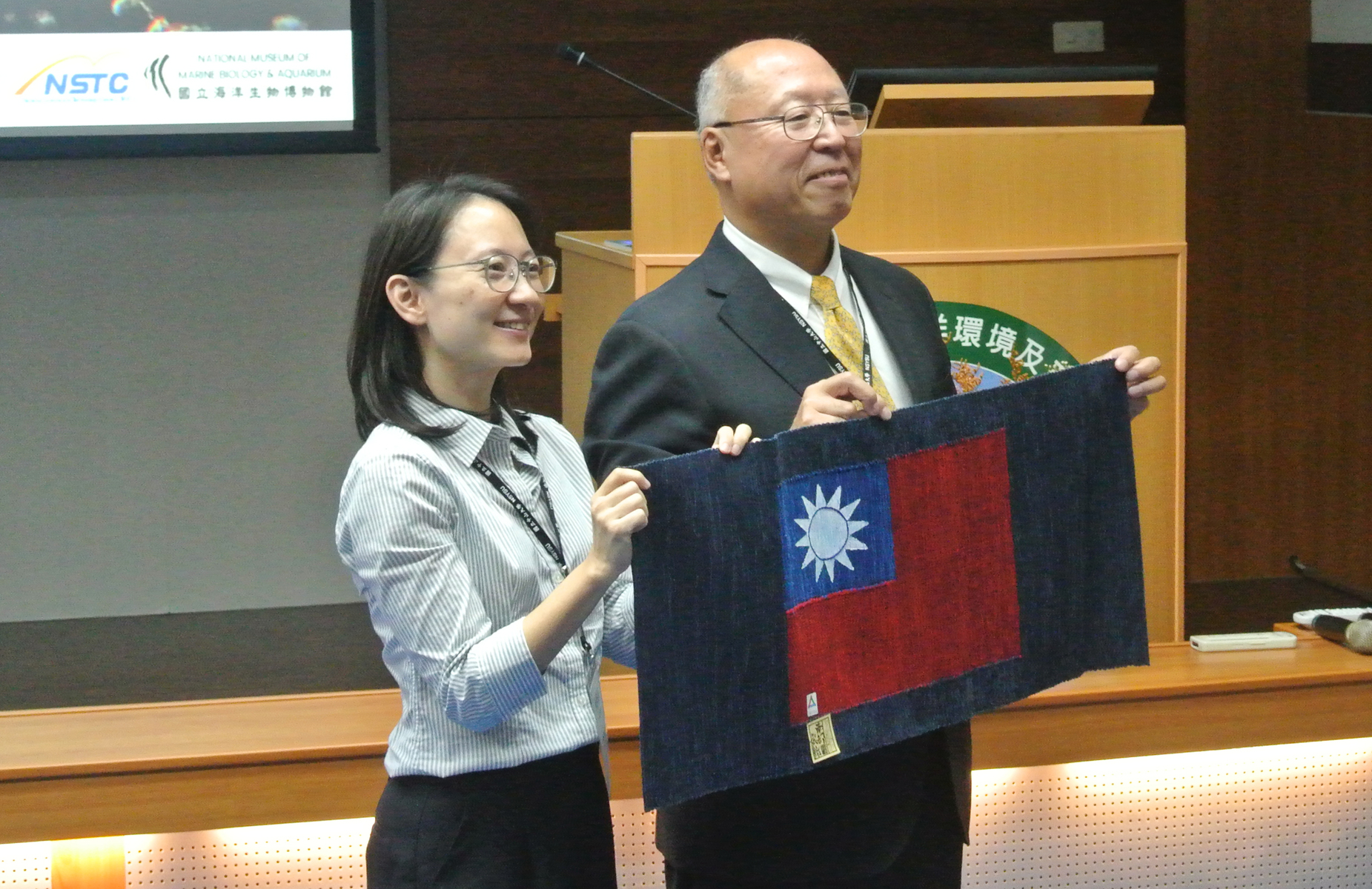
The symposium was supported by the National Science and Technology Council, National Sun Yat-sen University, and the National Museum of Marine Biology and Aquarium. It was organized by NSYSU's International Doctoral Program of Marine Science and Technology, with co-organization by the Institute of Marine Ecology and Conservation and the Department of Marine Environment and Engineering. Four distinguished scholars were invited as keynote speakers: Benny K. K. Chan, Director of the Biodiversity Research Center at Academia Sinica, specializing in marine biodiversity and conservation; Tze-Min Lee, Distinguished Professor in the Department of Marine Biotechnology and Resources at NSYSU, focusing on sustainable marine resource applications; Alice Ferrer, Professor at the Division of Social Sciences, University of the Philippines Visayas, and Coordinator of the Asian Fisheries Social Science Research Network, addressing fisheries resource management; and Masafumi Oku, Director of the Kaohsiung Office of the Japan–Taiwan Exchange Association, who shared perspectives on ocean culture.
A special highlight of this year's symposium was the introduction of a dedicated ocean culture session, coordinated by Kayo Ito, Adjunct Assistant Professor at the Si Wan College of NSYSU. The initiative aimed to enrich the symposium's traditionally science-focused exchanges by incorporating humanistic and social dimensions. Serving as the closing speaker, Masafumi Oku reflected on Japan as the terminus of the Kuroshio Current, illustrating how ocean currents carry and sustain cultural heritage along their routes. His talk provided a fitting conclusion to the symposium, symbolizing the harmonious integration of Kuroshio science and the humanities.
The symposium also highlighted NSYSU's pivotal role within international collaboration networks. Both NSYSU and Kochi University are members of the Taiwan-Japan Alliance of Local Revitalization and Social Practice, which aims to facilitate substantive exchanges in the areas of local revitalization and social innovation. According to NSYSU's International Doctoral Program of Marine Science and Technology, the nearly two-decade-long Kuroshio Science Symposium shares a common spirit with the Taiwan–Japan alliance; both seek to cultivate enduring friendships and partnerships, embodying a shared vision of academic research serving regional development. The next Kuroshio Science Symposium will be held at the University of Santo Tomas–Legazpi in the Philippines. NSYSU looks forward to continued collaboration among Kuroshio-region countries, much like the current itself, spanning nearly 100 kilometers in width and flowing powerfully along the western Pacific coast, sustaining the shared advancement of science and the humanities toward a more resilient and vibrant Kuroshio future.
Opening a new chapter that bridges science and the humanities, National Sun Yat-sen University (NSYSU) hosted the 18th International Kuroshio Science Symposium under the theme "The Living Kuroshio." A total of 108 scholars from Japan, Taiwan, the Philippines, Malaysia, and Indonesia participated, presenting 33 oral papers and 20 poster presentations. The symposium facilitated cross-national sharing and exchange of research findings, achieving notable breakthroughs in both academic depth and international collaboration. In addition to showcasing NSYSU's research strengths in western Pacific marine studies, the symposium, for the first time, incorporated discussions on ocean culture, reflecting an expanded vision of the Kuroshio science community that moves beyond scientific exchange toward broader humanistic and societal engagement.
Hsiu-Chin Lin, Professor in the Department of Marine Biotechnology and Resources and Director of the Institute of Marine Ecology and Conservation at NSYSU, explained that the Kuroshio Current is a major component of the Pacific Ocean circulation and the world's second-largest ocean current. Flowing past Guam, the Philippines, Taiwan, and Japan, it exerts profound influence on sea temperature, climate patterns, nutrient distribution, fisheries resources, and even local cultures along its path, making it a critical driver of biological and environmental systems. To foster deeper collaboration among countries along this "current of life," since 2007, NSYSU has co-hosted the symposium on a rotating basis with the Kuroshio Science Program of Kochi University and the University of the Philippines. The symposium serves as a high-level platform for international cooperation in marine resources, biodiversity, ecological conservation, biomedical applications, fisheries, and socio-economic studies, while continuously strengthening inter-university collaboration across the region.
The symposium was supported by the National Science and Technology Council, National Sun Yat-sen University, and the National Museum of Marine Biology and Aquarium. It was organized by NSYSU's International Doctoral Program of Marine Science and Technology, with co-organization by the Institute of Marine Ecology and Conservation and the Department of Marine Environment and Engineering. Four distinguished scholars were invited as keynote speakers: Benny K. K. Chan, Director of the Biodiversity Research Center at Academia Sinica, specializing in marine biodiversity and conservation; Tze-Min Lee, Distinguished Professor in the Department of Marine Biotechnology and Resources at NSYSU, focusing on sustainable marine resource applications; Alice Ferrer, Professor at the Division of Social Sciences, University of the Philippines Visayas, and Coordinator of the Asian Fisheries Social Science Research Network, addressing fisheries resource management; and Masafumi Oku, Director of the Kaohsiung Office of the Japan–Taiwan Exchange Association, who shared perspectives on ocean culture.
A special highlight of this year's symposium was the introduction of a dedicated ocean culture session, coordinated by Kayo Ito, Adjunct Assistant Professor at the Si Wan College of NSYSU. The initiative aimed to enrich the symposium's traditionally science-focused exchanges by incorporating humanistic and social dimensions. Serving as the closing speaker, Masafumi Oku reflected on Japan as the terminus of the Kuroshio Current, illustrating how ocean currents carry and sustain cultural heritage along their routes. His talk provided a fitting conclusion to the symposium, symbolizing the harmonious integration of Kuroshio science and the humanities.
The symposium also highlighted NSYSU's pivotal role within international collaboration networks. Both NSYSU and Kochi University are members of the Taiwan-Japan Alliance of Local Revitalization and Social Practice, which aims to facilitate substantive exchanges in the areas of local revitalization and social innovation. According to NSYSU's International Doctoral Program of Marine Science and Technology, the nearly two-decade-long Kuroshio Science Symposium shares a common spirit with the Taiwan–Japan alliance; both seek to cultivate enduring friendships and partnerships, embodying a shared vision of academic research serving regional development. The next Kuroshio Science Symposium will be held at the University of Santo Tomas–Legazpi in the Philippines. NSYSU looks forward to continued collaboration among Kuroshio-region countries, much like the current itself, spanning nearly 100 kilometers in width and flowing powerfully along the western Pacific coast, sustaining the shared advancement of science and the humanities toward a more resilient and vibrant Kuroshio future.
Click Num:
Share