
Advancing sustainable cities: NSYSU's Jimmy C. M. Kao receives the Merit NSTC Research Fellow Award
2026-03-30
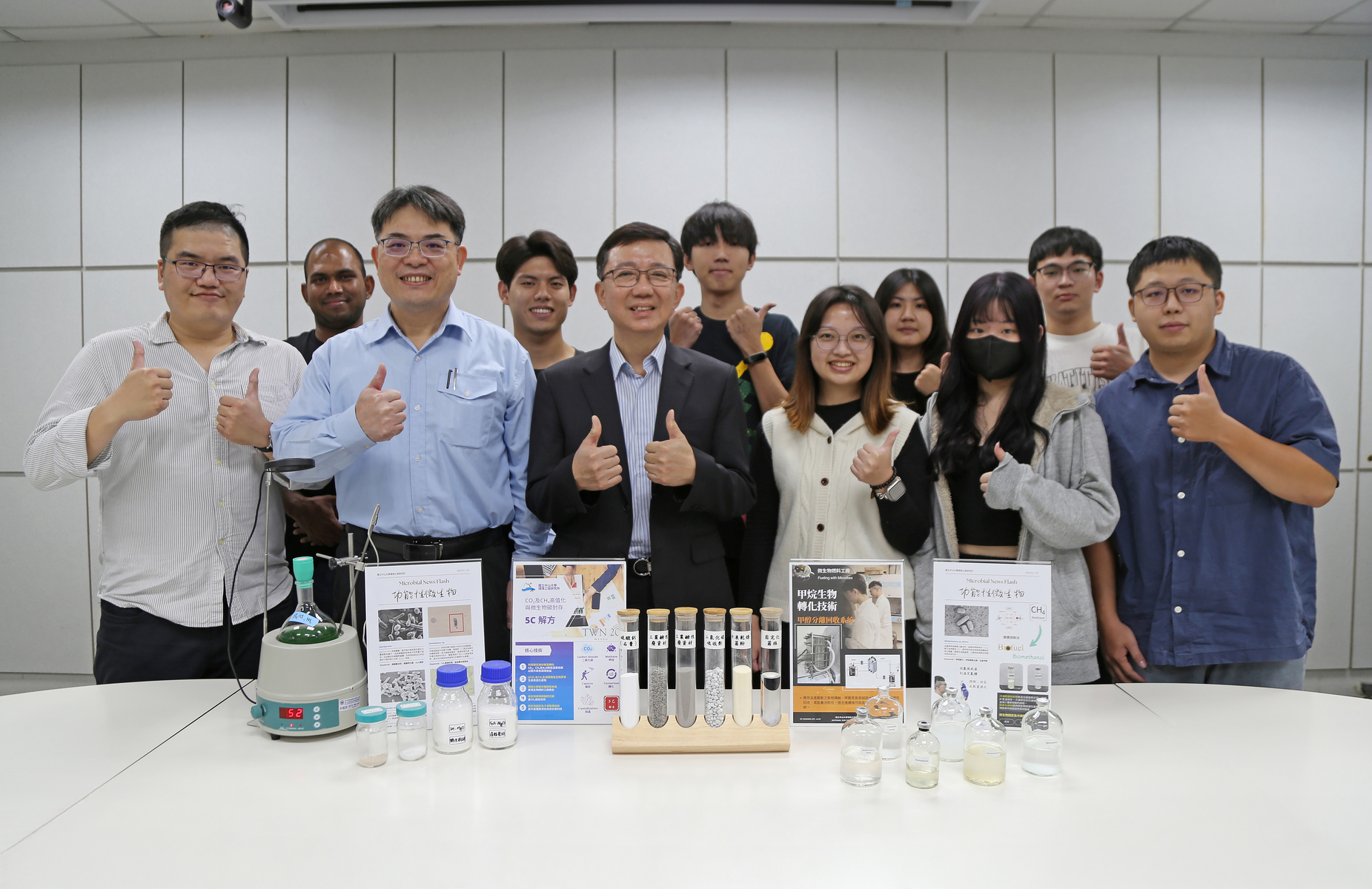
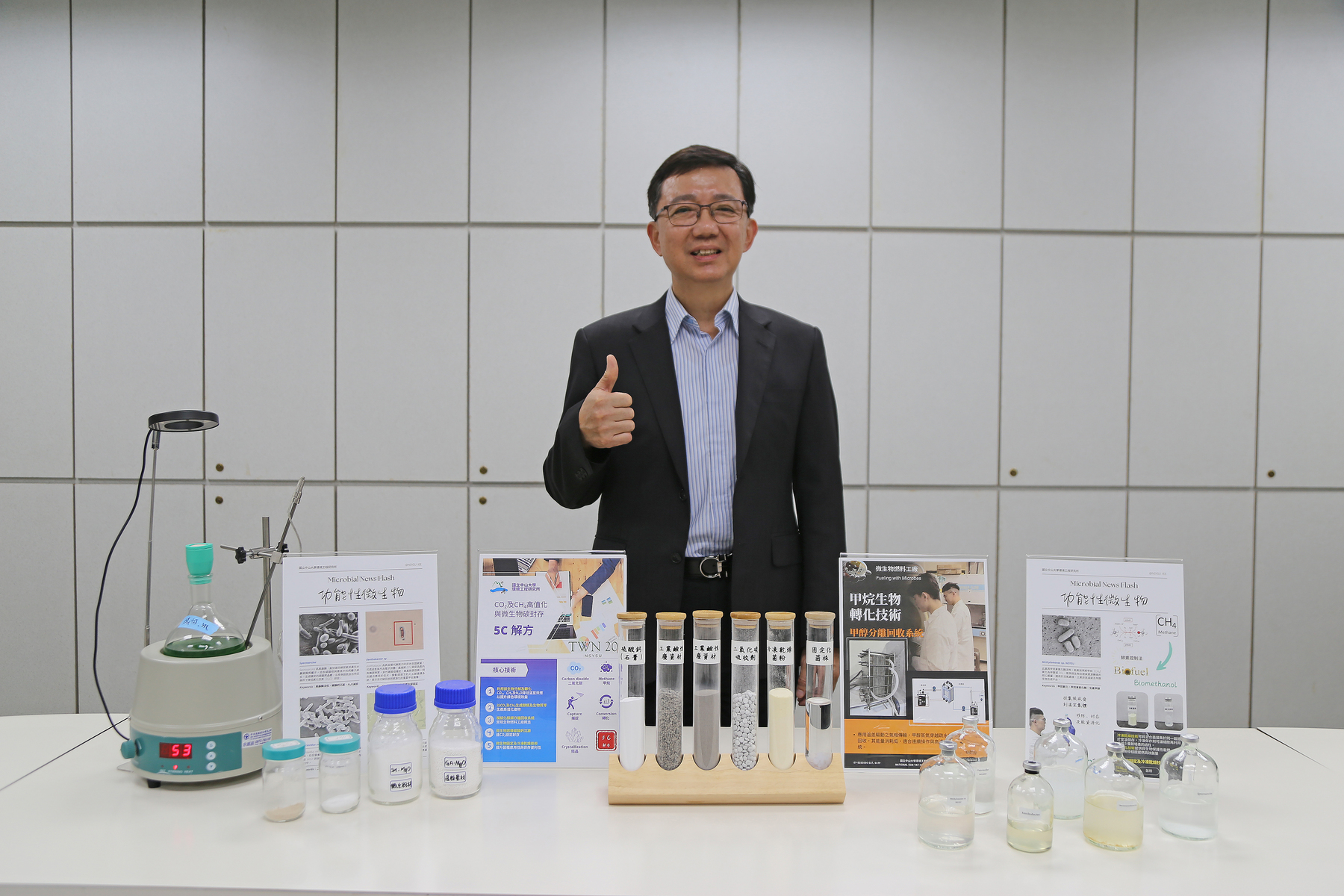
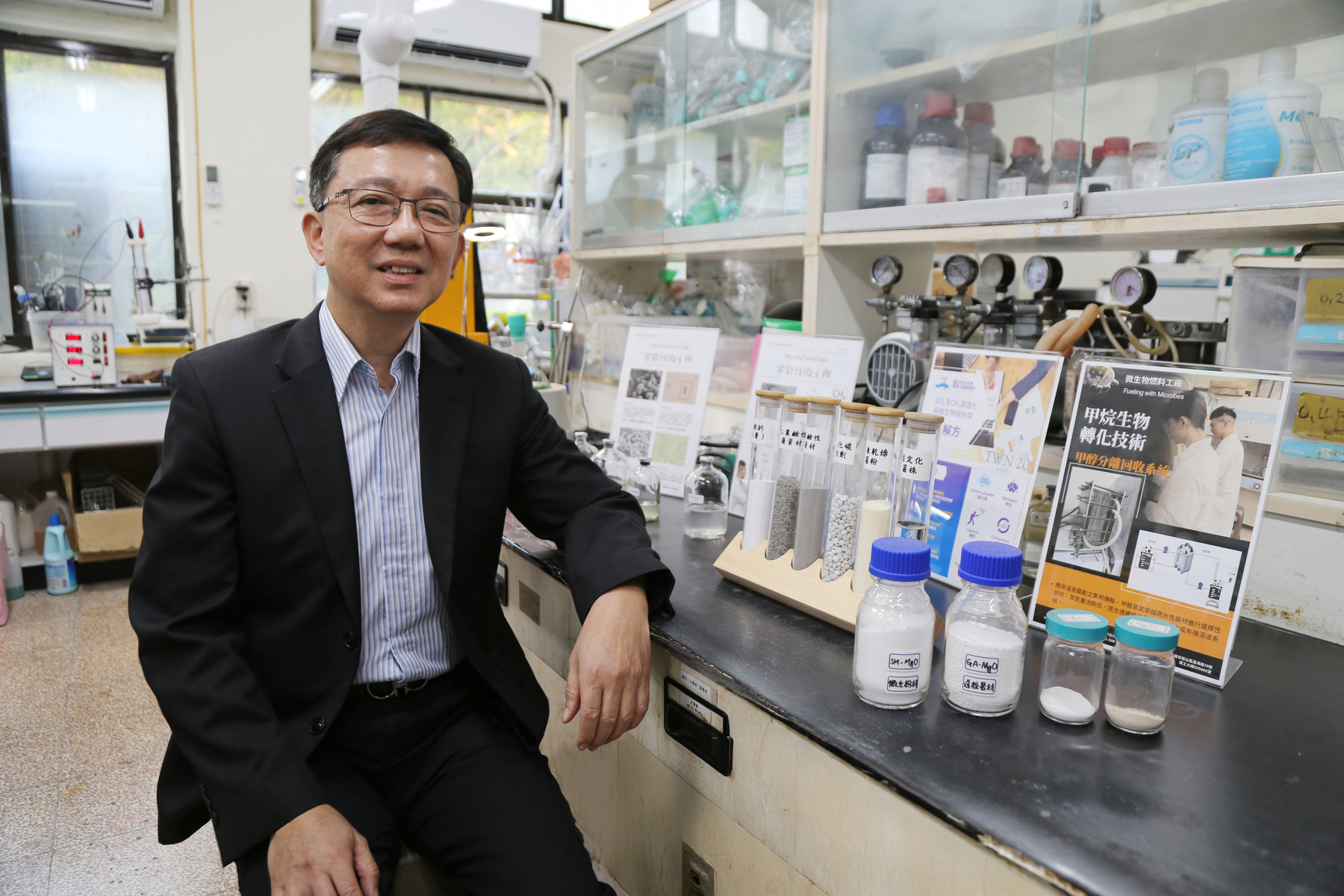
Having long devoted his research to soil and groundwater environmental engineering and applying scientific approaches to address real-world contamination issues, Chair Professor Jimmy C. M. Kao of the Institute of Environmental Engineering at National Sun Yat-sen University (NSYSU) has repeatedly achieved innovative breakthroughs in pollution remediation technologies. He has been awarded the 2025 Academic Research Award – Merit NSTC Research Fellow from the National Science and Technology Council (NSTC). His research not only advances academic development in environmental engineering but has also been applied at multiple contaminated sites, providing more efficient and sustainable solutions for groundwater remediation.
Two NSTC Specialty Research Projects led by Kao focus on high-risk and long-term groundwater contamination issues. According to Kao, one of the studies examines trichloroethylene (TCE), a common industrial pollutant, and explores ways to improve remediation efficiency during the anaerobic reductive dechlorination process. Once chlorinated organic solvents enter soil and groundwater, they often remain highly stable and pose significant health risks. Conventional remediation approaches are costly and time-consuming, and during biological reduction processes, sulfate reducers and methanogens frequently compete with dechlorinators for hydrogen and substrate in groundwater. This competition can significantly reduce remediation efficiency and may even lead to the accumulation of the more toxic byproduct, vinyl chloride.
To address this critical bottleneck, Kao's research team developed reagents for the growth inhibition of sulfate reducers and methanogens. By precisely controlling microbial species and their relative proportions, the team created optimal growth conditions for dechlorinators, thereby reducing the risks posed by pollutants and their toxic byproducts. The research has completed microbial community analysis and optimized remediation system design, and the technology has already been implemented at several contaminated sites in Taiwan and abroad. These include groundwater remediation projects for major enterprises such as Formosa Plastics Group, CPC Corporation Taiwan, China Petrochemical Development Corporation, and Taiwan VCM Corporation, demonstrating the feasibility of translating green remediation technologies from laboratory research to real-world applications.
Another project addresses the long-term remediation of fluoride-contaminated groundwater. Kao explained that fluoride contamination typically occurs at low concentrations but across wide areas, making conventional pump-and-treat methods both costly and difficult to sustain over time. This research focuses on in situ green chemistry and biosorption technologies, including the development of Mg-based (MgO) adsorbent and modified zeolitic imidazolate framework (ZIF-8) adsorbent to enhance sustainability in material applications. The team also isolated fluoride biosorption bacteria from a fluoride-contaminated site and used colloidal materials immobilization techniques to improve their stability and environmental tolerance, enabling the microorganisms to operate for extended periods without significant loss. This remediation approach can be conducted under passive, low-energy conditions without extracting groundwater and allows materials to be regenerated and reused, achieving both long-term remediation and effective risk control.
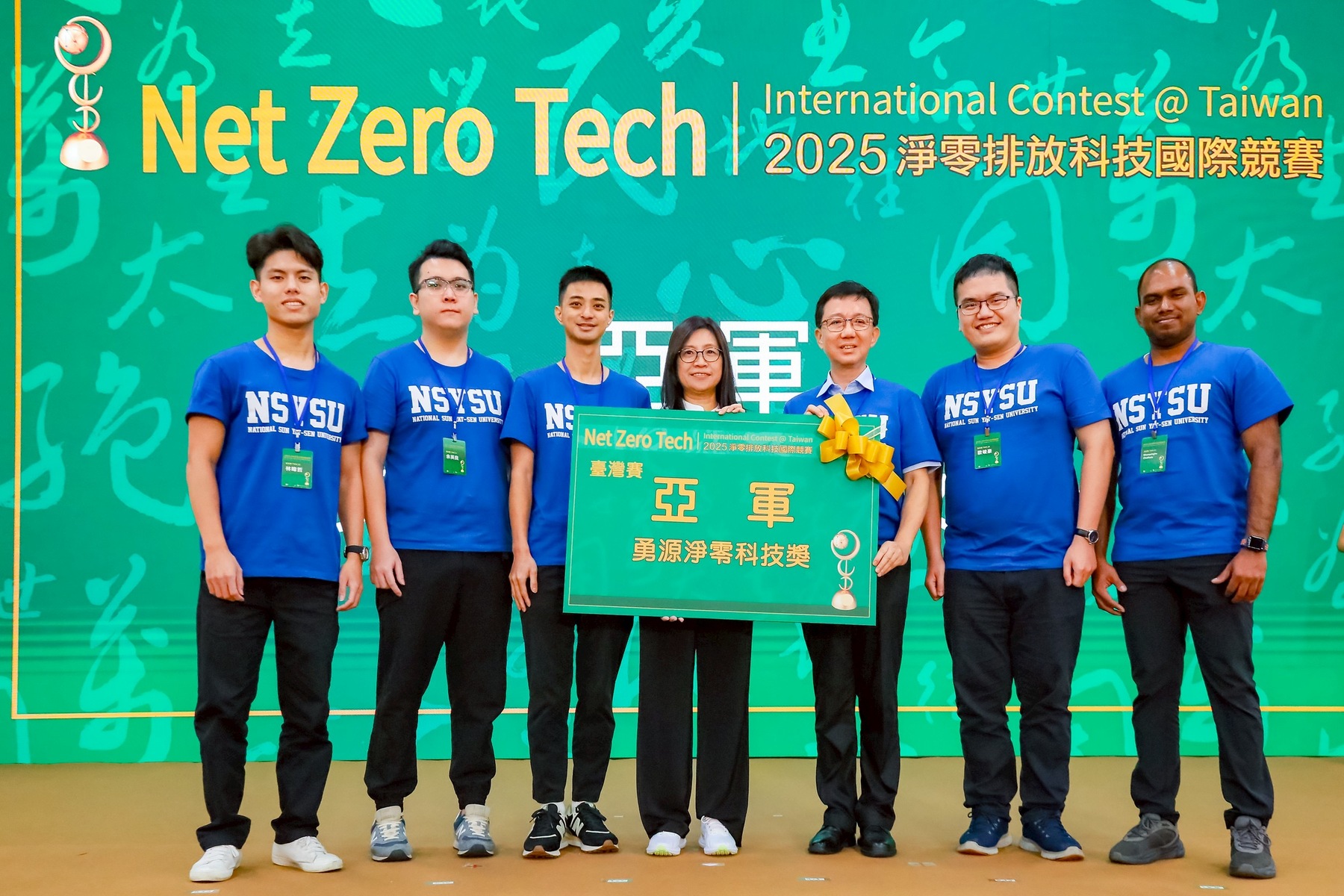
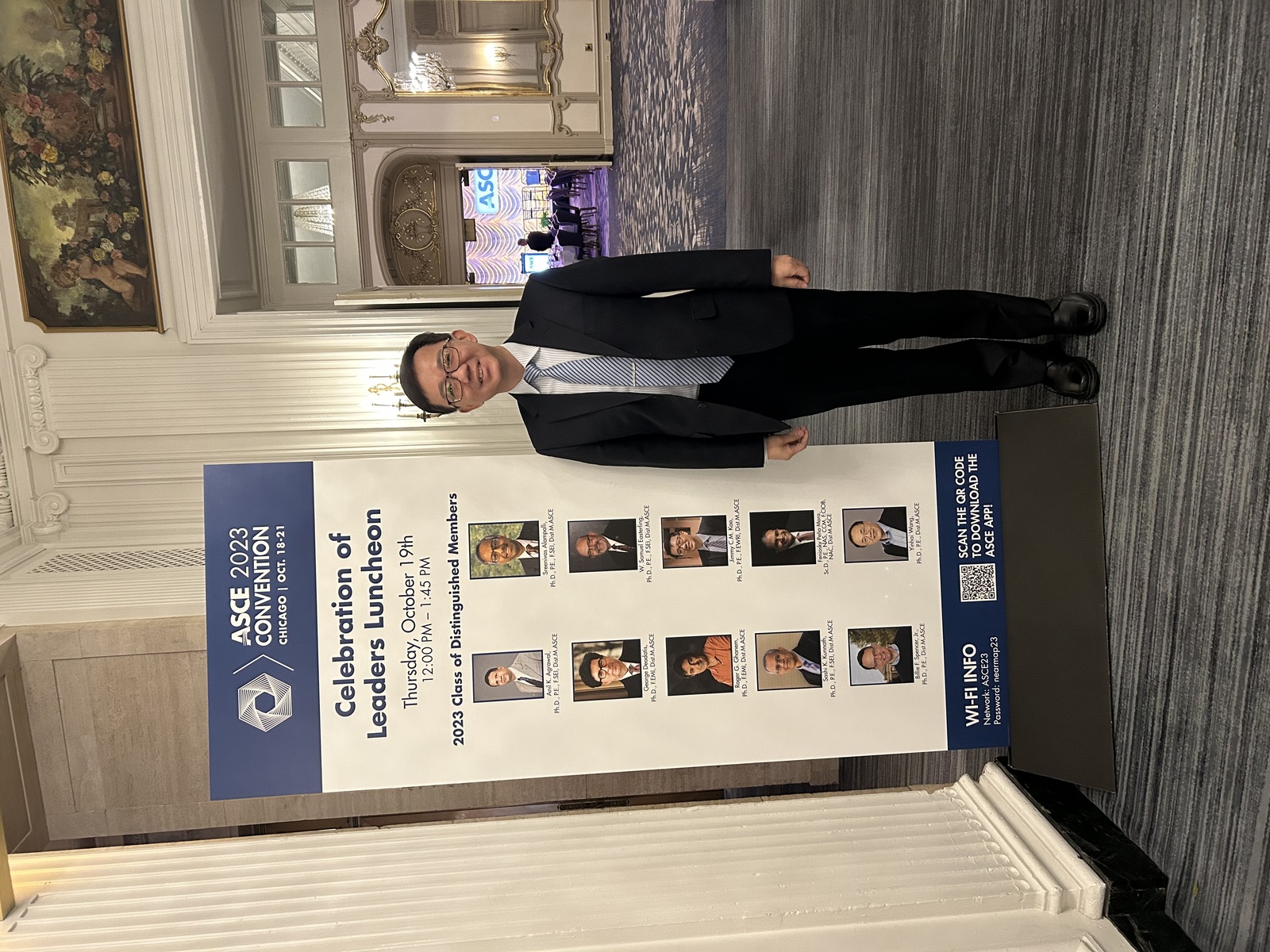
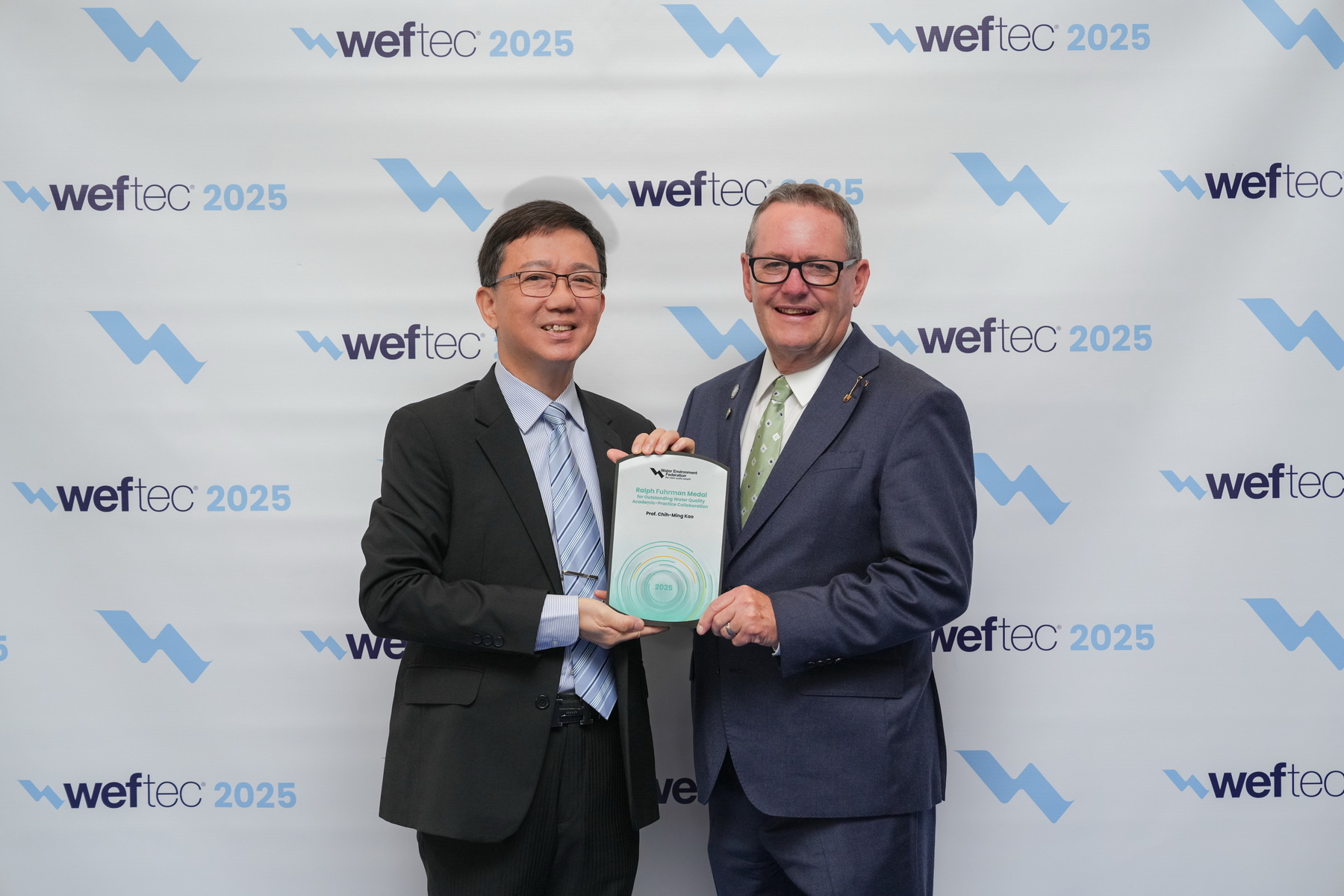
In terms of academic service and international influence, Kao has been elected a fellow of several major international and domestic professional societies, including the European Academy of Sciences and Arts (EASA), the American Association for the Advancement of Science (AAAS), the International Water Association (IWA), the American Society of Civil Engineers (ASCE), the Water Environment Federation (WEF), and the Chinese Institute of Environmental Engineering (CIENV). He has also been recognized as a Distinguished Member of ASCE. In addition, he serves as an editor for several international journals, including the Journal of Environmental Engineering (ASCE), the Journal of Hazardous, Toxic, and Radioactive Waste (ASCE), and Water Environment Research (WEF). His achievements have earned him numerous domestic and international honors, including Taiwan's Academic Award from the Ministry of Education, the Grand Prize - Excellence in Environmental Engineering and Science from the American Academy of Environmental Engineers and Scientists, the WEF Ralph Fuhrman Medal, the ASCE Rudolph Hering Medal, the Y. Z. HSU Science Chair Professorship, the TECO Award, the Ho Chin Tui Award, and multiple international competition and academic awards in recent years.
Kao's research outcomes have long been closely aligned with practical and industrial needs. Over the past five years, he has obtained 18 patents, and several of his technologies have undergone field validation with the support of government agencies and industry partners. These innovations achieve both economic and environmental benefits, effectively addressing pollution challenges while laying a foundation for green technologies and sustainable urban development. NSYSU noted that Kao's research journey demonstrates how environmental engineering can respond to real societal and industrial challenges within a stable academic environment supported by interdisciplinary collaboration, highlighting the vital role universities play in cultivating research talent and advancing sustainable technologies.
The Merit NSTC Research Fellow Award recognizes scholars who have made exceptional contributions to Taiwan's academic advancement and industrial development. The award has extremely high eligibility requirements: applicants must have previously received the NSTC Outstanding Research Award twice, at least two years must have passed since the second award, and they must have accumulated more than six years of leadership in Specialty Research Projects, Outstanding Scholar Research Projects, or other major NSTC-designated research programs.