
NSYSU research advancing pollution reduction, carbon sequestration, chronic pain therapy, and smart monitoring win the National Innovation Awards
2026-04-02
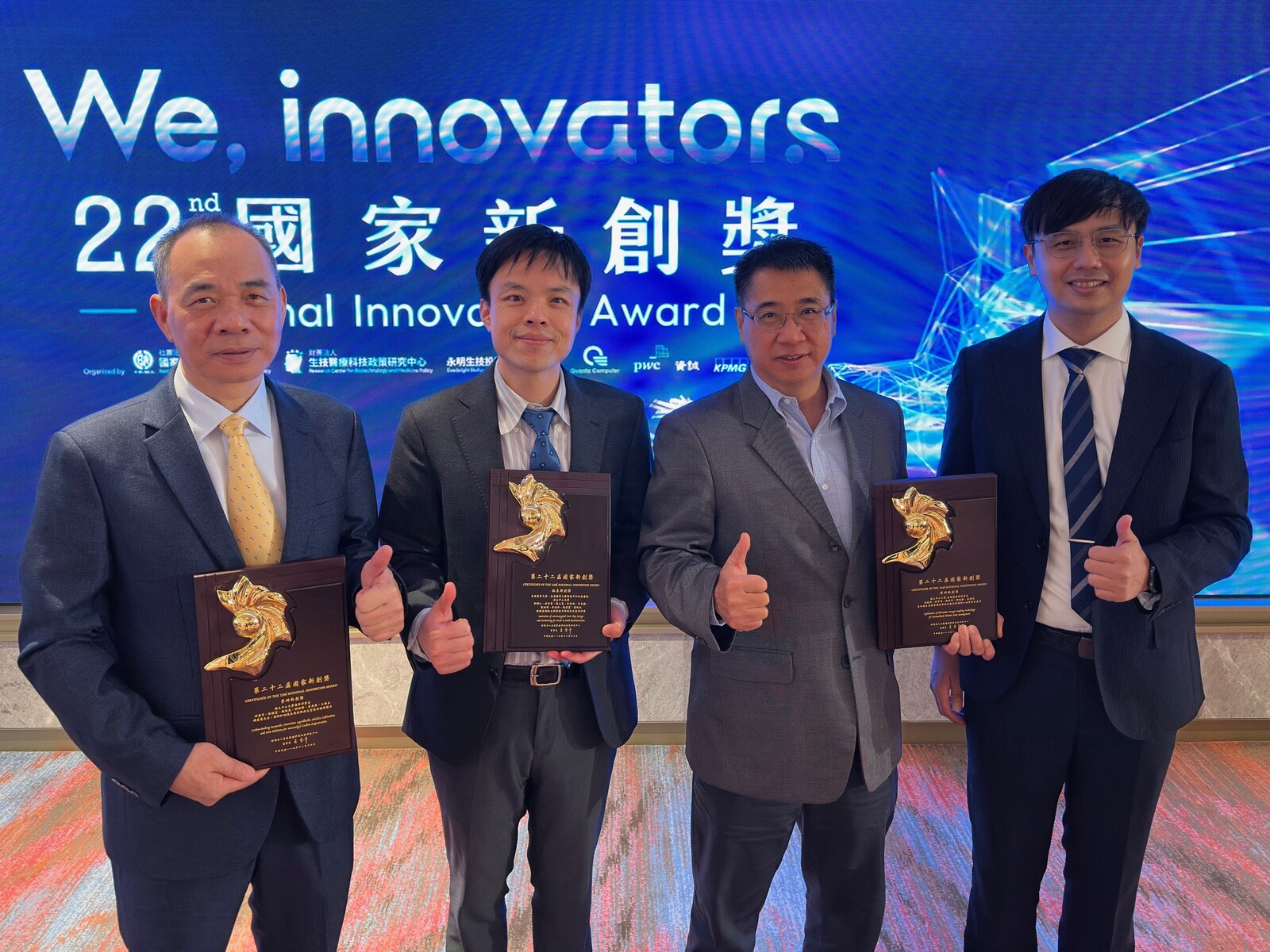
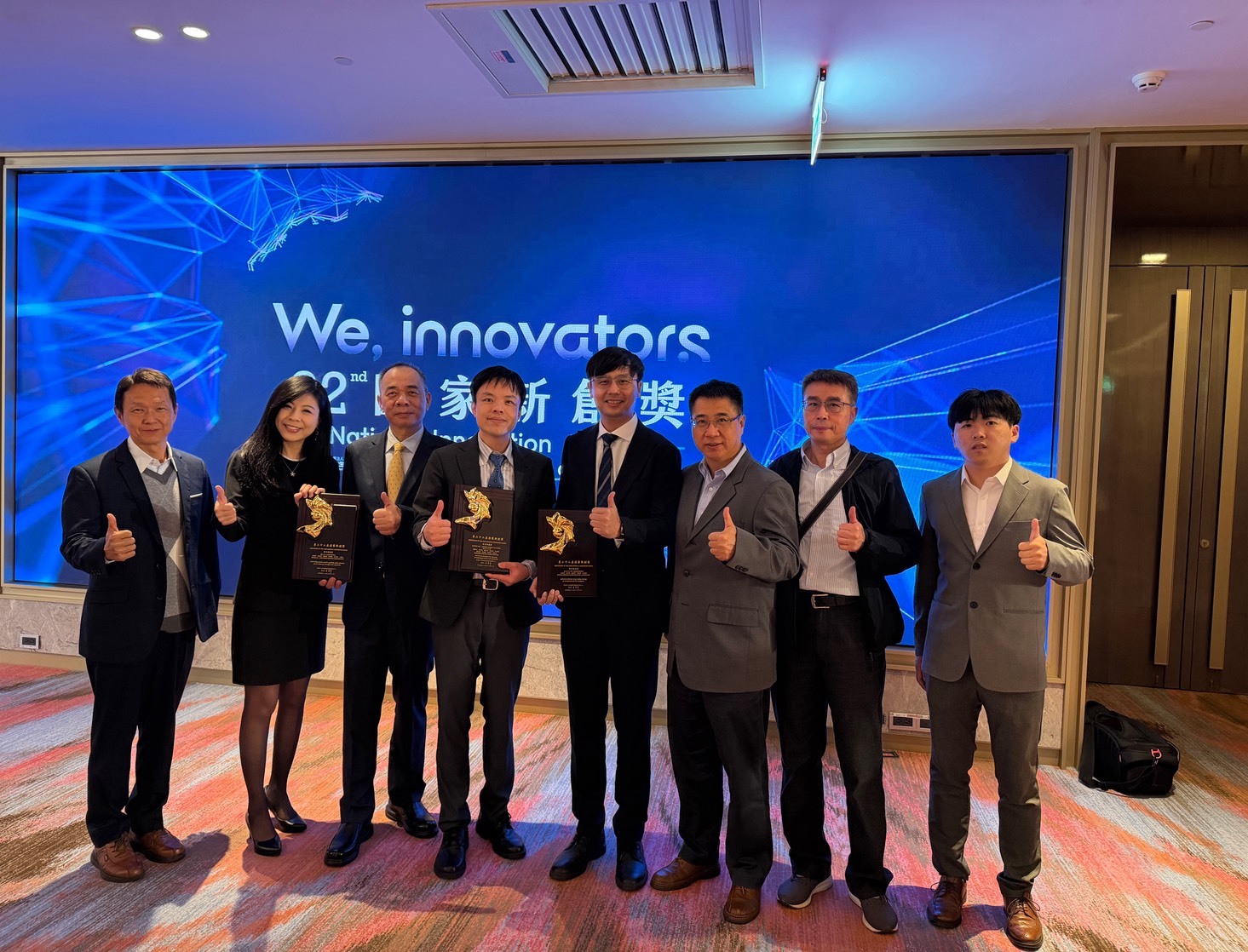
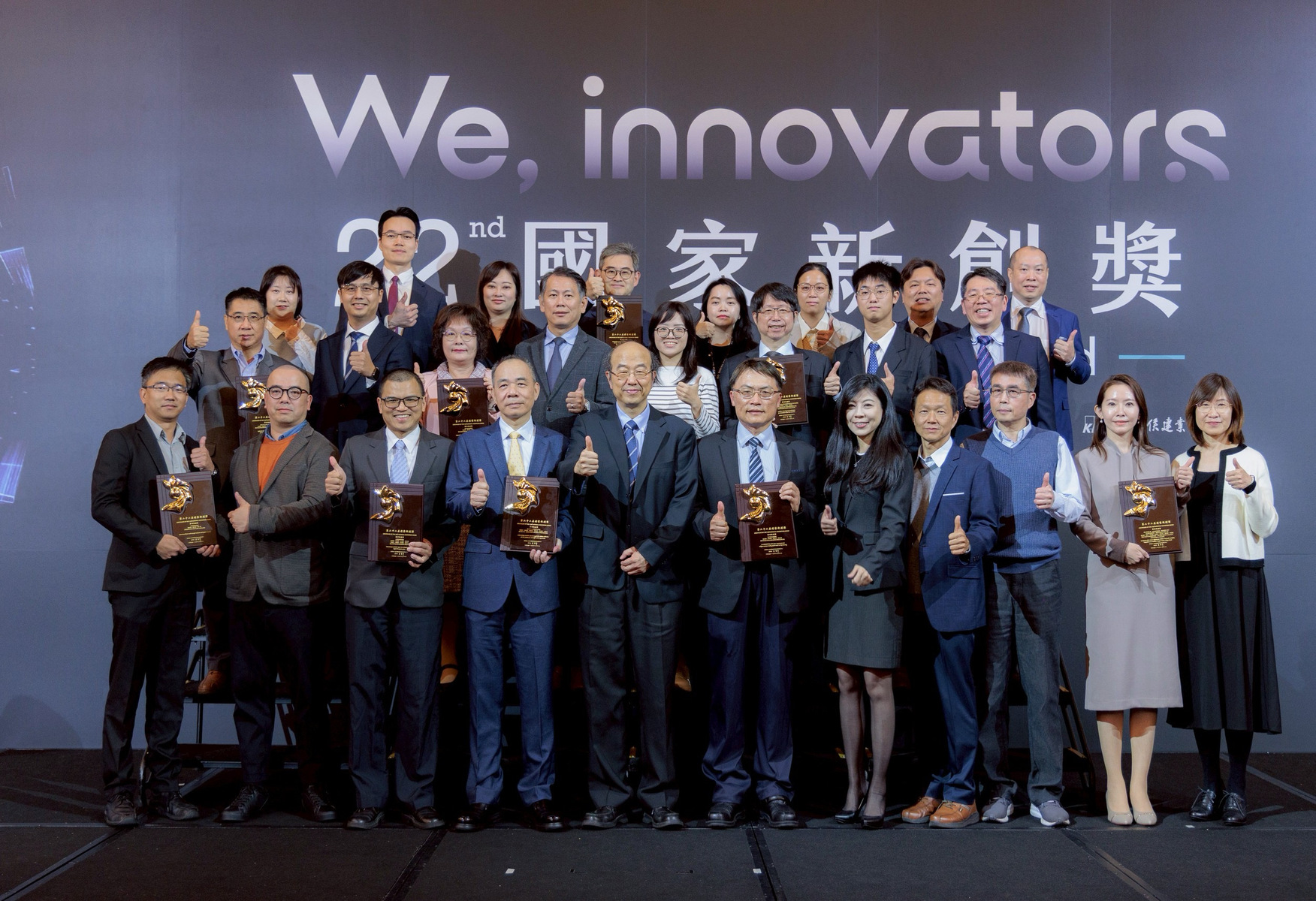
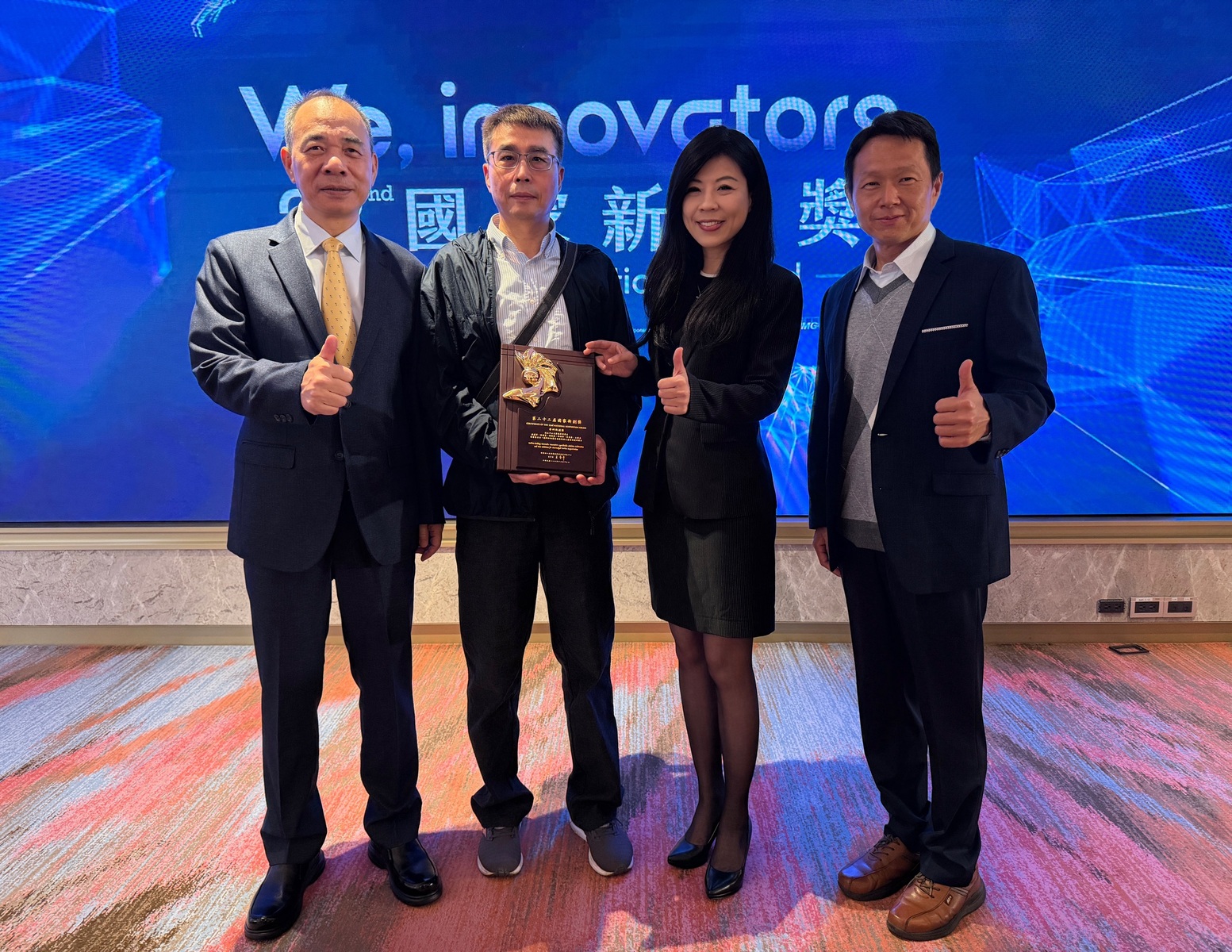
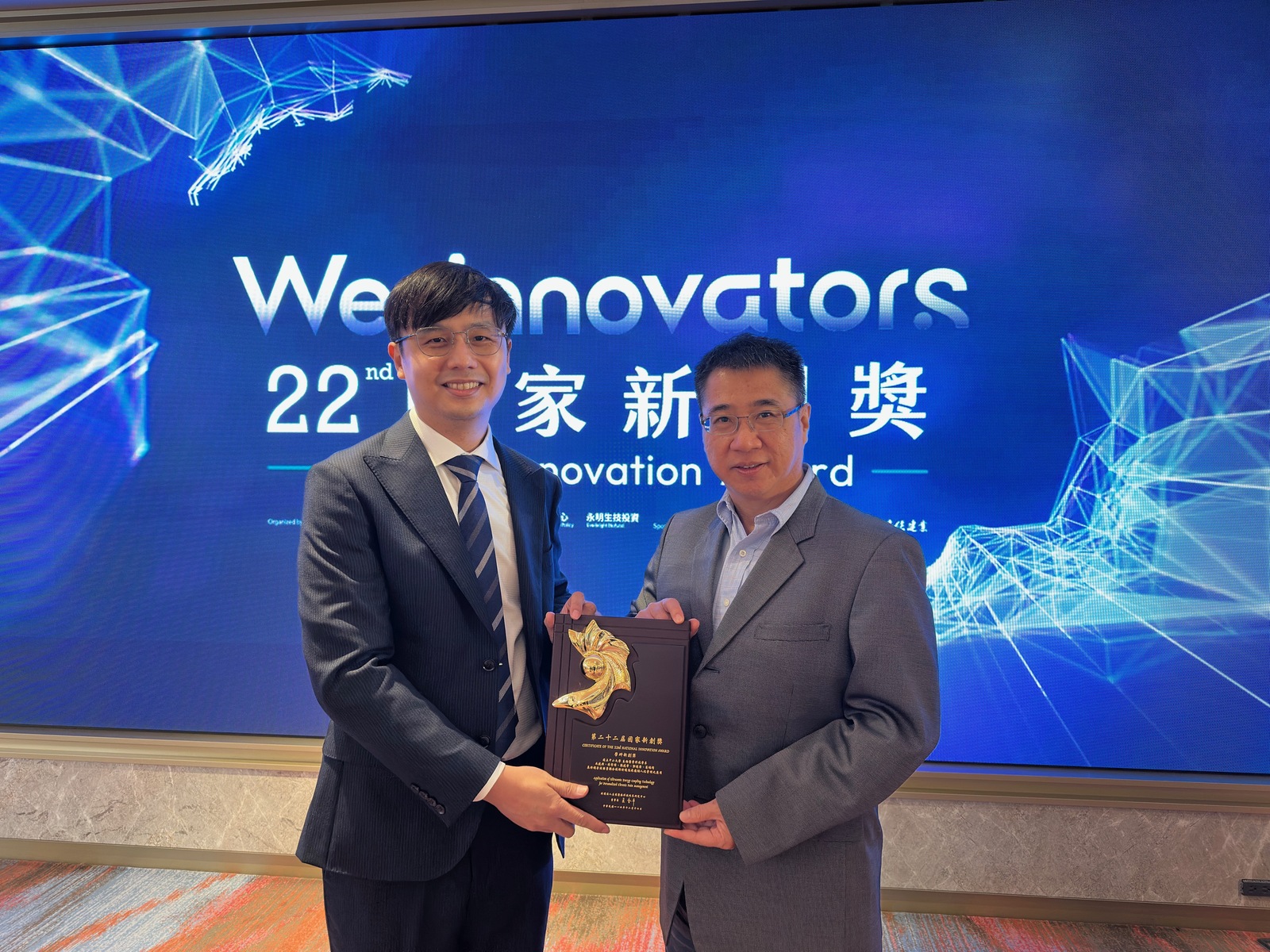
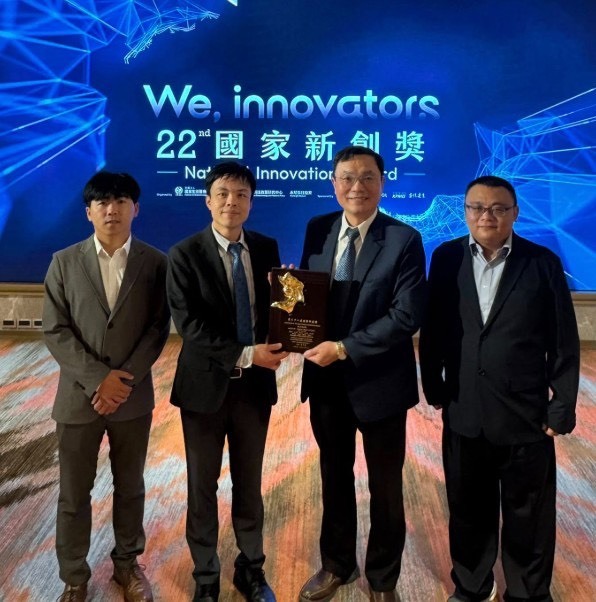
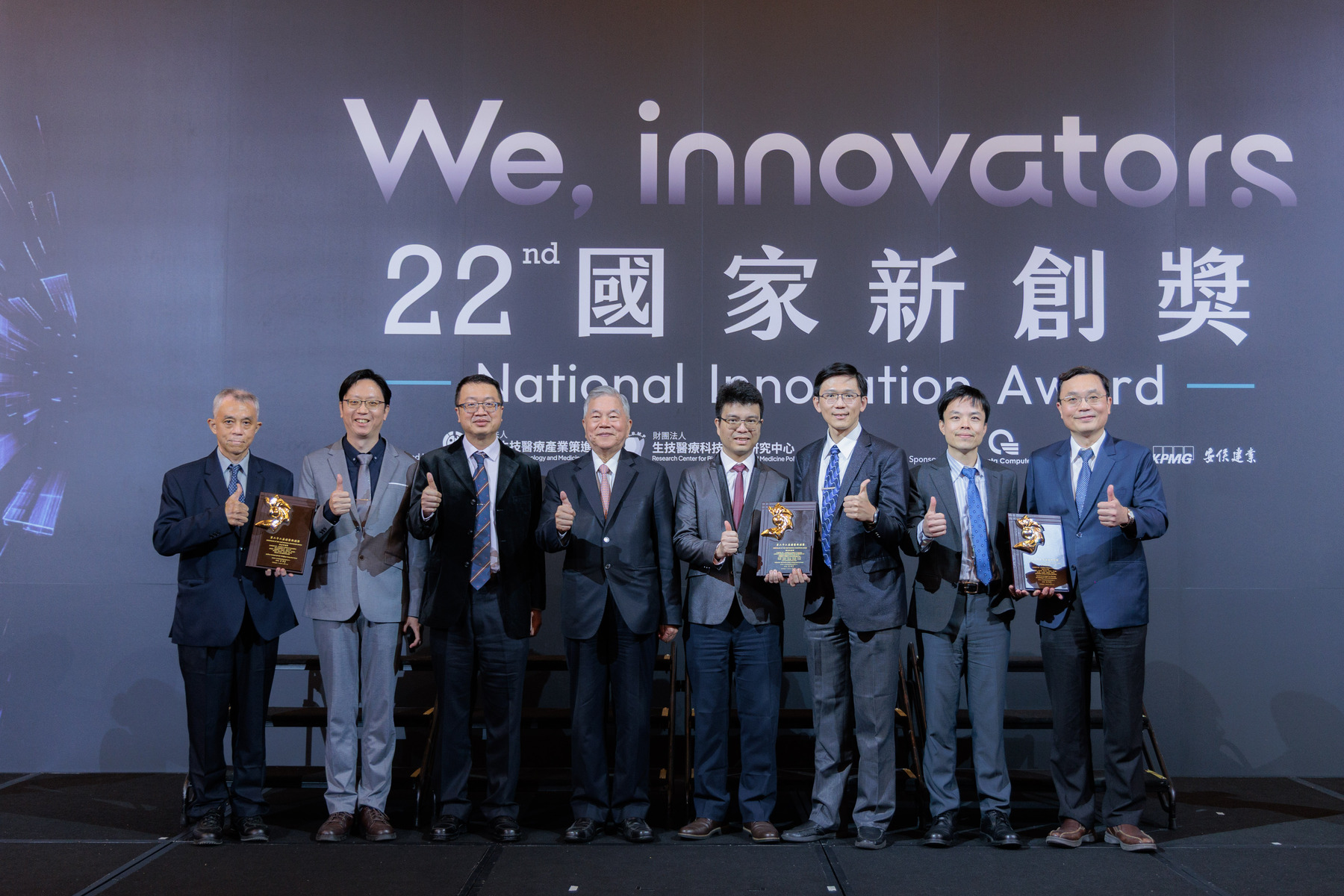
National Sun Yat-sen University (NSYSU) has achieved outstanding results in the 2025 National Innovation Award. Three innovative research projects from NSYSU were honored at the 22nd National Innovation Award: the pollution-reducing and carbon-sequestering seaweed cultivation technology "Carbon-Seeking Seaweeds: Innovative Subulata Cultivation and New Pathways for Macroalgal Carbon Sequestration," developed by Distinguished Professor Chin-Chang Hung of the Department of Oceanography; a wireless implant device titled "Application of Ultrasonic Energy Coupling Technology for Personalized Chronic Pain Management," developed by Assistant Professor Jian-Xing Wu of the Department of Biomedical Science and Technology, and Associate Dean Che-Hsin Lin of the College of Medicine; and a smart ICG fluorescence imaging monitoring system of the "Innovation of Microsurgical Free Flap Design and Monitoring for Head & Neck Reconstruction," developed by Chair Professor Tsung-Hsien Lin of the Department of Photonics.
NSYSU noted that the National Innovation Award is a national-level honor and a key indicator of innovation in Taiwan's biomedical and health sectors. For more than two decades, the award has encouraged academic institutions to advance from research and development to entrepreneurship and commercialization, while driving industry transformation through innovative technologies. This time, four NSYSU professors led teams that received the award, demonstrating that their inventions not only represent strong academic achievements but also possess clear innovative advantages and commercialization potential. The recognition also affirms NSYSU's efforts to bridge academic research with industry applications.
Professor Chin-Chang Hung of the Department of Oceanography explained that many large-scale carbon removal technologies are costly and energy-intensive; therefore, developing ocean-based blue carbon solutions should be a key strategy for Taiwan. His research team pioneered the cultivation of Agardhiella subulata, a red seaweed, using in a mixture of seawater and diluted livestock wastewater. This system efficiently removes nitrogen and phosphorus, addressing nutrient pollution while simultaneously reducing carbon emissions. This approach provides dual benefits: environmental remediation and carbon sequestration, and achieves a carbon capture rate of approximately 50 tons CO2 per hectare per year. The team has also deployed a large floating seaweed platform off Penghu to cultivate the red seaweeds "Sarcodia suae". Annual carbon fixation was measured at 30–40 tons CO2 per hectare, more than three times that of Taipei's Daan Forest Park. The seaweed exhibits rapid growth, with daily rates of 3–5% and yields reaching several hundred kilograms per month, significantly reducing the cost of carbon capture. These findings demonstrate that seaweed-based blue carbon resources, offer not only strong carbon sequestration potential but also clear advantages in economic feasibility and scalability, highlighting their promise for large-scale application.
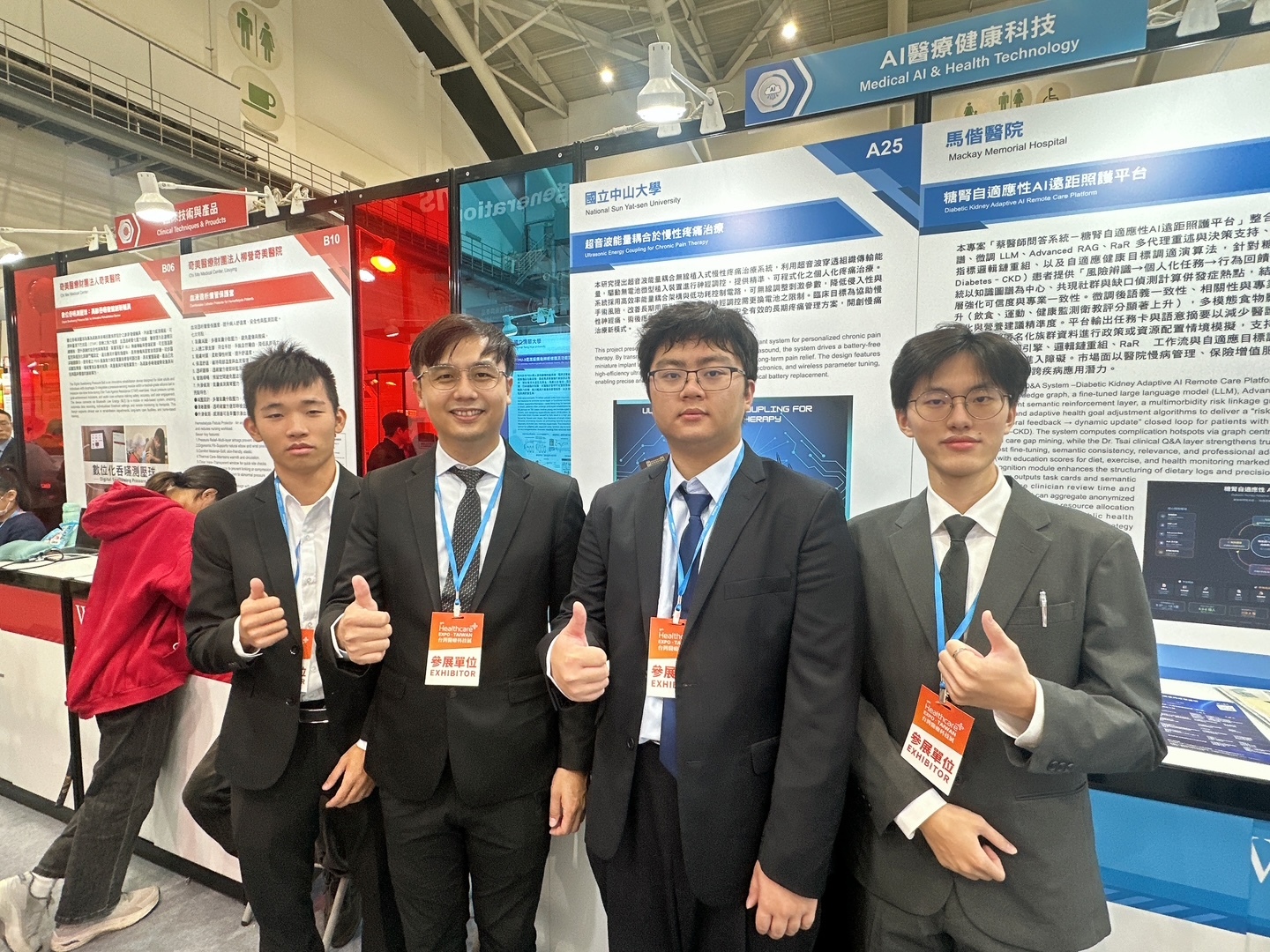
Assistant Professor Jian-Xing Wu from the Department of Biomedical Science and Technology, and Associate Dean Che-Hsin Lin from the College of Medicine developed a wireless implant system for chronic pain therapy based on ultrasonic energy coupling technology. The system transmits energy through tissues using focused ultrasound to drive a battery-free miniature implant device for neuromodulation, providing precise and programmable personalized chronic pain therapy. The design features a high-efficiency energy coupling structure, low-power control electronics, and wireless stimulation parameter tuning, reducing invasiveness and surgical risks while addressing the side effects of long-term medication and the need for battery replacement in conventional neuromodulation devices. The clinical goal is to provide safer and more effective long-term pain management for patients suffering from chronic neuropathic pain, postoperative pain, and degenerative pain, establishing a new paradigm in chronic pain therapy.
Professor Tsung-Hsien Lin from the Department of Photonics collaborated with the team of attending physician Yur-Ren Kuo of the Division of Plastic Surgery at Kaohsiung Medical University Chung-Ho Memorial Hospital to develop a "smart ICG fluorescence imaging monitoring system." Head and neck oral cancer is among the top ten cancers in Taiwan, and requires early monitoring of flap blood circulation to improve intraoperative and postoperative surgical success rates. However, current devices are often high in cost and bulky. The team therefore developed a next-generation handheld smart ICG fluorescence imaging monitoring device that is compact, cost-effective, and capable of high-resolution imaging. Designed for flap circulation monitoring, the system integrates an ICG system with highly customized liquid-crystal filters to enhance detection sensitivity and improve surgical success rates. The device can overlay invisible fluorescence signals with visible images observed by surgeons, enabling simultaneous observation of visible light and fluorescence signals. This allows real-time identification of blood perfusion conditions, improving diagnostic accuracy and surgical efficiency. The technology also holds potential for broader applications in complex reconstructive surgeries and demonstrates strong prospects for clinical translation and industrial development.