
Becoming "pharmaceutical chefs": NSYSU develops a one-pot synthesis strategy for faster drug discovery
2026-05-14
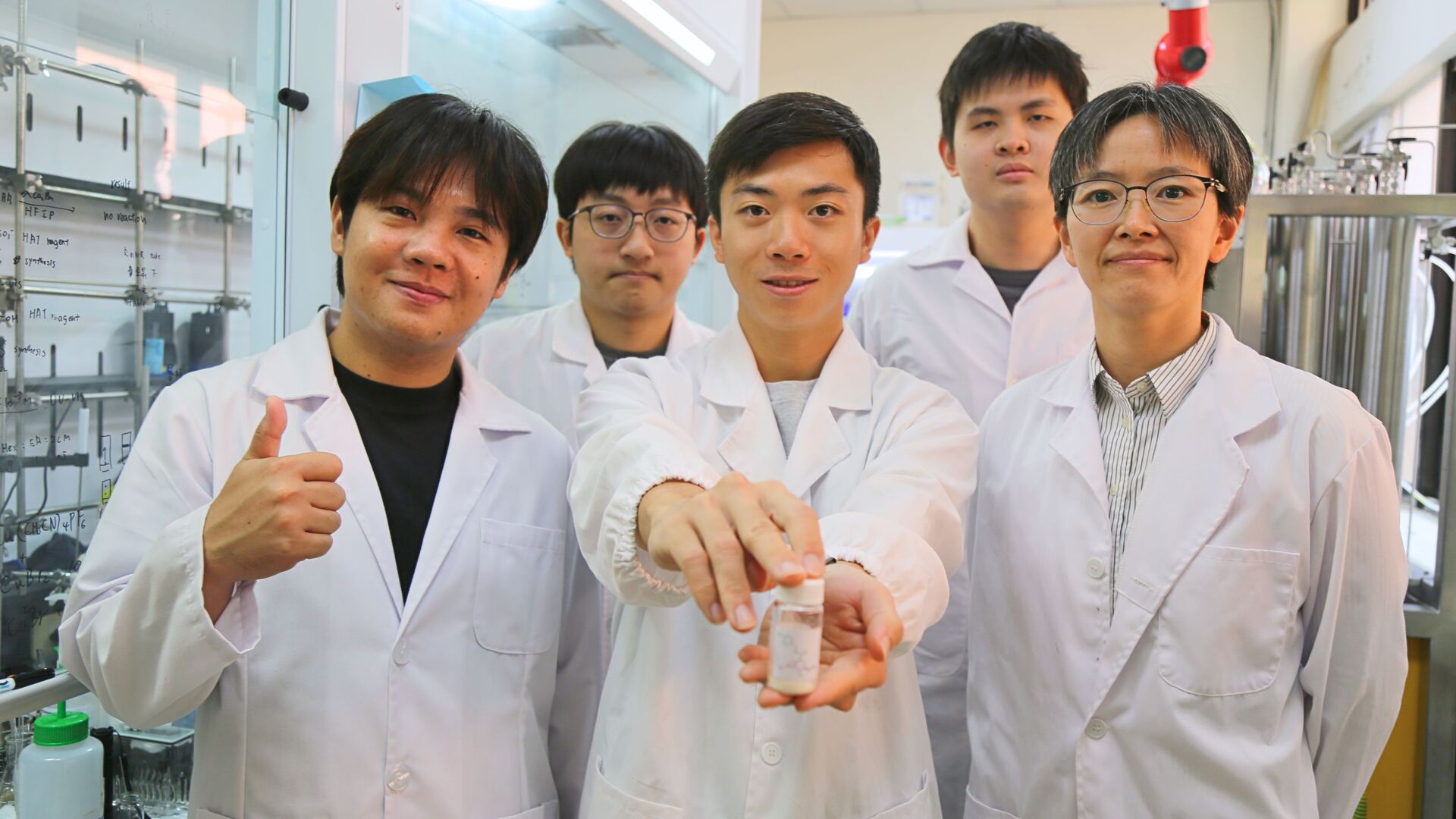
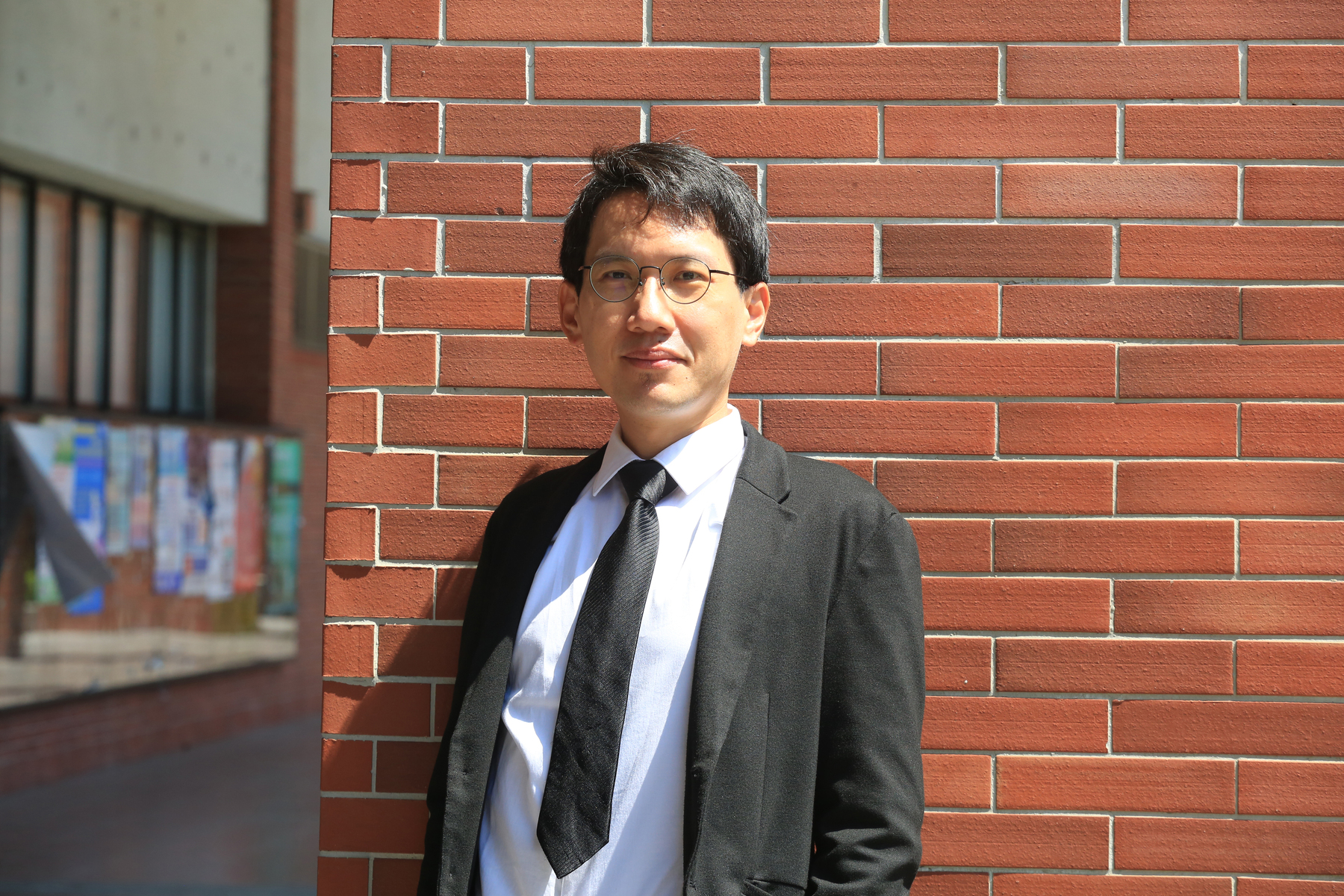
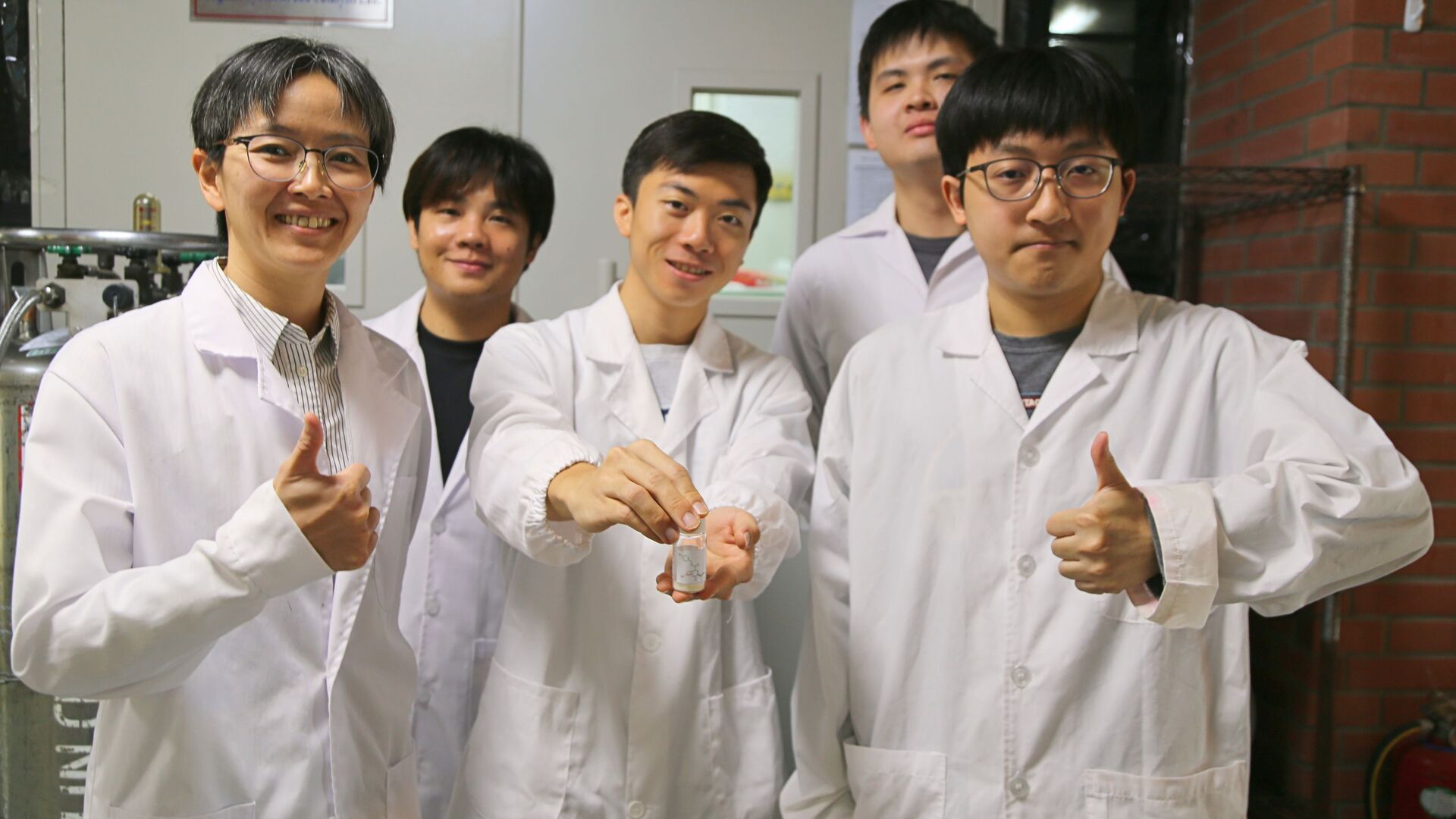
The overuse of antibiotics has led to the rise of drug-resistant bacteria, posing a serious challenge to modern medicine. To tackle this issue, a research team led by Associate Professors Hsuan-Hung Liao and Yu-Ya Lin from the Department of Chemistry at National Sun Yat-sen University (NSYSU) has taken on the role of "pharmaceutical chefs." By developing a "one-pot cooking" strategy, they have significantly improved the efficiency of new drug synthesis and opened the door to entirely new types of molecules. Their research findings have been published in the prestigious journal Angewandte Chemie.
Over time, bacteria have gradually "learned" to resist drugs, making many existing drugs less effective. This growing problem, known as antimicrobial resistance, pushes scientists to rethink how medicines are designed.
Traditionally, many drug molecules are flat, like pieces of paper. However, the human body is three-dimensional, and its proteins function like complex locks. To fit these locks properly, drugs need to act like precisely shaped keys. This is why scientists are now focusing on building more complex, three-dimensional molecules—such as spirocyclic compounds and azetidines. These structures can bind more accurately to biological targets, improving effectiveness while reducing unwanted side effects.
According to Yu-Ya Lin, traditional drug synthesis methods are similar to building with LEGO blocks—chemists usually connect just two pieces at a time, step by step. While effective, this method is slow and limits the variety of molecules that can be created.
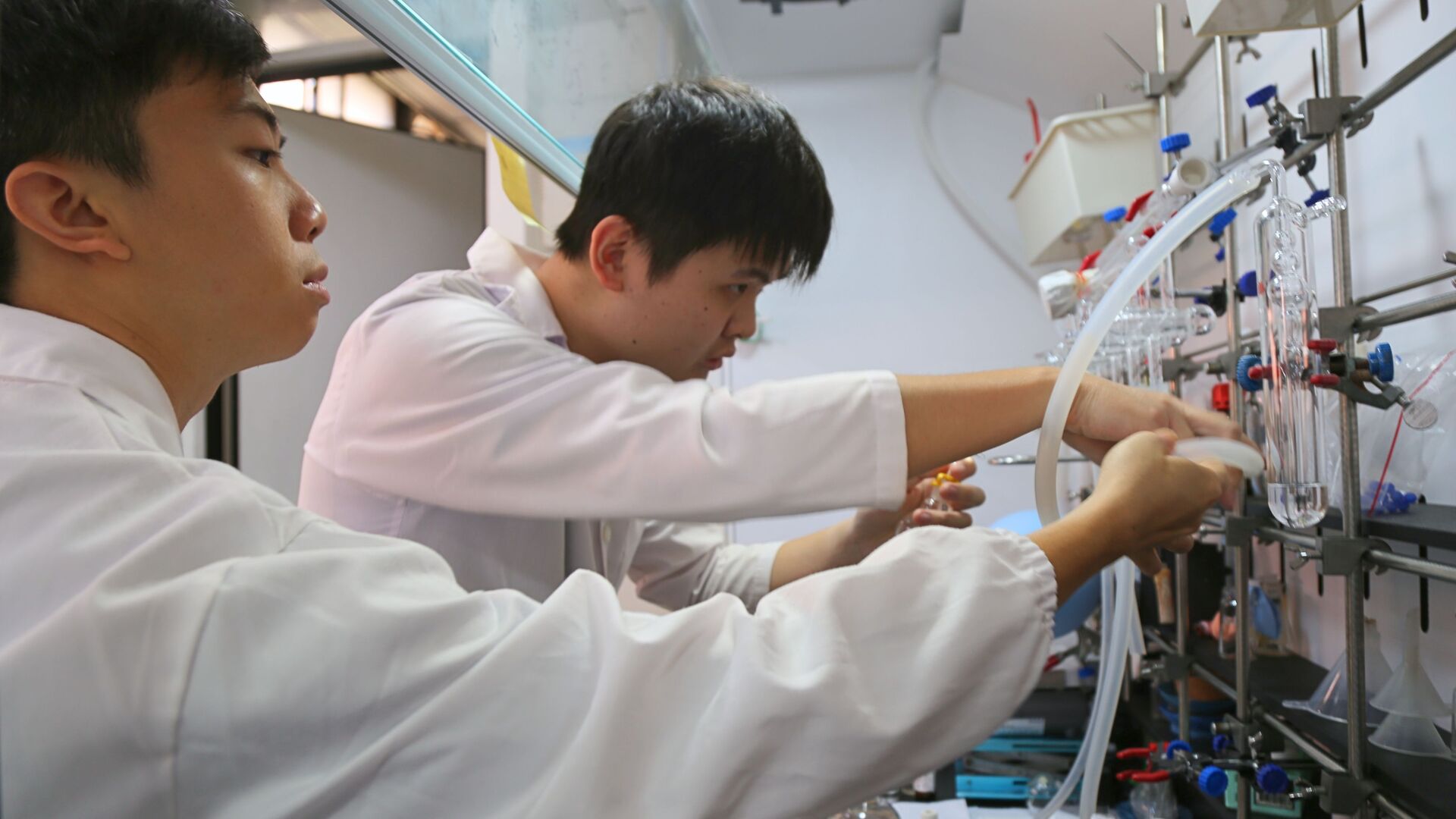
To overcome this limitation, the NSYSU team adopted a strategy known as multicomponent reactions, conceptually similar to "one-pot cooking." Instead of assembling molecules piece by piece, all ingredients are combined in a single reaction. By simply substituting a single "ingredient" (reactant), scientists can generate entirely different molecular structures within a short time, allowing them to identify potential drug candidates with remarkable efficiency.
Hsuan-Hung Liao noted that this research opens a faster pathway for drug development and delivers three key breakthroughs. First, a faster "engine" for molecule creation: the team designed a highly reactive starting molecule—like a compressed spring—that releases energy to drive the reaction. This allowed them to rapidly produce more than 60 different molecules, greatly boosting efficiency. Second, enabled molecules to "stand up." Many conventional drug molecules are planar, but the team successfully transformed them into more three-dimensional and structurally complex forms. These new structures can interact more precisely with biological targets, potentially improving drug performance. Third, exploring entirely new molecular designs: the team developed rare, previously unknown molecular frameworks, opening entirely new possibilities for drug design. This is like discovering new regions on a map—these structures could become the foundation for future drug development.
Notably, the team also applied this method to well-known drugs and biomolecules, including pain relievers, anti-inflammatory drugs, lipid-lowering agents, steroids, and amino acids. Their results demonstrate that this strategy can not only create brand-new molecules but also "upgrade" existing drugs into more three-dimensional forms.
Overall, by combining the ideas of "one-pot cooking" and "LEGO-style assembly," the team successfully generated a large number of structurally novel three-dimensional stereo molecules within a short time. This approach is expected to accelerate the overall drug development process, shorten the timeline for new drug discovery, and ultimately improve human health and well-being.
The corresponding authors of this study are Associate Professors Hsuan-Hung Liao and Yu-Ya Lin from the Department of Chemistry at NSYSU. The first author is Yi-Hua Lee, a student in the Department of Chemistry and the International Ph.D. Program for Science. Co-authors include master's student Che-Ming Hsu, PhD researcher Shinje Miñoza, master's students Ya-Fang Shih, Yu-Chun Ding, Tzu-Yao Hsu, Song-Ting Chen, Wen-Hsuan Lee, and PhD student Kuei-Chen Chang.
Journal link: https://onlinelibrary.wiley.com/doi/full/10.1002/anie.202522817