
Veteran Journalist Divya Gopalan speaks at NSYSU on global media narratives and geopolitics
2026-04-27
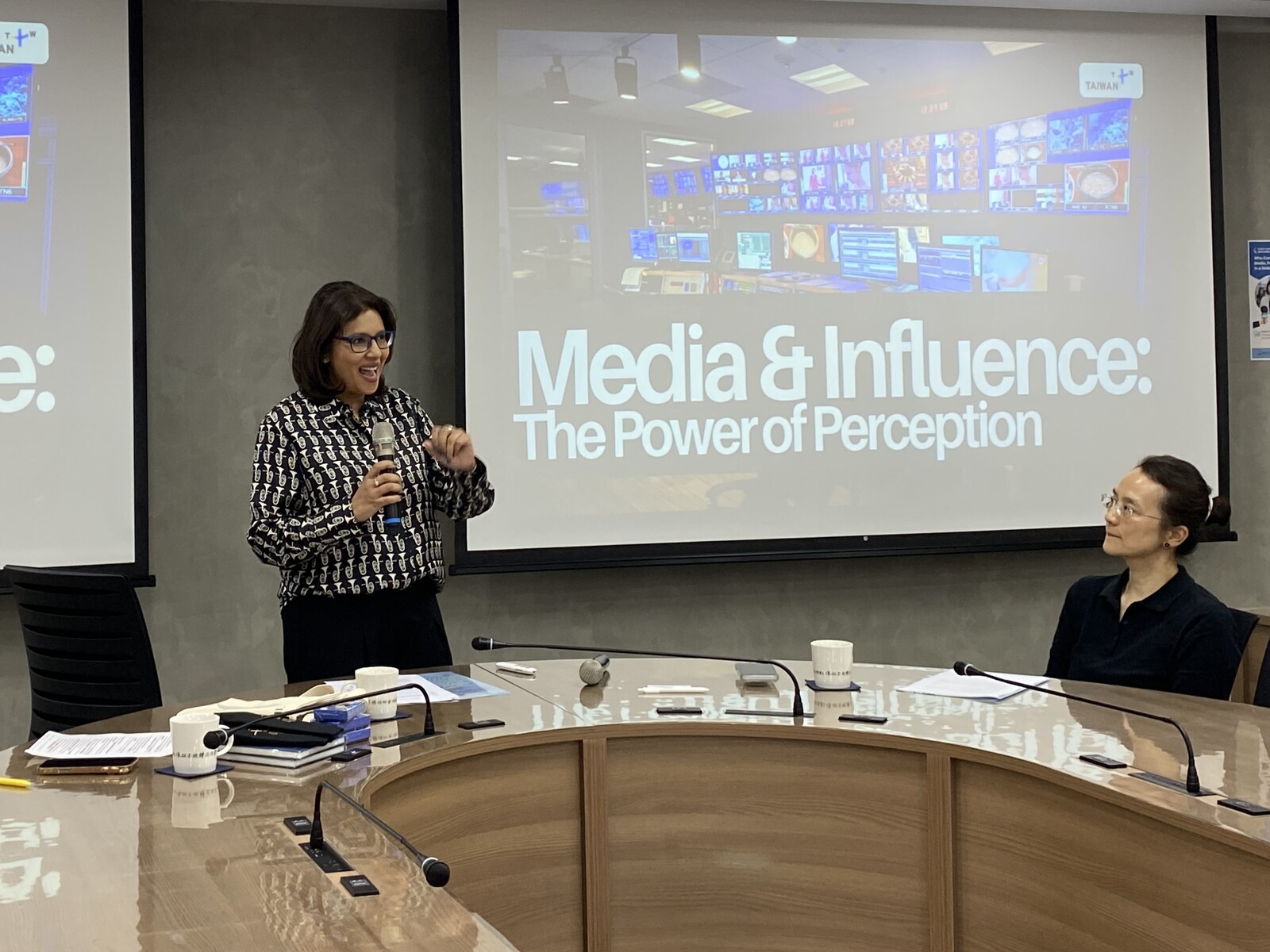
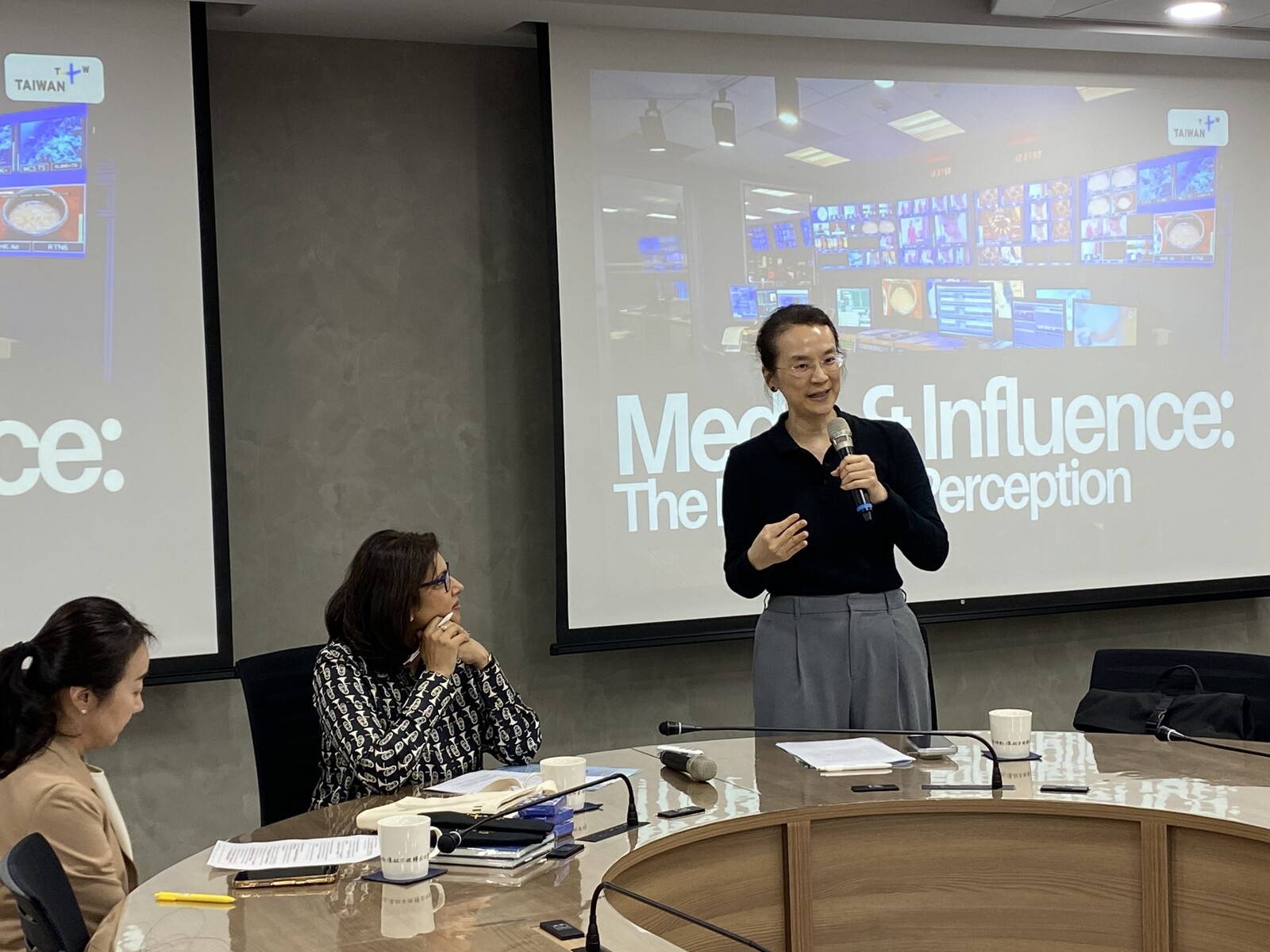
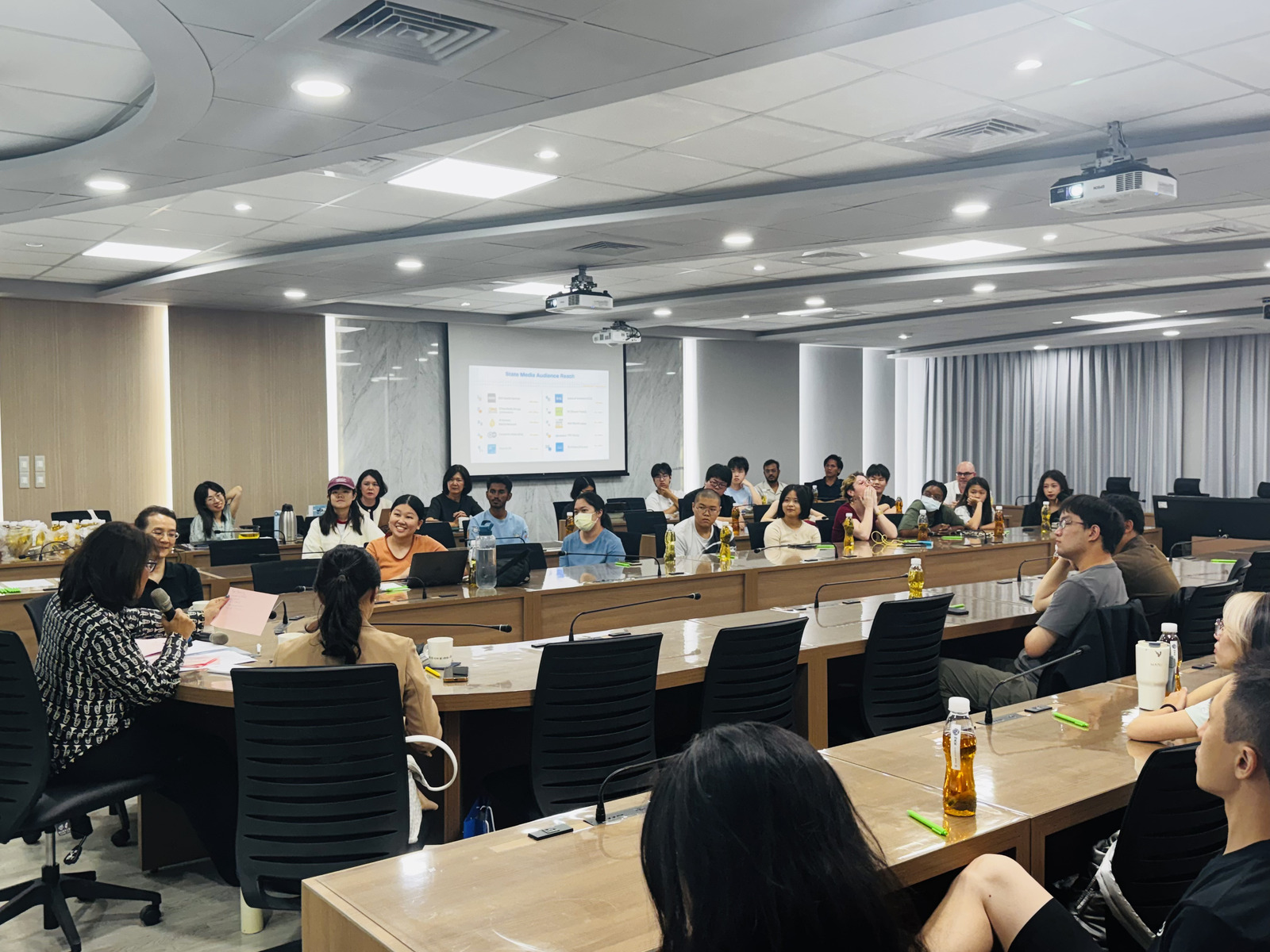
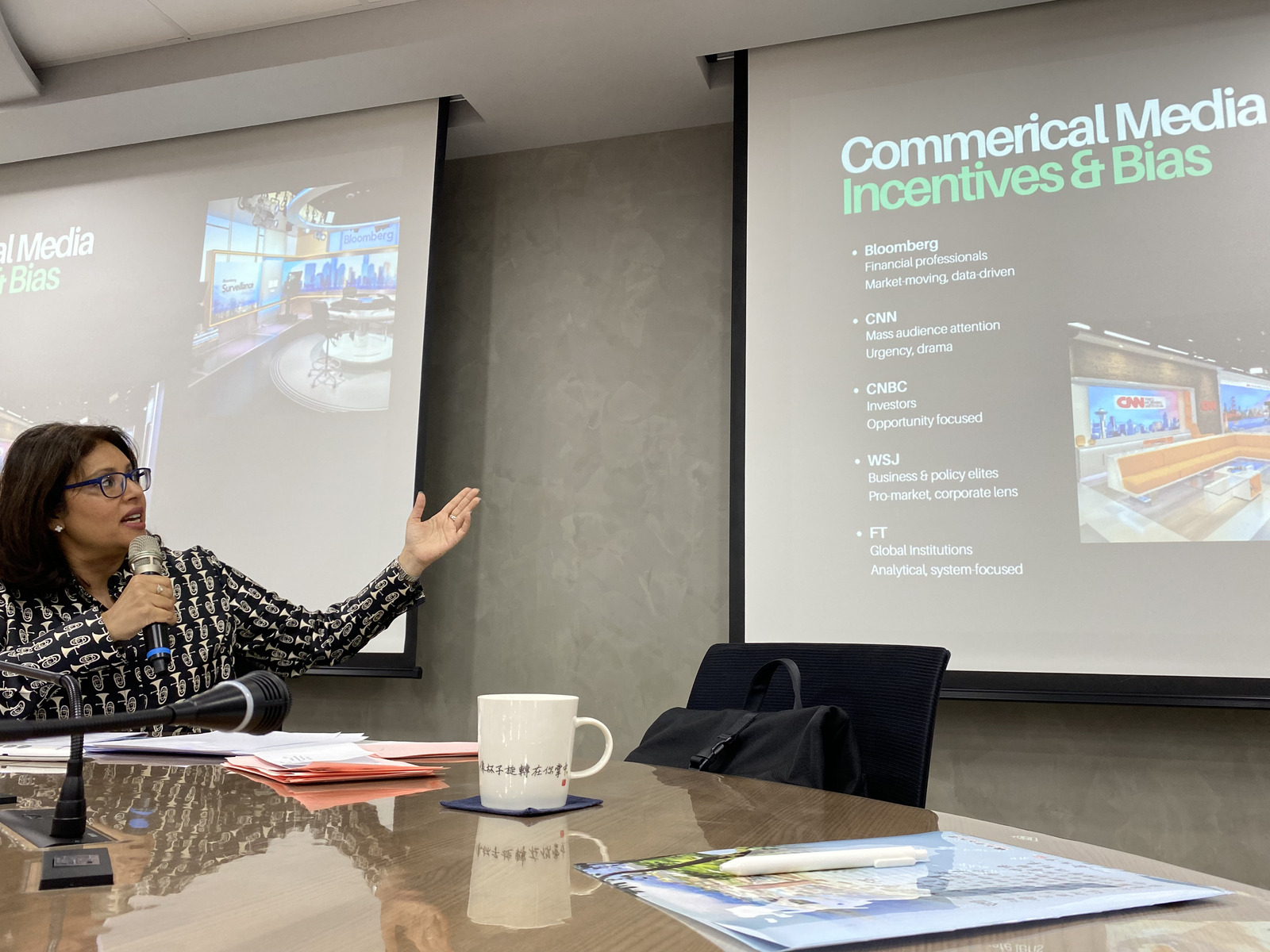
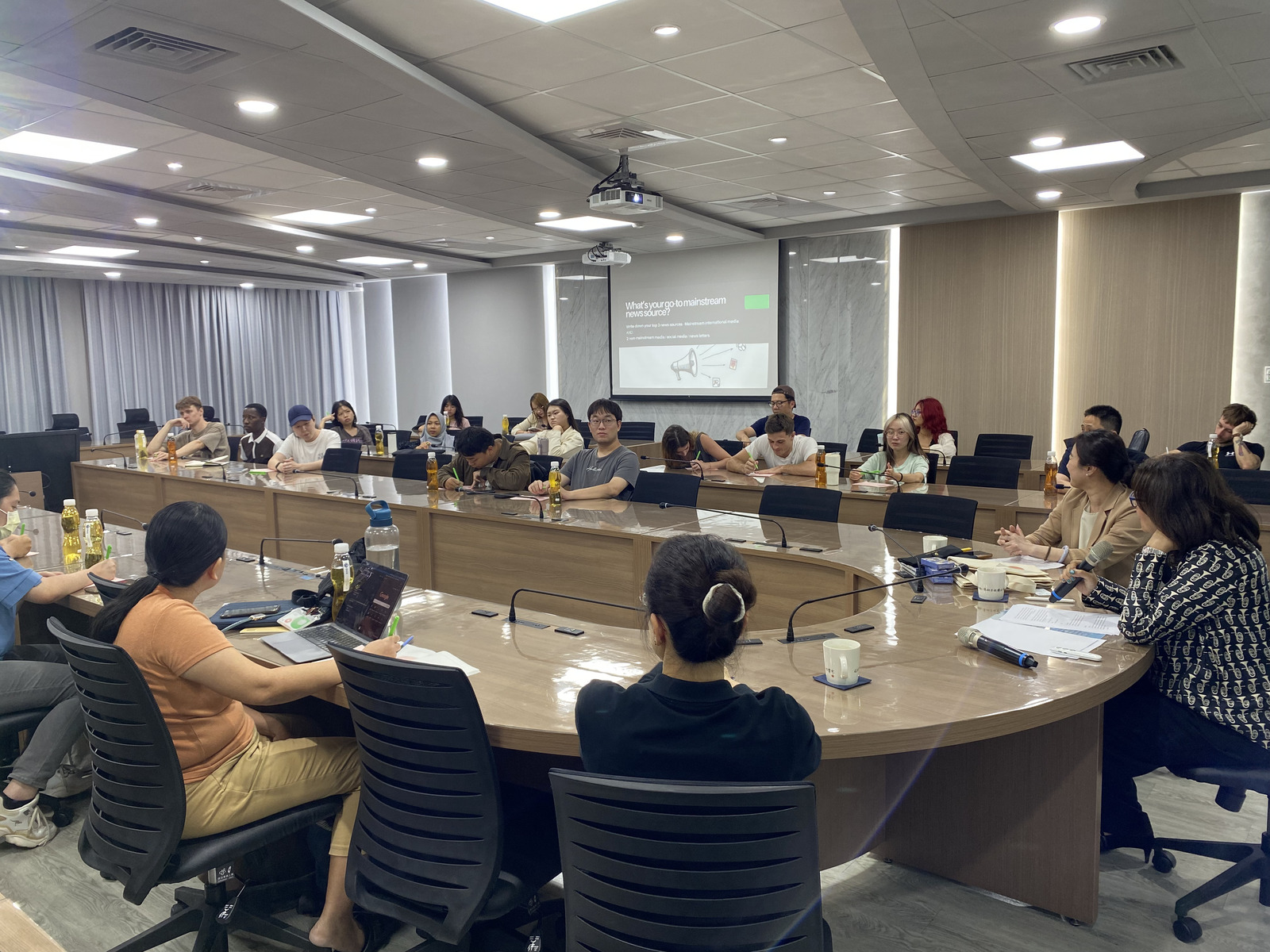
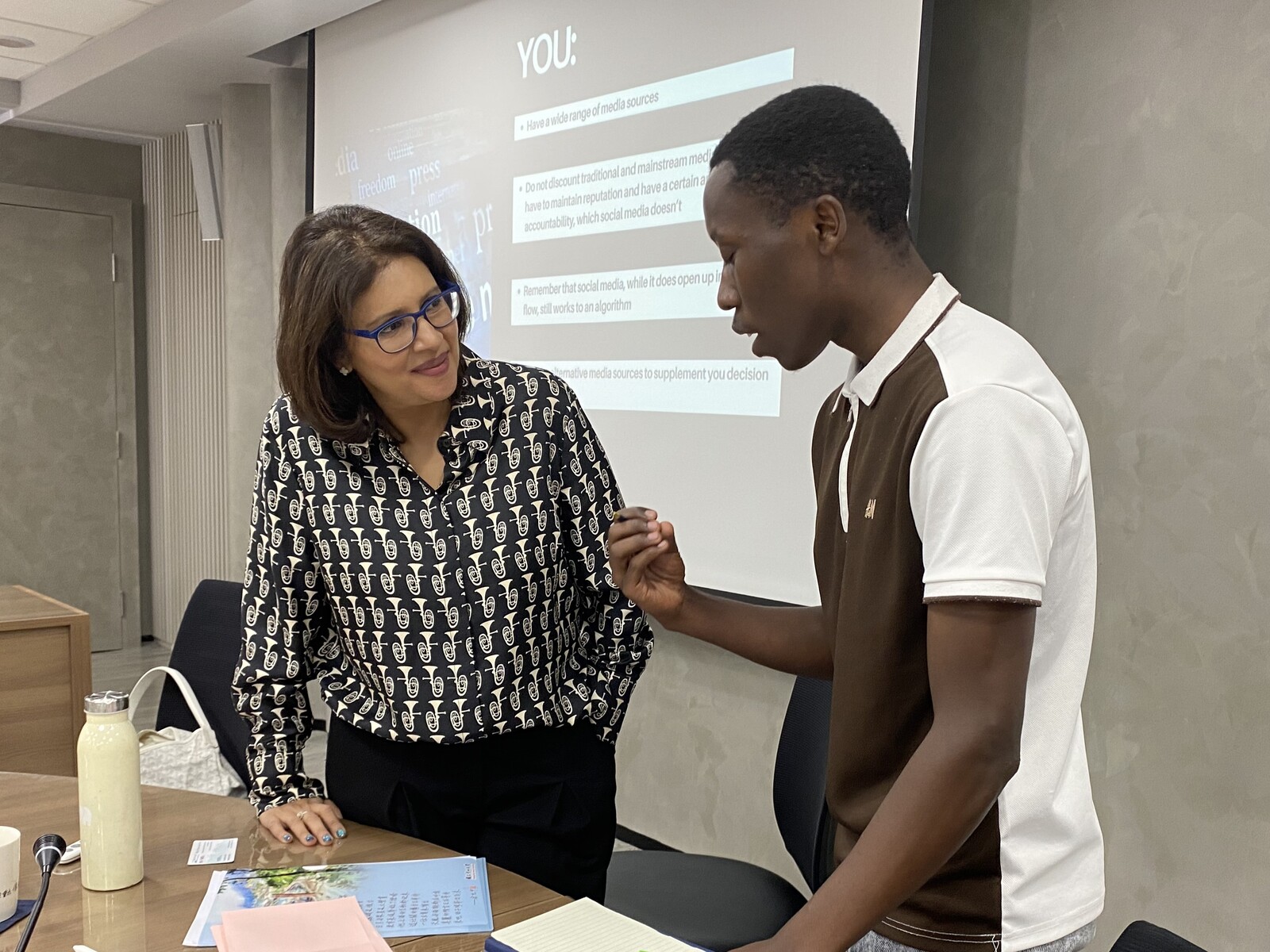
Divya Gopalan delivered a talk at National Sun Yat-sen University on April 23, offering an in-depth analysis of how media narratives shape global perception and geopolitical dynamics. The event, jointly organized by the Office of International Affairs and the School of Banking and Finance, was titled "Who Controls the Story? Media, Power, and Influence in a Global World."
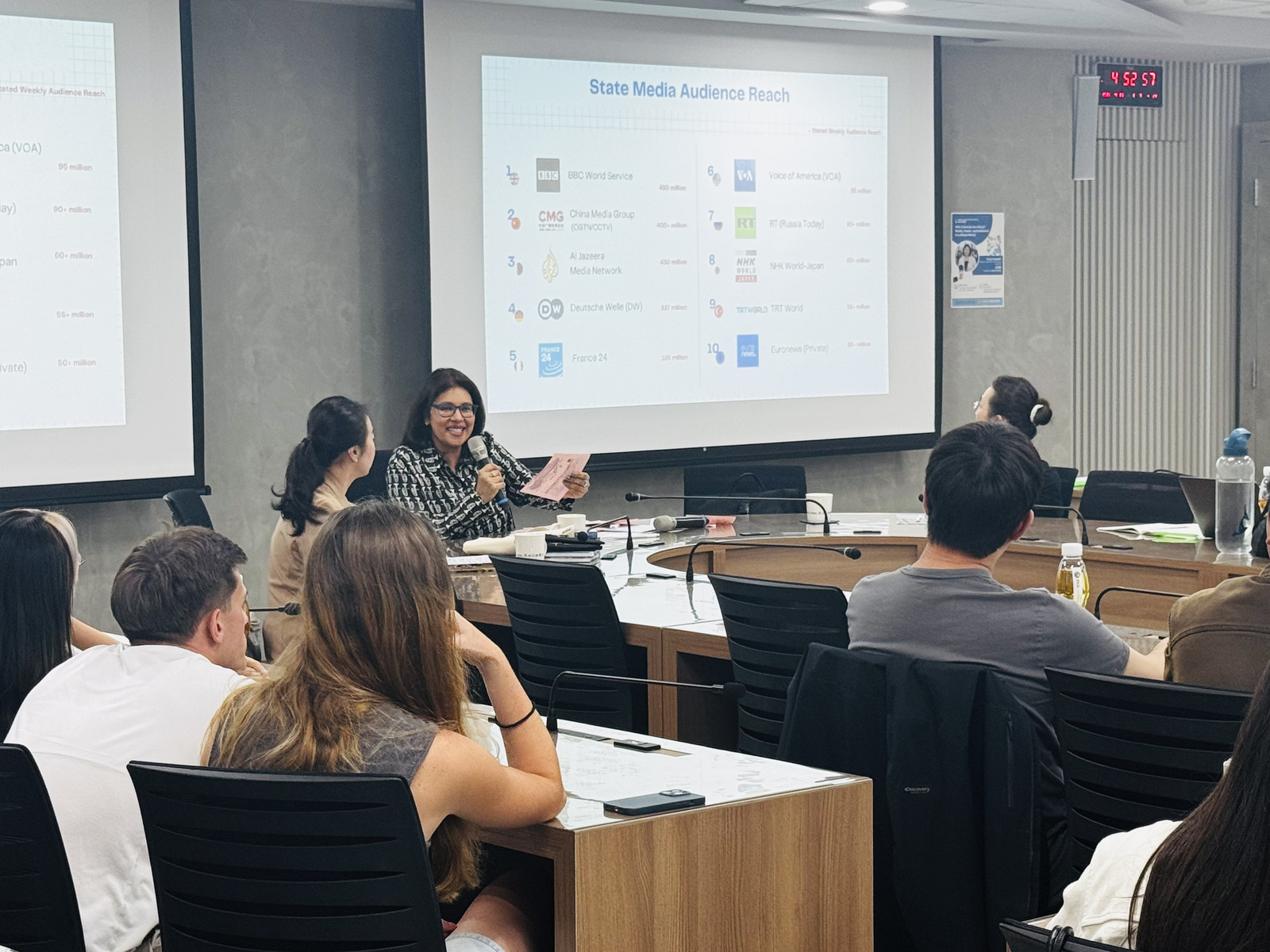
With over two decades of international journalism experience, Gopalan emphasized that media outlets are not merely conduits of information but influential actors in diplomacy, public opinion, and global strategy. Drawing comparisons among major international broadcasters such as CNN, Al Jazeera, CGTN, and BBC, she illustrated how nations deploy media as an extension of soft power to construct narratives aligned with their strategic interests. The same event, she noted, can be framed in dramatically different ways depending on political positioning and national priorities—differences that may ultimately influence public understanding and policy direction.
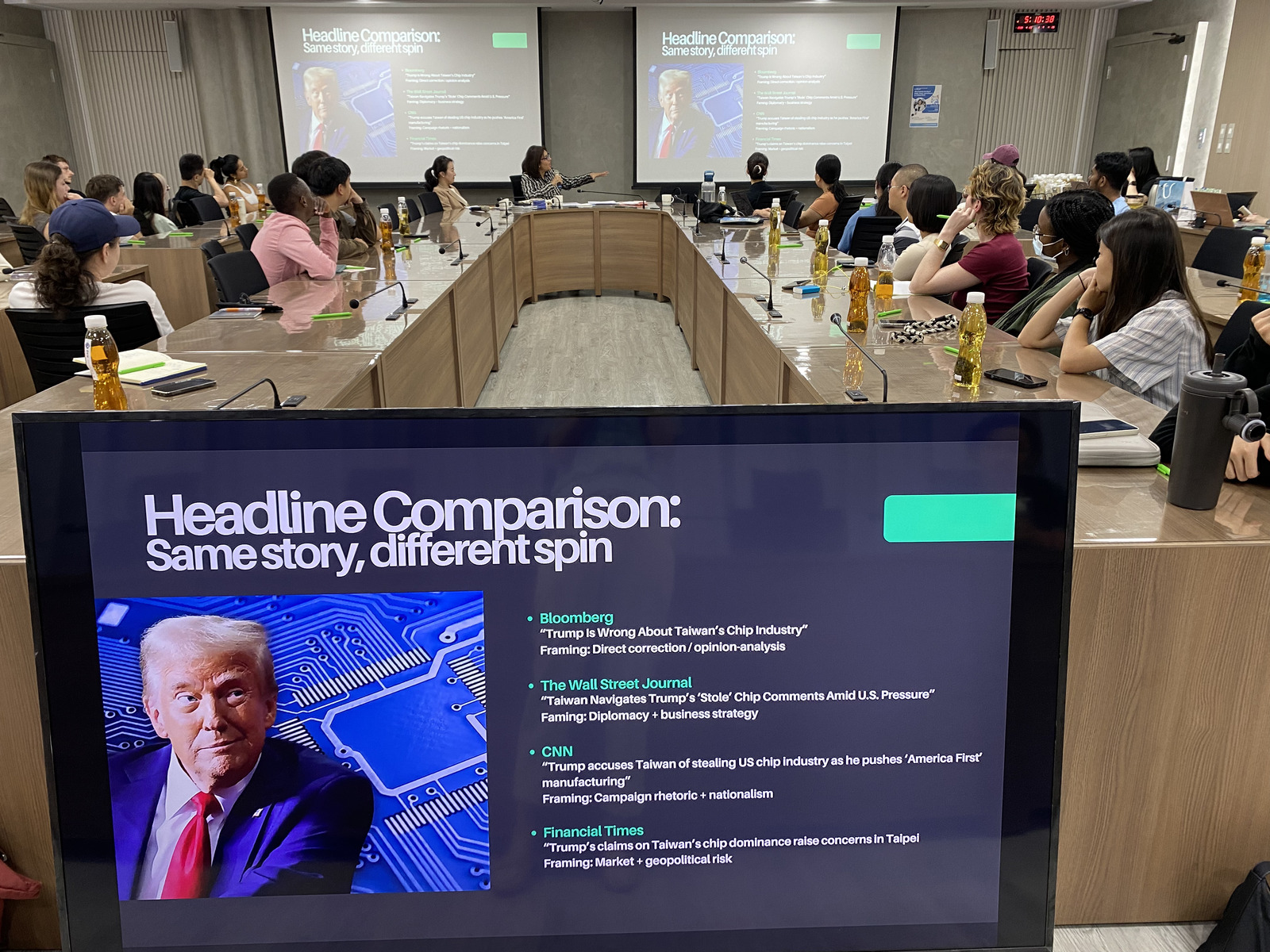
A key highlight of the talk was Gopalan's comparative analysis of how global legacy media outlets simultaneously reported on Taiwan's semiconductor industry. She observed that even within the same timeframe, coverage diverges significantly across outlets due to varying editorial priorities. For instance, networks such as CNN and BBC often emphasize geopolitical risks and supply chain dependencies. In contrast, financial media like CNBC and Bloomberg tend to highlight growth potential and market opportunities. Publications including Financial Times and The Wall Street Journal frequently frame semiconductors within broader geopolitical competition, while outlets such as CGTN and NHK focus more on supply chain restructuring and systemic adaptation. These parallel narratives, she explained, collectively shape global expectations and market sentiment.
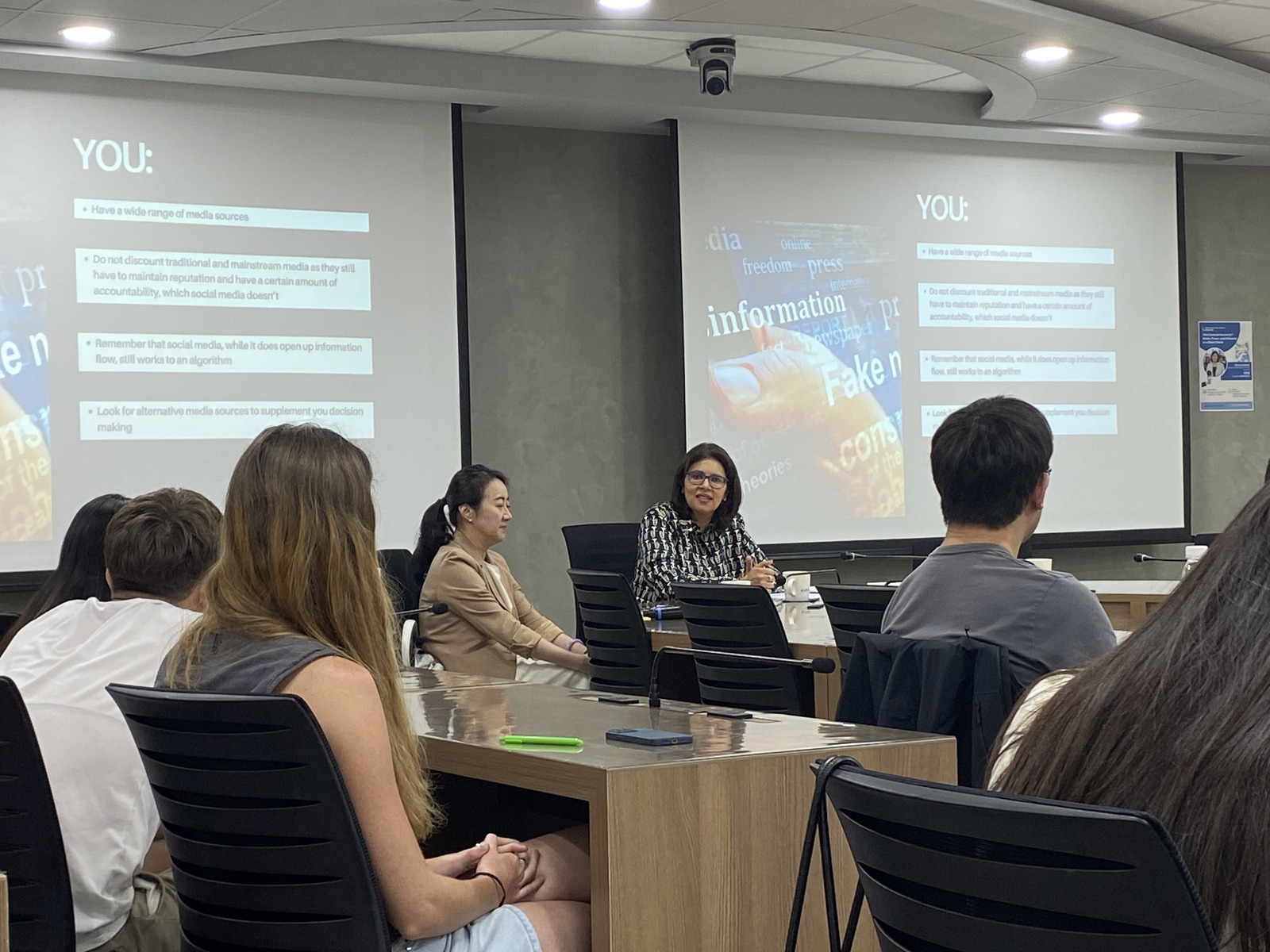
Addressing the rise of digital media, Gopalan also pointed to platforms such as AJ+, which leverage emotionally driven short-form video to generate significant reach on social media. While platforms like YouTube and TikTok have lowered barriers to content creation, she cautioned that their algorithm-driven ecosystems often reinforce users' existing preferences. This can lead audiences toward increasingly narrow viewpoints, intensify echo chamber effects, and accelerate the spread of misinformation.
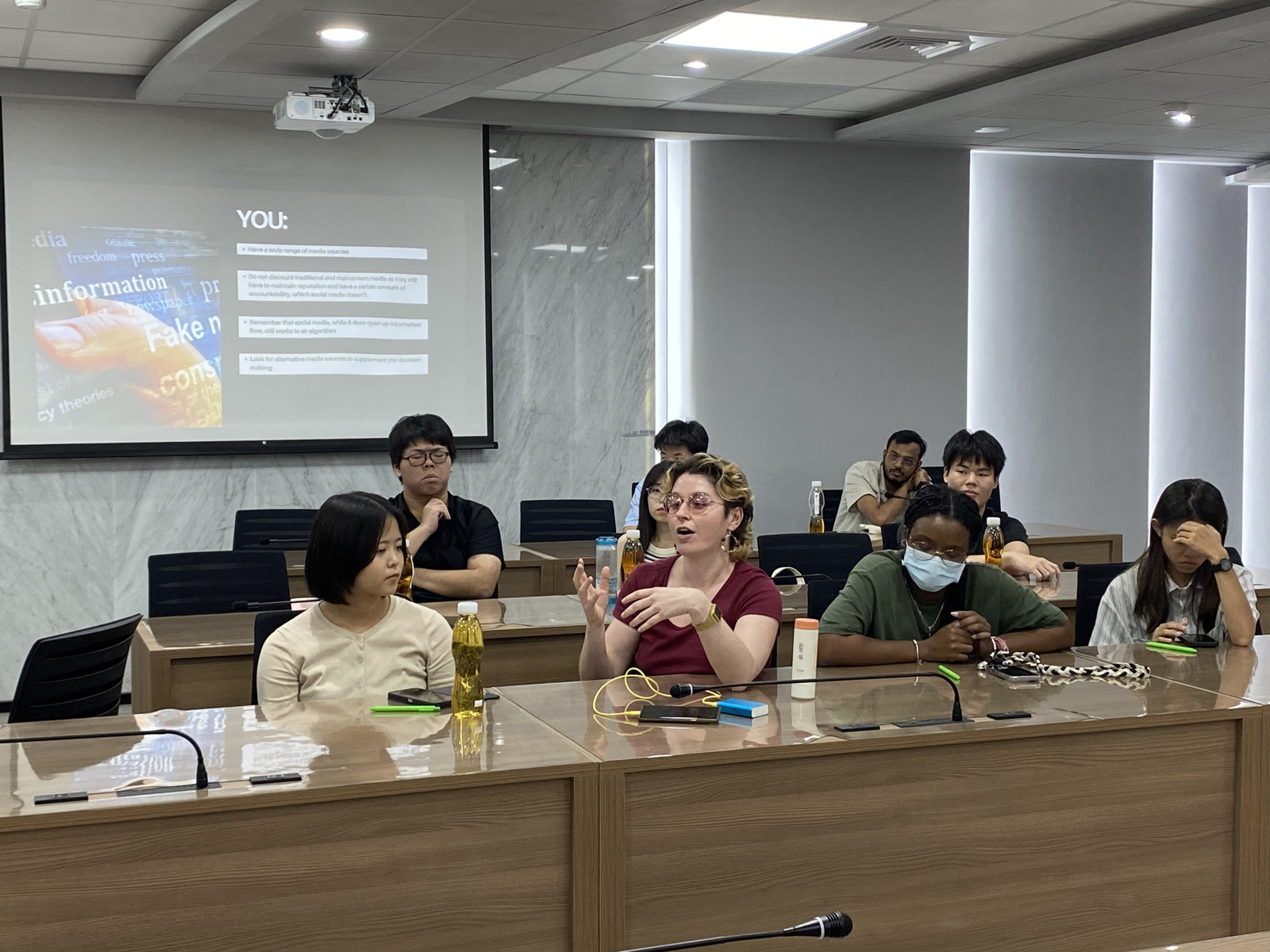
National Sun Yat-sen University noted that engagement with international media professionals provides valuable opportunities for students to deepen their understanding of global communication and geopolitics. Such exchanges are expected to foster critical thinking, broaden perspectives, and equip students with the analytical skills needed to navigate an increasingly complex global landscape. The university reaffirmed its commitment to promoting interdisciplinary dialogue and cultivating globally minded talent.
Divya Gopalan delivered a talk at National Sun Yat-sen University on April 23, offering an in-depth analysis of how media narratives shape global perception and geopolitical dynamics. The event, jointly organized by the Office of International Affairs and the School of Banking and Finance, was titled "Who Controls the Story? Media, Power, and Influence in a Global World."
With over two decades of international journalism experience, Gopalan emphasized that media outlets are not merely conduits of information but influential actors in diplomacy, public opinion, and global strategy. Drawing comparisons among major international broadcasters such as CNN, Al Jazeera, CGTN, and BBC, she illustrated how nations deploy media as an extension of soft power to construct narratives aligned with their strategic interests. The same event, she noted, can be framed in dramatically different ways depending on political positioning and national priorities—differences that may ultimately influence public understanding and policy direction.
A key highlight of the talk was Gopalan's comparative analysis of how global legacy media outlets simultaneously reported on Taiwan's semiconductor industry. She observed that even within the same timeframe, coverage diverges significantly across outlets due to varying editorial priorities. For instance, networks such as CNN and BBC often emphasize geopolitical risks and supply chain dependencies. In contrast, financial media like CNBC and Bloomberg tend to highlight growth potential and market opportunities. Publications including Financial Times and The Wall Street Journal frequently frame semiconductors within broader geopolitical competition, while outlets such as CGTN and NHK focus more on supply chain restructuring and systemic adaptation. These parallel narratives, she explained, collectively shape global expectations and market sentiment.
Addressing the rise of digital media, Gopalan also pointed to platforms such as AJ+, which leverage emotionally driven short-form video to generate significant reach on social media. While platforms like YouTube and TikTok have lowered barriers to content creation, she cautioned that their algorithm-driven ecosystems often reinforce users' existing preferences. This can lead audiences toward increasingly narrow viewpoints, intensify echo chamber effects, and accelerate the spread of misinformation.
National Sun Yat-sen University noted that engagement with international media professionals provides valuable opportunities for students to deepen their understanding of global communication and geopolitics. Such exchanges are expected to foster critical thinking, broaden perspectives, and equip students with the analytical skills needed to navigate an increasingly complex global landscape. The university reaffirmed its commitment to promoting interdisciplinary dialogue and cultivating globally minded talent.
Click Num:
Share