
NSYSU and KTH Royal Institute of Technology launch 3+2 dual degree program, with first cohort to enroll in 2027

2027-04-30
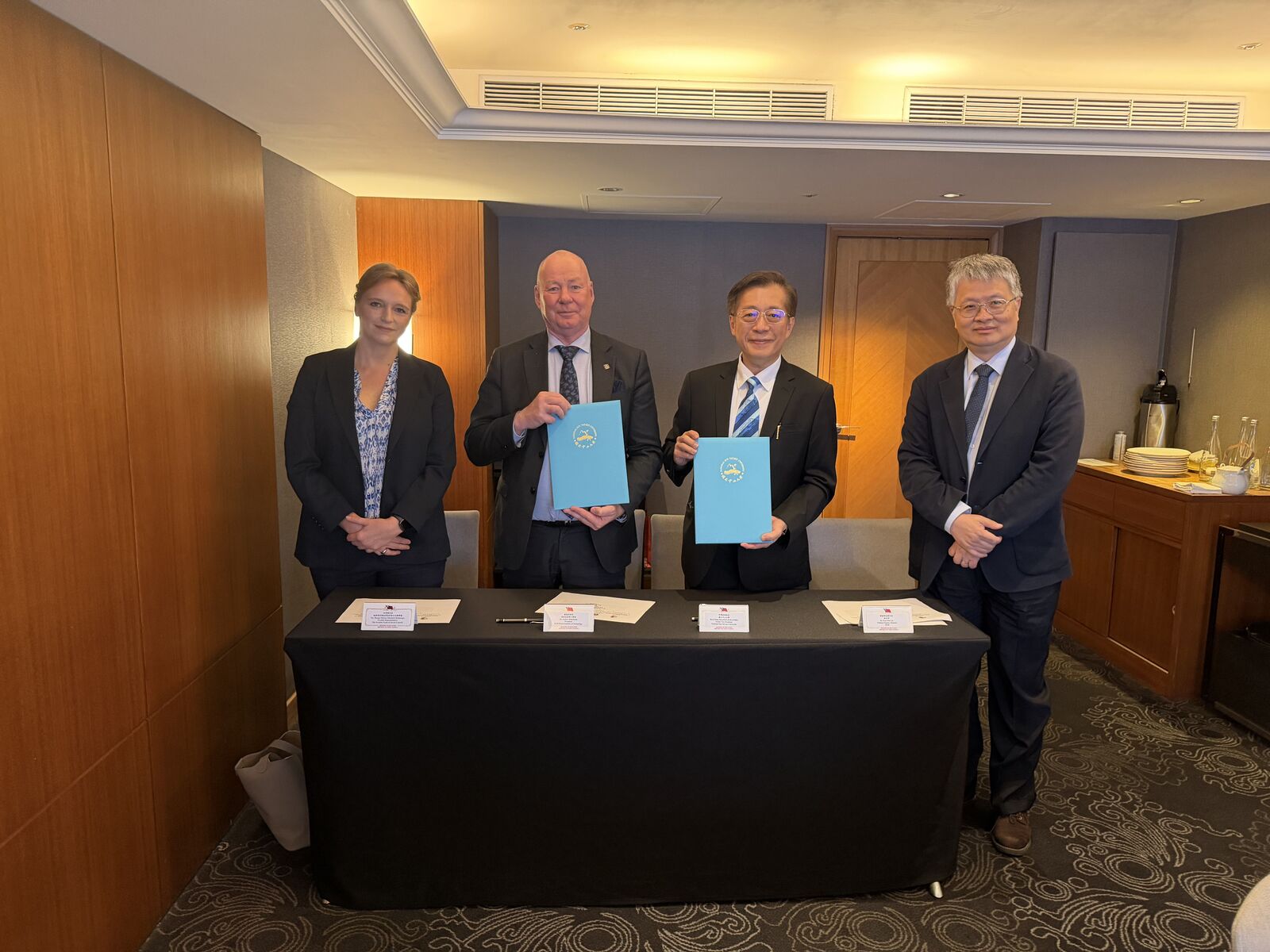
(Provided by the Office of International Affairs) National Sun Yat-sen University (NSYSU) has signed a university-level 3+2 bachelor's–master's dual degree agreement with its Swedish sister institution, the KTH Royal Institute of Technology (KTH). The program clearly stipulates that students may complete three years of undergraduate study at NSYSU before progressing to a two-year master's program at KTH, ultimately earning degrees from both institutions. KTH plans to enroll its first cohort in 2027, providing NSYSU students with a direct pathway into the European higher education system.
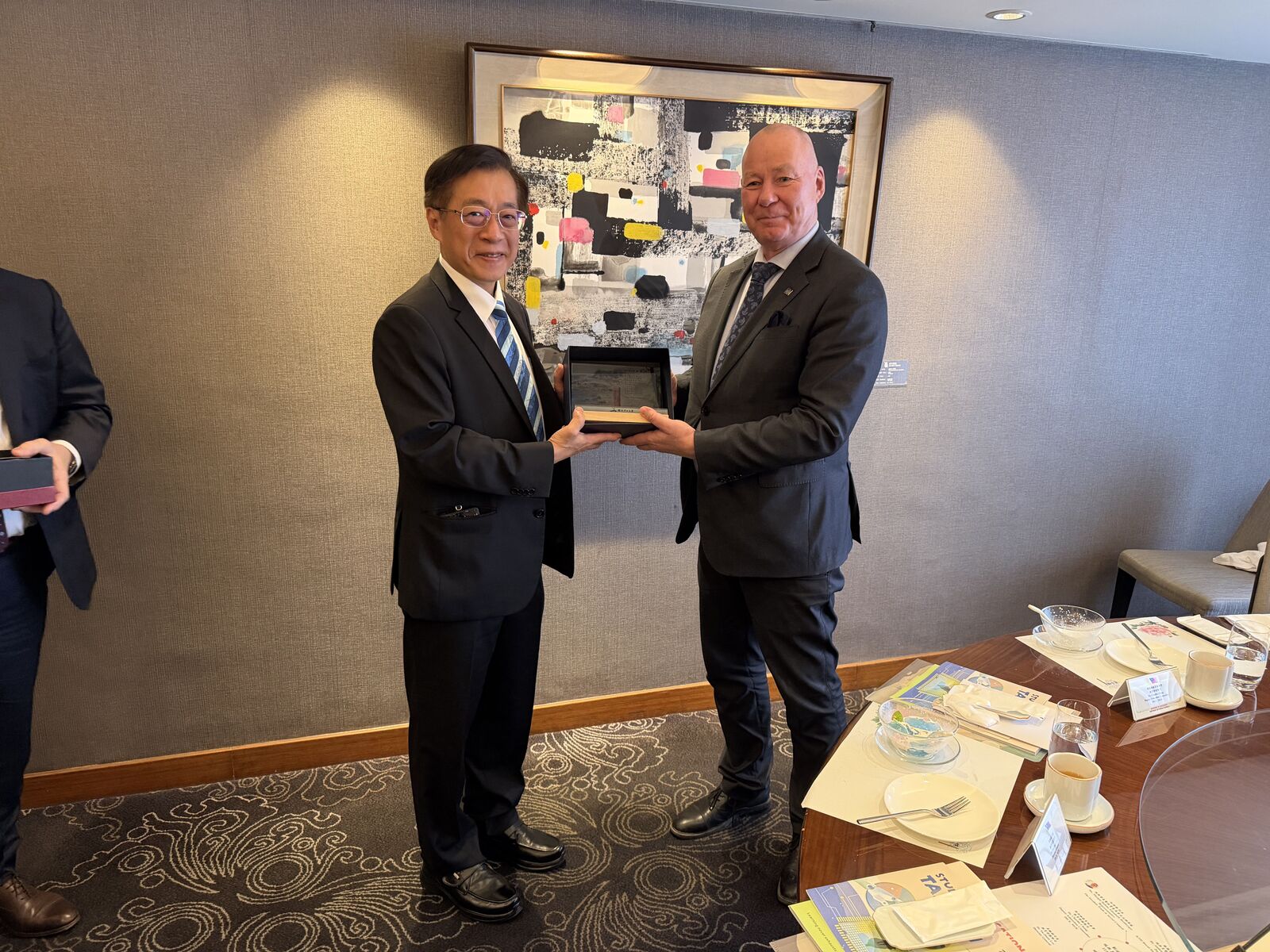
The agreement was signed by KTH President Anders Söderholm and NSYSU Senior Vice President Dr. Bor-Ching Sheu. Witnesses to the signing included Deputy Minister of Education Kuo-Wei Liu, Representative of the Swedish Trade and Invest Council Taipei Helena Reitberger, and NSYSU Vice President for International Affairs Dr. Ming-Hsuan Lee. Also in attendance were KTH Vice President for International Relations Stefan Östlund and International Advisor Hui Qu Jansons from KTH's International Relations Office.
Since establishing a sister-university partnership in 2009, NSYSU and KTH have maintained active student exchange and academic collaboration, with multiple cohorts of students participating in reciprocal study visits over the years. This new 3+2 dual degree program builds on that foundation by transforming existing exchanges into a structured talent development model. It enables students to receive academic training in both Taiwan and Europe within a single study trajectory, strengthening cross-cultural adaptability and interdisciplinary competence while cultivating globally minded professionals.
From the perspective of higher education trends, dual degree programs integrate cross-border curricula and institutional resources, allowing students to earn degrees from two universities within a shorter timeframe while gaining exposure to diverse teaching approaches and research environments. Such programs play a key role in developing internationally mobile talent. NSYSU noted that it will continue to deepen cooperation with KTH in both teaching and research, while expanding diverse forms of exchange to enhance students' global competitiveness.
KTH also plans to visit NSYSU in the coming autumn to present details of the program, helping students better understand the application process and curriculum design in preparation for the first intake in 2027.
(Edited by Public Affairs Division)
(Provided by the Office of International Affairs) National Sun Yat-sen University (NSYSU) has signed a university-level 3+2 bachelor's–master's dual degree agreement with its Swedish sister institution, the KTH Royal Institute of Technology (KTH). The program clearly stipulates that students may complete three years of undergraduate study at NSYSU before progressing to a two-year master's program at KTH, ultimately earning degrees from both institutions. KTH plans to enroll its first cohort in 2027, providing NSYSU students with a direct pathway into the European higher education system.
The agreement was signed by KTH President Anders Söderholm and NSYSU Senior Vice President Dr. Bor-Ching Sheu. Witnesses to the signing included Deputy Minister of Education Kuo-Wei Liu, Representative of the Swedish Trade and Invest Council Taipei Helena Reitberger, and NSYSU Vice President for International Affairs Dr. Ming-Hsuan Lee. Also in attendance were KTH Vice President for International Relations Stefan Östlund and International Advisor Hui Qu Jansons from KTH's International Relations Office.
Since establishing a sister-university partnership in 2009, NSYSU and KTH have maintained active student exchange and academic collaboration, with multiple cohorts of students participating in reciprocal study visits over the years. This new 3+2 dual degree program builds on that foundation by transforming existing exchanges into a structured talent development model. It enables students to receive academic training in both Taiwan and Europe within a single study trajectory, strengthening cross-cultural adaptability and interdisciplinary competence while cultivating globally minded professionals.
From the perspective of higher education trends, dual degree programs integrate cross-border curricula and institutional resources, allowing students to earn degrees from two universities within a shorter timeframe while gaining exposure to diverse teaching approaches and research environments. Such programs play a key role in developing internationally mobile talent. NSYSU noted that it will continue to deepen cooperation with KTH in both teaching and research, while expanding diverse forms of exchange to enhance students' global competitiveness.
KTH also plans to visit NSYSU in the coming autumn to present details of the program, helping students better understand the application process and curriculum design in preparation for the first intake in 2027.
(Edited by Public Affairs Division)
Click Num:
Share