
Ending the nightmare of diabetic amputations: NSYSU showcases "cold plasma" breakthrough at the Kaohsiung 2026 Smart City Summit & Expo
2026-05-25
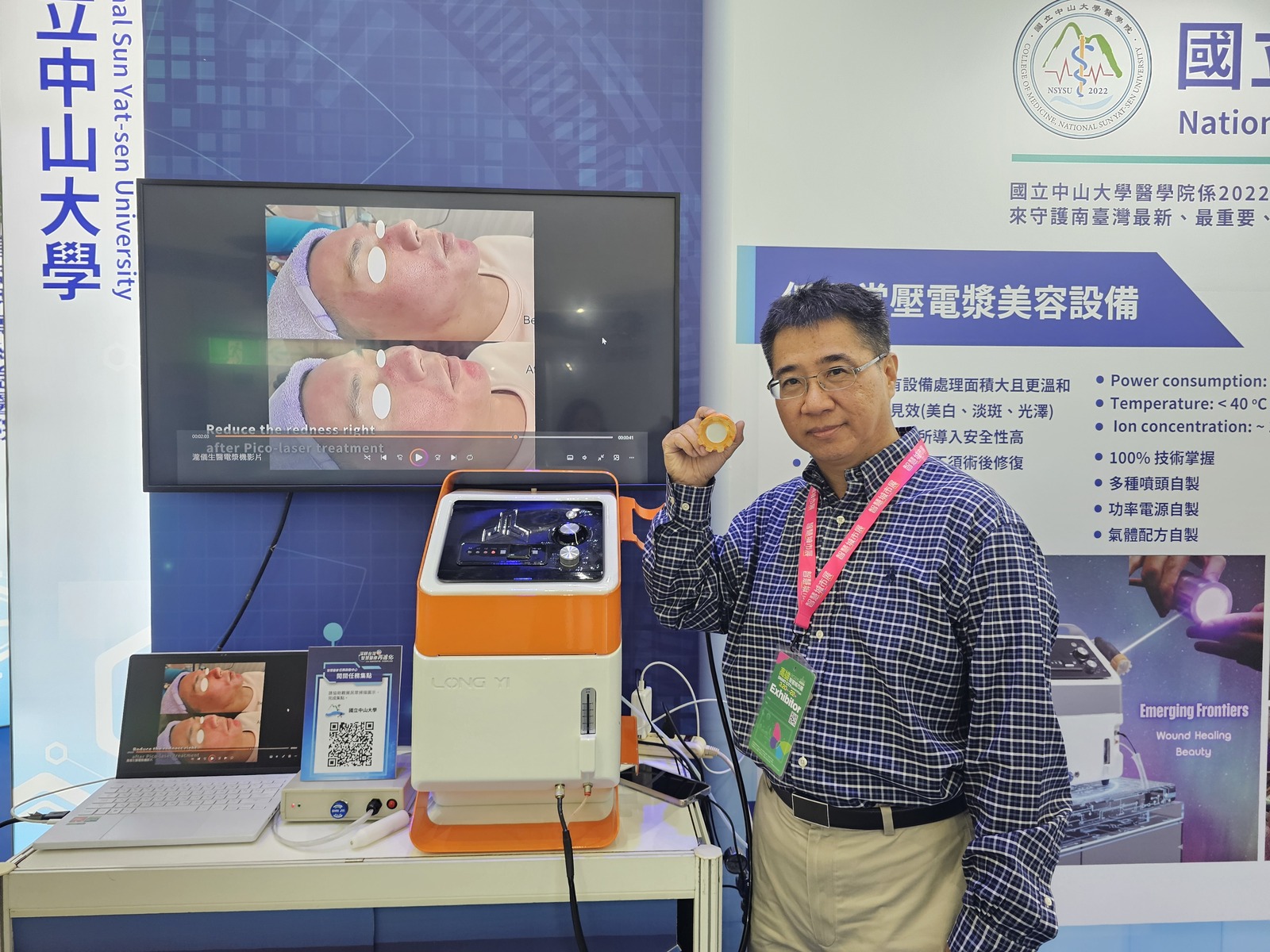
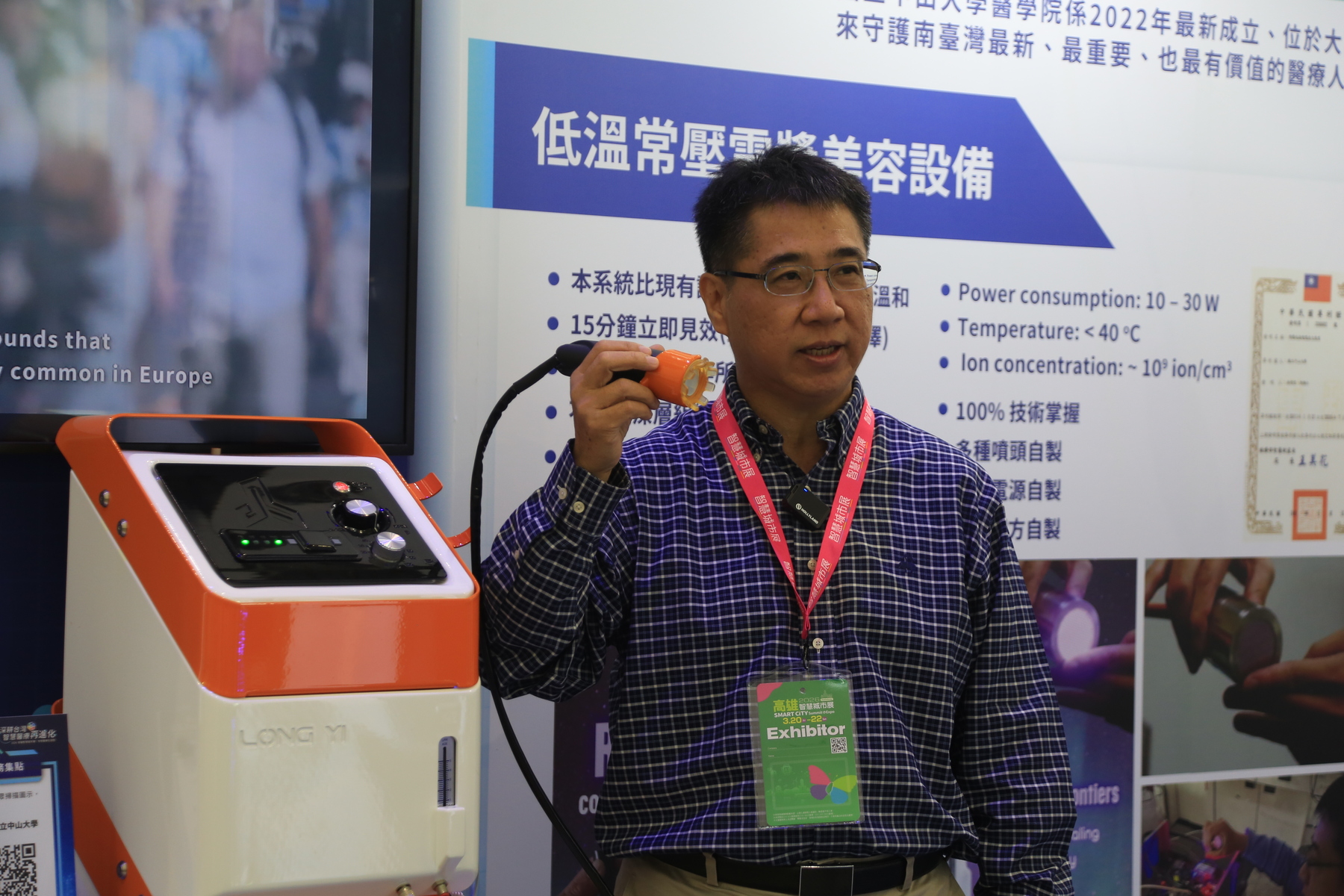
At the Kaohsiung 2026 Smart City Summit & Expo, National Sun Yat-sen University (NSYSU) is the only university exhibitor in the Smart Healthcare Pavilion, showcasing a major scientific breakthrough. A research team led by Associate Dean of the College of Medicine and Distinguished Professor of the Department of Biomedical Science and Technology, Che-Hsin Lin, has developed a "Large-area Afterglow Discharge Cold Plasma" system after two decades of research. The technology can effectively revive severe diabetic foot conditions and fundamentally transform conventional wound treatment, which relies heavily on antibiotics. Fully developed by a Taiwanese team, the technology has already been transferred to a local company, Long-Yi Biomedical Technology Co., Ltd., with related products set for commercialization. It is expected to bring revolutionary changes to the global wound care market.
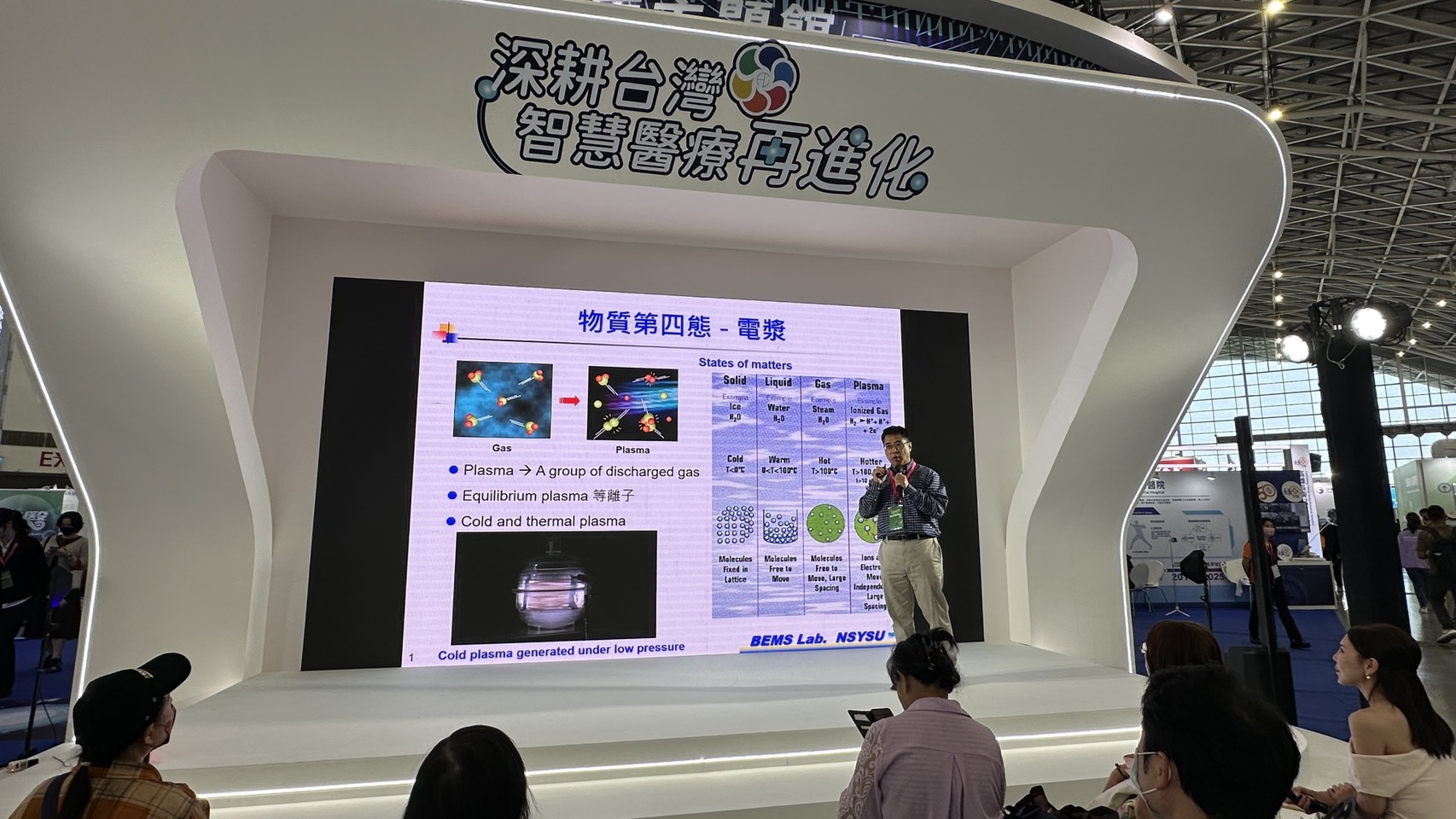
Cold plasma can be described as a "gentle miracle" of the fourth state of matter. Lin explains that plasma is an ionized state distinct from solids, liquids, and gases. It exists in stars, auroras, and lightning, and is commonly found in fluorescent lamps, neon lights, and semiconductor processing equipment. However, conventional plasma is typically associated with extremely high temperatures, making it difficult to apply in medical contexts. The team's key breakthrough lies in transforming this intense energy into a skin-compatible, low-temperature "Large-area Afterglow Discharge Cold Plasma."
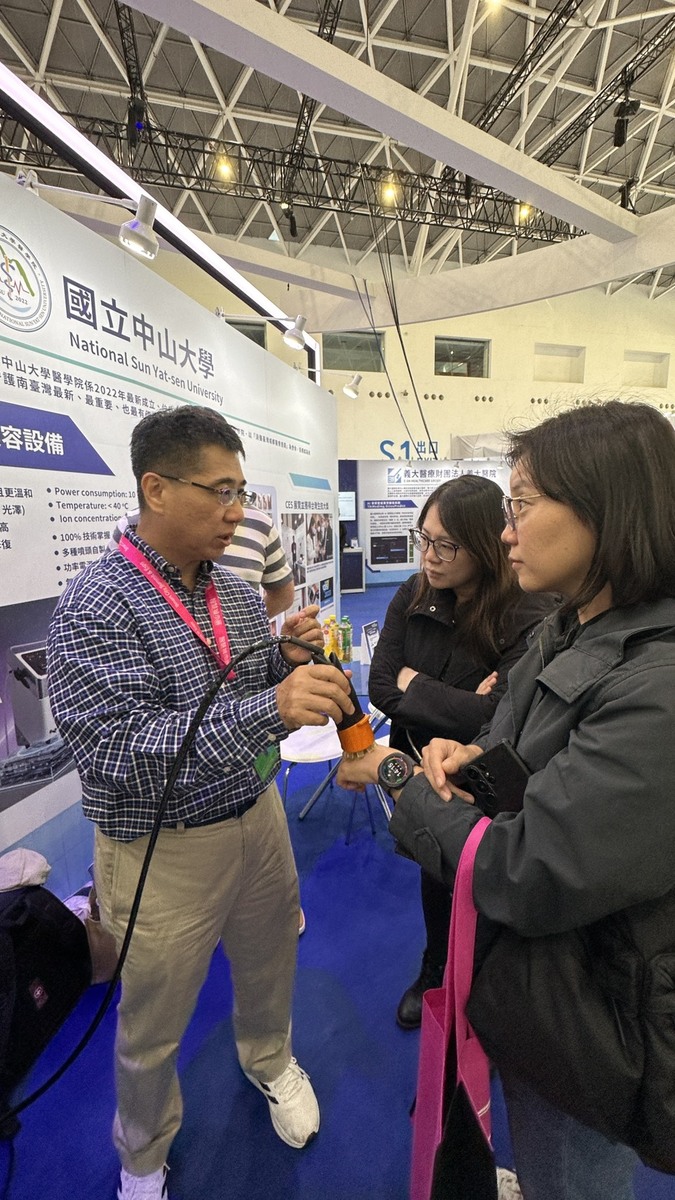
Despite its low temperature, the Large-area Afterglow Discharge Cold Plasma contains abundant reactive ions with powerful antimicrobial effects. Lin notes that, unlike conventional treatments relying on antibiotics, this technology generates Reactive Oxygen and Nitrogen Species (RONS). These active molecules act like an elite force, rapidly penetrating the skin surface to achieve excellent sterilization while simultaneously stimulating tissue regeneration. The process is gentle, does not damage deeper tissues, covers a larger treatment area than existing devices, and promotes wound healing without antibiotics, thereby avoiding antibiotic resistance.
"Data speaks for itself," says Lin. Cold plasma has demonstrated the ability to pull diabetic patients back from the brink of amputation. Minor foot wounds in diabetic patients can easily develop into severe ulcers, often requiring months of treatment or leading to amputation. Clinical and preliminary results show remarkable effectiveness: early-stage diabetic foot wounds treated with tubular plasma devices require only 30 seconds per point and three sessions to show significant healing. Even severe pressure sores and ulcers following amputation can heal rapidly without any antibiotic dressings, with treatments conducted three times per week over one to two weeks. Animal studies further confirm a 30% acceleration in healing speed.
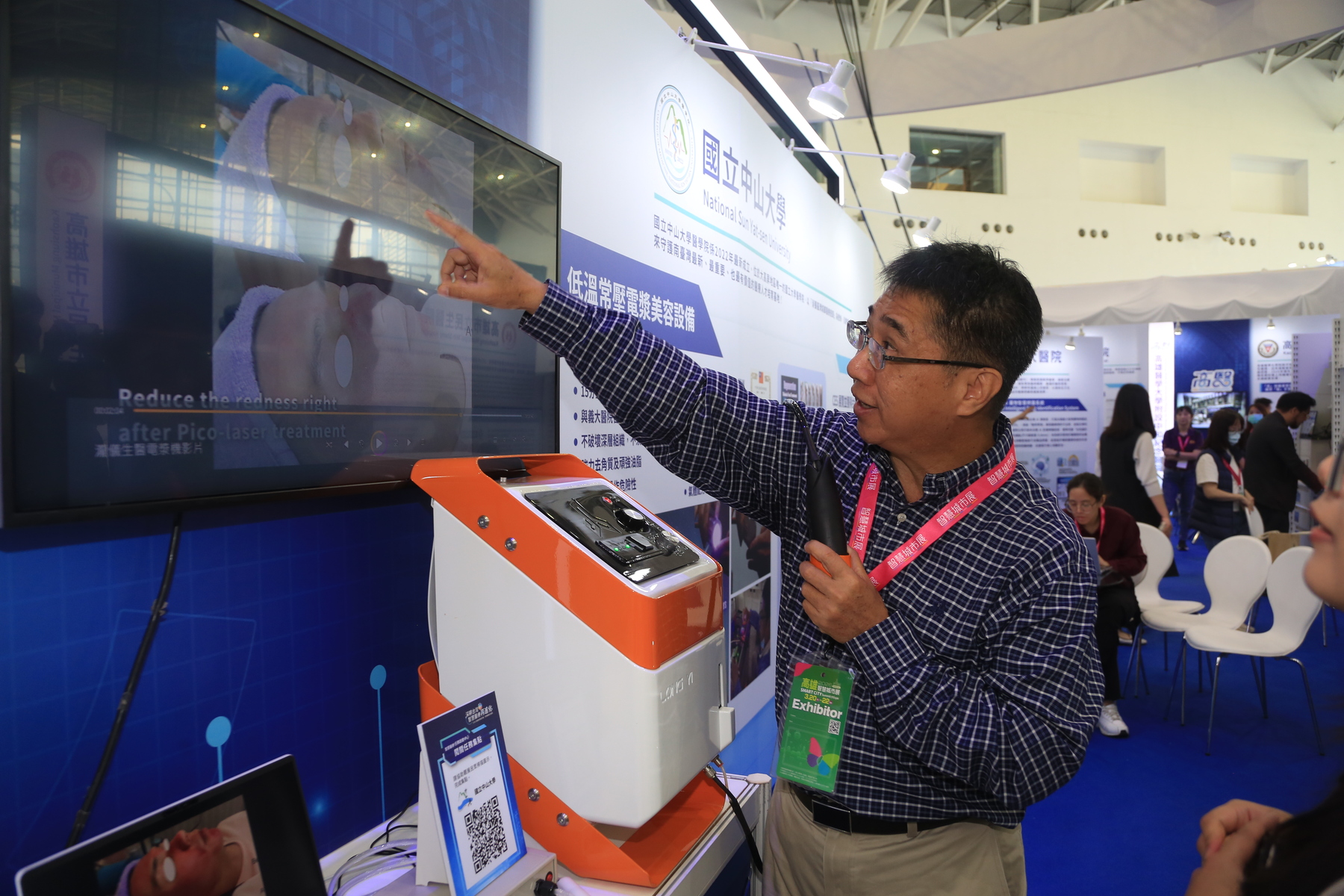
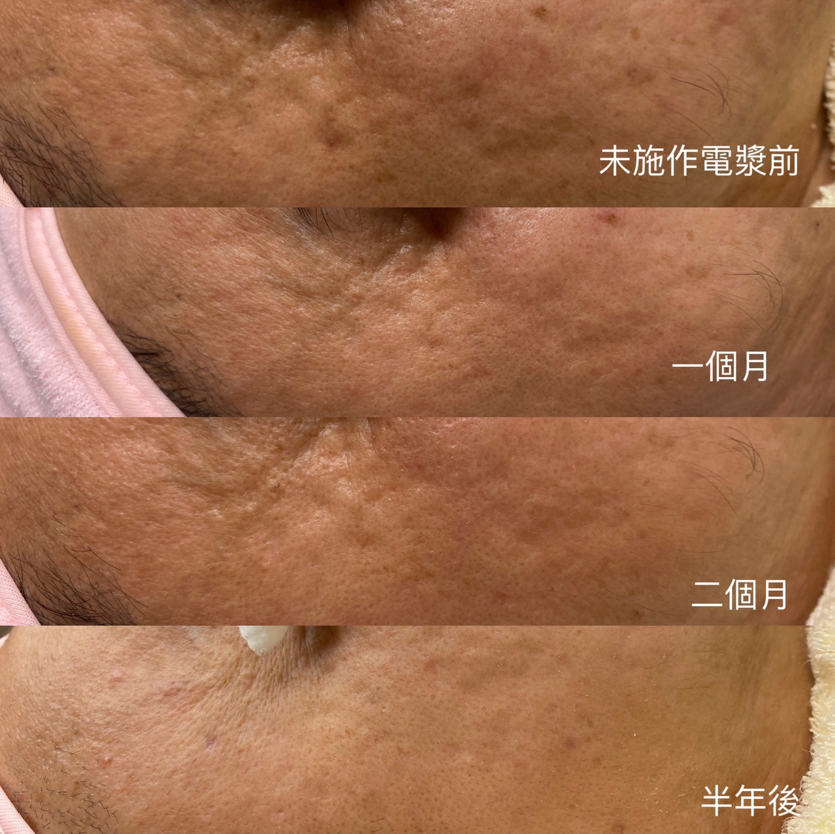
"This system has a wide range of applications and can be described as the Swiss Army knife of smart healthcare," Lin adds. It applies to critical care, aesthetic medicine, and surgery. For instance, pressure ulcers in bedridden patients can improve after five one-minute treatments per point with large-area plasma. For extensive wounds and burns, the system enables rapid hemostasis and sterilization without dressings, keeping the wound surface dry and reducing pain during dressing changes. Cold plasma is already being applied clinically in gastrointestinal surgery, herniated disc treatment, and dentistry. Thanks to its high penetration and reactivity, it can also be used for skin whitening, spot reduction, enhanced skin radiance, deep exfoliation, and stubborn oil removal. Compared with traditional laser treatments, plasma therapy carries no risk of thermal damage, requires no recovery period, and delivers visible results in as little as 15 minutes.
NSYSU notes that this "ultimate wound repair" technology has already won the 2021 Taiwan biotech award and was showcased internationally at the 2023 Consumer Electronics Show (CES) in the United States. Through close collaboration with LongYi Biomedical Technology Co., Ltd., the system is now entering the commercialization stage. Once implemented in healthcare institutions, it is expected to significantly reduce reliance on antibiotics and medical consumables, lower overall treatment time and costs, and, most importantly, substantially improve the quality of life for patients suffering from chronic wounds, offering new hope for better health.
At the Kaohsiung 2026 Smart City Summit & Expo, National Sun Yat-sen University (NSYSU) is the only university exhibitor in the Smart Healthcare Pavilion, showcasing a major scientific breakthrough. A research team led by Associate Dean of the College of Medicine and Distinguished Professor of the Department of Biomedical Science and Technology, Che-Hsin Lin, has developed a "Large-area Afterglow Discharge Cold Plasma" system after two decades of research. The technology can effectively revive severe diabetic foot conditions and fundamentally transform conventional wound treatment, which relies heavily on antibiotics. Fully developed by a Taiwanese team, the technology has already been transferred to a local company, Long-Yi Biomedical Technology Co., Ltd., with related products set for commercialization. It is expected to bring revolutionary changes to the global wound care market.
Cold plasma can be described as a "gentle miracle" of the fourth state of matter. Lin explains that plasma is an ionized state distinct from solids, liquids, and gases. It exists in stars, auroras, and lightning, and is commonly found in fluorescent lamps, neon lights, and semiconductor processing equipment. However, conventional plasma is typically associated with extremely high temperatures, making it difficult to apply in medical contexts. The team's key breakthrough lies in transforming this intense energy into a skin-compatible, low-temperature "Large-area Afterglow Discharge Cold Plasma."
Despite its low temperature, the Large-area Afterglow Discharge Cold Plasma contains abundant reactive ions with powerful antimicrobial effects. Lin notes that, unlike conventional treatments relying on antibiotics, this technology generates Reactive Oxygen and Nitrogen Species (RONS). These active molecules act like an elite force, rapidly penetrating the skin surface to achieve excellent sterilization while simultaneously stimulating tissue regeneration. The process is gentle, does not damage deeper tissues, covers a larger treatment area than existing devices, and promotes wound healing without antibiotics, thereby avoiding antibiotic resistance.
"Data speaks for itself," says Lin. Cold plasma has demonstrated the ability to pull diabetic patients back from the brink of amputation. Minor foot wounds in diabetic patients can easily develop into severe ulcers, often requiring months of treatment or leading to amputation. Clinical and preliminary results show remarkable effectiveness: early-stage diabetic foot wounds treated with tubular plasma devices require only 30 seconds per point and three sessions to show significant healing. Even severe pressure sores and ulcers following amputation can heal rapidly without any antibiotic dressings, with treatments conducted three times per week over one to two weeks. Animal studies further confirm a 30% acceleration in healing speed.
"This system has a wide range of applications and can be described as the Swiss Army knife of smart healthcare," Lin adds. It applies to critical care, aesthetic medicine, and surgery. For instance, pressure ulcers in bedridden patients can improve after five one-minute treatments per point with large-area plasma. For extensive wounds and burns, the system enables rapid hemostasis and sterilization without dressings, keeping the wound surface dry and reducing pain during dressing changes. Cold plasma is already being applied clinically in gastrointestinal surgery, herniated disc treatment, and dentistry. Thanks to its high penetration and reactivity, it can also be used for skin whitening, spot reduction, enhanced skin radiance, deep exfoliation, and stubborn oil removal. Compared with traditional laser treatments, plasma therapy carries no risk of thermal damage, requires no recovery period, and delivers visible results in as little as 15 minutes.
NSYSU notes that this "ultimate wound repair" technology has already won the 2021 Taiwan biotech award and was showcased internationally at the 2023 Consumer Electronics Show (CES) in the United States. Through close collaboration with LongYi Biomedical Technology Co., Ltd., the system is now entering the commercialization stage. Once implemented in healthcare institutions, it is expected to significantly reduce reliance on antibiotics and medical consumables, lower overall treatment time and costs, and, most importantly, substantially improve the quality of life for patients suffering from chronic wounds, offering new hope for better health.
Click Num:
Share