
Asia's only aerosol science center brings NSYSU students to top U.S. laboratories
2026-06-08
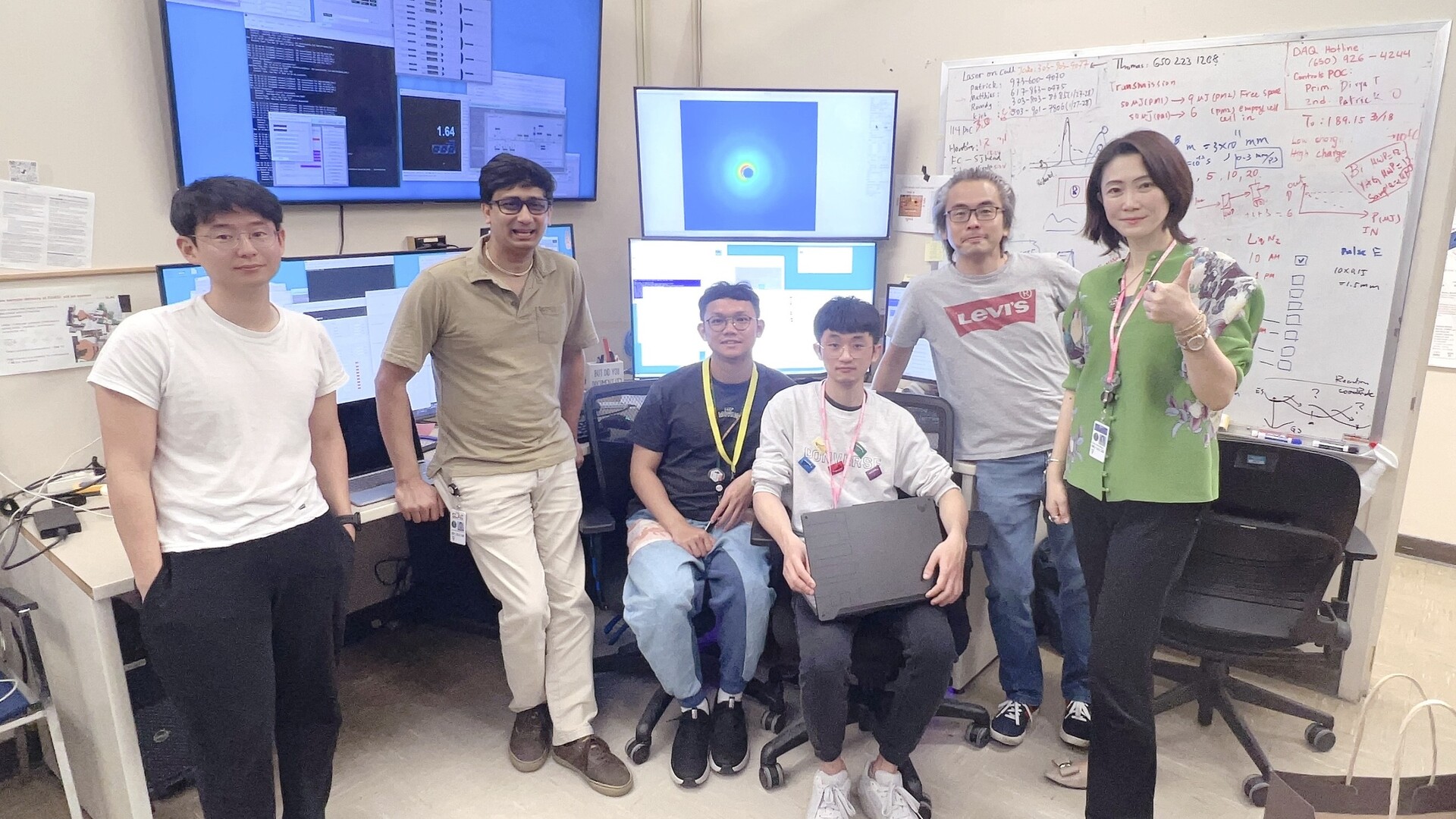
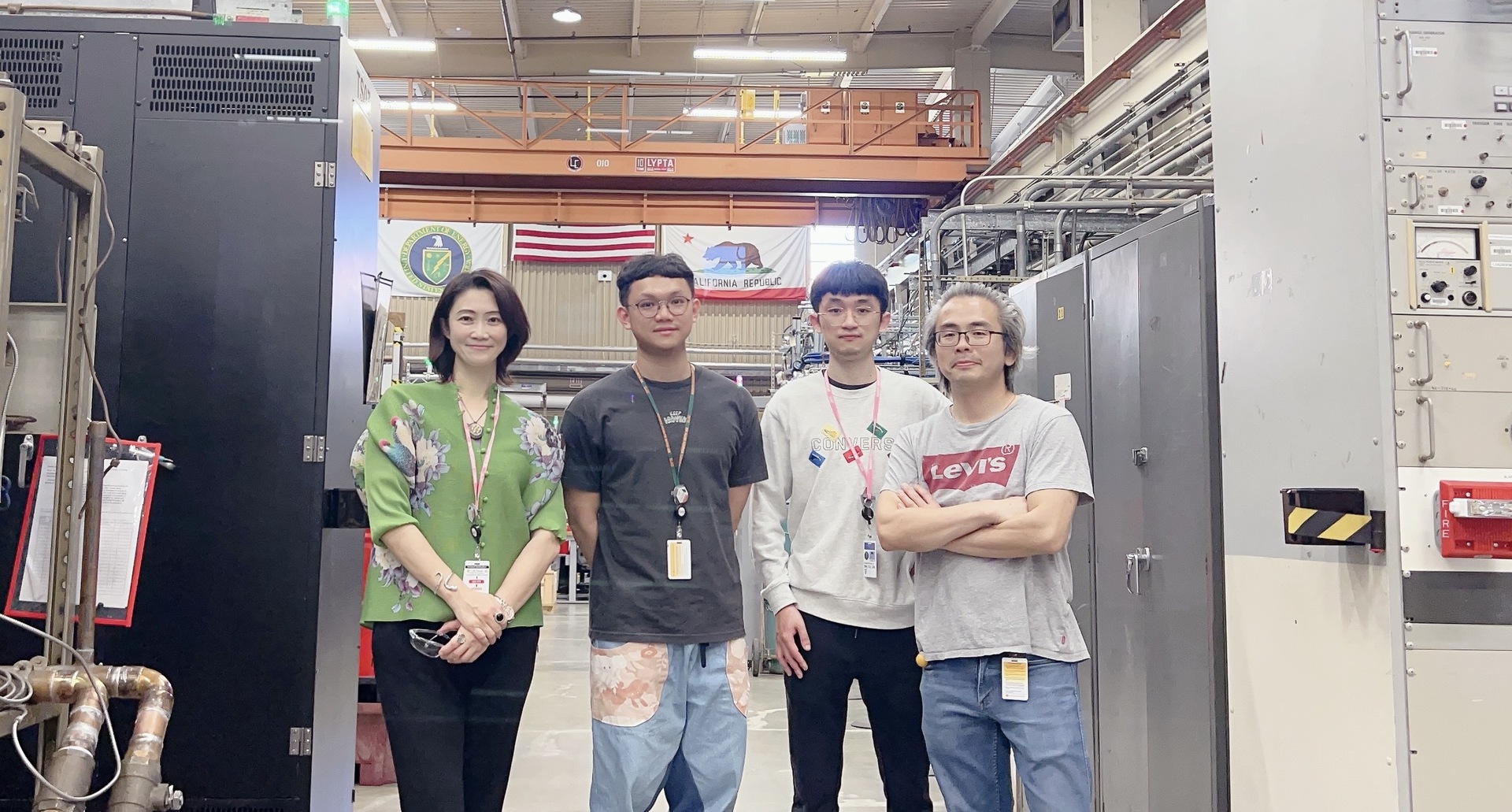
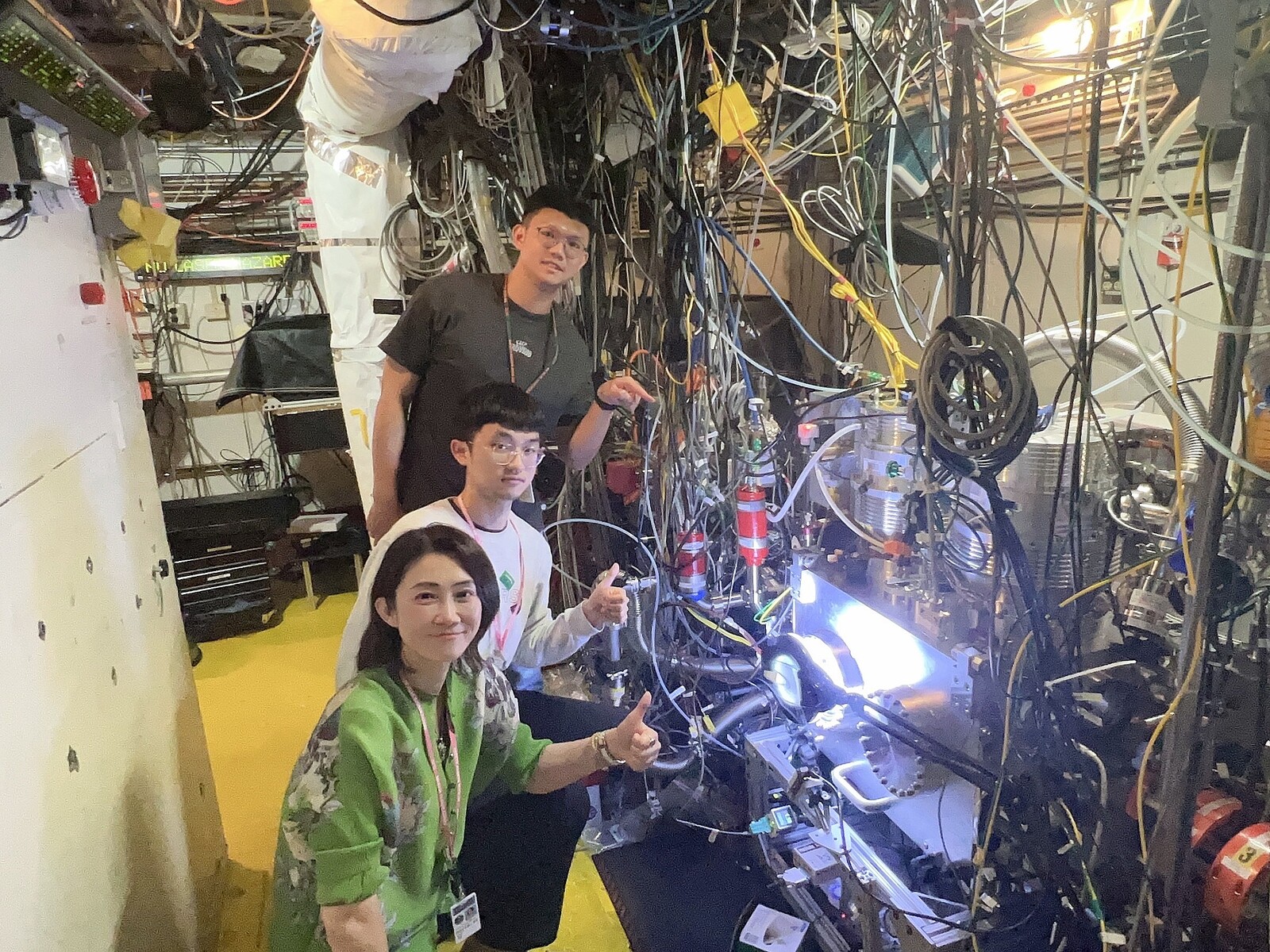
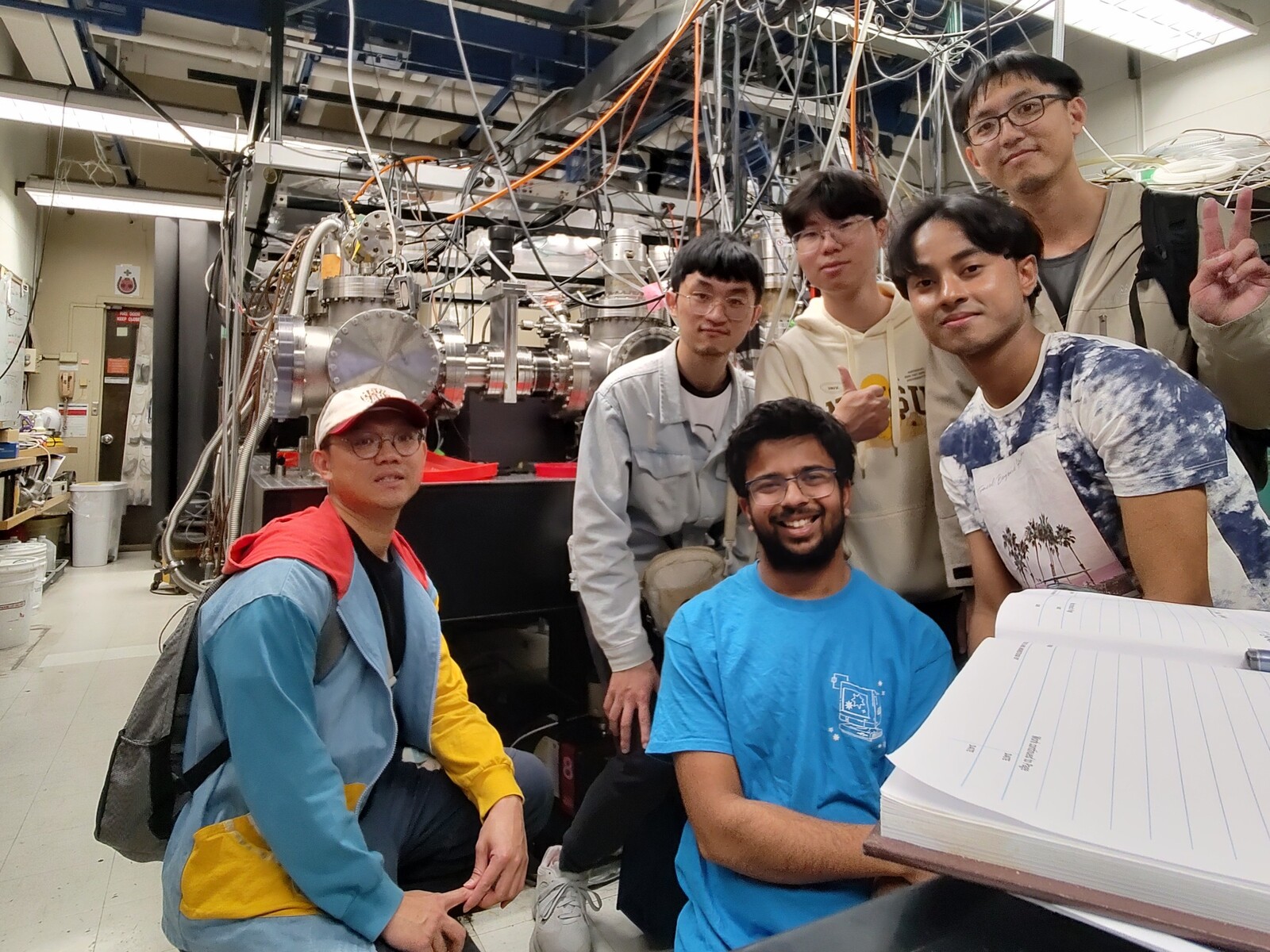
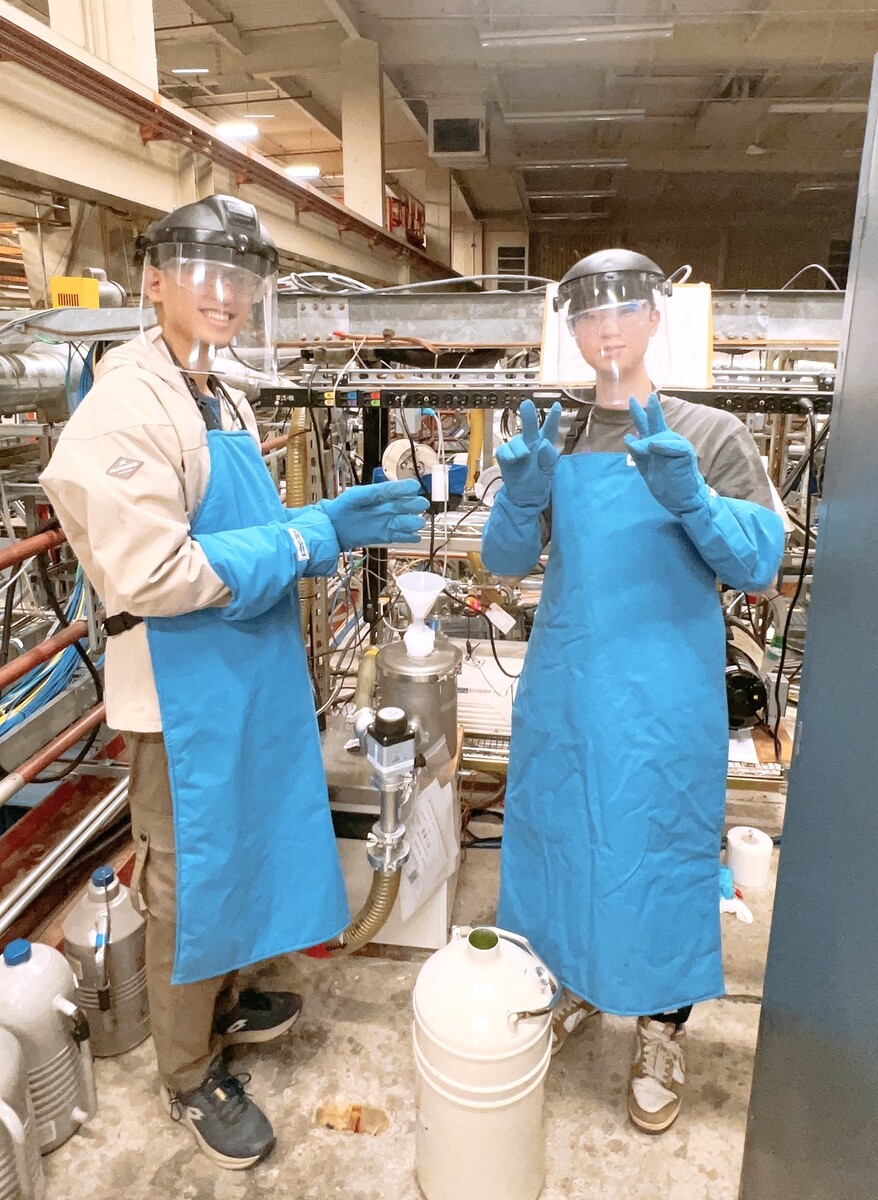
To connect students with the world's most advanced scientific research at an early stage of their academic careers, the Aerosol Science Research Center at National Sun Yat-sen University (NSYSU), led by Director Chia C. Wang, brought postdoctoral researchers and master's students to the SLAC National Accelerator Laboratory in the United States for collaborative experiments. The delegation also visited leading international research institutions, including Lawrence Berkeley National Laboratory, the University of California, Berkeley (UC Berkeley), and Stanford University. During the trip, students not only operated world-leading Megaelectronvolt Ultrafast Electron Diffraction (MeV-UED) facilities and participated in photochemical studies of key aerosol-related molecules, but also engaged directly with internationally renowned scientists. The experience significantly enhanced their experimental skills, scientific perspectives, and global outlook, demonstrating NSYSU's strong international connections and talent cultivation capabilities in aerosol science.
Aerosols are closely linked to air quality and profoundly affect human health, while also serving as critical factors in climate change and ecosystem dynamics. NSYSU's Aerosol Science Research Center is the only research center in Asia dedicated specifically to aerosol science. Supported by the Ministry of Education's Higher Education SPROUT Project, the center has long been committed to international collaboration and professional talent cultivation, bringing students into world-class research environments and extending learning beyond the classroom to the forefront of global science.
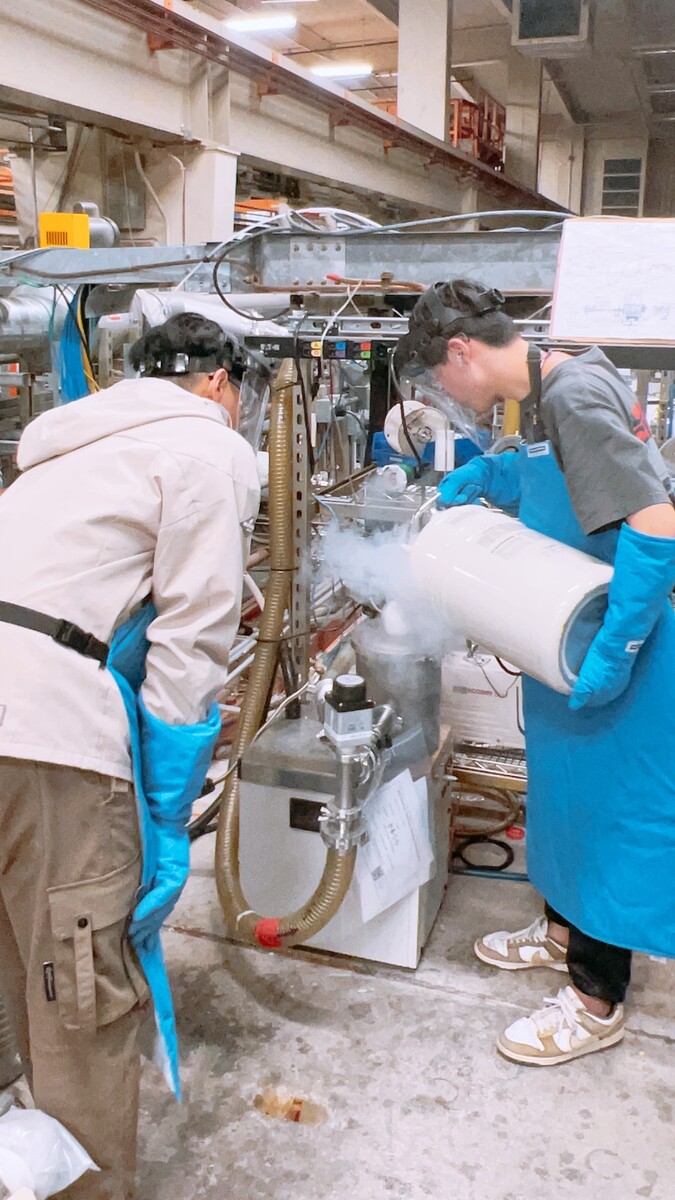
During the visit, the team conducted a week-long bilateral experiment at the SLAC National Accelerator Laboratory with the research group of Lead Scientist Ming-Fu Lin. Using the world-leading MeV-UED facility, the researchers investigated the photochemical reactions of key atmospheric organic molecules, alpha-pinene and beta-pinene. These molecules are closely associated with natural environmental odors and are important precursors in aerosol formation. Through ultrafast dynamics techniques, researchers were able to capture molecular changes occurring within extremely short timescales, further advancing understanding of aerosol formation mechanisms and their relationship to climate change.
For the students, the experience represented a deep learning journey from theory to hands-on practice. Master's student Hsueh-Ching Liu noted that through direct experimentation and observation, previously abstract molecular dynamics became tangible and understandable, leading to substantial breakthroughs in both theoretical comprehension and laboratory techniques. Postdoctoral researcher Zhi-Hong Huang added that conducting experiments at world-class facilities and engaging in in-depth discussions with international scientists not only strengthened research capabilities but also broadened perspectives on scientific inquiry.
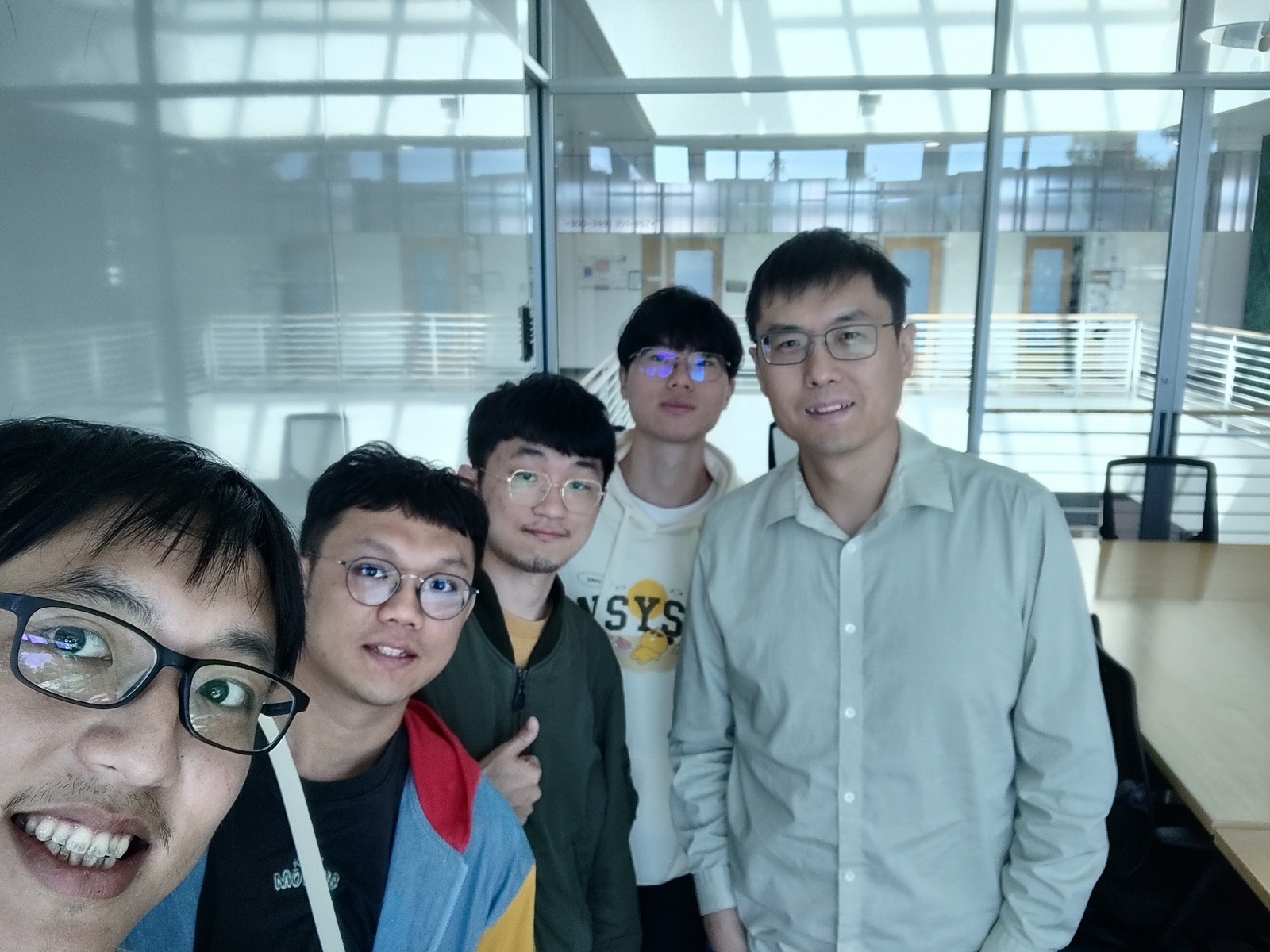
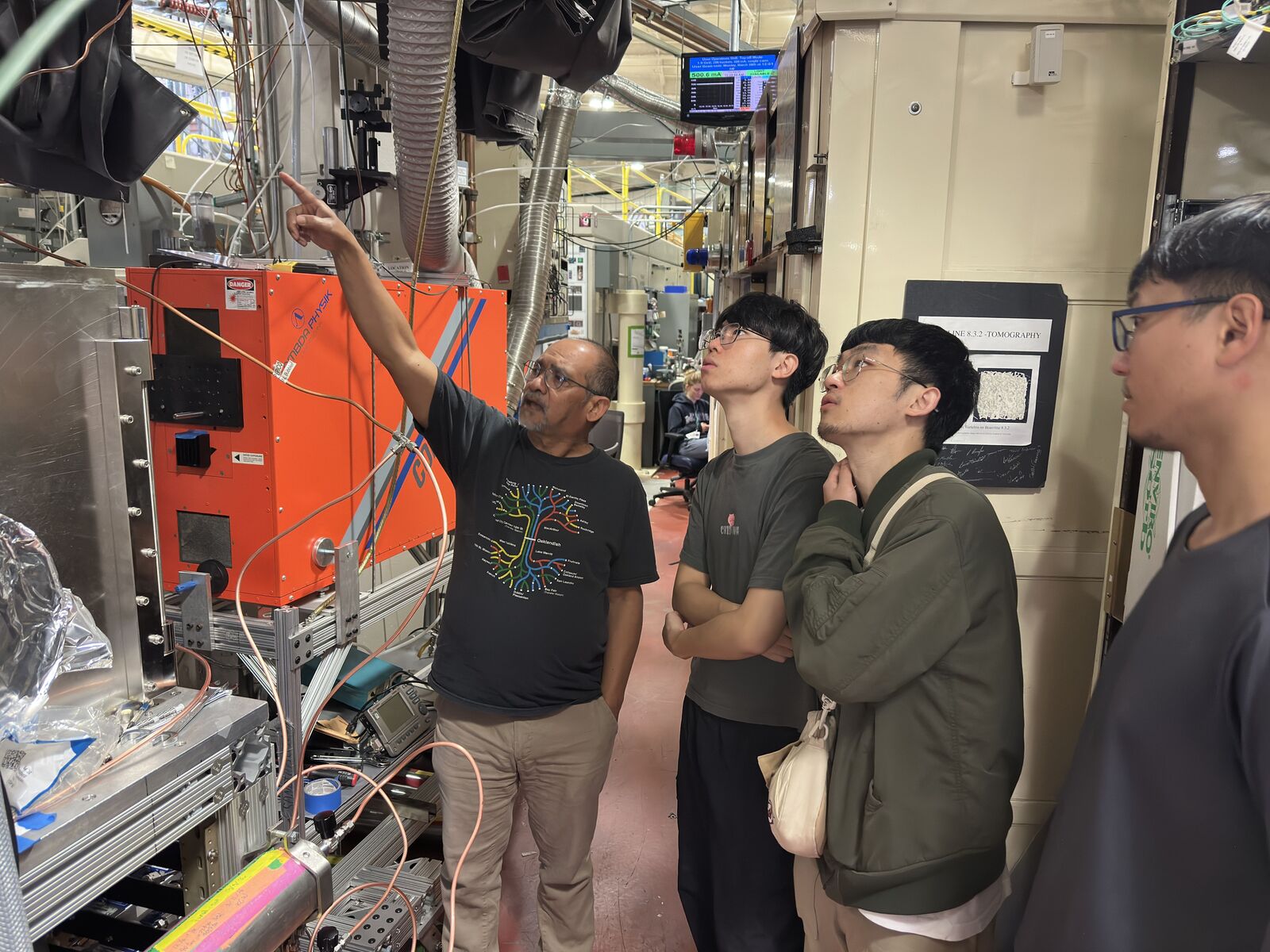
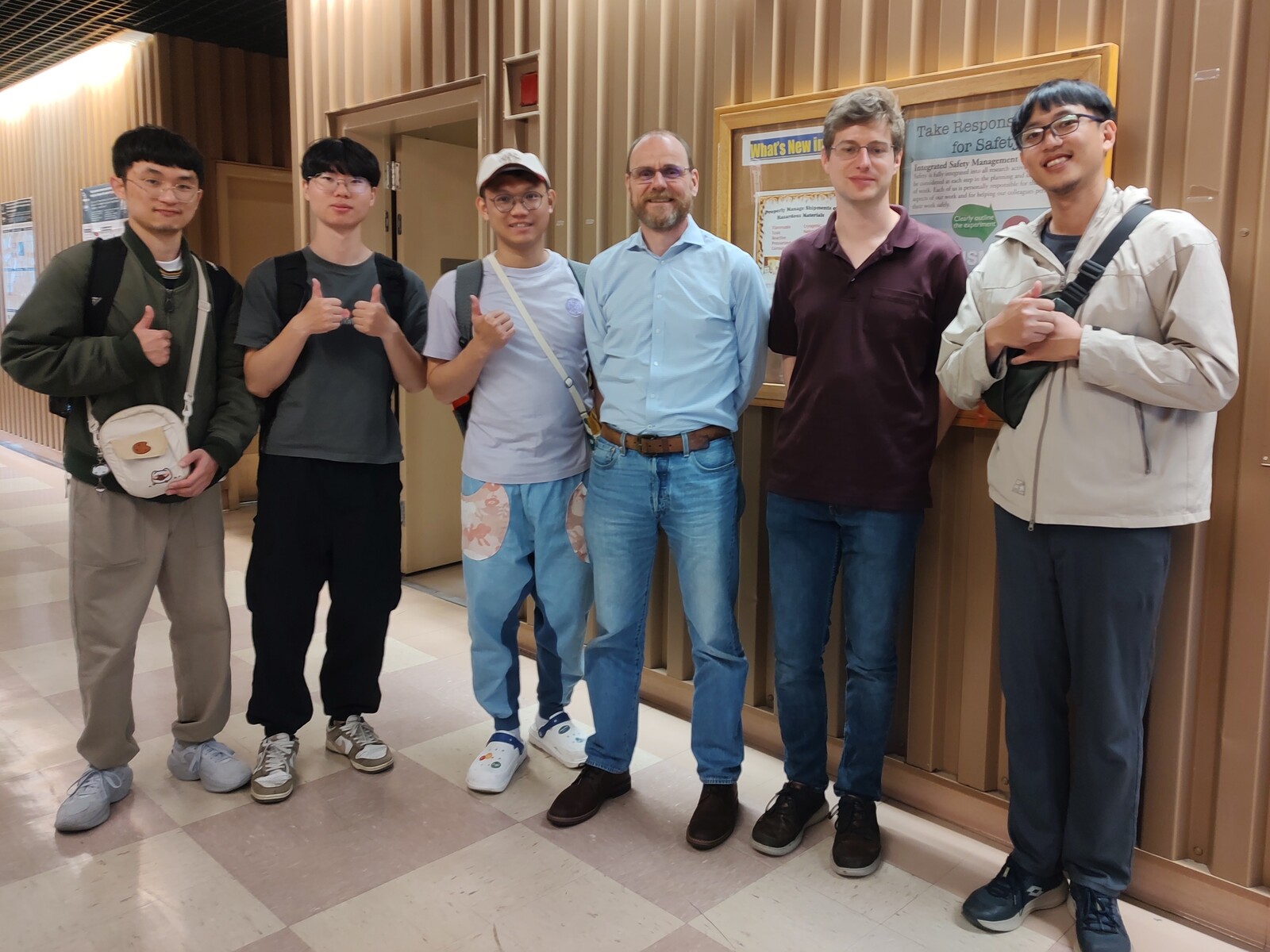
Following the experiments, the team continued to deepen academic exchanges. At Stanford University, they explored applications of machine learning in atmospheric and environmental research, gaining insights into how AI can support aerosol science and air quality analysis. At UC Berkeley, they learned the latest flat liquid jet photoelectron spectroscopy techniques from U.S. National Academy of Sciences member Daniel Neumark. The delegation also visited Lawrence Berkeley National Laboratory, where they exchanged ideas with senior scientists Musa Ahmed and Oliver Gessner, toured advanced light source facilities, and learned how synchrotron radiation technologies are used to analyze the microscopic properties of aerosols and their links to global climate issues.
In addition to professional development, students also gained confidence through cross-cultural experiences. Master's student Chih-Yen Wu, who traveled to the United States for the first time, admitted that he had initially been concerned about his language proficiency. However, with support from the collaborating teams, he adapted smoothly and found inspiration through interactions with leading scientists. "I not only learned how to conduct research, but also how to think and communicate in an international context," he said.
"Bringing students directly into the world's leading research environments is one of the most direct and effective ways to cultivate talent," emphasized Chia C. Wang. Through collaboration with top international institutions, students not only strengthen their experimental abilities and cross-border collaboration experience, but also develop a broader perspective early in their academic journeys, understanding how science connects microscopic molecular processes with global environmental challenges and laying a solid foundation for future international research careers.
To connect students with the world's most advanced scientific research at an early stage of their academic careers, the Aerosol Science Research Center at National Sun Yat-sen University (NSYSU), led by Director Chia C. Wang, brought postdoctoral researchers and master's students to the SLAC National Accelerator Laboratory in the United States for collaborative experiments. The delegation also visited leading international research institutions, including Lawrence Berkeley National Laboratory, the University of California, Berkeley (UC Berkeley), and Stanford University. During the trip, students not only operated world-leading Megaelectronvolt Ultrafast Electron Diffraction (MeV-UED) facilities and participated in photochemical studies of key aerosol-related molecules, but also engaged directly with internationally renowned scientists. The experience significantly enhanced their experimental skills, scientific perspectives, and global outlook, demonstrating NSYSU's strong international connections and talent cultivation capabilities in aerosol science.
Aerosols are closely linked to air quality and profoundly affect human health, while also serving as critical factors in climate change and ecosystem dynamics. NSYSU's Aerosol Science Research Center is the only research center in Asia dedicated specifically to aerosol science. Supported by the Ministry of Education's Higher Education SPROUT Project, the center has long been committed to international collaboration and professional talent cultivation, bringing students into world-class research environments and extending learning beyond the classroom to the forefront of global science.
During the visit, the team conducted a week-long bilateral experiment at the SLAC National Accelerator Laboratory with the research group of Lead Scientist Ming-Fu Lin. Using the world-leading MeV-UED facility, the researchers investigated the photochemical reactions of key atmospheric organic molecules, alpha-pinene and beta-pinene. These molecules are closely associated with natural environmental odors and are important precursors in aerosol formation. Through ultrafast dynamics techniques, researchers were able to capture molecular changes occurring within extremely short timescales, further advancing understanding of aerosol formation mechanisms and their relationship to climate change.
For the students, the experience represented a deep learning journey from theory to hands-on practice. Master's student Hsueh-Ching Liu noted that through direct experimentation and observation, previously abstract molecular dynamics became tangible and understandable, leading to substantial breakthroughs in both theoretical comprehension and laboratory techniques. Postdoctoral researcher Zhi-Hong Huang added that conducting experiments at world-class facilities and engaging in in-depth discussions with international scientists not only strengthened research capabilities but also broadened perspectives on scientific inquiry.
Following the experiments, the team continued to deepen academic exchanges. At Stanford University, they explored applications of machine learning in atmospheric and environmental research, gaining insights into how AI can support aerosol science and air quality analysis. At UC Berkeley, they learned the latest flat liquid jet photoelectron spectroscopy techniques from U.S. National Academy of Sciences member Daniel Neumark. The delegation also visited Lawrence Berkeley National Laboratory, where they exchanged ideas with senior scientists Musa Ahmed and Oliver Gessner, toured advanced light source facilities, and learned how synchrotron radiation technologies are used to analyze the microscopic properties of aerosols and their links to global climate issues.
In addition to professional development, students also gained confidence through cross-cultural experiences. Master's student Chih-Yen Wu, who traveled to the United States for the first time, admitted that he had initially been concerned about his language proficiency. However, with support from the collaborating teams, he adapted smoothly and found inspiration through interactions with leading scientists. "I not only learned how to conduct research, but also how to think and communicate in an international context," he said.
"Bringing students directly into the world's leading research environments is one of the most direct and effective ways to cultivate talent," emphasized Chia C. Wang. Through collaboration with top international institutions, students not only strengthen their experimental abilities and cross-border collaboration experience, but also develop a broader perspective early in their academic journeys, understanding how science connects microscopic molecular processes with global environmental challenges and laying a solid foundation for future international research careers.
Click Num:
Share