
NSYSU turning banana pseudo-stems into washi: Taiwan–Japan course explores sustainable futures for agricultural waste
2026-06-15
Bananas are not only for eating—they can also become the "paper of the future." National Sun Yat-sen University (NSYSU), in collaboration with Ehime University, launched the cross-national microcredit course "Taiwan–Japan Banana Co-learning: Innovative Applications of Agricultural Waste." The program brought Taiwanese and Japanese students to Cijin and Cishan in Kaohsiung, where they transformed discarded banana pseudo-stems into handmade paper while exploring ultrathin, highly durable nanofiber materials. Spanning hands-on fieldwork and materials science, the course connected agricultural waste reuse, carbon reduction, and local revitalization, enabling students not only to turn "waste into resources" themselves but also to witness how sustainable development can be realized at the local level.
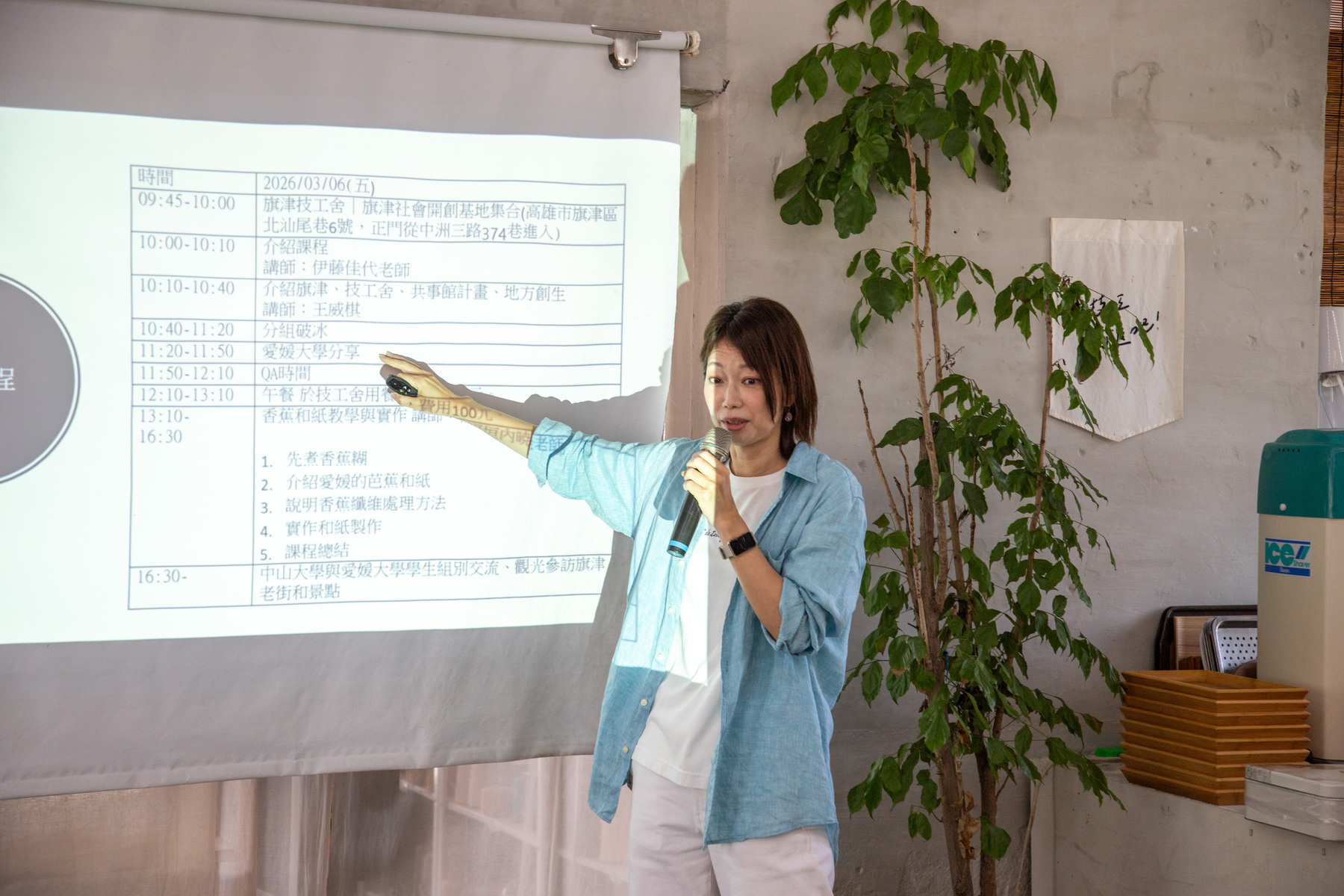
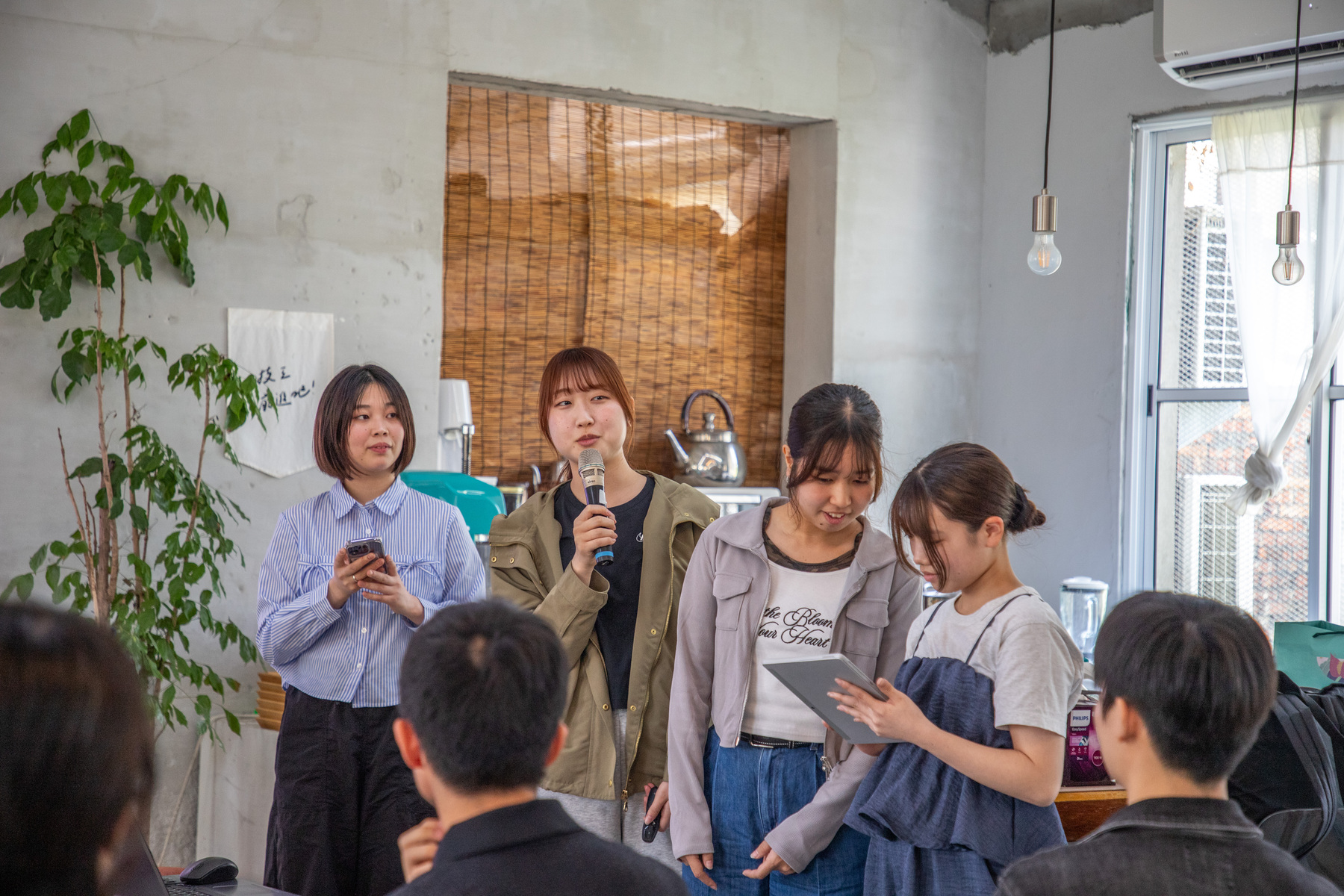
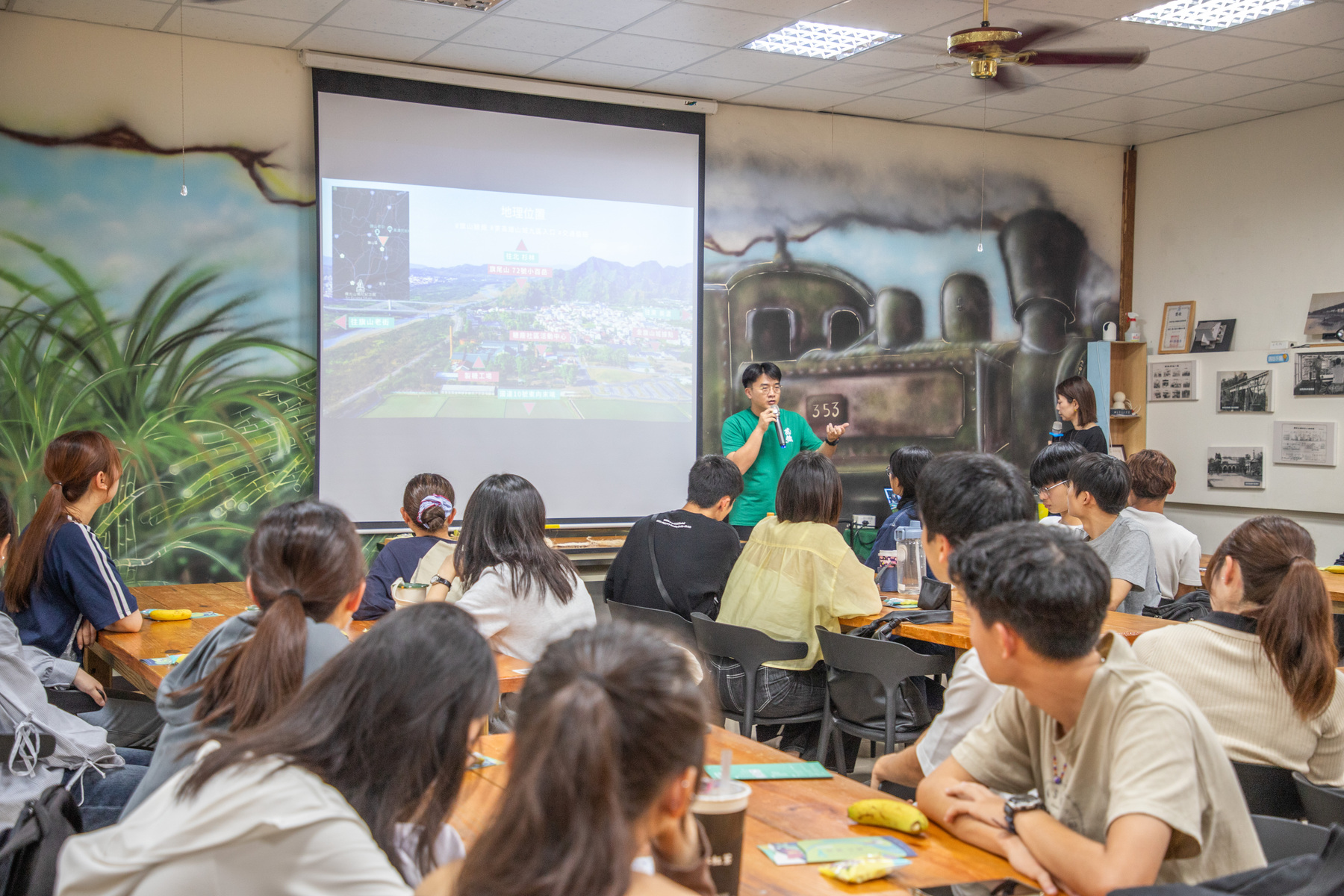
The microcredit course was jointly organized by Kayo Ito, Assistant Professor at NSYSU's Si Wan College, the university's USR Project "City as a Commuseum," Associate Professors Satoru Fukugaichi and Akira Yamanaka of Ehime University, and co-hosted by Qishan Marvel, a local organization deeply engaged in Cishan and dedicated to transforming agricultural waste into innovative resources. The program began in Cijin, where Taiwanese and Japanese students visited the "Cijin Social Innovation Base" under the guidance of the USR team and Kayo Ito to learn about local revitalization and adaptive reuse initiatives. Ice-breaking activities further encouraged interaction, while Ehime University students introduced local traditions, food culture, and idol culture from Ehime Prefecture, fostering mutual understanding and cultural exchange between Taiwan and Japan.
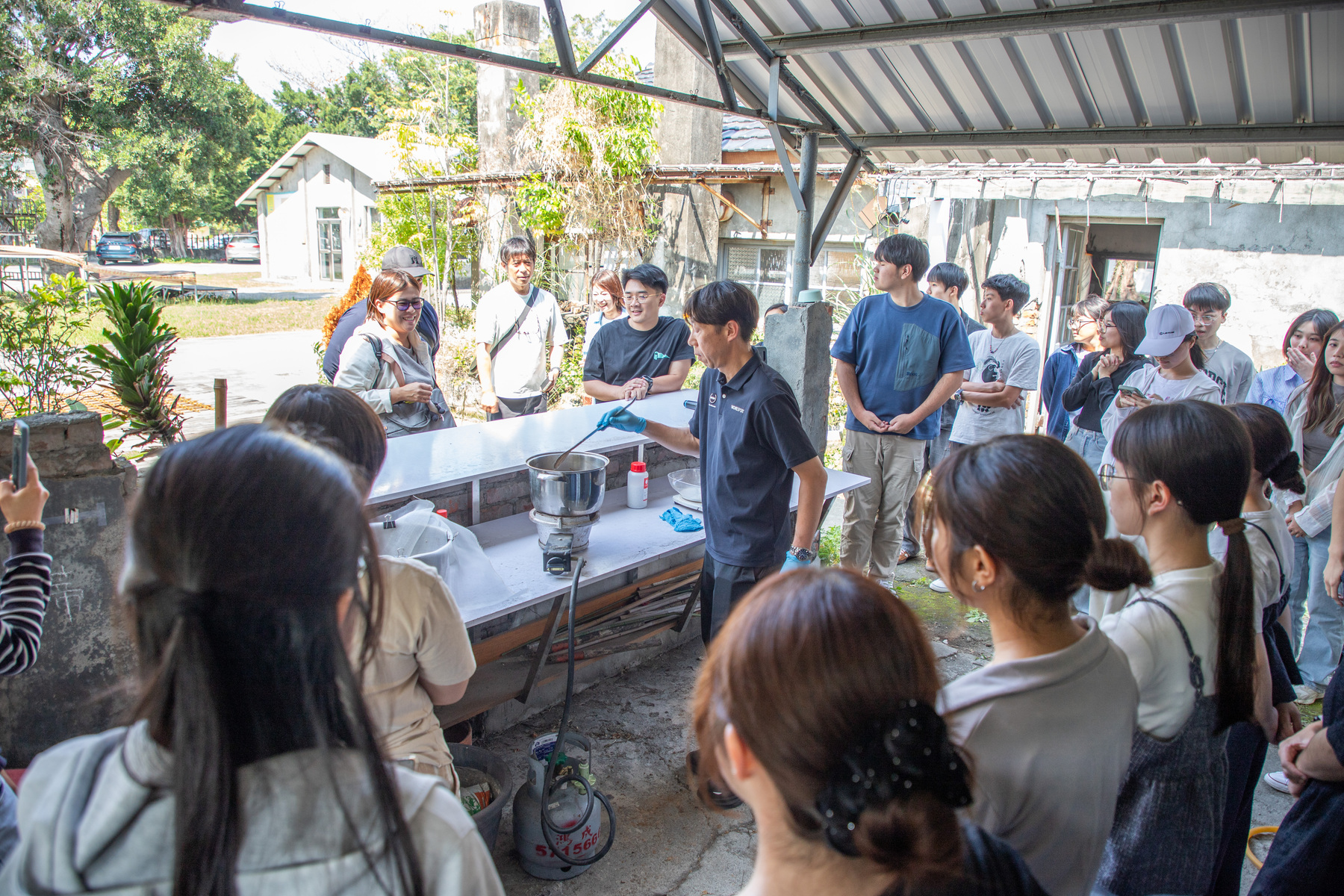
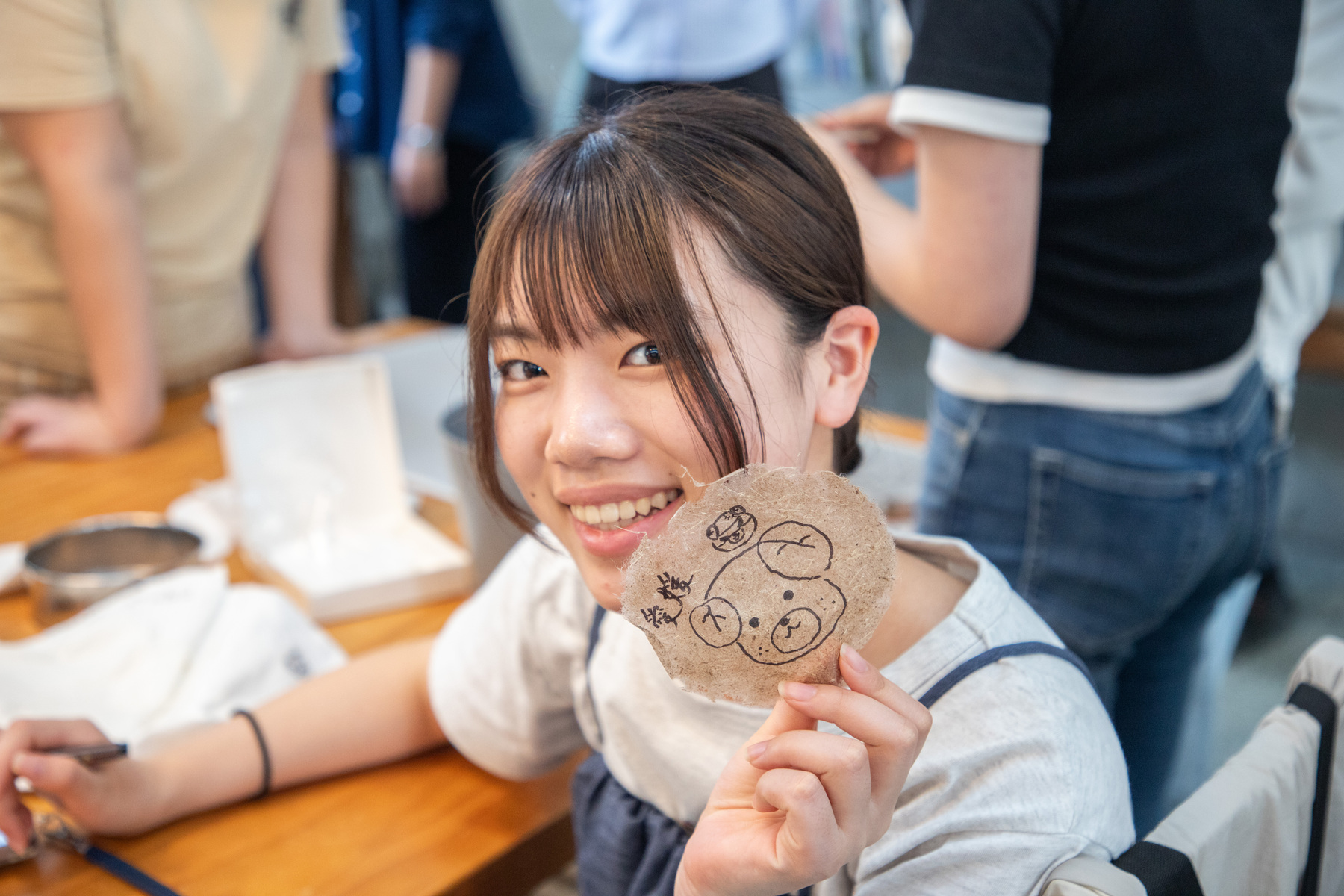
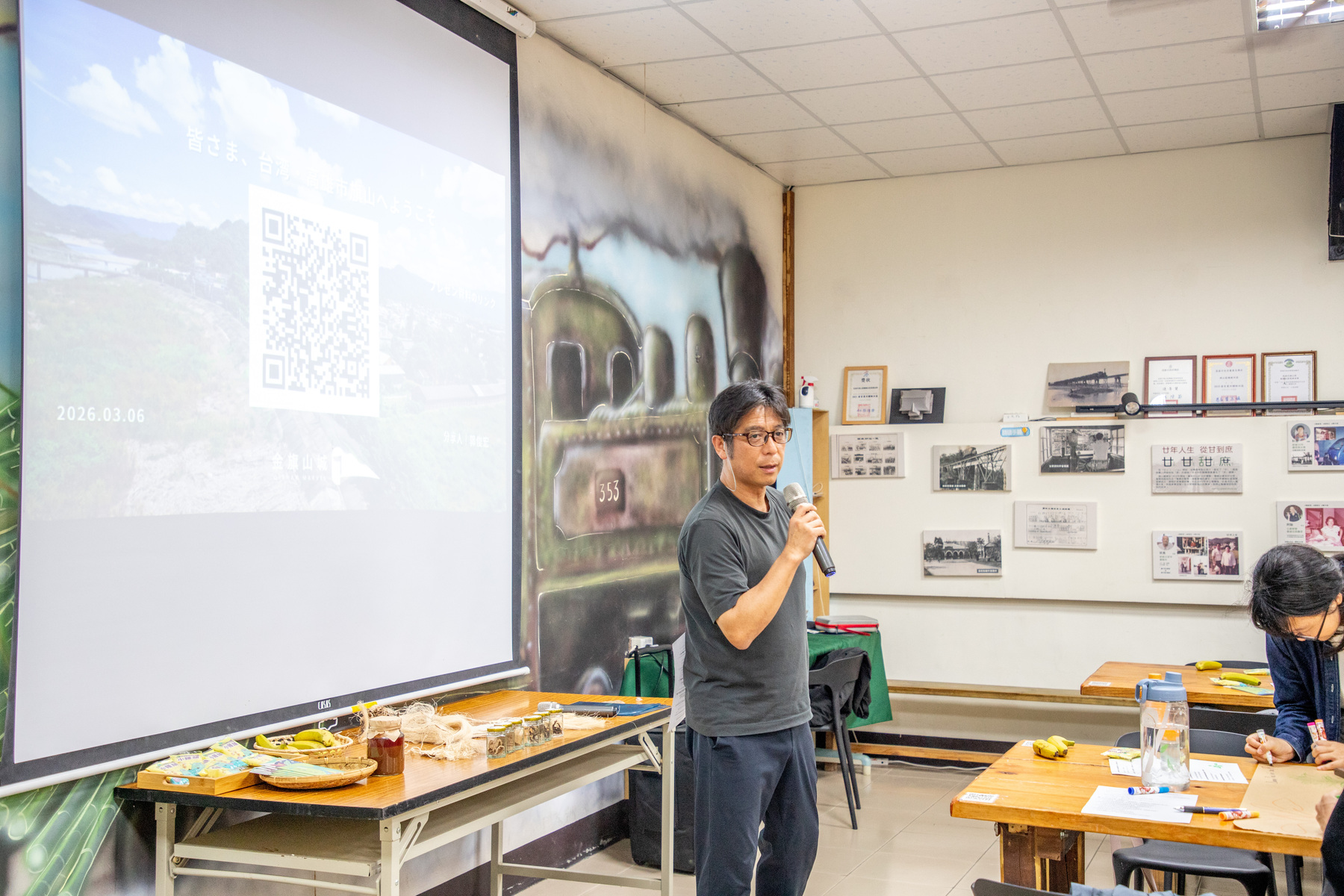
A key focus of the course was the reuse of agricultural waste. Associate Professor Satoru Fukugaichi, an expert in inorganic materials chemistry and bio-renewable energy at Ehime University, shared research on Japanese washi paper developed from locally sourced banana pseudo-stems agricultural waste in Ehime Prefecture. The resulting paper fibers reach the nanoscale, exhibiting both translucency and a plastic-like toughness, with the potential to become the world's thinnest paper. The material has also been incorporated into accessories and tie clips through collaborations with local brands, representing an outstanding example of sustainable carbon reduction combined with materials innovation. In Kaohsiung, Japanese faculty and students used bananas from Cishan to create banana washi paper, guiding Taiwanese students through each production step and transforming banana pseudo-stems into handmade paper with local characteristics. The Qishan Marvel team, which has long incorporated banana pseudo-stems into thick and practical recycled paper products, also joined the workshop to learn techniques for making banana washi paper, hoping to further expand the applications of Taiwan's banana agricultural waste in the future.
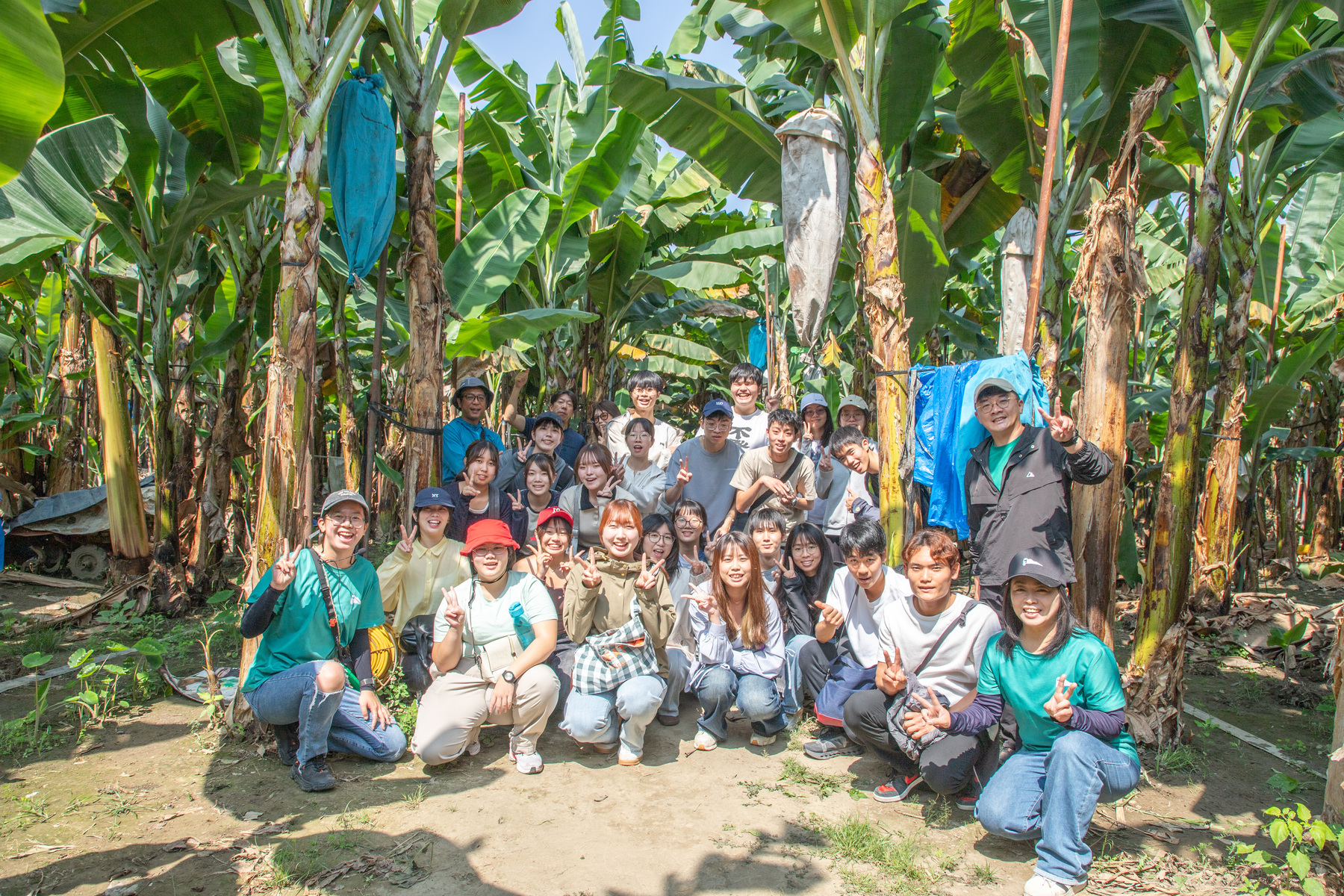
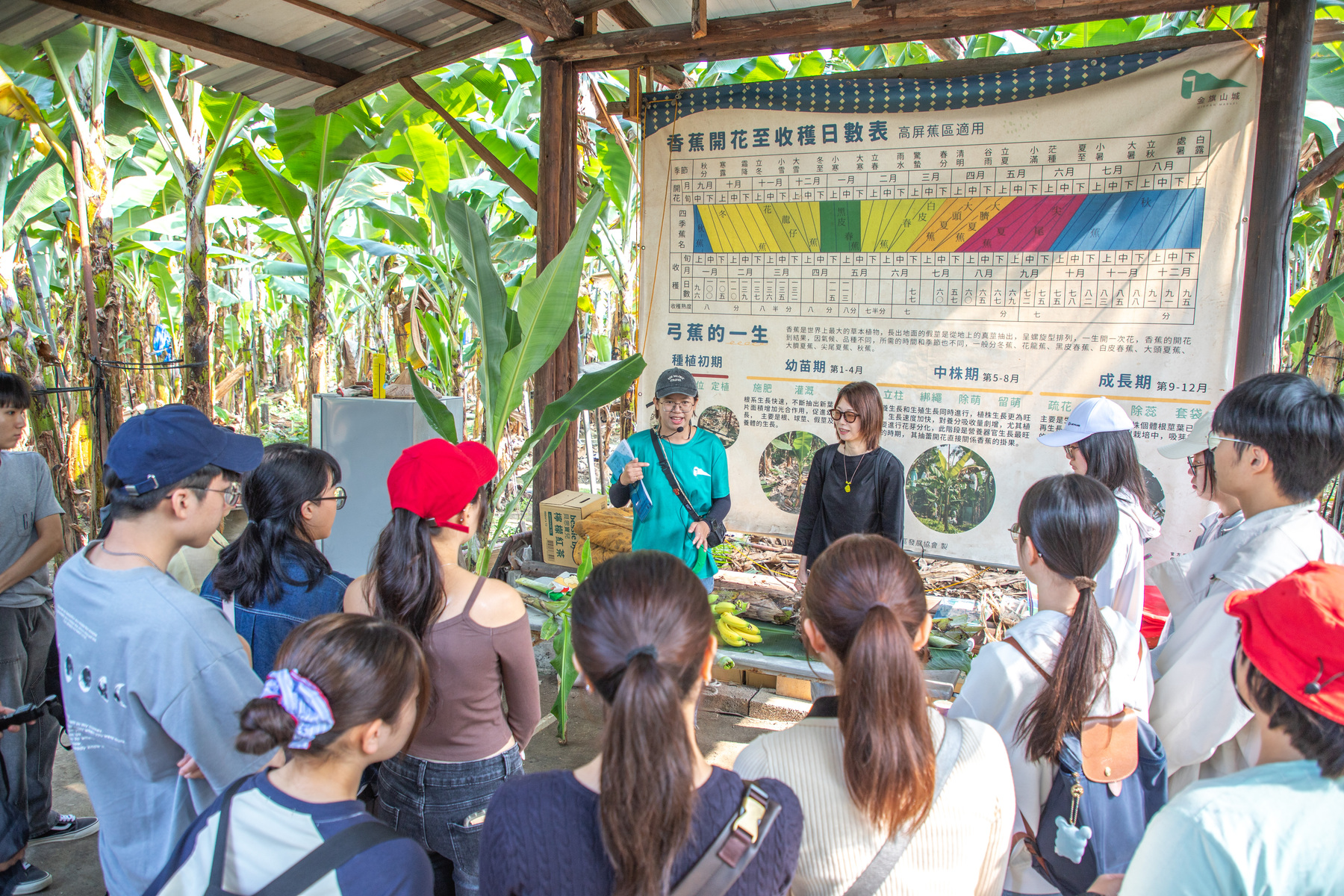
The course later moved to Cishan to deepen local learning experiences. The Qishan Marvel team guided students through banana plantations, introducing banana cultivation methods and growing environments. Through field observation and interaction, students gained insight into the meticulous management and strict quality standards required in the banana industry, as well as the crop's importance as one of Taiwan's key export agricultural products. At the same time, the course encouraged students to examine the large amount of agricultural waste generated by the banana industry. Drawing on his own experience of returning to his hometown, Qishan Marvel founder Chun-Hung Kuo shared the story behind establishing the organization and explained how agricultural waste and local wisdom can be integrated into environmental education and experiential activities to create new opportunities for regional industries. Through accessible discussions and exchanges, students were inspired to consider innovative possibilities in agricultural circularity and regional revitalization. The course also invited the Shoushan National Natural Park Headquarters to participate in discussions on innovative and sustainable uses of plant resources, with the hope of developing more educational activities and sustainability initiatives related to agricultural waste issues in the future.
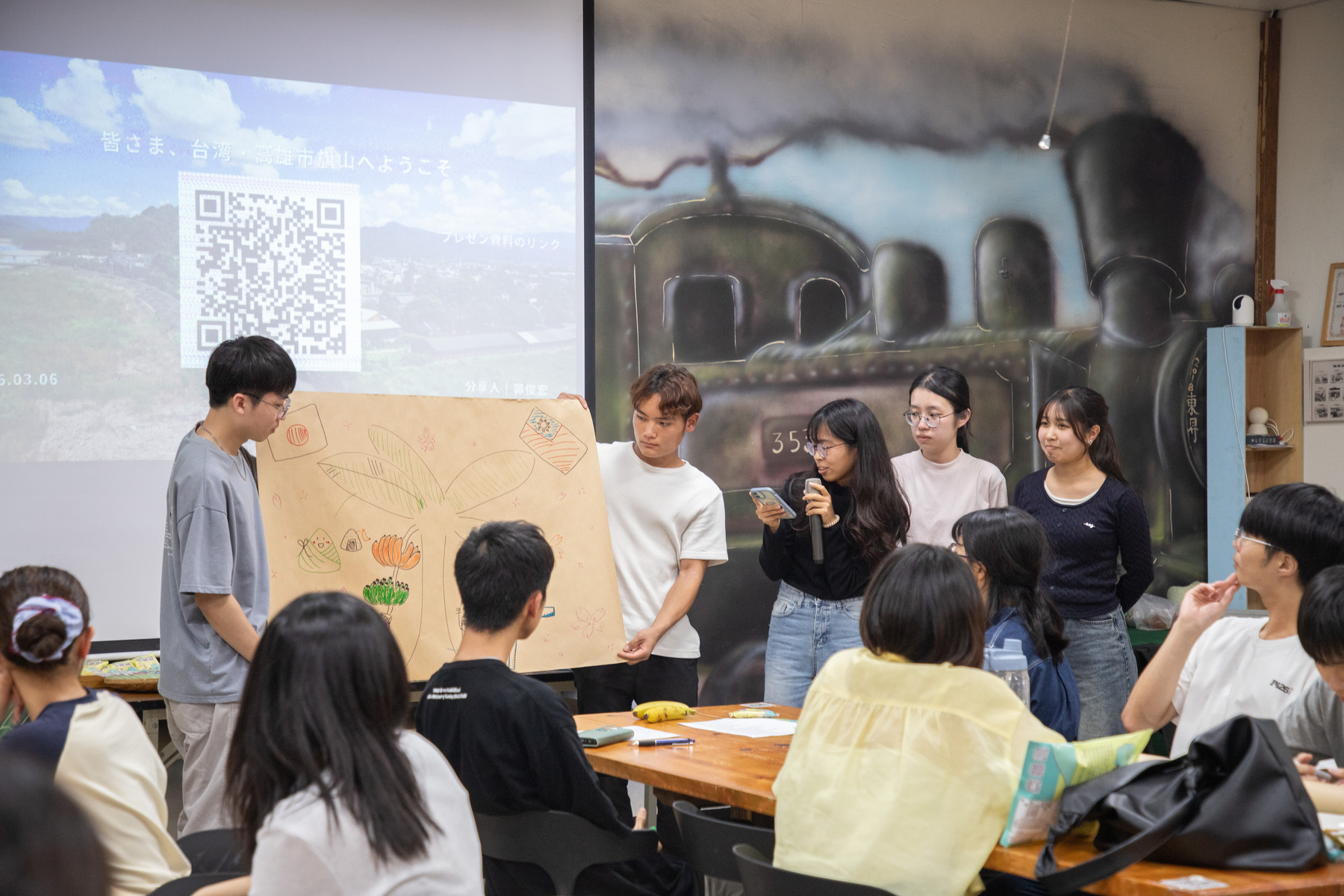
At the conclusion of the course, faculty members and students engaged in further discussions and Q&A sessions to deepen their understanding of Cishan's local industries and revitalization models. Student groups also presented summaries of their two-day learning experiences, demonstrating an expanding awareness of the banana industry and agricultural waste issues while generating diverse perspectives and innovative ideas. Through cross-national collaborative learning and local practice, the course enabled students to move beyond theory and to directly understand Taiwan and Japan's experiences and achievements in agricultural waste reuse, bioenergy applications, and carbon reduction practices. Similar international collaborative courses will continue in the future to cultivate talents equipped with sustainability-oriented thinking and cross-cultural competencies, while jointly exploring new possibilities for sustainable urban and rural development.
Bananas are not only for eating—they can also become the "paper of the future." National Sun Yat-sen University (NSYSU), in collaboration with Ehime University, launched the cross-national microcredit course "Taiwan–Japan Banana Co-learning: Innovative Applications of Agricultural Waste." The program brought Taiwanese and Japanese students to Cijin and Cishan in Kaohsiung, where they transformed discarded banana pseudo-stems into handmade paper while exploring ultrathin, highly durable nanofiber materials. Spanning hands-on fieldwork and materials science, the course connected agricultural waste reuse, carbon reduction, and local revitalization, enabling students not only to turn "waste into resources" themselves but also to witness how sustainable development can be realized at the local level.
The microcredit course was jointly organized by Kayo Ito, Assistant Professor at NSYSU's Si Wan College, the university's USR Project "City as a Commuseum," Associate Professors Satoru Fukugaichi and Akira Yamanaka of Ehime University, and co-hosted by Qishan Marvel, a local organization deeply engaged in Cishan and dedicated to transforming agricultural waste into innovative resources. The program began in Cijin, where Taiwanese and Japanese students visited the "Cijin Social Innovation Base" under the guidance of the USR team and Kayo Ito to learn about local revitalization and adaptive reuse initiatives. Ice-breaking activities further encouraged interaction, while Ehime University students introduced local traditions, food culture, and idol culture from Ehime Prefecture, fostering mutual understanding and cultural exchange between Taiwan and Japan.
A key focus of the course was the reuse of agricultural waste. Associate Professor Satoru Fukugaichi, an expert in inorganic materials chemistry and bio-renewable energy at Ehime University, shared research on Japanese washi paper developed from locally sourced banana pseudo-stems agricultural waste in Ehime Prefecture. The resulting paper fibers reach the nanoscale, exhibiting both translucency and a plastic-like toughness, with the potential to become the world's thinnest paper. The material has also been incorporated into accessories and tie clips through collaborations with local brands, representing an outstanding example of sustainable carbon reduction combined with materials innovation. In Kaohsiung, Japanese faculty and students used bananas from Cishan to create banana washi paper, guiding Taiwanese students through each production step and transforming banana pseudo-stems into handmade paper with local characteristics. The Qishan Marvel team, which has long incorporated banana pseudo-stems into thick and practical recycled paper products, also joined the workshop to learn techniques for making banana washi paper, hoping to further expand the applications of Taiwan's banana agricultural waste in the future.
The course later moved to Cishan to deepen local learning experiences. The Qishan Marvel team guided students through banana plantations, introducing banana cultivation methods and growing environments. Through field observation and interaction, students gained insight into the meticulous management and strict quality standards required in the banana industry, as well as the crop's importance as one of Taiwan's key export agricultural products. At the same time, the course encouraged students to examine the large amount of agricultural waste generated by the banana industry. Drawing on his own experience of returning to his hometown, Qishan Marvel founder Chun-Hung Kuo shared the story behind establishing the organization and explained how agricultural waste and local wisdom can be integrated into environmental education and experiential activities to create new opportunities for regional industries. Through accessible discussions and exchanges, students were inspired to consider innovative possibilities in agricultural circularity and regional revitalization. The course also invited the Shoushan National Natural Park Headquarters to participate in discussions on innovative and sustainable uses of plant resources, with the hope of developing more educational activities and sustainability initiatives related to agricultural waste issues in the future.
At the conclusion of the course, faculty members and students engaged in further discussions and Q&A sessions to deepen their understanding of Cishan's local industries and revitalization models. Student groups also presented summaries of their two-day learning experiences, demonstrating an expanding awareness of the banana industry and agricultural waste issues while generating diverse perspectives and innovative ideas. Through cross-national collaborative learning and local practice, the course enabled students to move beyond theory and to directly understand Taiwan and Japan's experiences and achievements in agricultural waste reuse, bioenergy applications, and carbon reduction practices. Similar international collaborative courses will continue in the future to cultivate talents equipped with sustainability-oriented thinking and cross-cultural competencies, while jointly exploring new possibilities for sustainable urban and rural development.
Click Num:
Share