
Hosting the annual conference of the Taiwan Communication Association, NSYSU discusses sustainability and resilience, and in remembrance of Chin-Chuan Lee


2026-07-02
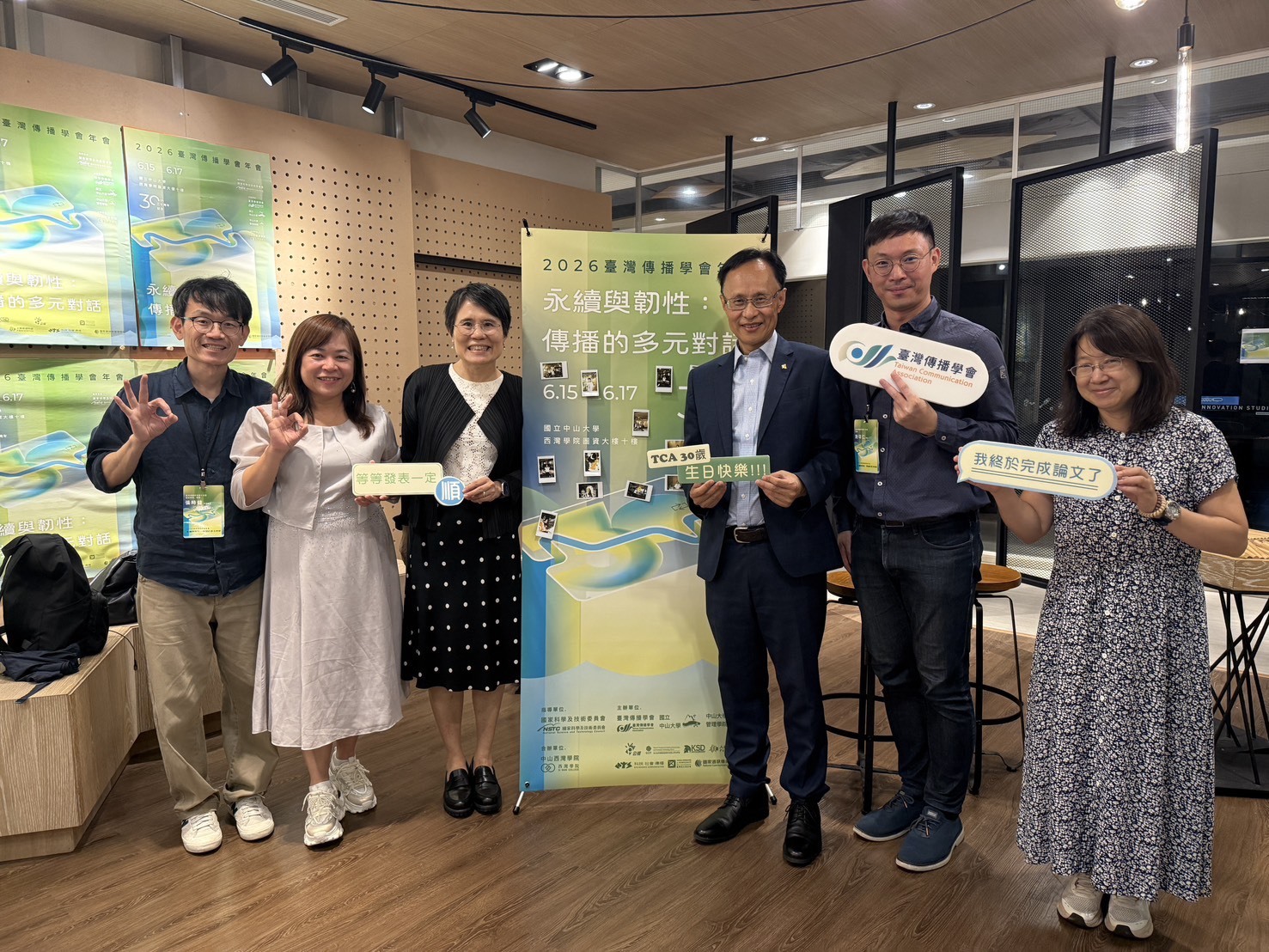
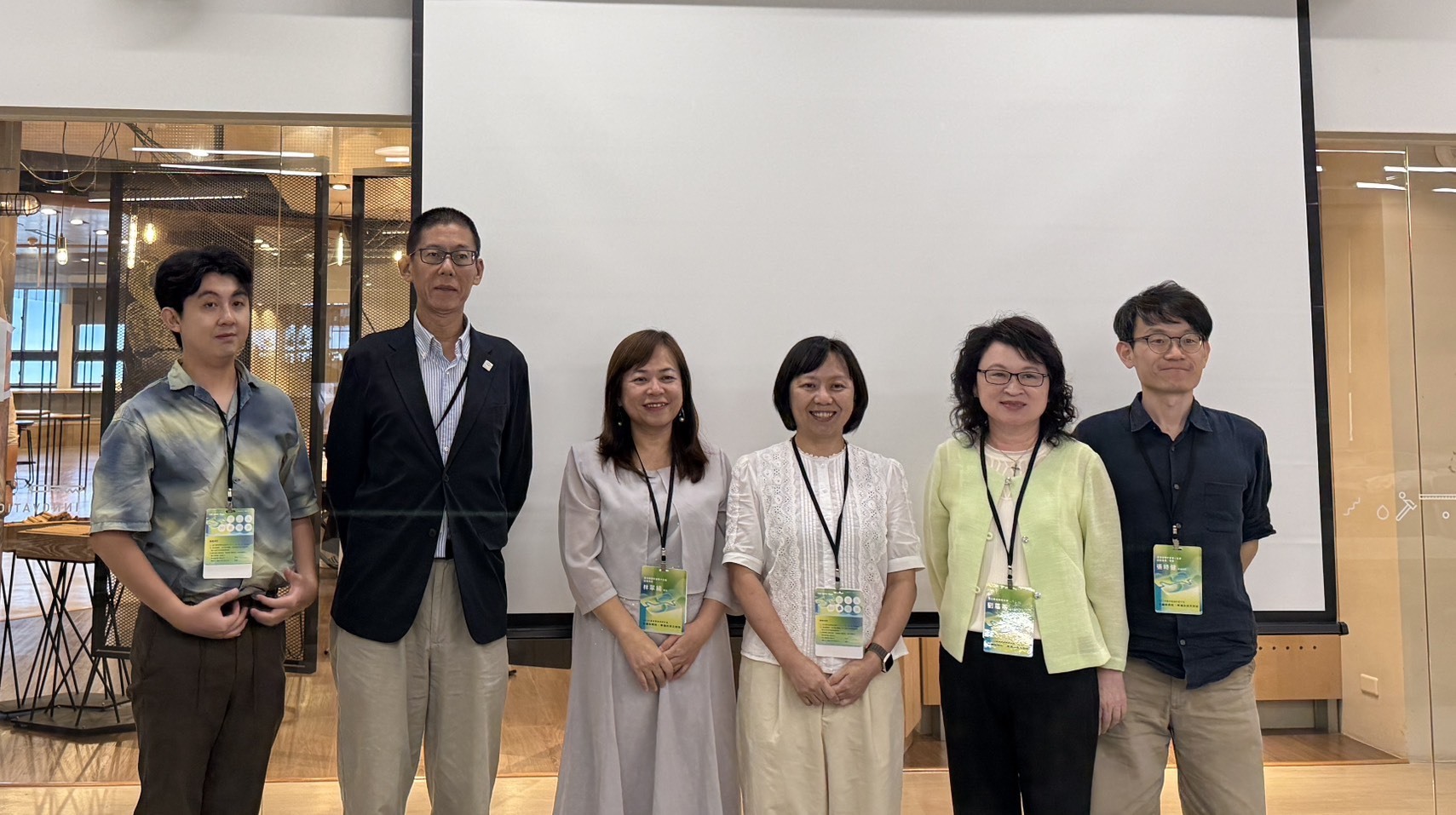
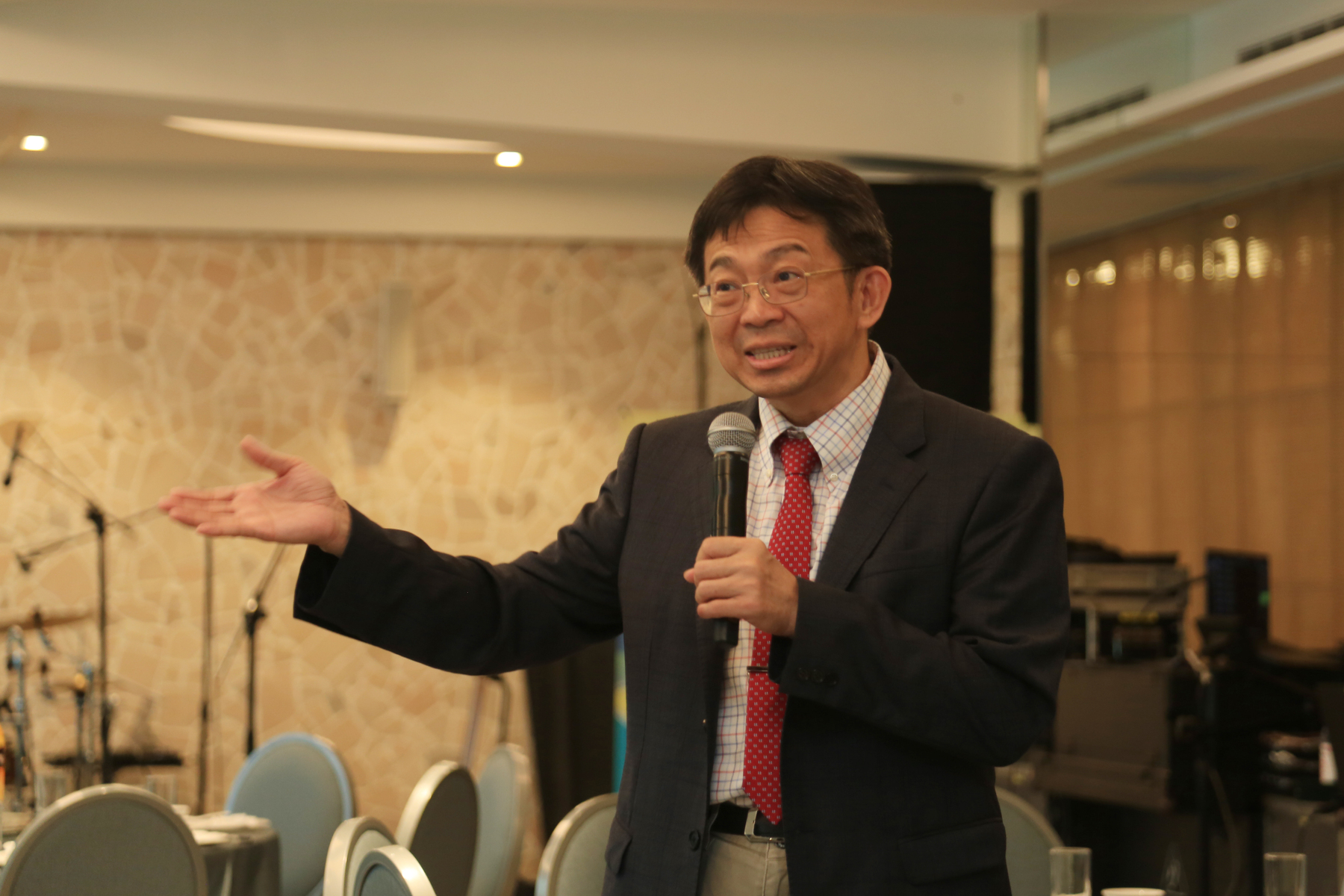
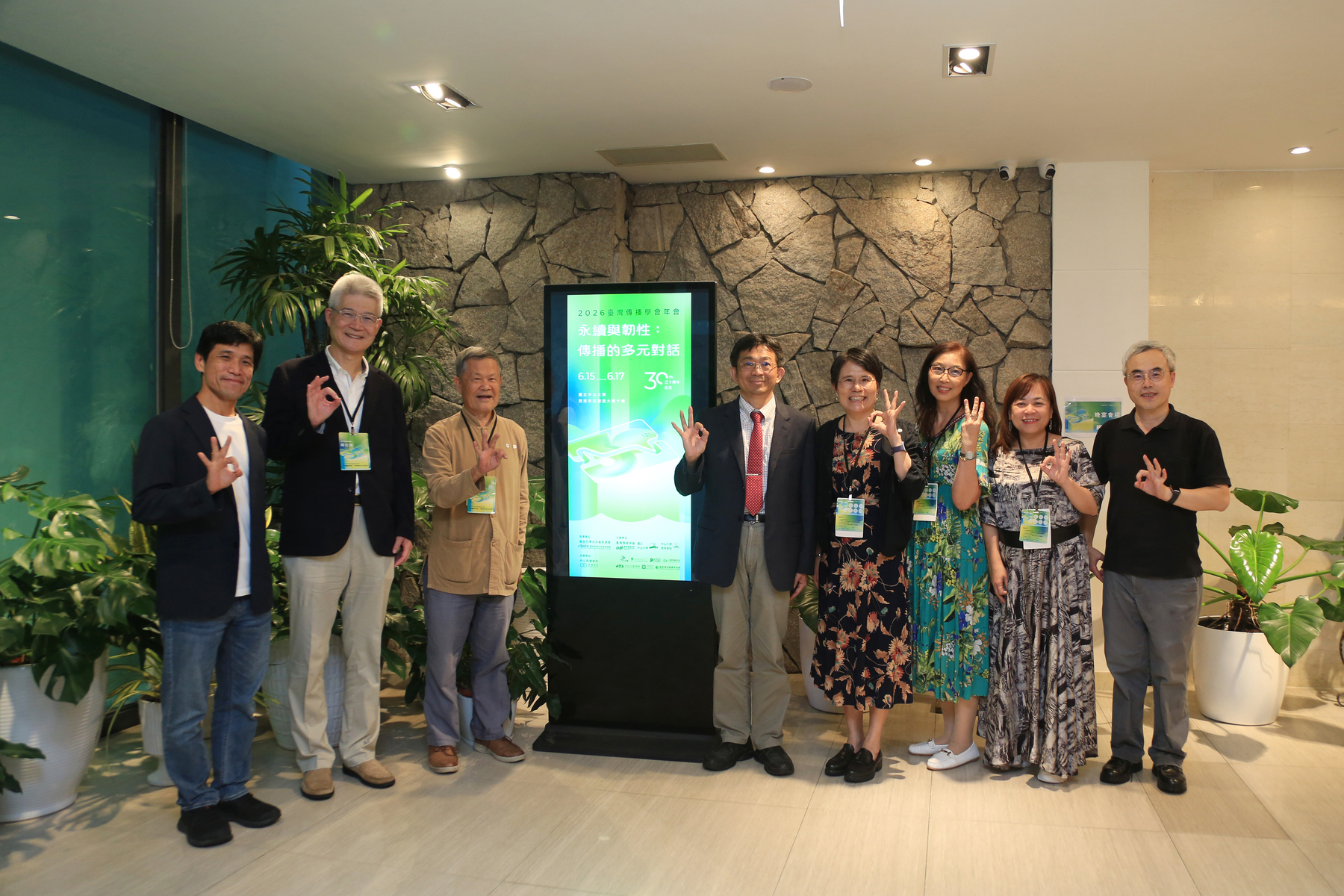
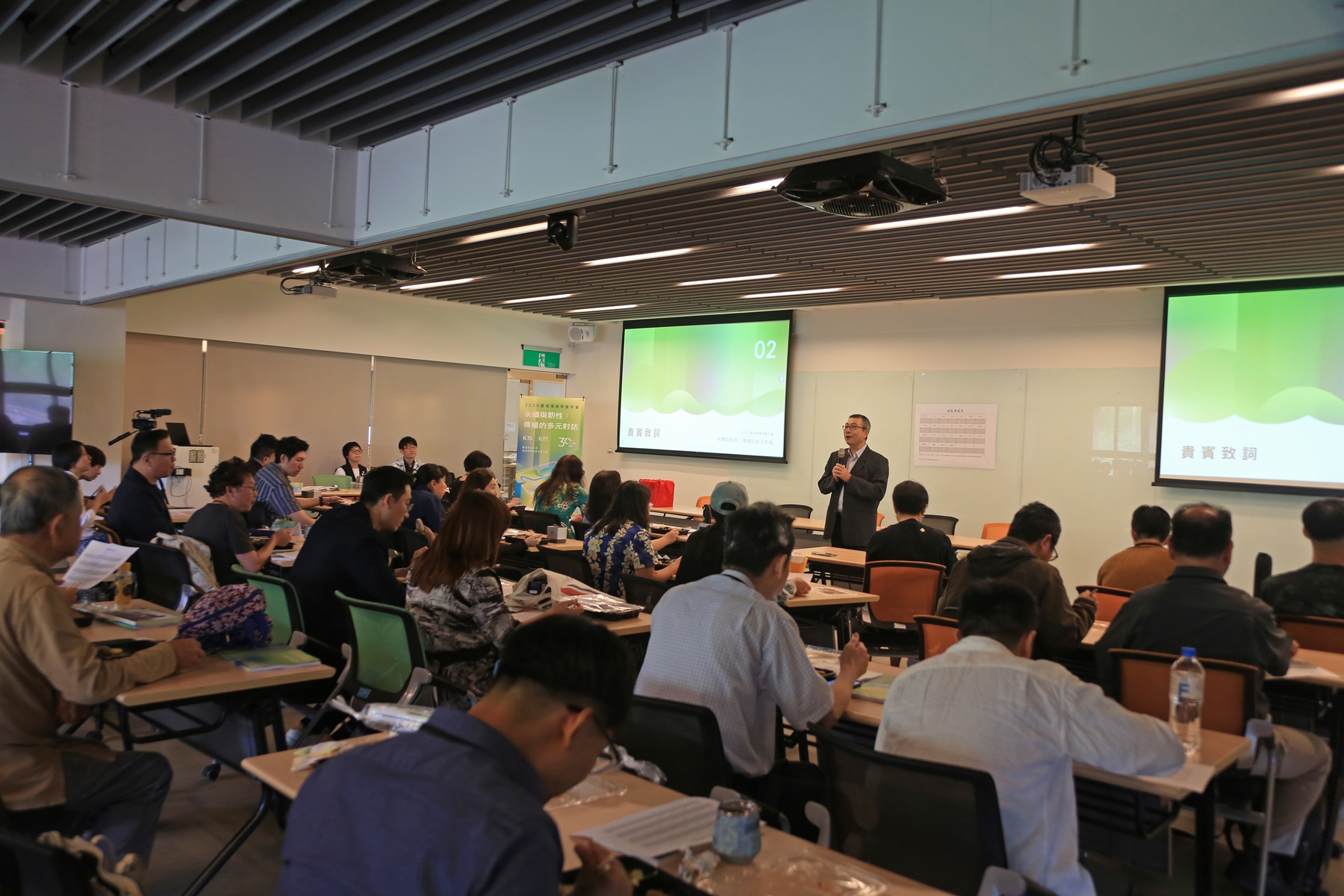
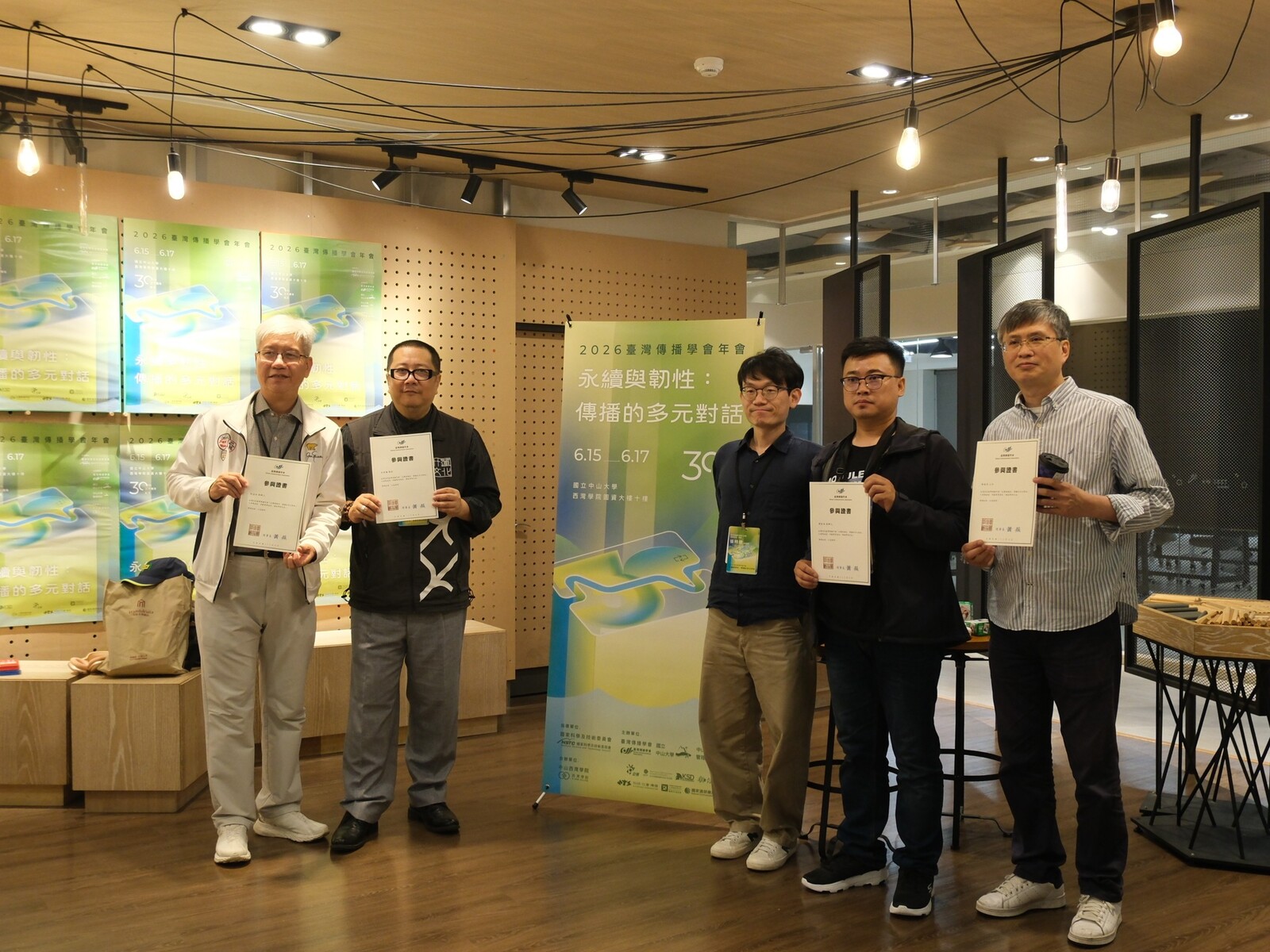
As generative AI reshapes the media landscape, short-form video transforms audience behavior, and fake news and deepfake scams challenge democratic societies, the 2026 Annual Conference of the Taiwan Communication Association was held at National Sun Yat-sen University (NSYSU). Bringing together more than 200 scholars and experts from over 30 universities and research institutions in Taiwan and abroad, the conference focused on contemporary issues including AI, media trust, public communication, political polarization, sustainability communication, and cultural industries. One of the most anticipated highlights was the memorial symposium for Professor Chin-Chuan Lee, moderated by Ping Shaw, Professor of the Institute of Marketing Communication at NSYSU and President of the Taiwan Communication Association. The session brought together internationally renowned scholars to reflect on Chin-Chuan Lee's profound contributions to Chinese journalism studies, media publicness, and critical communication research.
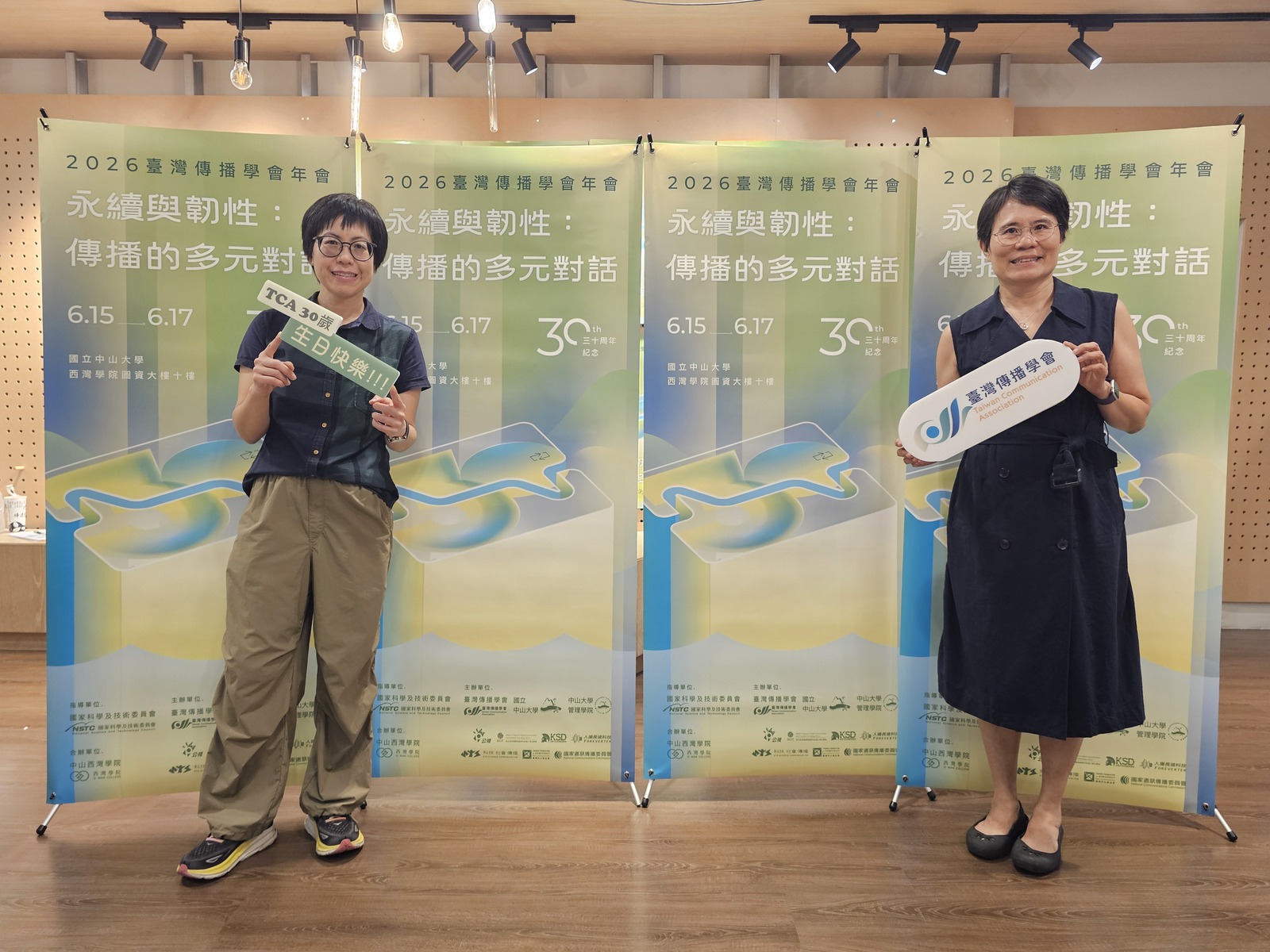
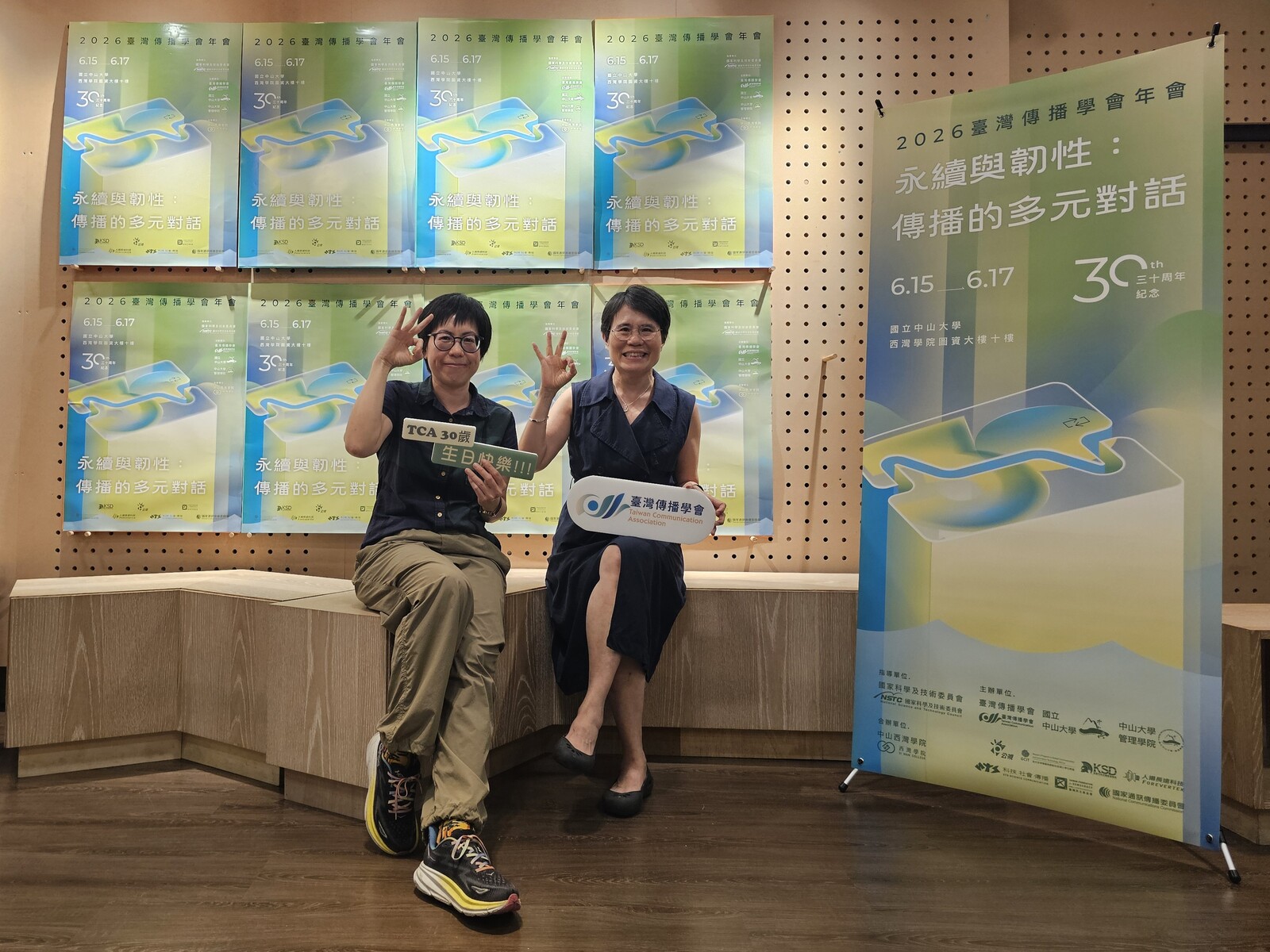
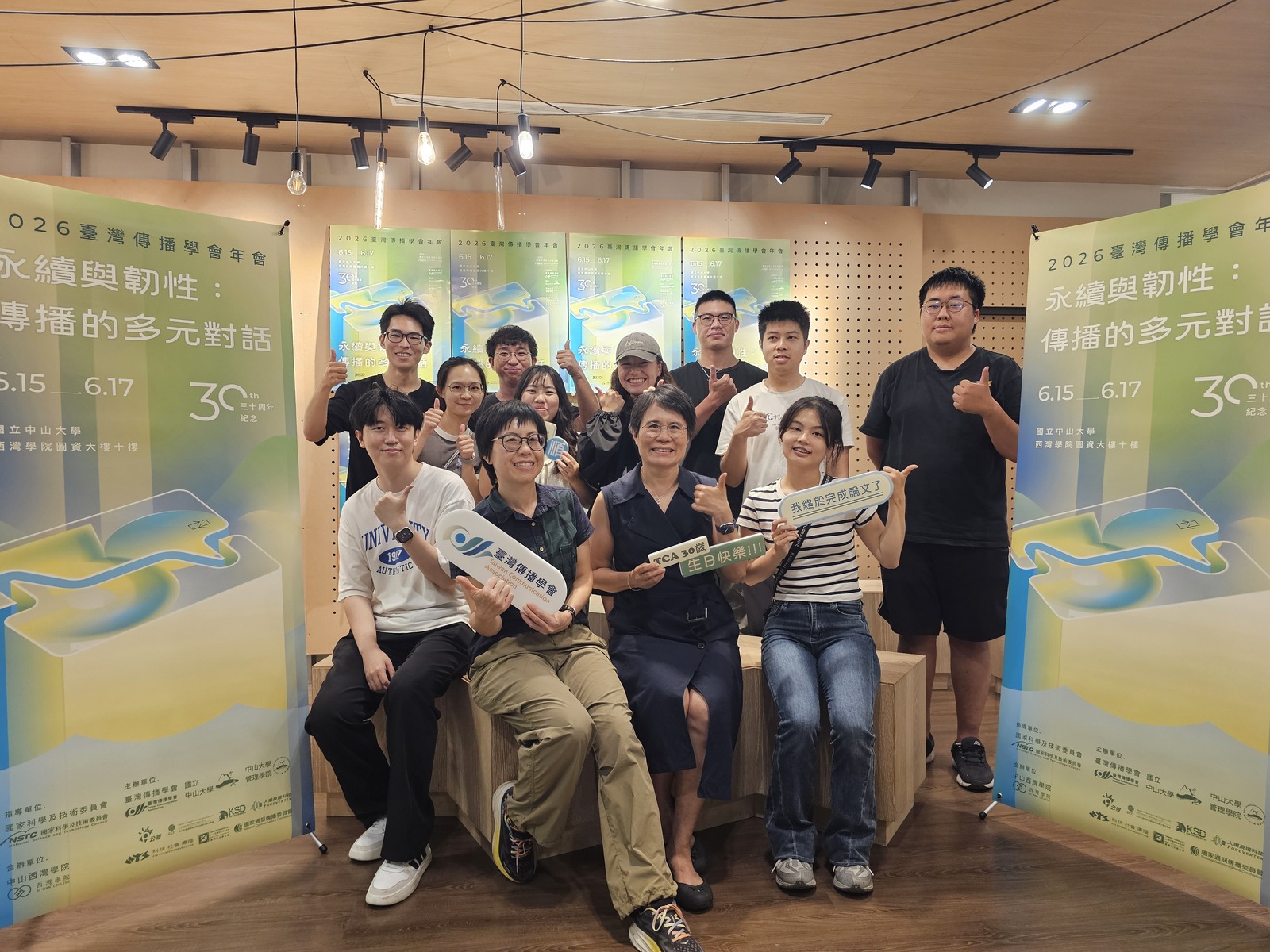
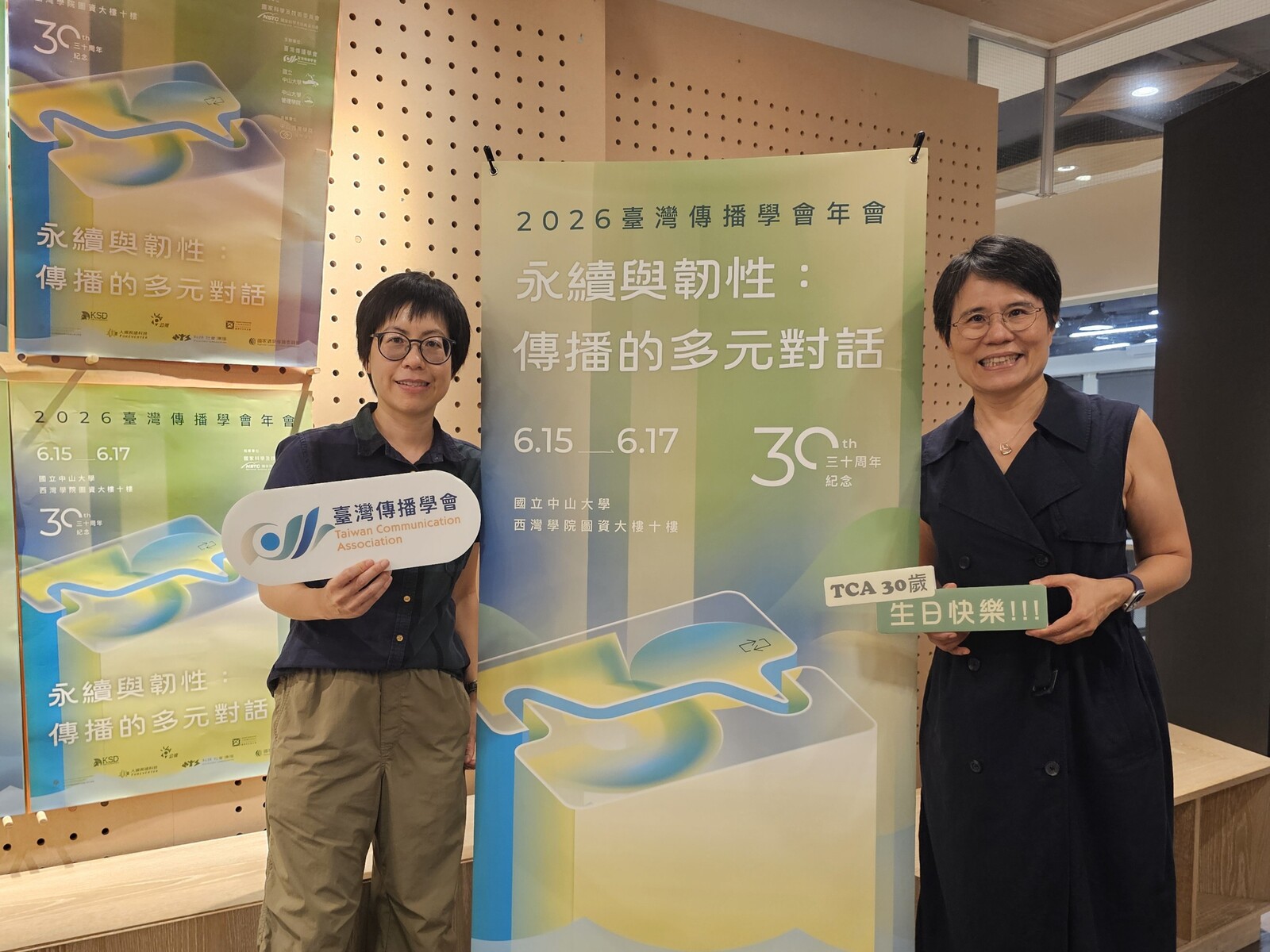
The annual conference also carried special significance as it marked the 30th anniversary of the Taiwan Communication Association. The three-day agenda featured keynote speeches, panel discussions, paper presentations, and poster sessions. Participating institutions included the London School of Economics and Political Science, Nanyang Technological University (Singapore), the University of Amsterdam (Netherlands), the University of Glasgow (UK), the University of Iowa (USA), The Chinese University of Hong Kong, Hong Kong Baptist University, National Sun Yat-sen University, National Taiwan University, National Yang Ming Chiao Tung University, National Chengchi University, National Chung Cheng University, Shih Hsin University, and Chinese Culture University, among many others. The event highlighted the strong international engagement and academic vitality of communication research in Taiwan.
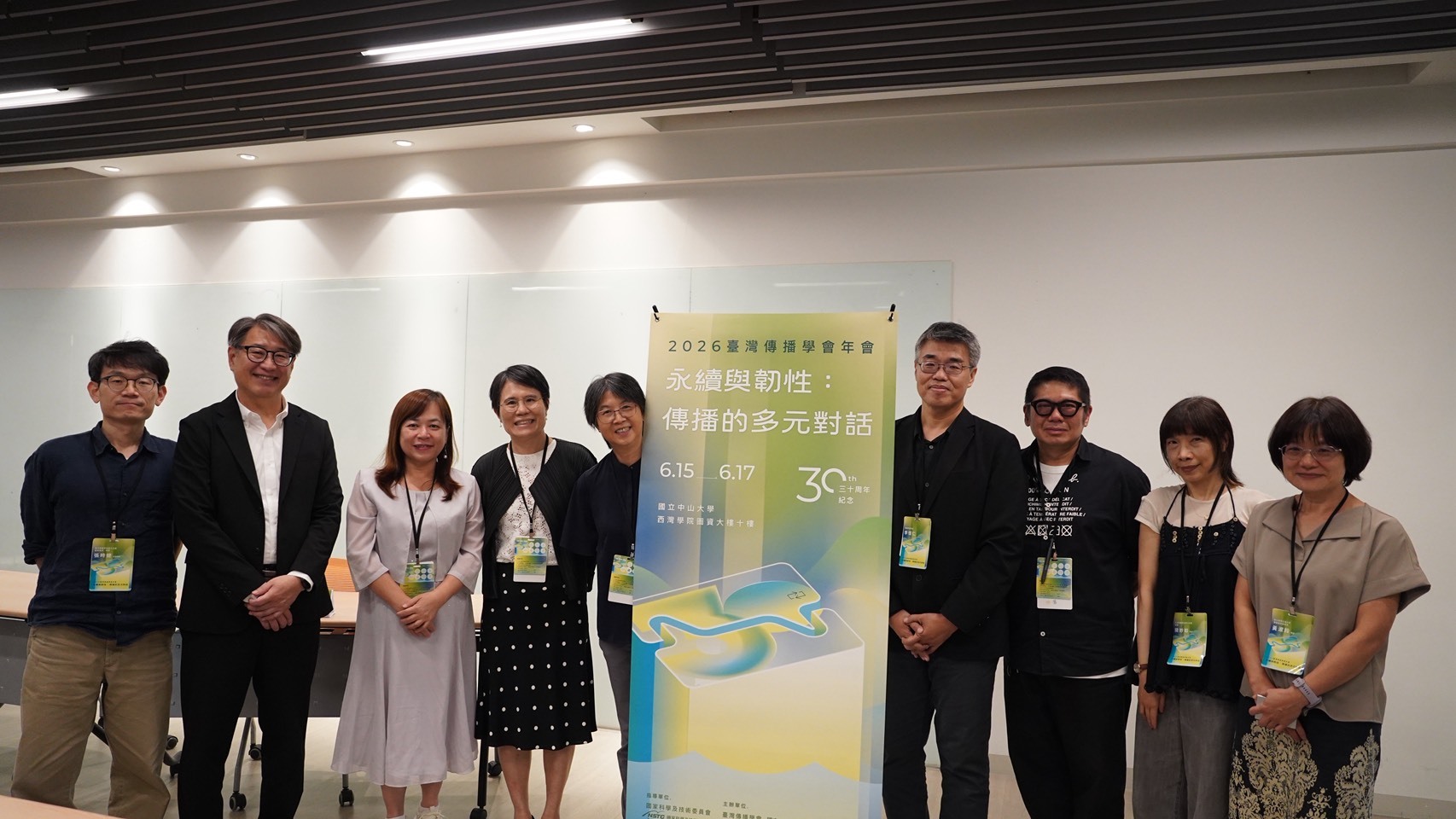
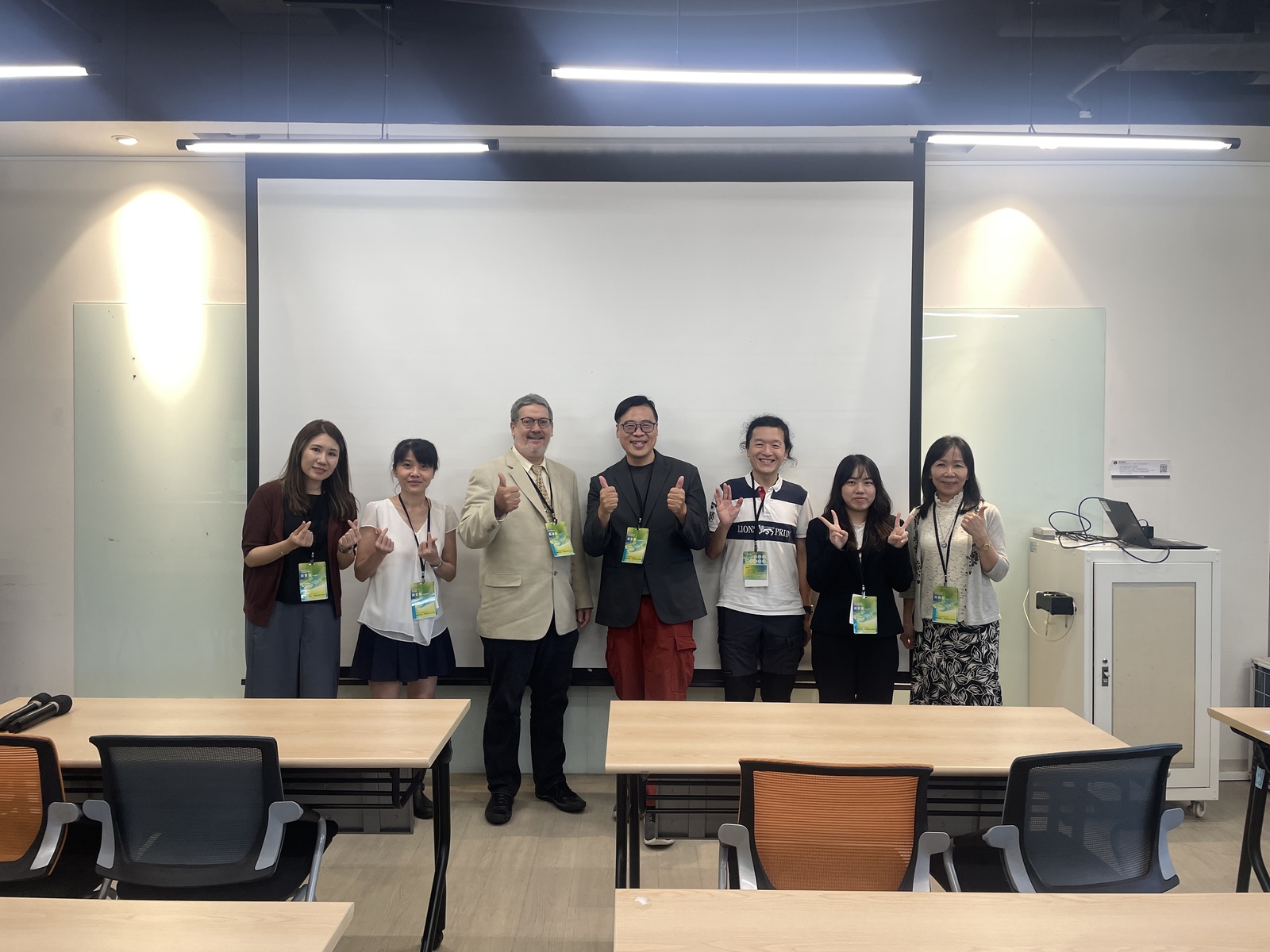
The memorial symposium for Professor Chin-Chuan Lee emerged as one of the most intellectually engaging sessions of the conference, combining scholarly reflection with personal remembrance. A leading figure in Chinese communication studies, Chin-Chuan Lee devoted his career to journalism freedom, Chinese media studies, and international communication, leaving a lasting influence across China, Taiwan, Hong Kong, Macau, and the global academic community. Moderated by Professor Ping Shaw of the Institute of Marketing Communication at NSYSU, the panel featured distinguished scholars including Emeritus Professor Joseph Man Chan and Professor Francis Lap Fung Lee of the School of Journalism and Communication at The Chinese University of Hong Kong; Jack Linchuan Qiu, Chair of the Wee Kim Wee School of Communication and Information at Nanyang Technological University; Mei-Ling Hsu, Professor of the Department of Journalism at National Chengchi University; Chih-Hsien Chen, Professor of the Department of Cultural and Creative Industries at National Kaohsiung University of Science and Technology and Editor-in-Chief of Taiwan Journal of Communication; and Chung-Hsiang Kuang, Professor and Chair of the Department of Communication at National Chung Cheng University.
Panelists discussed not only Chin-Chuan Lee's contributions to journalism freedom and critical research but also how his transnational perspective helped establish influential methodologies in Chinese communication research. They highlighted his longstanding commitment to encouraging younger scholars to engage with public affairs and social issues. In an era increasingly shaped by AI and platform algorithms, Chin-Chuan Lee's emphasis on media publicness, democratic values, and critical inquiry remains highly relevant to contemporary communication studies.
The conference agenda also closely reflected current social trends. Topics ranged from "How Taiwan countered disinformation during the 2024 presidential election" and "Governing deepfake fraud" to "AI-generated military short videos," "Political entertainment and meme culture," and "Challenges of generative AI for education and media literacy." These discussions underscored how issues such as information authenticity, emotional mobilization on social media platforms, and algorithmic governance have become central concerns in communication research.
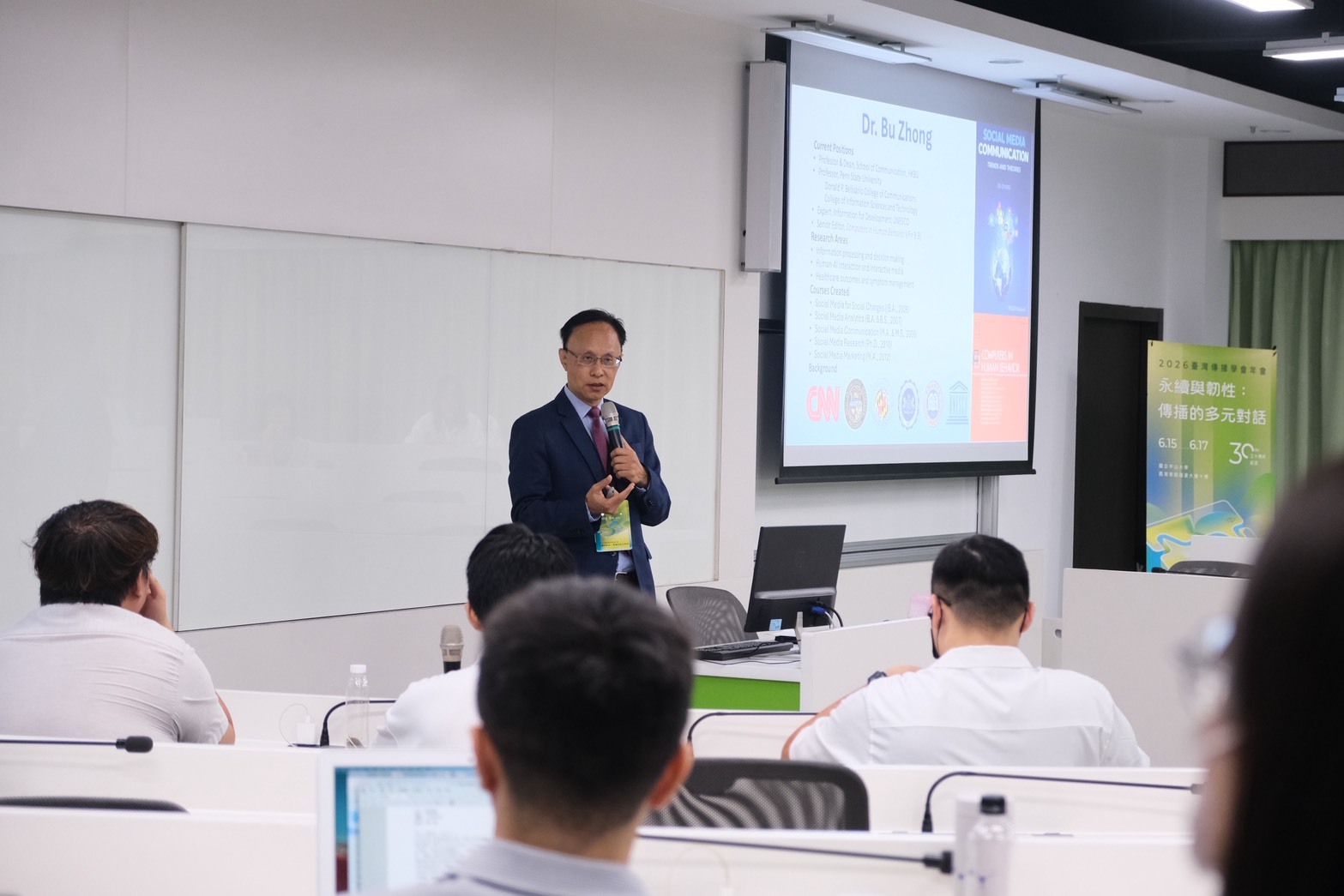
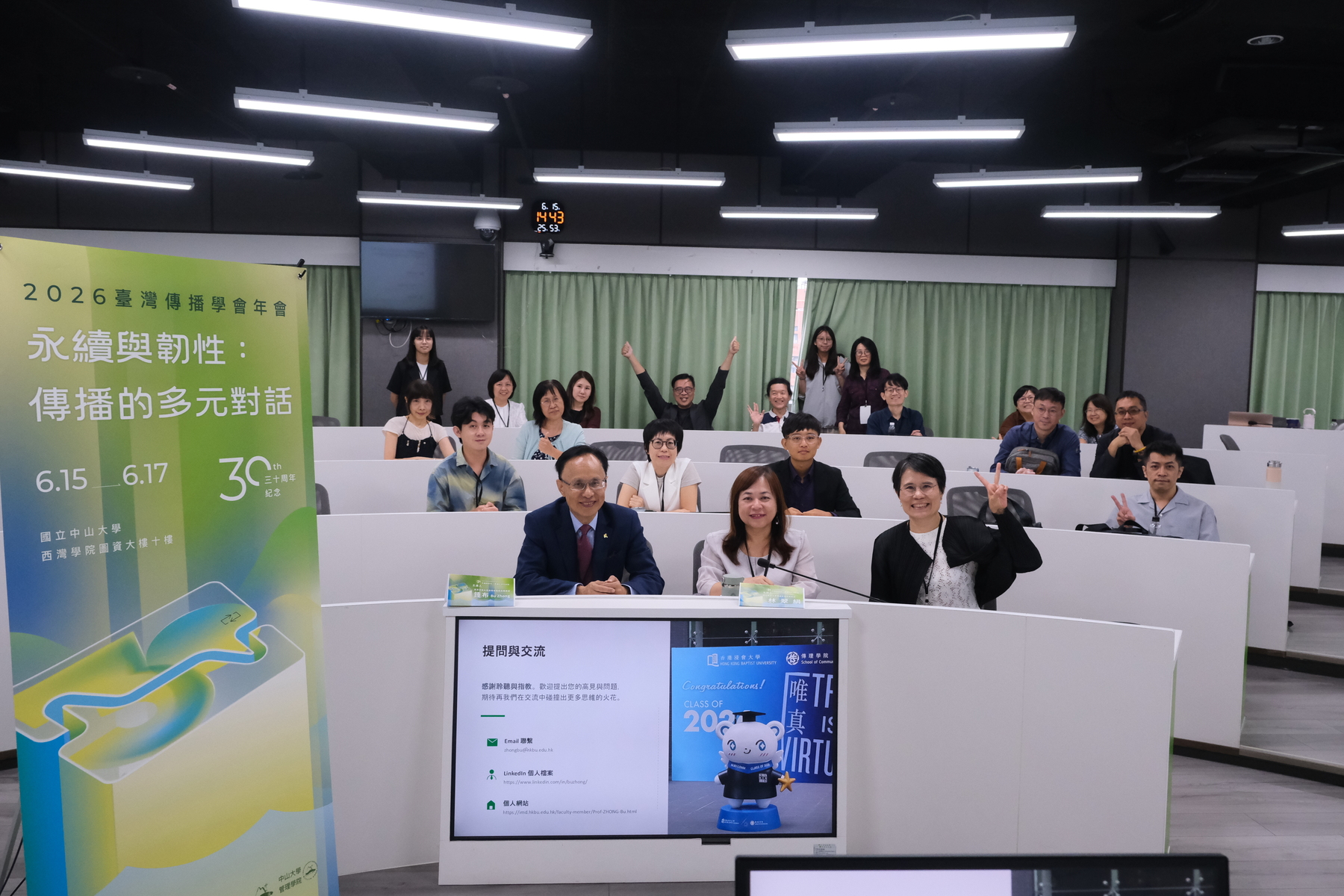
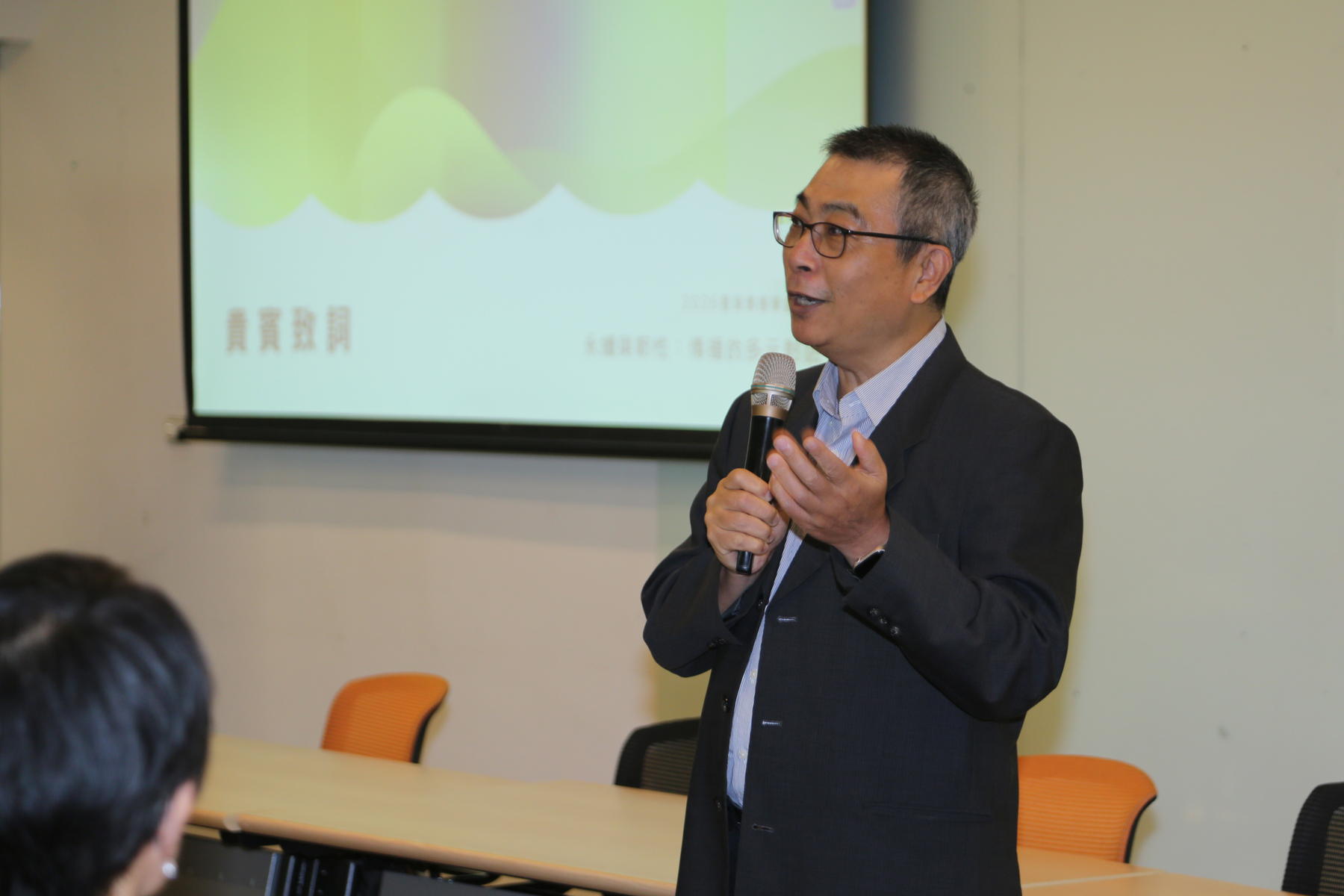
Several forums also focused on media publicness and sustainability communication. One keynote address was delivered by Zhong Bu, Dean of the School of Communication at Hong Kong Baptist University, titled Sustainability and Resilience through Communication: Building Bridges in a Divided World. The presentation explored how to build social resilience through communication in a divided world. Another keynote, "Sustainability and resilience: reflections on the second half of life," was presented by Shih-Min Chen, Founding President of the Taiwan Communication Association and Emeritus Professor of the College of Communication at National Chengchi University, linking academic inquiry with personal experience to reflect on the relationship between communication research and social responsibility.
Beyond AI and political communication, the conference showcased emerging insights into popular culture and digital life from a younger generation of researchers. Topics included K-pop fandom, discussions of marriage-free and child-free lifestyles on Threads, short-form video and meme culture, VR storytelling, virtual idols, AI-generated personas, and digital intimacy. These studies demonstrated how communication research has expanded beyond traditional journalism and media to encompass algorithms, affective culture, and platform societies.
The conference concluded with poster presentations and a public media forum addressing topics such as the next generation of public communication by Public Television Service Taiwan, media education for children and adolescents, and audience behavior on streaming platforms. These discussions highlighted a pressing challenge shared by both academia and the media industry: how public media can rebuild trust and strengthen social connections in an age increasingly shaped by AI and platformization.