
Naming a new goby species inspired by indigenous facial tattoo traditions NSYSU identifies Lentipes ptasan
2026-08-10
Although the traditional facial tattoo culture of Taiwan's indigenous peoples has largely become part of history, their cultural legacy of facial tattoo continues in different forms. Distinguished Professor Te-Yu Liao of National Sun Yat-sen University (NSYSU), currently serving on secondment as Director General of the Taiwan Ocean Research Institute (TORI) at the National Institutes of Applied Research (NIAR), and Ph.D. student Wei-Cheng Jhuang, have recently described a new fish species, Lentipes ptasan. The name is inspired by indigenous facial tattoo culture, representing a notable example of how taxonomic research can incorporate humanistic significance.
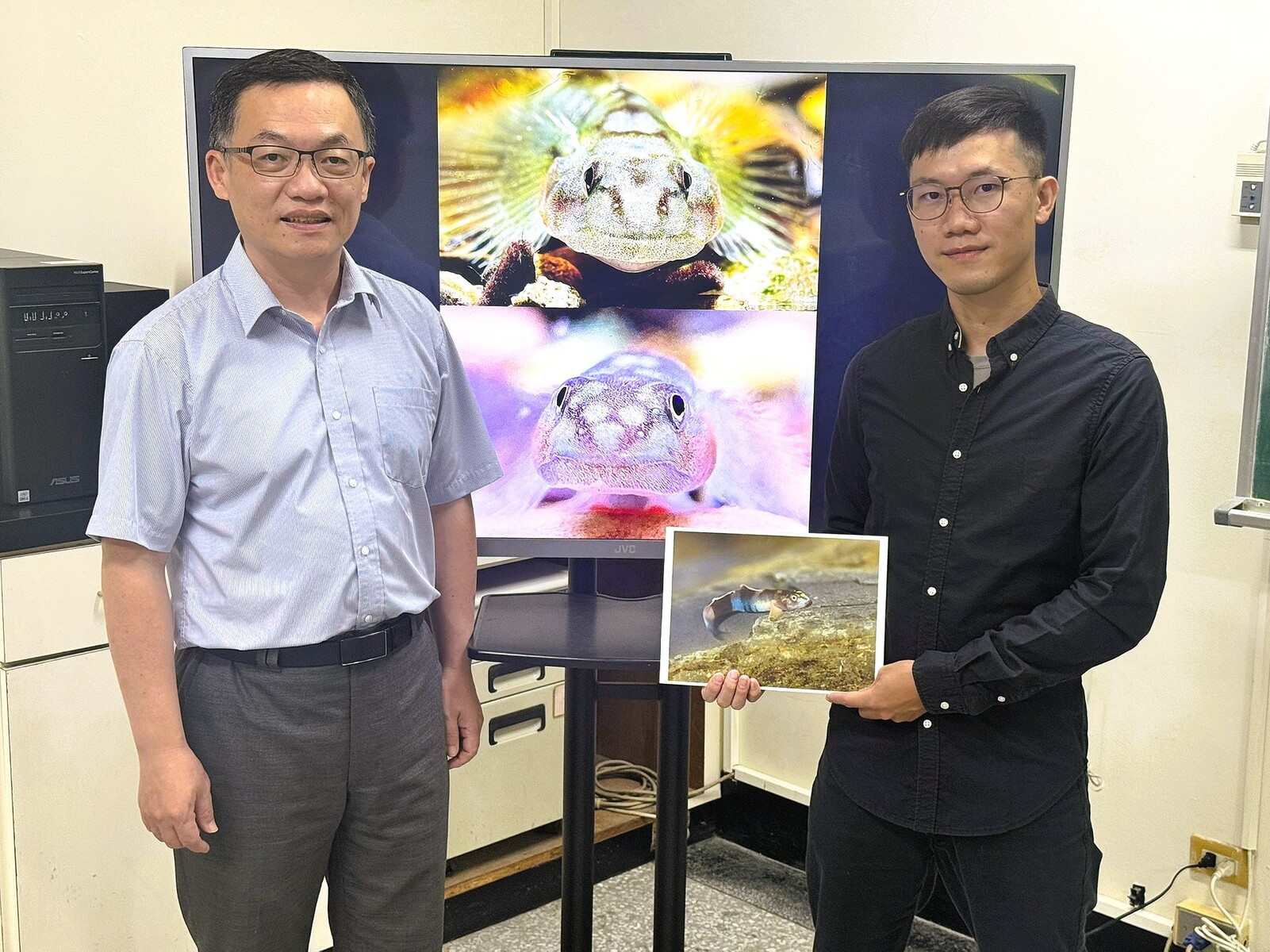
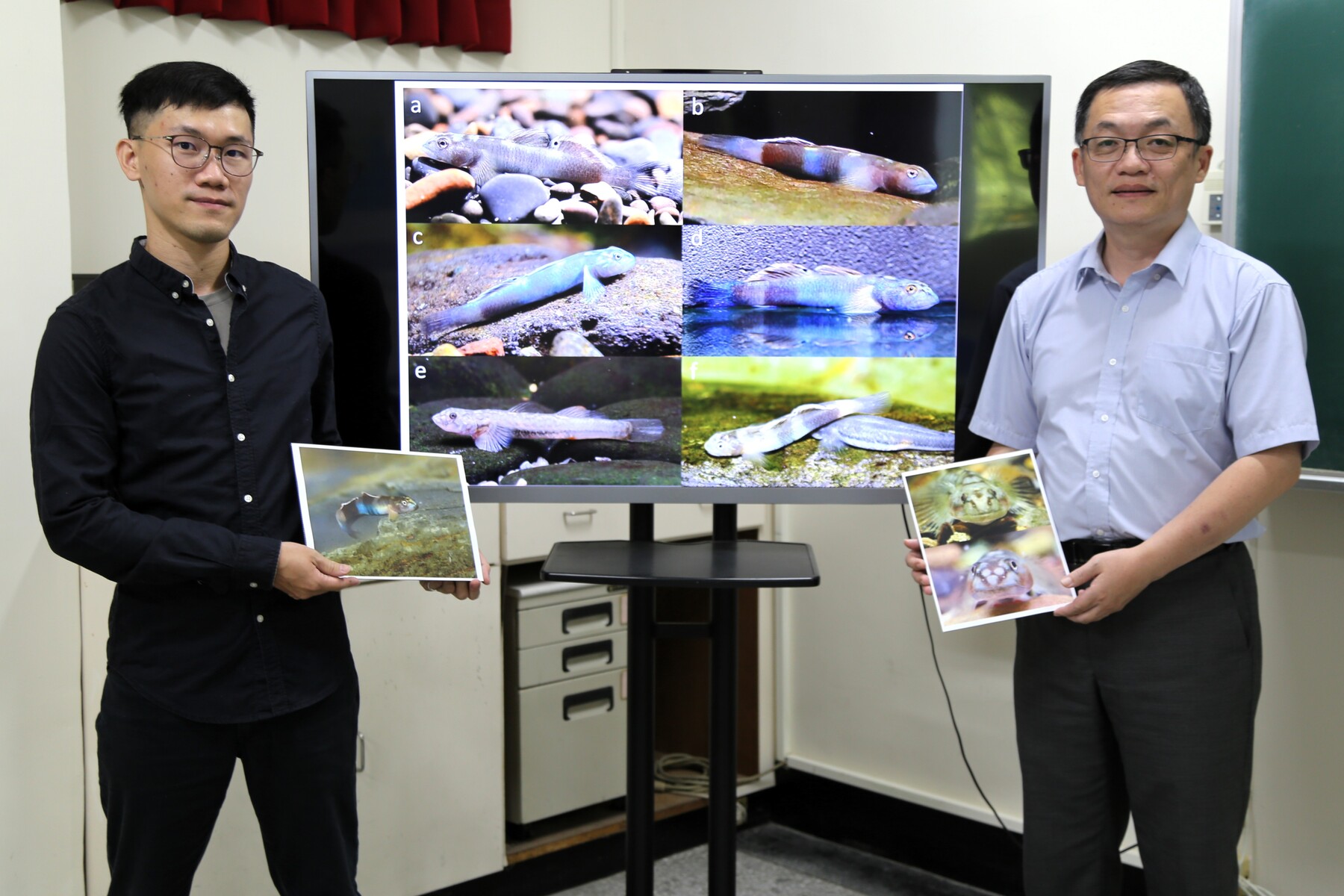
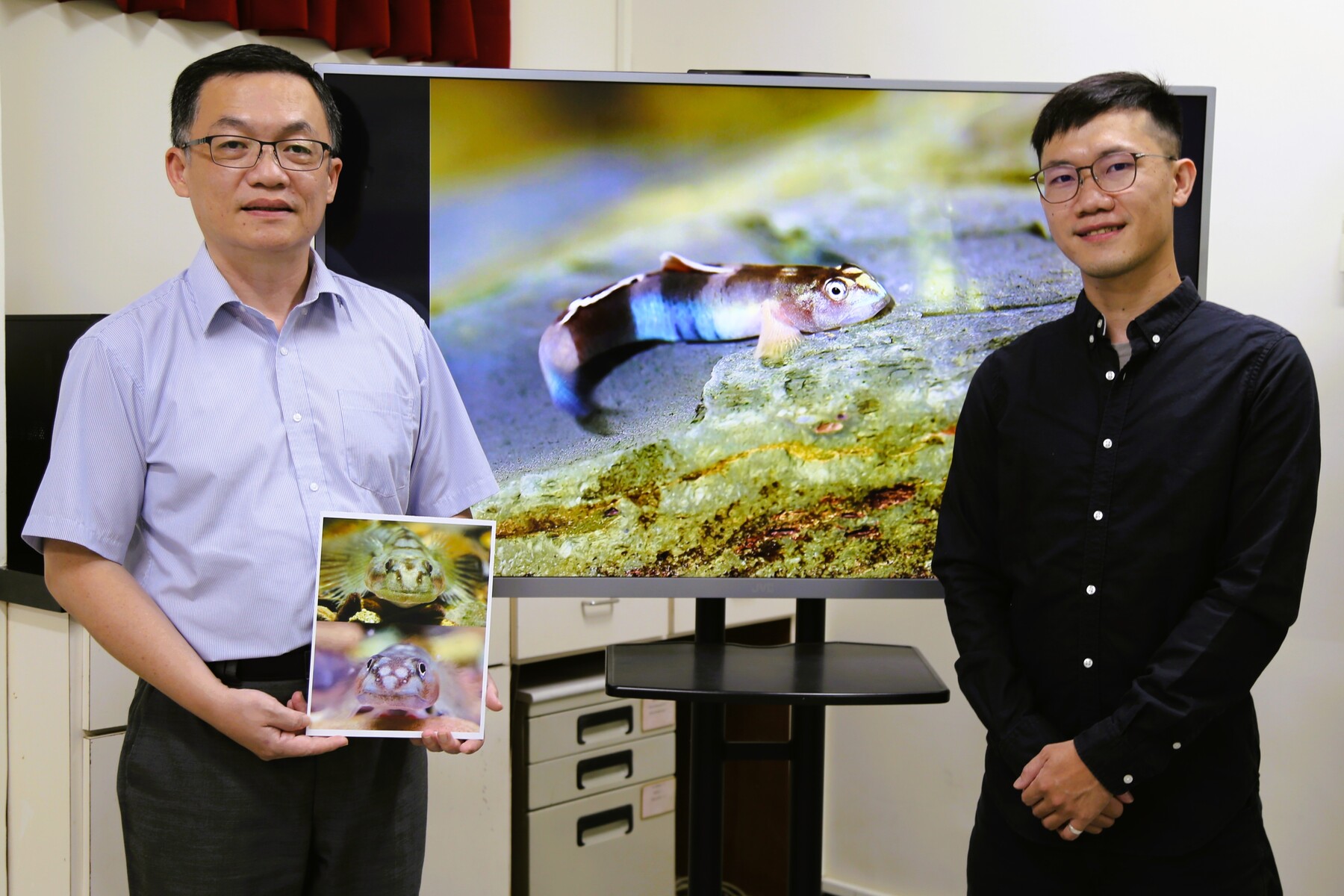
According to Wei-Cheng Jhuang, the research team first recognized the species' distinctiveness during field collections in southern Mindanao, the Philippines, in 2019. Males possess two conspicuous dark facial lines that resemble traditional indigenous tattoo patterns. They also exhibit a blue snout and a broad brown longitudinal band at the base of the anal fin. During the nuptial season, a prominent broad brown vertical band extending from the dorsal to the belly appears along the mid-body, making it one of the species' most recognizable features in the wild. Females, in contrast, display an orange marking around the urogenital papilla, distinguishing them from other congeners.
"The two dark facial lines of the male Lentipes ptasan immediately evoke the traditional facial tattoo culture of Taiwan's indigenous peoples," said Jhuang. For this reason, the team adopted the Truku language "ptasan" as the species epithet as a tribute to indigenous cultural heritage. Similar tattoo traditions are also found among indigenous communities in the Philippines. Given that the species is distributed across both Taiwan and the Philippines, the name "tattooed-face goby" not only reflects its appearance but also carries cultural and biogeographical significance.
Te-Yu Liao noted that Lentipes ptasan is the first species of the genus Lentipes to be formally described with Taiwan as its type locality, bringing the number of known Lentipes species in Taiwan to seven. The species inhabits the upper reaches of isolated streams ranging from northern Taiwan to southern Mindanao Island, Philippines, demonstrating a remarkable trans-island distribution pattern.
The new species closely resembles the protected goby, Lentipes armatus, found in Taiwan. According to Liao, detailed morphological character comparisons revealed that, beyond coloration patterns, males of Lentipes ptasan possess an obviously protruding upper lip, fewer premaxillary tricuspid teeth, and a unique arrangement of cephalic sensory pore papillae. These characteristics ultimately confirmed its status as a previously undescribed species. Subsequent surveys also documented the species in Taiwanese streams, and a formal description was completed after obtaining specimens from Taiwan.
In addition, the team redescribed the taxonomic status of Lentipes mindanaoensis, a species currently listed as protected in Taiwan. Their study confirmed that Lentipes adelphizonus, originally described from Halmahera Island, Indonesia, is a junior synonym of L. mindanaoensis. The revision also expanded the known distribution of the species, indicating that it is widely distributed across Taiwan and numerous islands throughout Southeast Asia.