
STEM wisdom in Austronesian voyaging: NSYSU Institute of Education Travels to Hawaiʻi to explore local sustainability practices
2026-09-14
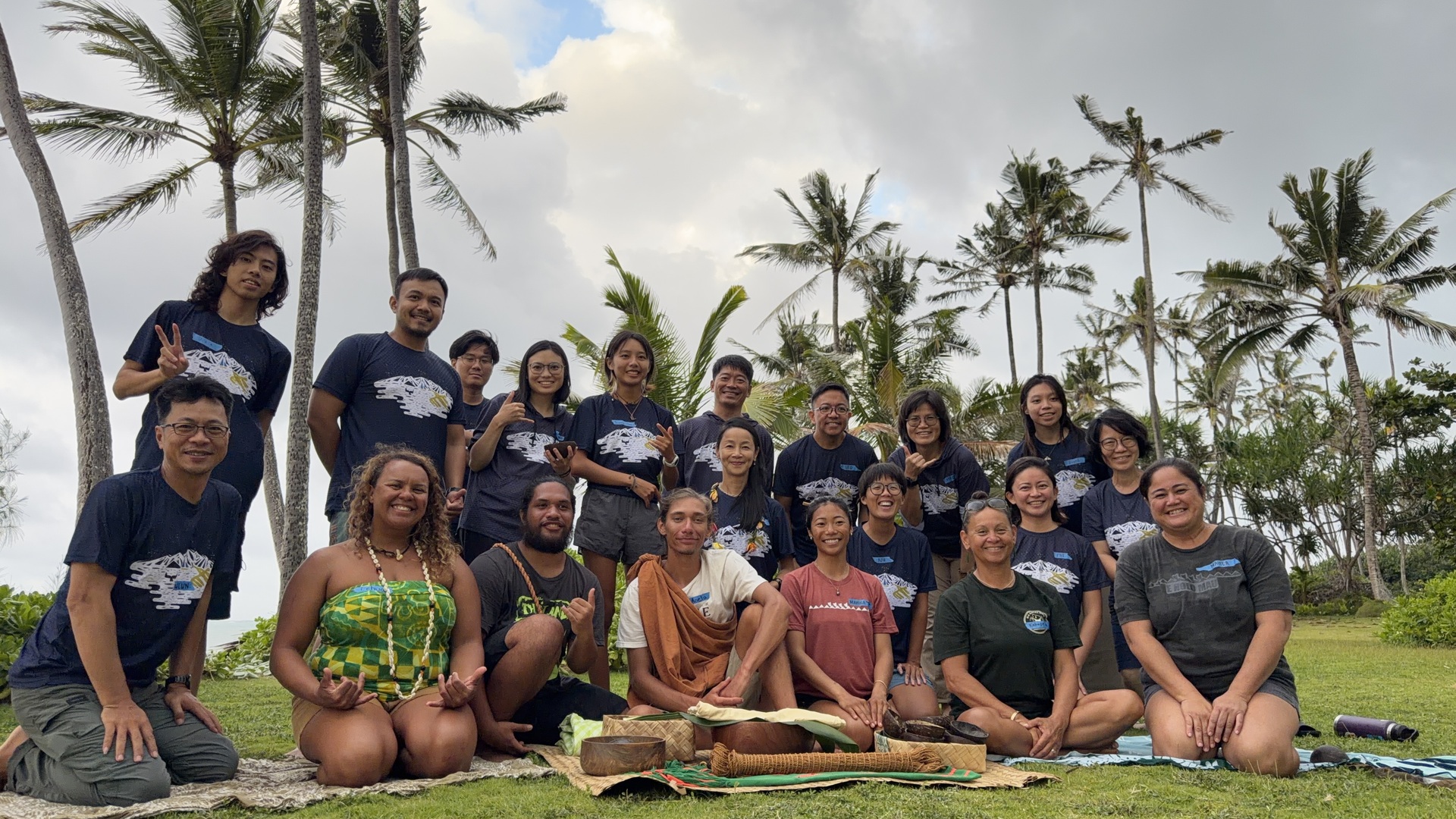
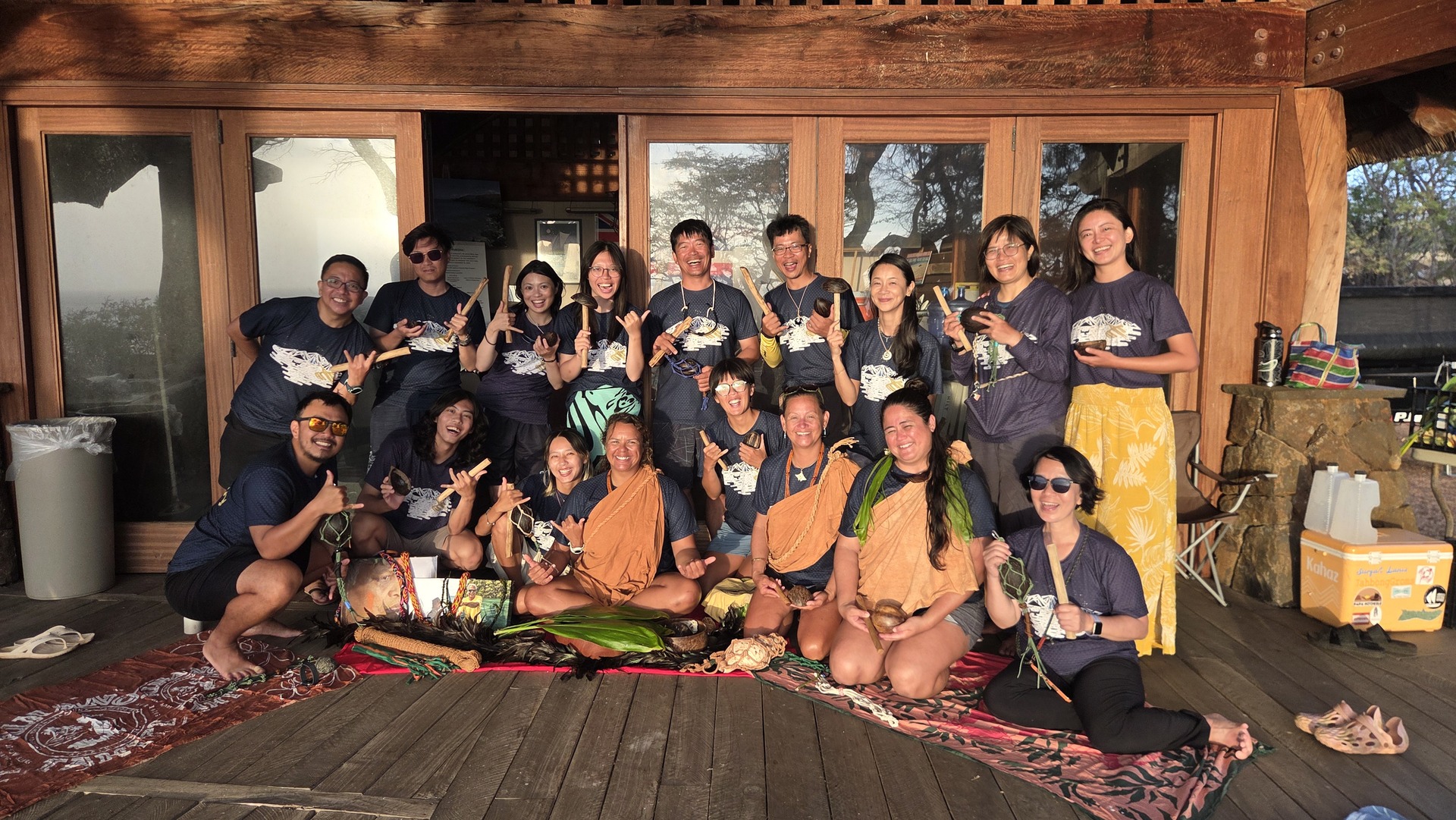
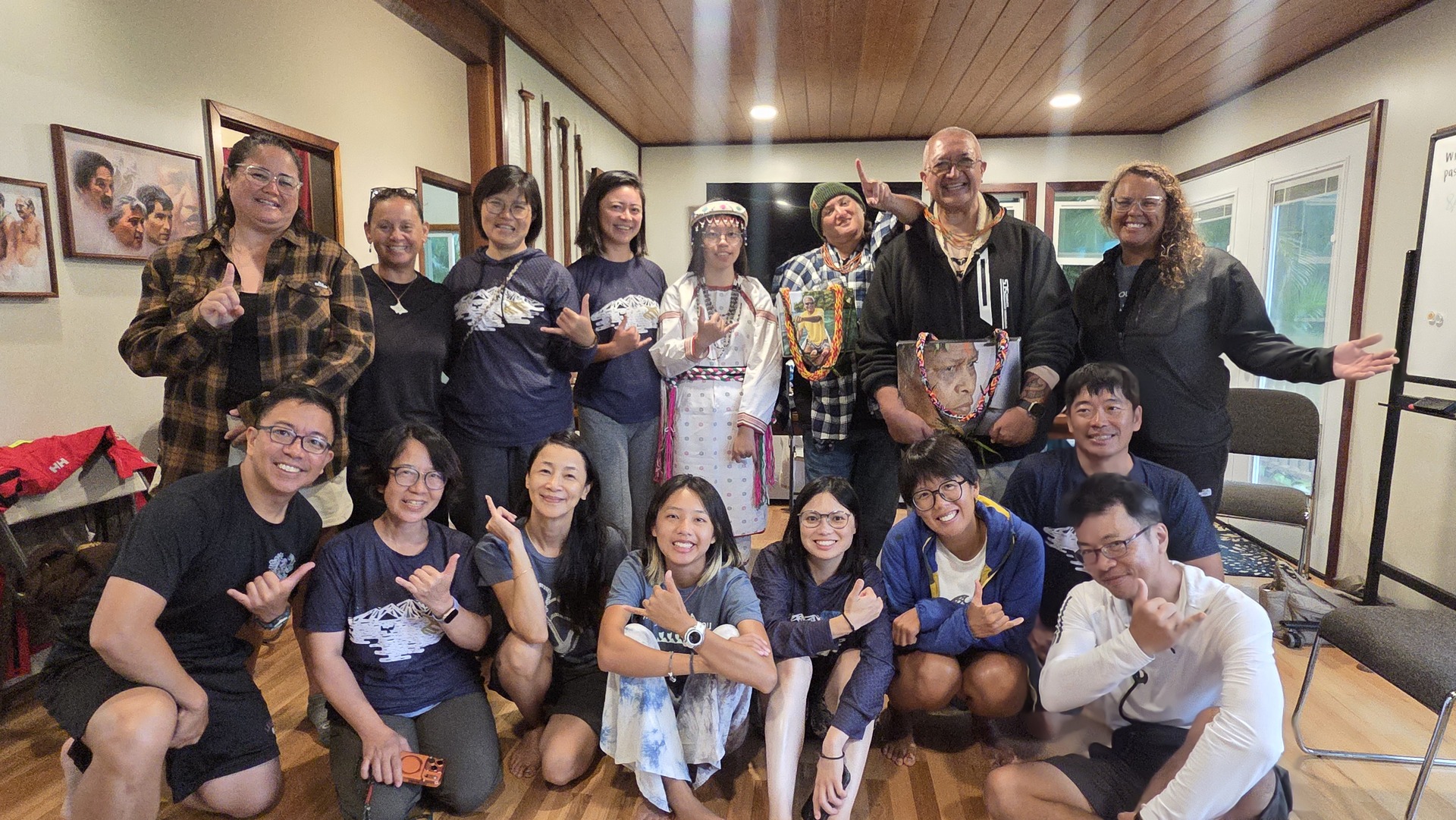
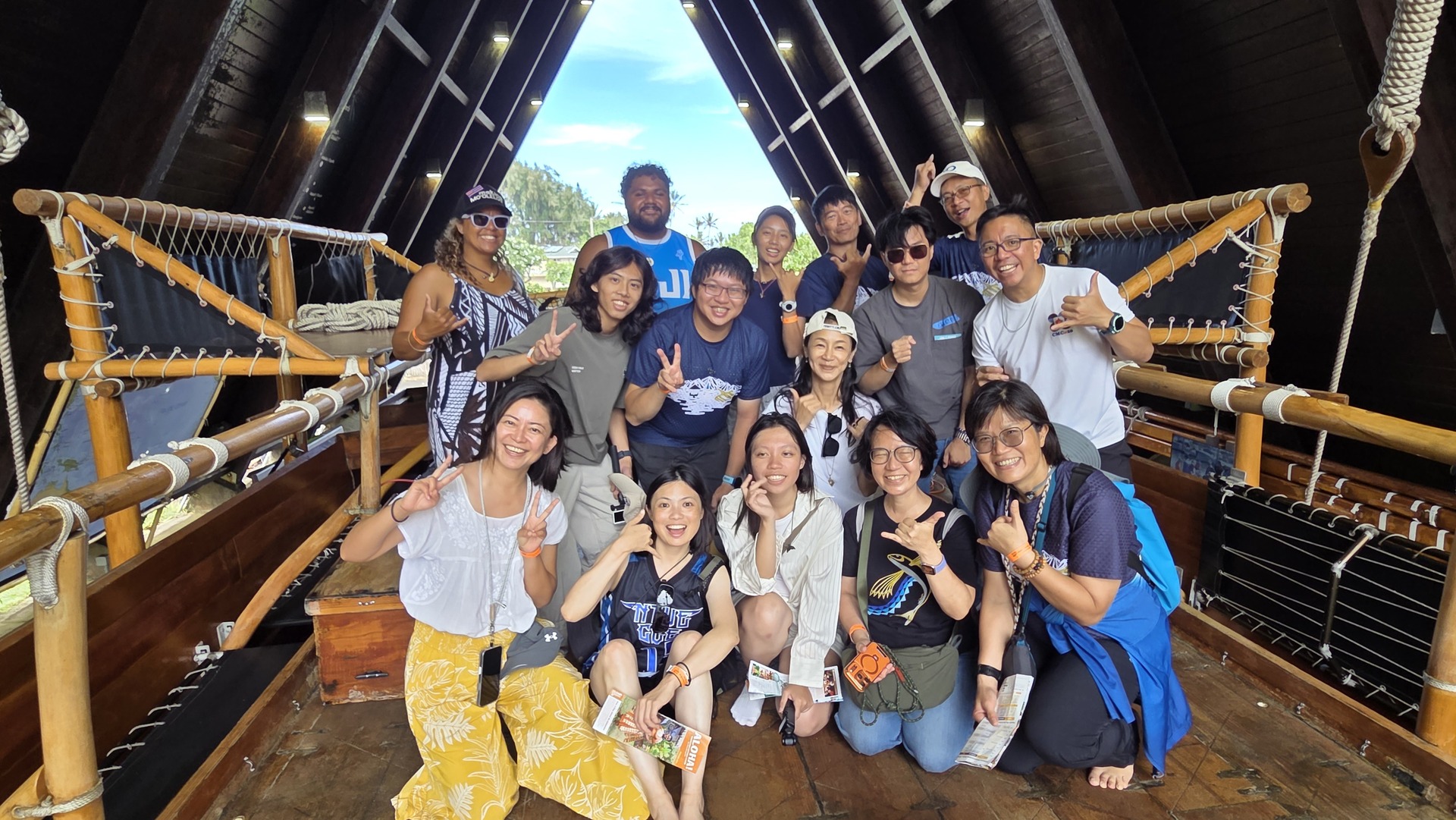
In response to advancements in global STEM education research, the Institute of Education at National Sun Yat-sen University (NSYSU) aims to ground STEM education in real-world contexts and traditional ecological knowledge. Led by Professor Paichi Pat Shein from the NSYSU Institute of Education, the course “Research in STEM Education” received funding to provide a study abroad opportunity. From July 30 to August 10, 2026, the course embarked on a 12-day field study in Hawaiʻi focused on "Ocean Wayfinding STEM Education." Participating students from interdisciplinary departments engaged in field investigations and hands-on practices, alongside with seed teachers from the “Ocean Wayfinding Training Program” funded by the Ministry of Education, immersed in the fusion of place-based culturally responsive teaching with interdisciplinary STEM inquiry.
Professor Shein highlighted that a core feature of this course is integrating "Austronesian Voyaging and Wayfinding" into interdisciplinary STEM education. Traditional navigation, or "non-instrumental wayfinding," is an extraordinarily precise Indigenous STEM knowledge system developed through thousands of years of practice, encompassing meteorology, astronomy, marine science, environmental observation, craftsmanship, and mathematical reasoning. For example, double-hulled canoe design effectively resists wave drag and leeway, utilizing the aerodynamic lift principles of sails, sail-angle adjustments, and the hydrodynamics of the paddle to achieve a stable course. The traditional Star Compass accurately divides the sky into 32 "star houses" (hale), using the body to measure celestial altitude and azimuth, a sophisticated application of geometry and astronomy. Furthermore, navigators refine their ability to understand natural cues through kilo, a deep observational practice that uses all senses, including refining intuition as an important way to make sense of observations. Kilo allows navigators to determine land proximity by observing subtle reflected waves, island reflections on cloud undersides, and seabird foraging pathways. Impressively, traditionally built voyaging canoes can withstand thousands of miles of open ocean sailing, clearly demonstrating the structural integrity and material resilience of canoes crafted from materials found on Pacific Island nations and lashed together with rope.
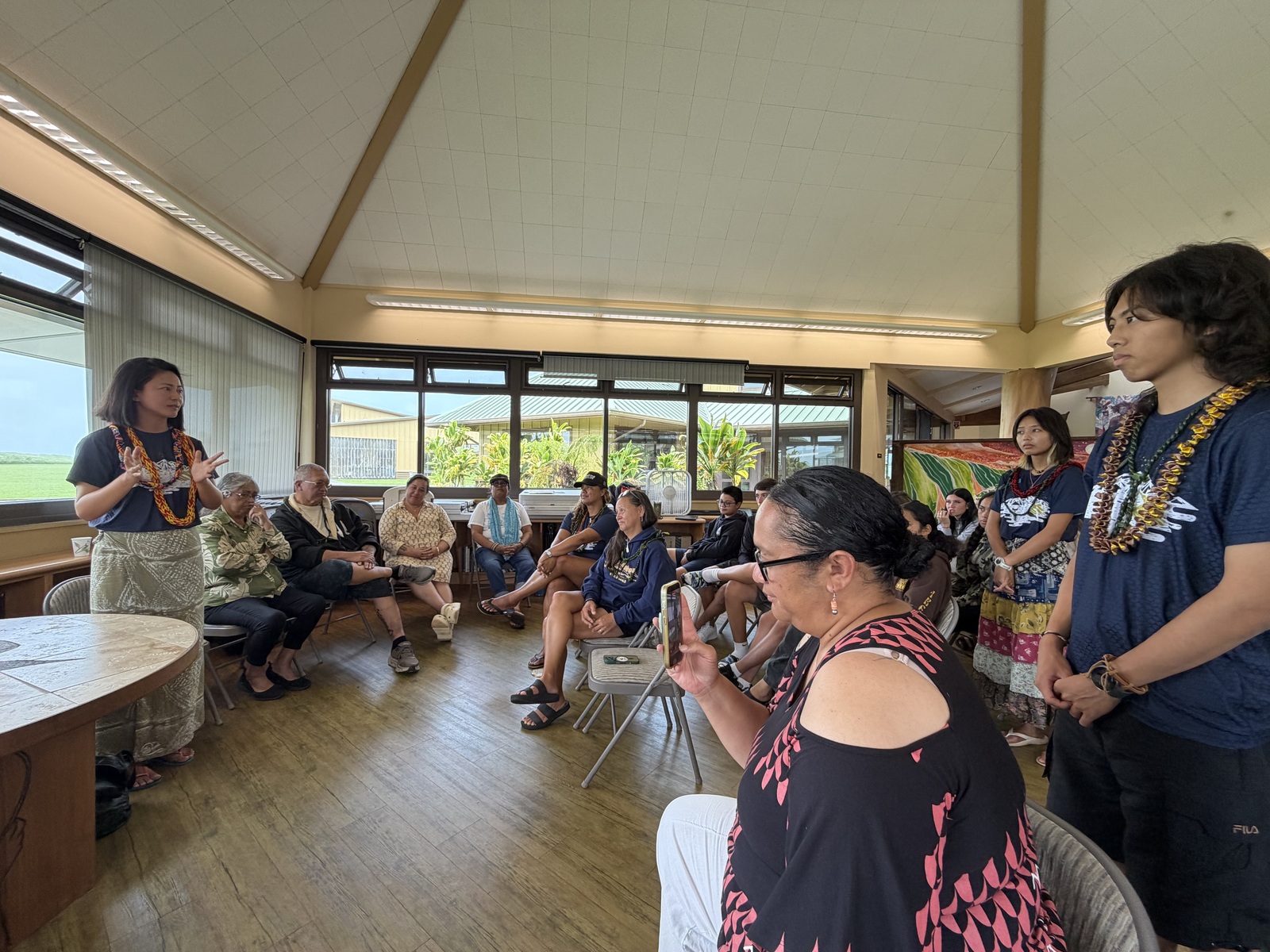
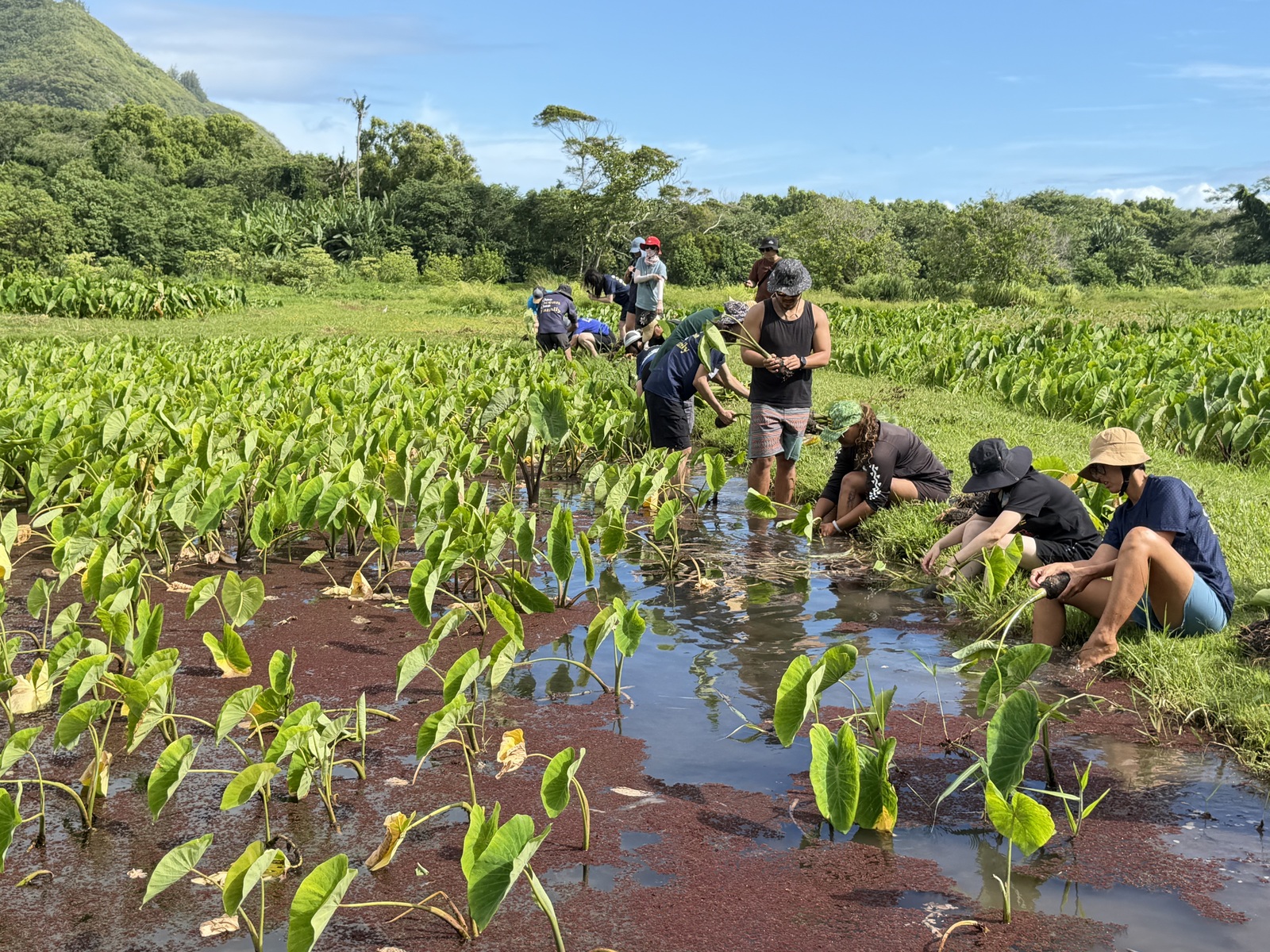
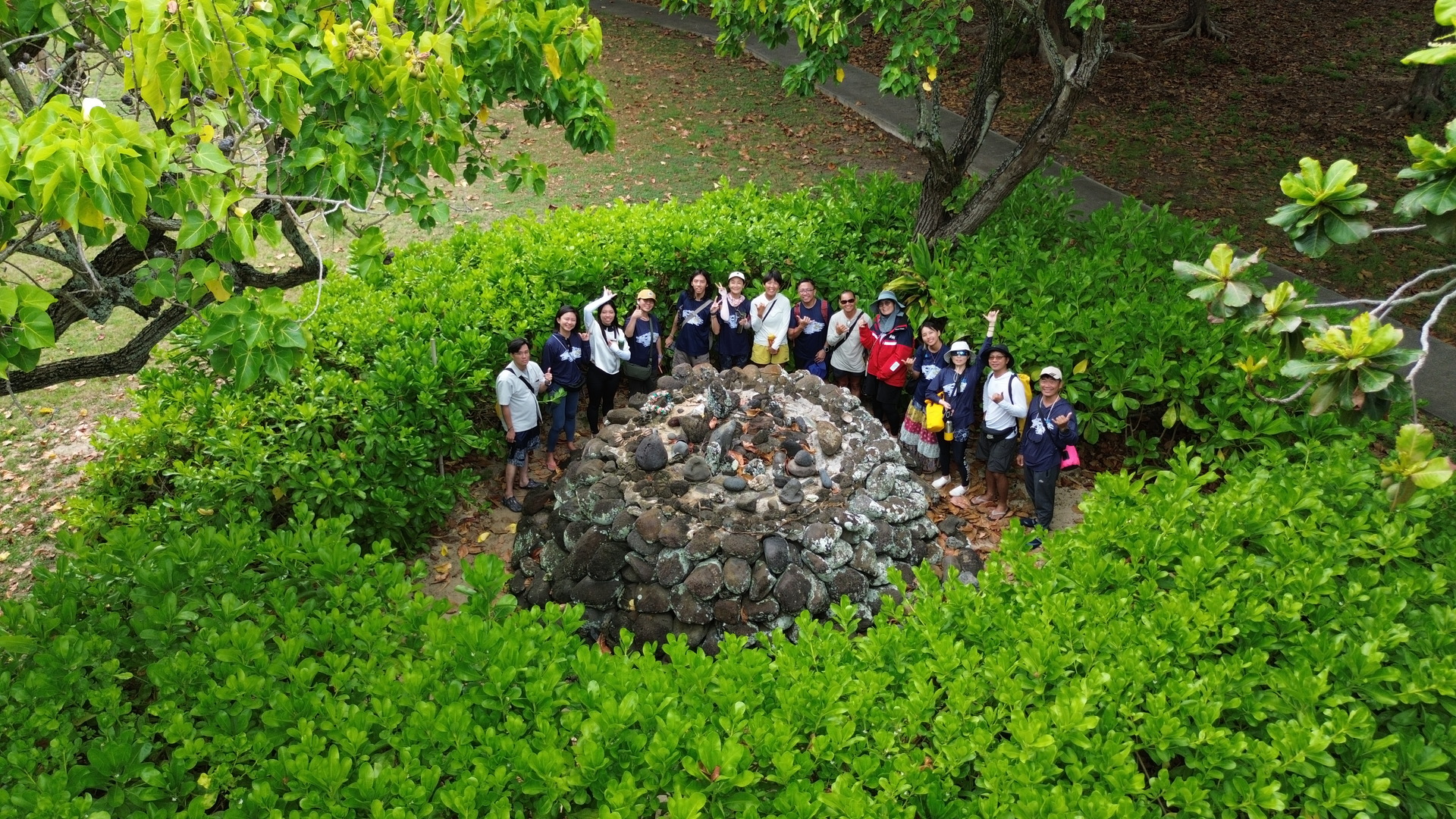
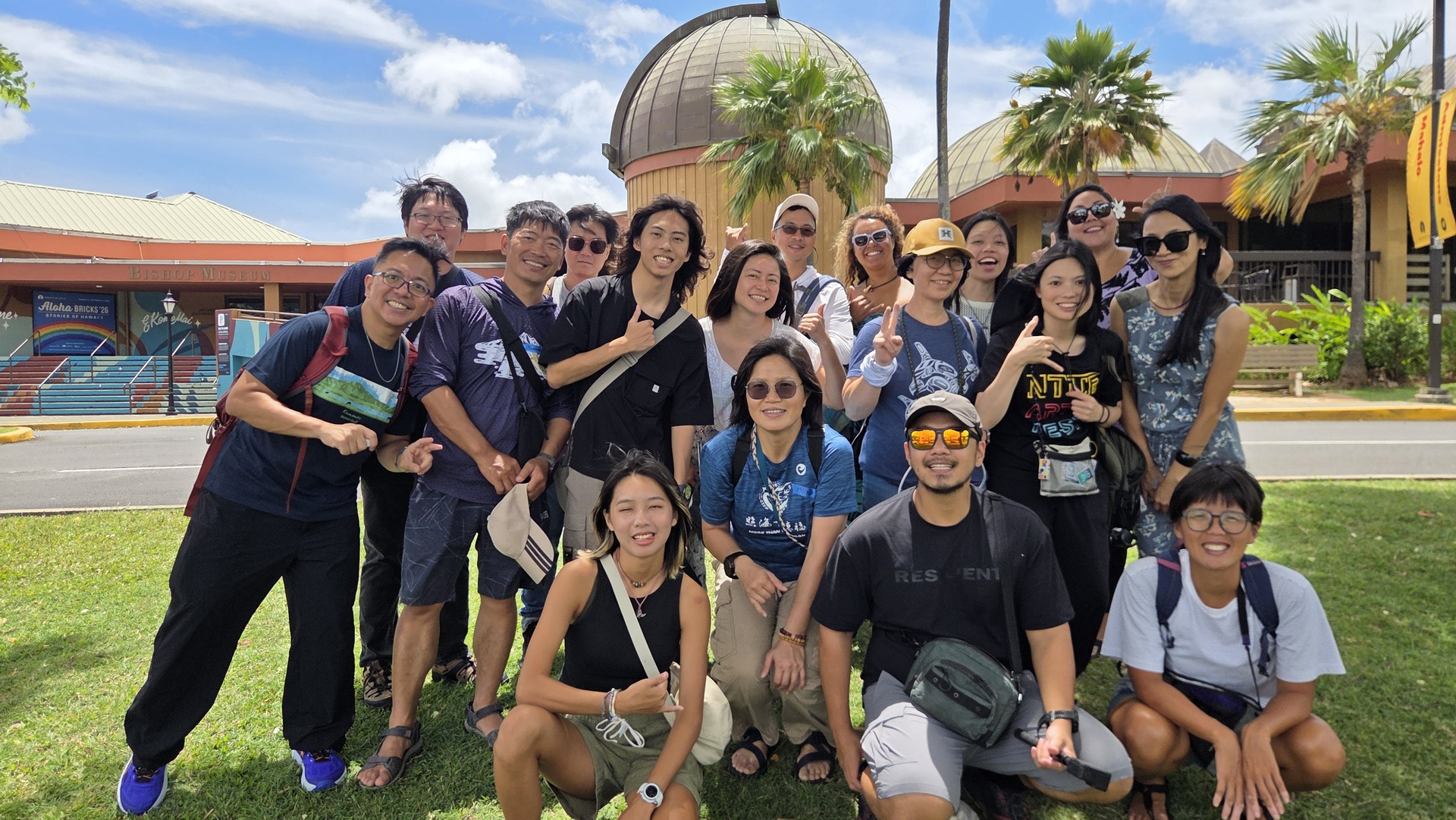
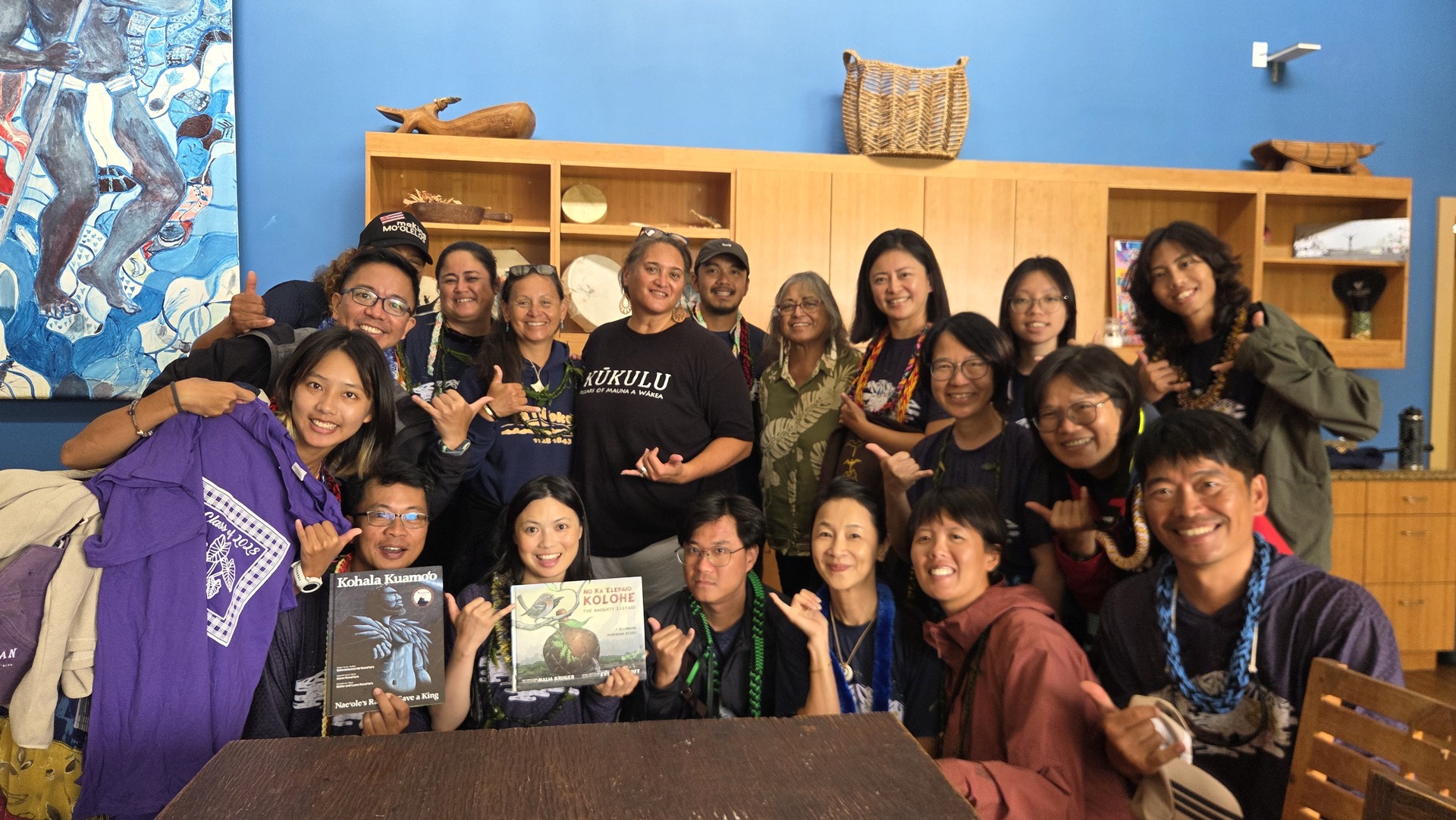
During the 12-day cross-cultural study, participants were immersed in rich, contextualized pedagogical practices. The itinerary included visiting the Bishop Museum to observe its Wayfinding exhibit and 360-degree immersive planetarium, examining the cultural, historical, and scientific foundations of non-instrument navigation. At the Polynesian Cultural Center, participants experienced the linguistic and cultural roots of Austronesian migrations and engaged with local community voyaging education. Walking barefoot into taro patches (Loʻi Kalo), they harvested taro and pounded poi, gaining an understanding of Hāloa—the story of how taro is revered as humanity's elder brother, which demonstrates eco-ethics and sustainable hydraulic agriculture. Participants also visited Kanu o ʻĀina New Century Public Charter School (K–12) on Hawaiʻi Island to observe how it seamlessly integrates traditional Hawaiian wisdom, stewardship (Kuleana), modern STEM, and project-based learning (PBL) to deliver a land-based education with a focus on animals, canoes, and plants.
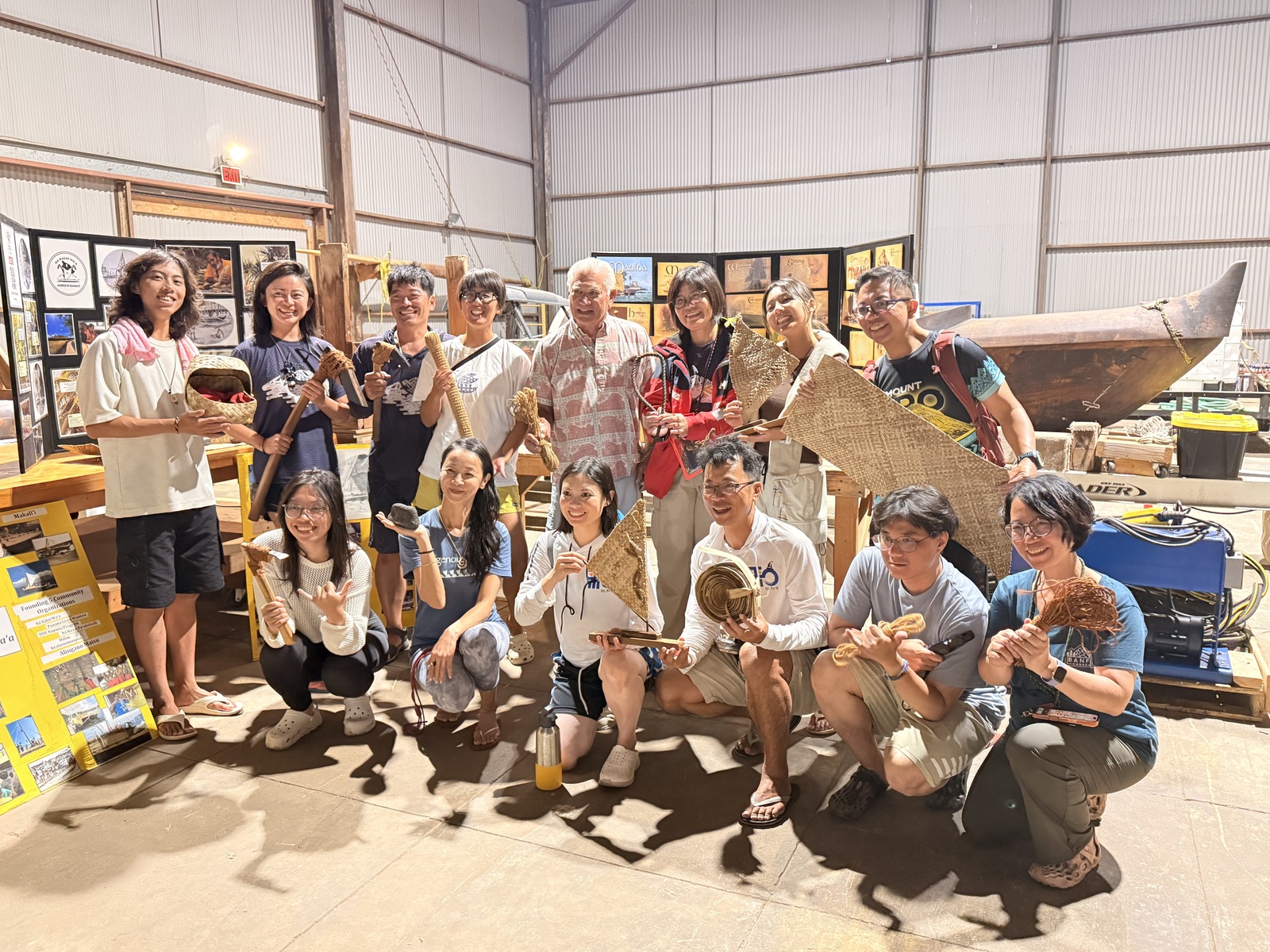
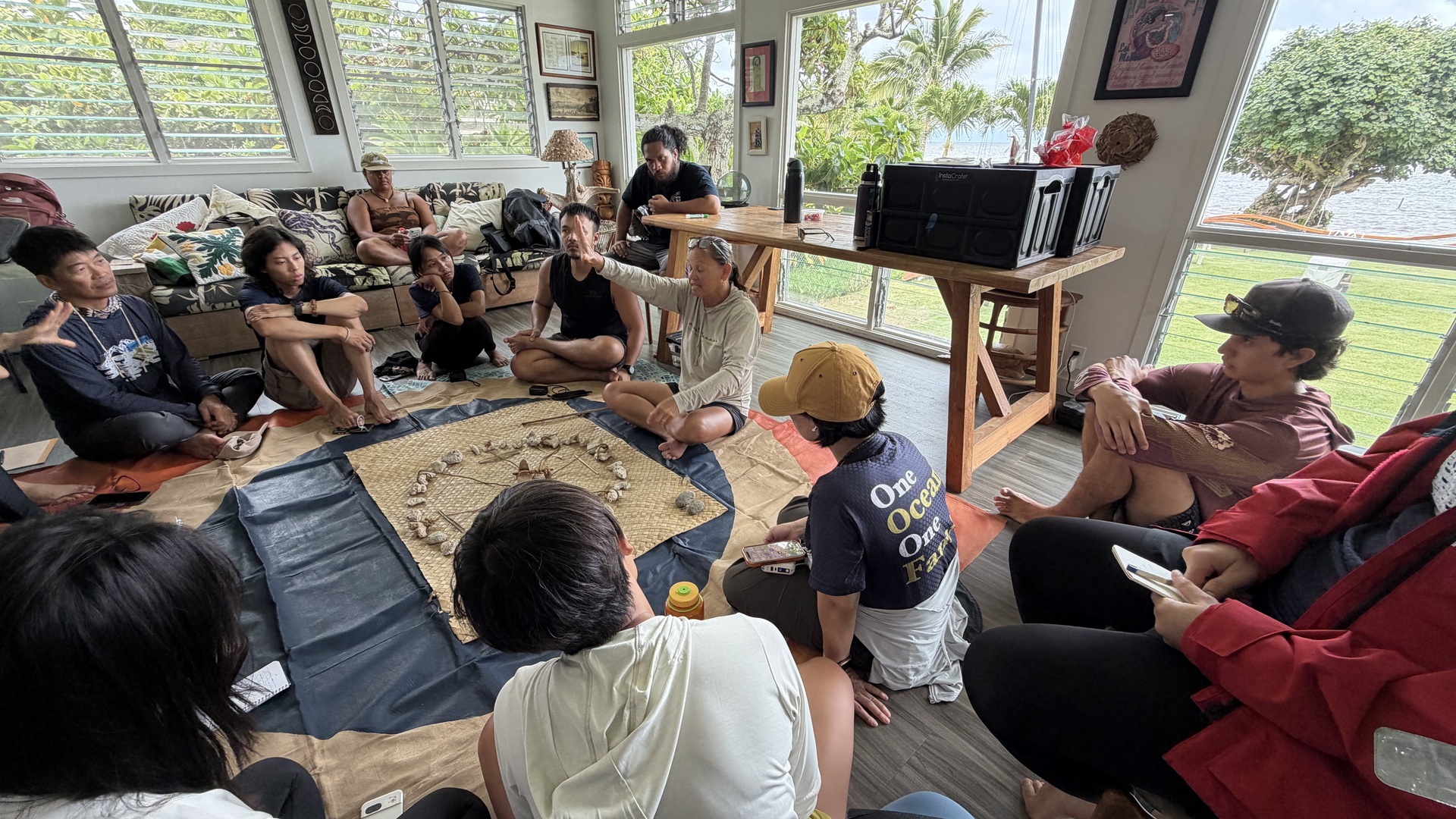
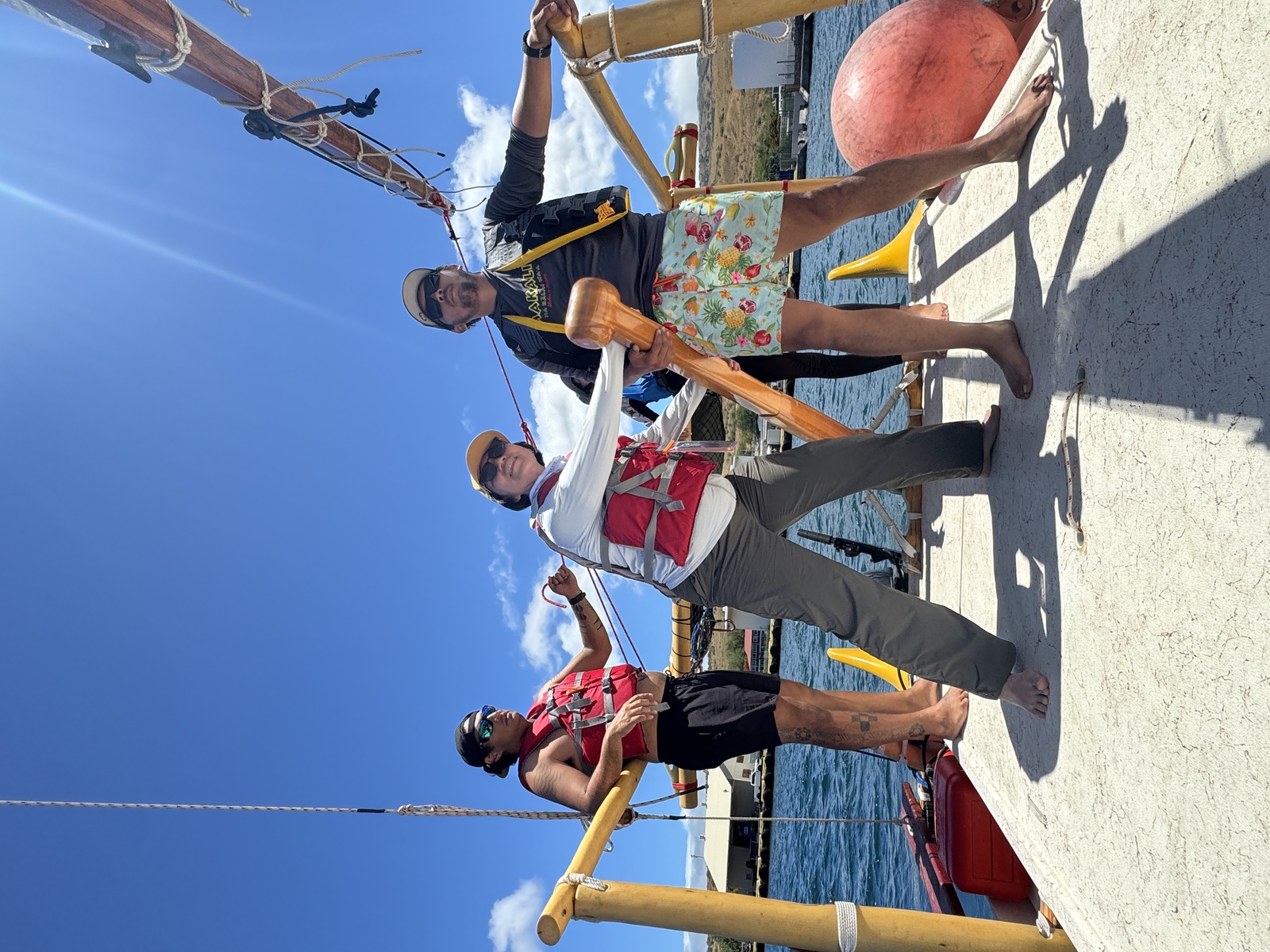
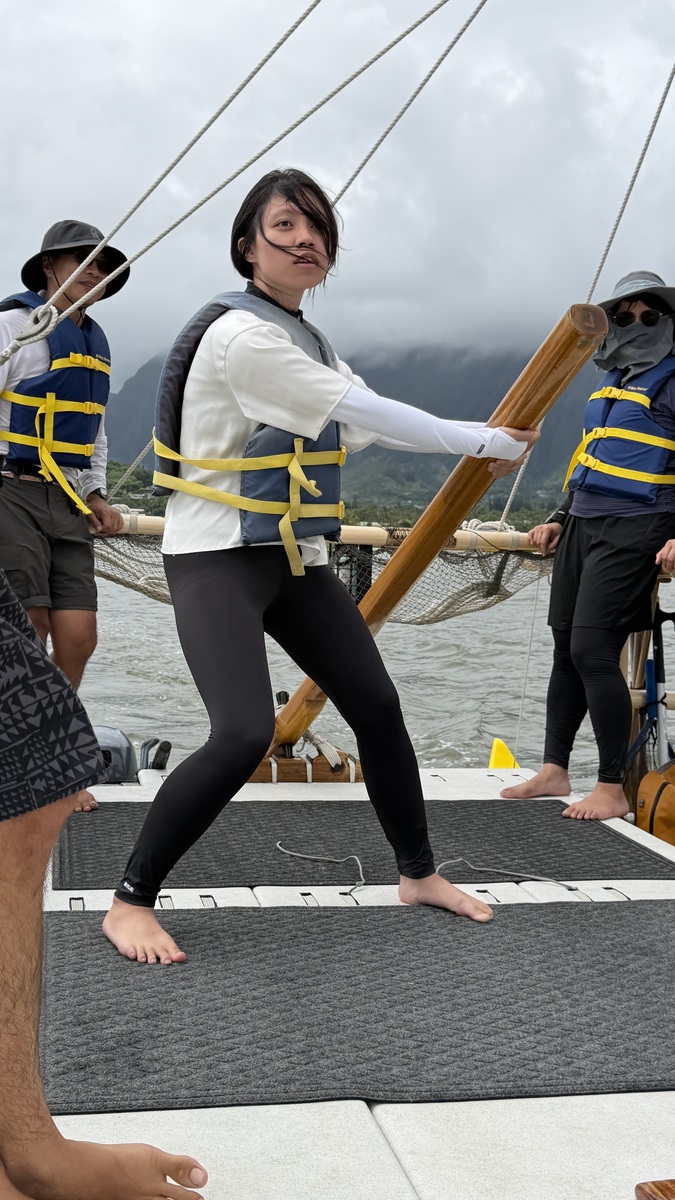
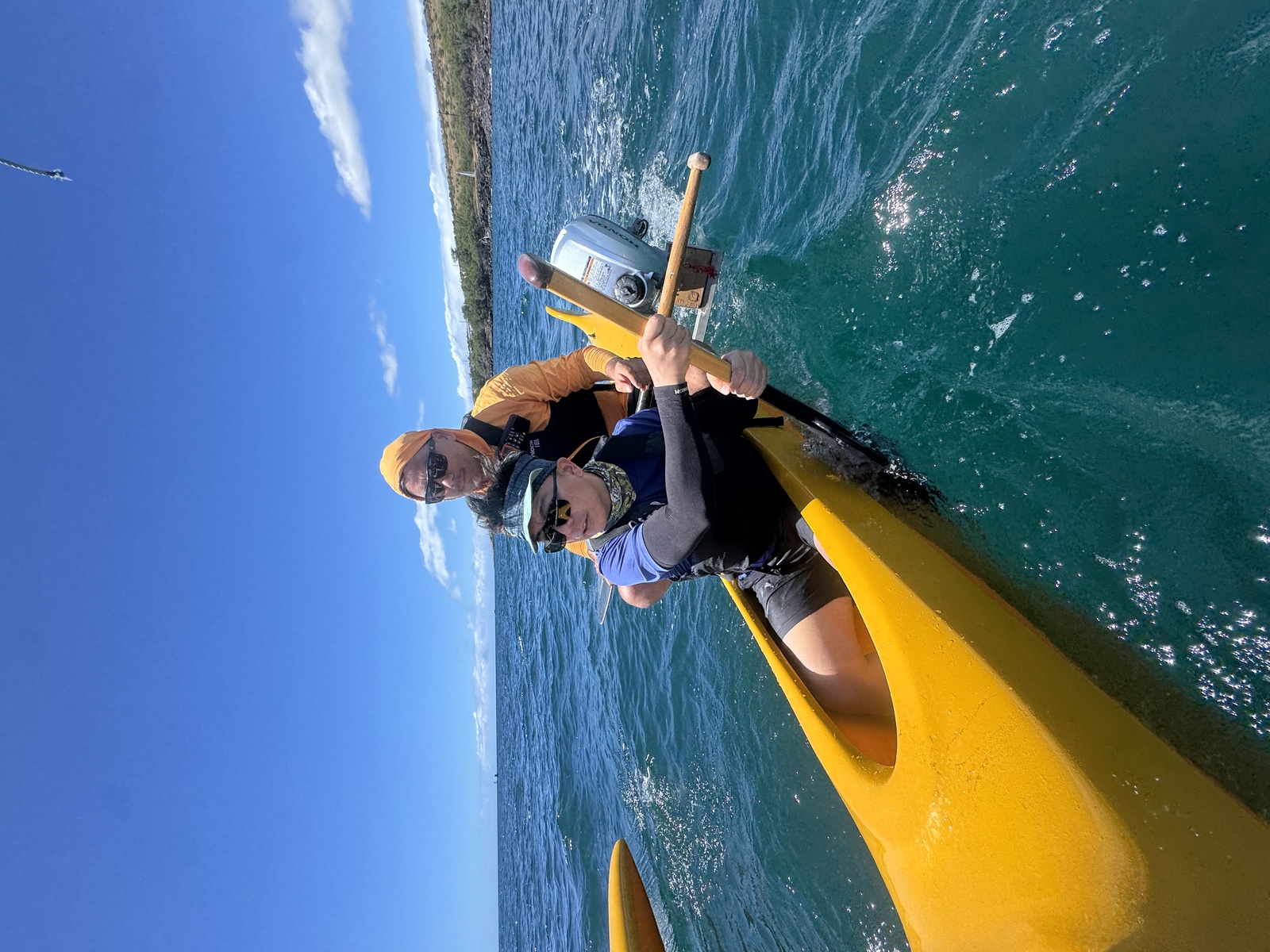
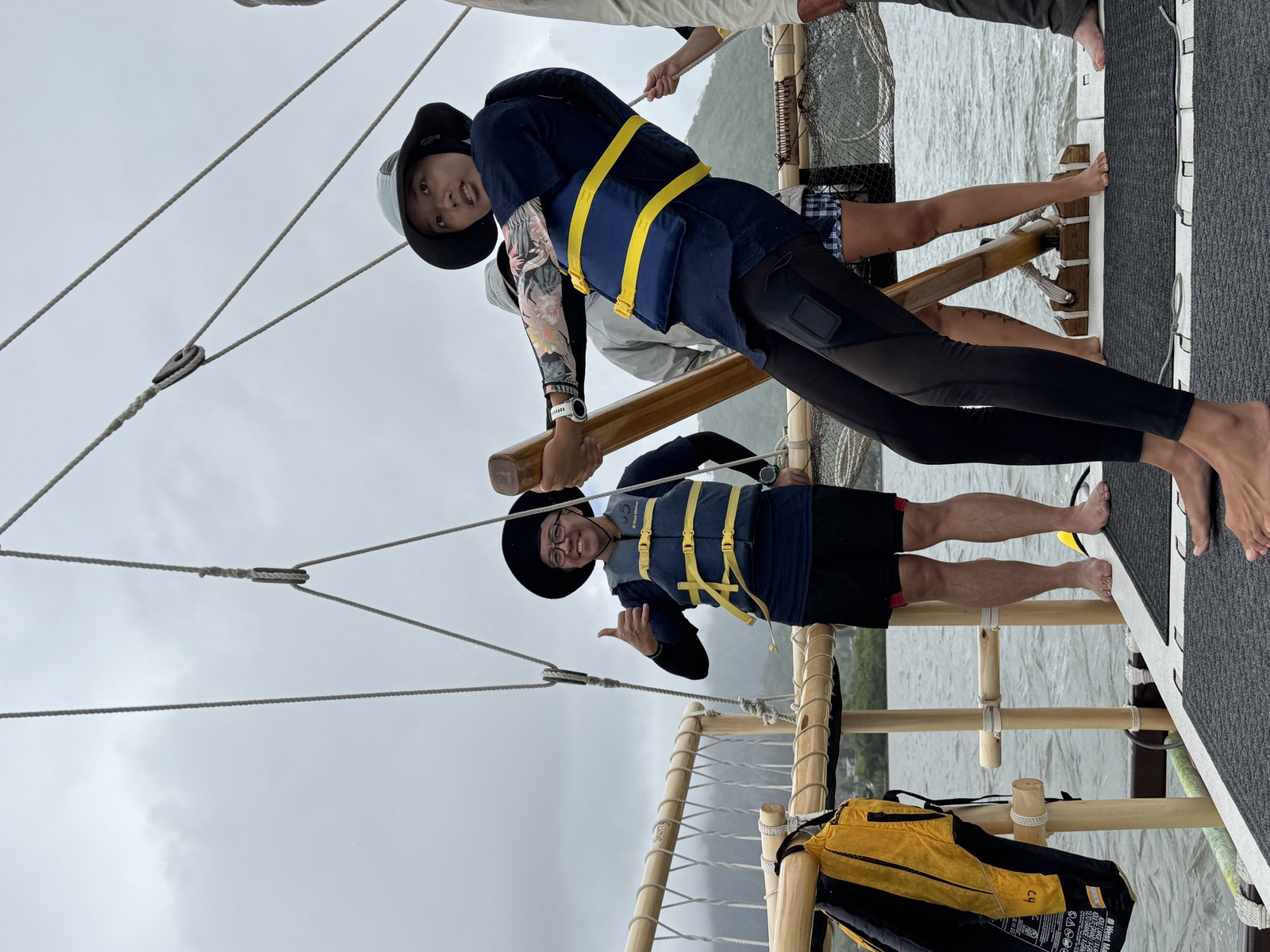
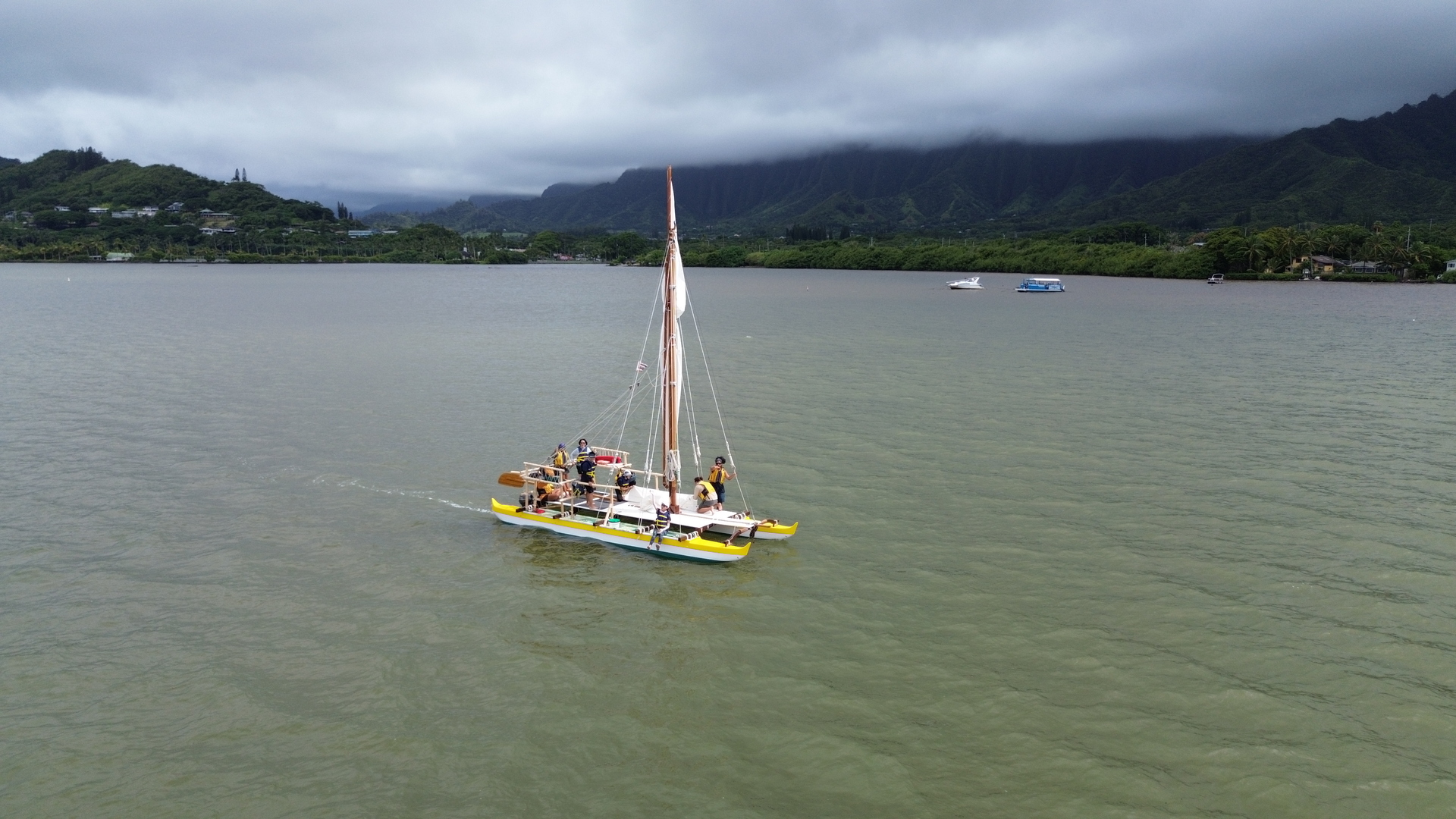
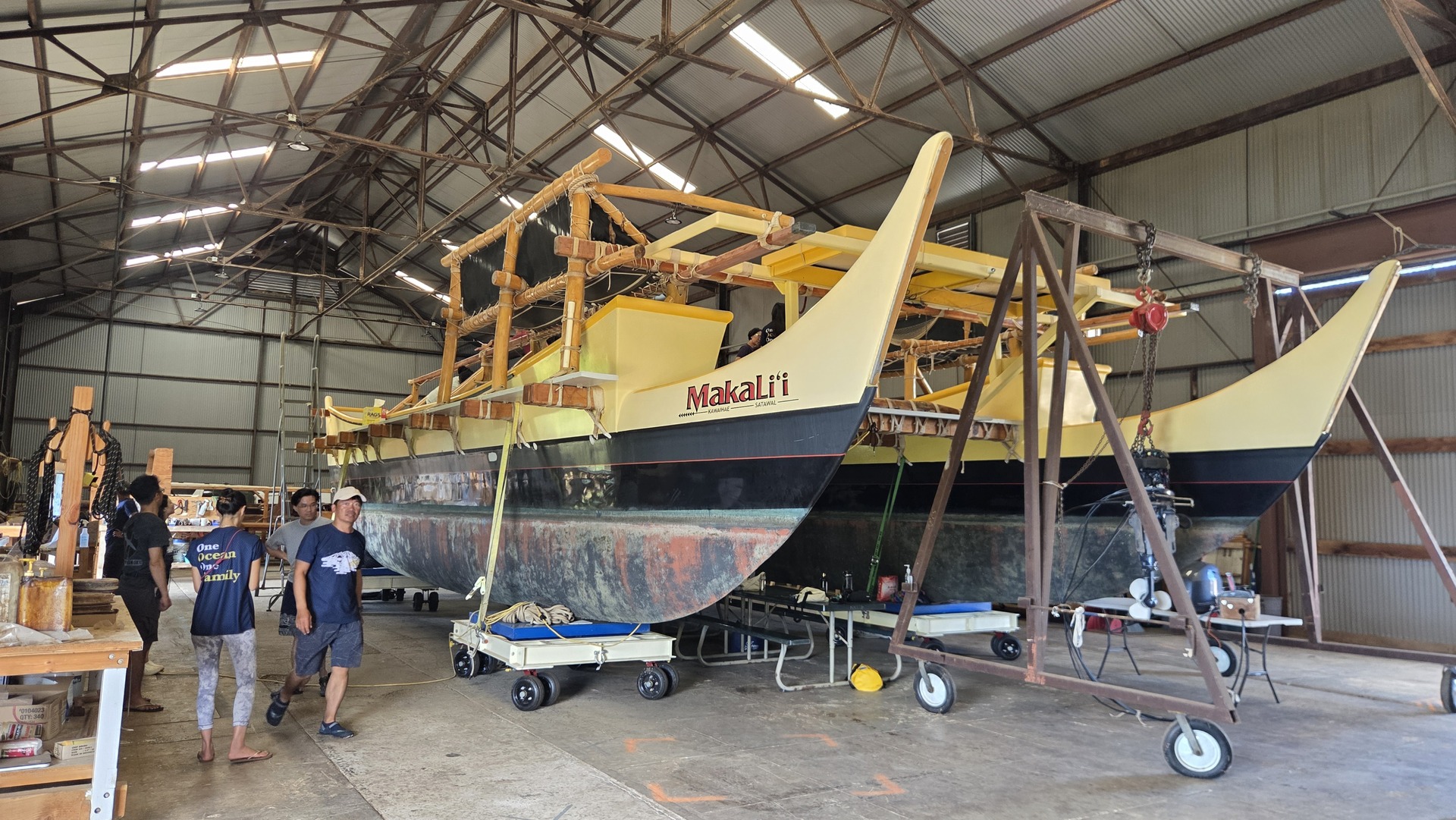
The primary collaborator for the course design and implementation was the Kānehūnāmoku Voyaging Academy, working together with the double-hulled voyaging canoes Kānehūnāmoku, Iosepa and Makaliʻi, allowing participants to deeply experience the cultural roots and STEM knowledge behind navigation practices and vessel restoration. The Kānehūnāmoku Voyaging Academy utilizes its flagship 29-foot traditional double-hulled sailing canoe, the Kānehūnāmoku, as a floating classroom where students act as crew members to learn academics, cultural identity, character, and environmental stewardship through hands-on Polynesian ocean voyaging. Participants also learned micronesian and polynesian star compasses, crafting traditional lashing tools (huki sticks) and coconut bowls (ʻApu). They mastered multiple techniques for using the steering paddle and trimming sails as they refined their personal relationship with the winds and swells. Simultaneously, students ventured inside the hulls of the 57-foot all-wooden canoe Iosepa and the 54-foot double-hulled canoe Makaliʻi to clean and repair the lashing. Through caring for the canoes, students reinforced the concept of Kuleana into an embodied memory, recognizing their personal responsibilities and the teamwork embedded in traditional craftsmanship and cultural preservation.
In the worldview of Pacific Islanders, the Pacific Ocean is the largest continent on Earth; the sea is not a barrier isolating land, but a bridge connecting all things, and natural resources are treated as kin rather than resources to be exploited. Understanding the STEM wisdom, eco-ethics, and sustainability mindsets inherent in traditional navigation is not just about looking back, but more about navigating toward a more sustainable future. By bridging traditional wisdom with modern science and technology, this initiative further strengthens NSYSU’s cultural sensitivity and sustainable foundation in global and marine education.