
Blue carbon extends beyond the coast: NSYSU detects coastal carbon signals in the deep ocean
2026-11-16
Coastal blue carbon does not necessarily remain near the shore. It may travel thousands of kilometers with ocean currents and reach depths of more than 1,000 meters! Distinguished Professor Chin-Chang Hung of National Sun Yat-sen University (NSYSU) and his research team from the Carbon Research Lab conducted ocean observations in the western North Pacific warm pool at low latitudes. They detected biological signals associated with coastal blue carbon sources, including macroalgae, mangroves, and seagrasses, at depths of 500 and 1,000 meters. The findings suggest that organic matter produced by coastal ecosystems may be transported by ocean circulation to the deep sea far from land. The measured particulate organic carbon (POC) fluxes at 1,000 meters were approximately 2.7- to 4.2-fold higher than the value predicted by the traditional Martin Curve carbon flux attenuation model, providing new observational evidence for the ocean carbon cycle.
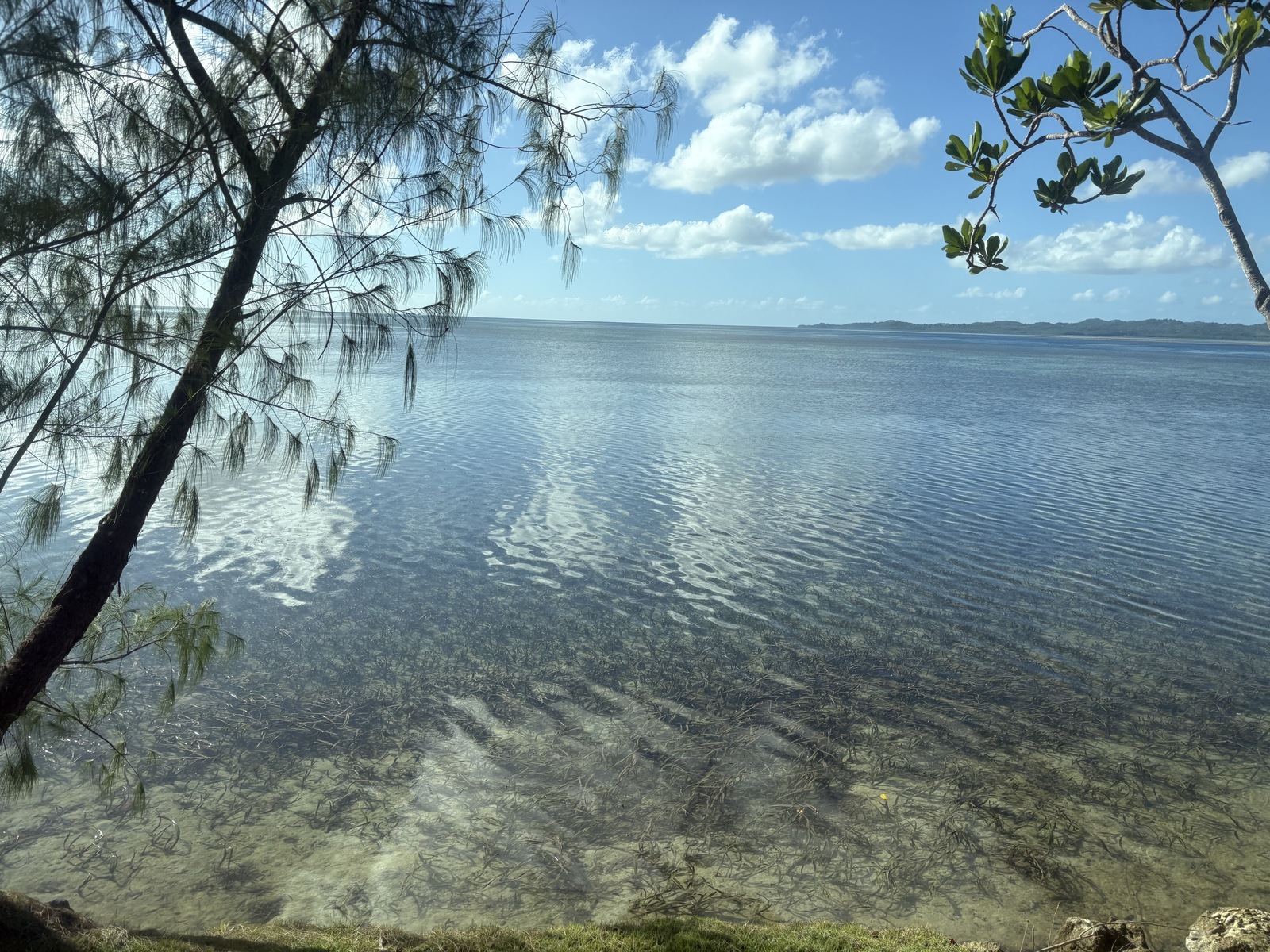
Mangroves, seagrass beds, and macroalgae are important coastal blue carbon ecosystems. They absorb carbon dioxide and store carbon in living organisms and their surrounding environments. Previous studies of ocean carbon sinks have largely focused on the downward transport of carbon from marine organisms in surface waters. This study, however, suggests that carbon may first be transported offshore by ocean currents before reaching the deep sea, revealing a carbon transport pathway that has received comparatively little attention.
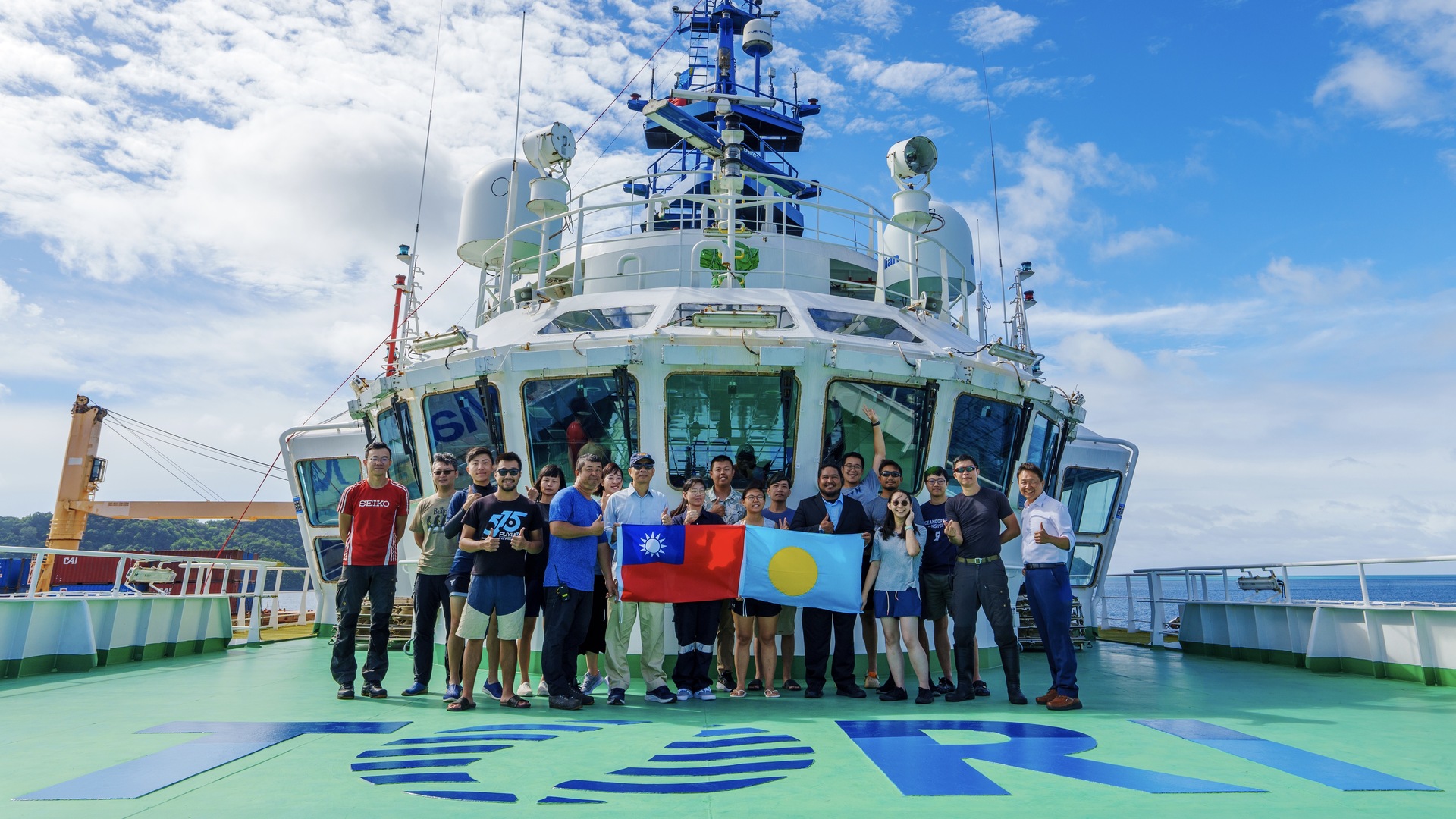
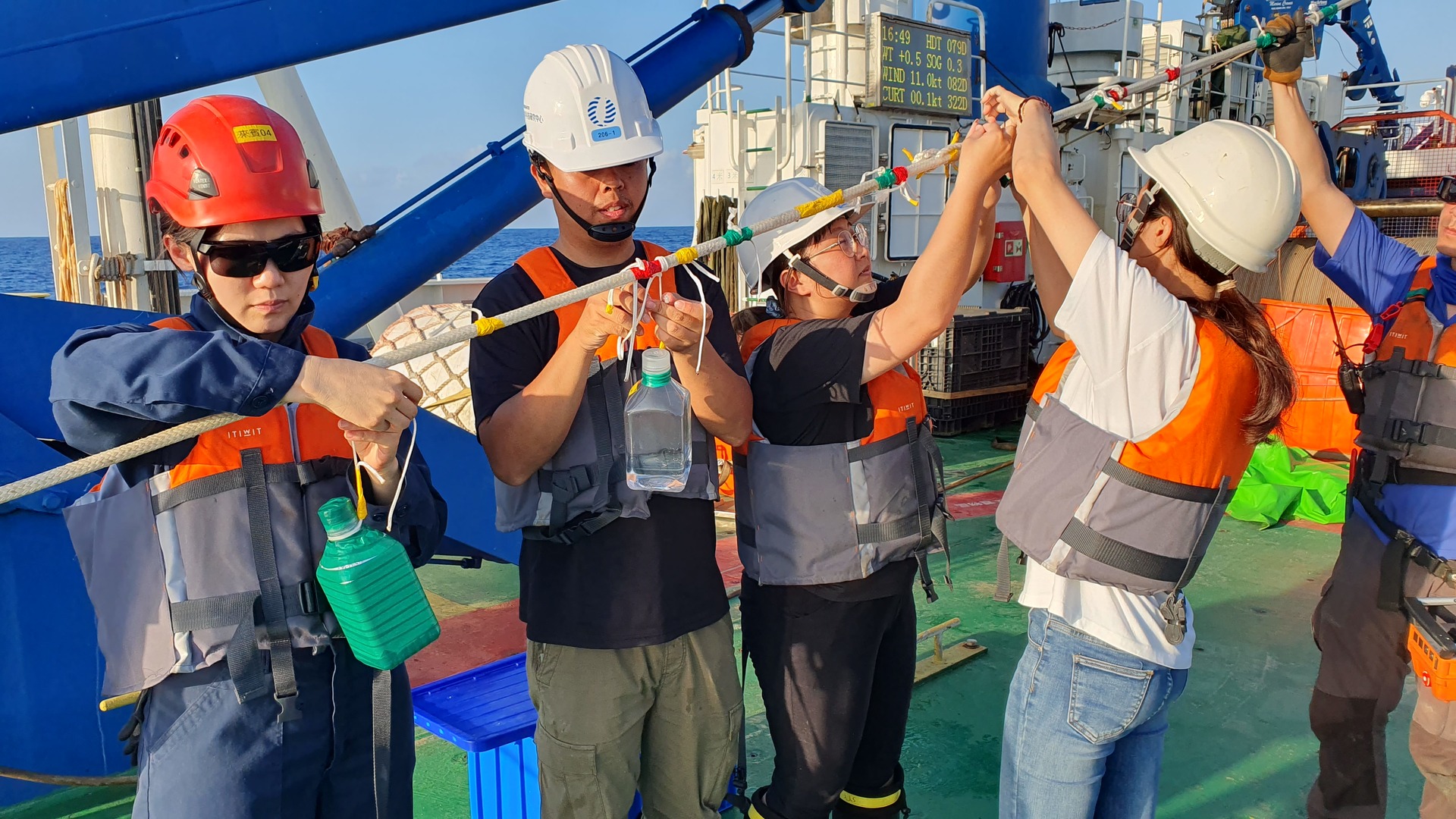
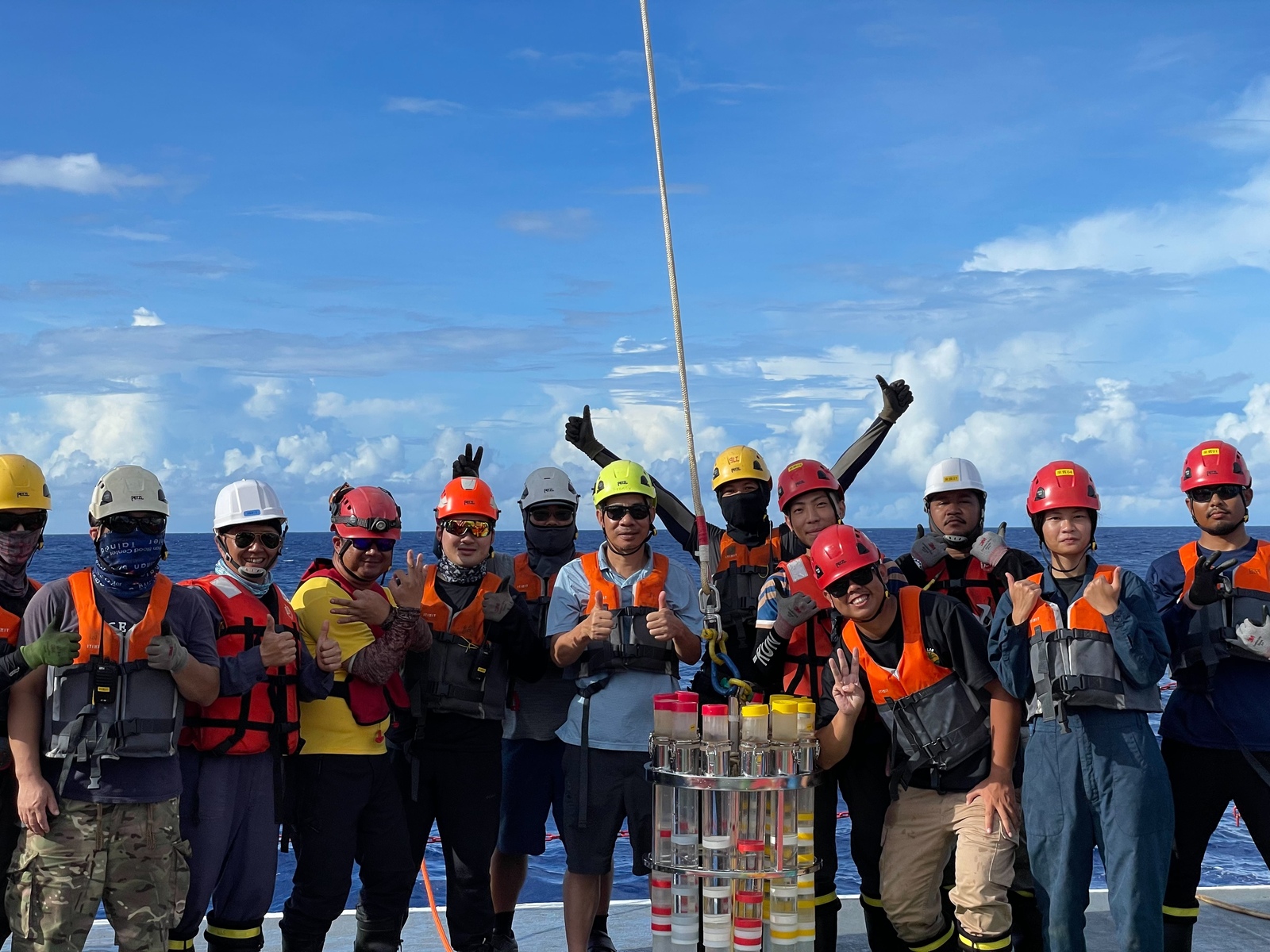
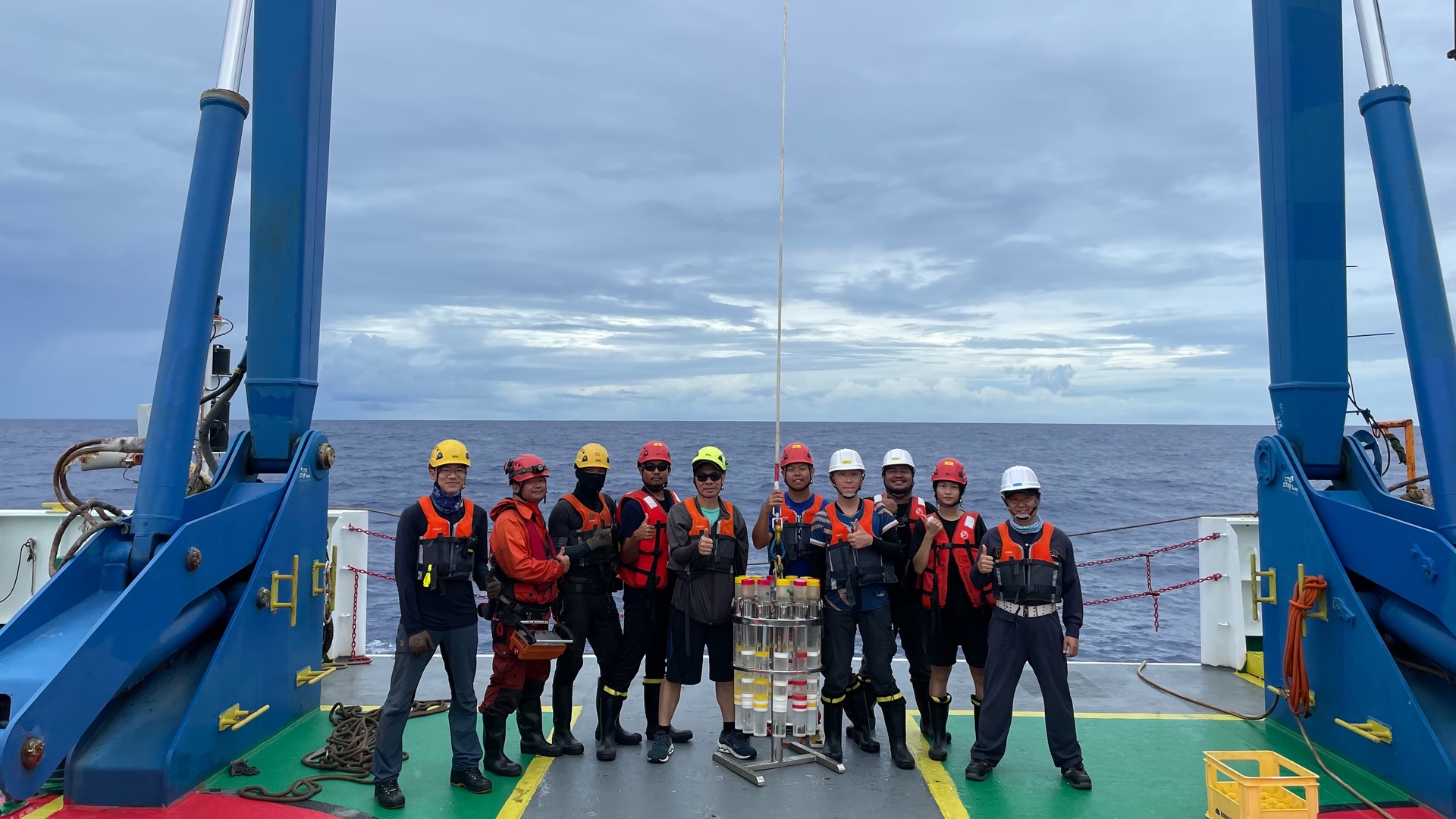
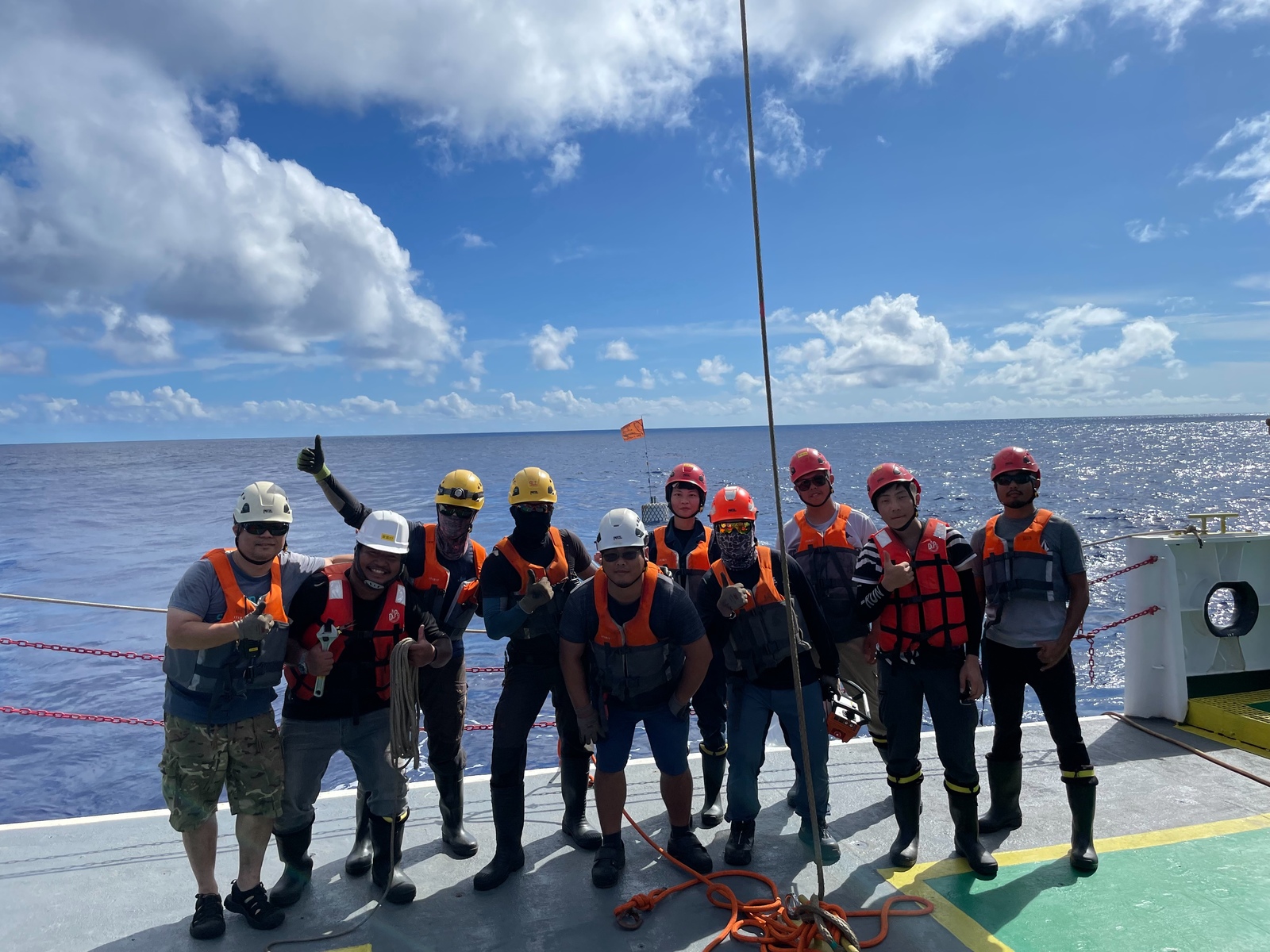
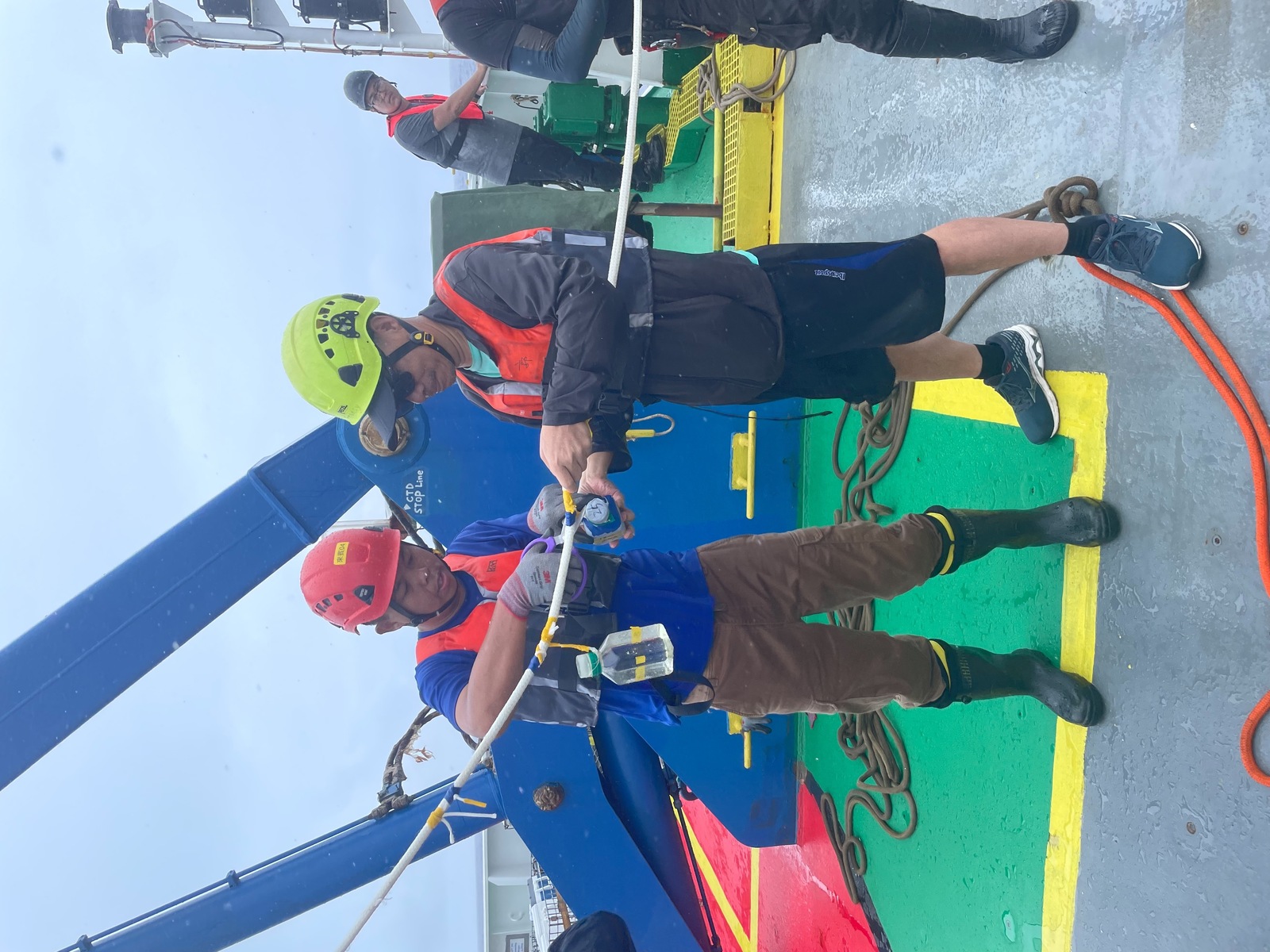
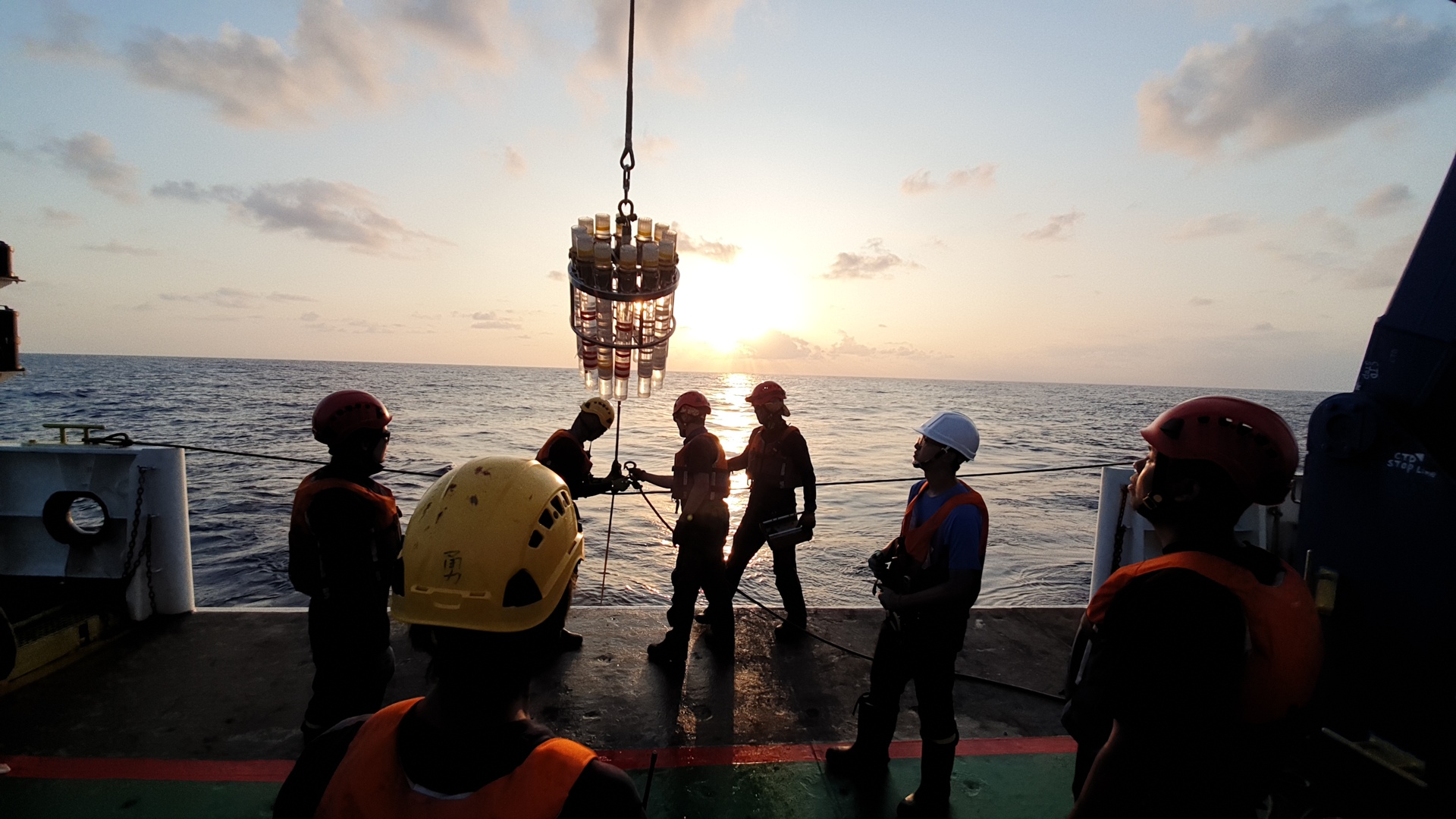
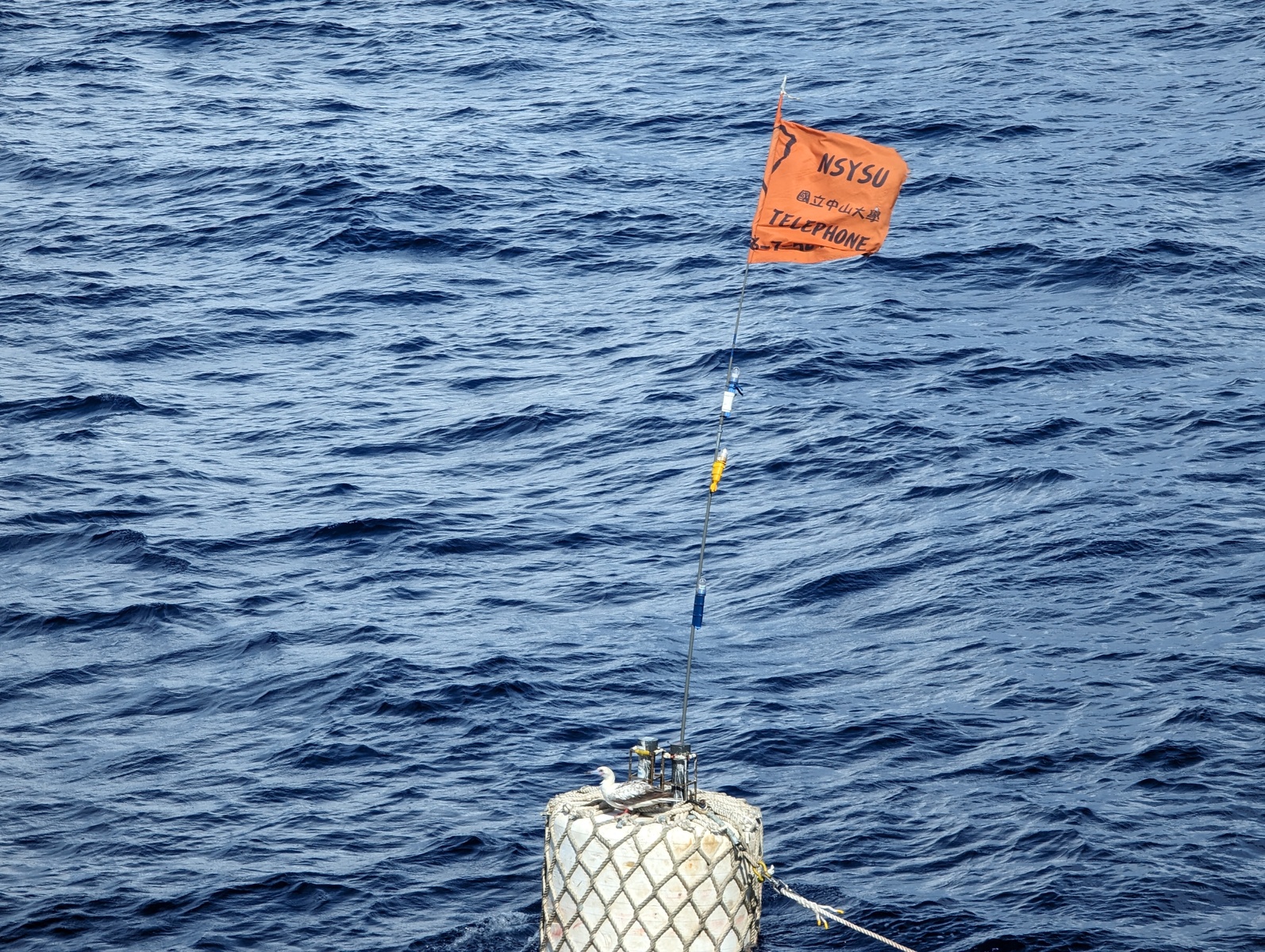
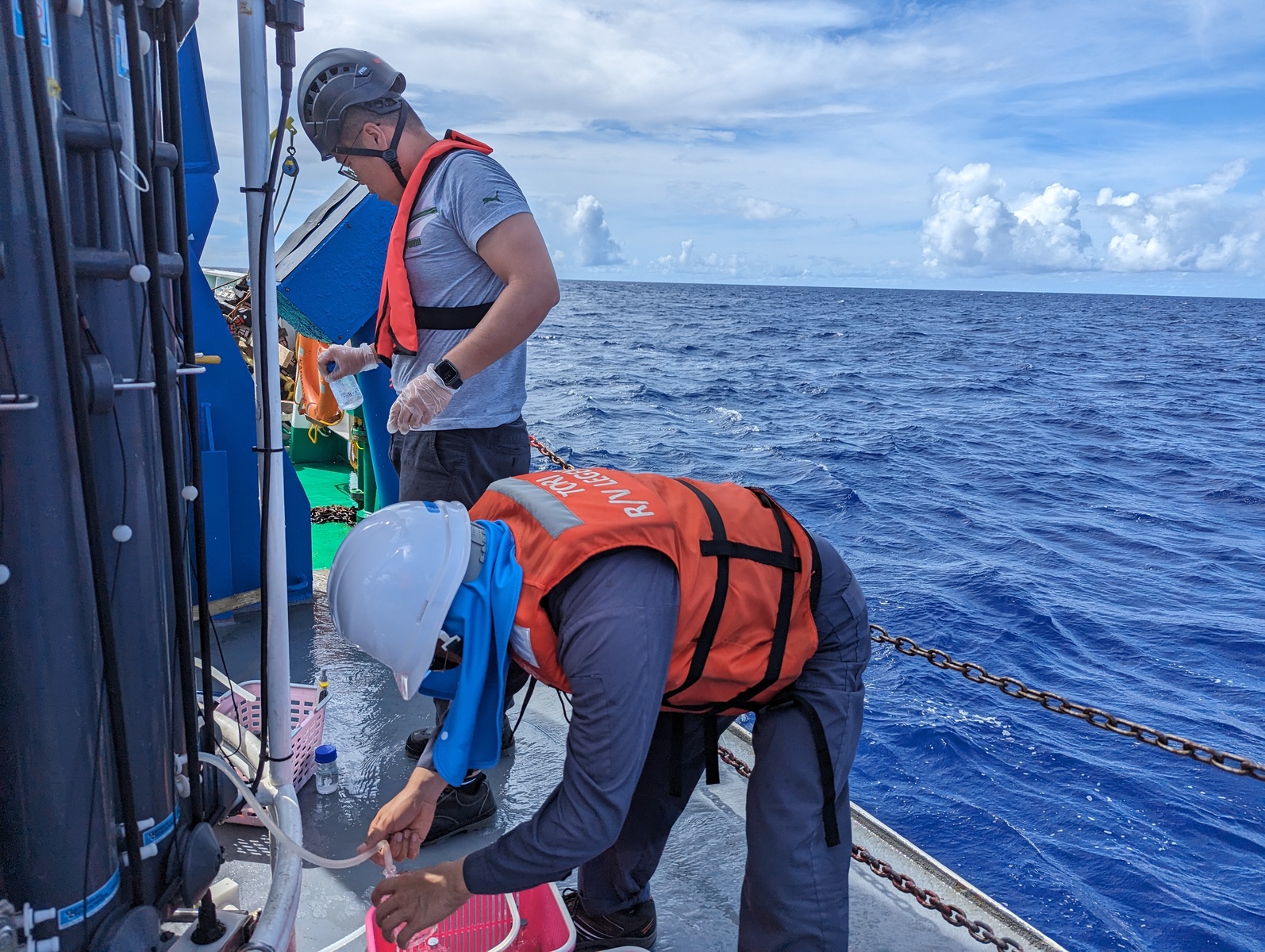
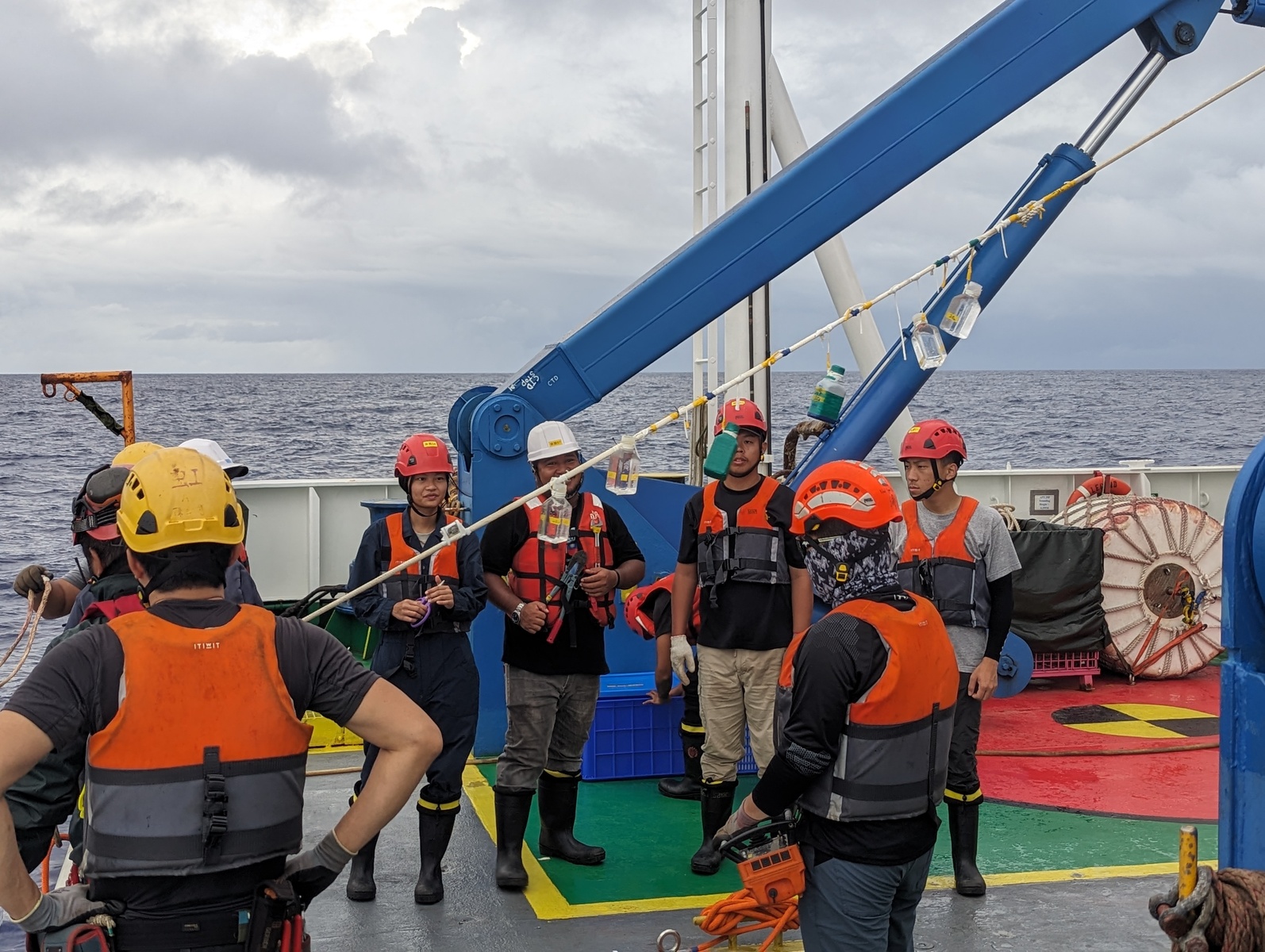
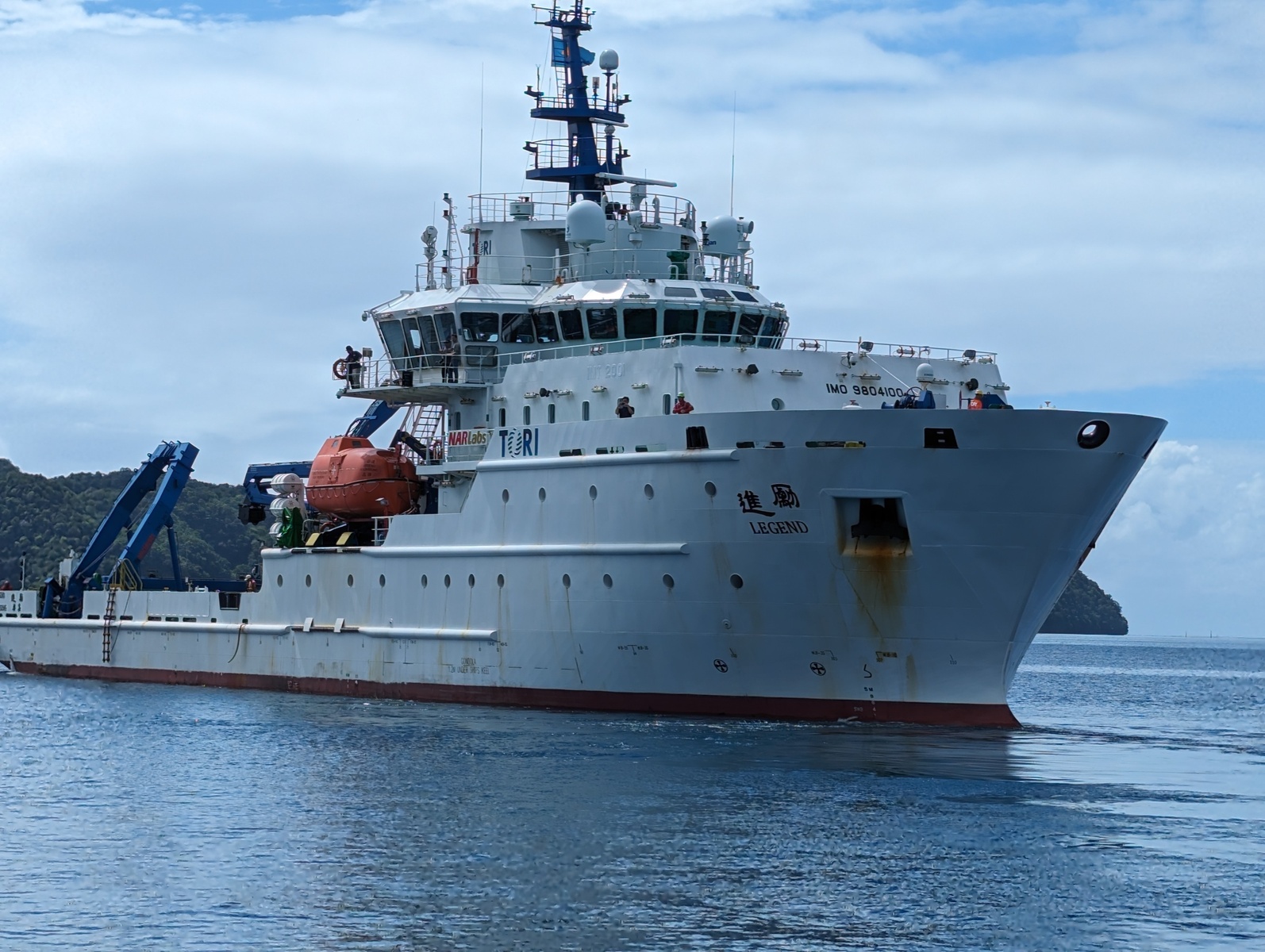
The study was supported primarily by the National Science and Technology Council's "Taiwan–Palau: navigating toward blue oceans" project. In 2023, the research team conducted observations at five stations in the western North Pacific aboard the R/V Legend. Sediment traps were deployed at depths of 150, 500, and 1,000 meters to collect sinking organic particles. The team analyzed stable carbon isotopes (δ¹³C) to distinguish the possible sources of organic carbon and used environmental DNA (eDNA) to identify biological signals.
The results showed that eDNA signals associated with macroalgae, mangroves, and seagrasses could still be detected at depths of 500 and 1,000 meters. The five observation stations spanned approximately four degrees of latitude. Some were about 900 kilometers from the Philippines and more than 1,200 kilometers from Indonesia. However, the current eDNA and isotope evidence cannot establish whether the blue carbon originated in Palau, the Philippines, or Indonesia, so its precise source remains undetermined.
The research team noted that the study provides evidence that carbon captured by coastal ecosystems may leave its original coastal environment and be transported by ocean currents and circulation to distant waters, potentially reaching the deep sea. Surface currents, undercurrents, and mesoscale eddies may all contribute to this transport process.
Previous studies of the biological pump have primarily focused on carbon fixed by phytoplankton near the ocean surface, which forms organic particles that sink to deeper waters. This study suggests that carbon may not only move "downward" but also travel "outward" before descending. The measured POC fluxes at 1,000 meters were approximately 2.7- to 4.2-fold higher than predicted by the Martin Curve model, further indicating that traditional models based solely on vertical sinking may not fully explain carbon flux in the deep ocean.
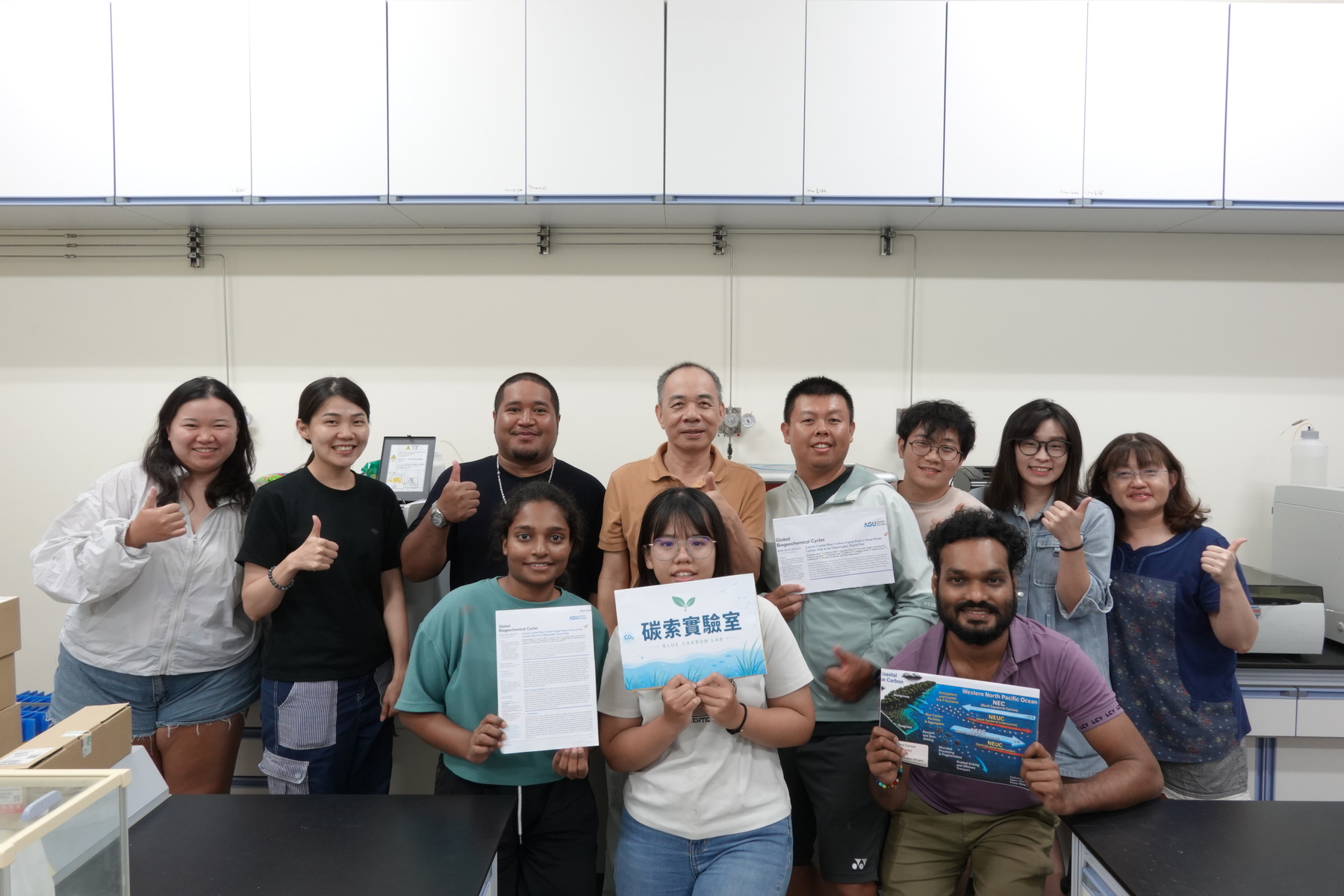
The findings have been published in the international journal Global Biogeochemical Cycles. The research team noted that future assessments of blue carbon and ocean carbon sinks should consider not only how much carbon is stored in coastal ecosystems, but also its sources, transport pathways, and long-term retention after reaching the deep sea. Further observations are needed to clarify the origins and transport processes of this coastal blue carbon. Members of NSYSU's Carbon Research Lab team include Dr. Hsueh-Han Hsieh and doctoral students Syun-Han Wu and Vicente G. Abedneko from the Department of Oceanography at NSYSU; Professor Tse-Min Lee of the Department of Marine Biotechnology and Resources at NSYSU; Associate Professor Yung-Yen Shih of the R.O.C. Naval Academy; and Associate Professor Chun-Hoe Chow of National Taiwan Ocean University, among others.
Click Num:
Share